
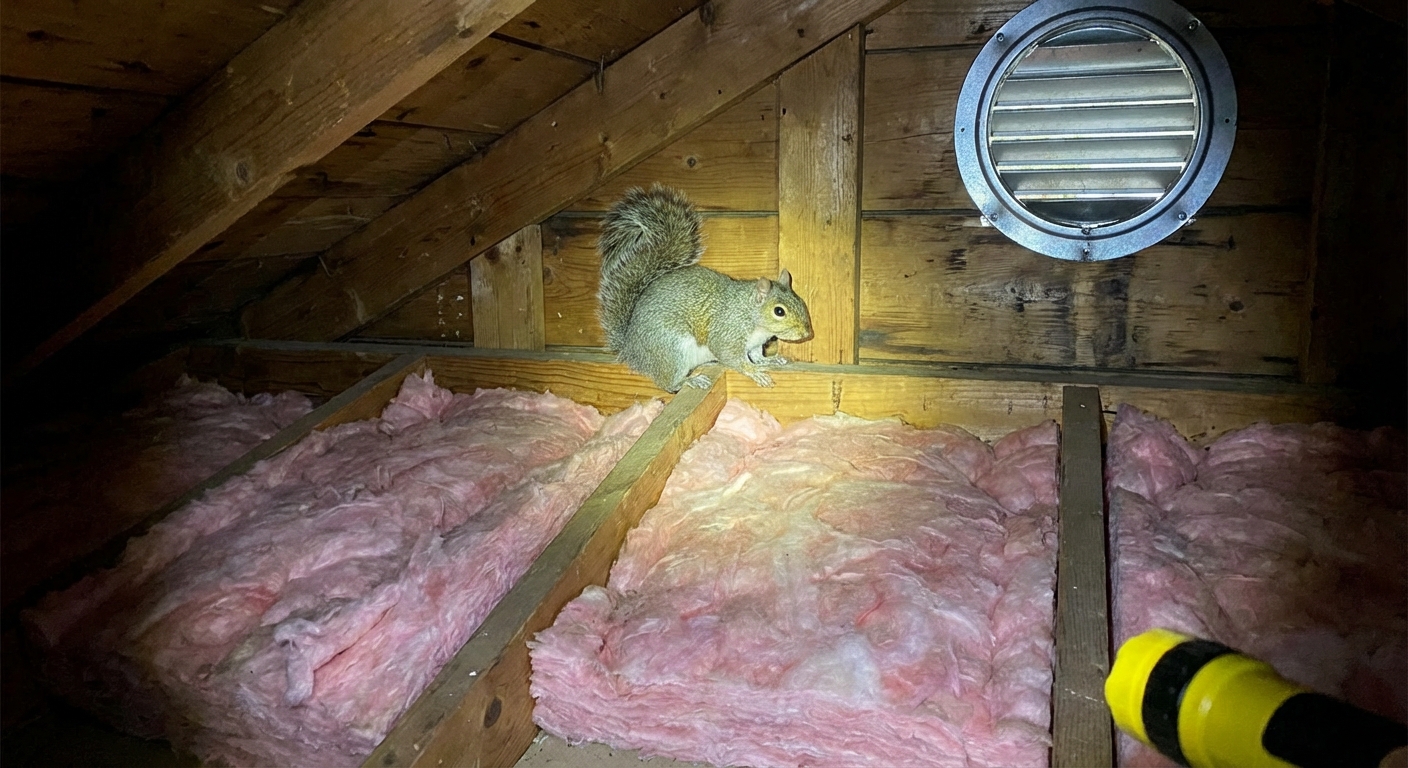
Squirrels are cute from the window. In your attic, they are a fast track to chewed wires, shredded insulation, and the kind of midnight scratching that makes you question every life choice that led to homeownership.
The good news: you can often solve this without poison, without a trapping marathon, and without tearing your roof apart. The key is to follow the right order: confirm what you are dealing with, get them out humanely, then lock the attic down so they cannot come back. And yes, there are situations where a pro or trapping is the smarter move. We will cover those too.
First, make sure it’s actually squirrels
Before you buy anything, take ten minutes to confirm the culprit. Squirrels behave differently than mice, rats, raccoons, or bats, and the fix changes depending on what you have.
Common signs of squirrels in the attic
- Loud daytime noise: scrambling, rolling, and thumping, most often early morning and late afternoon.
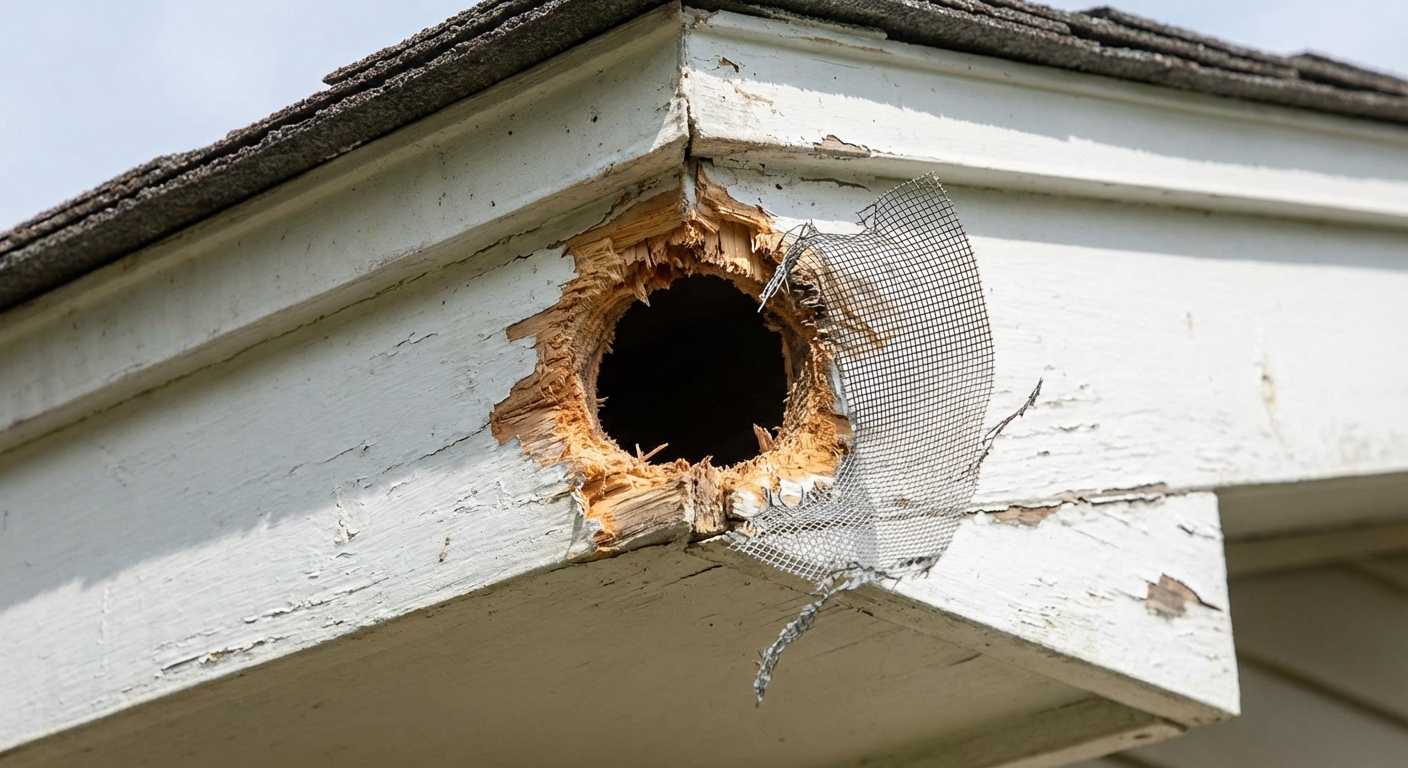
- Entry holes near the roofline: chewed openings at soffits, fascia corners, roof vents, gable vents, or where different rooflines meet.
- Gnaw marks on wood, shingles, or vent screens. Squirrels chew to enlarge holes and maintain their teeth.
- Nesting material: shredded insulation, leaves, twigs, paper, or fabric gathered into a mound.
- Droppings: larger than mouse droppings, often left near an entry path or nesting area.
- Stains and odor: dark rub marks around an entry hole and a musky smell that lingers.
If the noise is mostly at night and sounds heavier, you might be dealing with raccoons. If you see guano collecting in small piles below a roost area, staining around gaps, or bats exiting near dusk, it could be bats. When in doubt, set a cheap trail camera in the attic for a day or two. Since squirrels are daytime critters, daytime footage can be just as useful as night footage.
Why you want to act quickly
Squirrels are not just noisy roommates. They can:
- Chew electrical wiring, raising fire risk.
- Destroy insulation, which hurts comfort and energy bills.
- Soak areas with urine and leave droppings that create odors and hygiene issues.
- Have babies, which changes how you should remove them. Breeding often peaks in spring and late summer, but timing varies by species and region.
Safety and legal basics
I love a good DIY win, but wildlife work has a few extra rules.
- Wear PPE: gloves, long sleeves, eye protection, and at minimum an N95 mask. A half-face respirator with P100 filters is even better for dusty insulation and droppings.
- Move carefully: step only on framing members in the attic. One wrong step and you are visiting your living room ceiling from the wrong side.
- Check local rules: many states regulate trapping, relocation, and euthanasia. Humane exclusion is usually allowed and is often the recommended method.
- Never use poison: it can kill non-target animals, and poisoned squirrels often die in walls or the attic, which creates a smell problem you will not forget.
Step 1: Find entry points
Your job is to figure out exactly how they are getting in. Squirrels typically have one primary hole and one or two secondary spots they can use if spooked.
How to locate access points
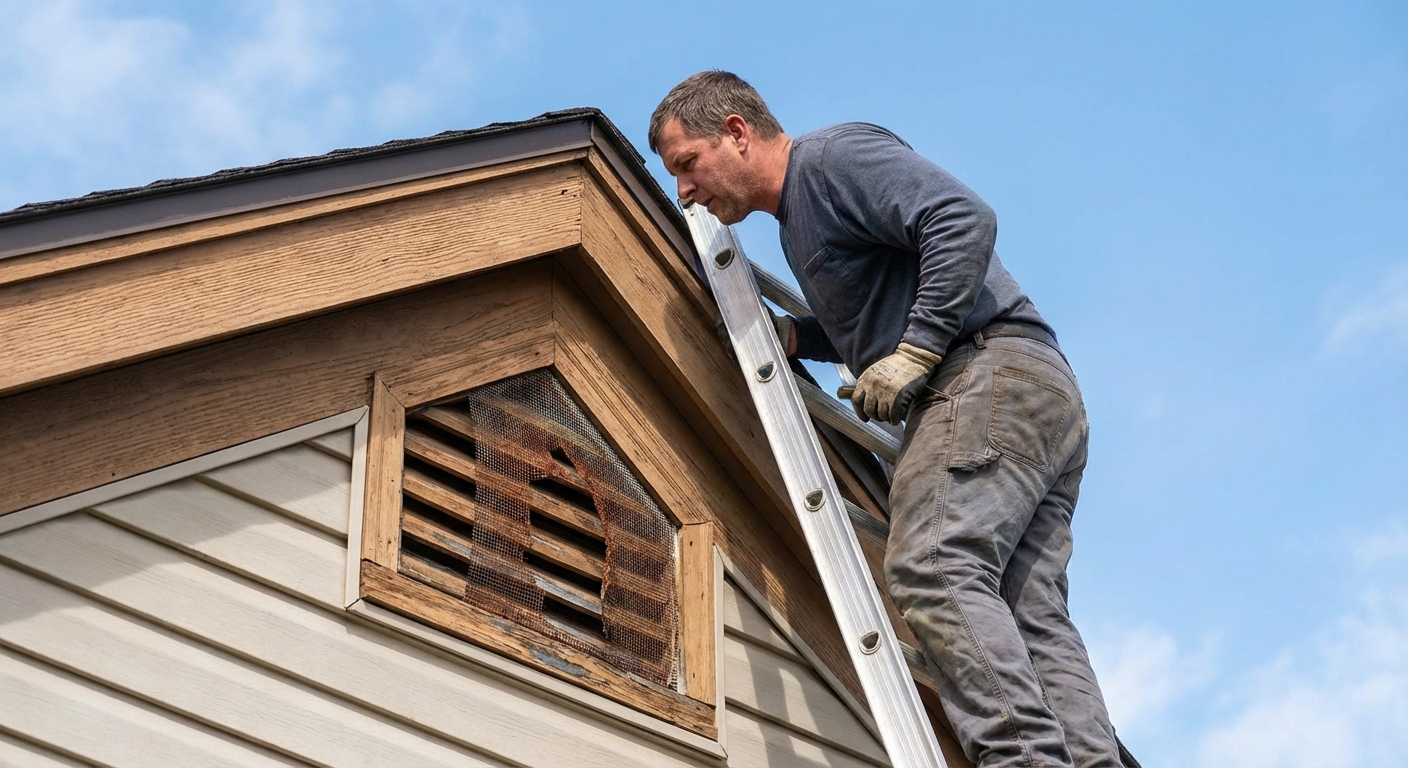
- Exterior inspection: walk the house perimeter and look up at soffits, fascia boards, roof returns, gable vents, plumbing stacks, and roof vents.
- Look for rub marks: oily dark smudges around a hole are a big clue.
- Check for debris: chewed wood chips, insulation bits, or acorn shells below an entry.
- Listen and mark: if you hear activity in one attic corner, mark that area and focus on nearby roofline penetrations.
Important: do not seal the main hole yet. Sealing too early can trap animals inside, including babies, and you will trade scratching noises for smell and flies.
Common squirrel entry spots
- Loose or rotted soffit panels
- Fascia corners where boards meet
- Unscreened or weak roof vents and gable vents
- Gaps near chimneys or flashing
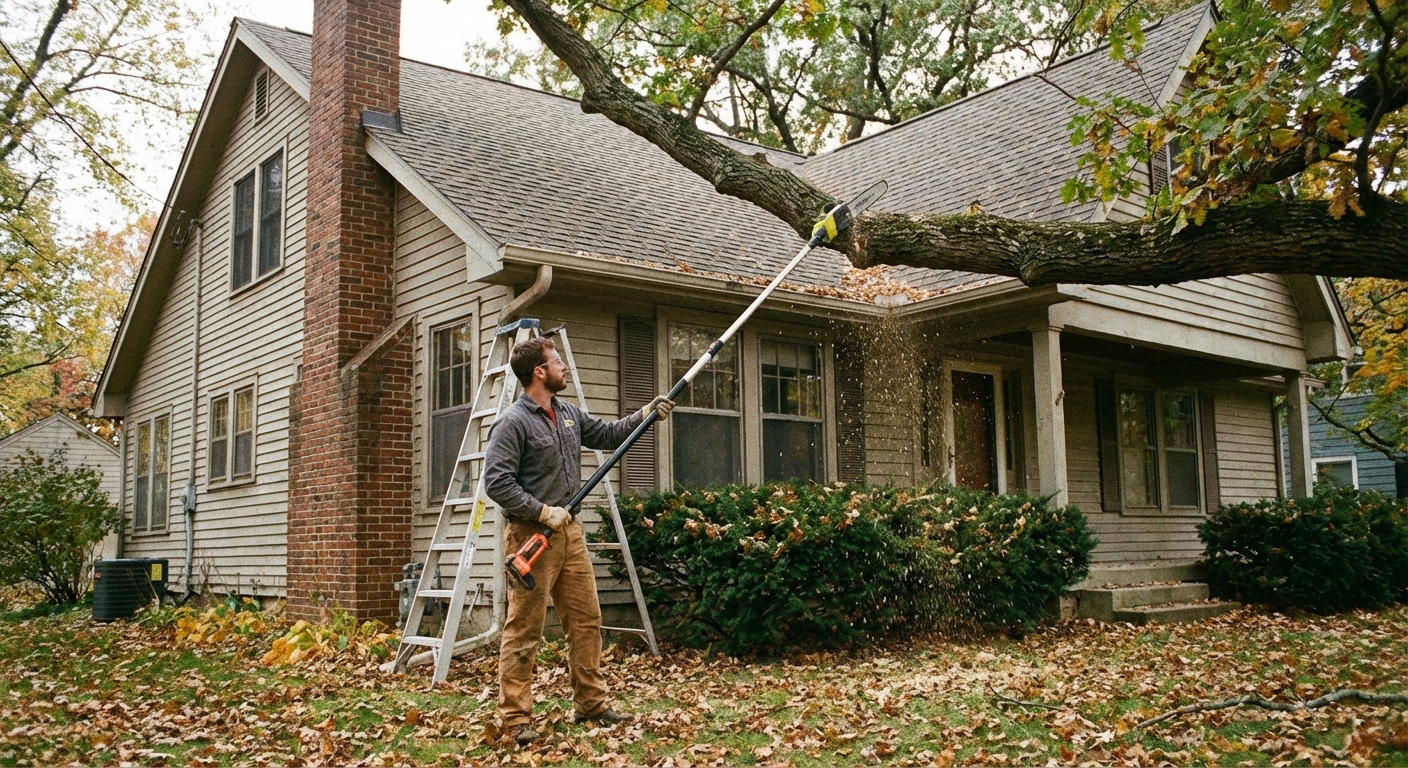
- Openings where tree branches let squirrels reach the roof easily
Step 2: Check for babies
This is the part most online guides rush, and it matters. If there is a nest with babies, adult squirrels will be desperate to get back in. Also, babies cannot follow a one-way door until they are old enough.
How to tell if you have a nest
- You hear soft chirping or squeaking in a concentrated area.
- Adult activity is constant, with frequent in and out trips.
- You find a large nest mound in insulation.
If you suspect babies and you cannot confirm they are old enough to leave, this is a strong moment to call a licensed wildlife control pro. As a rough guideline, juveniles are often mobile around about 6 to 8 weeks, but it varies by species and region. When in doubt, get local species guidance or hire it out.
Step 3: Set up exclusion
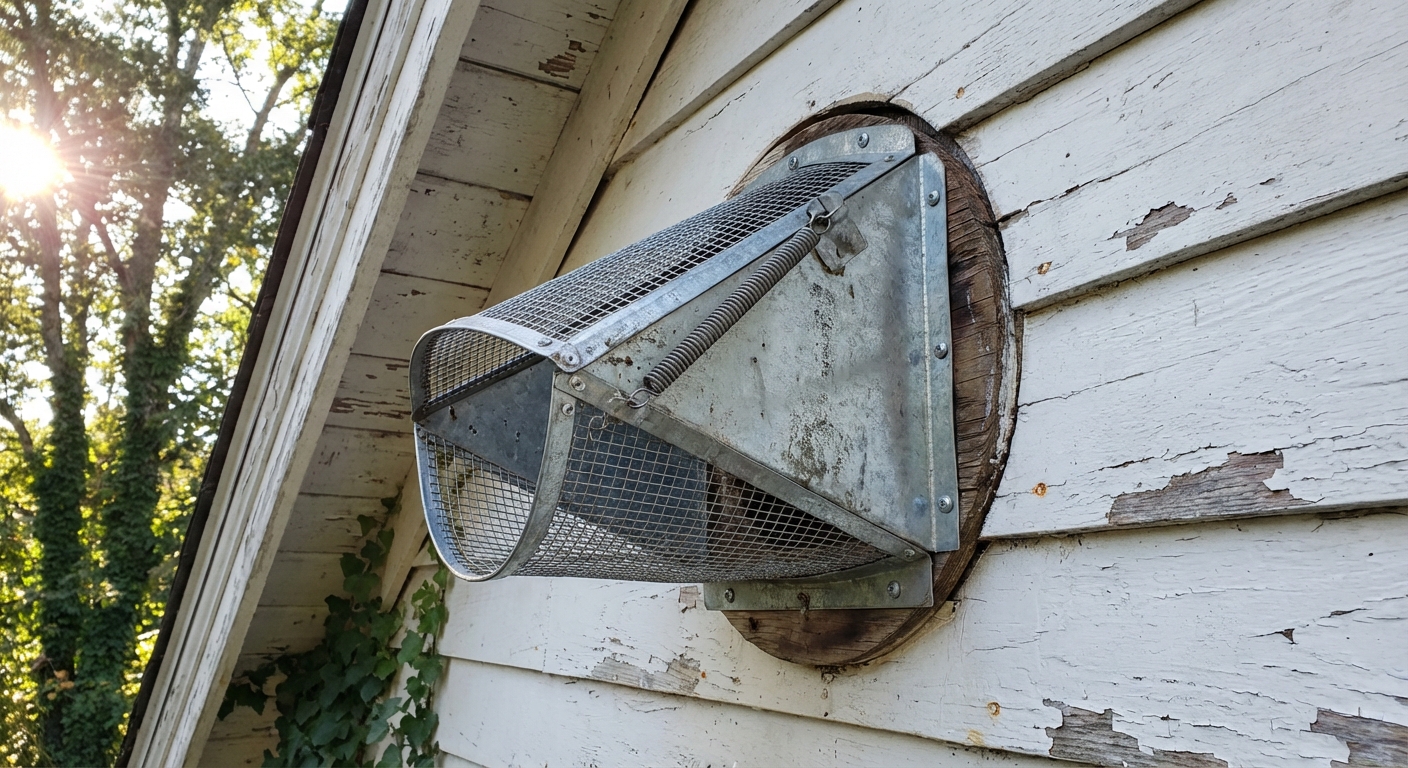
The most reliable DIY method is one-way exclusion. You let squirrels exit, but you block re-entry. It is cleaner than trapping and avoids the relocation mess that can become someone else’s problem.
Do this first: manage secondary holes
Before you install the one-way door, close off every other known opening so they cannot simply switch doors on you.
- Seal secondary holes with hardware cloth or flashing, screwed into solid wood.
- Leave the primary hole open for now. That is where the one-way door goes.
If you cannot safely reach secondary holes, or there are too many to identify, that is one of the clearest signs you should call a pro.
Option A: Install a one-way exclusion door
You can buy a squirrel one-way door or make a simple one using hardware cloth and a hinged flap. The store-bought versions are usually worth it because the door action is consistent.
- Pick the primary entry hole and make sure it is solid enough to mount to. If the wood is rotted, you may need a temporary mounting board.
- Attach the exclusion door per manufacturer instructions. Use exterior screws, not staples.
- Leave it in place 3 to 7 days. You want a few consecutive quiet days with no attic activity.
- Watch from a distance during an active period (usually morning). Confirm squirrels are leaving and not finding another way in.
Option B: Encourage them out
Exclusion works best when the attic is not a cozy hotel.
- Light: place a bright work light in the attic aimed toward the nesting area.
- Sound: a talk radio station at moderate volume can make the space less appealing.
- Smell: commercial squirrel deterrent sprays can help, but do not rely on them as your only plan.
Skip the folklore solutions like mothballs. They are a health hazard in enclosed spaces and usually do not solve the problem.
What about live trapping?
Live trapping can work, but it comes with complications:
- It may be illegal to relocate wildlife in your area without a permit.
- Relocation survival is often poor, and many wildlife agencies discourage it.
- You may trap a mother and leave babies behind.
If you choose trapping, check local laws first and be prepared to address babies and entry points the same way you would with exclusion.
Timing tip
Do exclusion when weather is mild and squirrels are actively coming and going. Avoid rushing sealing work during extreme heat or cold if it increases the odds you trap an animal inside.
Step 4: Seal and reinforce
Once you have had a few quiet days and you are confident the attic is empty, it is time to do the permanent work. This is where you win the long game.
Best materials for squirrel-proofing
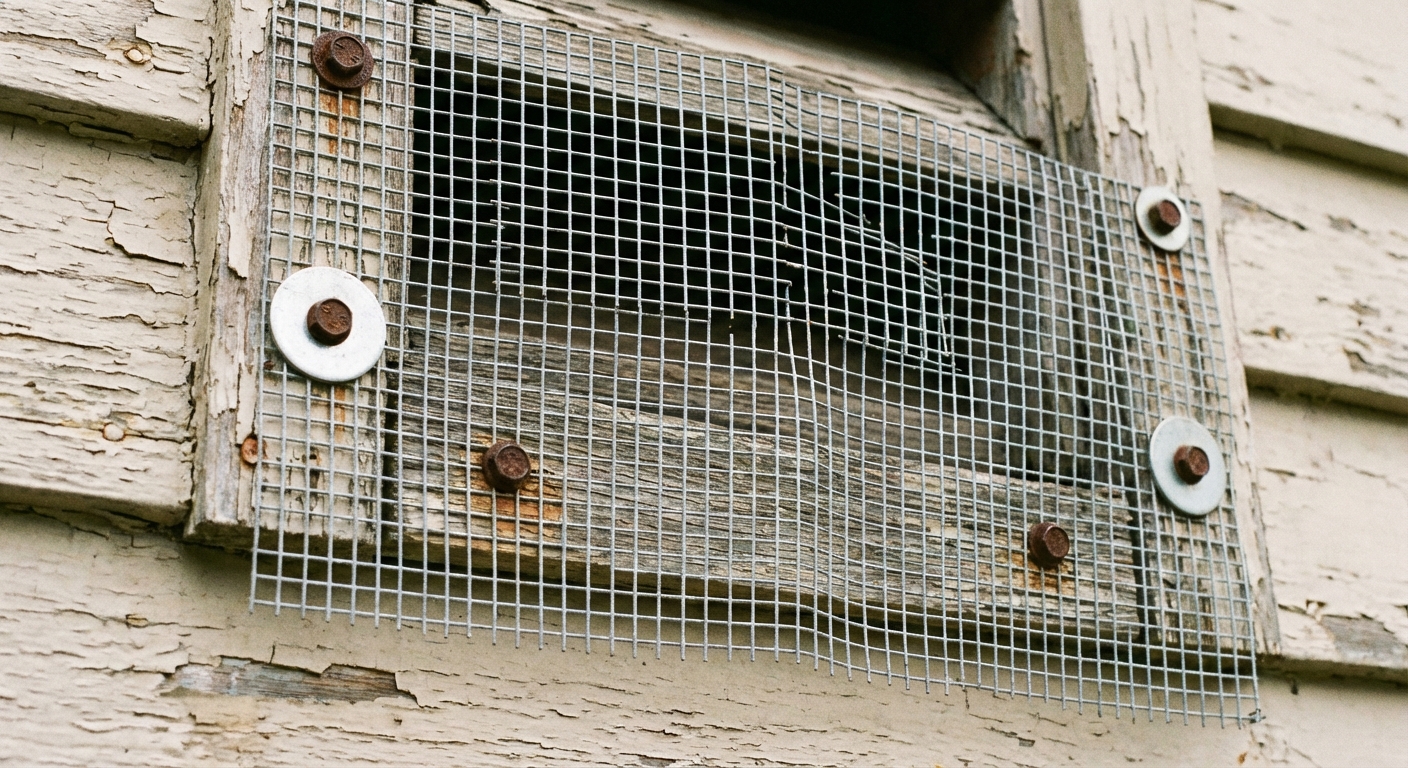
- 1/2-inch hardware cloth (galvanized) for vent screening and patches
- Metal flashing for corners and chewed edges
- Exterior-grade screws with washers
- Construction adhesive rated for exterior use (as a helper, not the only fastener)
- Wood replacement for rotted fascia or soffits
Avoid foam as your primary defense. Squirrels chew through it like it is a snack.
How to seal common trouble spots
- Soffit returns and corners: replace rotten wood, then cap vulnerable edges with flashing.
- Gable vents: add hardware cloth behind the vent louvers using screws and washers.
- Roof vents: install a critter guard or replace with a sturdier vent designed to resist chewing.
- Gaps at rooflines: patch with flashing and secure into solid framing, not just trim boards.
My thrift tip
If you only have budget to upgrade a few areas, prioritize the primary entry hole and any soft wood corners. That is where squirrels do the most damage and where repairs last the least if you do not reinforce with metal.
Step 5: Cut roof access
Squirrels are athletes. If your roof is basically a branch-to-shingle runway, they will keep testing your repairs.
Trim and adjust the environment
- Trim branches back at least 6 to 10 feet from the roofline if possible.
- Check fences and sheds near the house. They can be launch platforms.
- Secure attic vents and chimney caps, even if you do not think they used them yet.
This step feels optional until the day you patch one hole and they chew another one two feet away. Ask me how I know.
Do repellents help outside?
Some repellents can reduce casual exploring, but they rarely stop a determined squirrel that already knows your attic is warm. Think of repellents as a supporting player, not the hero.
Step 6: Clean up safely
Once squirrels are out and the house is sealed, do not skip cleanup. Nesting mess can hold odor, parasites, and moisture. Also, matted insulation does not insulate well.
Cleanup checklist
- Ventilate: open gable vents if possible and run a fan exhausting to the outside.
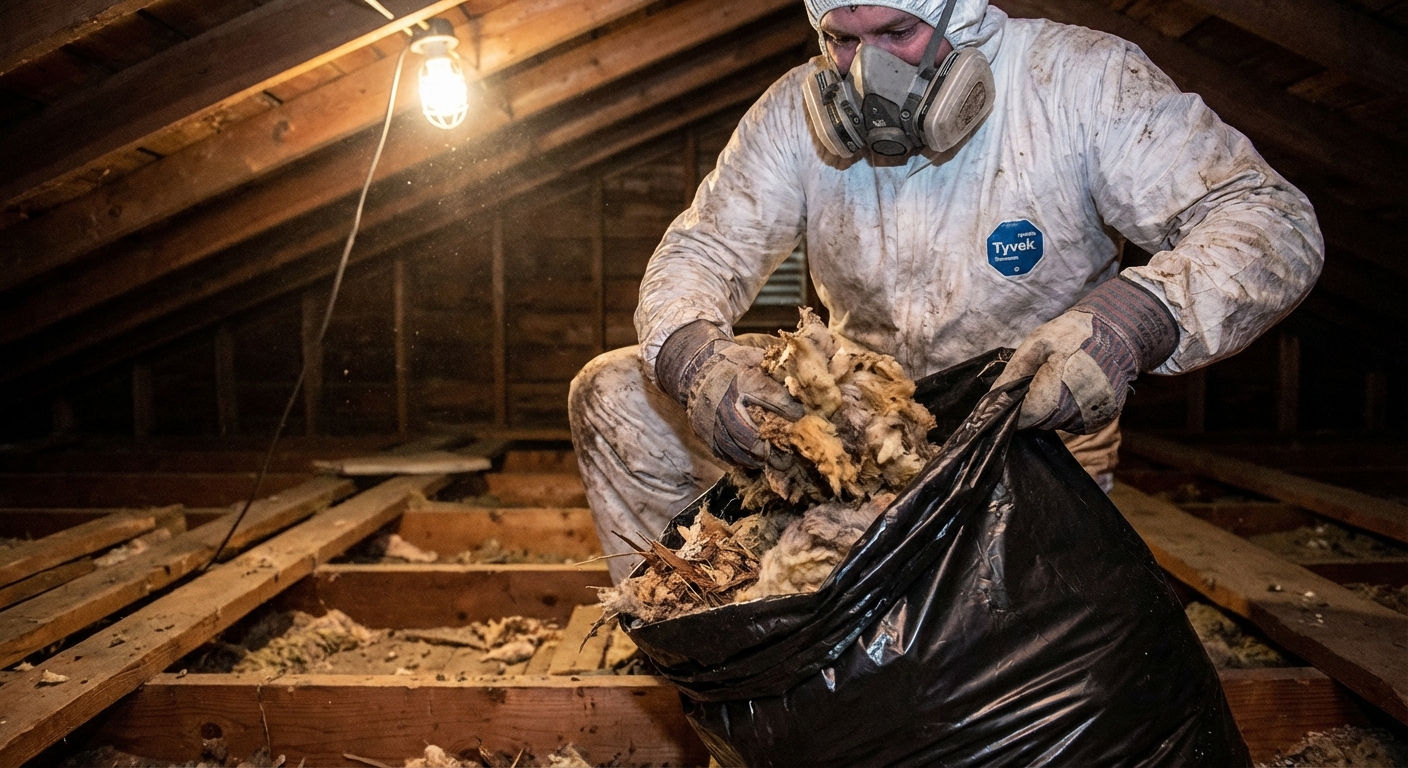
- Wear proper protection: gloves, eye protection, and a respirator if you have one.
- Do not dry sweep: mist droppings and soiled areas with a disinfectant solution to keep dust down (follow product label).
- Avoid regular shop vacs: use a HEPA-rated vacuum if vacuuming is needed.
- Remove nesting material into heavy contractor bags and seal them.
- Inspect wiring: look for chewed sheathing. If you see damage, call an electrician.
- Replace insulation where it is flattened, wet, or contaminated.
Health note without panic: squirrels can carry parasites and bacteria, but the really high-profile droppings risks people talk about are more commonly tied to rodents like mice. Either way, treat any attic droppings like something you do not want in your lungs.
If contamination is widespread or you see signs of mold, consider an attic remediation company. Sometimes DIY is possible, but sometimes it is smarter to keep your lungs out of it.
Odor control
After cleanup, an enzyme-based odor neutralizer can help. If smells persist, you may have hidden contamination in wall cavities near the entry point or compressed insulation you did not remove.
What not to do
- Do not corner a squirrel in the attic. Give it an exit route.
- Do not use glue traps. They are inhumane and create a bigger problem fast.
- Do not seal the main hole until you are confident all squirrels are out.
- Do not handle babies unless you are trained and allowed to do so. Call a licensed pro or local wildlife rehabilitator.
When to call wildlife control
I am all for sweat equity, but there are times a pro is the safest, fastest option.
Call a licensed wildlife control pro if:
- You suspect babies and cannot confirm they are mobile.
- The entry point is high or dangerous to reach.
- You have multiple entry points or ongoing re-entry despite repairs.
- You cannot locate and seal secondary holes before exclusion.
- You find major feces contamination or strong odor throughout the attic.
- You see chewed electrical wiring or scorch marks.
- You are dealing with aggressive behavior or a squirrel that got into living space.
When hiring, ask whether they use exclusion (not poison), whether they will seal all secondary holes, and whether cleanup and insulation replacement are included or separate.
Quick plan
- Confirm it’s squirrels by timing, noise, and entry holes.
- Find all entry points and identify the primary hole.
- Check for babies. If yes, consider a pro.
- Seal secondary holes, then install a one-way door on the main hole.
- After a few quiet days, remove the door and seal and reinforce the main hole with metal and hardware cloth.
- Trim branches to reduce roof access.
- Clean and repair insulation and any wiring damage.
If you take it step by step, this is absolutely a solvable homeowner problem. The biggest mistake is rushing to seal the main hole before the attic is empty. Get them out first, then make sure your house is a fortress.

About Marcus Vance
Content Creator @ Grit & Home
Marcus Vance is a lifelong DIY enthusiast and self-taught home renovator who has spent the last decade transforming a dilapidated 1970s ranch into his family's dream home. He specializes in budget-friendly carpentry, room-by-room renovations, and demystifying power tools for beginners. Through his writing, Marcus shares practical tutorials and hard-learned lessons to help homeowners tackle their own projects with confidence.