

If you have ever brushed past the edge of your lawn and found a tick later, you know this is not just an "ew" problem. Ticks can carry diseases, and they love the exact parts of a yard most families use: shady edges, play areas near brush, paths to the shed, and the transition zones where lawn meets woods.
The good news is you do not need to blanket the yard in chemicals to get control. The best results usually come from a simple one-two-three approach: make the yard less inviting, treat the high-risk zones, and keep a repeatable schedule during tick season.
Know where ticks live
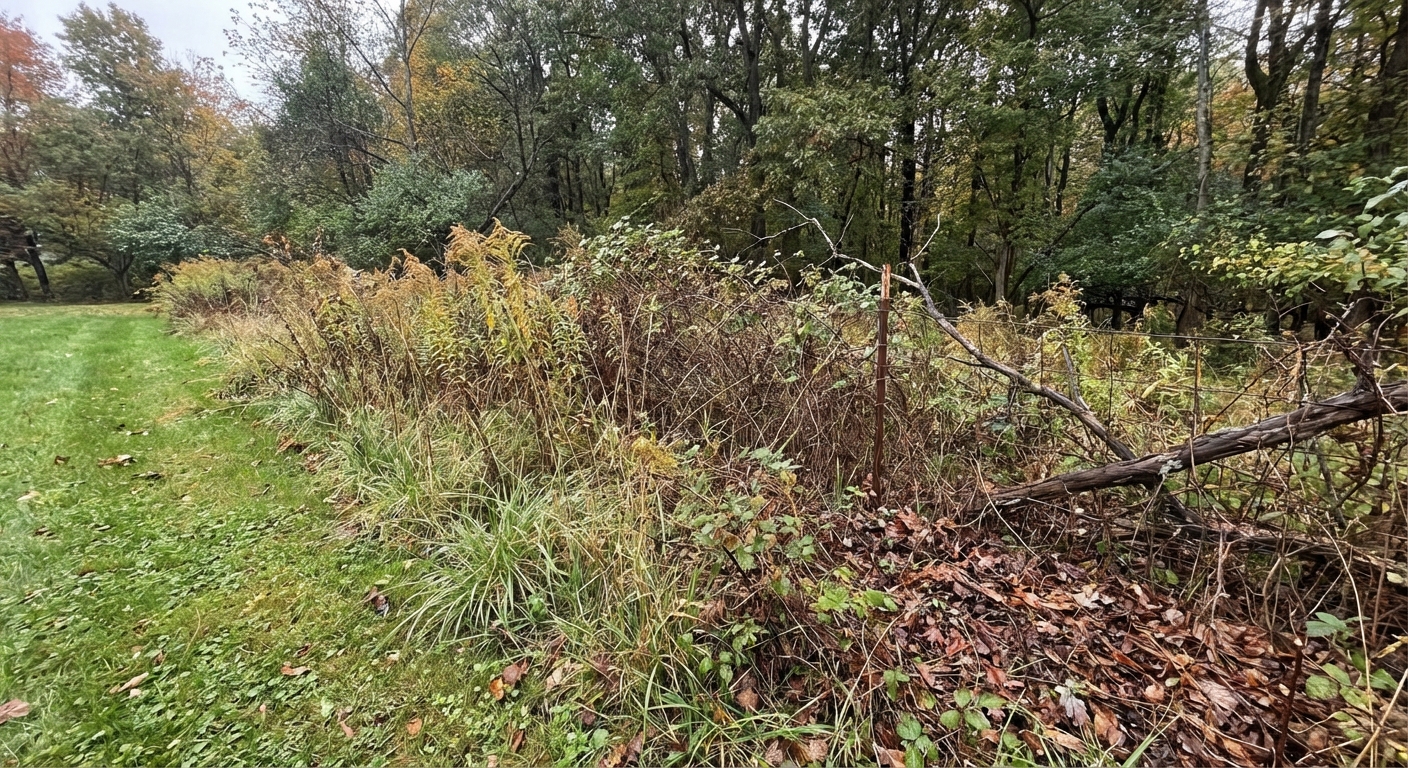
Most ticks are not hanging out in the middle of a short, sunny lawn. They thrive in humid, protected cover. Think leaf litter, tall weeds, brush piles, firewood stacked directly on the ground, and the shady edge line where your yard meets woods or overgrown fence rows.
High-risk zones
- Woodline edges and trails into the woods
- Under shrubs, groundcovers, and low branches where it stays damp
- Leaf litter and mulch beds that stay shaded
- Brush, log, and rock piles
- Dog run paths, kennel areas, and spots wildlife visits
DIY rule of thumb: put most of your effort into the edges and shaded cover. That is where the payoff is for most properties.
Step 1: Habitat cleanup
If you only do one thing, do this. Habitat changes lower tick pressure all season and make any treatment you apply work better.
Mow and trim
- Keep grass 3 inches or shorter during tick season if your lawn can handle it.
- Trim weeds and tall grass along fences, sheds, playsets, and swing set edges.
- Prune low shrub branches so sunlight reaches the ground.
Cut down leaf litter
Ticks love the moist, protected layer under leaves. Rake and remove leaf litter along:
- Woodlines
- Stone walls
- Mulch bed borders
- Under decks and dense shrubs
Fix common hot spots
- Firewood: store on a rack or pallet in a sunny spot, not directly on soil.
- Brush piles: chip them, haul them, or move them far from the yard.
- Mulch beds: keep mulch thin and dry where you can, and do not let it turn into a damp leaf trap.
Add a barrier strip
A simple barrier can help reduce tick movement from woods into lawn. Many university extension programs recommend a 3-foot strip, and some suggest going wider (up to 6 feet) if you have the space and heavy pressure.
Aim for 3 to 6 feet of gravel or wood chips between lawn and wooded or brushy areas.
- Rake out leaf litter first.
- Lay landscape fabric if you want easier maintenance.
- Spread gravel or wood chips evenly (no need for perfection).
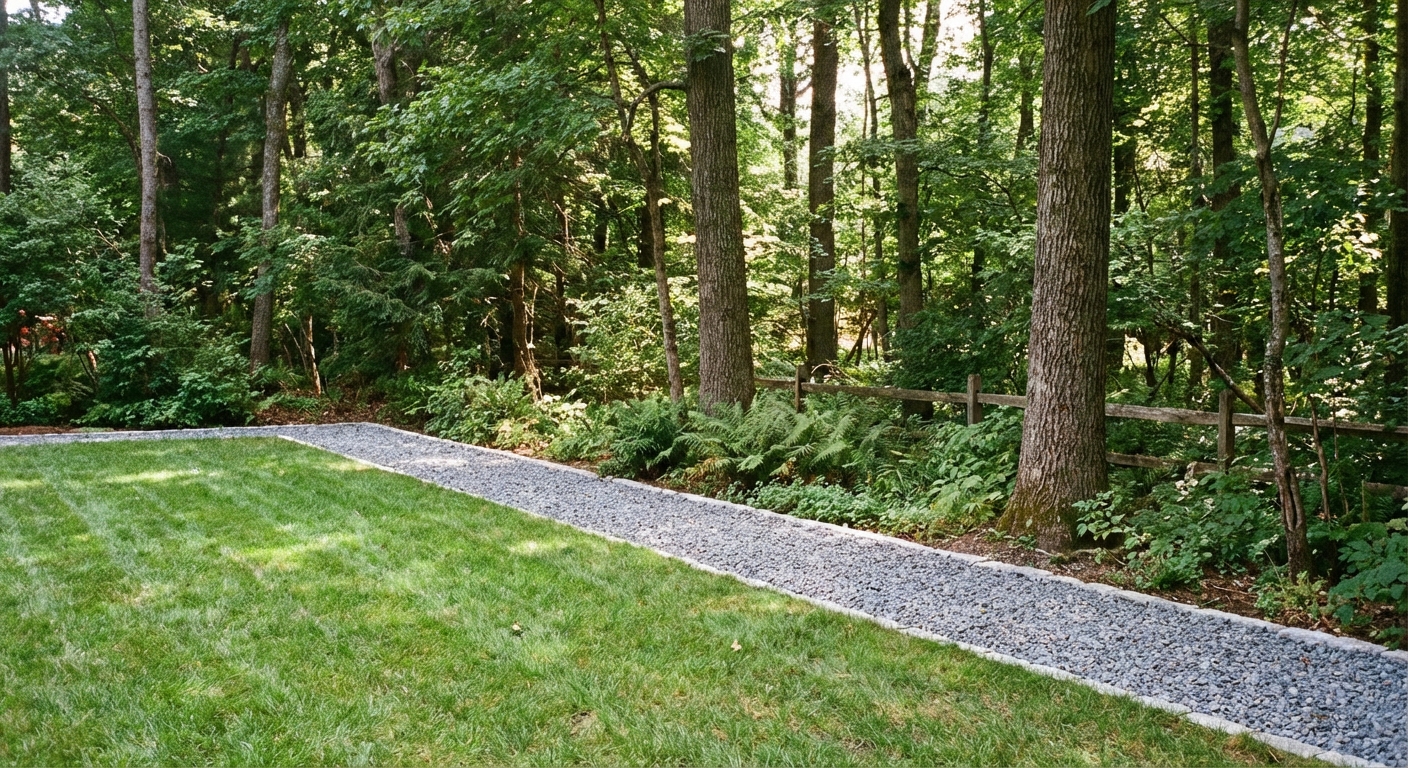
Marcus note: This is one of those unglamorous projects that pays you back every week. When we finally added a simple border along our back tree line, we stopped picking up ticks just from walking the perimeter.
Watch watering and shade
Ticks do better when the ground stays damp. If you irrigate, avoid soaking the perimeter and shady landscaping every day. More airflow and a little more sun go a long way.
Step 2: Yard treatments
If tick pressure is moderate to high, habitat cleanup alone may not cut it. A targeted treatment can knock numbers down fast, especially in the shady edge zones where ticks wait for hosts.
Two of the most common active ingredients you will see in DIY tick products are permethrin and bifenthrin. You may also see other pyrethroids, depending on the product. Always follow the specific label for your product, since instructions and restrictions vary by brand and formulation.
Granules
Granules are a great option if you want a simple application with a spreader. They work best when you can apply evenly and then water in if the label calls for it.
- Where to apply: perimeter edges, under shrubs, mulch bed borders, shaded transitions, along fences
- Pros: beginner-friendly, less drift than sprays, good for larger areas
- Cons: can be less precise than sprays in dense groundcover and tight corners
Permethrin and bifenthrin both come in granular products. Pick one product and follow the label. More is not better, it is just waste and risk.
Sprays
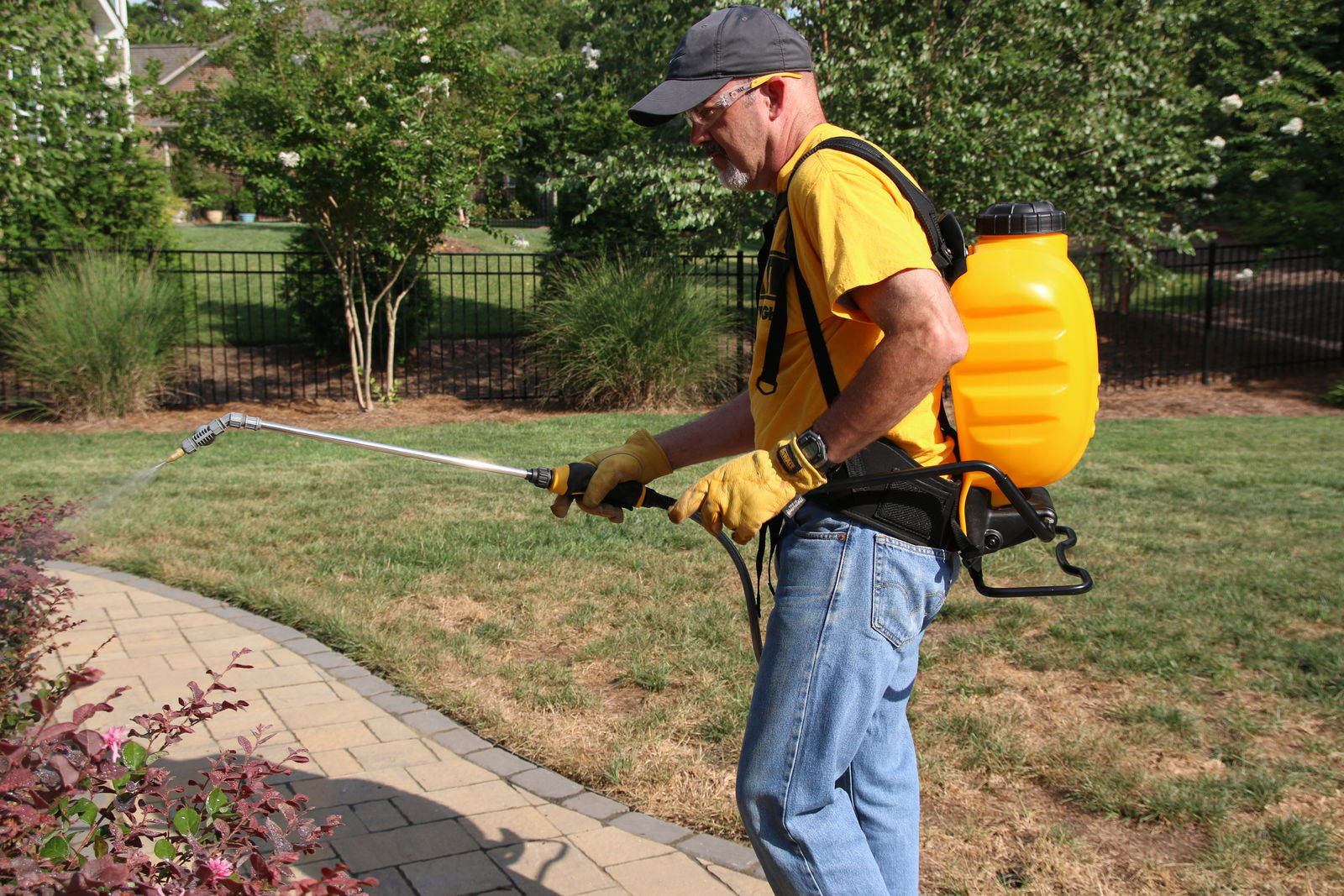
Sprays excel when you treat the places ticks actually hide: the lower foliage, the base of shrubs, the shady edges, and the leaf-litter line.
- Where to spray: a typical perimeter band is about 5 to 10 feet into the yard from the woodline, plus 5 to 10 feet into the brush line. Focus on the ground layer and lower vegetation.
- Pros: very targeted, good penetration into edges, strong knockdown when applied correctly
- Cons: more prep and care, drift risk on windy days, typically more PPE needed
My approach
In most yards, you do not need to blanket-spray the entire lawn. Instead, focus on:
- Wooded edges and fence lines
- Under shrubs and dense landscaping
- Paths to sheds, play areas, and dog areas near brush
- Anywhere you have leaf litter that you cannot realistically eliminate
Timing
Tick season varies by region and species, but pressure often ramps up in spring and can stay high through summer, with another bump in fall in many areas.
- Apply treatments when you first start seeing ticks, or before peak season if you know your yard is a hot spot.
- Reapply based on the label, and expect to re-treat after heavy rain if the product instructions mention it.
- Plan on regular maintenance rather than a single "one and done" application.
Safety basics
- Keep people and pets out of treated areas until the product label says it is safe, often after drying for sprays.
- Do not treat flowering plants when pollinators are active. Stick to the ground layer and shaded edges.
- Wear gloves, long pants, and closed-toe shoes. If the label calls for eye protection or a respirator, do it.
- Store concentrates locked up and mix outdoors.
If you have a well, pond, creek, or drainage ditch nearby, read the label carefully for water setbacks and restrictions. Many pyrethroids are highly toxic to fish and aquatic invertebrates, so keep applications away from water and storm runoff paths.
Lower-tox options
I am a budget guy, but I am also a "right tool for the job" guy. Lower-tox options can help, especially for light to moderate tick activity or for homeowners who want to avoid conventional pesticides. Just go in with realistic expectations: many of these products require more frequent reapplication, and results vary with weather and coverage.
Cedar oil sprays
Cedar oil products are commonly marketed as tick repellents and killers. They tend to work best with thorough coverage in the edge zones.
- Best use: perimeter edges, under shrubs, around patios and play areas
- What to expect: quicker drop-off after rain and sun, more repeat applications
- Tip: apply on a calm day and focus on the lower 18 inches of vegetation where ticks quest
Diatomaceous earth (DE)
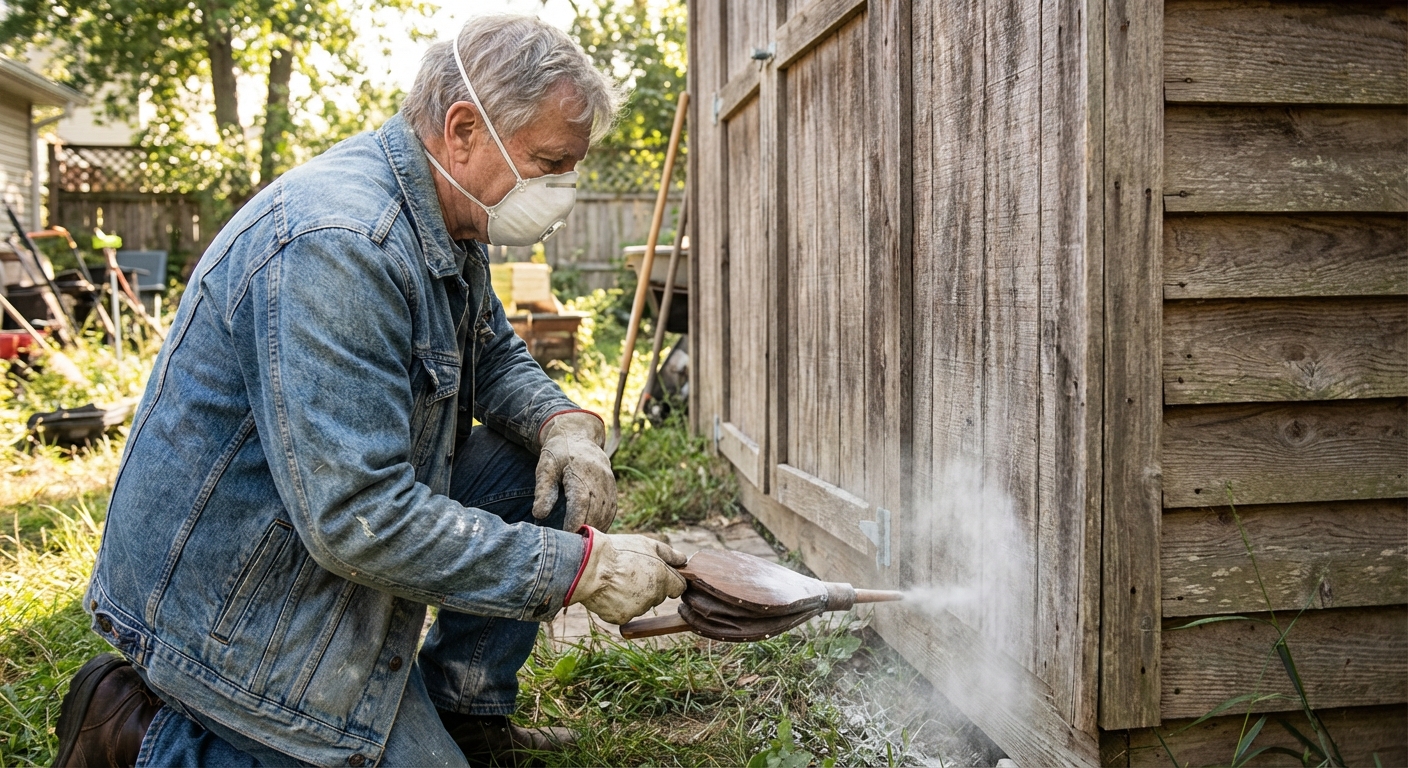
Food-grade diatomaceous earth can damage the outer layer of some insects and arthropods when it is dry. It is not a magic dust, but it can be useful in dry, protected spots.
- Best use: dry areas under decks, along foundation gaps, around kennel pads, in sheltered edges
- Avoid: spreading it everywhere right before rain, it stops working when wet
- Safety: "Food-grade" does not mean inhalation-safe. Use a dust mask and avoid breathing the fine powder during application.
Beneficial nematodes
Some homeowners try beneficial nematodes as part of a broader yard program. Evidence for tick control is mixed and results can be inconsistent. They may help most with certain soil-dwelling stages, not the questing ticks you pick up on your socks. If you go this route, follow supplier instructions closely and treat it as an optional add-on, not a primary plan.
What I would not use as the main plan
- "One-time" natural sprays: most need repetition to keep pressure down.
- Essential oil blends without clear directions: inconsistent concentrations and coverage lead to inconsistent results.
- Yard fogging as your main strategy: it often does not reach where ticks hide (leaf litter and low vegetation), and it can impact beneficial insects.
Control the hosts
Ticks are part of the outdoor environment, but animals help maintain tick populations and move them around your property. Deer and small rodents are big players in many regions.
Make the yard less attractive
- Keep trash secured and bird seed cleaned up.
- Move wood piles and dense brush away from the house.
- Seal gaps under sheds and decks where rodents nest.
- Consider deer-resistant landscaping near the perimeter if deer browse your yard regularly.
Protect pets
Talk with your veterinarian about tick prevention for dogs and cats. Yard work helps, but pet prevention is often what stops a tick problem from becoming a family problem.
- Check pets after they run the perimeter or brush line.
- Brush dogs outside and inspect around ears, collar area, and between toes.
- Wash pet bedding regularly during peak season.
Personal protection
Yard control reduces ticks, but it does not eliminate risk. Add a few simple habits and you will cut your odds of a bite fast.
- Dress for edges: long pants, socks up, and light colors so ticks are easier to spot.
- Do a tick check: after yard work, check behind knees, waistband, underarms, and hairline. Check kids and pets too.
- Shower soon after: showering after outdoor time can help wash off ticks before they attach.
- Remove ticks promptly: use fine-tipped tweezers, grab close to the skin, and pull straight out. Clean the area afterward.
If you develop a rash, fever, or flu-like symptoms after a tick bite, contact a healthcare professional. Guidance can vary by region and tick type.
Tick types vary
Not all ticks behave the same. Depending on where you live, you might be dealing with blacklegged (deer) ticks, dog ticks, lone star ticks, or others. Seasonality and preferred habitat can vary, so use the ideas in this guide as a framework and adjust based on what you are seeing in your yard.
A simple DIY plan
If you feel overwhelmed, use this as your starting checklist. It is organized like a weekend project, because that is exactly how I treat it.
Weekend 1: Cleanup and barriers
- Mow and edge the perimeter.
- Rake leaf litter from woodline and under shrubs.
- Remove brush piles and store firewood off the ground.
- Add a 3 to 6 foot gravel or wood-chip barrier where lawn meets woods.
Weekend 2: Targeted treatment
- Choose one approach: granular for broad coverage or spray for precision on edges.
- Treat the perimeter band, shady landscaping, and high-traffic edge paths.
- Set a reminder to reapply based on the label and weather.
Ongoing: 5-minute checks
- Keep grass and weeds down.
- Do a quick yard walk after storms to remove fresh branches and leaf piles.
- Check kids and pets after time near edges and brush.
When to call a pro
I am all for DIY, but there are times it makes sense to bring in a pro, especially when the risk is high or the property is hard to manage.
Call a pro if:
- You are finding ticks regularly despite mowing and basic cleanup.
- Your yard borders dense woods or you have heavy deer traffic.
- You have a large property where DIY coverage is unrealistic.
- Someone in the home is at higher health risk and you want the most consistent program possible.
- You want help identifying hotspots and setting an integrated plan.
Ask what products they use (active ingredients), how they protect pollinators, whether they focus on targeted edges versus blanket applications, and how often they return during the season.
Quick FAQs
Should I treat my whole lawn?
Usually no. Most yards get better results by treating the edges and shaded cover where ticks live. Wide-area lawn treatment can be unnecessary unless you have an unusual tick problem in open turf.
Granules or spray?
Granules are simpler and great for broad perimeter coverage. Sprays are better for hitting the hiding spots in edge vegetation and leaf-litter lines. If you only pick one and you have wooded borders, I lean spray for precision.
Do natural treatments work?
Some can help, especially cedar oil with good coverage and regular reapplication. Diatomaceous earth can help in dry, protected areas. If your yard is a serious tick hot spot, you may need habitat changes plus a stronger, targeted treatment plan.
How long until ticks go away?
You can reduce activity quickly with targeted edge treatment, but tick control is usually a season-long maintenance project. Your goal is fewer ticks, fewer bites, and fewer opportunities for ticks to move from the perimeter into your living space.
My bottom line
Ticks are beatable when you stop treating the yard like one big problem and start treating it like a set of zones. Clean up the damp cover, build a simple barrier strip, and treat the perimeter where ticks actually hang out. Do that consistently for a few weeks and you will feel the difference when you walk the property line.

About Marcus Vance
Content Creator @ Grit & Home
Marcus Vance is a lifelong DIY enthusiast and self-taught home renovator who has spent the last decade transforming a dilapidated 1970s ranch into his family's dream home. He specializes in budget-friendly carpentry, room-by-room renovations, and demystifying power tools for beginners. Through his writing, Marcus shares practical tutorials and hard-learned lessons to help homeowners tackle their own projects with confidence.