
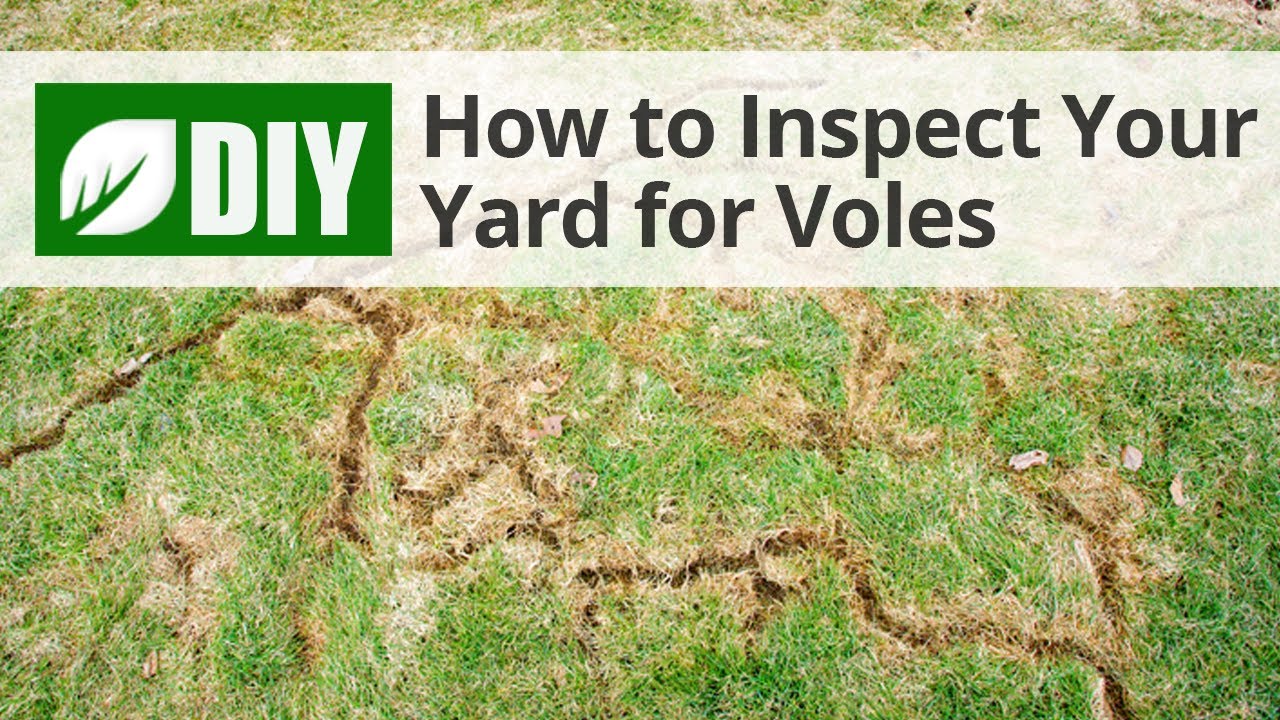
Voles: the small critters that can wreck a yard fast
If you are seeing skinny “trails” through grass, gnawed plants, or bulbs that vanish like magic, you are probably dealing with voles. They are not big, and they do not look scary, but they can chew a landscape down to the studs in a hurry.
The good news: vole control is usually less about one magic product and more about stacking a few simple moves at the right time. I will walk you through how to confirm it is voles, protect the stuff you care about, and pick control options that make sense for a normal homeowner.
Voles vs moles vs gophers (quick ID you can do in 2 minutes)
Before you buy traps or start tossing bait, make sure you are fighting the right pest. These three get mixed up constantly.
Voles
- What you see: shallow surface runways in grass that look like little “paths,” plus small holes (often 1 to 2 inches) that open into those runways.
- Plant damage: gnawing on stems and roots, bulbs pulled down and eaten, bark chewed off near the ground in winter.
- Soil piles: usually none or very minimal.
Moles
- What you see: raised ridges and tunnels that feel squishy underfoot.
- Plant damage: moles mainly eat insects and worms. They may disturb roots, but they are not typically chewing plants.
- Soil piles: volcano-shaped mounds are common.
Gophers
- What you see: fewer surface runways, more plugged holes and mounds.
- Plant damage: heavy root and plant pulling, big sections of plants disappearing.
- Soil piles: fan-shaped or crescent-shaped mounds are common.
If your main clue is surface runways plus chewing, you are firmly in vole territory.
Signs you have voles (and where to look)
Voles like cover. If your yard has thick groundcover, tall grass, mulch piled deep, or snow cover in winter, they feel safe moving around.
Common vole clues
- Runways: narrow paths through grass, often leading to shrubs, garden beds, or woodpiles.
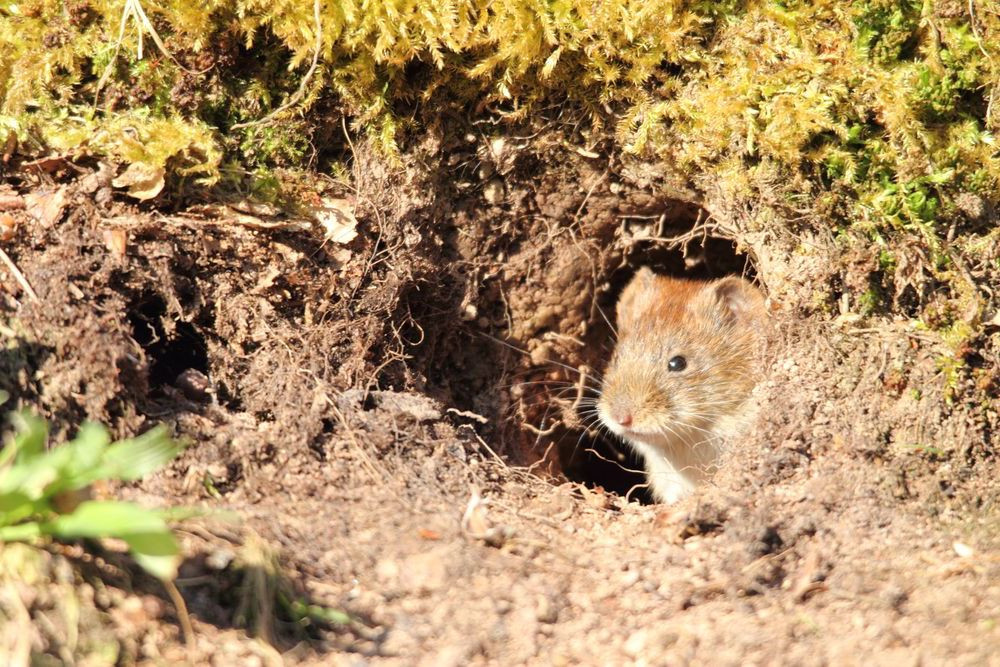
- Small openings: holes connected to runways, sometimes hidden under thatch or mulch.
- Gnawed plants: jagged chew marks on stems near ground level.
- Bulb theft: tulips, crocus, and other bulbs disappear or are hollowed out.
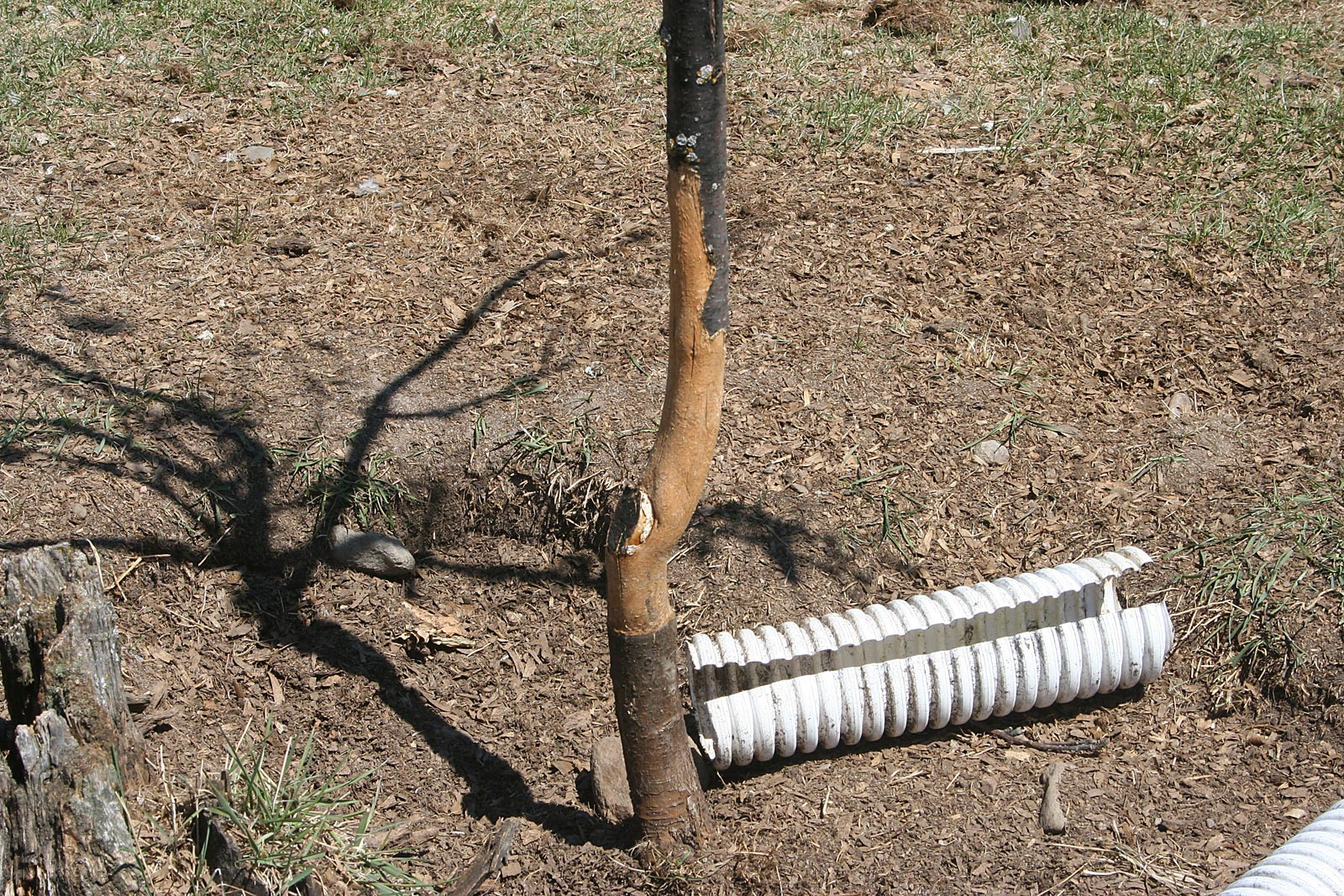
- Tree and shrub girdling: bark chewed off around the base, especially under snow or mulch.
How vole runways and tunnels actually work
Voles are basically tiny commuters. They build surface runways through grass and thatch, then use those routes to hit food sources like bulbs, roots, hostas, and bark. In winter, snow becomes a protective roof, which is why damage often “appears overnight” when the thaw hits.
This matters because most successful control focuses on breaking the cover they rely on and targeting the active runways they cannot resist using.
Start here: habitat changes that make your yard less inviting
If you only trap or bait but keep the yard vole-friendly, you can end up in an endless loop. These steps are not glamorous, but they are the foundation.
1) Mow and trim like you mean it
- Keep grass shorter, especially along fence lines, shed edges, and garden borders.
- Trim back thick groundcovers near beds and tree rings.
2) Reduce “safe hiding” zones
- Move brush piles and stacked lumber up off the ground if possible.
- Store firewood neatly and away from the house and main planting areas.
- Avoid letting weeds and tall ornamental grasses mat down.
3) Fix mulch habits around trees
I love mulch. Voles love it too, especially when it is piled up against trunks.
- Keep mulch pulled back a few inches from the trunk flare.
- Do not create deep, fluffy mulch “donuts” that touch the bark.
4) Snow strategy (if you get real winters)
- Pack down snow around young trees and shrubs to reduce protected runway space.
- Clear heavy snow drifts away from the base of vulnerable plants if practical.
Protect trees and shrubs from girdling
When voles chew bark all the way around a young tree, that tree can be done. Prevention is cheap compared to replacing landscaping.
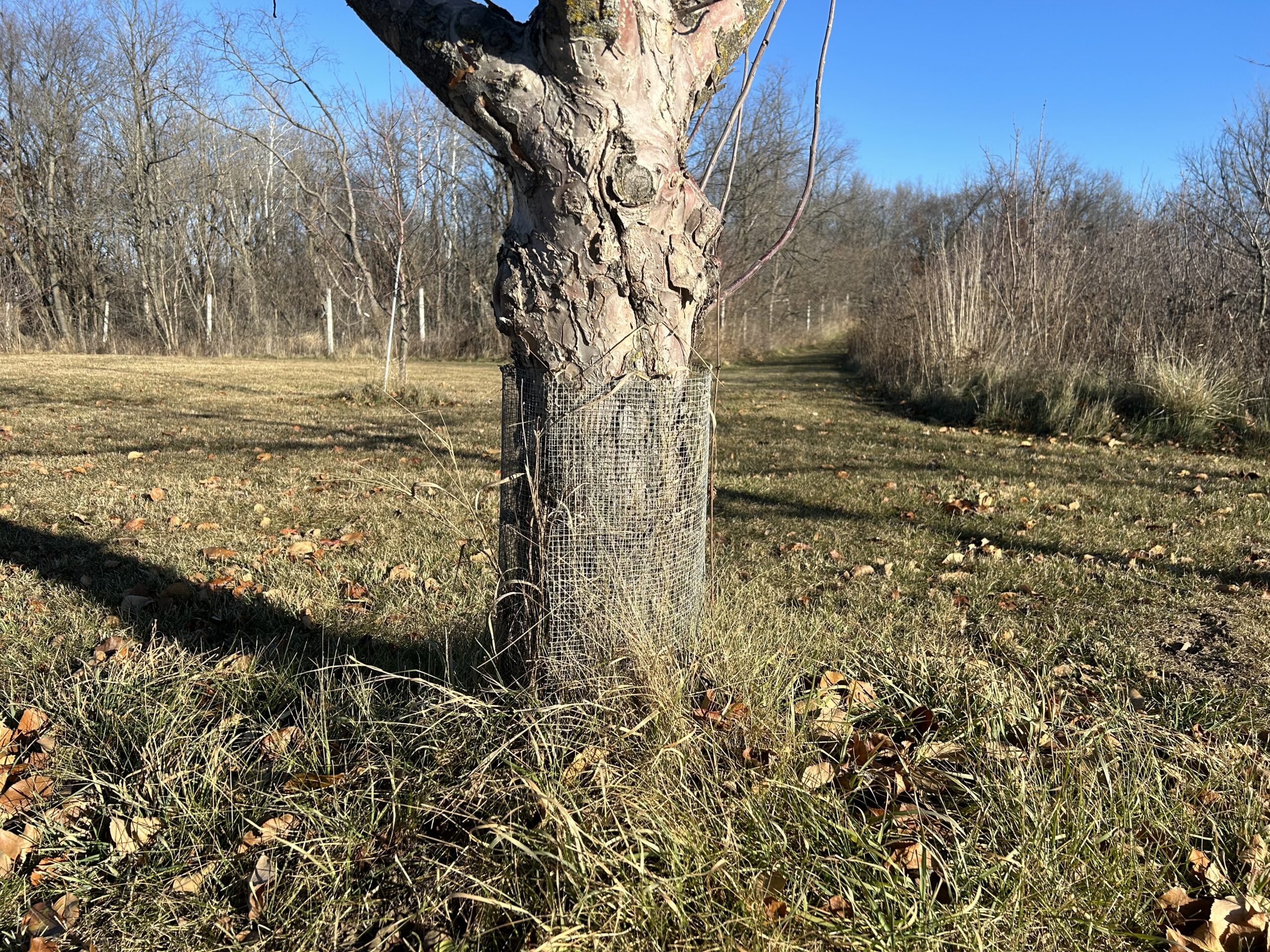
Use trunk guards the right way
- Hardware cloth (metal mesh) is my go-to: Wrap a cylinder around the trunk, leaving a little air gap.
- Height target: at least 18 to 24 inches above expected snow line, and a couple inches into the soil to discourage digging.
- Keep it loose enough to allow trunk growth and check it seasonally.
Clean up the base zone
Remove weeds and thick grass right around the trunk so voles have to cross open ground. Open ground feels risky to them, which is exactly what you want.
Protect bulbs and garden beds
If voles are raiding bulbs, you can still plant spring color. You just have to make it harder to snack.
Physical barriers work best
- Bulb cages: Plant bulbs inside wire mesh cages or line the planting hole with hardware cloth.
- Bed edging: In heavy vole areas, consider burying hardware cloth a few inches down along bed borders.
Plant choices (helpful, not magical)
Some plants are less appealing, but “vole-proof” is a strong word. If you need reliable spring bulbs in a high-vole yard, barriers beat wishful thinking.
Control options: what actually helps, and how to do it safely
There is no single best method for every yard. The right choice depends on pets, kids, local regulations, and how severe the damage is. In most DIY situations, I recommend starting with trapping plus habitat changes.
Option A: Trapping (my first pick for most homeowners)
Trapping is targeted, fast, and avoids risks to non-target animals when done correctly.
- Use snap traps sized for mice or rats (many work for voles). Place them in the runway, perpendicular to travel, so the vole runs into the trigger.
- Cover the trap with a small box, bucket with side cut-out, or a purpose-made trap cover to protect birds and pets while keeping the runway feel.
- Bait: apple slices, peanut butter mixed with oats, or small pieces of root vegetable can work. Often placement in the runway matters more than bait.
- Check daily and reset as needed.
Option B: Baits and toxicants (effective but higher responsibility)
Rodent baits can work, but they come with real risk to pets, kids, and wildlife through accidental access or secondary poisoning. Rules vary by location and product.
- Only use products labeled for voles and follow the label exactly.
- Use tamper-resistant bait stations when the label requires it.
- Avoid baiting if you have free-roaming pets or frequent raptors in the area.
If you are not 100 percent confident you can do this safely, stick to trapping and habitat modification or call a pro.
Option C: Repellents (limited, sometimes useful as a support)
Most repellents are short-lived and need reapplication. They can help protect a specific area temporarily, but they rarely solve an active infestation by themselves.
Option D: Encouraging predators (helpful, but do not bet the yard on it)
Owls, hawks, foxes, and snakes eat voles. Keeping the yard open and reducing hiding cover helps predators do their job. Just do not expect a single owl box to fix a major population spike.
Timing matters: when to act for best results
Early spring
- Great time to spot runways as grass is thin.
- Start trapping and do your cleanup before breeding ramps up.
Fall
- Another prime window. Reducing cover now lowers winter damage risk.
- Install trunk guards before first snow and refresh mulch spacing.
Winter (where applicable)
- Inspect around shrubs and trees during thaws.
- Pack down snow around vulnerable trunks if you have recurring issues.
Yard recovery: what to expect after you knock the population down
This is the part most articles skip. Once voles are under control, the yard does not bounce back overnight.
- Runways in turf: often disappear after a few mowings and some regrowth. Rake lightly, overseed thin areas, and water consistently.
- Bulb damage: plan on barriers next season, and consider swapping the most targeted bulbs to containers or protected beds.
- Tree bark damage: shallow chewing can sometimes heal. If bark is chewed all the way around, the tree may decline. Protect it immediately and consider an arborist consult for valuable trees.
I have had sections of lawn look like someone dragged a tiny bicycle through it. With seed, time, and fewer voles, those “bike tracks” faded back into normal grass.
When it is time to call a pro
DIY gets you far, but there are times a professional is the smart, cheaper move in the long run.
- You have repeated tree girdling, especially on valuable ornamentals or fruit trees.
- The affected area is large and expanding fast.
- You have pets, kids, or wildlife considerations that make baiting risky and trapping difficult.
- You tried habitat reduction plus trapping for 2 to 3 weeks with no meaningful improvement.
Ask what methods they use, how they protect non-target animals, and what follow-up and exclusion steps are included.
My simple vole plan (if you want the shortcut)
- Confirm voles by spotting runways and chewing damage.
- Remove cover: mow, trim, clean up edges, pull mulch back from trunks.
- Protect trees with hardware cloth guards before winter.
- Trap in active runways with snap traps under protective covers.
- Repair and reseed after activity drops, then keep up the prevention.
That mix is realistic, budget-friendly, and it works in the kind of lived-in yards most of us have, not just picture-perfect lawns.
Vole FAQ
Do voles dig deep tunnels?
Most of what homeowners notice are shallow surface runways under grass or thatch. They can use shallow burrows too, but deep tunneling and big mounds point more toward moles or gophers.
Will watering or flooding runways get rid of them?
It might move them temporarily, but it rarely solves the problem. They are good at relocating, and you still have the habitat that attracted them.
Are voles active during the day?
They can be active day or night, especially under cover. If you see quick movement in grass near beds, that is another clue you are dealing with voles.
Can I just wait them out?
Sometimes populations drop naturally, but waiting can mean losing young trees, shrubs, or a season of bulbs. If you have bark chewing or repeated damage, act sooner.

About Marcus Vance
Content Creator @ Grit & Home
Marcus Vance is a lifelong DIY enthusiast and self-taught home renovator who has spent the last decade transforming a dilapidated 1970s ranch into his family's dream home. He specializes in budget-friendly carpentry, room-by-room renovations, and demystifying power tools for beginners. Through his writing, Marcus shares practical tutorials and hard-learned lessons to help homeowners tackle their own projects with confidence.