
🚨 In a DIY emergency or rush?
Skip the details and jump straight to our 30-second cheat sheet for the most crucial info.
Small courier. Big home questions.
If your lawn has a low, clover-ish plant with tiny yellow flowers that seems to come back five minutes after you deal with it, you may not have clover at all. You might have yellow woodsorrel, also called Oxalis. It is sneaky, it seeds enthusiastically, and some “clover” sprays barely make it yawn.
Let’s sort out what you are looking at, then tackle it with a plan that works in real lawns, not just on product labels.
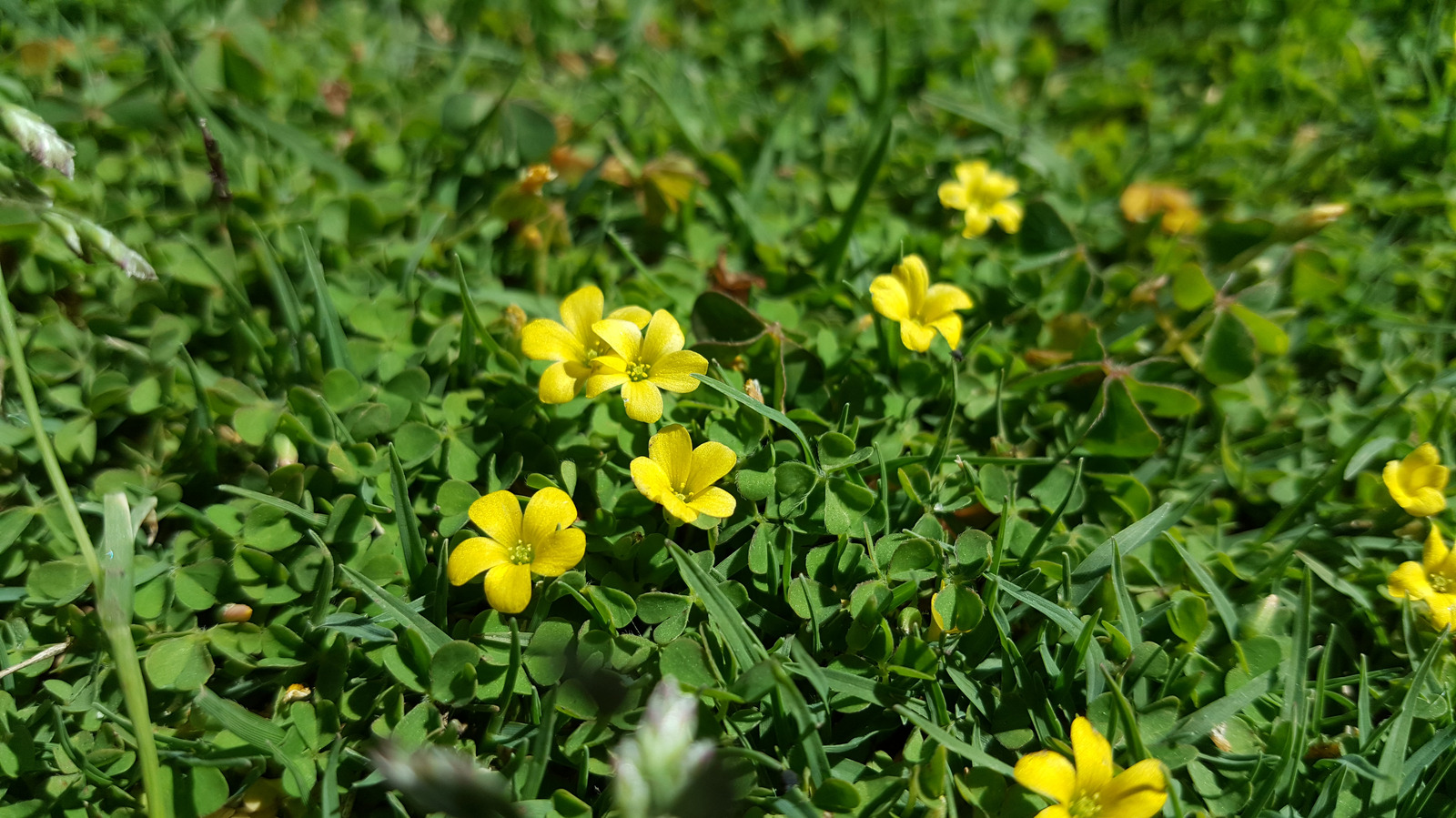
How to tell yellow woodsorrel from clover
Getting the ID right matters because control products and timing can differ.
Yellow woodsorrel (Oxalis) usually has
- Three leaflets like clover, but each leaflet is more heart-shaped with a clear notch at the tip.
- Small yellow flowers with five petals.
- Thin stems and a low, spreading habit.
- Seed pods that look like small green okra. When mature, they can pop and fling seed.
White clover usually has
- Rounder leaflets, often with a pale “chevron” mark.
- White to pinkish round flower heads.
- A denser, mat-forming look in patches.
Quick test: If you see yellow flowers and heart-shaped leaflets, assume woodsorrel unless you have strong evidence otherwise.
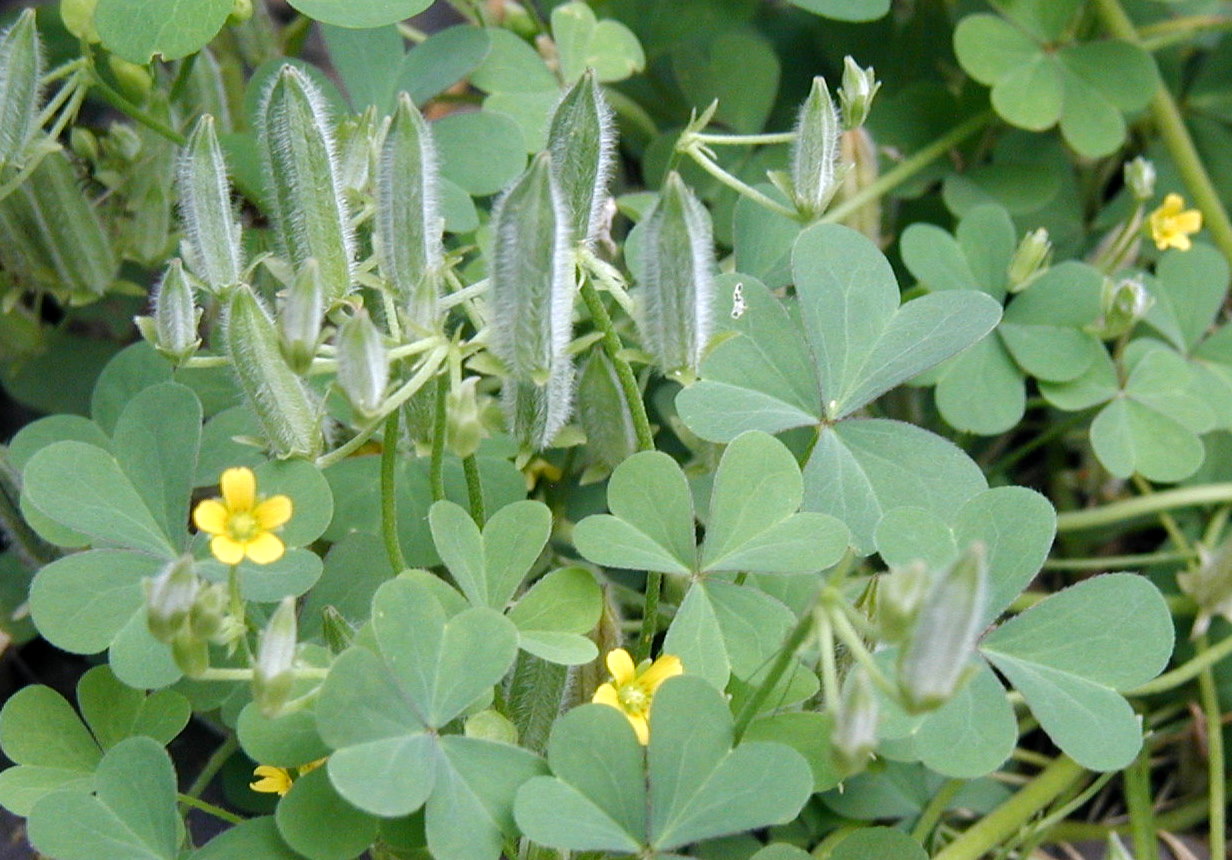
Why “clover killer” sprays often miss woodsorrel
A lot of off-the-shelf “clover” products lean on a few broadleaf herbicides that do great on certain weeds but can be inconsistent on Oxalis, especially if:
- The woodsorrel is mature and already storing energy below the surface.
- Coverage is light because the leaves are small and low to the ground.
- Weather is working against you, like drought stress, high heat, or mowing too soon before or after treatment.
- The product mix is not a great match for Oxalis. Some active ingredient combinations hit it well, some do not, and many take more than one pass.
Translation: if you sprayed once and it laughed, that does not mean you are doomed. It means you need better timing, better coverage, and usually a repeat application.
The best plan: remove what you can, then prevent what you cannot
Yellow woodsorrel is easiest to beat with a two-track approach:
- Immediate control of what is visible now.
- Season-long prevention so new seedlings do not replace what you removed.
Step 1: Pull it correctly (yes, technique matters)
Hand pulling works best when the soil is moist. If you tug in dry soil, the plant snaps and you leave behind pieces that regrow or you skip roots entirely.
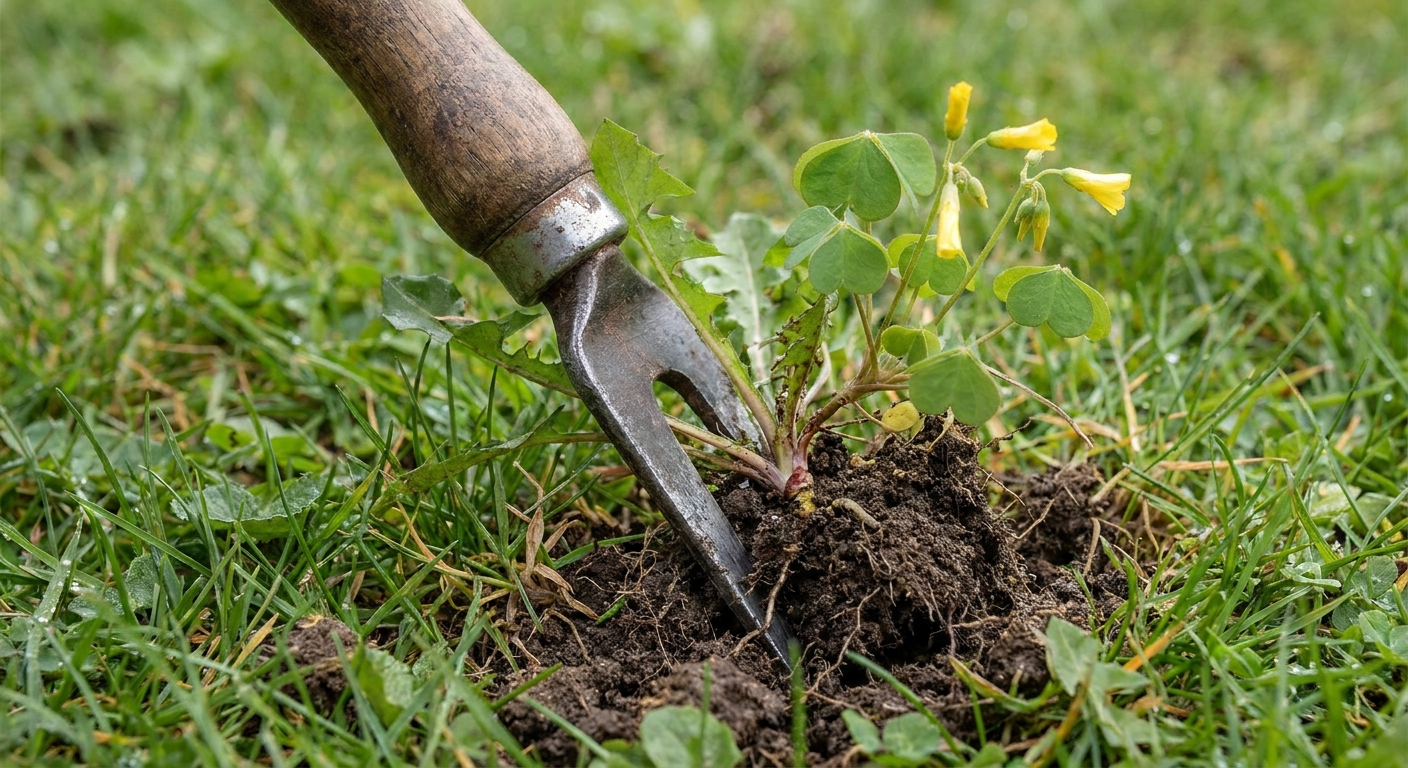
How to pull yellow woodsorrel
- Water the area the day before, or pull after rainfall.
- Use a dandelion fork or narrow weeding tool to loosen soil right next to the crown.
- Lift from below and pull slowly to get as much root as possible.
- Bag it if seed pods are present. Those pods can continue maturing and dropping seed even after pulling.
Courier eyebrow raise: If you hear little popping noises when you touch the patch, those seed pods are ready to launch. Pull gently, and bring a bag.
Step 2: Spot-treat with a selective broadleaf herbicide, then repeat
If woodsorrel is scattered all over, or you have a big patch, selective herbicide is often the practical answer. “Selective” means it targets broadleaf weeds while leaving most turfgrasses unharmed when used as directed.
What to look for on the label
Look for a product that explicitly lists oxalis or woodsorrel as a controlled weed, and that is labeled for your grass type (cool-season lawns like fescue, bluegrass, rye, versus warm-season lawns like Bermuda, zoysia, St. Augustine, centipede).
Common broadleaf active ingredients you will see include 2,4-D, MCPP (MCPA), dicamba, triclopyr, and others. Effectiveness varies by product mix and by timing. The label is the boss.
How to make a spot treatment actually work
- Treat actively growing weeds, not drought-stressed weeds.
- Do not mow for about 2 days before and 2 days after unless the label says otherwise.
- Apply on a calm day so spray stays on target.
- Coat the leaves without drenching to runoff.
- Plan on a second application at the label interval, often 10 to 21 days. Oxalis frequently needs a follow-up.
Important: Keep kids and pets off the area until the spray has dried, and follow all label directions for re-entry and watering.
Step 3: Use pre-emergent at the right time (this is where lawns turn the corner)
Woodsorrel is very often a seedling problem. You kill or pull what you see, then new plants appear from seed already in the soil.
Pre-emergent herbicide works by stopping many seeds from successfully establishing. It will not remove established woodsorrel, so think of it as the bouncer at the door, not the cleanup crew.
Timing rules of thumb
- Spring: Apply before the main flush of summer annual weeds. Many homeowners time this around when soil temps approach the mid 50s F for several days, but local timing varies.
- Late summer to early fall: In many areas, a second application helps with cool-season germinators. Again, local conditions matter.
Seeding warning: Most pre-emergents interfere with grass seed germination too. If you plan to overseed, choose a strategy that does not sabotage your seed. Product labels often include guidance like “wait X weeks before seeding.”
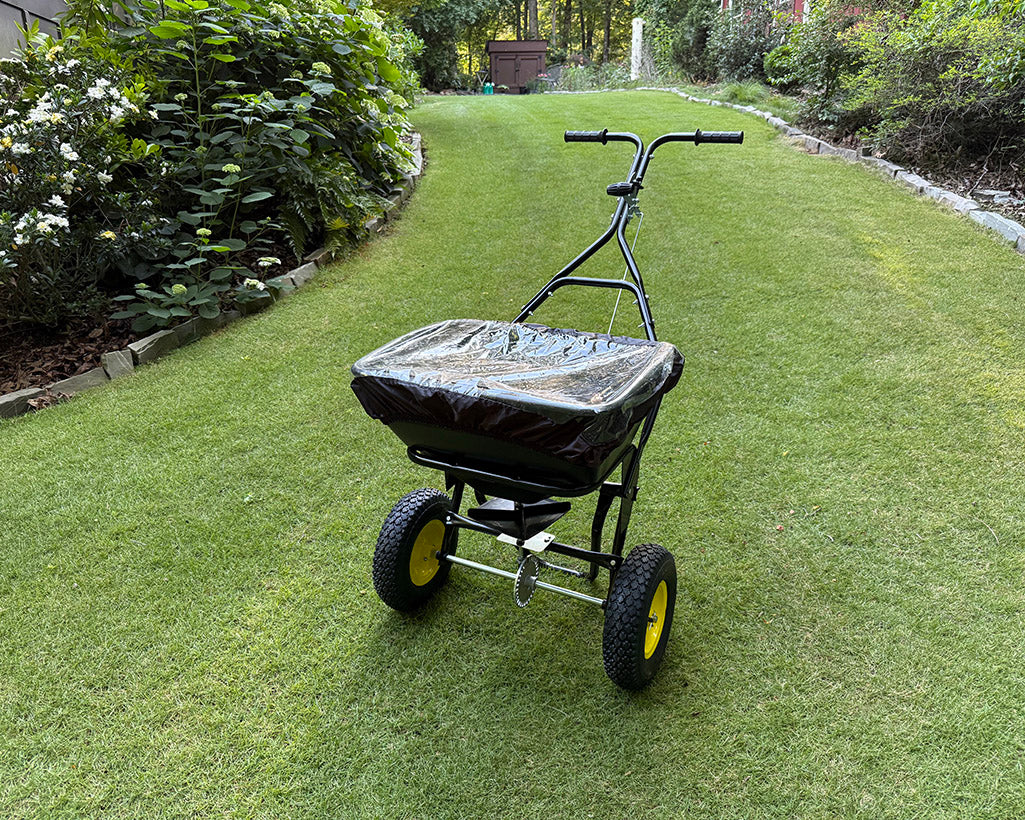
Step 4: Make the grass win (thick turf is weed control)
Yellow woodsorrel loves thin turf and stressed areas. Your long-term goal is a lawn that leaves it nowhere to land.
Simple turf-thickening moves that help immediately
- Mow high for your grass type. Taller grass shades the soil and makes it harder for woodsorrel seedlings to establish.
- Water deeply, less often instead of frequent sprinkles. This encourages deeper grass roots.
- Feed appropriately for your region and grass type. Avoid “panic fertilizing,” but do not starve the lawn either.
- Fix bare spots with seed or sod. Bare soil is an invitation.
- Reduce compaction if the area is hard-packed. Aeration can help turf compete.
If woodsorrel is concentrated in one area, treat that as a clue. Is it shaded? Compacted from foot traffic? Under-watered because sprinklers do not reach? Over-watered because a downspout dumps there? The weed is often the messenger.
Common mistakes that keep woodsorrel coming back
- Waiting until it flowers everywhere. Once it sets seed, you are playing catch-up.
- One-and-done spraying. Many infestations need a second selective treatment at the label interval.
- Mowing too short. Scalping weakens grass and opens light to the soil.
- Applying herbicide in extreme heat. Many labels warn against spraying above certain temperatures due to turf injury risk and poor weed control.
- Overseeding right after pre-emergent. Great way to prevent your own grass from germinating.
What if it is woodsorrel in garden beds, not the lawn?
In beds, selective lawn herbicides are often not appropriate because they can injure ornamentals and groundcovers.
- Hand pull after watering, getting as much root as possible.
- Mulch 2 to 3 inches to block new seedlings.
- Spot treat carefully with a non-selective herbicide only if you can keep it off desirable plants, and only if the label allows bed use.
FAQ
Is yellow woodsorrel the same thing as creeping Charlie?
No. Creeping Charlie is ground ivy. Yellow woodsorrel is Oxalis. They spread differently and respond differently to control methods.
Will vinegar or boiling water kill woodsorrel in the lawn?
They can burn leaves, but they also burn grass, and they do not prevent new seedlings. In turf, that usually creates bare spots that invite more weeds.
How long until woodsorrel is gone?
If you pull what you can, spot-treat what you miss, then follow with pre-emergent and thicker turf, many lawns see a noticeable change within a few weeks, with the biggest improvement the next growing season when fewer new seedlings appear.
Do I need to treat the whole lawn?
Usually no. Spot treatment is often enough unless woodsorrel is widespread. Whole-lawn applications increase cost and risk of off-target damage. Treat the problem areas, then focus on turf health.
When to call in help
If woodsorrel is taking over despite repeat attempts, or you are unsure of your grass type and do not want to risk herbicide injury, a local lawn pro or your county extension office can help you confirm ID and suggest region-appropriate products and timing.
Woodsorrel is persistent, not magical. Once you stop the seed cycle and give the grass a fighting chance, it usually backs off.
The 30-Second Cheat Sheet
Essential takeaways for: How to Get Rid of Yellow Woodsorrel in Your Lawn
Fast ID
- Yellow woodsorrel (Oxalis): 3 heart-shaped leaflets, small yellow flowers, skinny stems, green seed pods that can pop and fling seed.
- Not clover: clover has rounder leaflets and white or pink flower heads.
Why it keeps coming back
- It produces lots of seed, and mature plants can be tough.
- Some “clover killer” sprays do not control Oxalis well, or need repeat applications.
Do this first
- Pull after rain or watering so roots come out.
- Bag plants with seed pods so seeds do not drop.
If you need herbicide
- Use a selective broadleaf herbicide that lists oxalis/woodsorrel on the label and is safe for your grass type.
- Spot-treat, do not mow 2 days before or after (unless label differs), and repeat at the label interval (often 10 to 21 days).
Stop new plants
- Apply pre-emergent at the correct seasonal timing for your area to prevent seedlings.
- Do not apply pre-emergent if you are about to overseed unless the product is compatible with seeding plans.
Make the lawn crowd it out
- Mow higher, water deeply, fertilize appropriately, and repair bare spots.
💡 Tip: Scroll up to read the full article for detailed, step-by-step instructions.
⬆️ Back to top
About Grit
Content Creator @ Grit & Home
Grit is Grit & Home’s little blue clay courier, delivering big questions about the place you call home. Expect practical ideas, a raised eyebrow, and a satchel full of curiosity.