
🚨 In a DIY emergency or rush?
Skip the details and jump straight to our 30-second cheat sheet for the most crucial info.
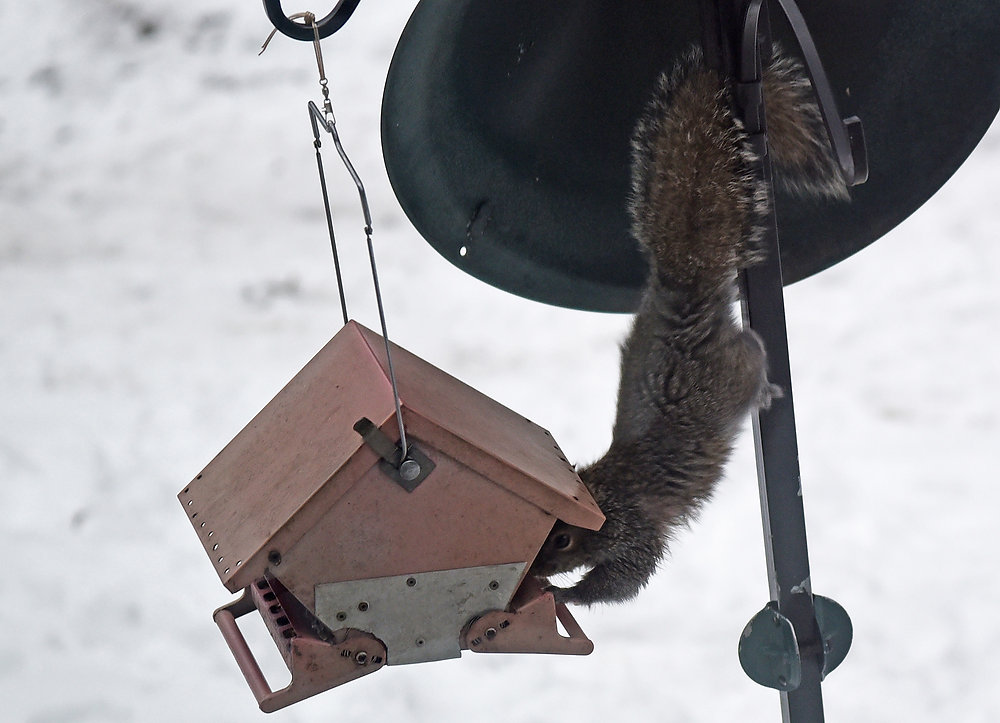
I love backyard birds, but I have a long history with squirrels that act like they pay the mortgage. When we first hung a feeder at our 1970s ranch, I figured a “higher hook” would solve it. What I actually did was build the local squirrel a better buffet line.
The good news is you do not have to outsmart them with gimmicks. You just need a setup that takes away their two advantages: jumping and climbing. This article stays in the yard and focuses on hardware, placement, and bird food choices that make your feeder a bad deal for squirrels.
Start with the jump zone rule
Squirrels beat most feeders because they do not have to climb the pole. They jump from something nearby, land on the feeder, and it is game over.
How far can a squirrel jump?
In most yards, assume a squirrel can often manage something like:
- Upward: around 4 feet (sometimes more depending on species and footing)
- Horizontally: around 8 to 10 feet (farther with a good launch and a sure landing)
- Downward: farther than you think, especially from a branch overhead
You do not need perfect numbers. You need a clean buffer around the feeder so there is no easy launch point.
Placement that works in real life
- Put the feeder on its own pole. Deck rails, shepherd hooks near shrubs, and tree limbs are squirrel highways.
- Keep 10 feet of horizontal clearance. Measure to the nearest tree trunk, fence top, railing, shed roof edge, or patio furniture.
- Watch overhead branches. If a squirrel can drop onto the feeder from above, it will. Place the feeder away from overhangs, limbs, and pergolas.
- Choose firm ground. A wobbly pole becomes a ladder if it leans into range of a branch or fence.
Baffle placement is everything
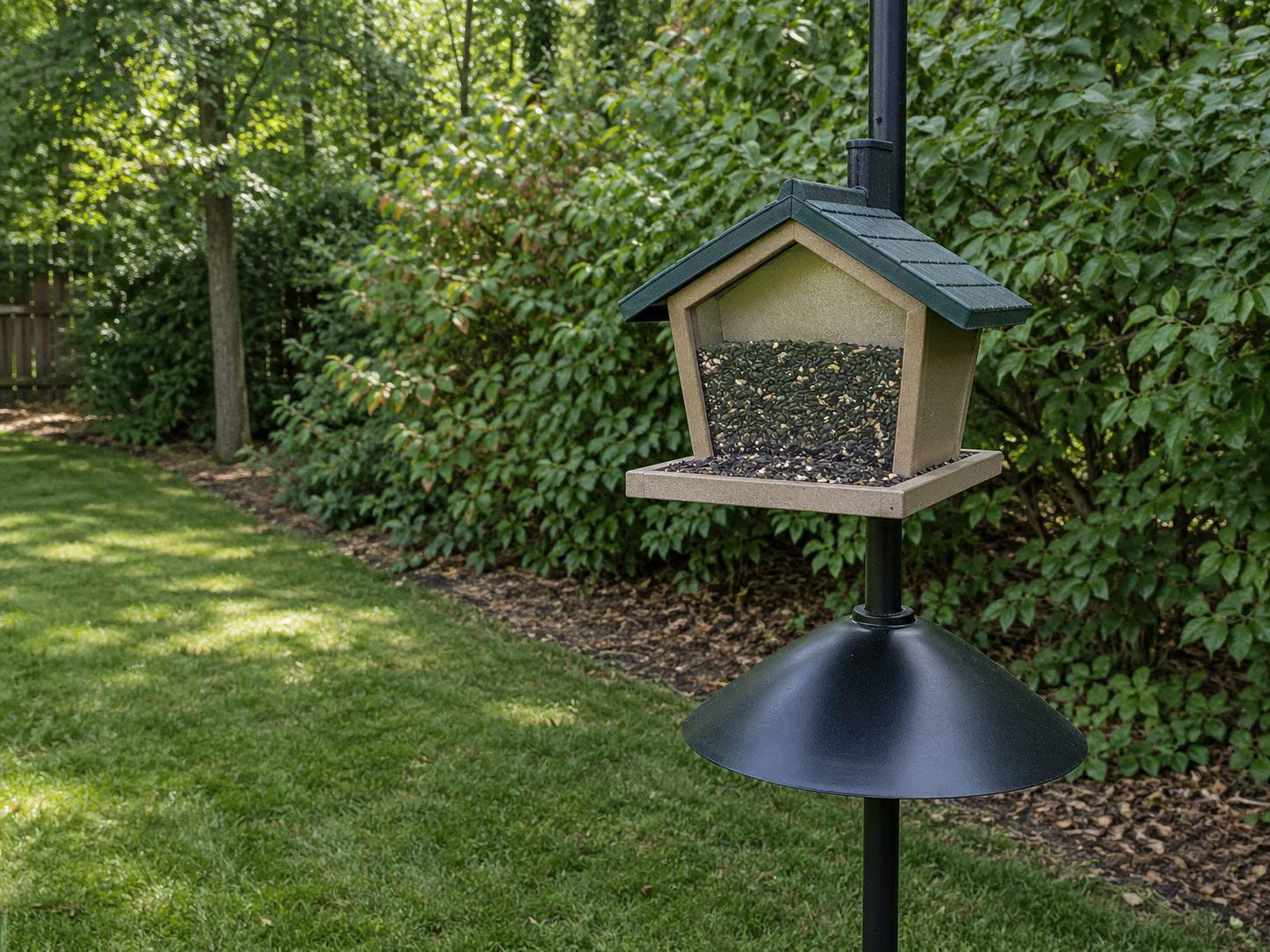
A baffle is the single most effective piece of hardware for a pole-mounted feeder, but only if it is placed correctly. I have seen plenty of “baffle installed” setups that still feed squirrels because the baffle is too low, too small, or mounted above a climbable section.
Use the right baffle style
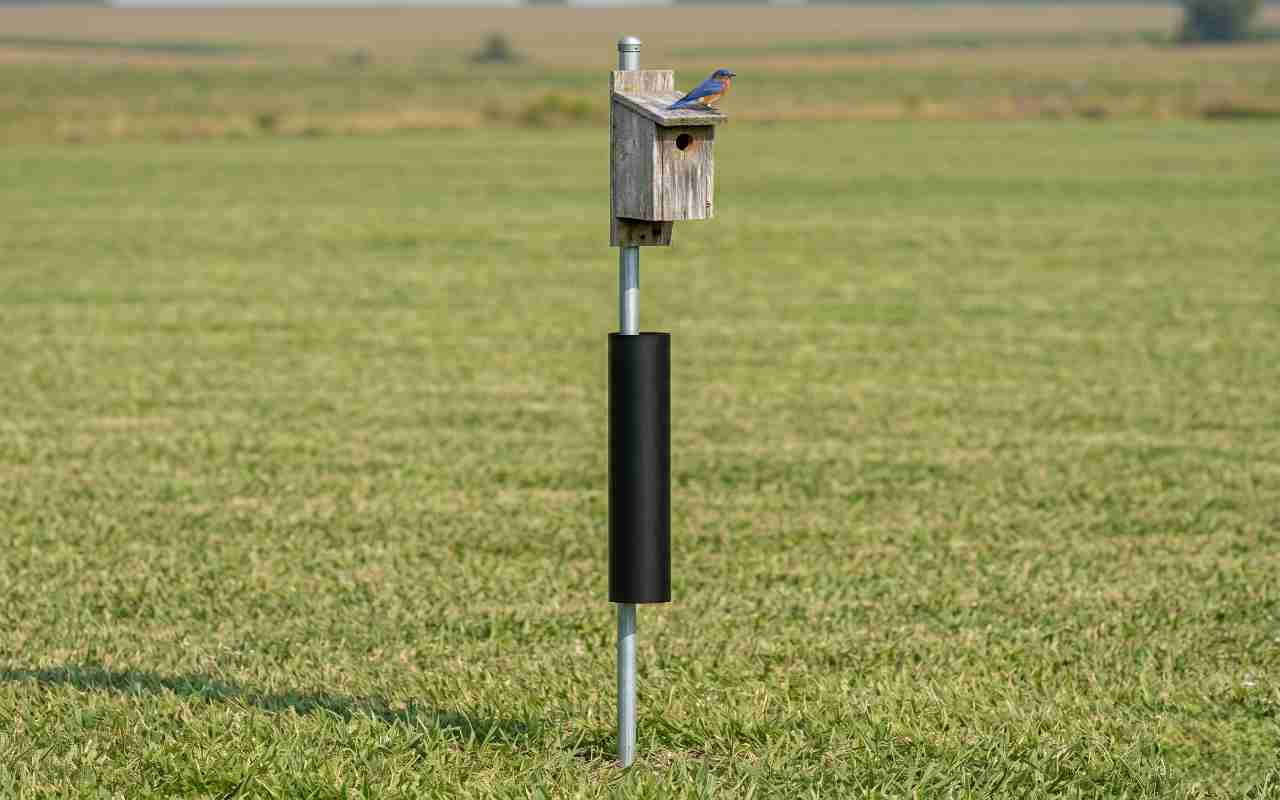
- Stovepipe (cylindrical) baffle: Best on a straight pole. It blocks climbing and is hard for squirrels to grip.
- Dome (disc) baffle: Common and decent, but squirrels sometimes reach around if it is small or mounted too close to the feeder.
Size matters more than people think
Most baffle “failures” are just undersized baffles. A good rule of thumb for a pole setup is a stovepipe baffle that is roughly 6 to 8 inches in diameter and 18 to 24 inches long. Bigger usually works better, as long as it fits your pole hardware and does not turn into a sail in heavy wind.
For dome baffles, wider tends to be better. Small domes are the ones I see squirrels work around the fastest.
The baffle height rule
Mount the baffle so the top of it is roughly 4 to 5 feet above the ground. That sounds high until you remember what you are preventing: a squirrel jumping from the ground and landing above the baffle.
Then, make sure the feeder itself hangs at least 18 to 24 inches above the baffle. You want a gap so a squirrel hanging under the feeder cannot reach down, grab the baffle rim, and leverage itself up.
Quick checklist for a pole baffle setup
- Pole is smooth metal, not wood
- Baffle is below the feeder and below anything climbable
- No couplers, seams, clamps, brackets, or rough hardware below the baffle that act like ladder rungs
- Feeder is high enough for birds, but not tucked under a branch
Pole and hanger details
Once you have distance and a baffle, the small stuff starts to matter, especially if you have persistent squirrels or multiple feeders.
Pick a pole squirrels cannot grip
- Best: smooth metal pole
- Avoid: wood posts, textured coatings, or poles wrapped in rope or decorative sleeves
If you already have a wooden post, consider switching to a standalone metal pole rather than trying to band-aid the post. You can spend a lot of money making a climbable post slightly less climbable.
Shorten the reach
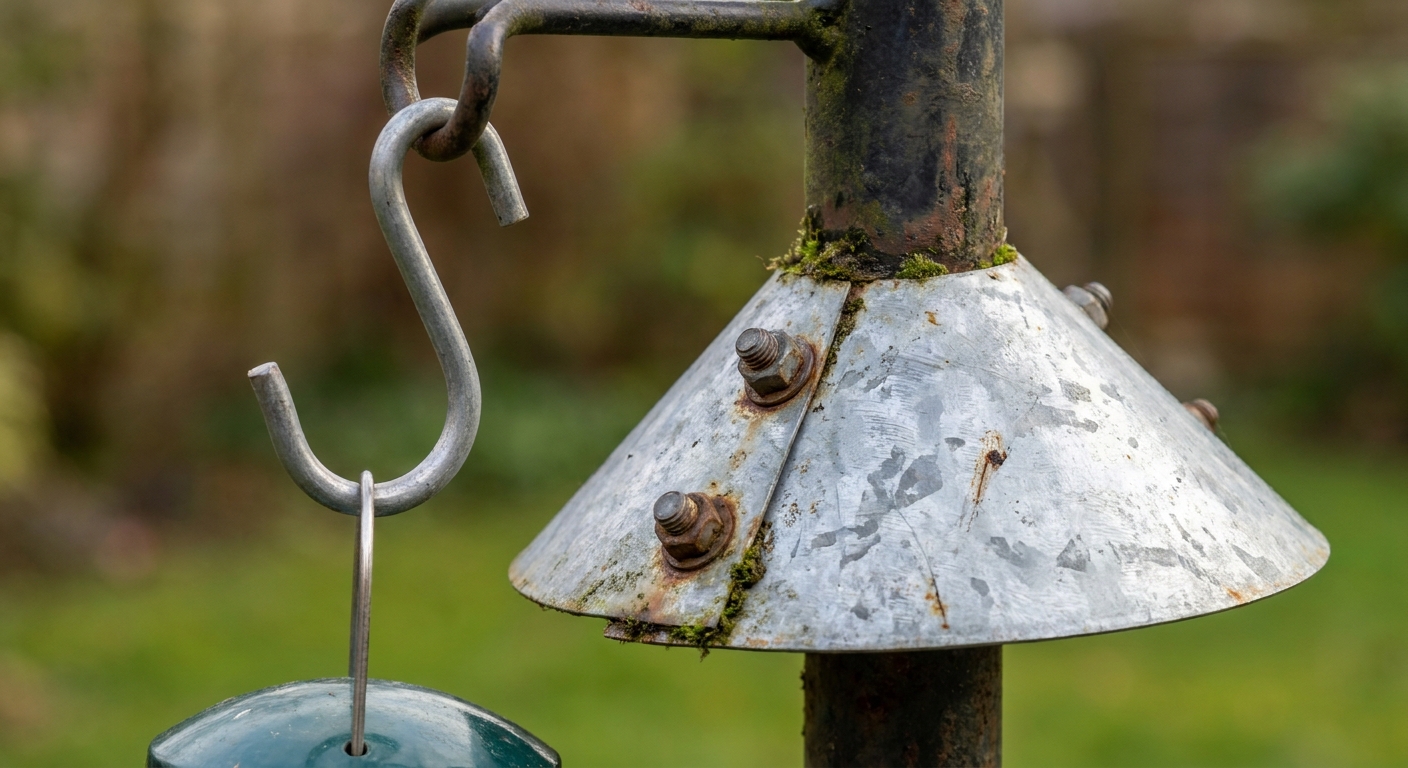
Long horizontal arms and hanging chains can create a situation where a squirrel clings to the pole above the baffle and reaches out to the feeder. Keep your hanger compact and centered over the pole.
Do not help them with staging areas
It sounds silly, but I have watched squirrels use:
- planter boxes
- stacked firewood
- grill side shelves
- kids’ playsets
Anything within jump range becomes a step ladder. If the feeder is getting hit, look around for the thing you stopped noticing.
Choose feeders squirrels cannot access
Some feeders are basically squirrel toys. Others are built so squirrels cannot access the seed in the first place or the ports shut under squirrel weight.
Feeder types that usually hold up
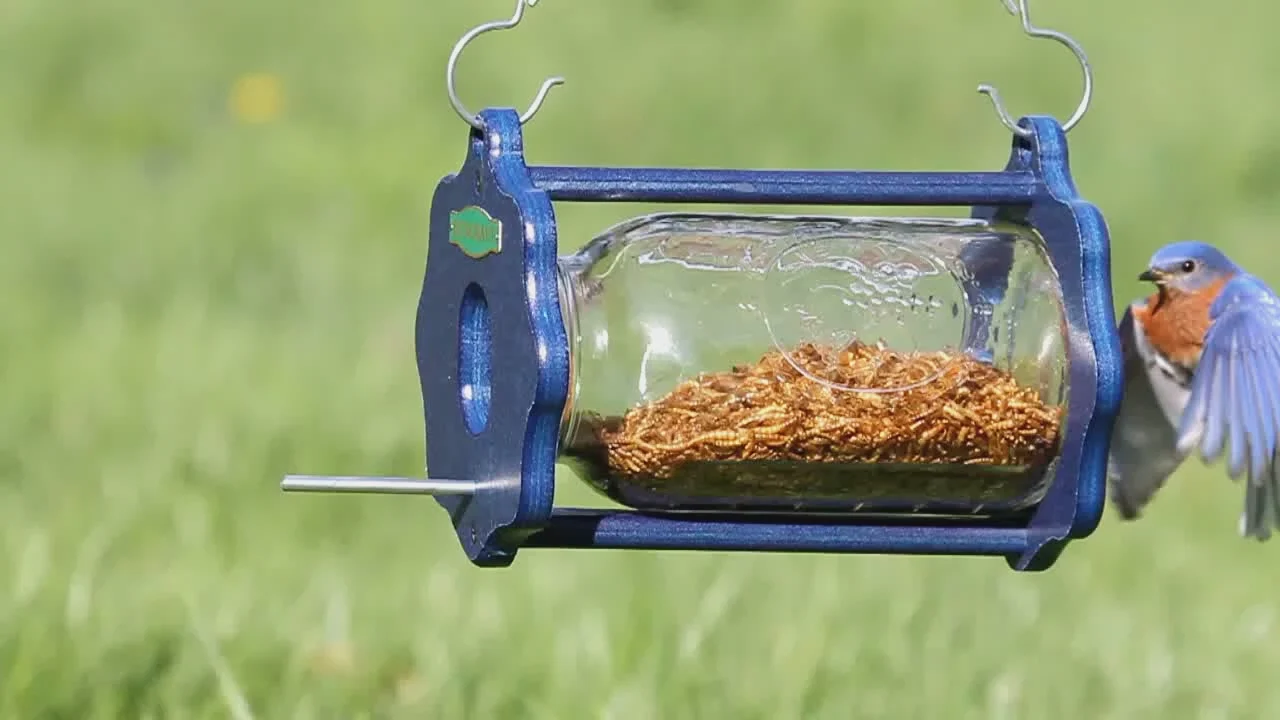
- Weight-activated feeders: Perches or feeding ports close when something heavy climbs on. These work well if adjusted correctly.
- All-metal caged feeders: A wire cage around the seed tube blocks squirrels while still allowing small birds through.
- Tube feeders with metal ports: Squirrels chew plastic. Metal ports and metal lids slow them down.
Feeder types that often fail
- Cheap plastic tube feeders: easy to chew, easy to pry
- Large platform and tray feeders: comfortable for squirrels, and they can shovel seed out fast
- Suet cages without protection: squirrels can empty them quickly unless they are in a cage designed to block access
If you want one set-it-and-forget-it approach, my experience is this: a good pole baffle plus a weight-activated or caged feeder beats most squirrel pressure without you having to constantly change tactics.
What to stop offering
This is the thrifty part I wish I learned sooner: squirrels show up because the menu is worth the risk. If you keep offering the squirrel’s favorite foods, you are rewarding every attempt, even the failed ones.
Foods that attract squirrels
- Black oil sunflower seed
- Sunflower chips
- Peanuts
- Corn
- Cheap mixes with lots of milo, wheat, or oats (often wasted by many songbirds, then cleaned up by squirrels and other ground visitors)
Better options that still feed birds
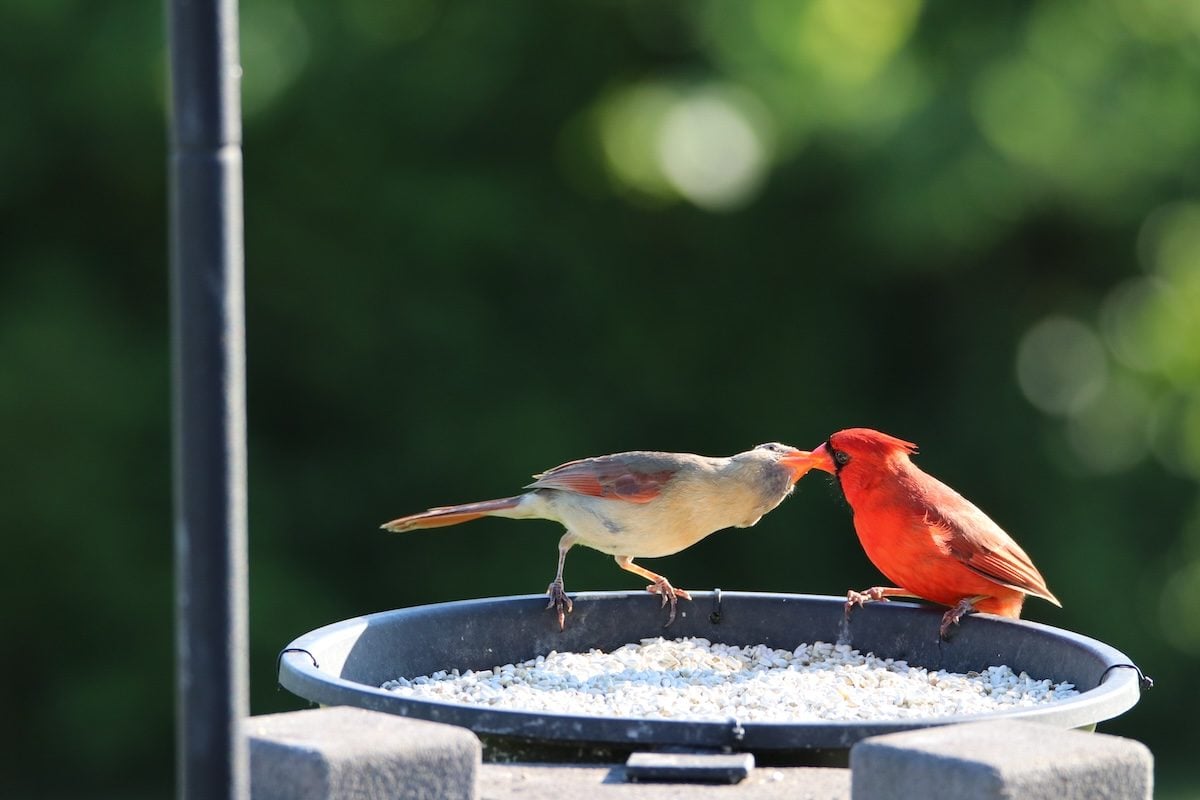
- Safflower seed: many squirrels dislike it, and cardinals often love it
- Nyjer (thistle) in a finch feeder: often less attractive than sunflower and peanuts, though some squirrels will still eat it if they can
- Seed blends without corn and peanuts: less payoff for mammals, and typically less likely to draw them in
If squirrels are cleaning you out daily, try switching to safflower for two weeks and see what happens. It is not magic, but it changes the cost-benefit equation for the squirrel.
Cleanup and timing
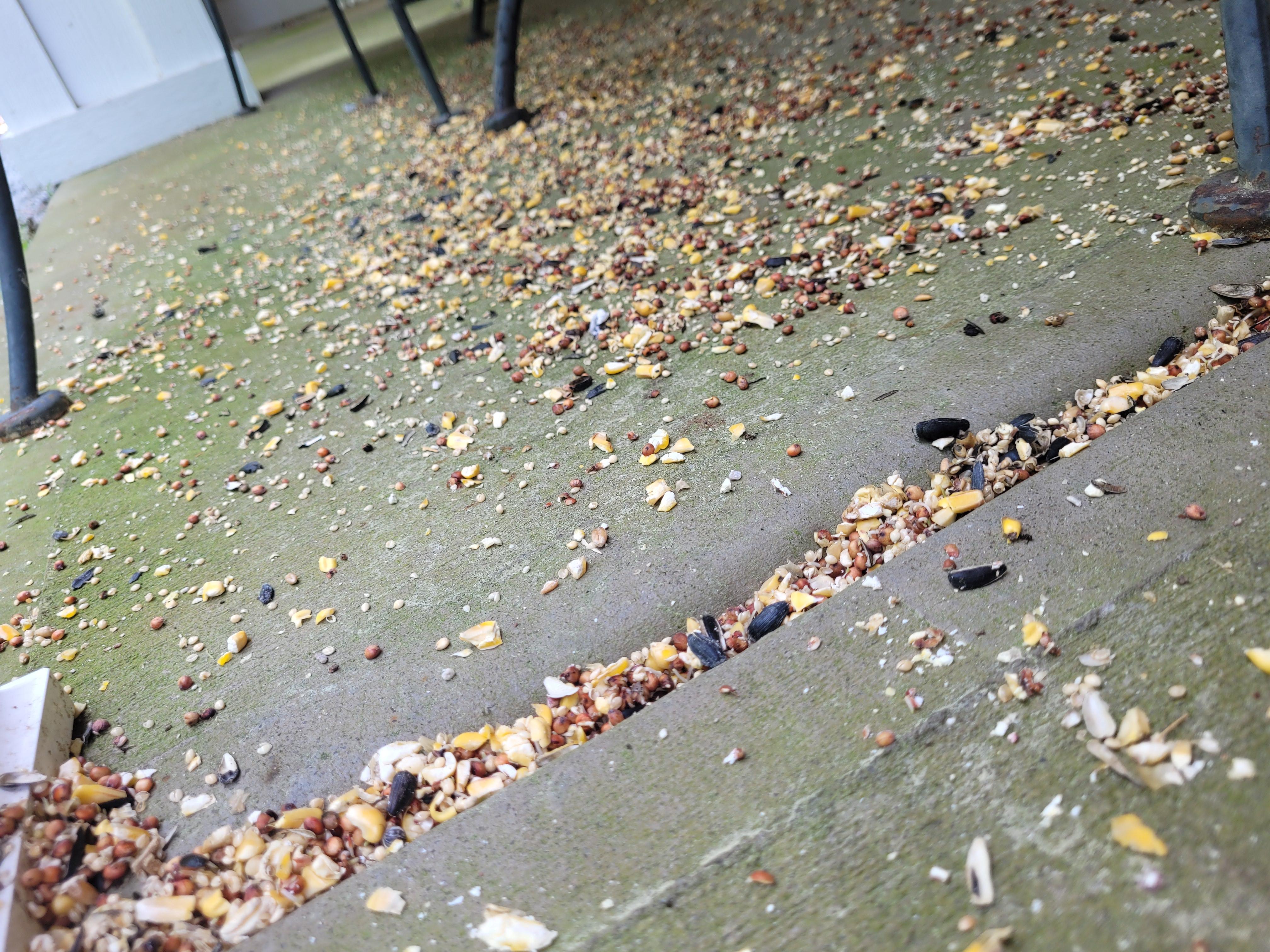
Even with the right feeder, spilled seed on the ground trains squirrels to patrol your yard. This is where a little routine goes a long way.
Reduce spill
- Use feeders that do not leak in wind or rain
- Do not overfill if your feeder dumps seed during storms
- Fix cracked tubes and worn gaskets so seed is not raining down 24/7
If you use a tray to catch mess, make sure it does not turn into an easy squirrel dining table. Some trays help with waste, but they also increase time on the feeder for bigger animals if the feeder is not otherwise squirrel-resistant.
Rake or sweep under the feeder
I keep a cheap leaf rake in the garage specifically for the feeder area. Once or twice a week, I rake up hulls and spilled seed. It takes two minutes and cuts down on squirrels, rats, and mice showing up for the leftovers.
Night matters
Squirrels are daytime raiders, but leaving a big pile of seed under the feeder overnight invites other guests. Keeping things tidy reduces the whole backyard freeloading operation.
If you must hang from a tree
I am still going to say a pole in open space works best. But if your only option is a branch hook, you can improve your odds.
- Use real clearance: Hang the feeder well out from the trunk, not tucked near the bark where squirrels can just stroll out to it.
- Avoid overhead routes: If there is a branch above the feeder, squirrels will drop in from the top.
- Consider a hanging baffle: A wide dome baffle above the feeder can help, but it still needs distance. If the squirrel can jump past it or land on top of the feeder, it will.
Tree setups tend to be more about reducing access than eliminating it. If you are losing a bag of seed a week, that is your sign to move to a pole.
My simple setup
If you want a straightforward plan without a dozen products, this is the setup I recommend to neighbors.
- Step 1: Install a smooth metal pole in an open part of the yard with about 10 feet of clearance from jump points.
- Step 2: Add a properly sized stovepipe baffle, with the top of the baffle about 4 to 5 feet off the ground.
- Step 3: Hang a caged feeder or weight-activated feeder 18 to 24 inches above the baffle.
- Step 4: Switch from sunflower and peanuts to safflower or a lower-attraction blend if squirrels keep trying.
- Step 5: Clean up spilled seed weekly.
That combination handles the vast majority of squirrel problems without turning your backyard into a science project.
Troubleshooting
They clear the baffle from the ground
Your baffle is probably too low, too small, or the feeder is mounted so low that the squirrel can land above it. Raise the baffle position, increase the baffle size if needed, and keep a good gap between baffle and feeder.
They jump from a fence or tree
Move the pole. This is not a feeder problem, it is a location problem. If moving is not possible, remove the launch pad by trimming back branches or relocating nearby furniture.
They chew through the feeder
Swap plastic parts for metal, or switch to a feeder designed for squirrels. Chewing is a sign the feeder is accessible long enough for them to work on it.
They hang upside down and still reach the ports
Try a caged feeder, shorten the hanger, or choose a design with recessed feeding ports. Some tube feeders put the ports right at the outer edge where squirrels can reach from awkward positions.
Backyard safety
- Skip sticky products on poles. They can harm birds and other animals.
- Avoid homemade grease or oils. Messy, short-lived, and can foul feathers if birds contact it.
- Do not use poisons, chemicals, or repellents meant for pests. Mothballs and other backyard “hacks” can harm wildlife, pets, and you.
- Be careful with hot pepper blends. Birds are less sensitive to capsaicin than mammals, but powders can irritate eyes and skin when you fill the feeder. If you try it, wear gloves and avoid windy days.
The goal is to deny access, not to create hazards in your yard.
FAQ
Will a baffle work on a shepherd’s hook?
Sometimes, but it is harder to make foolproof because hooks often have bends, texture, and extra hardware squirrels can grip. A straight metal pole gives the best results.
How high should I hang my bird feeder?
A common sweet spot is about 5 to 6 feet off the ground for easy refilling and decent predator awareness for birds, but height alone does not stop squirrels. Clearance and a baffle do.
Should I feed squirrels somewhere else to keep them away?
In my experience, that usually backfires. You are teaching them your yard is a reliable food source, and they will check every feeder you own.
What is the fastest change with the biggest impact?
Move the feeder into open space and add a properly sized stovepipe baffle. Those two fixes solve more problems than fancy feeders by themselves.
The 30-Second Cheat Sheet
Essential takeaways for: How to Keep Squirrels Out of a Bird Feeder
What actually works
- Use distance: Place the feeder on a standalone pole with about 10 feet of clearance from trees, fences, roofs, rails, and furniture. Watch for overhead branches.
- Add a baffle: A properly sized stovepipe baffle on a smooth metal pole is the most reliable. As a rule, aim for at least 6 to 8 inches wide and 18 to 24 inches long.
- Mount it at the right height: Put the baffle so the top is about 4 to 5 feet above the ground, then keep the feeder 18 to 24 inches above the baffle.
- Choose better feeders: Go with weight-activated feeders, caged feeders, or feeders with metal ports.
What to stop offering
- Cut back on sunflower seed, sunflower chips, peanuts, and corn if squirrels are relentless.
- Try safflower (often less appealing to squirrels) or nyjer in a finch feeder (often less appealing than sunflower, though some squirrels will still try it).
Quick troubleshoot
- Squirrels clearing the baffle usually means the baffle is too low, too small, or the feeder is too close to it.
- If they are launching from a fence or branch, it is a location problem. Move the pole.
- If they chew the feeder, switch to metal parts or a true squirrel-resistant design.
My simple setup
Open yard + smooth metal pole + properly sized stovepipe baffle + caged or weight-activated feeder + less squirrel-friendly seed + weekly cleanup.
💡 Tip: Scroll up to read the full article for detailed, step-by-step instructions.
⬆️ Back to top
About Grit
Content Creator @ Grit & Home
Grit is Grit & Home’s little blue clay courier, delivering big questions about the place you call home. Expect practical ideas, a raised eyebrow, and a satchel full of curiosity.