
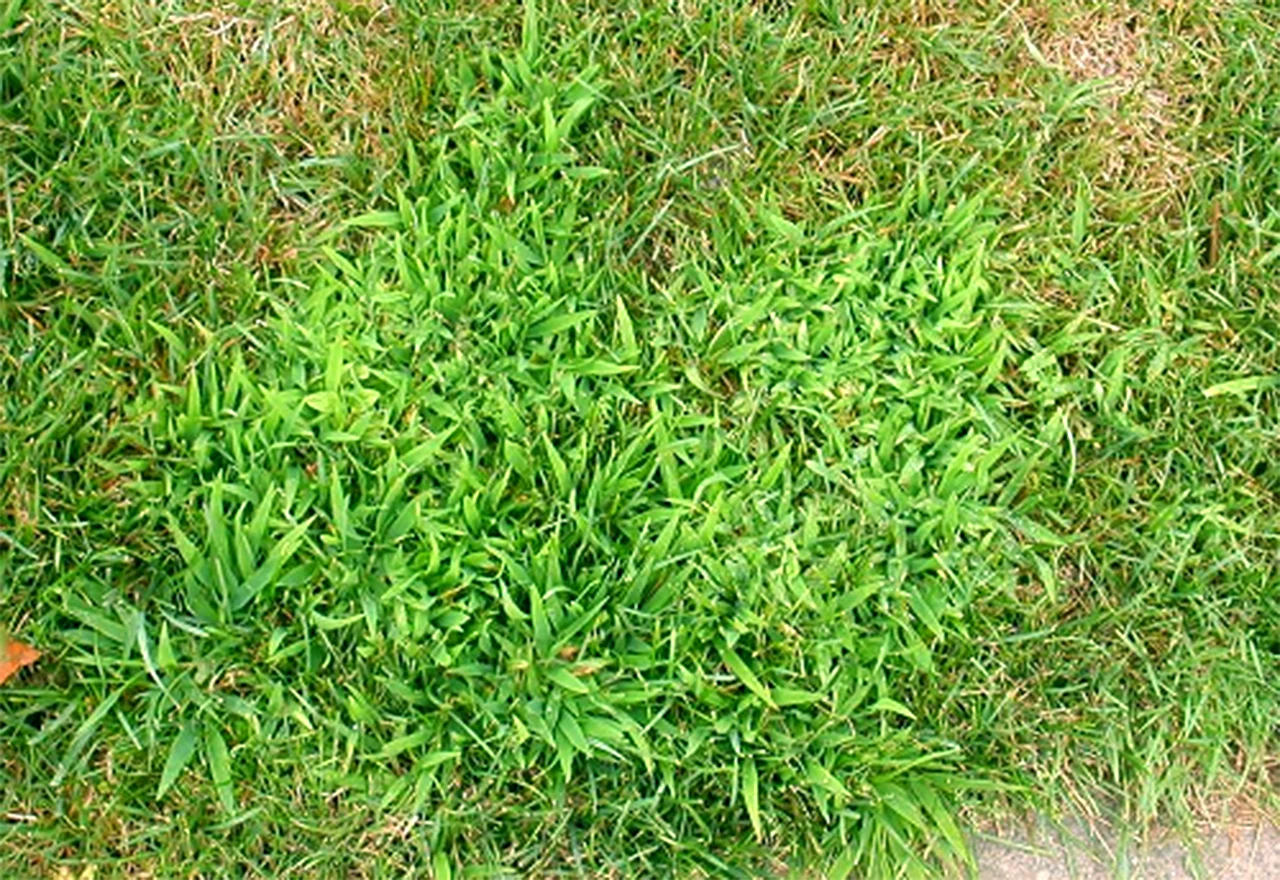
Crabgrass is one of those lawn problems that feels personal. Your yard is green, you are watering, you are mowing, and then this lighter, wider-bladed grass shows up and starts spreading like it pays rent.
The good news is crabgrass is predictable. If you understand its life cycle and match the right product to the right moment, you can knock it out this season and make it much harder for it to return next year.
Know the enemy: crabgrass life cycle
Crabgrass is a summer annual. That means it completes its whole life in one year, then relies on seeds to come back. And those seeds can hang around in the soil for years, which is why a one-and-done approach rarely works.
- Spring: Seeds begin to germinate when soil warms up consistently. They do not need much space. A thin lawn, bare spots, and compacted soil are basically an open invitation.
- Summer: Crabgrass spreads outward low to the ground, stealing sunlight and space from your turf. It loves heat and can thrive when your desirable grass is stressed.
- Late summer to fall: It produces a ton of seed heads. Those seeds drop and sit in the soil waiting for next spring.
- First hard frost: The plant dies. The seeds do not.
This is why pre-emergent works so well. You are not “killing crabgrass you can see.” You are preventing seedlings from establishing as they sprout, which stops the next wave before it becomes a problem.
Before you treat: confirm it is crabgrass
I have seen homeowners scorch perfectly fine grass because they guessed wrong. Crabgrass often has a lighter green color than your lawn, wider blades, and a spreading, low, starburst shape. As it matures, you will see seed heads that look like several thin spikes coming off one stem.
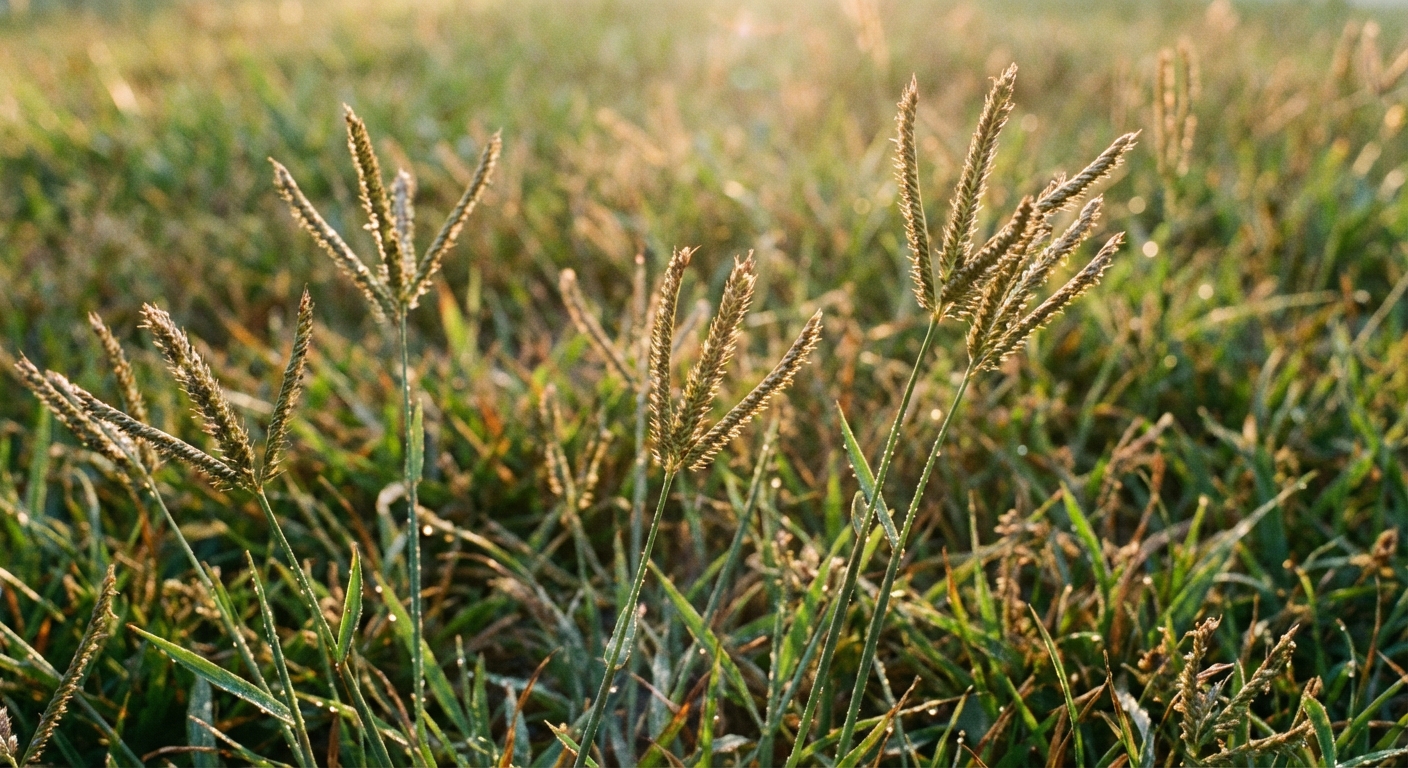
If you are torn between crabgrass and other grassy weeds like goosegrass or dallisgrass, your local extension office often has photo IDs, and it is worth a quick check.
Spring pre-emergent: timing matters
Pre-emergent is your best long-term tool because it targets crabgrass when it is most vulnerable, right as seeds start germinating.
When to apply
Apply when soil temperatures at about 2 inches deep are hovering around 55°F for 3 to 5 days. In many areas, that lines up with early to mid-spring, but it varies by region and year. A practical homeowner shortcut is to apply when forsythia is blooming or just nearing the end of bloom in your area, but soil temperature is more reliable.
How pre-emergent works
Pre-emergent creates a barrier in the top layer of soil that stops new seedlings from developing roots and shoots successfully. It will not kill crabgrass that is already up and growing. If you can see it, you are now in post-emergent territory for that patch.
Application tips
- Water it in: Many products need irrigation to activate. 0.25 to 0.5 inches is a common range, but always follow the label for your specific product.
- Do not disturb the barrier: Heavy raking, aggressive dethatching, or core aeration right after application can break the barrier and create gaps.
- Consider a split application: A second, lighter application a few weeks later can help extend coverage through peak germination season, especially in long springs.
Pre-emergent and overseeding
Most crabgrass pre-emergents can also prevent your desired grass seed from germinating. So if your plan is to overseed in spring, read labels carefully and consider these options:
- Overseed in fall instead: This is my go-to. Fall gives new grass time to establish without competing with summer weeds.
- Use a seeding-friendly preventer: Some products use mesotrione (often sold as Tenacity) and can be used during seeding in many situations. It is not universal for every grass type and rate, so verify your turf and label directions.
- Spot-fix later: If you must seed in spring, you may need to skip pre-emergent in those areas and accept more manual control this year.
How to kill active crabgrass
If crabgrass is visible, you have two main routes: remove it physically, or treat it with a post-emergent herbicide that targets crabgrass. If you missed the pre-emergent window, this is how you get back in the game.
Option 1: Pull and dig
If you only have a few clumps, pulling is cheap and effective. The trick is to get the crown and roots. Water the area first or pull the day after rain, then tug slowly. Fill the divot with soil and seed later so you do not leave an empty spot for the next weed to move in.
Option 2: Post-emergent herbicide
Look for a product labeled for crabgrass control and safe for your lawn type. Common active ingredients in crabgrass killers include quinclorac (widely used) and fenoxaprop in some formulas. Some pre-emergents like dithiopyr can also have early post-emergent activity on very young crabgrass. Always confirm the label matches your turf species.
Quick compatibility warning: Lawn species matters. For example, some active ingredients are not recommended for certain warm-season grasses like St. Augustine in many situations. If you are not 100 percent sure what grass you have, confirm before you spray.
When post-emergent works best
- Younger crabgrass is easier: Once it gets big and starts producing seed heads, it becomes harder to kill cleanly.
- Warm, growing conditions: Post-emergents work best when the plant is actively growing, not drought-stressed.
- Dry leaf blades: Spray when grass is dry and you have a rain-free window so the product can absorb (follow the label for timing).
How to spray without wrecking your lawn
- Spot spray when you can: Blanket spraying increases cost and the risk of stressing your turf.
- Measure your lawn area: Most mistakes come from over-applying because the yard “looked about 5,000 square feet.” Pace it off or use a mapping app.
- Use a fan spray pattern: You want even coverage, not puddles.
- Expect a second pass: Many crabgrass killers recommend a follow-up application after a set interval. Follow the label.

Safety basics
Keep kids and pets off treated areas until the product is dry or for the label-specified reentry time. Wear gloves and eye protection, and do not spray on windy days. Also avoid herbicide applications during extreme heat if your turf is already stressed, since that is when damage is most likely.
After crabgrass dies
Crabgrass control can leave thin areas behind. Thin turf is exactly where crabgrass likes to return, so you want a plan that replaces that space with desirable grass.
- Rake out dead material: Lightly rake once the crabgrass is dead so sunlight can reach the soil.
- Topdress if needed: A thin layer of compost or screened topsoil helps seed establish, especially in sandy or compacted spots.
- Overseed at the right time: For cool-season lawns, fall is ideal. For warm-season lawns, late spring to early summer is usually the establishment window.
- Water consistently: New seed needs consistent moisture, not a daily flood.
Keep crabgrass from coming back
Herbicide is a tool, not the whole strategy. Crabgrass is opportunistic. Your goal is a lawn that leaves it no place to land.
Mow higher
This is the cheapest improvement most people can make. Cutting too short stresses your turf and lets sunlight hit the soil, which helps crabgrass germinate.
- Cool-season grasses: Often do well around 3 to 4 inches during the growing season.
- Warm-season grasses: Can vary a lot by species, so follow recommendations for your specific turf.
- Never scalp: Follow the “one-third rule” and do not remove more than one-third of the blade height in a single mow.
Water deeply
Frequent light watering encourages shallow roots and a weaker lawn. A stronger lawn shades soil and competes better. Aim for fewer, deeper waterings that promote deep roots, adjusting for rainfall and heat.
Feed the lawn, do not force it
Proper fertilization thickens turf, but heavy nitrogen at the wrong time can also push weed growth. Use a soil test if you can, and follow a plan appropriate for your grass type and region.
Fix compaction and bare spots
Crabgrass loves weak areas. If your soil is compacted, consider core aeration at the right time for your lawn type. If you have bare spots, patch them promptly with seed or sod so crabgrass does not claim them first.
Plan for fall overseeding
If you remember one long-term move, make it this (for cool-season lawns). A thick fall overseed is like closing the doors and windows before winter. When spring rolls around, crabgrass seeds have far fewer openings.
Seasonal game plan
Early spring
- Apply pre-emergent when soil temps at 2 inches approach 55°F consistently
- Water it in per label
Late spring to summer
- Spot-spray existing crabgrass with a crabgrass-labeled post-emergent
- Mow higher and avoid scalping
- Water deeply to reduce lawn stress
Late summer to fall
- Overseed and thicken the lawn (especially cool-season turf)
- Address bare spots and compaction
Next spring
- Repeat pre-emergent timing and enjoy the difference a thicker lawn makes
Common mistakes
- Applying pre-emergent too late: If crabgrass is already up, pre-emergent will not help that year’s plants.
- Skipping the water-in: Many granular products need water to activate.
- Cutting the lawn too short: Scalping is basically a crabgrass welcome mat.
- Trying to seed right after pre-emergent: You can block your own grass seed from germinating.
- Leaving thin spots unaddressed: Nature hates bare soil, and crabgrass is happy to fill it.
When to get help
If crabgrass is taking over year after year, it can point to a bigger lawn health issue like compaction, poor soil, incorrect mowing height, or irrigation problems. A local extension office can help you confirm grass type, identify weeds, and dial in timing for your climate.
But for most lawns, a simple combo of proper spring pre-emergent timing, smart post-emergent spot treatments, and thicker turf through mowing and overseeding gets the job done.

About Marcus Vance
Content Creator @ Grit & Home
Marcus Vance is a lifelong DIY enthusiast and self-taught home renovator who has spent the last decade transforming a dilapidated 1970s ranch into his family's dream home. He specializes in budget-friendly carpentry, room-by-room renovations, and demystifying power tools for beginners. Through his writing, Marcus shares practical tutorials and hard-learned lessons to help homeowners tackle their own projects with confidence.