
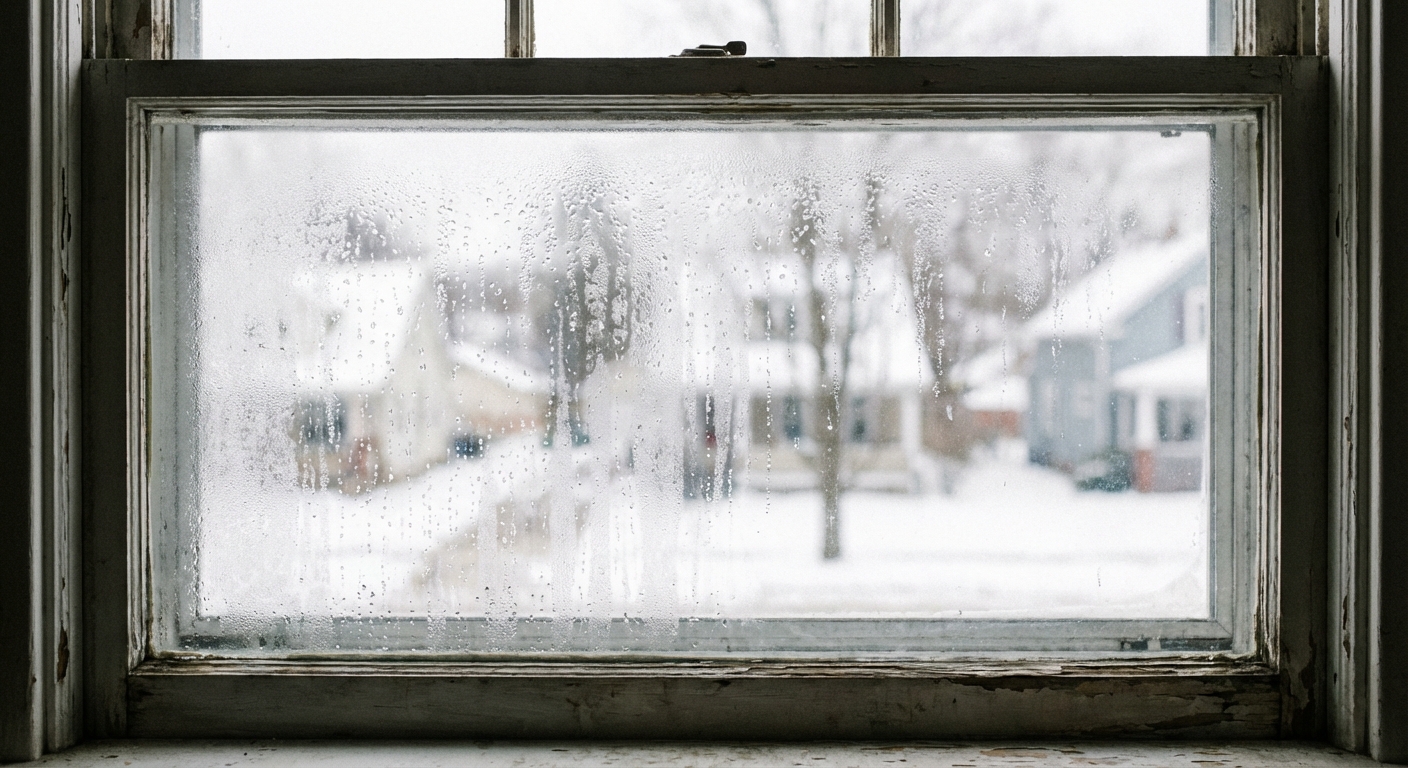
Window condensation is one of those problems that looks small until it starts peeling paint, swelling trim, or feeding that musty smell no one wants to talk about. The good news is most condensation is not a “replace all your windows” situation. It is usually a humidity and temperature mix you can fix with a few practical changes and a couple budget-friendly tools.
This guide will help you figure out where the moisture is, why it is happening, and what to do depending on whether it is inside, outside, or trapped between panes.
Quick cheat sheet: Inside = lower humidity + improve airflow + warm the glass. Outside = usually normal. Between panes = likely seal/IGU issue.
Why condensation forms on windows
Condensation happens when warm, moist air hits a cold surface and the air can no longer hold all that moisture. The extra water vapor turns into liquid water. Windows are often the coldest surface in a room, especially in fall and winter when the glass is chilled by outdoor air.
Dew point, in plain English
Air can hold more water when it is warm and less when it is cool. When humid indoor air touches cold glass, the air right at the glass cools down fast. If it cools below the dew point, you get condensation.
- More indoor humidity = more likely to fog up or bead up.
- Colder window surface = more likely to condense.
- Less air movement at the glass = moisture hangs around longer.
Fog vs. droplets
Fogging is a hazy film on the glass. Droplets are visible beads of water that can run down and soak the sill. Both are condensation, but droplets are more likely to cause damage.
Identify the type: inside vs. outside vs. between panes
Before you buy anything, do this simple test: wipe the glass with a dry towel and see where the moisture is.
Condensation on the inside
- Where it is: Room side of the glass.
- What it means: Indoor humidity is high, the glass is cold, or both.
- Why you should care: Repeated wetting can rot sills, stain drywall, and trigger mold around the frame.
Condensation on the outside
- Where it is: Exterior side of the glass, often early morning.
- What it means: Outdoor humidity is high and the glass is cooler than the outside air. This can happen with energy-efficient windows because they keep indoor heat from warming the outer pane.
- What to do: Usually nothing. It typically burns off when the sun hits it.
Condensation between panes
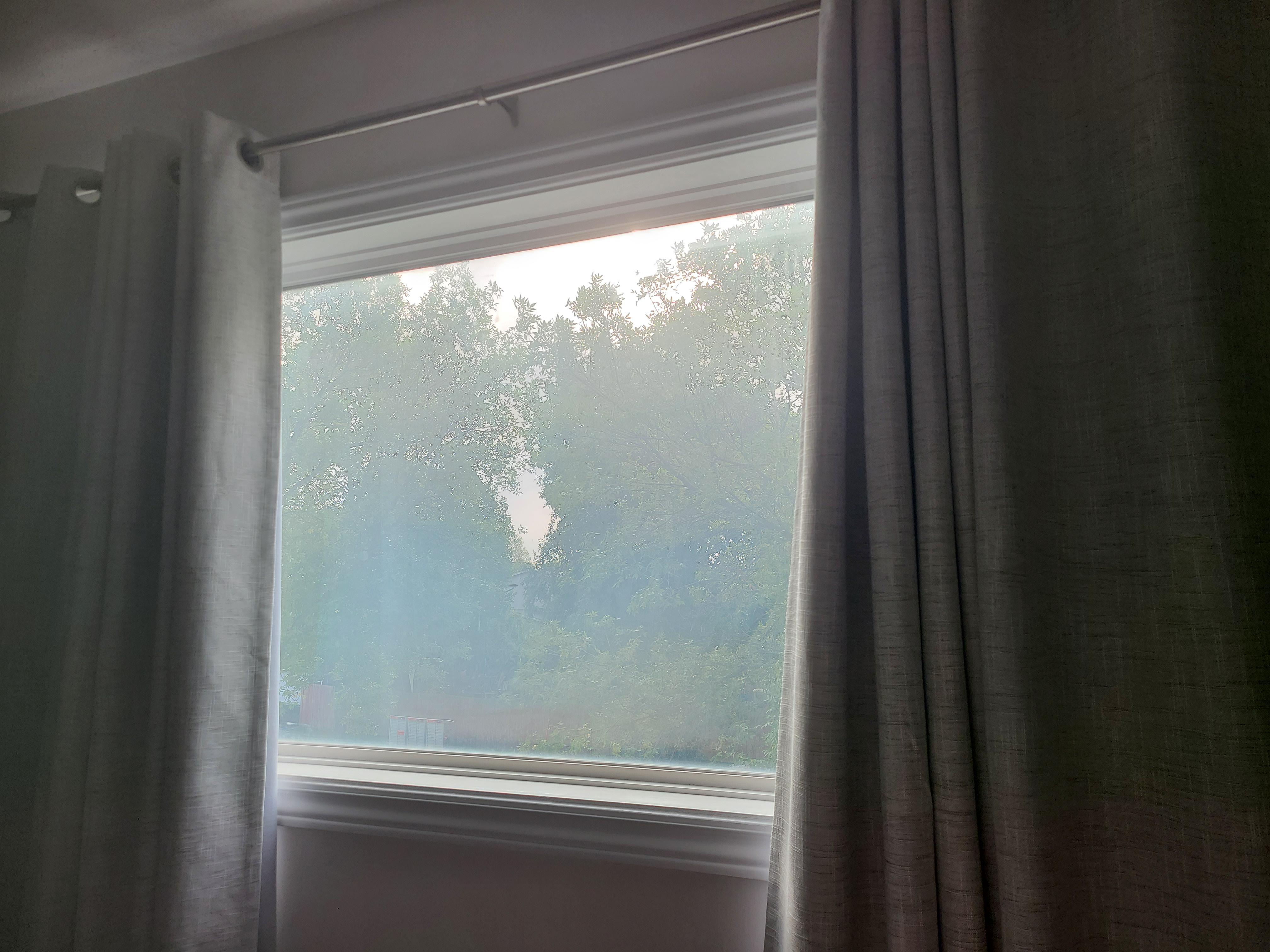
- Where it is: Inside the insulated glass unit, between layers of glass.
- What it means: The window’s seal may be compromised, allowing moisture in. If the unit was gas-filled (argon, krypton), some of that gas may leak out too.
- How to confirm: If you cannot wipe it off from either side and the fog looks perfectly “inside” the glass, it is likely inside the unit. It may come and go with weather.
- Note: The biggest symptom is the fog itself. Insulating performance may drop too, but how much varies by window and how bad the seal failure is.
What indoor humidity should be in winter
In cold weather, the goal is comfortable air that does not “rain” on your windows. Many homes do best around 30% to 40% relative humidity in winter, but it is temperature-dependent. The colder it gets outside (and the colder your glass gets), the more you may need to lower indoor humidity to prevent condensation.
- Rough guide: At about 30°F outside, many homes can handle ~35% to 40%. Around 0°F outside, many homes need ~25% to 30%. These are ballpark numbers and your windows and insulation matter a lot.
- If your windows are sweating every morning: aim closer to 30% (or lower during cold snaps).
- If you have dry skin and static everywhere: you might be too low and can bump it up carefully.
- Best first tool: a cheap digital hygrometer so you are not guessing.
How to measure humidity
- Place the hygrometer in a main living area, not right next to the kitchen, shower, or a humidifier.
- Give it 15 to 30 minutes to stabilize after you move it.
- Check morning and evening for a few days so you see the pattern, not just one moment.
How to reduce indoor humidity
1) Use bathroom and kitchen fans right
This is the one I messed up for years. I used the bath fan during showers, then shut it off immediately. Moisture lingers in the air and on surfaces.
- Run the bathroom fan during showers and for 20 to 30 minutes after.
- Use the range hood when boiling water and simmering (vented outdoors is best).
- If your fan is loud and weak, it may be underperforming or ducted poorly.
2) Vent the dryer outdoors
If a dryer is venting into a garage, crawlspace, attic, or an indoor vent kit (lint trap bucket), it is basically a humidity machine. Make sure it vents outdoors with intact ducting, minimal kinks, and a working exterior flap.
3) Stop adding extra moisture
- Cover pots when you can.
- Do not air-dry lots of laundry indoors unless you are actively dehumidifying.
- Limit long, steamy showers when condensation is already a problem.
- Check for plumbing leaks under sinks and behind toilets.
4) Run a dehumidifier
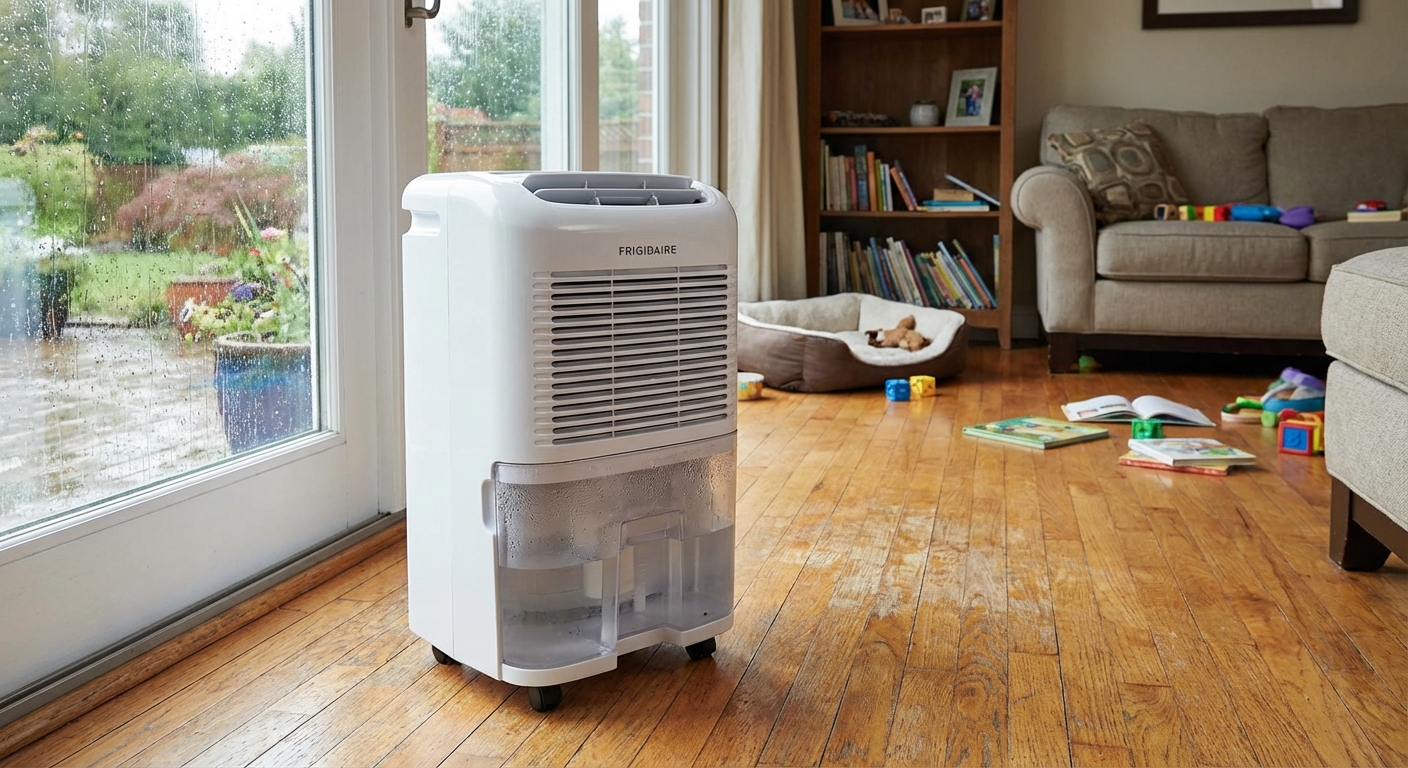
If you need a quick win, a dehumidifier can bring humidity down fast. Place it near the problem area, keep doors open for airflow, and empty the bucket regularly or connect a drain hose if your unit allows it.
- Basements: often need dehumidification year-round.
- Main floors in winter: may only need it during mild, wet stretches. In very cold climates, your home may already be dry, so verify with a hygrometer before you run one nonstop.
5) Improve airflow at the glass
Stagnant air lets moisture sit and condense. A few small changes help more than you would think.
- Open blinds and curtains a bit to let warm room air reach the glass.
- Move furniture that blocks supply registers or traps air at a window.
- Use a ceiling fan on low with the winter setting (usually clockwise) to gently mix air.
6) Consider whole-house ventilation
If your home is tight or you are seeing condensation on multiple windows, you may need more controlled fresh air.
- HRV/ERV systems: can help by bringing in fresh air and exhausting moist air with less energy penalty than opening windows.
- HVAC fan for mixing: running the furnace fan more often can help even out temperatures, but it can also increase energy use. Use it intentionally.
Make the window warmer
If your indoor humidity is reasonable and you still get wet windows, the next step is to raise the temperature of the interior glass. Warmer glass means less condensation.
Window insulation film

Interior shrink film creates a still air pocket that reduces drafts and raises the interior surface temperature of the window. It is not glamorous, but it is effective and usually costs far less than new windows.
- Best for: older double-hung windows, leaky frames, or rooms that stay colder.
- Pro tip: clean the frame well before applying tape, and use a hair dryer to tighten the film evenly.
- Watch for: do not trap active water problems. If the sill is already wet from a leak, fix the leak first.
Weatherstripping and draft sealing
Drafts make glass colder and bring in chilly air that drops surface temperature fast.
- Replace worn sash weatherstripping if the window rattles.
- Use removable rope caulk for seasonal gaps.
- Seal interior trim gaps with paintable caulk where appropriate.
Storm windows
A good storm window can dramatically cut drafts and raise glass temperature, especially on older single-pane windows. If your budget is tight, storms often beat full replacement in dollars per improvement.
When it is not humidity
Seal failure between panes
If the moisture is between panes, you are usually dealing with an insulated glass seal failure. Sometimes it looks like fog. Sometimes you see water beads that come and go. Sometimes there is a white mineral haze that never fully clears.
- Fogging is trapped and cannot be wiped from inside or outside.
- The haze changes with temperature swings but stays “inside” the glass.
- You see streaks or mineral deposits between panes.
- The window feels noticeably colder than neighboring windows.
What you can do
- Check warranty first: many windows have seal warranties, sometimes transferable.
- Replace the insulated glass unit (IGU): often cheaper than replacing the whole window frame if the frame is in good shape.
- Whole window replacement: makes sense if the frame is rotted, the hardware is failing, or multiple windows are fogged.
Be cautious with “defogging” services that drill the glass. Some homeowners like the cosmetic improvement, but it generally does not restore the original insulating performance.
Rain intrusion and drainage issues
Not all “wet window” problems are condensation. If you see wet spots after rain or water collecting in odd places, look for a leak.
- Exterior caulk and flashing: failed caulking or bad flashing can let water in around the frame.
- Weep holes: some window types have small drain holes (weep holes). If they are clogged, water can back up and show up as interior wetness.
Fast troubleshooting
- Wipe the water off the sill and frame. Standing water is what causes damage.
- Set a humidity target (start around 35% in winter, then adjust based on outdoor temps) and verify with a hygrometer.
- Run bath fans longer and use the range hood when cooking.
- Open blinds slightly so room air can reach the glass.
- Add shrink film to the worst windows if drafts are obvious.
- Use a dehumidifier only if the hygrometer says you actually need it.
When to worry
Condensation itself is common. The risk is what it does to wood, drywall, and indoor air quality over time.
Call a pro or dig deeper if you see:
- Soft, dark, or crumbling window trim or sill.
- Peeling paint or bubbling drywall around the window.
- Persistent musty odor, visible mold, or recurring mildew on curtains.
- Condensation on multiple surfaces (windows, walls, toilet tanks), which can point to broader ventilation issues.
- Wet spots after rain, which suggests an exterior flashing or siding leak, not humidity.
One safety note
If you do a lot of air-sealing or tightening up your home, pay attention to combustion safety. Make sure fuel-burning appliances vent properly and keep CO alarms installed and working.
FAQ
Will cracking a window stop condensation?
Sometimes, yes. It lowers indoor humidity by exchanging air, but it can also make the room colder and raise heating costs. A better long-term move is controlled ventilation (bath fan, range hood) and a dehumidifier if needed.
Do humidifiers cause window condensation?
They can. If you run a humidifier in winter and your windows start sweating, back it down and watch your hygrometer. Many homes do not need added humidity once cooking, showers, and daily life are factored in.
Is condensation worse on new windows?
Newer, tighter homes can trap more indoor moisture, so interior condensation can be more noticeable if ventilation is not improved. New energy-efficient windows can also show outside condensation more often, which is usually normal.
The bottom line
If the condensation is on the inside, treat it like a humidity and airflow problem first, then raise the interior glass temperature with low-cost insulation and draft control. If the fog is between panes, think warranty, IGU replacement, or window replacement. And if it is on the outside, you can usually relax and let the sun do the work.

About Marcus Vance
Content Creator @ Grit & Home
Marcus Vance is a lifelong DIY enthusiast and self-taught home renovator who has spent the last decade transforming a dilapidated 1970s ranch into his family's dream home. He specializes in budget-friendly carpentry, room-by-room renovations, and demystifying power tools for beginners. Through his writing, Marcus shares practical tutorials and hard-learned lessons to help homeowners tackle their own projects with confidence.