
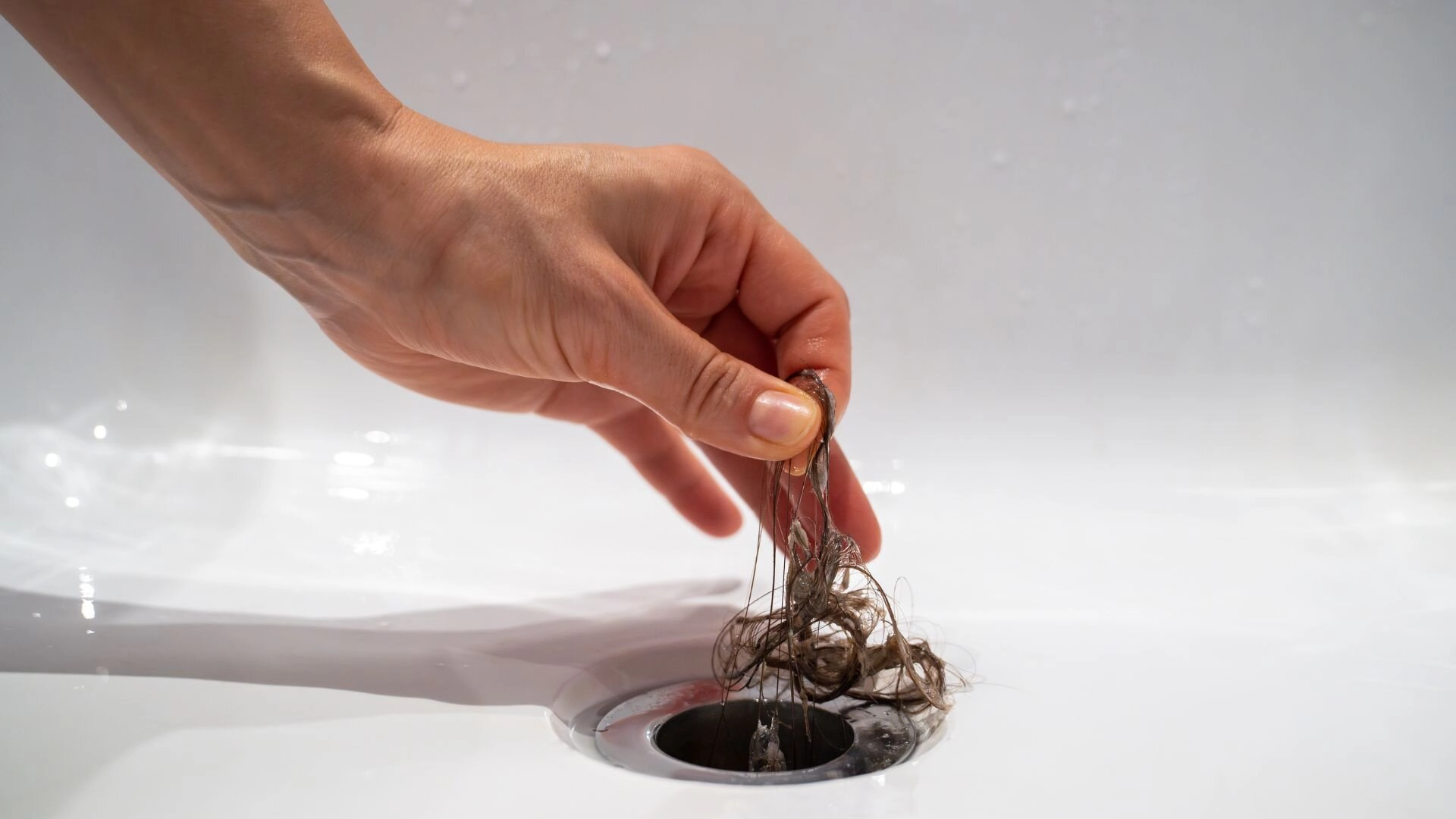
Most bathtub clogs are not mysterious. They are usually a nasty little braid of hair, soap scum, and shampoo residue sitting right under the stopper. The good news is that means you can often fix it with basic tools and about 20 minutes of patience.
This guide covers both situations: a slow draining tub and a tub with standing water. Start with the simplest method first, then step up only if you need to.
Before you start
Quick safety and setup
- Skip harsh chemicals if you can. They can damage older pipes and make snaking or plunging dangerous if the chemical splashes back.
- If you already used chemical drain cleaner, stop. Do not plunge or snake. Splash-back can cause severe burns. Flush with lots of water only if the product label allows it, ventilate the room, and consider calling a plumber.
- Wear gloves. Hair clogs are gross, and the bacteria is real.
- Protect the tub finish. Lay down a small rag if you are using tools around the drain.
- Be smart with hot water. Use hot tap water, not boiling water, especially with PVC pipes. Also avoid super hot water on acrylic or fiberglass tubs because it can stress or warp the finish.
Tools that actually help
- Flashlight
- Needle-nose pliers or hemostats
- Small flathead screwdriver (sometimes)
- Zip-it style plastic drain hair remover (optional, but great)
- Cup-style plunger (not a toilet flange plunger)
- Drain snake (hand auger), 3/16 inch to 1/4 inch cable often works well for tubs
- Baking soda and white vinegar
- Old towel and a small bucket
Figure out what you are dealing with
Slow drain vs. standing water
If the tub drains slowly: The clog is usually close to the drain opening. Start with stopper removal and hair cleanup, then baking soda and vinegar, then a short snake.
If there is standing water: You might have a more solid blockage, but it can still be a near-surface hair plug right under the stopper. Start by removing the stopper and checking for hair, then be ready to plunge or snake.
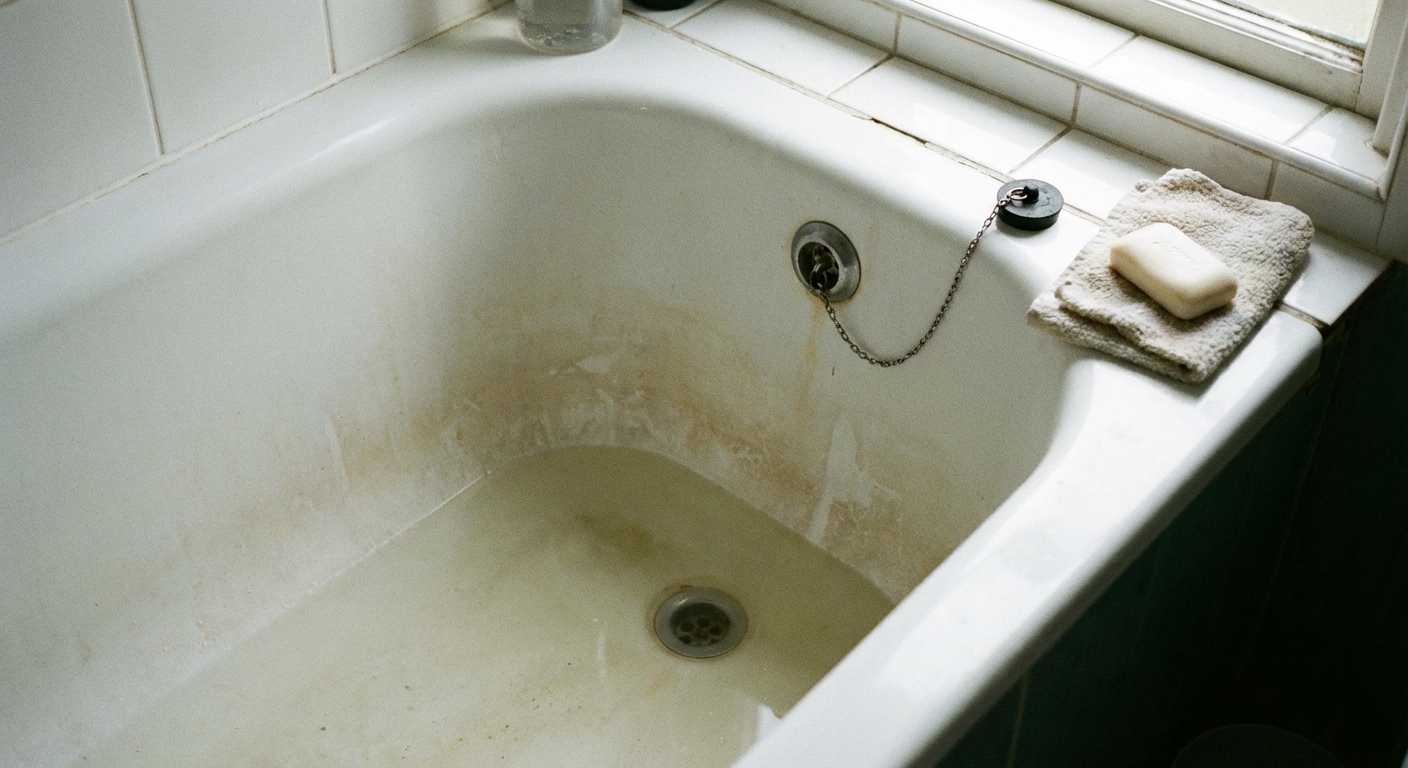
Step 1: Remove the stopper and clean the hair
If I could only pick one method that solves the most tub drain problems, it is this one. Hair and soap scum collect right where the stopper assembly sits.
Common stopper types and how to remove them
- Lift-and-turn: Hold the stopper, twist the knob counterclockwise. Look for a tiny set screw on the side of the stopper body. Loosen it, then lift the stopper off.
- Push-and-pull (toe-touch): Unscrew the top cap counterclockwise, then remove the screw underneath and lift off the stopper.
- Trip-lever (lever on overflow plate): Remove the two screws on the overflow plate. Gently pull the plate out. The linkage and stopper will slide out with it. Have a rag ready because it is often covered in slimy black gunk, and you will want somewhere to set it immediately.
- Flip-it: Most pull straight out with a firm tug. Some have a small O-ring that can stick.
Check for a strainer
Some tubs also have a drain strainer or hair catcher separate from the stopper. If you see one, remove it and clean it before you do anything else. You might get lucky.
Cleanout steps
- Pull hair from the drain opening using needle-nose pliers or a zip tool. Go slow so you do not push it deeper.
- If you use a coat hanger, be careful. It can scratch the tub or drain and it is easy to shove the clog deeper. If you have a plastic Zip-it, use that first.
- Scrub the stopper with an old toothbrush and dish soap. Soap scum is basically glue for hair.
- Flush with hot water for 1 to 2 minutes. If you have PVC pipes, use hot tap water, not boiling water.
My honest mistake: Early on, I used to yank hard on hair clogs and snap them off, leaving half the wad still in the line. If it resists, wiggle and pull steadily, or switch to a snake.
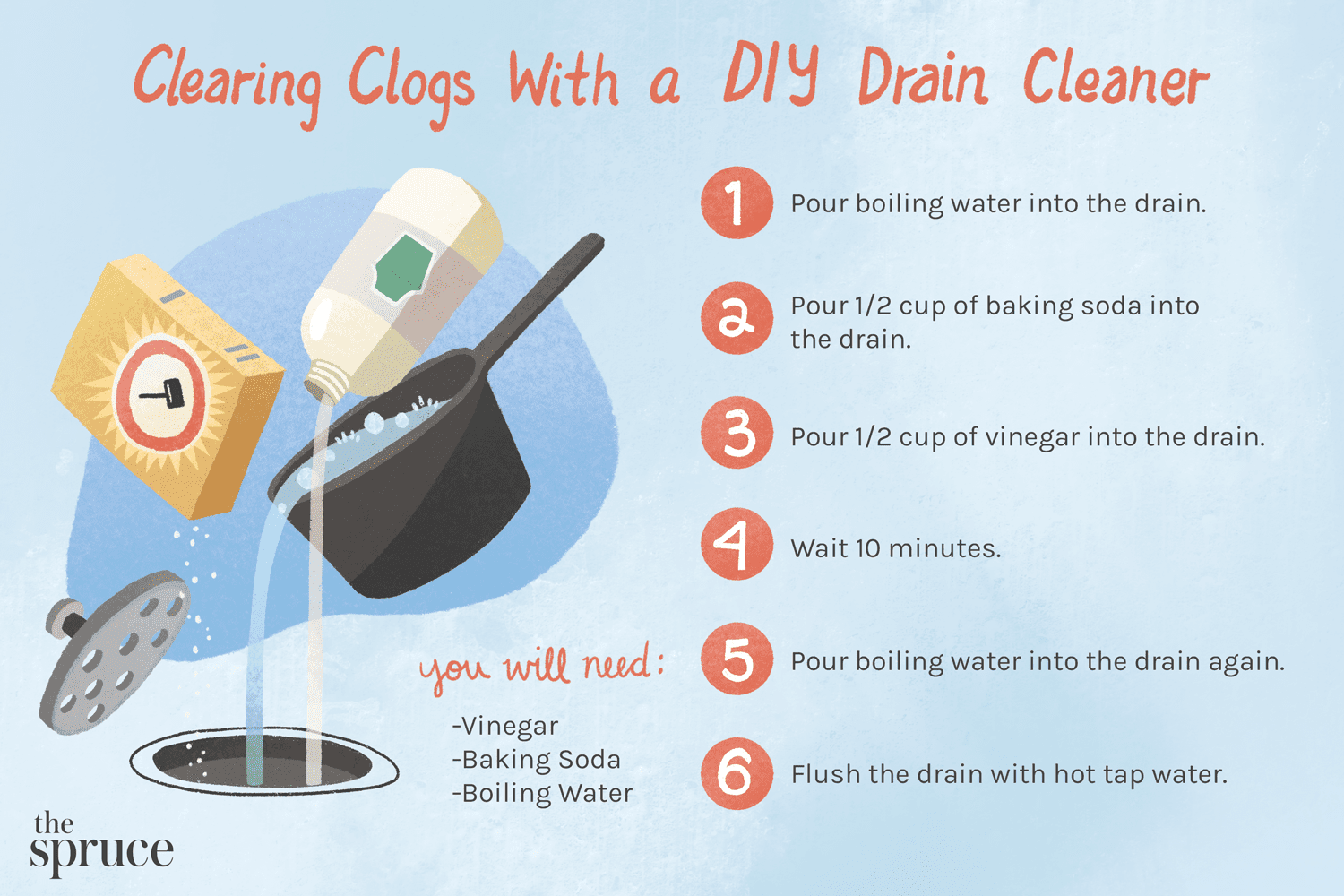
Step 2: Try baking soda and vinegar
This is not a miracle cure for a tub full of water, but it may help loosen light grime and deodorize a funky drain. It works best as a follow-up after you have already removed hair near the opening.
How to do it
- Remove as much standing water as possible. A cup and a bucket work fine.
- Pour 1/2 cup baking soda directly into the drain.
- Follow with 1/2 to 1 cup white vinegar.
- Cover the drain opening with a wet rag for 10 to 15 minutes to keep the fizzing action focused in the pipe.
- Flush with hot tap water for 1 to 2 minutes.
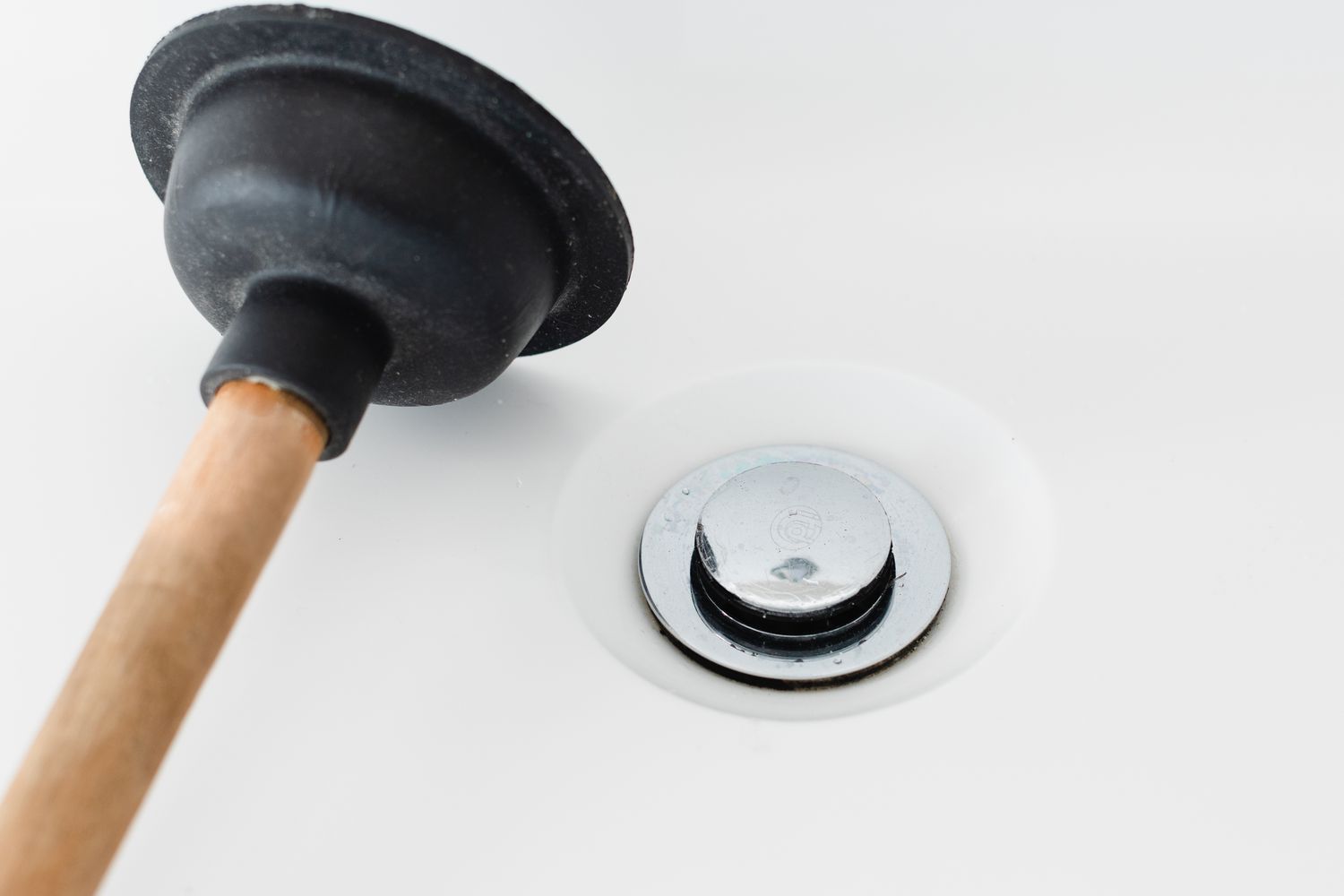
Step 3: Plunge the tub correctly
Plunging works when the clog is close enough for pressure to move it. The key difference with a tub is the overflow opening. If you do not seal it, you will just push air back and forth and get nowhere.
Do not plunge if you used chemicals
If you poured chemical drain cleaner into the tub, do not plunge. Splash-back is a real burn risk. Ventilate, follow the product label for next steps, and call a plumber if the drain is still blocked.
How to plunge a bathtub drain
- Add water until the plunger cup is fully submerged. If the tub is already full, you are good.
- Seal the overflow. Stuff a wet rag firmly into the overflow opening, or have someone hold it tight.
- Optional but helpful: If you struggle to get a seal, smear a little petroleum jelly around the rim of the plunger cup.
- Position the plunger over the drain for a full seal.
- Plunge with purpose: 10 to 15 strong strokes, keeping the seal.
- Test the drain. Pull the plunger up. If water rushes, you are winning. Flush with hot water.
Tip: If you have removed a trip-lever linkage, cover the overflow hole anyway. It still needs to be sealed for plunging to work.
Step 4: Use a drain snake
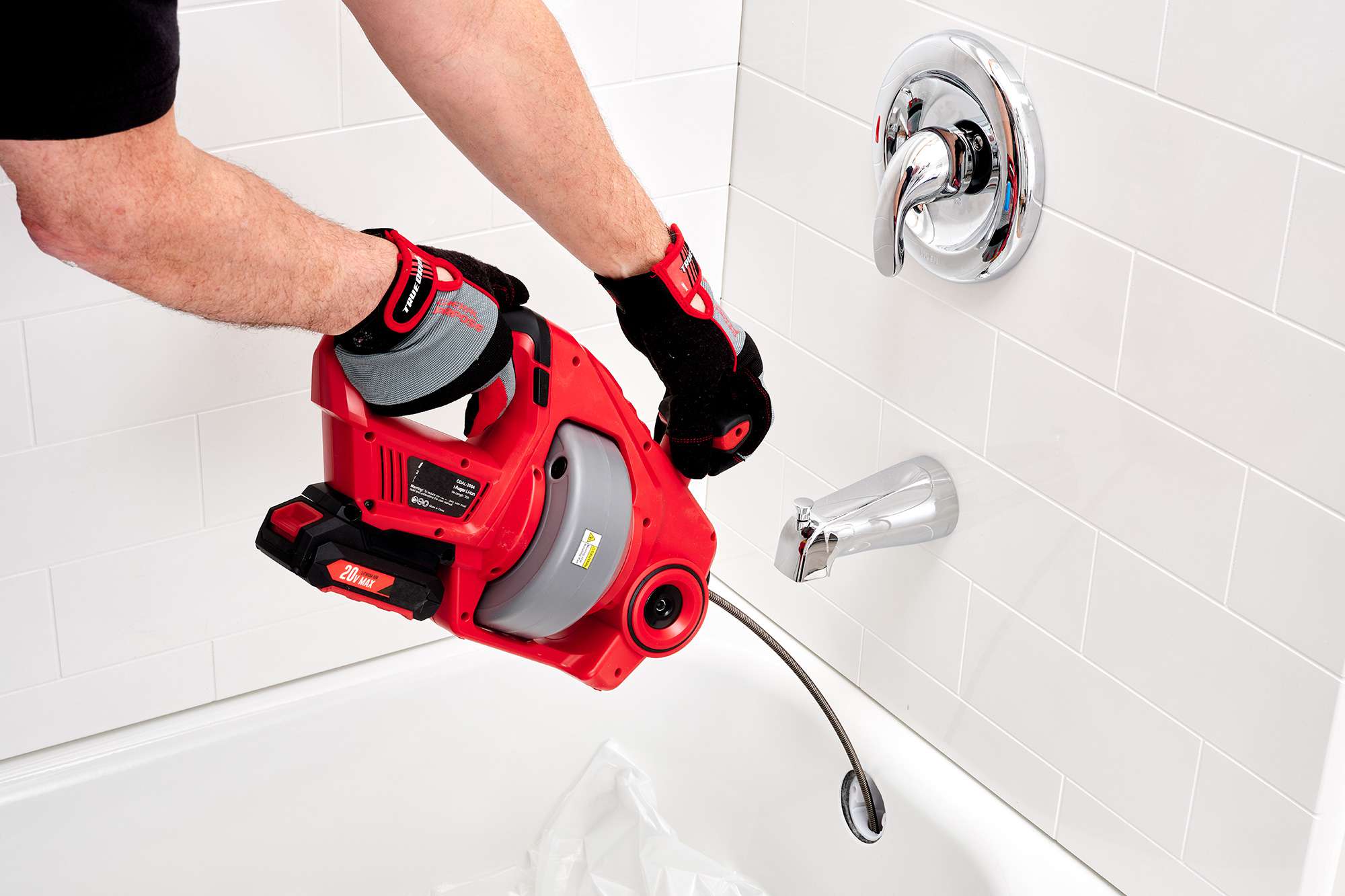
If hair is packed a little deeper, a hand auger is your best friend. For tubs, you can snake through the drain opening or, with many trip-lever tubs, through the overflow opening after removing the plate.
Snaking through the drain opening
- Remove the stopper.
- Feed the snake into the drain slowly until you feel resistance.
- Lock the snake (if your model has a lock) and crank clockwise to bite into the clog.
- Pull back gently. Expect hair. Lots of it.
- Repeat until the snake comes out mostly clean.
- Flush with hot water for 2 to 3 minutes.
Snaking through the overflow
- Remove the overflow plate and linkage.
- Feed the snake into the overflow opening and angle it downward toward the drain line.
- Crank and retrieve the clog, then flush well.
Do not force it. If you hit a hard stop that will not budge, you might be at a fitting or a deeper blockage that needs a longer snake, or professional help.
After you are done: Wipe down the snake cable and let it dry before storing it. It helps prevent rust and keeps the drum from smelling like old drain water.
If the tub still will not drain
Check the easy misses
- Trip-lever linkage snag: If you reinstalled the linkage crooked, it can partially block the drain.
- Hair caught on the crossbars: Some drains have a small cross or strainer that grabs hair higher than you expect.
- Shared line issue: If the tub, sink, or toilet in the same bathroom is also acting up, the clog may be farther down the branch line.
When to call a plumber
I am all for DIY, but there is a point where the cheapest solution is getting the right person with the right tools.
- Multiple drains are slow or backing up (possible main line or branch line clog).
- You tried a snake and hit a solid obstruction that will not retrieve or break up.
- Water backs up into another fixture when you plunge or run water.
- You smell sewer gas or suspect a venting issue.
- Repeated clogs every few weeks, especially in older homes with cast iron or heavy buildup.
If you already used chemical drain cleaner: Tell the plumber. It is a safety issue for anyone opening the line.
Keep it from clogging again
- Use a tub hair catcher and clean it weekly. This is the easiest win.
- Once a month flush the drain with hot tap water for a minute after pulling the hair catcher.
- Clean the stopper every couple of months, especially in households with long hair.
- Skip oily bath products down the drain if you can. They cling to pipe walls and trap hair.
Quick troubleshooting
If you are in a hurry
- Slow drain: Remove stopper and pull hair, then baking soda and vinegar, then a short snake.
- Standing water: Remove stopper and pull hair, seal overflow and plunge (only if no chemicals were used), then snake (drain or overflow).
- Still clogged: Stop forcing it and consider a plumber, especially if other drains are affected.

About Marcus Vance
Content Creator @ Grit & Home
Marcus Vance is a lifelong DIY enthusiast and self-taught home renovator who has spent the last decade transforming a dilapidated 1970s ranch into his family's dream home. He specializes in budget-friendly carpentry, room-by-room renovations, and demystifying power tools for beginners. Through his writing, Marcus shares practical tutorials and hard-learned lessons to help homeowners tackle their own projects with confidence.