
🚨 In a DIY emergency or rush?
Skip the details and jump straight to our 30-second cheat sheet for the most crucial info.
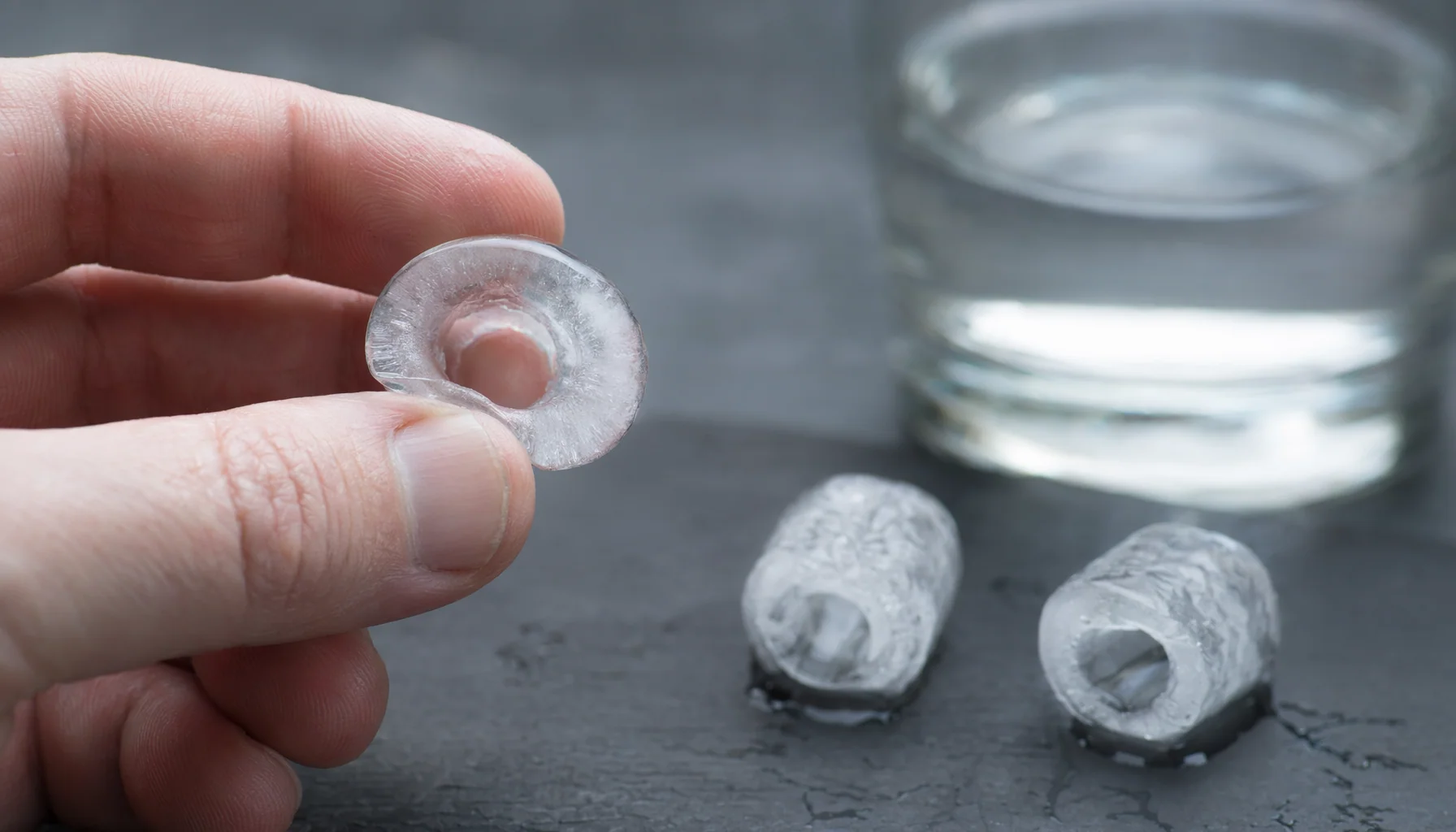
The first time my ice maker started spitting out hollow little thimbles instead of real cubes, I assumed the unit was “going bad.” Turns out it was doing its job just fine. It was harvesting on schedule, it just wasn’t getting enough water during the fill. That is what small, hollow, or misshapen cubes usually mean: the ice maker is cycling, but it is under-filling the mold.
The good news is you can troubleshoot this in a smart order without tearing your fridge apart. Start with the easy checks that fix the most problems, then work toward the parts.
Quick safety and the goal
This page assumes your ice maker is still making some ice and still harvesting, but the cubes are:
- Small
- Hollow
- Half cubes or “U” shapes
- Thin sheets that break easily
Those symptoms most often point to not enough water getting into the mold during the fill portion of the cycle. (Not always, but often enough that it is the best place to start.)
Before you start: If you will pull the fridge out or work near wiring, unplug the refrigerator. Turn off the water supply valve if you will disconnect any water line.
Troubleshooting order
Here is the order I use because it saves time and money.
- Verify freezer temperature
- Check the water filter and bypass it briefly (if your model allows)
- Confirm household water pressure and a fully open shutoff valve
- Inspect the fill tube and fill cup (alignment matters)
- Check for an ice maker fill adjustment (if equipped)
- Test for a weak water inlet valve
1) Freezer temperature
Hollow cubes are more strongly tied to underfill than to temperature. Still, freezer temperature and airflow are worth checking first because they can create secondary issues, and they can contribute to a frozen fill tube.
What temperature should it be?
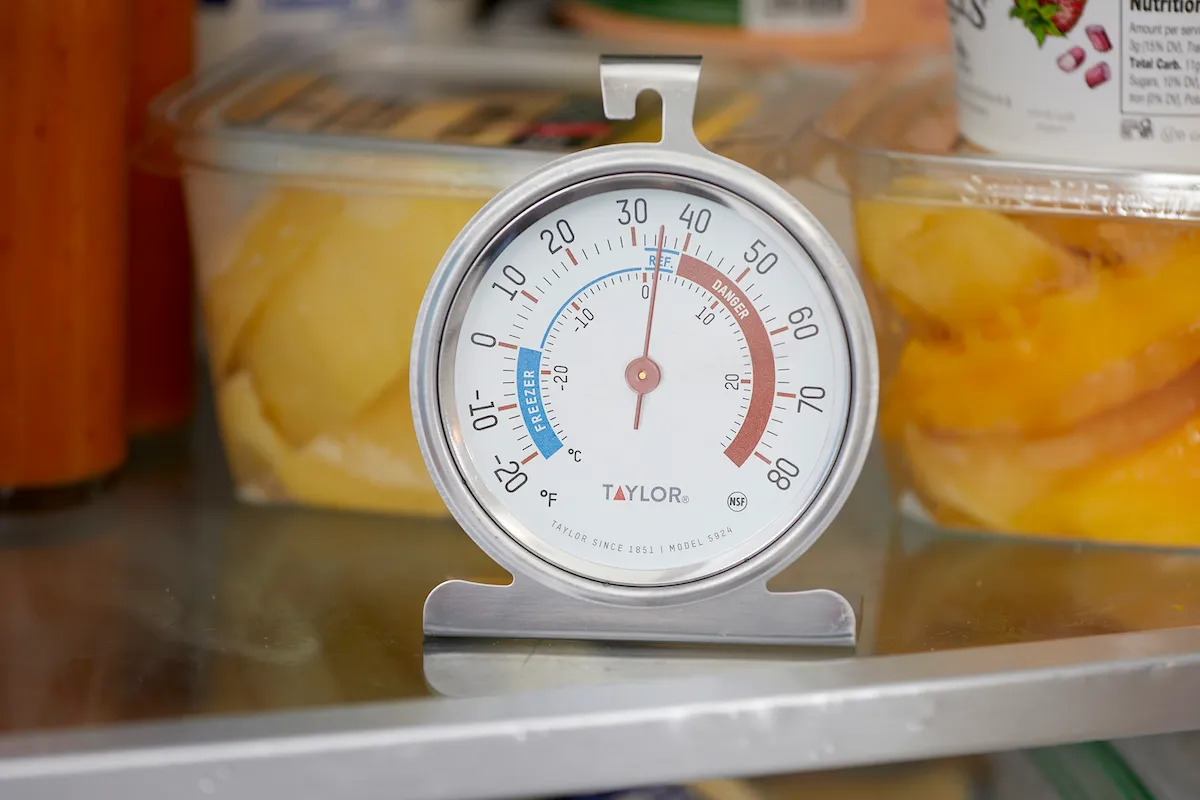
- Target (typical): 0°F (-18°C)
- Common working range: roughly -2°F to 5°F, depending on model
If you do not have a freezer thermometer, this is a good excuse to grab an inexpensive one. Place it between frozen items and give it 15 to 20 minutes to settle before you trust the reading.
What to do if it is warm
- Set the freezer to 0°F and give it 24 hours to stabilize.
- Make sure vents inside the freezer are not blocked by tightly packed food.
- Check that the door seals are clean and making full contact.
- Vacuum condenser coils (often underneath or behind the fridge) if they are dusty.
2) Water filter restriction
A partially clogged filter is one of the most common causes of small or hollow cubes because it reduces flow just enough that the ice maker fills with a trickle.
Signs the filter is the culprit
- Ice cubes get progressively smaller over weeks or months
- Water dispenser flow is slower than it used to be
- You installed a new filter and cubes got small right after (often a seating issue)
Fix
- Replace the filter if it is old.
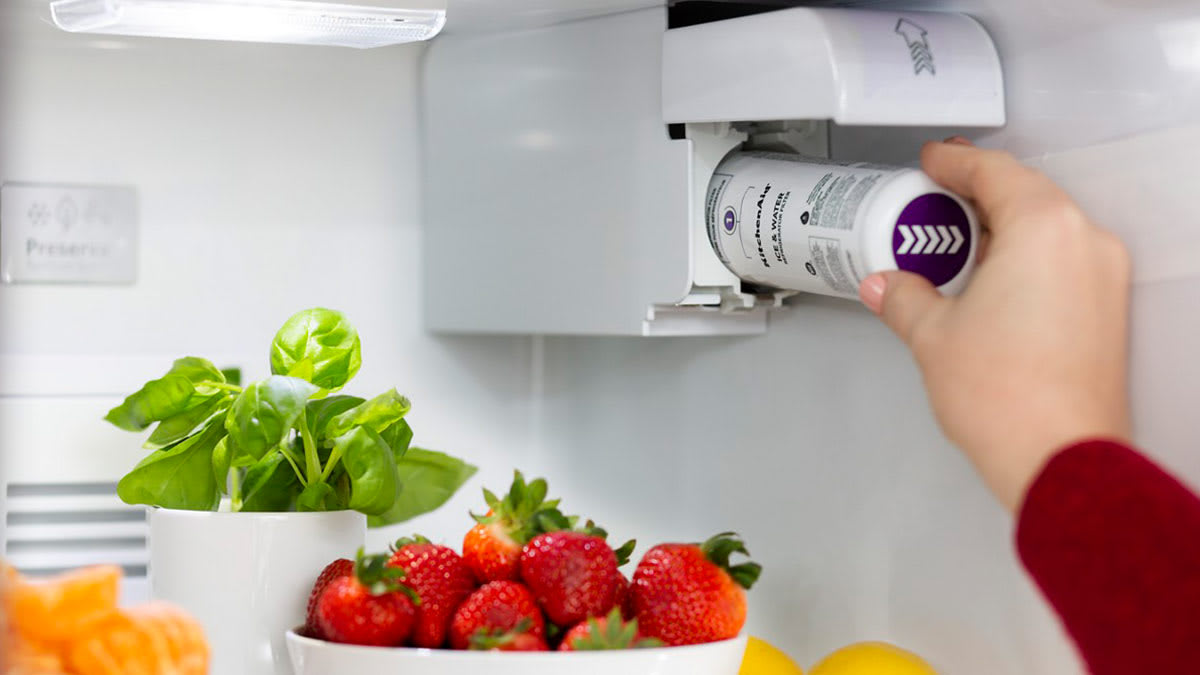
- Reseat the filter: remove it, inspect the O-rings for damage, and reinstall firmly per your model’s instructions.
- Quick diagnostic: if your fridge allows it, use the manufacturer-approved bypass plug (or bypass setting) briefly. If cube size returns to normal, the filter or filter head is the problem.
Thrifty tip: If you just replaced the filter, confirm you removed any protective caps and fully clicked or twisted it into place. I have seen “new filter” installs cut flow because it was not locked in all the way.
3) Water pressure and shutoff valve
Your ice maker depends on a quick burst of water during the fill. If pressure is low, you can still get water at the dispenser, but the ice maker may not fill the mold fully before the fill window ends.
What “normal” looks like
Refrigerators vary, but many are happiest with household water pressure in a broad range like 20 to 120 psi, and many specify a minimum closer to 30 to 40 psi. Your owner’s manual or spec sheet is the final word for your model.
Checks to do
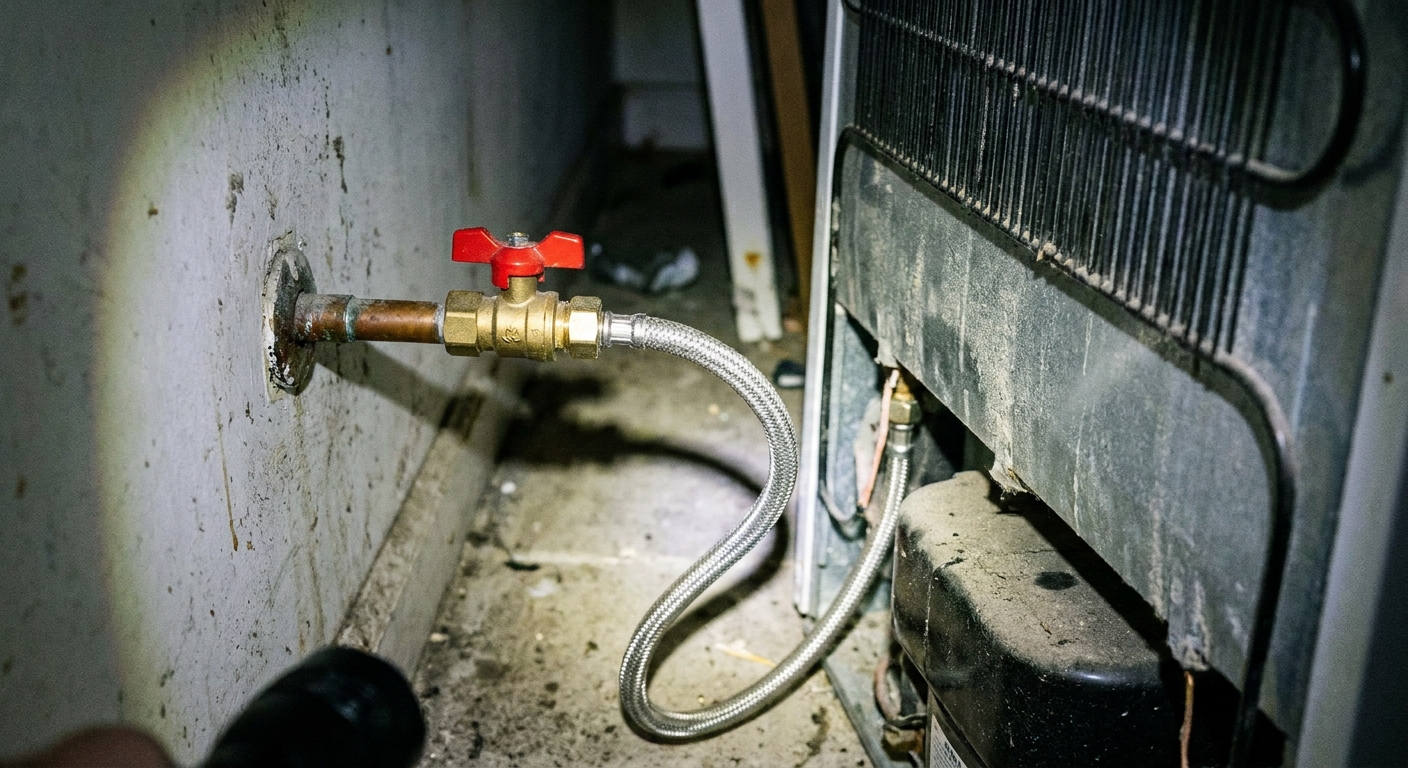
- Find the shutoff valve behind the fridge or under the sink and make sure it is fully open. Saddle valves are notorious for clogging and restricting flow over time.
- Inspect the supply line behind the fridge for kinks, crushing, or tight bends, especially after cleaning.
- Check other fixtures in the house. If multiple faucets are weak, you may have a broader plumbing pressure issue.
If you have a pressure gauge that threads onto a hose bib, you can get a real number quickly. If pressure is truly low, the fix might be outside the fridge: a failing pressure regulator, partially closed main valve, or plumbing restriction.
4) Fill tube and fill cup
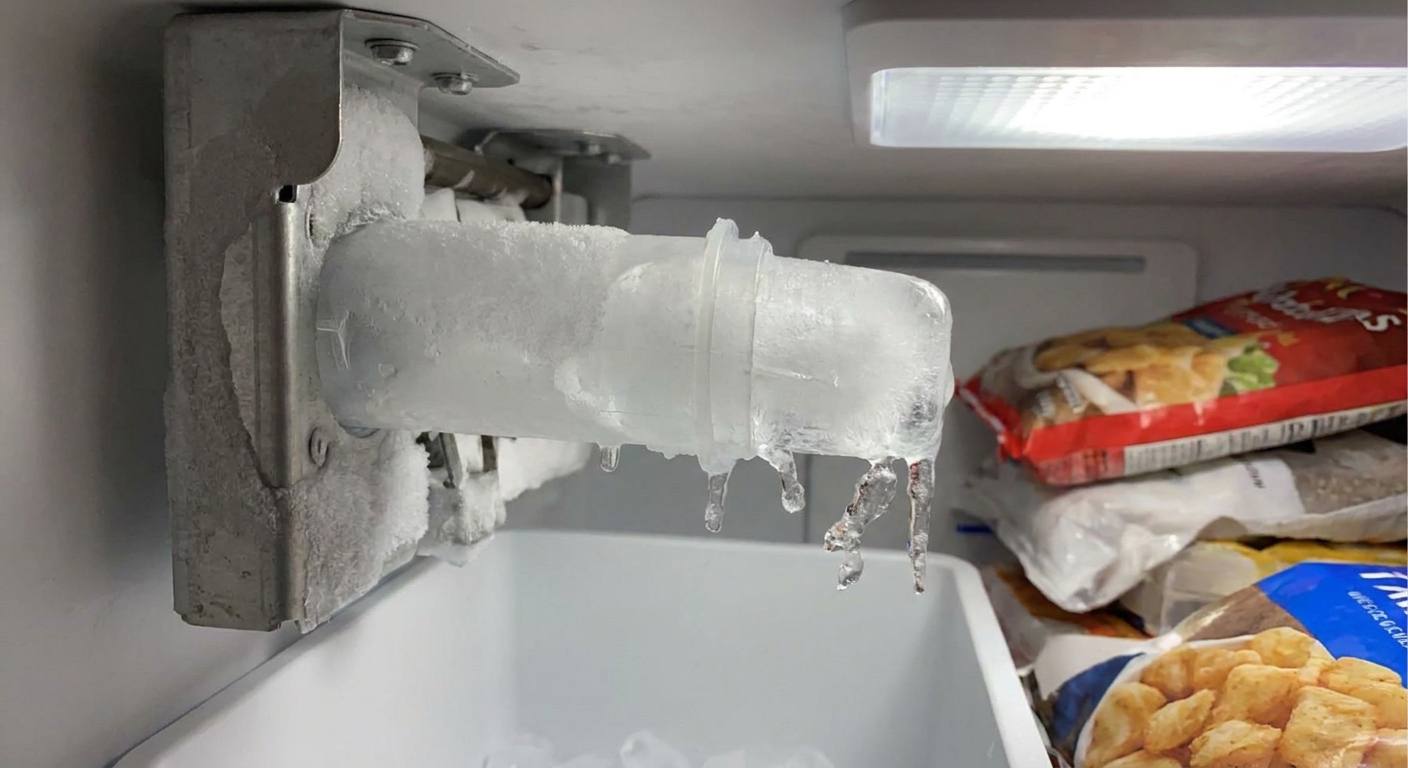
The fill tube is the small tube that directs water into the ice maker. If it freezes partially closed, the ice maker still calls for water, but only a little gets through. That produces hollow cubes. Another sneaky issue is simple misalignment: water can miss the mold, hit the fill cup or side wall, and freeze into a stray lump instead.
What to look for
- Ice plugged in the fill tube opening
- Frost packed around the tube
- Ice buildup near the ice maker that looks like splash or overflow
- A fill cup or funnel that is out of position
Fix: thaw it safely
- Unplug the fridge.
- Use a hair dryer on low to gently warm the fill tube area for a few minutes.
- Keep the dryer moving and keep distance from plastic liners and wiring.
- Do not use an open flame or a high-heat gun.
- Dry up any meltwater with a towel.
Important: A frozen fill tube is often a symptom, not just a random event. Common root causes are a seeping inlet valve that drips and refreezes, or airflow issues that create a super-cold pocket right at the tube. If the tube freezes again within days, investigate the inlet valve.
5) Fill adjustment screw (if you have one)
Some ice makers have a simple fill level adjustment, often a small screw on the ice maker module. If yours is set too low, you can get underfilled cubes even with good water pressure.
How to use this step
- Look up your exact model’s instructions before adjusting anything.
- Make small changes only. A little goes a long way.
- If you see overflow or a slab of ice afterward, back the adjustment off.
If your ice maker does not have an adjustment, no worries. Just move on.
6) Water inlet valve
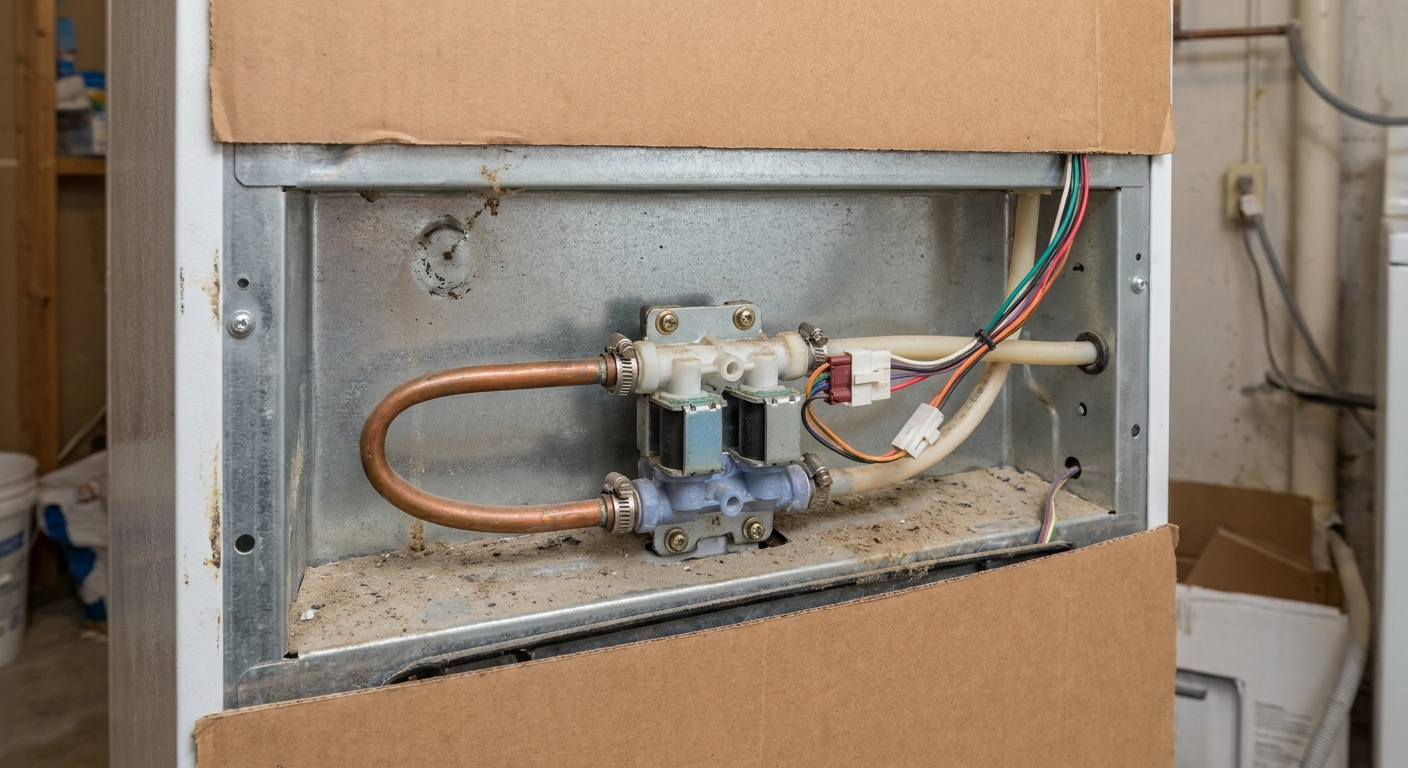
The water inlet valve is an electrically controlled valve (usually at the back of the fridge) that opens for a few seconds to send water to the ice maker. When it gets weak, it might still open, but not fully. Result: the ice maker fills, just not enough.
Clues the inlet valve is the issue
- You replaced or bypass-tested the filter and confirmed decent house pressure, but cubes are still small
- The fill tube occasionally freezes because the valve seeps when “closed”
- You hear the valve energize, but the water sound is weak
Note: Some refrigerators use separate valves or separate solenoids for the dispenser and the ice maker. So a weak dispenser does not always have to come along for the ride.
What you can do without getting too deep
- Watch a fill: if you can safely observe the fill entering the mold, you want a quick, confident stream for a few seconds, not a slow trickle.
- Inspect the valve inlet screen: turn off water, unplug the fridge, access the inlet valve, and check for debris on the tiny screen. Some screens can be cleaned gently, but many valves are not designed to be serviced. Do not jab it with anything sharp.
Replacement reality check
If diagnostics point to the inlet valve, replacement is often the real fix. It is a straightforward part swap on many fridges, but it does involve working with water connections. If you are comfortable shutting off water and making a leak-free connection, it is a very doable DIY.
If you are not, this is a fair moment to call an appliance tech. A slow leak at the back of a fridge is the kind of “small problem” that turns into warped flooring fast.
A quick underfill check
If you want one practical check that confirms you are chasing an underfill issue (not a one-off weird batch), do this:
- Dump the existing ice so you are starting fresh.
- Let the ice maker run until it harvests and refills.
- Pay attention to the refill. A normal fill is usually a short burst. A dribble is a clue.
- Check the next batch. If cubes are consistently hollow or half formed across multiple cycles, the mold is not receiving a full charge of water.
That steers you right back to filter, pressure, fill tube alignment, fill adjustment (if you have it), and the inlet valve.
When to call for service
I am all for DIY, but I am also a fan of knowing when the risk is not worth the savings. Consider service if:
- You see water pooling under or behind the fridge
- The shutoff valve or supply line looks corroded, brittle, or unsafe to touch
- Your fridge is under warranty and you would rather keep repairs documented
- You confirmed good pressure and a new filter, and an inlet valve replacement still does not fix it (could be wiring, control, or ice maker module issues)
- Your freezer cannot hold temperature (could be fan, defrost, or sealed system issues)
FAQ
Why are my ice cubes hollow but the bin still fills?
Because the ice maker is still cycling normally, it just is not getting enough water during the fill portion of each cycle. Over time it still produces a bin, but each cube is underfilled.
Can a dirty filter really make ice cubes small?
Yes. Ice makers need a short, strong fill. A restricted filter can reduce flow enough that the mold only fills partway before the fill window ends.
What if my freezer is too cold?
Too-cold settings can contribute to a frozen fill tube and airflow trouble, which can create underfill symptoms. Aim for about 0°F (or your model’s recommendation), not the coldest possible number.
How long after changes should cube size improve?
Once the underlying issue is fixed, you should see improvement within the next one to three harvest cycles. For many fridges, that means within a few hours. Dump the old ice so you are judging only the new batches.
The 30-Second Cheat Sheet
Essential takeaways for: Ice Maker Makes Small or Hollow Cubes? Causes and Fixes
Most likely cause
If your ice maker still harvests but cubes are small or hollow, it usually points to an underfill problem. The mold is not getting enough water during the fill.
Do this in order
- Check freezer temp: aim for 0°F (-18°C) (or your model’s spec). Too warm can cause soft or odd ice, and airflow issues can make everything worse.
- Replace or reseat the water filter: a clogged or poorly seated filter is a top cause of small cubes. If your model allows, use the approved bypass plug briefly to test.
- Confirm water pressure and shutoff valve: make sure the fridge shutoff is fully open and the supply line is not kinked. Many fridges prefer roughly 30 to 40+ psi, but check your manual.
- Check the fill tube and fill cup: look for ice blocking the tube, or water missing the mold because the fill cup or funnel is out of place.
- Look for a fill adjustment screw (if equipped): some ice makers have a small screw that increases fill volume.
- Suspect a weak inlet valve: if pressure and filter are good but fill is still weak, the inlet valve may be failing, clogged, or seeping and refreezing the tube.
Fast confirmation
Dump the bin and watch the next fill. A normal fill is usually a strong stream for a few seconds, not a trickle. Consistently hollow or half cubes across multiple cycles usually means underfill, not “bad trays.”
Call for help if
- You see water leaking behind or under the fridge
- The freezer cannot hold temperature
- You are not comfortable disconnecting water lines for a valve replacement
- The fridge is under warranty and you want to avoid DIY work that could affect coverage
💡 Tip: Scroll up to read the full article for detailed, step-by-step instructions.
⬆️ Back to top
About Grit
Content Creator @ Grit & Home
Grit is Grit & Home’s little blue clay courier, delivering big questions about the place you call home. Expect practical ideas, a raised eyebrow, and a satchel full of curiosity.