
🚨 In a DIY emergency or rush?
Skip the details and jump straight to our 30-second cheat sheet for the most crucial info.
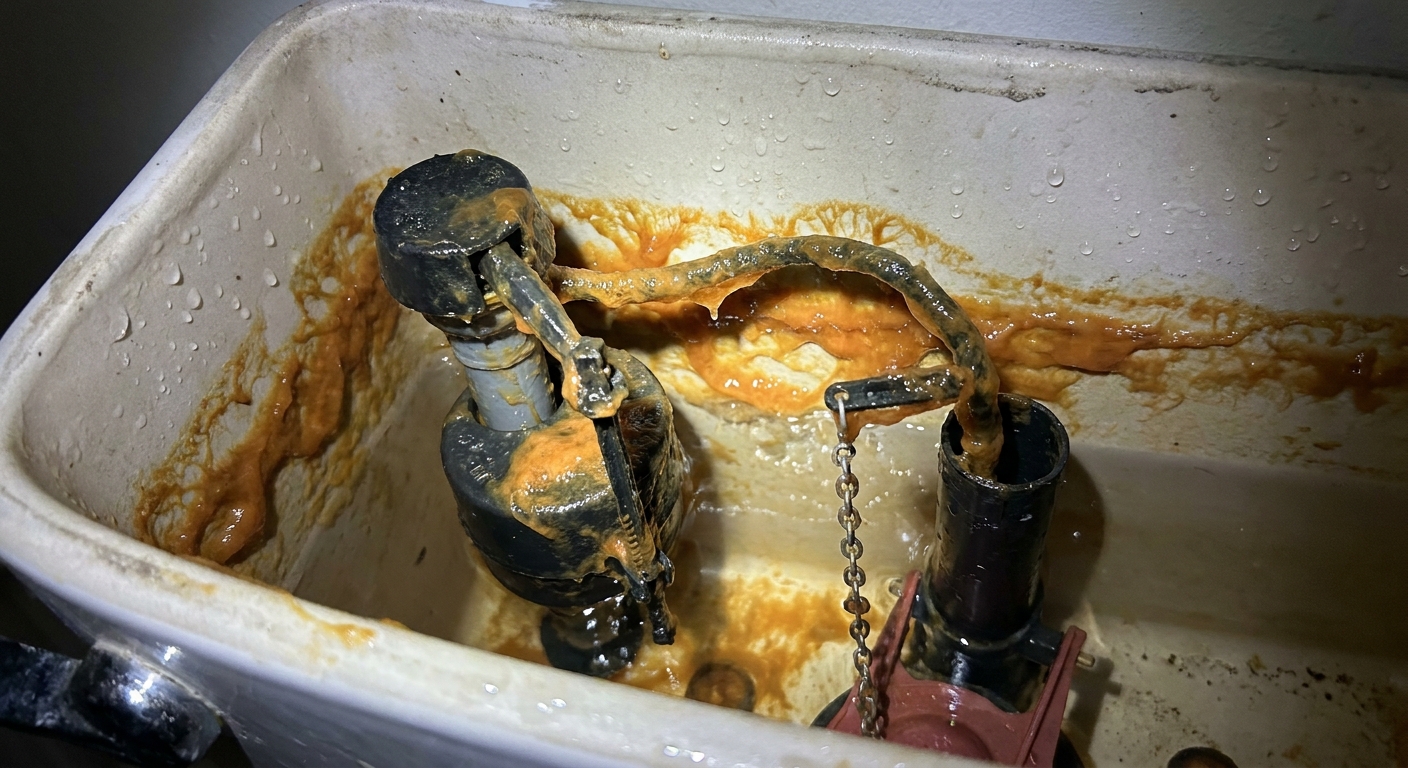
If your well water is leaving orange slime in the toilet tank, staining sinks like a rusty fingerprint, or clogging faucet screens every few weeks, you might be dealing with iron bacteria. It is one of those problems that feels like “bad water,” but it behaves differently than simple dissolved iron and it usually needs a different game plan.
Iron bacteria is usually considered a nuisance problem, not a direct health threat for most healthy adults. But here is the important caveat: slime and biofilm can harbor other microorganisms, and the same well conditions that support iron bacteria can also coexist with more serious contamination. So do not treat this as “safe to ignore.” If you have not tested recently, include coliform and E. coli and address any positive result immediately.
Even when safety tests are clean, iron bacteria can still wreck your plumbing comfort. It causes persistent slime, foul smells, reduced flow, and it can shorten the life of softeners, filters, and even well components if it keeps building up.
What it is and why it sticks around
Iron bacteria are naturally occurring microorganisms that use iron (and sometimes manganese) in water as part of their life process. They create a slimy biofilm that sticks to pipes, pump parts, pressure tanks, and fixture surfaces.
Here is the key difference DIY homeowners miss at first:
- Dissolved iron causes staining and discoloration, but it does not usually make stringy slime.
- Iron bacteria creates a living, sticky layer that can regrow after you clean or treat it.
This is why you can scrub a toilet tank spotless and a month later it looks like someone poured orange soup in it again.
Common signs in a home
Iron bacteria can show up in a few different ways. Some wells have obvious slime, others mostly have clogs and odors. These are the signs I watch for in a house:
Orange or reddish-brown slime
- Stringy or gelatin-like buildup in toilet tanks, humidifier reservoirs, filter housings, and sump crock lids
- Slippery film that smears rather than scrubs off like a normal stain
Stains on fixtures and laundry
- Rust-colored staining on sinks, tubs, shower walls, and inside toilet bowls
- Yellow-orange laundry staining, especially on whites
Clogged screens and filters
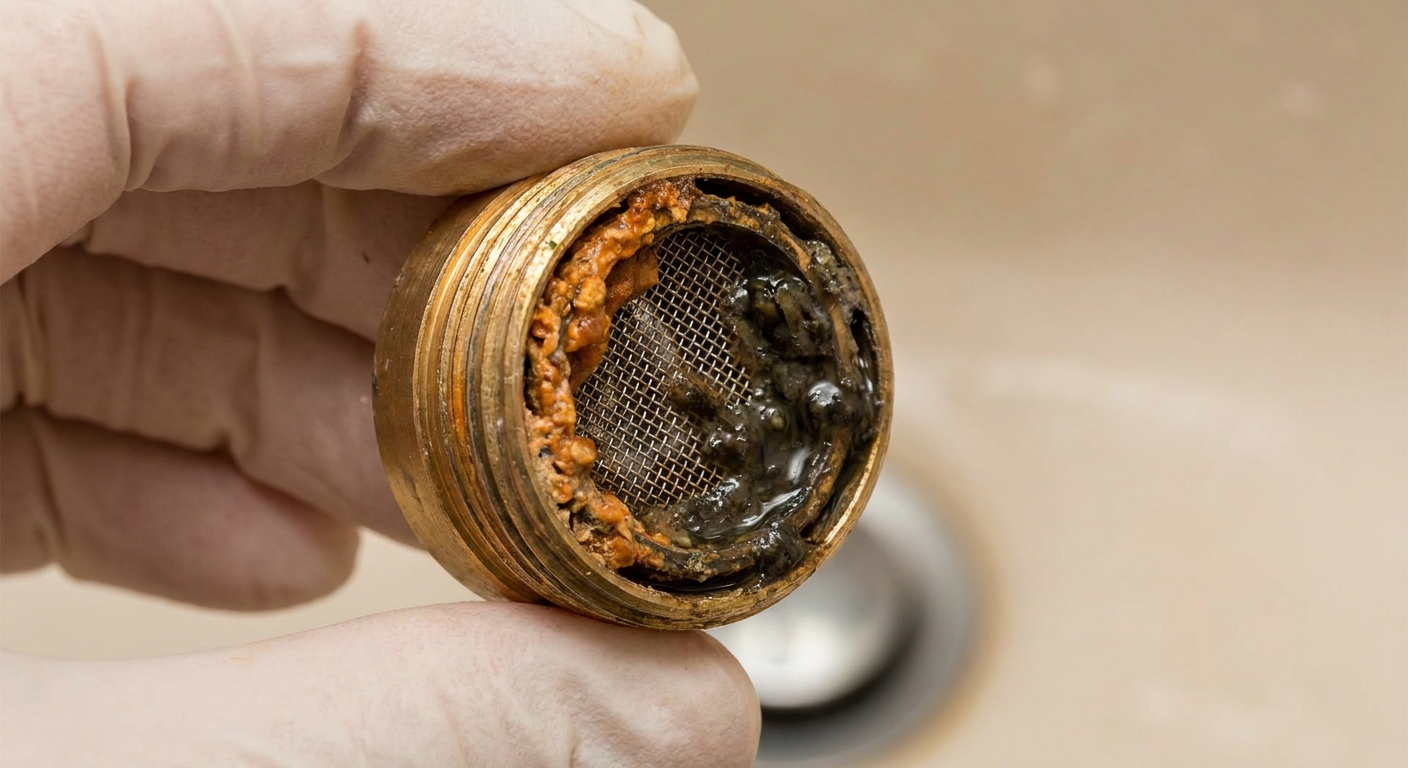
- Faucet aerators plugging up with orange flakes or slime
- Showerheads losing pressure
- Cartridge filters that foul quickly with rusty jelly-like material
Odors (with a quick reality check)
Iron bacteria is often linked to musty, swampy, or marshy odors, especially when water sits in pipes overnight.
A true rotten egg or sulfur smell is more classically tied to hydrogen sulfide, often produced by sulfur-reducing bacteria. That can happen with or without iron bacteria, and sometimes both issues show up together. If the odor is strong, test for hydrogen sulfide so you are not chasing the wrong problem.
Look-alikes to rule out
Not every orange stain is iron bacteria. A few common look-alikes:
- Plain dissolved iron: stains, but usually no stringy slime
- Rust from plumbing corrosion: can create reddish particles, especially after pipes sit unused
- Iron sediment: gritty particles that settle, not a smearable biofilm
- Tannins: tea-colored water and staining, often from surface organics
- Manganese issues: more black or dark brown staining and slime
If you have the gelatin-like slime that keeps returning, that is when iron bacteria rises to the top of the list.
First step: confirm the diagnosis
You can suspect iron bacteria from the slime alone, but it is smart to confirm with testing so you do not waste money on the wrong equipment.
What to test
- Iron (total iron is helpful)
- Manganese (often travels with iron issues)
- Hydrogen sulfide if odors are strong
- Bacteria safety baseline: coliform and E. coli for any private well
- Iron bacteria presence: some labs offer testing, but results can be inconsistent because bacteria clump in slime and may not show up well in a simple water sample
Where and how to sample
A state-certified lab is a great option, and many counties or local extension offices keep lists.
- If you have treatment equipment, ask the lab (or your well pro) whether to sample raw well water (before treatment) and also after treatment (at a tap). Raw water results are usually the most helpful for sizing and selecting equipment.
- If you are trying to document slime problems, note where the sample came from and whether the water has been sitting overnight.
Shock chlorination basics
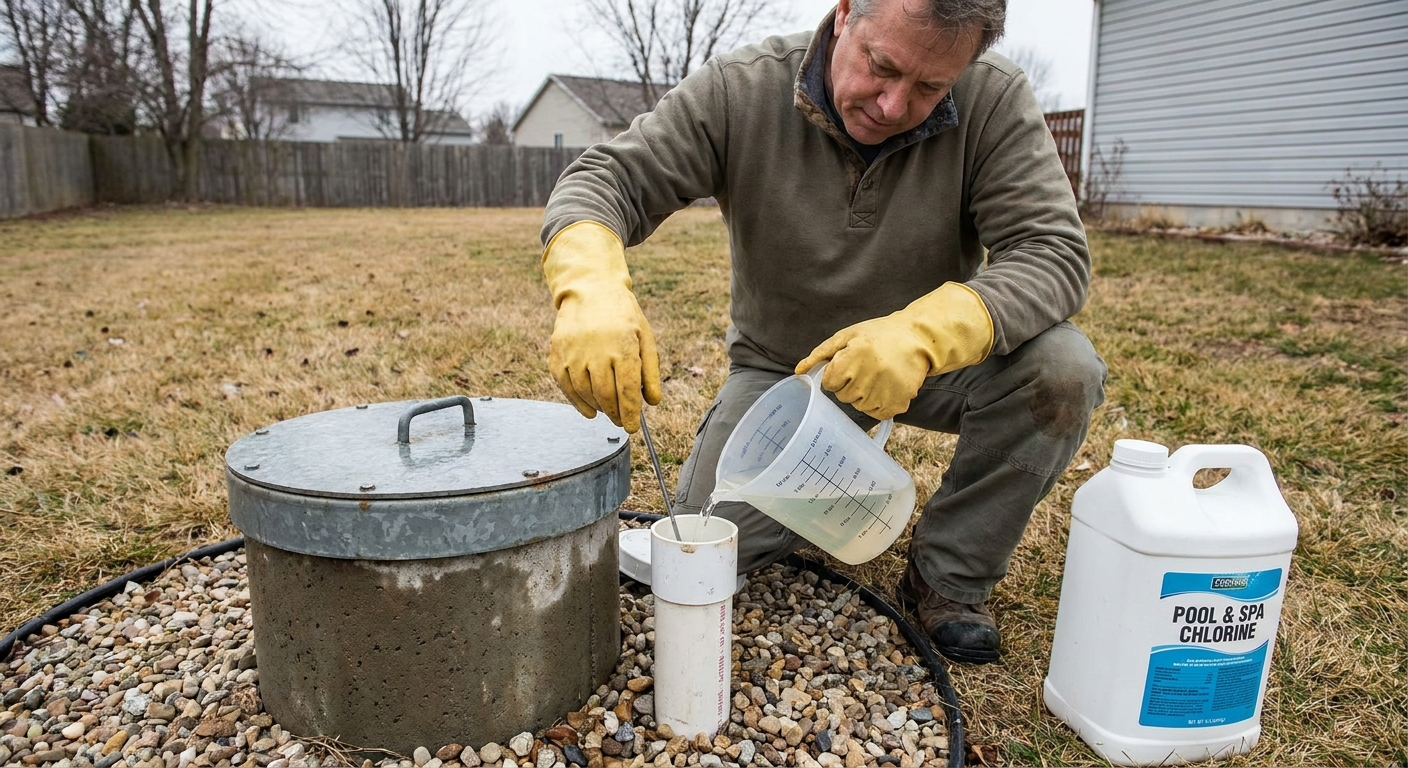
If iron bacteria is mild or newly noticed, shock chlorination is often the first treatment people try. Think of it as a deep cleaning for the well and plumbing. It can knock down bacteria and slime, but it is not always a permanent fix.
What it does
- Introduces a high concentration of chlorine into the well and plumbing
- Helps disinfect and break up some biofilm
- May restore flow temporarily if screens and pipes are being slimed
Why it sometimes fails
- Biofilm is protective: slime can shield bacteria from chlorine contact
- If the well has heavy buildup, one shock can be like mopping a floor while ignoring the sticky layer underneath
- If the source keeps reintroducing bacteria, it can return quickly
DIY safety notes
- Follow local health department or extension office instructions for dosing, mixing, and contact time. Do not guess. Procedures vary by well depth and diameter.
- High chlorine levels can be hard on rubber parts, some filter media, and water treatment equipment. When local instructions recommend it, bypass softeners and filters during shocking to avoid unnecessary wear.
- Plan for flushing. You need a safe place to discharge chlorinated water. Guidance varies by area, so follow local instructions, especially if you have a septic system or sensitive landscaping.
- Do not drink the water until chlorine levels return to normal and, if needed, follow-up testing is done.
If you are not comfortable calculating volumes, handling chemicals, or protecting your septic system, this is a good point to bring in a well contractor.
Long-term treatment options
If you have repeated slime, constant clogs, or stains that return fast after shocking, you usually need an ongoing treatment strategy. The right setup depends on your water chemistry and how severe the biofilm is.
1) Continuous chlorine injection plus filtration
A common whole-house approach is a chemical feed pump that injects a small amount of chlorine into the water line, followed by a mixing or retention tank (to give contact time), and then a carbon filter to remove chlorine taste and odor before the water reaches your taps.
- Pros: Very effective against iron bacteria when properly sized and maintained
- Cons: Requires monitoring, occasional adjustment, and refilling chemical solution
- DIY reality: Many handy homeowners can maintain these systems, but correct sizing and placement are where pros earn their keep
2) Hydrogen peroxide injection plus filtration
Hydrogen peroxide is another oxidizer used in well water treatment to control bacteria-related slime and odors and to help with iron issues. Some homeowners prefer it because it avoids the “pool smell” association of chlorine.
- Pros: Strong oxidizer, often helpful for odor complaints
- Cons: Still requires equipment, chemical handling, and tuning for your water. In some areas it is less common than chlorine for primary disinfection, so check local codes and use appropriately rated equipment, or get pro guidance.
3) Iron and manganese filtration
If you have high iron but minimal slime, an iron filter alone might help. But when iron bacteria is present, filtration without disinfection can turn into a maintenance headache because the bacteria can colonize filter media.
Many successful setups are disinfection first (chlorine or peroxide feed), then filtration.
4) Housekeeping while you fix the root problem
- Clean faucet aerators and showerheads regularly while you are getting the issue under control
- Replace cartridge filters on schedule, and do not be surprised if you burn through a few early on
- If your toilet tanks are slimy, clean them with appropriate cleaners and treat the well water so the slime does not just come back
Why it keeps coming back
Even a good treatment can feel temporary if the well keeps getting re-seeded or the plumbing has places for biofilm to hide. Common drivers include:
- Well cap or seal issues: poor cap integrity, insects, or surface water intrusion
- After well work: pump replacement, repairs, or drilling can disturb and spread bacteria
- Stagnant zones: low-use lines, dead legs, or long pipe runs where water sits
- Pressure tank and plumbing conditions: places where slime can accumulate and break loose over time
When to call a pro
There is a point where iron bacteria stops being a weekend project and becomes a “call the well company” situation. Here are the triggers I take seriously:
- Shock chlorination does not last, and slime returns within weeks
- Water pressure or flow is dropping, suggesting screens, pitless adapter, pump intake, or lines are clogging
- Odors are strong and persistent, especially if combined with black slime or a true rotten egg smell
- You see recurring debris in filters and fixtures that looks like rusty jelly
- You have a history of well work (new pump, recent drilling, or repairs)
- Any positive coliform or E. coli test
A qualified well contractor can do things homeowners cannot easily do safely, like high-strength chemical treatment tailored to your well, mechanical cleaning, targeted disinfection of the well casing and components, and verifying proper contact time and flushing.
DIY checklist
If you are just starting to chase this problem, here is a sane, organized plan:
- Document symptoms: slime location, odor timing, staining, clogged aerators frequency
- Clean aerators and a toilet tank so you can track how fast it returns
- Order water tests: iron, manganese, and bacteria baseline (plus coliform and E. coli). Add hydrogen sulfide if the odor suggests it.
- Check sampling points: if you have treatment equipment, plan a raw water sample point and a treated water sample point
- Inspect your equipment: pressure tank, existing filters, water softener. Note model numbers and install dates
- Decide on next step: if mild, consider shock chlorination using local guidance. If severe or recurring, price out injection and filtration or schedule a well contractor visit
Bottom line
Iron bacteria has a telltale signature: orange slime that keeps coming back, often paired with staining and repeated clogs, and sometimes a musty swampy smell. A one-time shock chlorination can help, but if the slime returns fast, you usually need ongoing disinfection (often chlorine injection, sometimes peroxide where appropriate) paired with the right filtration, or professional treatment when biofilm is established.
If you want the biggest bang for your effort, start with testing, especially coliform and E. coli for safety, then treat based on what the water is actually doing. That is the cheapest way to stop throwing parts, filters, and frustration at the problem.
The 30-Second Cheat Sheet
Essential takeaways for: Iron Bacteria in Well Water: Signs and Treatment Options
Fast identification
- Most common sign: orange or reddish-brown slimy, stringy buildup in toilet tanks, filter housings, or on fixtures
- Also common: rusty staining, clogged faucet aerators and screens, and a musty or swampy odor
- Odor reality check: a true rotten egg smell points more strongly to hydrogen sulfide (often from sulfur-reducing bacteria). It can show up alongside iron bacteria, but it is not the hallmark sign.
- Difference vs. plain iron: dissolved iron stains, but iron bacteria creates a biofilm slime that regrows
What to do first
- Get water tests: iron, manganese, and a bacteria baseline. Always include coliform/E. coli for safety. Do not assume nuisance slime means the water is safe.
- Clean one toilet tank and one aerator so you can measure how fast the slime returns
- If you have treatment equipment (softener, filters), note where you can bypass it during shock treatment if local instructions recommend it
Quick treatment options
- Shock chlorination: common DIY first step, can knock back bacteria, but may be temporary if biofilm is heavy. Follow local health department or extension office procedures for dosing and contact time.
- Ongoing control: a chlorine injection feeder (often with a retention tank) plus carbon filtration to remove chlorine taste
- Alternative: hydrogen peroxide injection plus filtration for ongoing bacteria and odor control. Check local codes and use appropriately rated equipment or pro guidance.
When to call a pro
- Slime returns within weeks after shock chlorination
- Pressure or flow drops from recurring clogs
- Strong persistent odors, heavy slime, or fast-fouling filters
- You want a correctly sized injection and filtration system, or your well needs targeted cleaning
- Any positive coliform or E. coli test result
💡 Tip: Scroll up to read the full article for detailed, step-by-step instructions.
⬆️ Back to top
About Marcus Vance
Content Creator @ Grit & Home
Marcus Vance is a lifelong DIY enthusiast and self-taught home renovator who has spent the last decade transforming a dilapidated 1970s ranch into his family's dream home. He specializes in budget-friendly carpentry, room-by-room renovations, and demystifying power tools for beginners. Through his writing, Marcus shares practical tutorials and hard-learned lessons to help homeowners tackle their own projects with confidence.