
🚨 In a DIY emergency or rush?
Skip the details and jump straight to our 30-second cheat sheet for the most crucial info.
If you have ever walked out in the morning to find your hostas clipped to the dirt and your beans stripped like a salad bar, you already know the truth about deer: they are polite right up until they are hungry.
The good news is you do not need anything sketchy or unsafe to protect a garden. The boring, legal, reliable answer is exclusion first (fencing and netting), then repellents as a backup, and finally planting tactics that make your yard less inviting.
This is the same approach I use at our place: start with a physical barrier you can trust, then layer in simple habits that keep the pressure down.
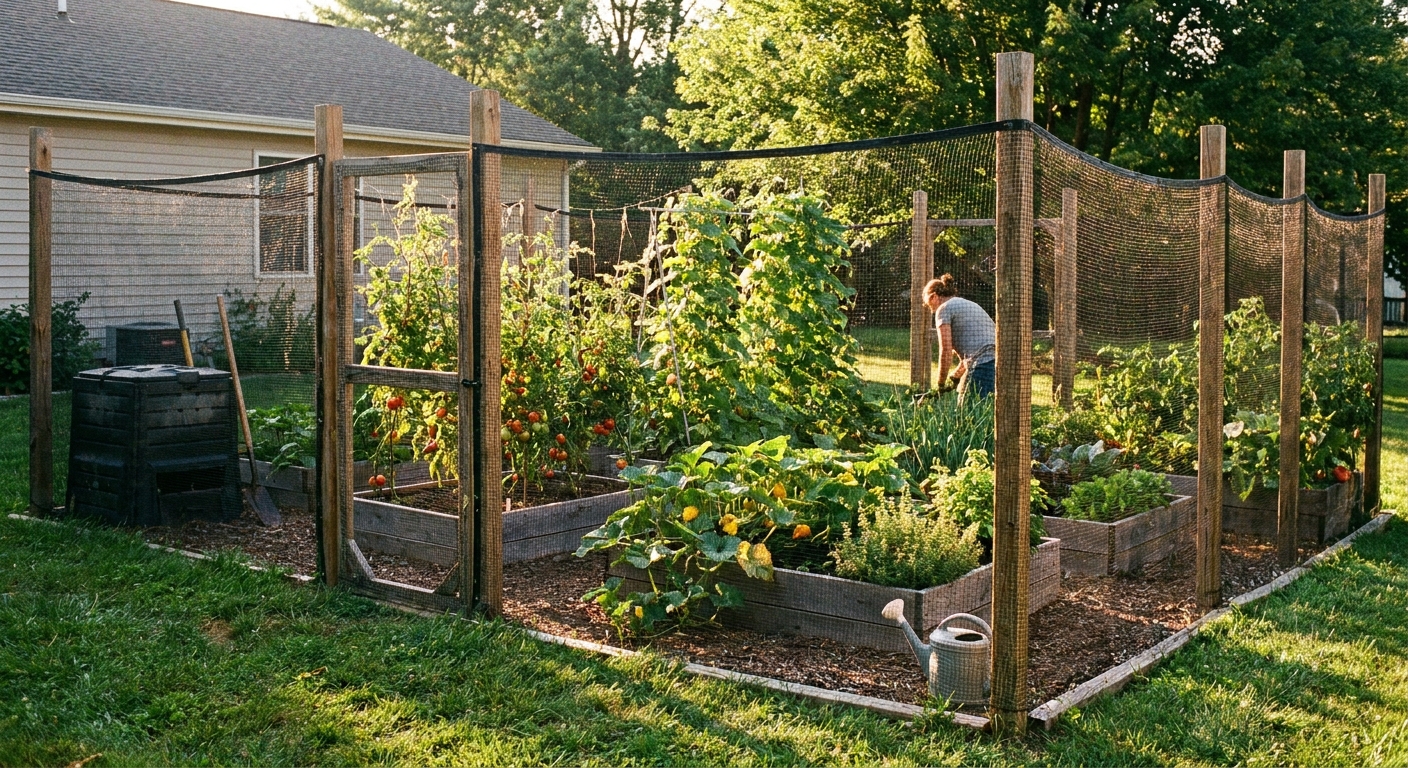
Know your deer pressure
Before you buy fence panels or a gallon of spray, take five minutes to figure out what you are up against. Fence height and design depend on whether deer are occasional visitors or daily regulars. Local terrain, nearby cover, and herd pressure matter too, so if deer damage is serious in your area, it is worth checking your state wildlife agency or extension office guidance.
Signs of high pressure
- Browsing above 4 feet on shrubs or young trees (deer can stand and reach).
- Cleanly nipped stems on tulips, beans, peas, hostas, or new growth on evergreens.
- Tracks and droppings along the same travel paths at dawn or dusk.
- Neighbors feeding deer or nearby woods, greenbelts, creek lines, or unmanaged fields.
Season matters
- Spring: tender new growth is candy. Pressure often spikes when landscaping greens up.
- Summer: if there is plenty of natural browse, damage can ease, unless drought dries everything else up.
- Fall: gardens and ornamentals get hit as natural foods change and deer build winter reserves. Bucks may also start rubbing on young trees as rut ramps up.
- Winter: in cold climates, deer browse woody plants and evergreens hard. Snow can effectively shorten your fence.
Realistic expectation: in high-pressure areas, sprays and “deer resistant” plant lists rarely match the reliability of a real fence. You can still garden without fencing, but you will be reapplying products often and you may still lose some plants.
Fencing that works
If you want the closest thing to a set-it-and-forget-it solution, fencing is it. Deer are jumpers, but they also hate awkward landings and tight spaces. You can use that to your advantage.
Fence height guide
- 6 feet: can work in low-pressure areas, especially with good layout and fewer “easy landing” zones. In high-pressure areas, deer often clear 6 feet.
- 7 to 8 feet: the most reliable single-fence height for steady pressure. If you only build one fence and you want to be done with it, aim here.
- 8 feet plus: useful where deer are very bold, where snow banks reduce effective height, or where the fence line is right along a deer highway.
Note: always check local rules and HOA requirements before you set posts. Some areas limit fence height in front yards or require specific materials.
Fence non-negotiables
- Keep it tight to the ground: deer will nose under loose edges. Staple or tie the bottom down, or pin it with landscape staples if you are using netting.
- Avoid launch points: move the fence line away from stumps, logs, rocks, or retaining walls that give them a step up.
- Gate discipline: most “failures” are gates left ajar. Use a spring latch and get in the habit of closing it every single time.
- Visibility can cut both ways: deer often feel more confident jumping a fence when they can clearly judge the landing. In many yards, adding visual “confusion” (flagging, streamers, or a top line that helps them perceive height) can make them hesitate. Results vary by site and pressure, but it is a low-cost tweak.
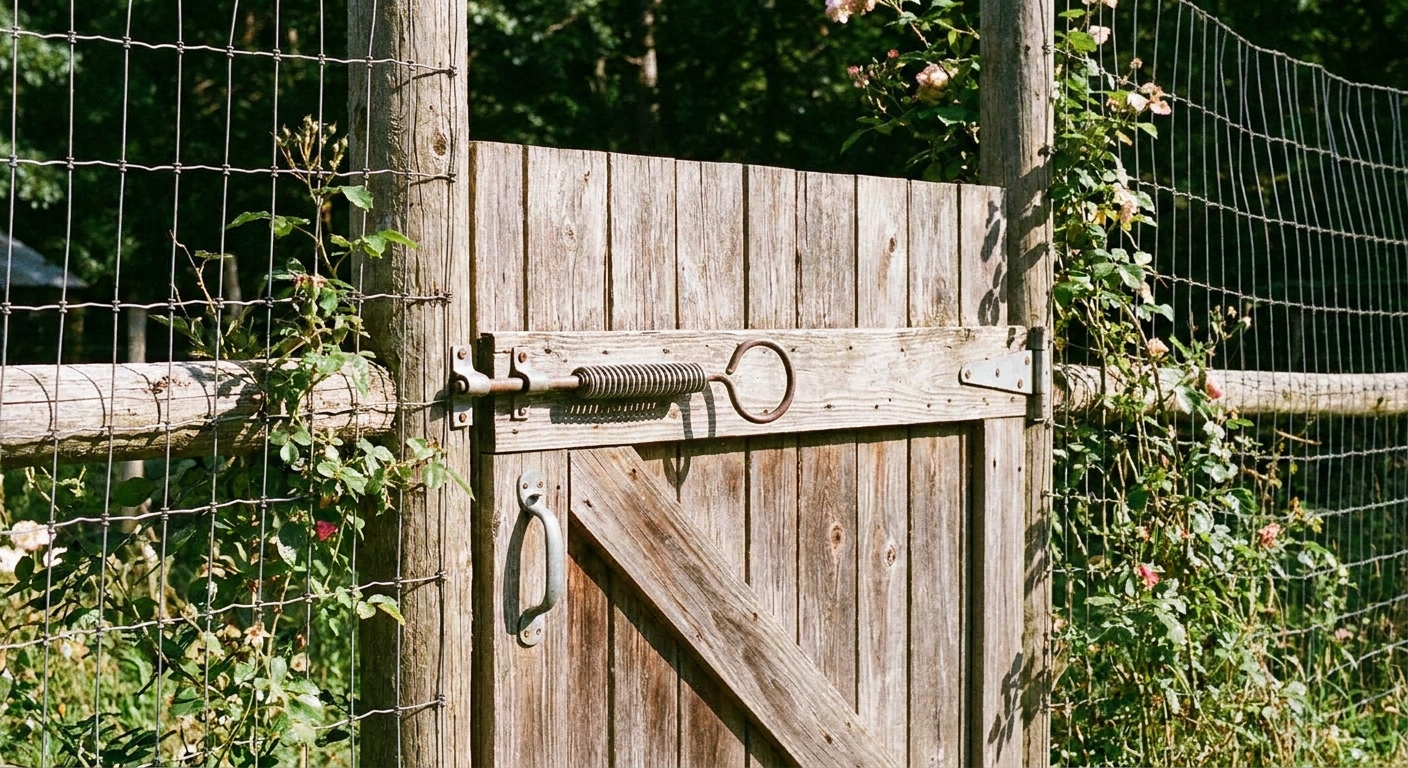
Fence options
Option 1: Permanent 8-foot fence
This is the gold standard for high deer pressure. It can be black polypropylene mesh, welded wire, or a combination, as long as it is tall and properly supported.
- Pros: most effective, low ongoing effort, protects everything inside.
- Cons: higher upfront cost, takes time to install, may need permits.
- DIY tip: corners and end posts do most of the work. If your posts are flimsy, the fence will sag and deer will test it. Set corners solid and brace them.
Option 2: Temporary netting around a bed
If you are protecting one raised bed or a small patch of greens, temporary netting is a great “this weekend” project.
- Use: plastic deer netting, tall stakes or T-posts, zip ties, and ground staples.
- Target height: as tall as you can reasonably build, ideally 7 to 8 feet for reliable protection.
- Key move: pull it taut and close the bottom. Deer will push and crawl if it is loose.
Safety note: plastic netting can tangle wildlife if it is left slack or has big loose loops. Keep it tight, cut away excess, and check it regularly. If you are in an area with lots of wildlife traffic, consider sturdier wire options.
Option 3: Electric fence (situational, very effective)
Where it is allowed and you can run it safely, an electric fence can be a strong option, especially for larger gardens or rural properties. Follow local rules, use warning signage where required, and keep it properly charged and maintained. Many setups work best when baited or flagged so deer learn to respect it. If you have kids, pets, or frequent visitors, plan the layout with safety in mind.
Costs and time at a glance
- Temporary netting: typically the lowest cost and fastest install (often a few hours), but needs regular checks and seasonal replacement.
- Permanent mesh or wire fence: higher upfront cost and a weekend or two to install, but the least ongoing hassle.
- Electric fence: moderate cost, fast to install, but requires monitoring and maintenance to stay effective.
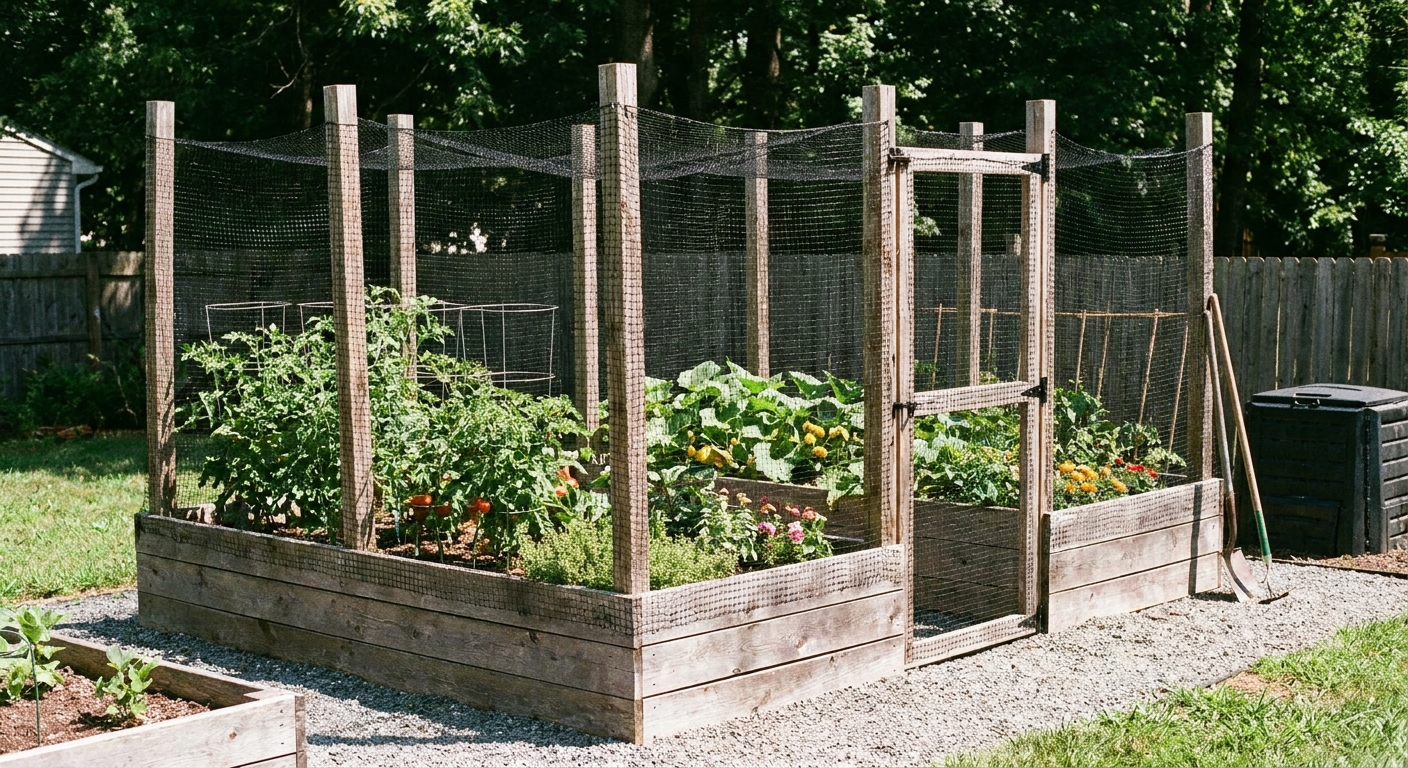
When 8 feet is not possible
If an 8-foot fence is not possible, you still have a couple of legitimate workarounds. The goal is to make jumping feel risky.
Double fence
Two shorter fences spaced apart can be surprisingly effective because deer do not like jumping into a narrow gap.
- Typical setup: two 4-foot fences spaced about 4 to 6 feet apart (some people have success a bit tighter, and some need wider). Site layout and deer pressure matter.
- Why it works: deer cannot easily judge the landing and do not want to get trapped between fences.
- Where it shines: suburban lots with moderate pressure and limited height allowances.
Angled fences
A fence that leans outward (toward the deer) can reduce jumping success by increasing the effective height and changing the landing math.
- Typical setup: a 6-foot fence angled outward about 20 to 30 degrees.
- Reality check: it can help in the right layout, but it is not as consistent as a straight 8-foot fence in high-pressure zones.
Repellents: what they do well
I think of repellents like locking your car. It helps, but it is not the same as a garage door. Repellents work best when you are:
- Waiting on a fence install.
- Protecting specific “favorites” like hostas, roses, and young fruit trees.
- Layering protection outside a fence line to reduce testing.
Main repellent types
- Odor-based: often use ingredients that smell like predator presence or decay to humans and deer. Good for perimeter use.
- Taste-based: make plants bitter or otherwise unpleasant to the mouth. Best on ornamentals, less ideal on leafy greens you plan to harvest soon.
Always follow the label for edibles. Some products are not meant for food crops, and even “safe” products can affect flavor if you spray the parts you harvest.
Rotate and reapply
Deer can habituate to the same deterrent over time, but “repellent failure” is usually a mix of things: weathering, rapid new growth that was never sprayed, and simple hunger pressure. The fix is boring, but it works.
- Rotate between two or three products with different active ingredients or modes (odor versus taste).
- Reapply after rain, heavy dew, irrigation, or rapid new growth.
- Spray the right target: new growth, bud tips, and the outside perimeter plants get hit first.
If you want a simple routine, do this: pick one repellent for week one, a different one for week two, then go back, and reapply after any soaking rain.
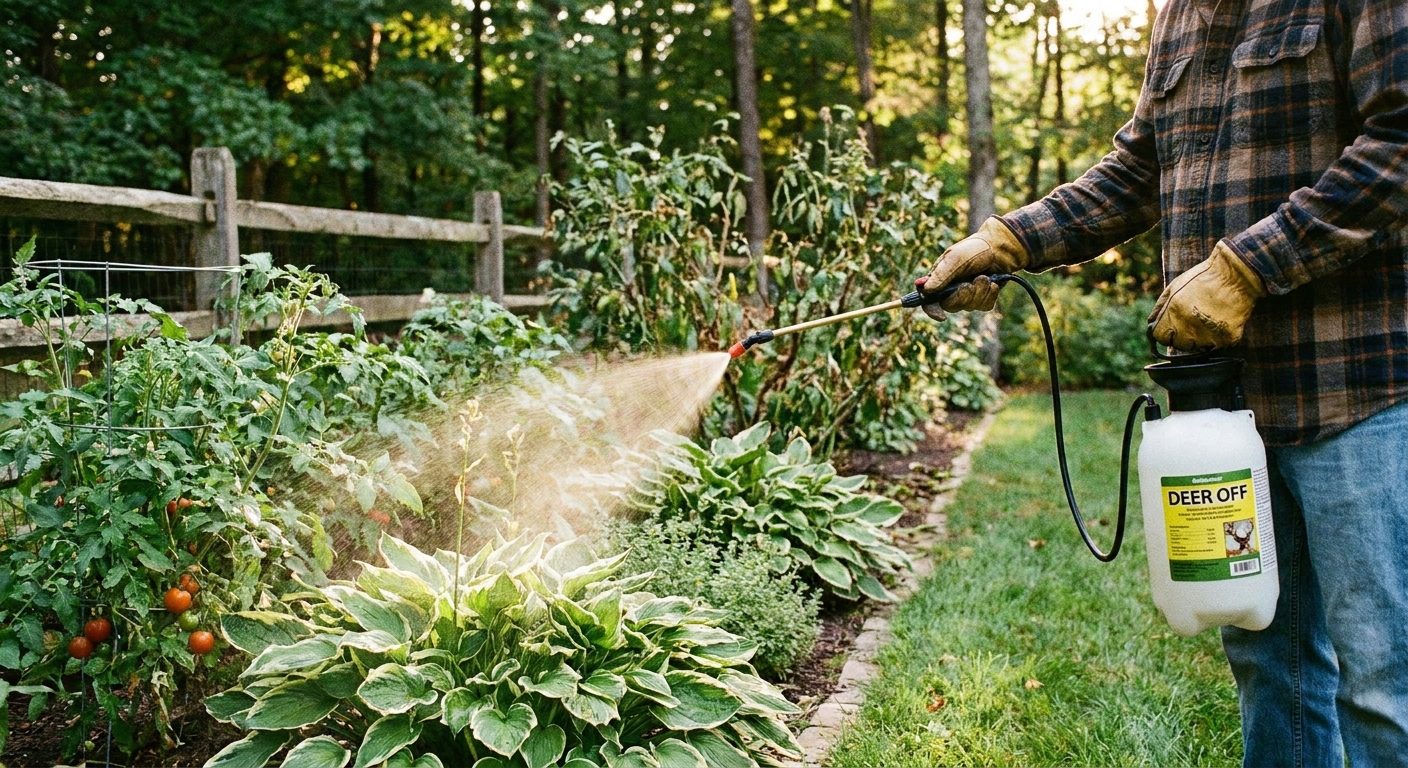
Smart planting
You will see a lot of “deer proof plant” lists online. In real life, it is more accurate to say deer resistant. If food is scarce or the herd is large, deer will sample almost anything.
That said, planting strategy can absolutely reduce damage and make your other defenses work better.
Layered borders
Think of your garden like a castle with a moat. Place the most deer-resistant plants on the outside edge, then more tempting plants deeper inside.
- Outer ring: stronger-scented, fuzzy, or bitter plants.
- Middle ring: moderately resistant plants.
- Inner ring: your deer favorites, especially veggies and tender ornamentals.
Speed bumps
Commonly less-preferred options include:
- Aromatics: lavender, rosemary (climate dependent), sage, mint (contain it), catmint.
- Fuzzy or prickly texture: lamb’s ear, globe thistle.
- Some toxic or very bitter ornamentals: daffodils are often avoided.
Important: “Toxic” to deer can also mean toxic to pets or kids. Plant with your household in mind and keep anything questionable out of reach.
Hide the salad
If you grow lettuce, beans, peas, and young cucumber plants, you are basically hanging a neon sign. Put the most tempting crops:
- Closest to the house where human activity is higher.
- Inside a fenced or netted area.
- Behind less-preferred plants, trellises, or denser plantings that reduce sight lines.
Protect trees and shrubs
Deer damage is not just nibbling. Bucks can rub antlers on young trees in fall, and winter browsing can permanently shape shrubs.
Young trees
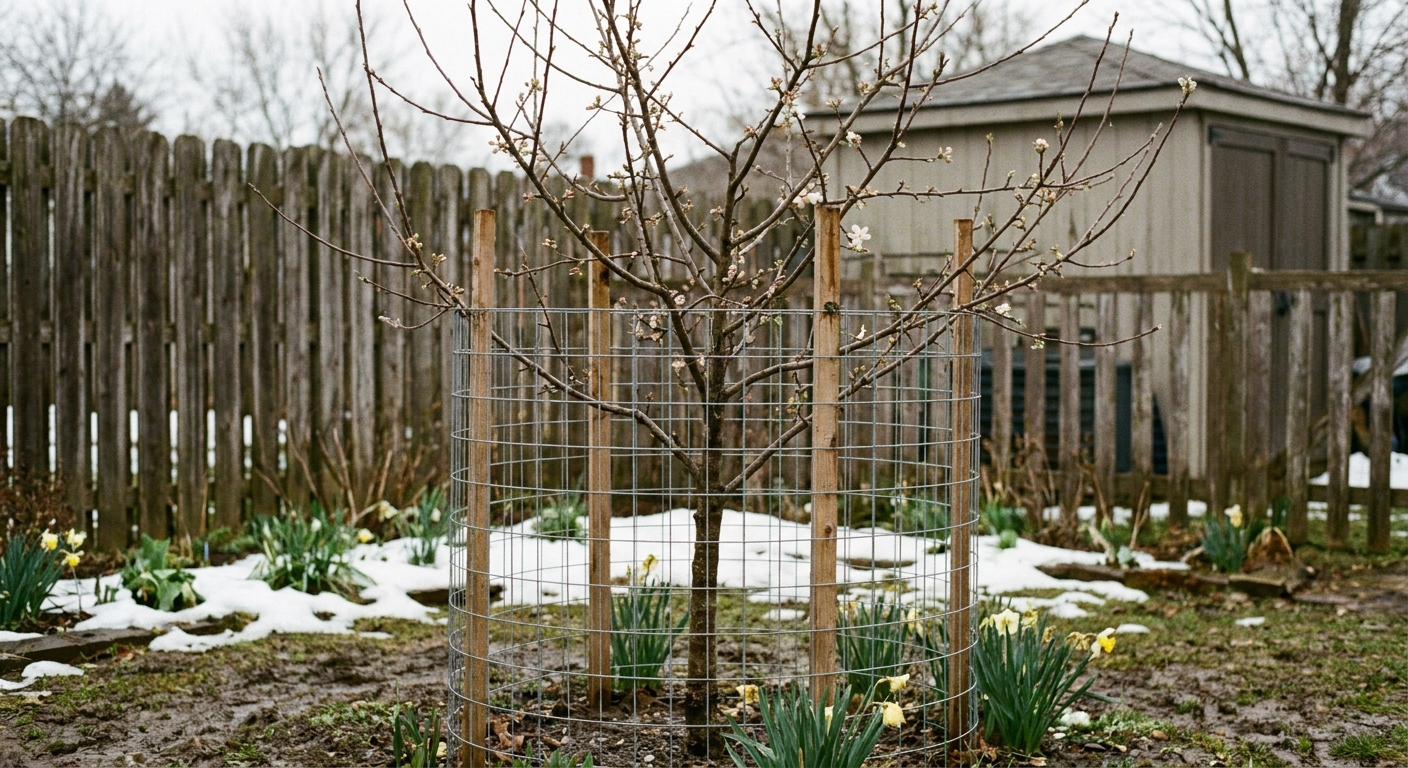
- Trunk guards help prevent rubbing damage.
- Wire cages (sturdy, wide enough not to touch branches) protect new growth.
- Mulch helps trees recover from stress, but keep it off the trunk to avoid rot.
Shrubs
- Protect new growth in spring and fall when browsing spikes.
- Prune smart: if you prune right before high-pressure season, you create fresh tender tips. Time pruning after peak browsing when possible.
Seasonal plan
Spring
- Patch fence gaps and close gates.
- Set up temporary netting around beds before seedlings go out.
- Start repellent early on ornamentals, especially hostas and roses.
Summer
- Keep grass and weeds trimmed along the fence line so you can see damage.
- Reapply repellents after storms and during drought.
- Harvest regularly so you are not leaving big, tender plants out for weeks.
Fall
- Check fences for sagging and repair before plants start fading.
- Add trunk protection on young trees before rut activity ramps up.
- Rotate repellents more aggressively on shrubs and fall veggies.
Winter
- Raise or reinforce fence bottoms if snow piles reduce height (reduce effective height).
- Cage vulnerable shrubs if browsing is heavy.
- Do a perimeter walk after big weather events.
Troubleshooting
Deer still jump the fence
- Fence is too low for your pressure. In many areas, 6 feet is a suggestion, not a solution.
- They see an easy landing. Try adding a visual barrier, planting a denser border inside, or adjusting the placement away from open clearings.
- Snow is reducing height. Clear drifts along the fence or increase height where needed.
Repellent is not working
- Not reapplying after rain or new growth is the most common issue.
- Same product too long. Rotate types.
- Spraying the wrong area. Focus on new growth and the plants deer hit first.
- Pressure is too high. In tough areas, repellents may reduce browsing but not stop it. Add a barrier if you can.
They sneak in at the gate
- Gate gap: deer will squeeze through surprisingly small openings if they can.
- Habit: use an auto-closing latch or spring so it closes behind you.
What not to do
When you are frustrated, it is easy to start chasing “miracle fixes.” Stick to safe, legal exclusion and deterrence.
- Do not use poisons or unapproved chemicals in or around the garden.
- Do not attempt dangerous traps or snares. They are unsafe, often illegal, and can harm pets and non-target wildlife.
- Do not rely on a single tactic. Deer control works best as a layered system.
Bottom line
If you want the cleanest win: build or buy a well-supported 7 to 8-foot fence, add temporary netting for especially vulnerable beds, and use repellent rotation as your insurance policy. Then plant with intention so your garden is less of a buffet and more of a hassle.
It is not about outsmarting deer once. It is about making your yard consistently not worth the effort.
The 30-Second Cheat Sheet
Essential takeaways for: Keep Deer Out of Your Garden
Fast answer: what actually works
- Best long-term fix: a properly installed 7 to 8-foot fence with a secure gate and the bottom pinned down.
- Fast weekend fix: temporary deer netting around beds, pulled tight and stapled or pinned to the ground.
- Best backup: rotate repellents (odor-based then taste-based) and reapply after rain and during rapid new growth.
Fence height by deer pressure
- Low pressure: 6 feet may work, especially with good design and fewer nearby hiding spots.
- Moderate to high pressure: plan on 7 to 8 feet for reliable results.
- Winter snow: snow drifts reduce effective height, so check and clear fence lines.
Fence non-negotiables
- Keep the fence tight to the ground so deer cannot nose under it.
- Eliminate launch points (logs, stumps, rocks) near the fence line.
- Do not ignore the gate. Most failures happen there.
Planting tactics that reduce browsing
- Build a layered border: deer-resistant plants on the outside, favorites in the center.
- Place deer favorites closest to the house or inside a fenced zone.
- Remember: “deer resistant” is not “deer proof,” especially in spring and fall.
Simple weekly routine
- Walk the perimeter: look for sagging, gaps, or gate issues.
- Spray repellent on new growth and edge plants.
- After heavy rain: reapply and retighten any loose netting.
Do not do this
- Do not use poisons, unsafe traps, or anything illegal.
- Do not rely on a single product or a single “deer proof plant list.”
💡 Tip: Scroll up to read the full article for detailed, step-by-step instructions.
⬆️ Back to top
About Marcus Vance
Content Creator @ Grit & Home
Marcus Vance is a lifelong DIY enthusiast and self-taught home renovator who has spent the last decade transforming a dilapidated 1970s ranch into his family's dream home. He specializes in budget-friendly carpentry, room-by-room renovations, and demystifying power tools for beginners. Through his writing, Marcus shares practical tutorials and hard-learned lessons to help homeowners tackle their own projects with confidence.