
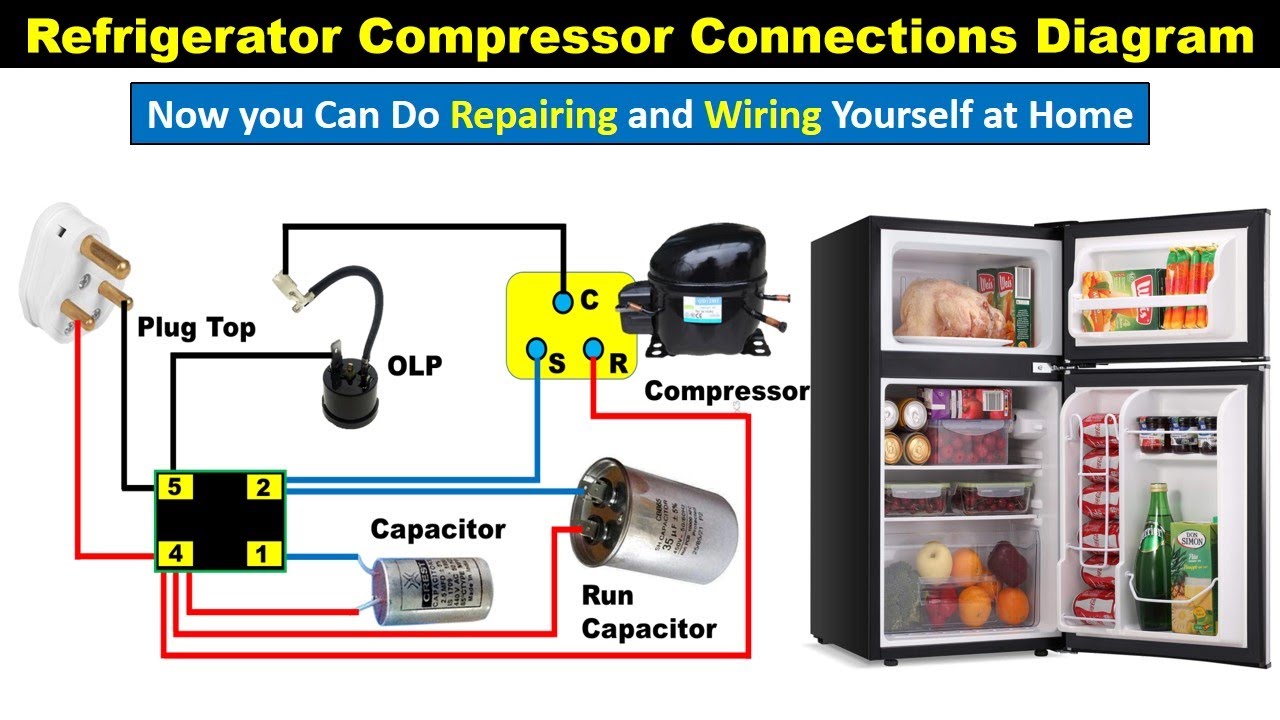
If your lights dim or flicker when the air conditioner or refrigerator kicks on, you're not imagining things. Those appliances use compressors and motors that pull a big burst of electricity for a split second at startup. Sometimes that momentary surge causes a quick brightness dip.
The trick is figuring out whether you're seeing normal, brief dimming or a problematic voltage drop that could point to loose wiring, a strained electrical supply, or a failing appliance. I've been on both sides of this. I shrugged off a “little flicker” in our 1970s ranch until I traced it to a loose connection that could've gotten ugly.
What “normal” looks like
Many homes show a small, quick dip when a compressor starts. Think of it like your electrical system taking a quick breath before settling.
Usually normal
- One quick dim that lasts less than about a second when the AC or fridge starts.
- Most noticeable on certain lights, often LEDs, even though other bulb types can dip too.
- No other symptoms like buzzing outlets, warm or discolored switch plates, tripping breakers, or burning smells.
More likely a problem
- Dimming lasts more than a second or two, or the lights pulse repeatedly while the unit runs.
- Flicker happens in multiple rooms, especially on different circuits.
- You notice electronics acting strange like TV flicker, speaker hum, or router reboots.
- The issue is new or clearly getting worse over weeks.
Why compressors make lights dip
AC condensers and refrigerators use motors that demand a high inrush current at startup. That surge can cause a temporary voltage drop in the wiring feeding the appliance. If the wiring path has extra resistance from a long run, smaller wire, or a loose connection, you'll see it as dimming.
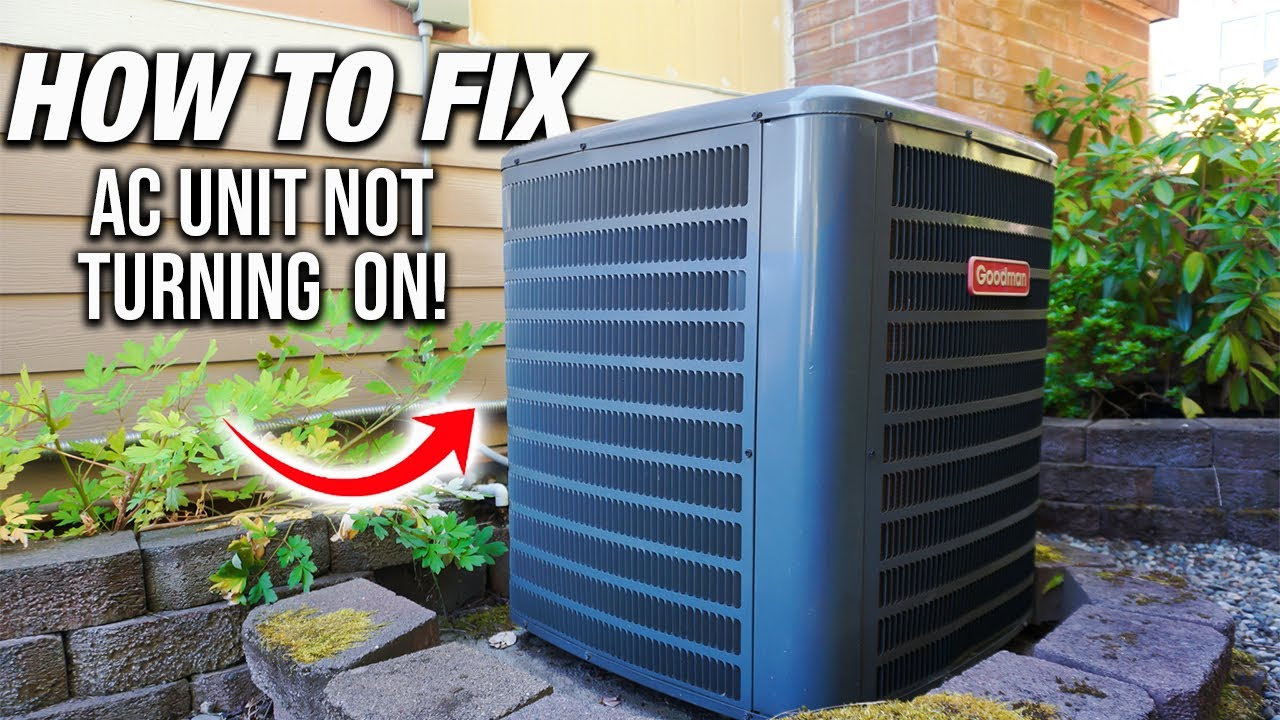
In plain terms: when the compressor kicks on, it momentarily tugs on the electrical system. If everything is tight and sized appropriately, the tug is tiny. If something is loose or undersized, the tug gets noticeable.
Common causes
1) Sensitive LED bulbs
Some LED bulbs and inexpensive LED drivers react to small voltage changes more dramatically than old incandescent bulbs. If only a couple fixtures flicker and everything else is stable, try swapping in a higher quality LED bulb first.
- Look for LEDs labeled “dimmable” even if you do not have a dimmer.
- Avoid bargain multi-packs in fixtures that are already prone to flicker.
2) Shared circuit or heavy branch load
If your fridge is on a circuit that also feeds kitchen lights, the startup surge can show up right there. Older homes often have more shared circuits than you'd choose today. In modern practice, refrigerators are commonly recommended to be on a dedicated circuit, but lots of perfectly functional older setups are not.
- Plug-in loads like a microwave, toaster oven, or space heater on the same circuit can make the dip worse.
- If dimming gets much worse when other kitchen loads run, that is a strong clue you're seeing circuit sharing plus voltage drop.
3) Loose connection on a circuit (hot or neutral)
Loose hot or neutral connections act like a tiny bottleneck. When the compressor draws a surge, that bottleneck drops more voltage and can create heat. This is one of the most common real-problem causes I see in older houses with backstabbed outlets or tired wirenuts.
- Flicker is often worse in one room or one set of lights.
- You might hear faint crackling in a switch box or see intermittent behavior when you bump a receptacle.
Quick safety note: A bad equipment ground usually does not cause dimming by itself, but it is still a serious safety issue that should be fixed.
4) Loose neutral (panel, meter, or utility)
A loose neutral is the one I don't want you to ignore. It can cause weird, house-wide flicker and sometimes lights that get brighter in one area while dimming in another. In severe cases it can allow damaging voltage swings that hurt electronics.
This can be inside your panel, in the meter base, or on the utility side. It's not a casual DIY fix.
5) Strained service, feeder voltage drop, or utility supply issues
Sometimes the house supply is simply more sensitive to big startup loads: long feeder runs, smaller or aging service conductors, high coincident load in the home, or even a utility transformer or service connection that is underperforming. The AC starting surge is what makes the lights blink, but the root cause can be upstream.
- More likely if dimming happens when multiple major appliances run together.
- Also common when an EV charger, hot tub, or added HVAC equipment was installed without a service evaluation.
- If you notice flicker even when nothing big starts, or it lines up with neighborhood issues, the utility may need to check their side.
6) Hard-starting or failing compressor, or HVAC electrical issues
If the AC is struggling to start, it may draw high current longer than normal. That can mean a failing start capacitor, contactor issues, a dragging compressor, or other HVAC electrical faults. Same idea with a refrigerator that is cycling more often than it should.
- Dimming becomes longer and more dramatic over time.
- You may hear the compressor try to start and then click off.
- Breakers may occasionally trip during startup.
What you can check
You can gather useful clues without opening your panel or pulling outlets.
- Note the pattern: Only at startup, or does it also happen at random?
- Check how widespread it is: One room, several rooms, or the whole house?
- Try a different bulb: Swap one flickery LED with a known good brand to see if the symptom changes.
- Reduce simultaneous loads: If the flicker is much worse when the microwave runs, you're learning something about load and circuit sharing.
- Listen to the appliance: A clean start is one smooth kick-on. Repeated clicking or struggling suggests an appliance issue.
- Count pulses: If lights noticeably dim several times per minute while the unit is running, treat that as more than “normal startup dip.”

Breaker clues
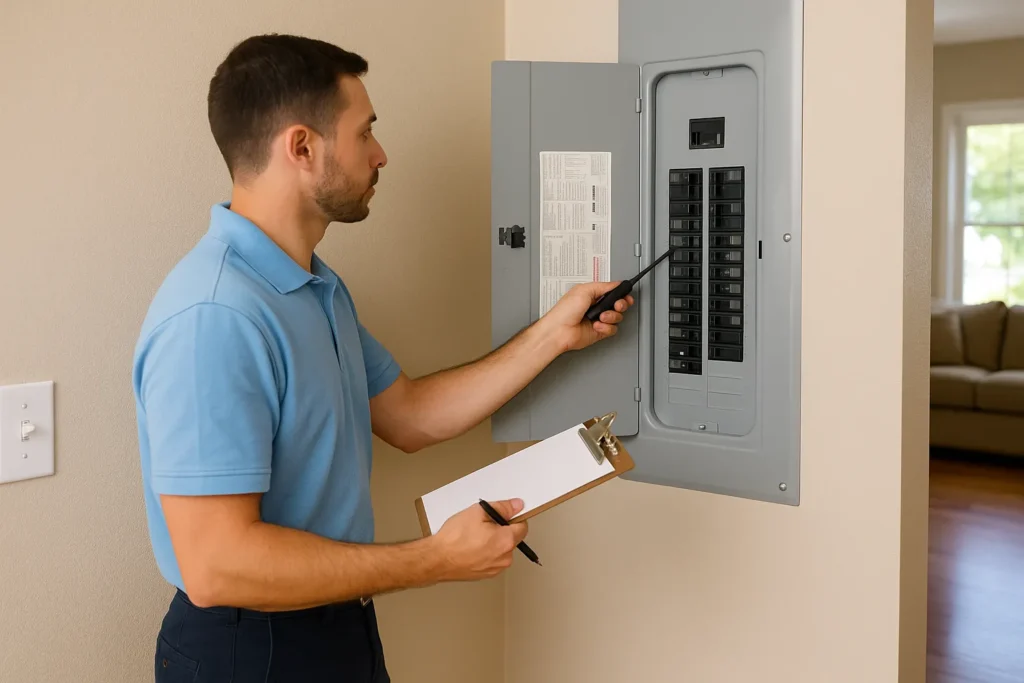
It is tempting to think, “Maybe I just need a bigger breaker.” Please don't go there. A breaker is there to protect the wire in the wall. Upsizing a breaker without confirming wire gauge and load calculations can create a fire hazard.
What breaker behavior can tell you
- Breaker trips at startup: could be a weak breaker, a hard-starting motor, or an actual overload.
- Breaker feels unusually hot: some warmth can be normal under load, but a breaker that is significantly hotter than others or too hot to keep your finger on deserves a pro look. Do not remove covers.
- No tripping but noticeable dimming: points more toward voltage drop, a loose connection, or utility or service-side issues than a simple overload.
If a pro is involved, they may measure startup amperage, inspect terminations, and verify breaker and wire sizing are correct for the equipment.
Call an electrician now
Here's my bright line. If you hit any of these, stop troubleshooting and bring in a licensed electrician.
- Flicker affects many circuits or the whole house.
- Lights brighten and dim unpredictably, especially in different rooms at the same time.
- You smell burning, see scorch marks, or feel heat at outlets, switches, or near the panel.
- You hear buzzing, sizzling, or crackling from the panel, meter base, or any device.
- You have frequent breaker trips tied to AC or fridge starting.
- The service drop or meter area looks damaged, loose, or corroded.
Loose neutral issues in particular can be dangerous and can also involve the utility company. A qualified electrician can test safely and coordinate with your utility if the problem is on their side.
Call an HVAC tech
If the dimming is paired with AC performance issues, weird noises, or trouble starting, an HVAC technician may be the best first call.
- AC condenser hums, struggles, or clicks repeatedly before starting.
- Home is not cooling well and the unit cycles more than usual.
- Issue began after a storm, brownout, or a recent HVAC repair.
An HVAC tech can check capacitors, contactors, compressor health, and startup draw. In some cases, common real-world fixes include adding or replacing a hard start kit (where appropriate) or installing a soft starter to reduce inrush. If the equipment is pulling excessive current, fixing the HVAC problem may solve the flicker.
My rule of thumb
If the lights dip once for a split second when the fridge or AC starts and everything else is calm, that's often normal. If the flicker is new, worsening, widespread, or accompanied by other symptoms, treat it like a real electrical issue until proven otherwise.
I'm all for DIY, but electrical troubleshooting has a hard stop. Gathering observations is smart. Opening panels and chasing neutrals without training isn't.
What a pro checks
If you want to know what you're paying for when you hire help, here's what commonly happens during a proper diagnosis.
- Voltage readings under load and at startup, sometimes at multiple points in the house.
- Inspection and re-torque of panel terminations using safe procedures.
- Checks for shared neutrals, damaged conductors, and overheated connections.
- Evaluation of service conductors, feeder voltage drop, and overall load, especially if you've added major appliances.
- If needed, coordination with the utility for meter base, transformer, or service drop issues.
Quick FAQ
Is it dangerous if my lights dim when the fridge starts?
A brief, single dip can be normal. Repeated flicker, long dimming, house-wide changes, or brightening in one room while another dims can signal a loose connection or neutral problem, which can be hazardous.
Why is it worse with LED lights?
Some LED drivers are more sensitive to small voltage changes, so dips can be more noticeable. Higher quality bulbs often handle small dips better.
Can I fix it by changing the breaker?
Not as a DIY experiment. Breaker sizing must match the wire and the load. The right fix could be tightening a connection, moving loads, repairing the appliance, adding an HVAC starter solution, or addressing a utility or service-side issue, not upsizing protection.

About Marcus Vance
Content Creator @ Grit & Home
Marcus Vance is a lifelong DIY enthusiast and self-taught home renovator who has spent the last decade transforming a dilapidated 1970s ranch into his family's dream home. He specializes in budget-friendly carpentry, room-by-room renovations, and demystifying power tools for beginners. Through his writing, Marcus shares practical tutorials and hard-learned lessons to help homeowners tackle their own projects with confidence.