
When gurgling means more than a clog
If one sink is slow, I usually assume it is a local clog. Hair, grease, toothpaste, soap scum, the usual suspects. But when multiple drains start acting up together and you hear that telltale gurgle, the odds shift fast toward a main sewer line backup.
This is the stressful plumbing problem because the main line is the shared highway. When it gets blocked, everything in the house competes for the same exit. The first symptoms can be subtle. The last symptom is sewage where it absolutely does not belong.
Below are the warning signs I want you to watch for, plus a few safe, beginner-friendly checks you can do before you call in a pro. I will also point out a couple of situations that can mimic a main line issue, like venting problems or heavy rain events.
Main line vs local clog
Local clog usually looks like this
- Only one sink, tub, or toilet is slow or backed up.
- Other fixtures in the house drain normally.
- No gurgling in other rooms when you run water.
- A plunger or a small hand snake often improves it.
Main line trouble often looks like this
- Two or more fixtures drain slowly at the same time.
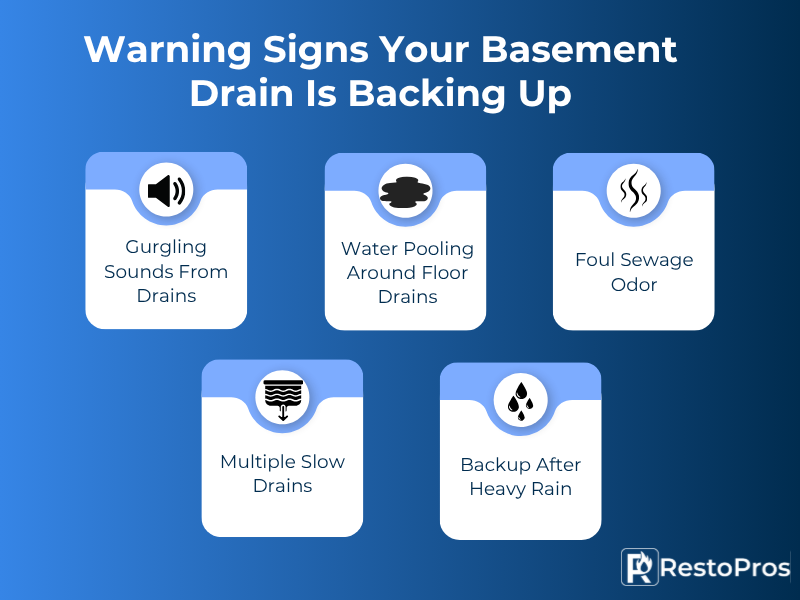
- Drains gurgle, especially after a toilet flush or when a washing machine pumps out.
- You see bubbles in the toilet bowl when a sink or tub drains.
- Water shows up in a low drain like a tub, shower, or basement floor drain.
One important nuance: if the only problem is a single toilet, it may still be a branch clog in that toilet line, not the whole main.
If you are seeing the second list, treat it like a main line until proven otherwise. It is easier (and cheaper) to dial back urgency than it is to clean up after an overflow.
Warning signs and what they mean
1) Two or more drains are slow at once
The classic early sign is a slow kitchen sink and a slow tub on the other side of the house, all in the same day. That is rarely coincidence. It usually means the restriction is downstream of both fixtures, in the main drain line.
2) Toilet bubbles when the sink runs
This one surprises people. You run the bathroom sink and the toilet bowl blups like it is breathing. What is happening is simple: water moving through a restricted line can push air back through the easiest opening. Toilets are great at showing it because the trap is a big visible water reservoir.
3) Gurgling after the washing machine drains
The washer dumps a lot of water fast. If your main line is restricted, that surge can pull or push air through nearby traps, making sinks or tubs gurgle. If the washer discharge is followed by slow drains elsewhere, move this up your priority list.
4) Water backs up in the lowest fixture
In many homes, the canary in the coal mine is a basement floor drain, a first-floor shower, or a tub that is lower than the rest of the plumbing. When the main line is struggling, water and waste take the path of least resistance and that is often the lowest drain.
5) Sewer smell that comes and goes
A brief sewer odor can happen for a bunch of reasons, but in combination with gurgling and slow drains, it can point to poor flow in the main line. That said, venting problems can look similar. A blocked vent, an improper trap, or negative pressure can cause gurgling and odor even when the main line is not blocked. If the smell is your main symptom and drains otherwise flow well, keep venting on your list of suspects.
6) It gets worse during heavy rain
If symptoms show up mainly during storms, you might be dealing with a municipal sewer surcharge (city sewer systems can get overwhelmed) or yard drainage issues near a cleanout. This still deserves urgency, especially if you have a basement, but the cause may not be a simple in-pipe clog.
What to do right now
Step 1: Stop sending water down drains
If you suspect a main line backup, hit pause on:
- Toilets
- Dishwasher
- Washing machine
- Long showers or baths
Every gallon you send down has to go somewhere. If the main line is blocked, somewhere can be your tub, your floor drain, or your baseboard trim.
Step 2: Watch the lowest drain
Walk the house and find what sits lowest. In many homes it is a basement floor drain or a shower pan. If you see water rising there, you are past warning sign territory.
Step 3: Basic safety and cleanup rules
- Wear gloves and eye protection if you are checking drains or a cleanout.
- Keep kids and pets away from any suspected wastewater.
- If you have an overflow, treat it as contaminated water. Wash hands well and disinfect affected surfaces.
Step 4: Know if you are on septic
If you are on a septic system, backups can present similarly, but the troubleshooting path is different. A full tank, clogged filter, or failing drain field can cause whole-house slowdowns. If you are not sure whether you are septic or sewer, do not guess. Ask a neighbor, check closing documents, or call your local utility.
Step 5: Check for a cleanout (only if it is easy and safe)
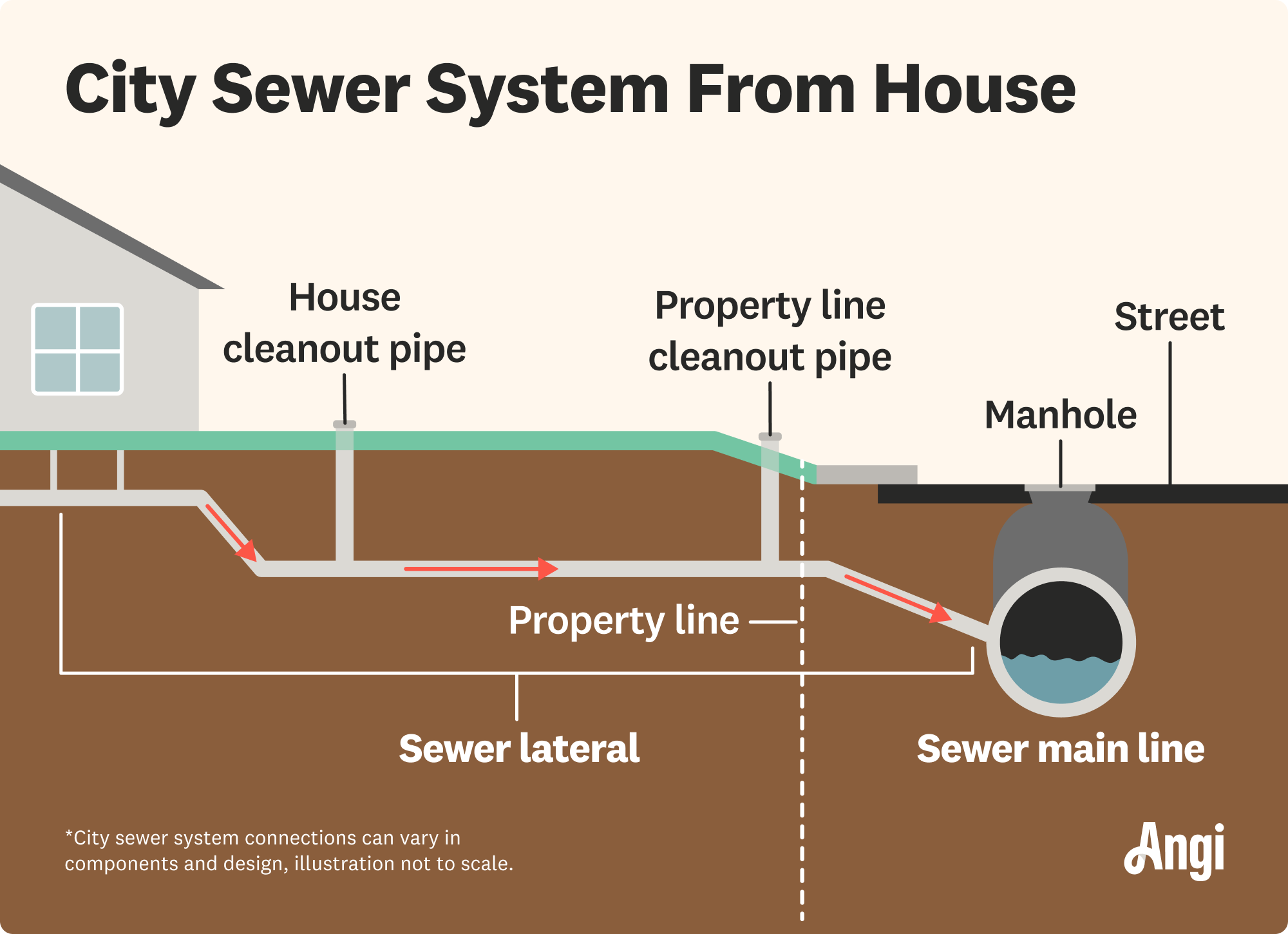
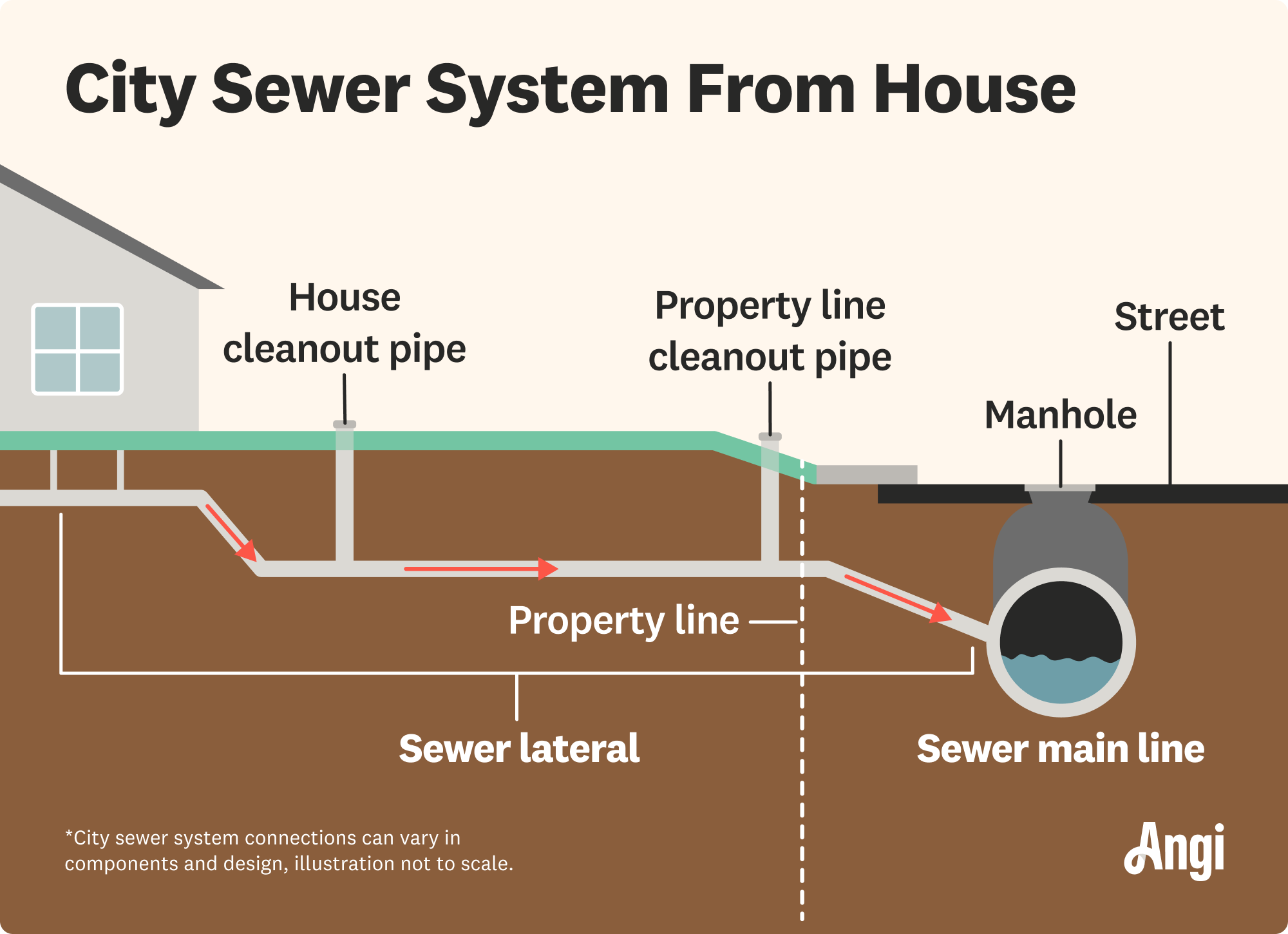
Many homes have a sewer cleanout that gives direct access to the main line. It might be:
- Outside near the foundation
- In a basement or crawlspace
- In a utility room
- Near a bathroom group, often with a threaded cap
Quick reality check: some cleanout caps are stuck, buried, painted over, or need a large wrench. If it is not easy, do not force it. Breaking a cap or fitting can turn a bad day into an expensive one.
A cautious cleanout check
I am going to be direct: opening a cleanout can release sewage and pressure. If you are not comfortable, skip this and call a plumber. Also skip it if you already have wastewater in a tub or floor drain.
Skip this and call a pro if:
- You rent and are not authorized to open plumbing access points.
- The cap is stuck or you would need serious force to move it.
- You are on septic or you are unsure how your system is laid out.
- You cannot reach the cleanout without stepping through standing water.
Do this only if:
- You have gloves and eye protection.
- You can step back quickly if the line is full.
- All water use in the home can be stopped while you check.
How to check
Stop all water use in the house.
Place a bucket and towels nearby. Have a flashlight ready.
Crack the cap slowly. Do not fully remove it right away.
If you hear rushing or see liquid immediately at the threads, tighten it back up. That often means the line is backed up and full.
If it looks dry and calm, that is a good sign, but it does not rule out a downstream blockage toward the street or a restriction that temporarily drained. If symptoms persist, still plan on professional help.
Important: this check does not fix anything. It just helps confirm whether you are dealing with a main line that is holding water.
What not to do
Avoid chemical overload
I get why drain chemicals are tempting. They are cheap and they promise a quick win. The problem is that a main line issue is rarely a little blob of hair that dissolves on contact. More often it is grease buildup, roots, a collapsed section, or a sag that holds waste. In those cases, chemicals can:
- Sit in the pipe when water cannot move, creating a concentrated caustic puddle.
- Make the job riskier for whoever has to open the line next.
- Damage older pipes or fittings with repeated use.
If you already poured something in, tell the plumber. It is not embarrassing. It is a safety heads-up.
Do not rely on plunging to push a main clog through
A plunger can help a toilet clog. It is unlikely to clear a blockage 30 to 80 feet downstream in the main line. Aggressive plunging can also slosh contaminated water into places you do not want it.
Do not run the washing machine to test
This is one of the fastest ways to turn a maybe into a cleanup. Washer discharge is high volume and high speed.
Why mains back up
Tree roots
Roots love the moisture around sewer pipes, especially older clay or cast iron lines with joints. A tiny crack can become a root mat that catches toilet paper and waste until flow is reduced to a trickle.
Grease and sludge buildup
Kitchen grease does not stay liquid for long. It cools, sticks, and builds layers. Add soap scum and food debris and you get a narrowing pipe that eventually cannot keep up.
Pipe belly or sag
A belly is a low spot where the pipe has settled. Water and solids collect there. Even if you snake it, the belly can keep re-catching debris. This is one of the big reasons recurring backups need a camera inspection.
Broken or collapsed pipe
Ground movement, heavy vehicles, old materials, or poor installation can lead to a partial collapse. This is not a DIY fix. It needs professional diagnosis and repair.
Backwater valve issues
Some homes have a backwater valve designed to reduce the risk of sewage flowing back into the house. If it sticks, fails, or gets jammed with debris, it can contribute to backups or change how symptoms show up. If you know you have one, mention it when you call.
When a camera is the next step
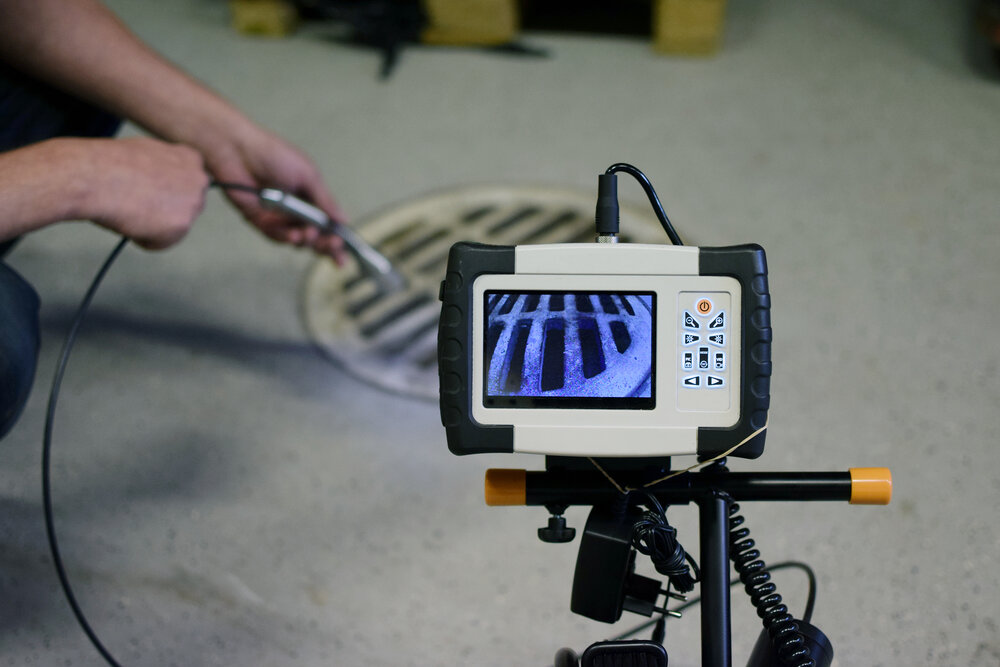
If you have multiple drains gurgling, or you have had the main line cleared before and the problem returned, a sewer camera inspection is often the most cost-effective way to stop guessing.
Camera service helps when:
- You suspect tree roots.
- The house is older and may have clay, Orangeburg, or cast iron sewer piping.
- You have repeat issues every few months.
- You think there is a belly in the line.
- You are buying a house or just bought one and want answers fast.
A camera can locate the blockage, show the pipe condition, and help a plumber recommend the right fix, whether that is snaking, hydro jetting, spot repair, or replacement.
Call a pro now if
- Wastewater is backing up into a tub, shower, or floor drain
- You have sewage smell plus standing water
- Any backup involves a basement bathroom or floor drain
- You cannot locate or safely access a cleanout
- You have a history of roots or large trees near the sewer path
- Symptoms spike during heavy rain and you have a basement
If you are dealing with active overflow, ask about emergency service and keep people and pets away from contaminated water. Sewage is a health hazard, not just a mess.
Quick recap
- One slow drain usually equals a local clog.
- Multiple slow drains plus gurgling often equals a main line problem.
- Toilet bubbles when the sink runs are a big clue.
- Gurgling and odor can also come from venting issues, especially if drains otherwise flow normally.
- Stop water use, watch the lowest drain, and consider a cautious cleanout check only if it is safe and easy.
- Avoid piling on chemicals. They rarely fix main line issues and can make things dangerous.
- Recurring problems, roots, and belly lines are strong reasons to get camera service.
If you are in that uncomfortable middle stage where you are not sure, my advice is to take it seriously early. The cheapest sewer backup is the one that never makes it onto your floor.

About Marcus Vance
Content Creator @ Grit & Home
Marcus Vance is a lifelong DIY enthusiast and self-taught home renovator who has spent the last decade transforming a dilapidated 1970s ranch into his family's dream home. He specializes in budget-friendly carpentry, room-by-room renovations, and demystifying power tools for beginners. Through his writing, Marcus shares practical tutorials and hard-learned lessons to help homeowners tackle their own projects with confidence.