
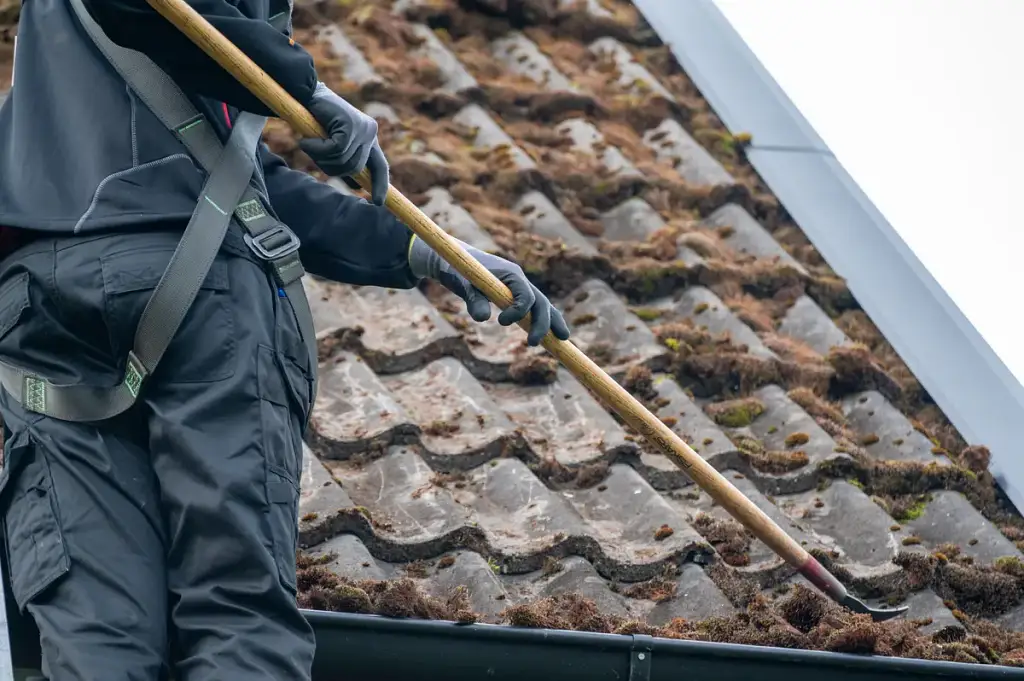
If you have moss on your roof, you are not alone. It shows up most often on north-facing slopes, shaded roof sections under trees, and anywhere water lingers near valleys and gutters. The good news is you can usually remove it without damaging shingles. The not-so-good news is that the fastest, most satisfying-looking methods are often the ones that shorten roof life.
Below is the safe, shingle-friendly approach I wish I had followed the first time I tackled roof moss. I went in overconfident, used too stiff of a brush, and spent the next season noticing granules in the gutter. Lesson learned.
Quick note: This guide is written for asphalt shingle roofs. Tile, metal, slate, and cedar shake have different do’s and don’ts, so check your manufacturer guidance or ask a pro if you are not sure what you have.
Why moss is a bigger problem than it looks
Moss is not just a cosmetic issue. It is a living sponge. Once it takes hold, it holds moisture against your shingles, especially after dew and light rain. That moisture can create a few common problems:
- Faster shingle wear: moisture plus repeated wet-and-dry cycles can accelerate granule loss and deterioration over time.
- Lifted edges: thick moss can wedge under shingle tabs, making them curl and catch wind-driven rain.
- Winter icing aggravation: a roof that stays wetter longer can aggravate slick, icy conditions during freeze cycles (ice dams are still primarily an insulation, heat-loss, and ventilation issue).
- Gutter and valley clogs: moss breaks loose in chunks, then piles up where water needs to flow.
Think of moss as a moisture-management problem first and a green-fuzz problem second.
Seasonal safety rules (when to do it and when to wait)
Roof work is all about timing. The safest moss removal happens when the roof is dry, temperatures are mild, and you have predictable weather for at least 24 hours.
Best times to remove moss
- Late spring: you are past most freeze cycles and you can clean and then prevent regrowth before summer storms.
- Early fall: cool, dry days are ideal, and you can clear growth before winter moisture sets in.
Times to avoid
- During freezing weather: wetting a roof in cold temps can create slick ice and can stress shingles.
- In high heat: shingles can be more fragile when hot, and cleaners can dry too fast and leave residue.
- On windy days: wind makes ladder and roof footing much less predictable.
If you have any doubt about footing, pitch, or height, hire this one out. No moss job is worth a fall.
Before you start: a simple roof and gutter check
Spend five minutes looking for clues that moss might be hiding a bigger issue.
- Are shingles already curling, cracked, or missing?
- Do valleys have dark staining or debris dams?
- Do you see granules collecting heavily in gutters or at downspout exits?
- Are gutters overflowing or pulling away from the fascia near mossy sections?
If you see widespread damage, skip DIY cleaning and schedule an inspection first. Cleaning can make a failing roof shed even more granules.
Shingle-safe moss removal (the gentle method)
The goal is to kill the moss, then let weather do much of the work. Aggressive scraping is where most homeowners accidentally chew up shingles.
What you will need
- A stable ladder and basic ladder safety gear
- Non-slip shoes
- Gloves and eye protection
- A garden sprayer or pump sprayer
- A soft-bristle brush (no wire brush)
- A hose with a gentle spray setting
- Plastic sheeting to protect plants below, if using a moss killer
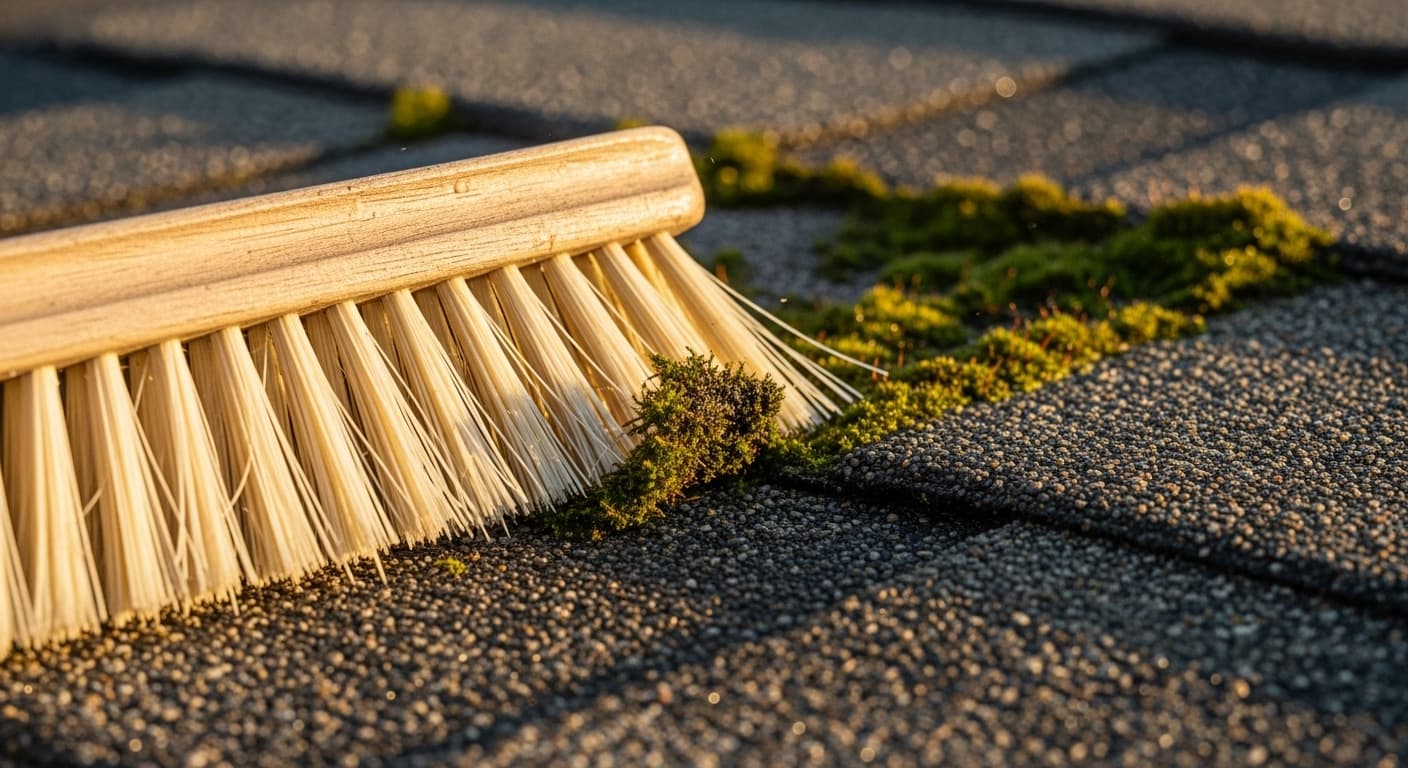
Step 1: Work top to bottom, always
Any brushing or rinsing should move down the roof slope. Going upward pushes water and debris under shingle tabs, which is exactly what shingles are designed to prevent.
Step 2: Remove only the loose, dry stuff
When the roof is dry, gently lift off what is already barely attached. Do not dig at rooted moss. If it is stuck, let the treatment do the hard part.
Step 3: Apply a roof-safe moss killer, then wait
Most roof-safe moss removers are designed to be applied and left in place, then rain gradually rinses away the dead growth. Follow the label exactly, especially for plant protection and dwell time. If you prefer a DIY approach, be cautious. Some home mixes can discolor shingles, harm plants, or corrode metal.
Also, be especially careful with strong chemicals (for example, bleach-based products like sodium hypochlorite, or strong acids or bases). Used incorrectly, they can damage landscaping and may not play nicely with certain roofing components and nearby metals.
My rule: if it can burn your skin fast, it can also be too aggressive for roofing materials and landscaping.
Step 4: Light rinse only if the product allows it
If the label says to rinse, use a gentle hose spray, again from top to bottom. Do not use a jet nozzle. You are not trying to blast the moss off, you are trying to avoid driving water under shingles.
Step 5: Finish with a careful gutter cleanup
Dead moss chunks love to settle in gutters and downspout elbows. Clear them so the next rain does not overflow behind the gutter and soak your fascia.
What to avoid
- Wire brushes or stiff scraping that scours away shingle granules
- High-pressure washing on asphalt shingles
- Harsh, untested chemical mixes that can kill plants, stain surfaces, or corrode metal
What to expect (timeline)
Do not expect instant perfection. After treatment, moss often browns and loosens first, then gradually breaks free over days to weeks with rain and wind. Your job is to be gentle and let time do the heavy lifting.
Why pressure washing is a common and costly mistake
I get the temptation. Pressure washing looks satisfying, and it works fast. It can also:
- Strip protective granules off asphalt shingles, shortening roof life.
- Lift shingle tabs and break adhesive bonds, creating wind vulnerability.
- Force water under shingles, which can soak underlayment and create leaks that show up later.
- Damage flashing around chimneys, skylights, and valleys if you hit edges directly.
If you have a roof cleaning company recommending high-pressure washing on asphalt shingles, ask what pressure range they use, how they prevent water intrusion, and whether their method follows the shingle manufacturer guidance. In many cases, a soft-wash approach is the safer professional option.
Preventing moss from coming back: zinc and copper that actually work
Removal is only half the battle. If your roof stays shaded and damp, moss will return unless you change the conditions.
Trim back shade and improve drying
- Prune overhanging branches to let sun and wind hit the roof.
- Keep gutters clear so water does not wick back onto the roof edge.
- Make sure attic ventilation is functioning so the roof deck can dry from below.
Zinc or copper strips (simple, long-term help)
Zinc and copper create runoff that discourages moss and algae growth. Installed near the ridge, rainwater carries small amounts down the roof, helping keep growth from taking hold below.
- Copper: typically longer-lasting, often pricier.
- Zinc: widely available and budget-friendly.
Results vary. Effectiveness depends on rainfall, roof pitch, and how freely water runs down the surface, and it may take time to notice a difference. Placement matters. Strips work best when installed close to the ridge where runoff can travel down. If the moss is concentrated in a valley or shaded corner, you may need more than one strip or a pro evaluation for placement.
Compatibility note: mixed metals can sometimes stain or corrode depending on what is already on your roof (flashing, fasteners, gutters). If you have concerns, ask a roofer what plays well together in your area.
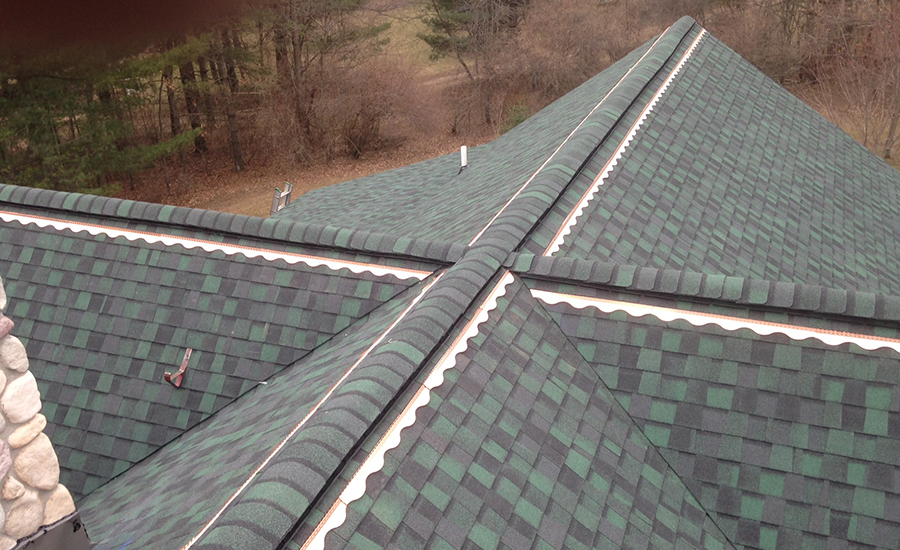
Environmental caution: zinc and copper runoff can be toxic to aquatic life. If your downspouts drain directly into a stream, pond, rain garden that overflows to natural water, or a storm drain that leads to waterways, use extra care and consider alternatives or professional guidance.
Quick caution: any roof penetration is a leak risk if done wrong. If you are not comfortable lifting ridge-cap shingles and fastening correctly, hire a roofer for this part. A small labor charge beats repairing rotten roof decking later.
How to tell when a roof inspection is due
Moss itself does not automatically mean you need a new roof. But it can be a flag that water has been sitting where it should not. Schedule a roof inspection if you notice any of the following:
- Moss returning quickly after removal
- Soft spots when walking near the mossy area (do not keep testing this)
- Persistent dampness or dark staining in the attic or on ceiling drywall
- Loose, cracked, or missing shingles around the moss
- Heavy granule loss showing up in gutters
- Water staining around chimneys, skylights, or valleys
If your roof is older and moss is widespread, an inspection is also a smart way to figure out whether cleaning is worthwhile or whether you are better off planning for replacement in the near future.
My homeowner checklist (print this mentally before you climb)
- Choose a dry, mild day with calm wind.
- Set the ladder at the proper angle (the 4:1 rule) and never overreach.
- Use fall protection if you are trained and equipped, and avoid stepping on brittle or aging shingles.
- Work top to bottom only.
- Use a soft-bristle brush, never a wire brush.
- Use a roof-safe moss killer and follow the label.
- Protect landscaping (cover plants, and rinse vegetation if the product label recommends it).
- Skip pressure washing on asphalt shingles.
- Clean gutters after the moss dies off.
- Consider zinc or copper strips plus pruning for long-term prevention.
- Get an inspection if you see damage, leaks, or fast regrowth.
If you take it slow and treat the roof like the protective system it is, you can get rid of moss without sacrificing shingle life. And that is the whole win here: a cleaner roof that still does its job for years.

About Marcus Vance
Content Creator @ Grit & Home
Marcus Vance is a lifelong DIY enthusiast and self-taught home renovator who has spent the last decade transforming a dilapidated 1970s ranch into his family's dream home. He specializes in budget-friendly carpentry, room-by-room renovations, and demystifying power tools for beginners. Through his writing, Marcus shares practical tutorials and hard-learned lessons to help homeowners tackle their own projects with confidence.