
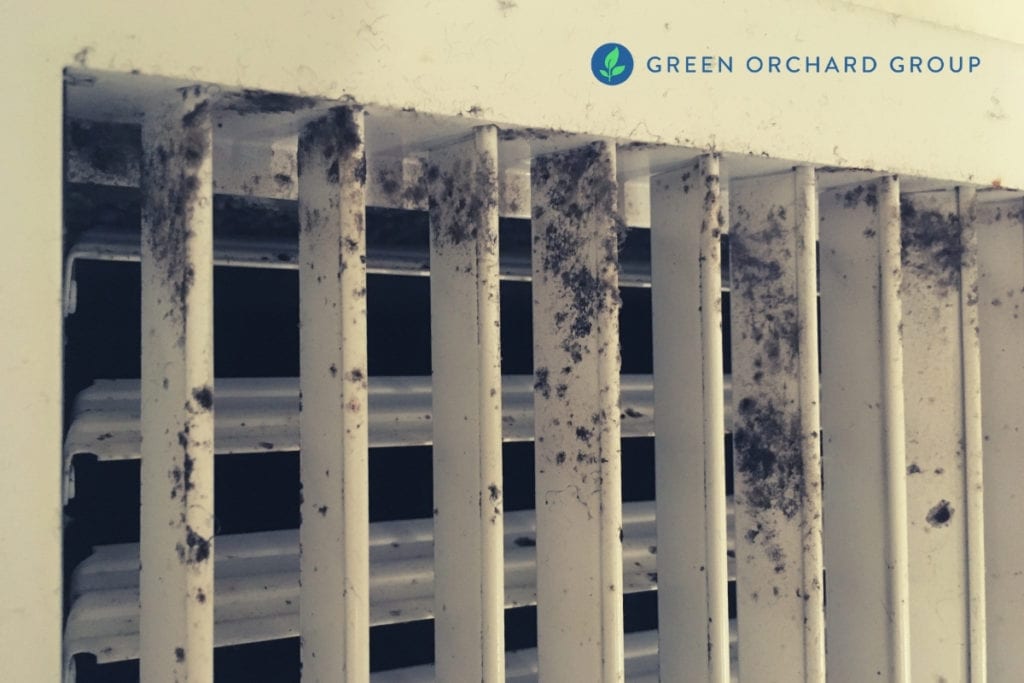
If your AC kicks on and your house suddenly smells like a damp basement or old gym bag, you are not imagining it. A musty odor usually points to moisture plus something organic somewhere in the system. The good news is that many causes are beginner-friendly to check. The important part is knowing what is safe to clean yourself, and what is better left to an HVAC tech.
I have chased this exact smell in my own fixer upper more than once. The trick is to stop guessing and work through a short, organized checklist so you do not throw money at the wrong fix.
Quick decision guide
- Startup only (first minute or two): often the coil, drain pan, or nearby dust that is getting damp. Not a guarantee, but a strong lead.
- Constant while running: more often filter/return-side odor, ducts, drain issues, or a bigger moisture problem.
- One room or one vent: localized duct issue, dirty boot/register, or (unfortunately) pests.
- Whole house: air handler area (coil, pan, drain) or return-side issues.
- Any visible water or active leaking: treat as an urgent fix and call a pro if you cannot stop it.
First: what does “musty” usually mean?
Most musty AC odors come from one of these buckets:
- Mold or mildew growing on the evaporator coil, inside the air handler, or in the condensate drip pan.
- Clogged condensate drain that leaves standing water (a mildew factory).
- Dirty filter and return-side dust that holds onto odors, especially in humid conditions.
- Duct contamination (dust plus moisture, or prior water damage).
- Building-related odors pulled into returns (damp crawlspace, attic smells, wet insulation, stagnant air in a closet return).
- Dead animal in ducts, returns, attic runs, or near the air handler (this can start as “musty” and quickly turns unmistakably rotten).
Quick clue: If the smell is strongest for the first 30 to 90 seconds after the AC turns on and then fades, the source is often near the coil or drip pan. That said, return-side or duct odors can also feel strongest at startup because the first burst of airflow pushes stagnant air into the room.
Safety and tools
Nothing here requires heroic DIY, but you do want to be careful around electricity, sharp sheet metal, and unknown growth.
Safety basics
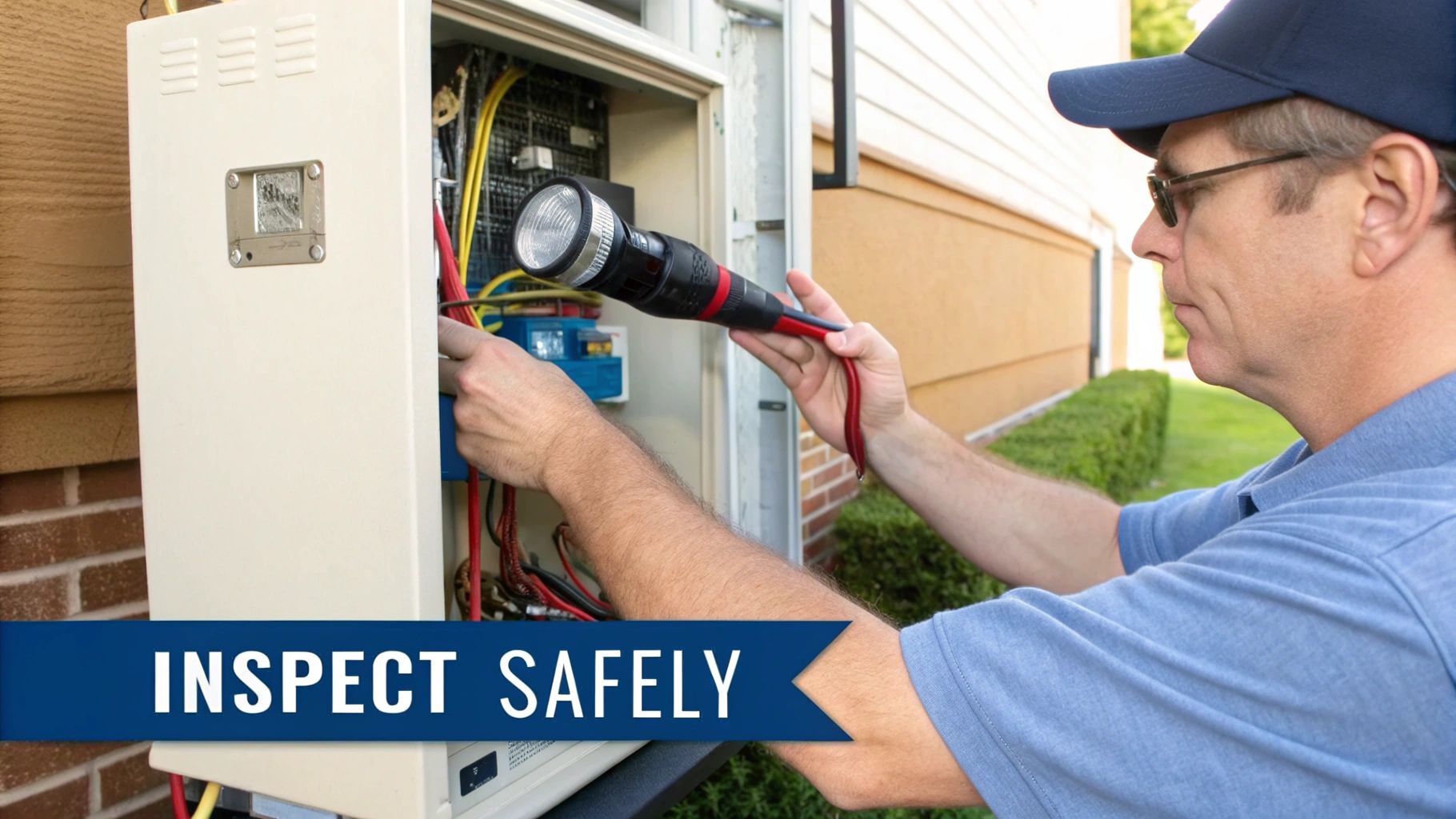
- Turn the system off at the thermostat. If you are opening panels, shut off power at the furnace/air handler switch or breaker.
- Wear nitrile gloves and a well-fitting mask if you are dealing with dust or suspected mold.
- If you see extensive fuzzy growth, soaked insulation, sewage-like odors, or you feel unsure, stop and call a pro.
- If you suspect gas, electrical burning, or sewage, shut the system off and contact the right professional (utility, electrician, plumber, or HVAC). People sometimes describe those as “musty,” but they are a different category.
Handy DIY supplies
- Flashlight
- New air filter (correct size and airflow rating)
- Shop vacuum (optional but helpful)
- Wet/dry vacuum for drain line (great if you have one)
- White vinegar or manufacturer-approved condensate pan treatment
- Soft brush and mild dish soap for vent covers
Step-by-step: follow the smell
Work from easiest to most likely. Stop once the smell is gone.
Step 1: Check the air filter
A dirty filter does not usually create a strong musty smell by itself, but it can hold onto odors and restrict airflow, which can make moisture problems elsewhere worse. If you cannot remember the last time you changed it, change it now.
- Confirm the size printed on the old filter matches the new one.
- Install with the airflow arrow pointing toward the blower.
- If the filter looks dark, wavy, or smells stale when you lift it, it was overdue. If a filter is actually wet, that points to a separate issue (drain, freezing coil, or very high humidity) worth investigating.
Step 2: Sniff test at the unit and returns
With the system off, smell near:
- The return grille (where air is sucked in)
- The air handler/furnace cabinet (basement, closet, attic)
- The first few supply vents (where cold air comes out)
What you are trying to learn: Is the odor strongest at one vent, or is it system-wide? One vent often points to a localized duct issue or something in that run. System-wide often points to the coil, pan, drain, or return-side odor source.
Cause 1: Coil or air handler growth
The evaporator coil is cold and often damp. When dust sticks to it, you get a perfect little habitat for mildew. Many homeowners never see the coil, so the smell becomes the first clue.
Common signs
- Musty smell is strongest right when the system starts.
- You see damp dust or dark spotting inside the air handler compartment.
- Humidity in the home feels high even when the AC runs.
DIY: what is safe
- Replace the filter (do this first).
- Inspect the coil area with a flashlight through the access panel if you can do so safely.
- Light cleaning only if you can access the coil without bending fins or soaking electrical components.
Avoid: blasting the coil with harsh chemicals, pressure, or bleach. Bleach is not recommended for HVAC coils, and overspray near electronics can create bigger problems than the smell.
Call a pro if
- You cannot safely access the coil.
- You see widespread growth, matted debris, or heavy buildup.
- The AC is also not cooling well or is freezing up.
Cause 2: Dirty sock syndrome
If your “musty” smell is more like sour, funky gym socks, you might be dealing with what techs often call dirty sock syndrome. It is tied to microbial growth on the evaporator coil and is sometimes worse in shoulder seasons, with heat pumps, or when humidity runs high.
What helps
- A thorough coil cleaning and drain/pan service (often a pro job).
- Fixing airflow issues (too restrictive filter, blocked returns, dirty blower).
- In some homes, a pro-installed UV light near the coil can reduce recurring growth (situational, not magic).
Cause 3: Slimy pan or clogged drain line
If I had to pick the most common musty-smell culprit, this would be it. The AC pulls moisture out of the air, and that water needs a clean path to drain away. When the drain line clogs, water sits in the pan and grows biofilm fast.
Common signs
- Musty smell plus occasional whiffs of sour, dirty-sock odor.
- Water stains near the air handler or around a ceiling register (attic units).
- AC shuts off unexpectedly (some systems have float switches).
DIY: clear the drain and freshen the pan
- Turn off power to the air handler.
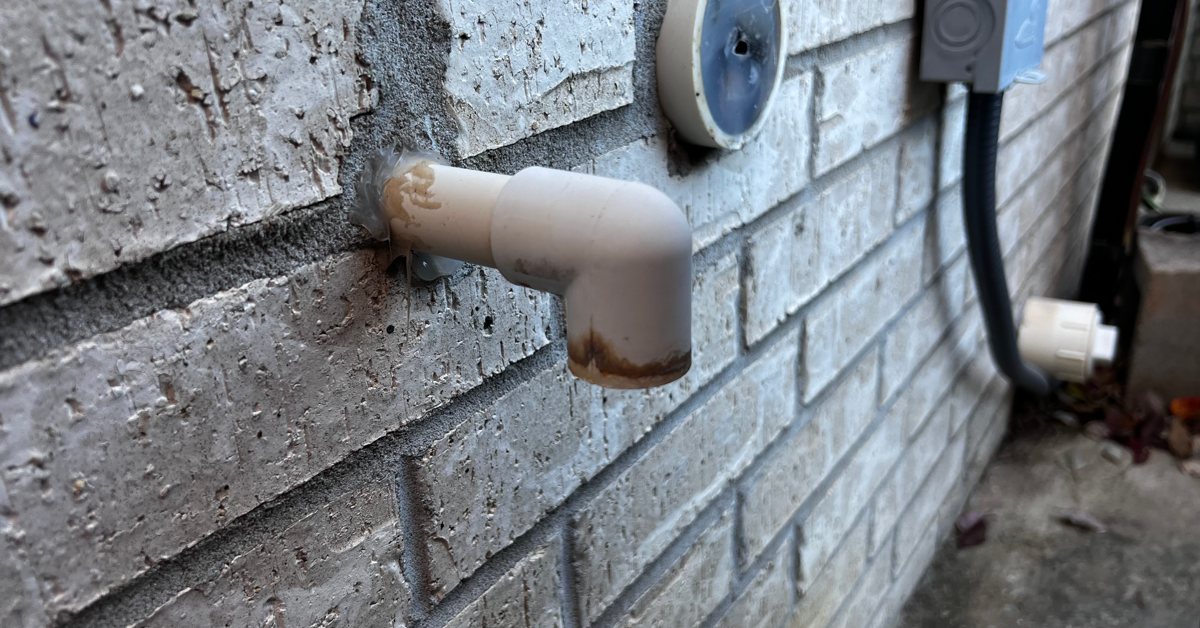
- Find the condensate drain line, usually a PVC pipe exiting the air handler.
- If you have access to the drain outlet outside, use a wet/dry vacuum to pull the clog. Hold the hose tightly to the pipe end for 1 to 2 minutes.
- Locate the cleanout tee near the unit (if present) and remove the cap.
- Flush with distilled white vinegar (a common homeowner approach) or use a manufacturer-approved treatment. A typical vinegar amount is about 1 cup, then let it sit 20 to 30 minutes before a light water flush.
- Important: do not mix vinegar with other drain chemicals. If you have a condensate pump or you are unsure what materials/components you have, check your manual or ask an HVAC pro before using vinegar.
- Inspect the drip pan. If it is accessible, wipe it with mild soap and water and dry it as best you can.
Tip from my own mistakes: Do not just pour chemicals and hope. If the line is fully blocked, you are creating a stagnant soup. Pull the clog first with a vacuum if you can.
Call a pro if
- Water is actively leaking and you cannot stop it.
- The drain line is glued in a way that gives you no cleanout access.
- You suspect the pan is cracked or rusted through.
- You have repeated clogs (that often signals a deeper airflow, installation, or contamination issue).
Cause 4: Dirty vent covers and boots
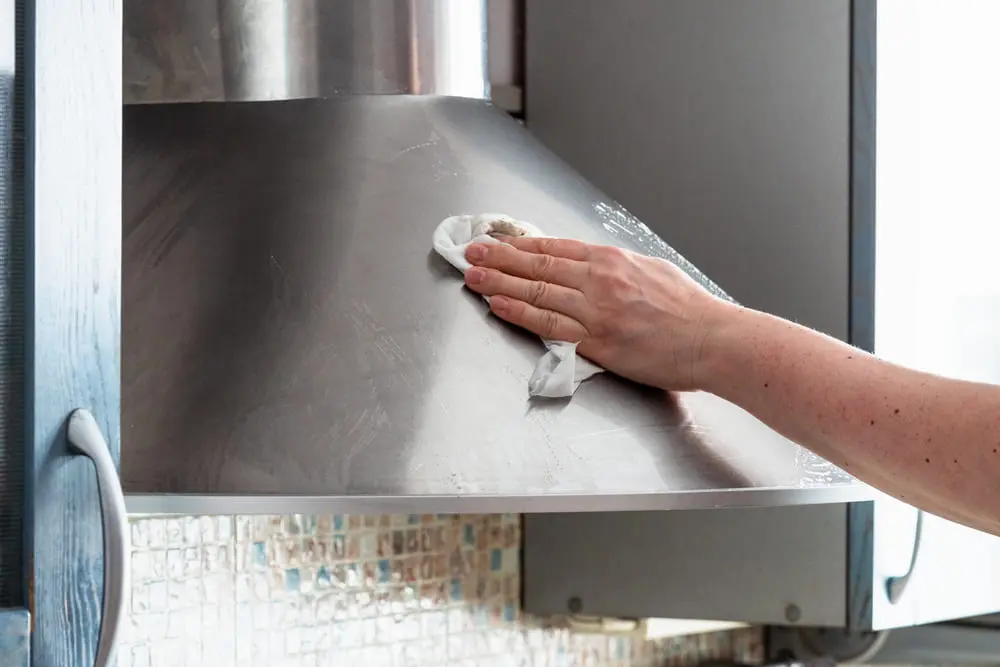
Sometimes the smell is not deep in the system at all. Supply registers and return grilles collect dust, cooking residue, pet hair, and humidity. When cold air hits that grime, the smell can read “musty.”
DIY: clean the registers
- Turn off the system at the thermostat.
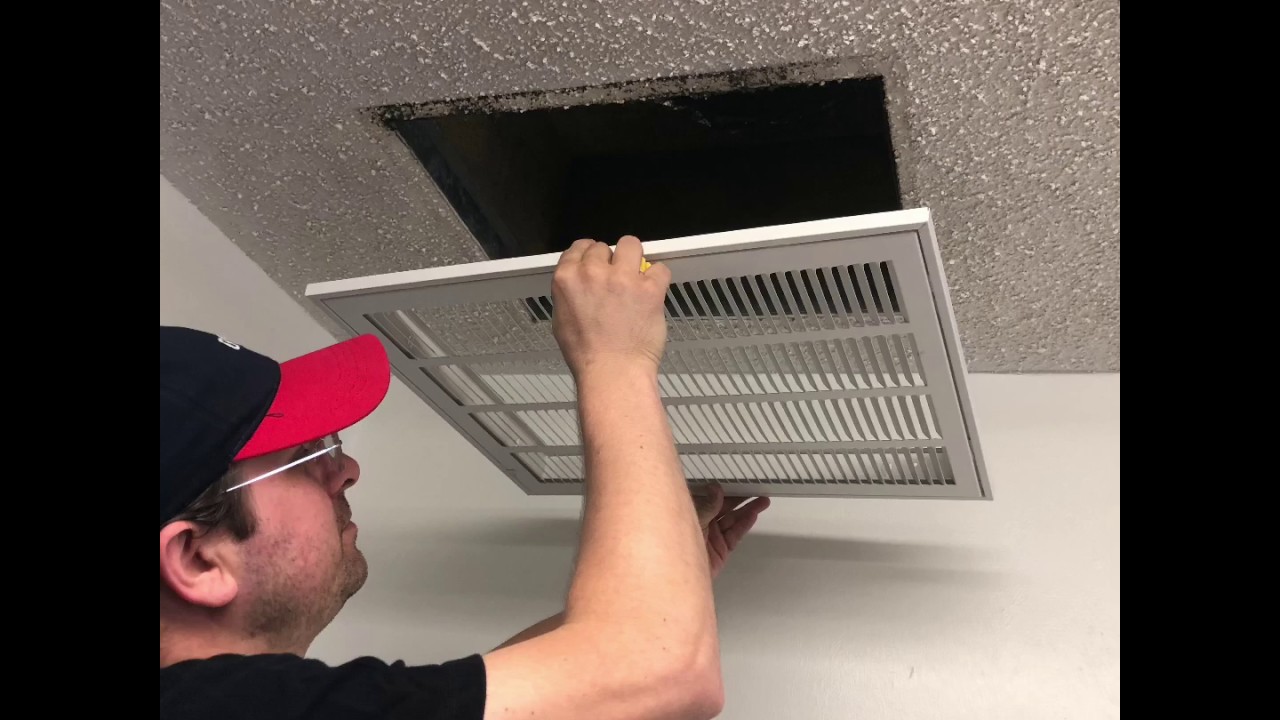
- Remove vent covers with a screwdriver.
- Wash metal covers in warm water with a drop of dish soap. Dry completely.
- Vacuum just inside the duct opening as far as your hose reaches.
- If you see loose debris, you can wipe the inside lip with a slightly damp rag, then dry.
Do not: spray a bunch of scented disinfectant into ducts. It masks the issue and can irritate lungs. If there is real mold, it will come back.
Cause 5: Duct issues
Ducts do not create moisture on their own, but they can trap humid air, pull in attic or crawlspace odors through leaks, and hold onto dust from years past. If the ductwork has been wet from a roof leak, flood, or sweating ducts, that is where musty smells can live.
Common signs
- One or two rooms smell musty more than the rest.
- The smell is worse on humid days.
- You have flex duct that has sagged, crushed spots, or visible staining.
- You have a crawlspace or attic with known moisture issues.
DIY: what you can do safely
- Inspect accessible ducts for disconnected joints and obvious tears.
- Seal small leaks at joints with UL 181 foil HVAC tape or mastic (not cloth duct tape).
- Address the moisture source: improve bath fan venting, fix roof leaks, add crawlspace vapor control, or correct insulation gaps.
About duct cleaning
Duct cleaning is situational. It can make sense after major renovation dust, confirmed contamination, pest debris, or water damage. It is not always necessary as routine maintenance. If you do hire it out, look for a reputable company that uses proper containment and does not upsell fogging as a cure-all.
Call a pro if
- You suspect mold inside ducts, especially if anyone in the home has asthma or allergies.
- Ducts are internally lined and appear wet or deteriorating.
- You cannot access the runs that smell the worst.

Cause 6: Dead animal
This one is not subtle for long. A dead mouse, squirrel, or bird in a duct run or near the air handler can start out as a stale, funky odor and then shift into a strong rotten smell that spreads when the blower runs.
Common signs
- Odor is strongest at one vent or return.
- Smell becomes quickly overwhelming over a day or two.
- You hear pests in the attic, walls, or ductwork.
What to do
- If you can pinpoint the vent and safely look inside with a flashlight, you may locate the source near the opening.
- For deeper duct runs, call a pro. They can locate, remove, and sanitize safely.
- After removal, focus on entry points: seal gaps, repair screens, and address attic and crawlspace access.
Health note: Decomposing animals can carry bacteria and parasites. If you find remains, use gloves and a mask, bag it carefully, and disinfect the immediate area. If you are unsure, call for help.
What not to do
- Do not fog the system with random sprays as your first move. Unapproved fogging, ozone, and strong oxidizers can irritate airways, and they can cause damage if used incorrectly. If a product is truly needed, it should be HVAC-appropriate and applied the right way, usually by a pro.
- Do not pour bleach into the unit unless your HVAC manufacturer explicitly recommends it. Vinegar or approved products are typically safer for routine maintenance.
- Do not ignore standing water. Water plus time equals growth.
- Do not tape ducts with cloth duct tape. It fails in heat and humidity.
When to act today
Call an HVAC professional promptly if any of these are true:
- You see active water leaking from the air handler or ceiling.
- The smell is paired with poor cooling, icing, or short cycling.
- You see extensive mold growth, soaked insulation, or suspect contamination beyond a light surface film.
- Anyone in the home has asthma, immune issues, or strong mold sensitivity.
- Your system is in an attic and you cannot safely access it.
Keep it from coming back
- Change filters on a schedule that matches your home. Many households land around every 1 to 3 months.
- Keep the drain line maintained during cooling season (vinegar or an approved treatment, only if appropriate for your setup).
- Keep the drain outlet clear outside. Trim plants back and make sure the pipe is not buried.
- Control humidity. A solid target is often under 50 to 55 percent RH. If it stays higher, ask about airflow, short cycling, and dehumidification options.
- Annual HVAC service is worth it if you want the coil, pan, and drain checked before peak summer.
Musty smells are annoying, but they are also useful. Your AC is basically telling you it has moisture somewhere it should not, or dirt where it should be clean. Track down the source, fix the cause, and you will usually get your fresh air back fast.

About Marcus Vance
Content Creator @ Grit & Home
Marcus Vance is a lifelong DIY enthusiast and self-taught home renovator who has spent the last decade transforming a dilapidated 1970s ranch into his family's dream home. He specializes in budget-friendly carpentry, room-by-room renovations, and demystifying power tools for beginners. Through his writing, Marcus shares practical tutorials and hard-learned lessons to help homeowners tackle their own projects with confidence.