
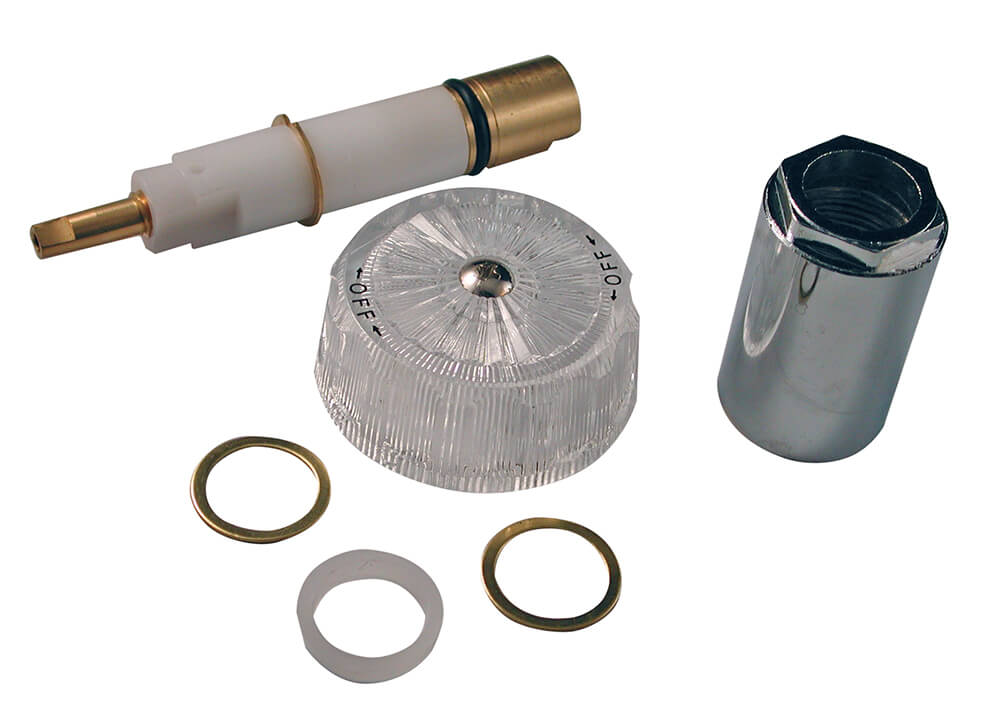
If you have plenty of hot water at your bathroom sink and kitchen faucet, but the shower stays lukewarm or cold, you can usually stop blaming the water heater. In the most common scenarios, this is a shower mixing problem: the cartridge, the scald-guard setting, a pressure-balance spool, or a cross-connection that lets cold water sneak into the hot line somewhere in the house.
I have been there. The first time it happened in our 1970s ranch, I cranked the water heater hotter (bad move), only to find out the shower handle had a scald limit set way too low. Let’s walk through the most common causes and the fixes that don’t require guessing.
First: confirm it’s a shower-only issue
Before you take anything apart, do these quick checks. They tell you whether you are chasing a shower valve problem or a whole-house hot water problem.
Quick checks (5 minutes)
- Run hot water at the closest sink to the shower for 60 to 90 seconds. If it gets truly hot, your water heater is likely fine.
- Try another shower or tub (if you have one). If only one shower is affected, focus on that shower’s valve and cartridge.
- Note the symptom:
- Good flow but not hot points to cartridge, scald-guard, thermostatic limit, or cross-connection.
- Weak flow and not hot can still be a cartridge, but also check the showerhead, integral stops, or supply issues.
If all fixtures are lukewarm, or you run out of hot water quickly everywhere, that is a different problem (water heater capacity, dip tube, thermostat setting, burner (gas) or elements (electric), sediment, tankless scaling). This article focuses on the common case: sinks are fine, shower is not.
Safety and tools
Most shower valve work is straightforward, but it is also easy to create a leak inside a wall if you rush.
Safety basics
- Shut off water to the shower using integral stops (if your valve has them) or shut off the main water.
- Open the shower to relieve pressure and confirm the water is off.
- Cover the drain so small screws do not disappear.
- If you have a tank water heater, avoid cranking the thermostat up to “solve” a shower-only issue. It increases scald risk at every faucet.
Common tools
- Safety glasses (stuck cartridges can release suddenly)
- Screwdrivers, Allen keys (many handles use a set screw)
- Adjustable wrench or channel-lock pliers
- Needle-nose pliers
- Silicone plumber’s grease (avoid petroleum grease, and follow the manufacturer guidance)
- Cartridge puller (sometimes optional, sometimes a lifesaver)
- Towel and a small bucket
Most common cause: a failing shower cartridge
In a single-handle shower, the cartridge is the part that mixes hot and cold. When it wears out, sticks, or gets clogged with debris, it can restrict the hot side while cold still flows just fine. In a two-handle setup, you may have separate stems and a mixing chamber, but the idea is the same: the internal parts can stop delivering hot water.
Symptoms that scream “cartridge”
- Shower suddenly turns lukewarm even though other faucets are hot
- Temperature swings when someone uses another fixture
- Handle is stiff or gritty
- Good pressure but never reaches hot
Fix: replace the cartridge (or clean if you must)
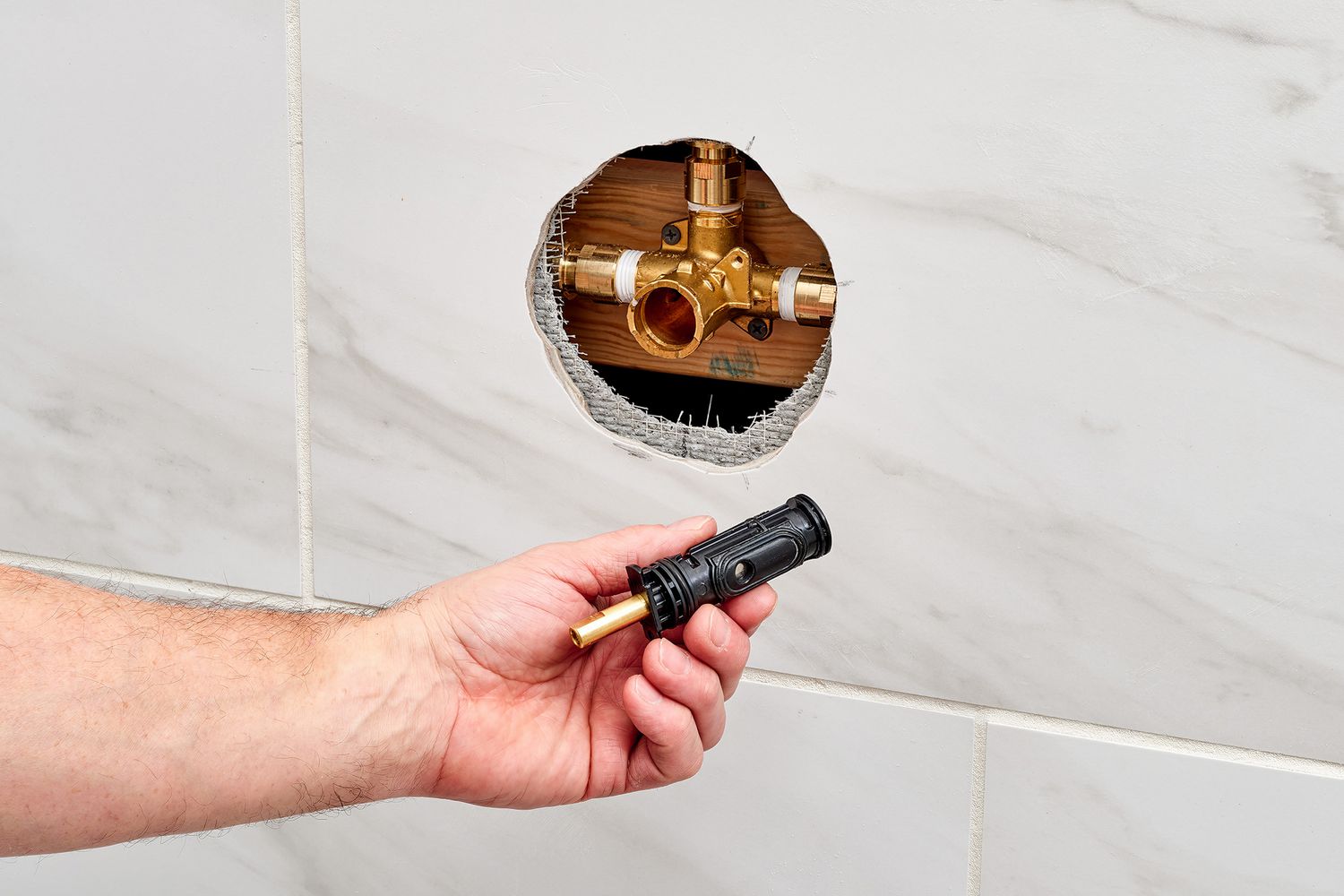
- Identify the valve brand. Look for markings on the trim plate, handle, or valve body. Common ones are Moen, Delta, Kohler, Pfister.
- Shut off water. Use the valve’s stop screws if present, otherwise shut off the house.
- Remove handle and trim. Usually one set screw or a center screw under a cap.
- Take a quick photo. Capture the cartridge orientation and any tabs or flats. Some cartridges can be installed incorrectly or rotated, which can cause strange temperature behavior.
- Pull the cartridge. Some have a retaining clip. Some unscrew. If it will not budge, a cartridge puller helps prevent breaking the valve.
- Check for debris. Sand, mineral bits, and old rubber can clog ports. Rinse the valve body and cartridge area.
- Buy the replacement. A photo helps, but the most reliable method is bringing the actual pulled cartridge (and the retaining clip if it is unique) to match the physical dimensions.
- Install the new cartridge (recommended). If you are already in there, replacement is often worth it. Use silicone grease on O-rings only if the manufacturer allows it.
- Reassemble and test. Turn water back on slowly and check for leaks behind the trim.
DIY honesty: The mistake I made early on was forcing a stuck cartridge with pliers. That can scar the valve body and turn a $40 cartridge job into a wall-opening valve replacement. If it is stuck, use the correct puller or call a plumber.
Time and cost (typical): Limit-stop adjustments can take 10 minutes. Cartridge swaps are often 30 to 90 minutes. Cartridges commonly run $25 to $100 depending on brand.
Scald-guard limit set too low
Many modern shower valves include a rotational limit stop, often called a scald guard. It prevents the handle from turning far enough toward hot to reach full temperature. It is a great safety feature, but it is also a very common reason a shower won’t get hot after a remodel, cartridge replacement, or a curious kid twisting things around.
How to tell
- The handle physically stops before it reaches the “hot” end
- Temperature is consistently warm but never hot
- Problem started right after work on the shower or a new trim kit
Fix: adjust the limit stop
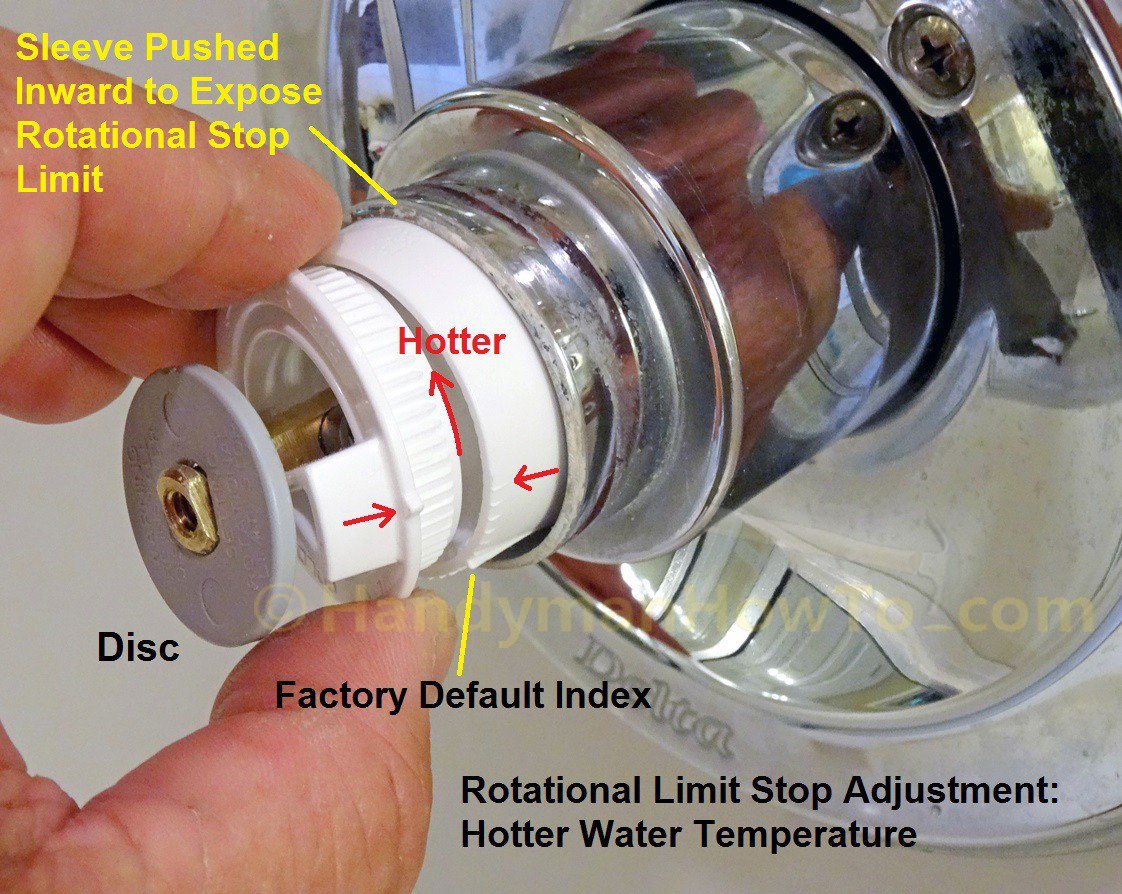
- Remove the handle (water can usually stay on for this, but I still like shutting it off if I am unsure).
- Look for a plastic ring, dial, or toothed stop behind the handle.
- Adjust it to allow more rotation toward hot. Each brand is a little different, so check the valve manual if you can find it.
- Reinstall handle and test. Aim for comfortable hot, not “skin-melting.”
Good target: Many people like showers in the 110°F to 120°F range. For safety, 120°F is a common maximum target at fixtures in many homes, especially with kids or older adults. When in doubt, be conservative.
If you have a thermostatic valve
Some showers have a thermostatic control (you set a temperature number and it tries to hold that temperature), while others are pressure-balance (they mainly react to pressure changes to reduce scald risk). If your shower has a thermostatic valve and it will not get hot, look for a temperature limit stop or calibration setting in addition to the usual cartridge issues. Thermostatic cartridges can also foul with scale and behave like they are “stuck warm.”
Cross-connection: cold mixing into the hot line
A cross-connection is when cold water finds a path into the hot piping through a fixture or valve. The result can be weird: sinks seem fine, but a specific shower never gets hot, or hot water turns lukewarm when a certain handle is in a certain position.
Common culprits
- A failing single-handle shower cartridge (yes, this is one reason cartridges are top suspect)
- A tub-shower combo valve with internal bypass
- A nearby single-handle faucet with a bad cartridge
- A handheld sprayer or bidet sprayer with a mixing tee installed incorrectly
- A recirculation setup or check valve issue (more common in larger homes)
Simple homeowner test
This test can help confirm whether cold is bleeding into the hot line through one fixture. Plumbing layouts vary, so treat it as a clue, not a final verdict, especially if you have a recirculation loop, check valves, or an expansion tank.
- Turn off the cold supply to the water heater (close the cold inlet valve above the heater). Keep the test short.
- Open a hot-only faucet somewhere. You should get a short flow that slows and stops as pressure equalizes.
- If hot water continues flowing steadily, there is likely a cross-connection feeding the hot side from the cold system.
Important: Turn the cold water supply to the water heater back ON immediately after testing. This matters even more for electric water heaters because running them with the tank partially drained can damage heating elements. If you are ever unsure, shut the heater power off at the breaker before doing plumbing tests.
If you suspect a cross-connection, the practical approach is to isolate fixtures one at a time (turn off stops under sinks, shut off the shower valve stops if present) to see when the problem goes away. If that sounds like a lot, a plumber can pinpoint it faster, especially in homes with multiple mixing valves.
Integral stops partly closed (or clogged screens)
Some shower valves have integral stop valves behind the trim, one for hot and one for cold. They are handy for service, but if the hot stop is partially closed, you can get lots of cold and very little hot.
What to check
- With trim removed, look for two small flathead screws or Allen stops on the valve body.
- Confirm the hot stop is fully open. Turn gently. Direction and stop style vary by brand, so consult the manual if you can.
- If your showerhead has a small debris screen, clean it. This usually affects pressure more than temperature, but it is an easy win.
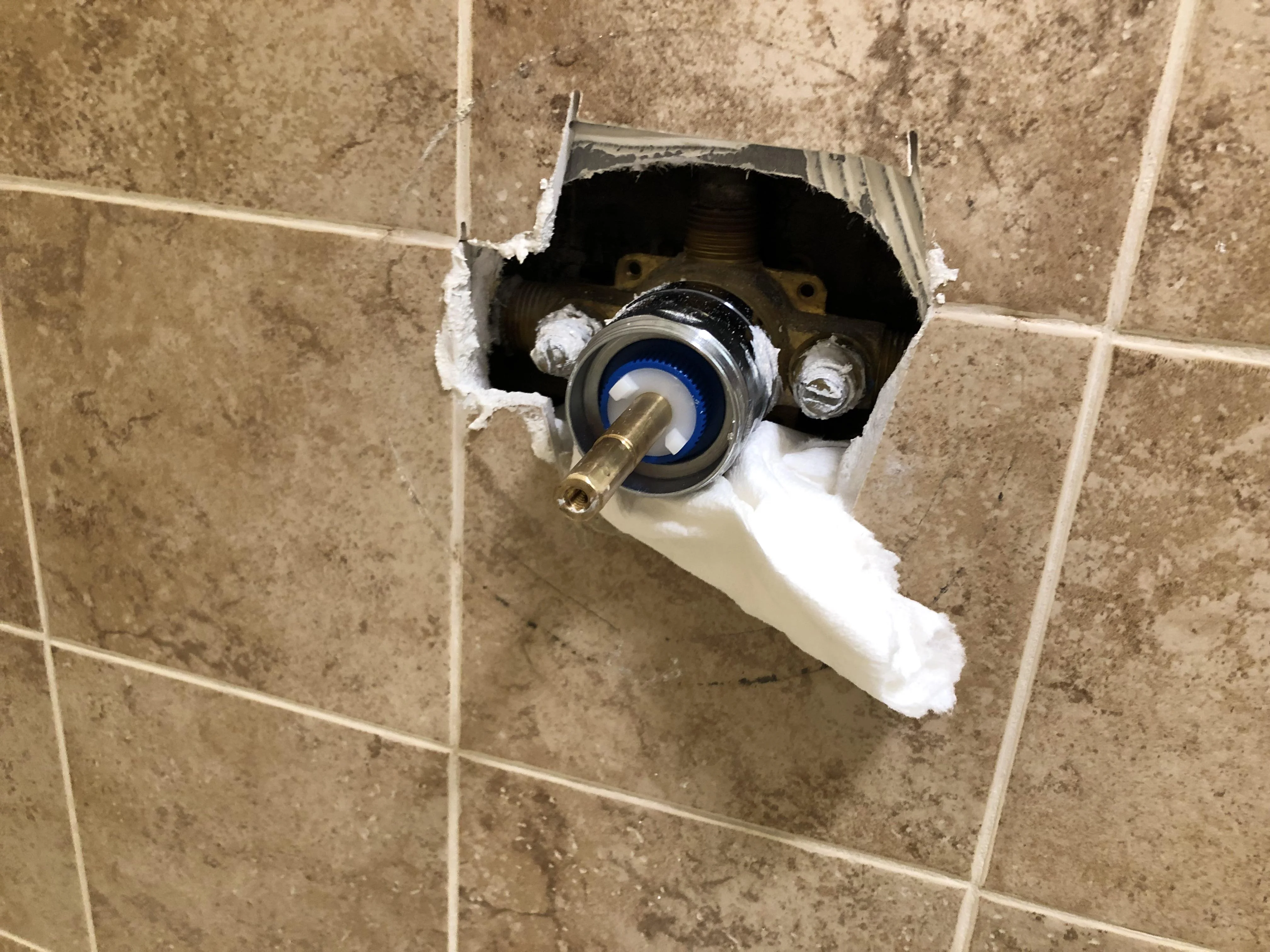
Pressure-balance spool stuck
Many valves use a pressure-balancing spool to reduce scalding when someone flushes a toilet or runs a sink. If that spool sticks, it can over-correct and limit hot water.
Clues
- Shower temperature changes dramatically when other fixtures run
- Shower goes cold unexpectedly, then returns
- Issue appeared after water was shut off for plumbing work (debris can lodge in the spool)
Fix
Some brands let you remove and clean or replace the spool separately. Others bundle it with the cartridge. Check your valve’s parts breakdown. If you are unsure, replacing the cartridge assembly is often the most reliable homeowner fix.
What not to do: crank the water heater
If the sinks are hot, your water heater is already producing hot water. Turning the heater up may make the shower feel “less wrong,” but it increases scald risk at every tap and can shorten equipment life.
Quick clarity
- Temperature setting controls how hot the water leaves the heater.
- Volume depends on tank size (or tankless output), incoming water temperature, and recovery rate.
- A shower-only hot water problem is typically mixing at the shower, not heater temperature or capacity.
If you truly do not have enough hot water anywhere, that is a different troubleshooting path (thermostats, burner (gas), elements (electric), dip tube, sediment, tankless scale). This page stays focused on the shower-only scenario.
Diverter and showerhead checks
Diverters and showerheads usually cause flow problems, not temperature problems. The main exception is when a restriction changes flow and pressure enough to confuse a pressure-balance valve and it starts “protecting” you by limiting hot.
- Remove the showerhead and test temperature from the shower arm for 10 seconds.
- If temperature is fine without the showerhead, clean or replace the head.
- If you have a tub spout diverter, make sure it is fully disengaged or fully engaged, not halfway.
Troubleshooting flowchart
- Hot at sinks, not at one shower → Check scald-guard or thermostatic limit → Replace cartridge.
- Hot at sinks, shower swings hot/cold → Pressure-balance spool or cartridge → Clean or replace spool, or replace cartridge.
- Hot at sinks, multiple showers affected → Cross-connection or shared mixing valve issue → Isolate fixtures or call a plumber.
- No hot anywhere → Water heater troubleshooting (different article).
When to call a plumber
I am all about sweat equity, but there are times it is smart to tag in a pro.
- You cannot identify the valve brand and cannot find a matching cartridge
- The cartridge is seized and will not pull without heavy force
- You suspect a cross-connection in a complex system (multiple mixing valves, recirculation loop)
- Any sign of leakage inside the wall or around the valve body
- Your home has older plumbing and you are concerned about brittle piping or outdated valves
A good plumber can usually diagnose and swap a cartridge quickly, and that can be cheaper than repairing water damage from a rushed DIY attempt.
FAQ
Why is my shower cold but the bathroom sink is hot?
Because the sink and shower have separate mixing components. The sink’s faucet cartridge may be fine while the shower’s cartridge is failing, clogged, or limited by a scald-guard stop. In some homes, a tempering or thermostatic mixing valve can also affect one bathroom or one shower.
Can a bad shower cartridge cause only lukewarm water?
Yes. If the hot inlet is restricted inside the cartridge, the valve can only blend a small amount of hot with cold, so it never reaches full hot even at the max handle position.
Is it safe to increase my water heater temperature to fix the shower?
It is not a good fix for a shower-only problem. It raises scald risk at every fixture. Adjust the shower’s scald-guard and repair the valve instead.
How do I know which cartridge to buy?
Find the valve brand and series, or pull the cartridge and bring it to a plumbing supply store to match it physically. Snap a photo of the valve body and trim too. Small differences matter.

About Marcus Vance
Content Creator @ Grit & Home
Marcus Vance is a lifelong DIY enthusiast and self-taught home renovator who has spent the last decade transforming a dilapidated 1970s ranch into his family's dream home. He specializes in budget-friendly carpentry, room-by-room renovations, and demystifying power tools for beginners. Through his writing, Marcus shares practical tutorials and hard-learned lessons to help homeowners tackle their own projects with confidence.