
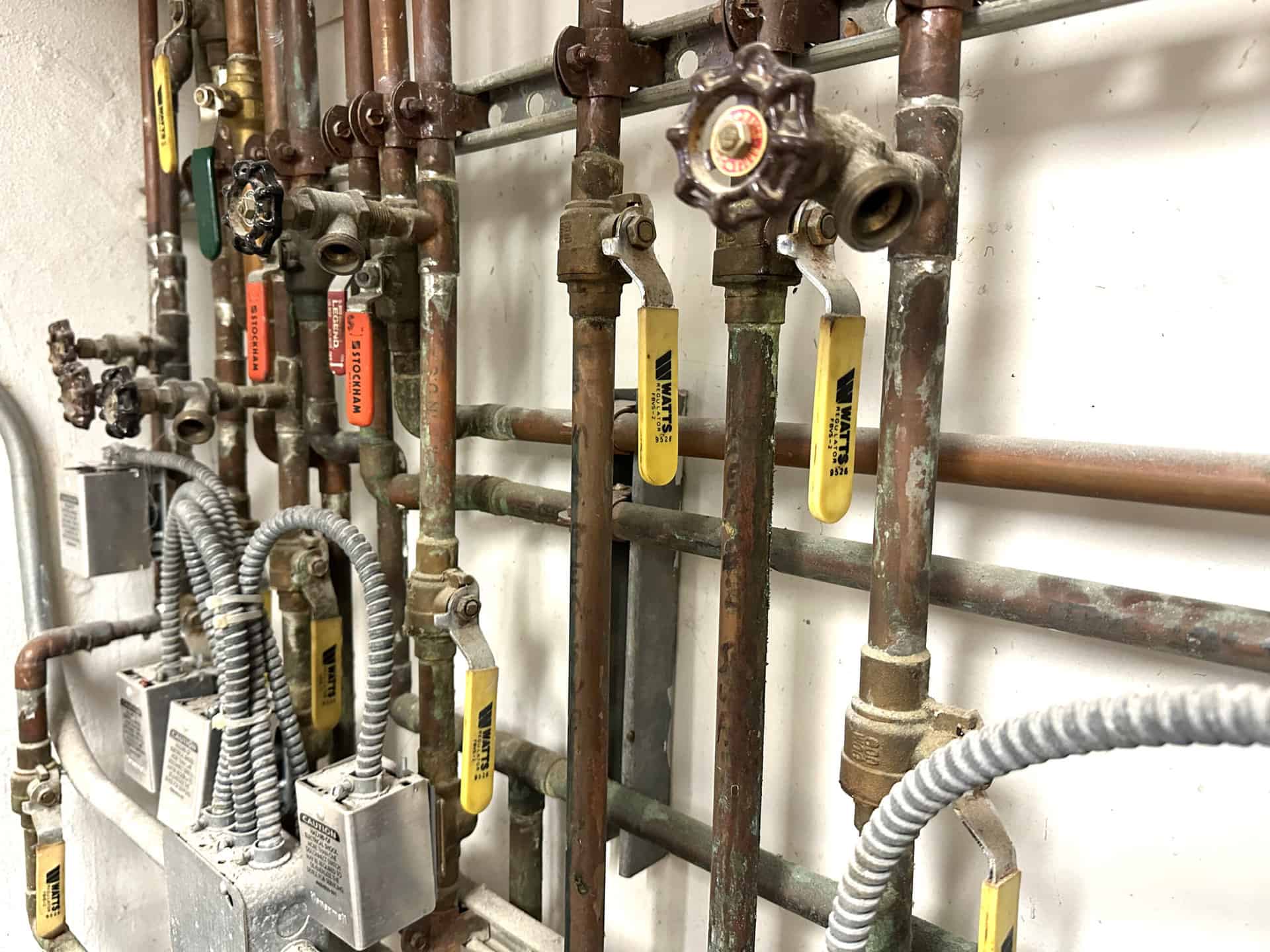
First, confirm it is truly the whole house
When every faucet runs dry, it feels like a plumbing apocalypse. Before you assume the worst, take 2 minutes to confirm what kind of problem you have. This matters because whole-house no water is often a supply issue, but a few in-home failures can mimic the same thing.
- Check cold water at two spots: a kitchen sink and a bathtub. (Bathtubs tend to show flow issues clearly.)
- Check hot water too: if hot is out but cold works, that points to a water heater issue, not the house supply.
- Flush a toilet: if the tank does not refill at all, you likely have a whole-house interruption.
If you truly have zero water everywhere, work through the checks below in order.
Safety first: what not to do in a hurry
I am all for DIY, but a no-water situation is when people make expensive, dangerous choices fast. Keep these boundaries:
- Do not dig up your yard to “find the water line” unless you have utility locates and a plan. Striking gas or electric is a life-changing mistake.
- Do not remove the water meter or mess with utility seals. In many areas it is illegal, and it can also cause flooding or damage.
- Do not open electrical panels to test a well pump if you are not comfortable and qualified. Water and electricity are not forgiving.
- If you smell gas or hear hissing near a meter area, leave and call the utility.
- If you have a gas water heater and your water is off, avoid anything that could make it fire without water in the tank. If you suspect it is running abnormally, turn it to “pilot” or “off” and follow the manufacturer instructions, or call for help.
Step 1: Rule out a utility outage
This is a very common “mystery” no-water cause, especially after overnight work or a water main break.
- Ask a neighbor: the fastest diagnostic tool ever invented.
- Check your city or water provider website for outage notices and boil water advisories.
- Look outside: standing water, road work, or utility trucks nearby can be a big clue.
If the neighborhood is out, your best move is to wait for restoration and keep an eye out for an advisory.
Step 2: Check the main shutoff
I have personally caused my own “no water” emergency after a small repair because I did not fully reopen the main. It happens more than people admit.
Common locations
- Basement or crawlspace: near where the water line enters through the foundation wall
- Utility room: near the water heater or laundry area
- Garage: especially in warmer climates
- Near an exterior wall: sometimes behind an access panel
How to tell if it is open
- Ball valve (lever handle): handle parallel to the pipe is usually open; perpendicular is usually closed.
- Gate valve (round wheel): turn counterclockwise to open. If it spins and spins or will not budge, it may be failing. Open it fully, but do not force it.
If the valve is closed, open it slowly. Then listen and check for leaks around the valve packing nut. Old valves can start dripping after being moved.
Step 3: Check the meter shutoffs
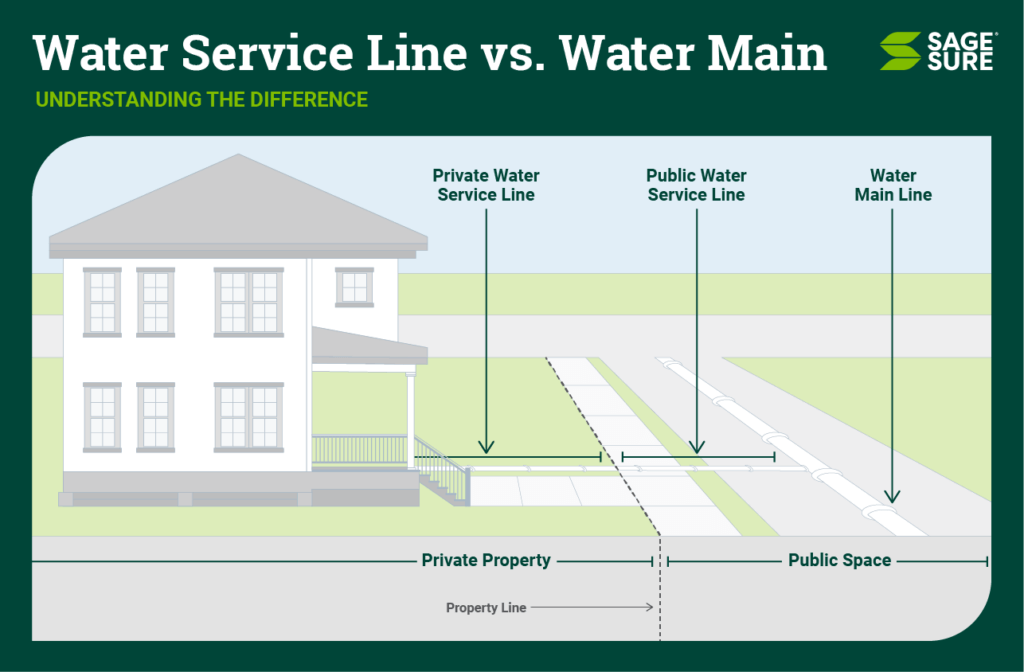
If you are on city water, your water meter area is the next stop. Many homes have a shutoff on the house side of the meter, and there is often also a separate curb stop valve that is utility-controlled.
Quick distinction: a homeowner shutoff near the meter is meant to be operated. A curb stop is often utility-only, and forcing it can break it or create a bigger problem. If you are unsure what you are looking at, do not force anything.
What to look for at the meter box
- Meter/register vs. remote display: some setups have a digital endpoint or remote reader that can look blank even when water is on. A blank screen does not automatically mean no water. If you cannot clearly see the actual meter register (or it is muddy or fogged), take a photo and call the utility for guidance.
- Signs of a recent shutoff: disturbed dirt, a shifted lid, or a tag could indicate the utility turned water off.
- A meter-side shutoff valve: some are homeowner-operable, some are utility-only. If you are unsure, do not force it.
Also check your mailbox or online account for a missed payment notice. It is not fun, but it is a real cause of sudden shutoffs.

Step 4: Check filters and softeners
This is the missing step a lot of people skip, and it can absolutely mimic a supply outage.
- Whole-house sediment filter: a severely clogged cartridge can choke flow to the entire house. This is especially common on well systems or after municipal repairs stir up debris.
- Softener or treatment system: a softener stuck mid-cycle, a plugged prefilter, or a failed component can restrict flow. Many systems have a bypass valve you can flip to restore water while you troubleshoot.
What to do: if you have a filter housing, check whether it has a bypass and try switching to bypass temporarily. If you change a filter, shut water off first and follow the housing instructions. If you are not sure, this is a good “call a plumber” moment because overtightening or cross-threading a housing can create a mess fast.
Step 5: PRV and backflow clues
Many homes have a pressure reducing valve (PRV) or regulator, often near the main shutoff where the line enters the house. A PRV usually causes low pressure. A total “no water” situation from a PRV is less common, but severe restriction can happen, especially if debris gets lodged after a main break.
Signs this area deserves a look
- You recently had street work or a main break: sediment can get stirred up.
- You hear odd whistling or chattering near the regulator when a faucet is opened.
- Pressure was unstable recently: surging, then dropping.
Also possible (less common): a failing backflow preventer or check valve can restrict flow. This is typically not a DIY diagnostic unless you already know your setup.
Important: Diagnosing and replacing a PRV or backflow device is typically a plumber job for most homeowners. It involves shutting water off, managing pipe joints, and setting pressure correctly. If you suspect a failure and the simple valve and filter checks did not fix it, this is a good time to call.
Step 6: Cold weather and frozen lines
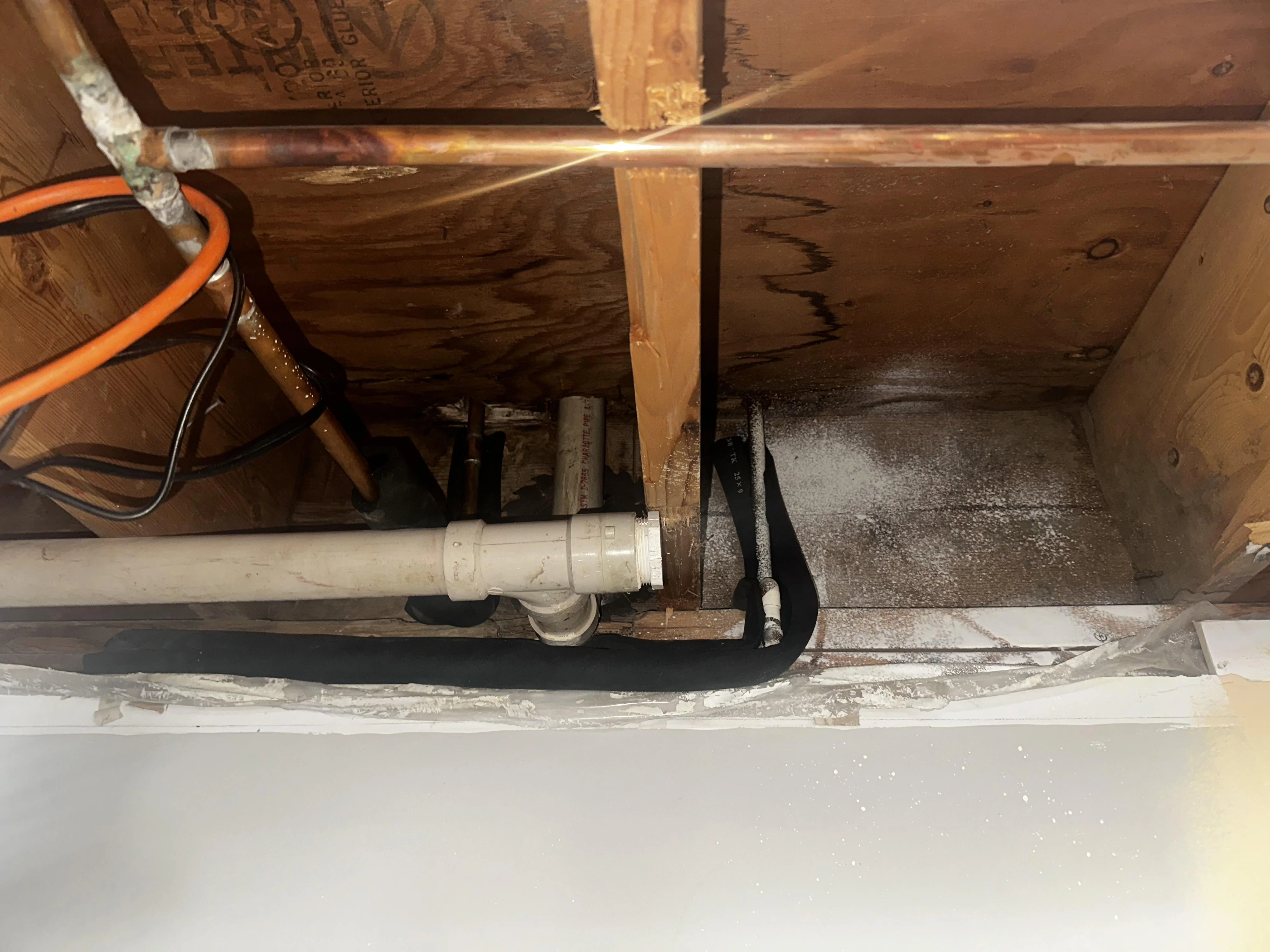
If temperatures dropped hard and you suddenly have no water, frozen pipes move high on the list. The tricky part is that a frozen line can look exactly like a shutoff because nothing flows anywhere.
Note on terminology: the municipal water main in the street rarely freezes compared with the customer service line (the line from the street to your house) or pipes in crawlspaces and exterior walls.
Clues it might be frozen
- It is below freezing now or was overnight, especially with wind.
- No water at all and the water line runs through an unheated crawlspace, garage, or exterior wall.
- You see frost on exposed pipe, or the pipe feels extremely cold to the touch.
What you can safely do
- Open a faucet slightly (cold side) to allow meltwater to escape and so you will notice when flow returns.
- Warm the area gently: turn up heat, open cabinet doors under sinks on exterior walls, use a space heater aimed at the room, not pressed against plumbing.
What not to do
- Do not use an open flame (torch) to thaw pipes.
- Do not force valves open and closed. If a line is frozen, you can damage a weak valve, and when the ice lets go the return of flow can reveal cracks or splits.
If you suspect the underground service line from the street is frozen, that often requires professional thawing equipment.
Step 7: If you are on a well
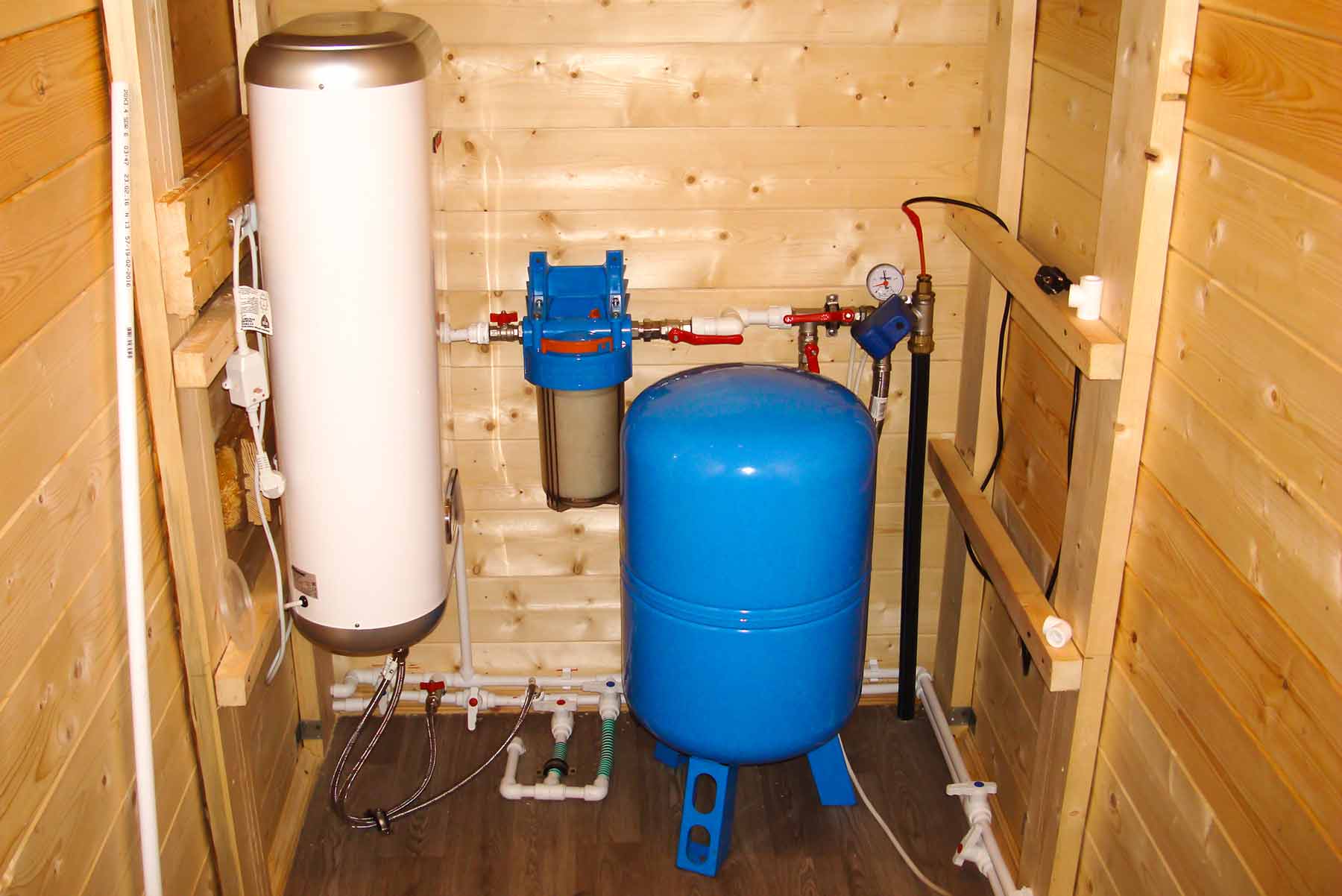
If you have a private well, your troubleshooting is a little different. The “whole house no water” problem is often tied to the pump system, pressure tank, a clogged filter, or an electrical issue.
Fast checks that do not require electrical work
- Listen near the pressure tank area: do you hear the pump trying to run when someone opens a faucet?
- Check your pressure gauge: many systems have one near the pressure tank. If it reads 0 and never moves, that is a major clue.
- Look for leaks: a burst pipe in a well house or crawlspace can dump water and make it seem like the pump failed.
- Check any sediment filter: well systems often have them, and they can plug hard after a disturbance.
A common “oops”: tripped breaker or GFCI
If you know where the well pump breaker is and you are comfortable using your panel safely, you can look for a tripped breaker. Some well systems also have a GFCI outlet that can trip. If you are not sure, stop here and call a pro.
About priming
Some shallow well jet pumps can lose prime after a leak or maintenance, and then they cannot pull water. Signs include the pump running without building pressure. Priming is very model-specific and can go wrong if you do not know your setup, so consider that a “call for help” moment unless you have done it before.
What to tell the plumber or utility
When you do call, a clear report can save you time and money. Here is what I write down before I pick up the phone:
- Are neighbors affected, yes or no?
- City water or well?
- Did the problem start suddenly or gradually?
- Any recent work: street work, plumbing repair, water heater replacement, filter change
- Any cold snap or power outage in the last 24 hours
- What you checked: whole-house shutoff position, meter area observations, filter or softener bypass position, pressure gauge reading (if on well)
When it is an emergency
No water is disruptive. Sometimes it is also dangerous. Call for immediate help if:
- You have a medical need for running water in the home.
- Temperatures are freezing and you suspect a frozen line, especially if you have older piping.
- You see flooding in the yard near the meter or hear water running underground.
- You smell gas near the meter or utility area.
- You have a boiler or hydronic heat that depends on makeup water and you are losing heat or seeing low pressure warnings.
If you can, shut off the main water valve (if water returns unexpectedly) and protect your home from potential leaks.
After water returns
Once service is back, you can prevent a round two:
- Run cold water for a few minutes at a bathtub or laundry sink to clear air and minor sediment.
- Clean faucet aerators and showerheads if flow is weak. Debris loves to park there.
- Check filters and replace cartridges if they loaded up with sediment.
- Watch for discolored water and follow any boil-water advisory from your provider before drinking or cooking.
My best thrifty tip
After you get water back, take 10 minutes to future-proof yourself:
- Find and label the whole-house shutoff.
- Test the shutoff annually by turning it off and back on slowly. If it will not operate smoothly, plan a replacement.
- Insulate exposed pipes in crawlspaces, garages, and exterior walls before winter.
- Keep a simple wrench and a flashlight where you can grab them fast.
The goal is not to become a plumber overnight. It is to be calm, capable, and a little harder to surprise next time.

About Marcus Vance
Content Creator @ Grit & Home
Marcus Vance is a lifelong DIY enthusiast and self-taught home renovator who has spent the last decade transforming a dilapidated 1970s ranch into his family's dream home. He specializes in budget-friendly carpentry, room-by-room renovations, and demystifying power tools for beginners. Through his writing, Marcus shares practical tutorials and hard-learned lessons to help homeowners tackle their own projects with confidence.