
🚨 In a DIY emergency or rush?
Skip the details and jump straight to our 30-second cheat sheet for the most crucial info.
The first time I ran into this, it was in the living room of our 1970s ranch. My phone charger worked in the bottom plug, but the lamp I moved to the top plug was stone dead. I assumed the whole outlet was failing. Turns out the outlet was doing exactly what it was wired to do.
A duplex receptacle (the common two-socket outlet) is really two outlets in one. They often share power through small metal “tabs” on the sides. If something about that connection changes, you can end up with one hot half and one dead half.
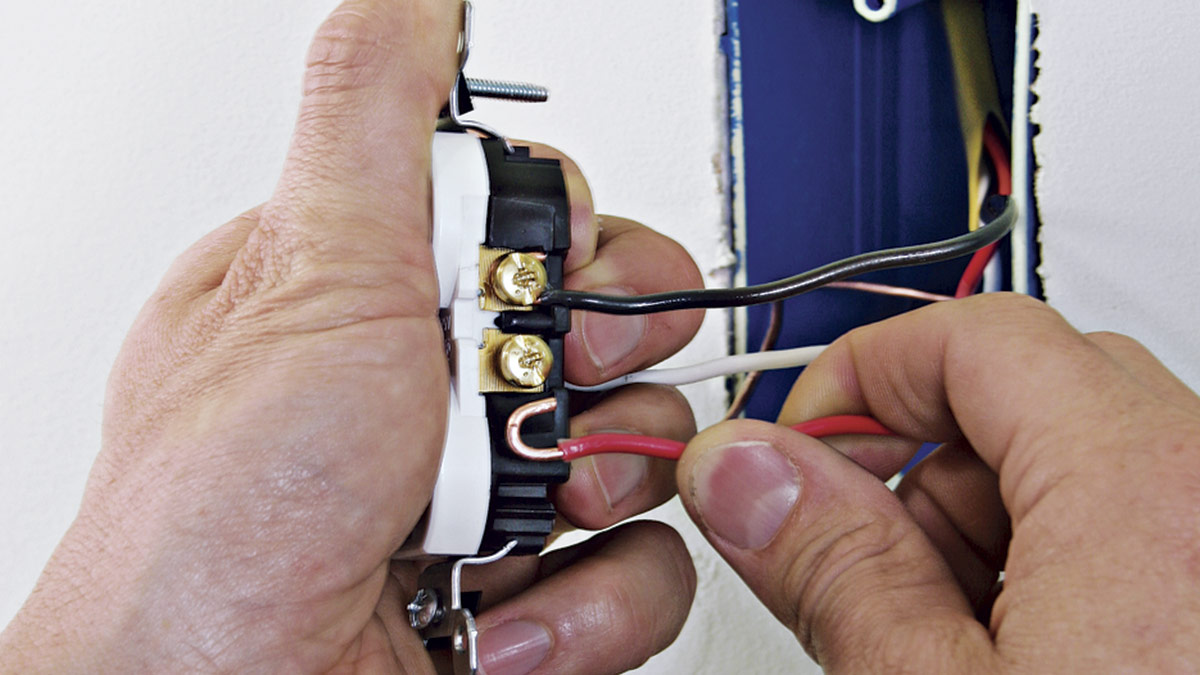
Quick safety note (please read)
If you are not comfortable working inside an electrical box, this is a good time to call an electrician. When you do DIY electrical work, the two rules that keep you safe are:
- Turn off the breaker that feeds the outlet.
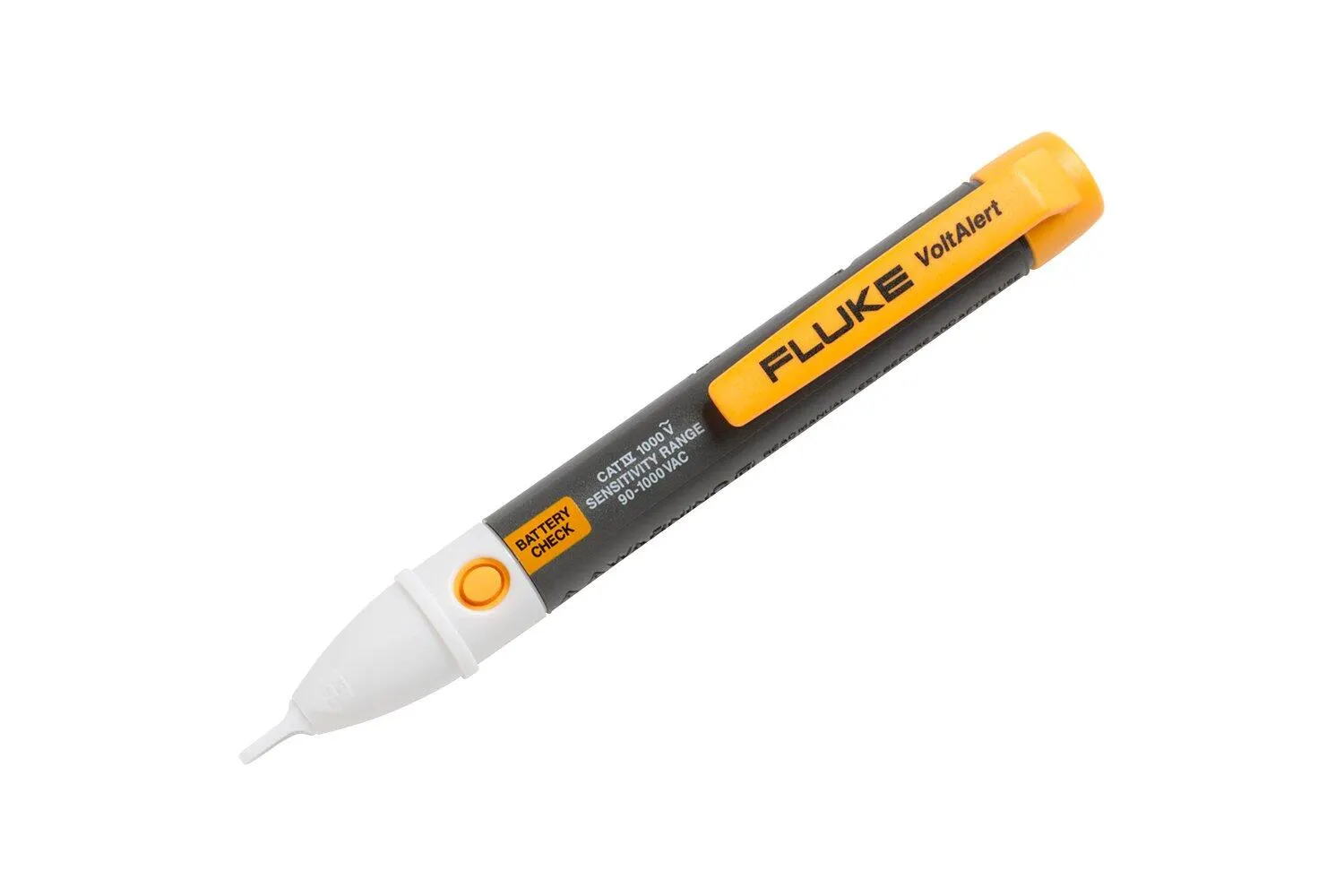
- Verify power is off with a non-contact voltage tester, then confirm with a plug-in tester or multimeter before touching conductors.
If your tester shows anything inconsistent, stop. Electricity does not reward guesswork.
What it means when only half works
When one receptacle works and the other does not, you are usually dealing with one of these scenarios:
- Switched receptacle: One half is controlled by a wall switch (common in older living rooms and bedrooms).
- Broken or removed hot-side tab: The little bridge that normally feeds both halves is missing or cracked, so only one half gets power.
- Loose connection: The outlet is receiving power, but a conductor is loose on one termination, a backstab connection, or a splice/pigtail in the box.
- Failed receptacle: The internal connection to one half is worn or burned.
This is different from a fully dead outlet (no power to either half), which more often points to a tripped breaker, an upstream loose connection, or a tripped GFCI somewhere earlier in the circuit.
Two quick checks first
1) Flip nearby wall switches
If the dead half comes to life when you flip a switch, congratulations. You likely have a switched outlet. Many homes were wired this way so a floor lamp could be controlled from the doorway.
Pro tip: Sometimes the switch controls only the top half, sometimes only the bottom. If you want the outlet always hot, that is a rewiring job, not a “wiggle the plug” job.
2) Reset any upstream GFCI
A tripped GFCI can kill one or multiple downstream outlets. In normal, correct wiring, a GFCI trip de-energizes the entire receptacle it is on and anything downstream. It does not selectively turn off only the top or bottom half.
That said, adapters, power strips, and other weirdness can make a GFCI trip feel intermittent or confusing. Still, if you truly have “one half hot,” I start by suspecting a split tab, a switched half, or a loose connection at the receptacle.
Look for GFCI outlets in:
- Bathrooms
- Kitchen counters
- Garage
- Basement
- Exterior outlets
Press Reset. If the problem changes, you just found an important clue.
Tools that help
- Non-contact voltage tester
- Plug-in outlet tester (the 3-light type)
- Phillips and flat screwdriver
- Needle-nose pliers
- Flashlight or headlamp
- Multimeter (helpful, not mandatory, but the best for confirming what is actually powered)
Step by step diagnosis
Step 1: Confirm which half is dead
Plug a lamp or outlet tester into the top, then the bottom. Note exactly which one fails. That detail matters later.
Step 2: Turn off the breaker and verify
Turn off the breaker that feeds the outlet. Then:
- Test the outlet face with a non-contact tester.
- Plug in an outlet tester or lamp to confirm it is off.
If the breaker label seems wrong, keep testing until you find the correct breaker. In older panels, labels can be optimistic fiction.
Step 3: Pull it out and inspect the tabs
Remove the cover plate and the two mounting screws. Gently pull the receptacle out.
Now look at the two metal tabs connecting the screws:
- Hot side (brass screws): this tab is often removed intentionally for a switched outlet.
- Neutral side (silver screws): this tab is usually left intact, even on a switched outlet.
If the hot-side tab is missing or cracked, the wiring details tell you what it means next:
- If you see two hot conductors on the brass side (one on each brass screw) and the tab is removed, that often means the outlet is split on purpose for a switch.
- If you see only one hot conductor on the brass side and the tab is missing or broken, that can explain a half-dead outlet on an otherwise unswitched receptacle.
Common causes and how to spot them
Cause 1: It is switched (by design)
What you will see:
- A wall switch that changes which half works
- On the receptacle: hot-side tab removed
- Often two hot conductors on the brass side (one always-hot feed, one switched-hot), plus a shared neutral
What to do:
- If you want it to stay switched, do nothing. It is not broken.
- If you want both halves always hot, you can reconfigure the wiring, but this is where I recommend an electrician if you are new. You must correctly identify the always-hot feed versus the switched leg and rework connections safely inside the box.
Cause 2: Loose connection (terminal, backstab, or splice)
This is the one I see most in older DIY “quick fixes.” Backstab connections can loosen over time, especially with heavy plug use.
One important nuance: if the receptacle is not split (tab intact), a loose incoming feed often makes both halves flaky. But a loose connection on a switched leg, a pigtail, or a split receptacle terminal can absolutely show up as one half working and the other dead.
What you will see:
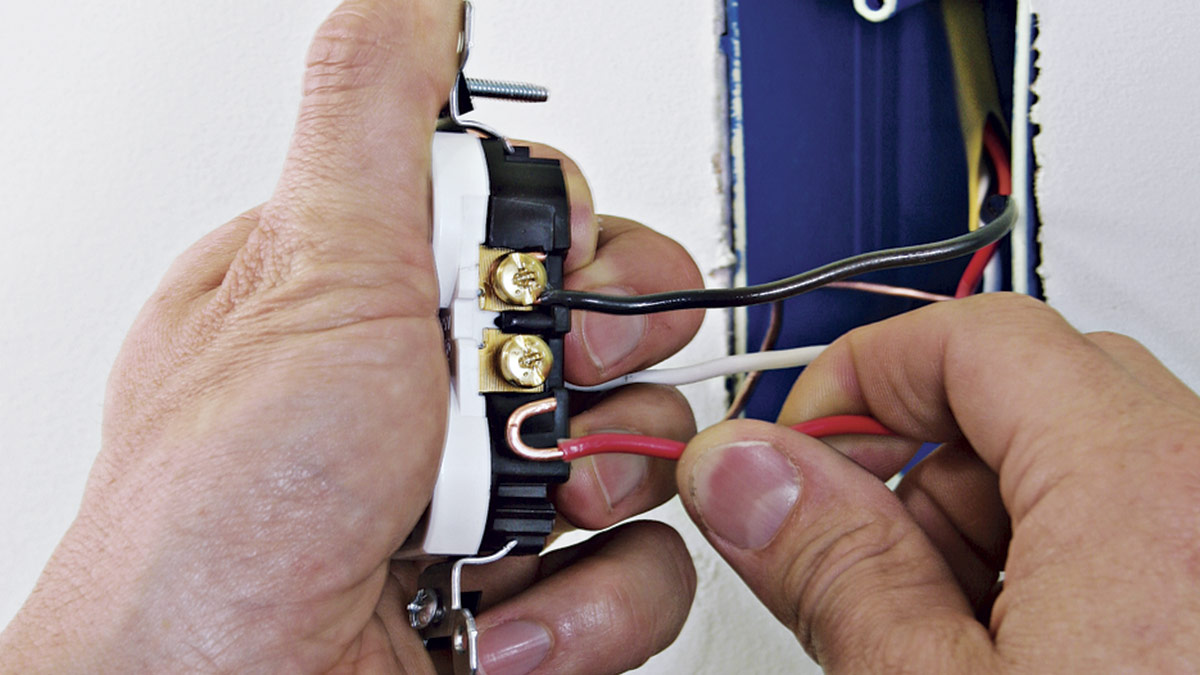
- Wires pushed into backstab holes instead of being wrapped under the side screws
- A conductor that is not tight under its screw terminal
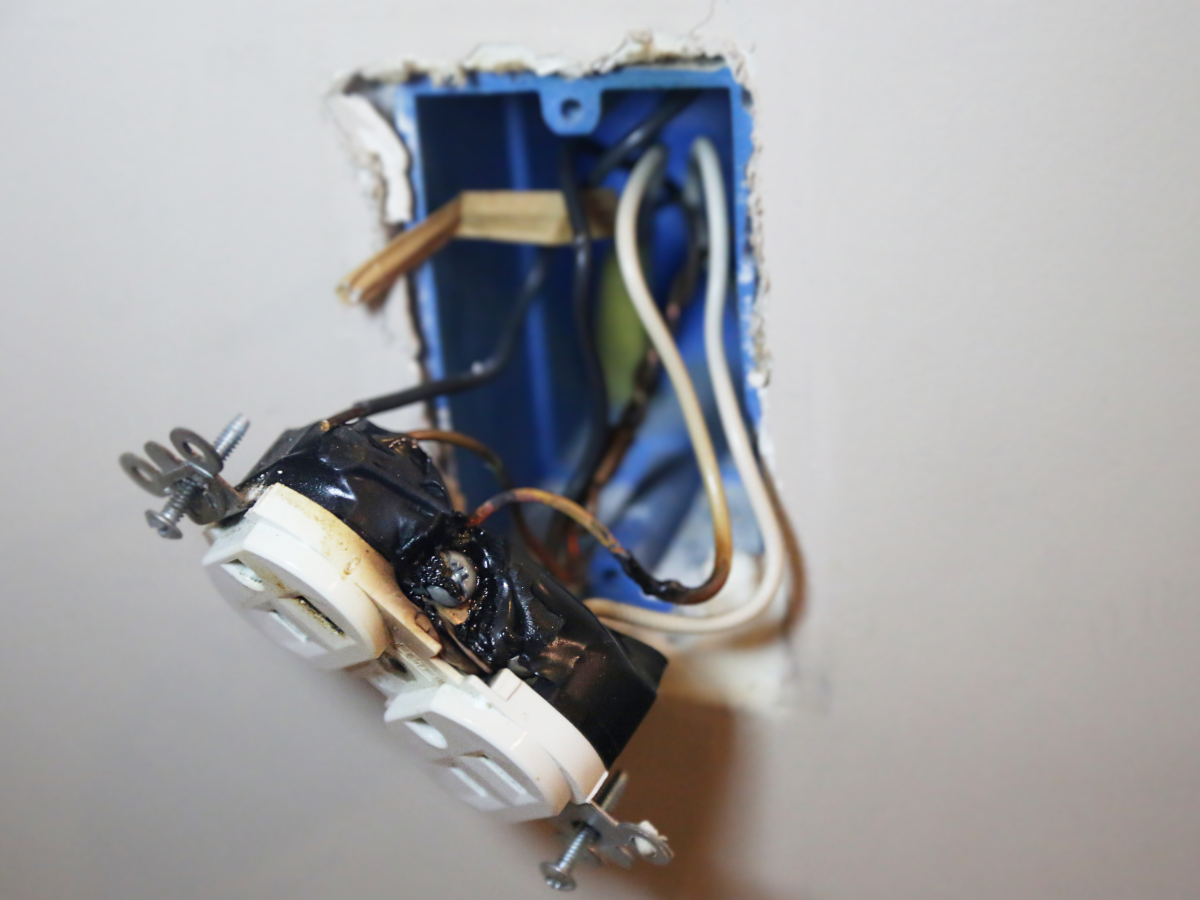
- Heat discoloration, scorch marks, or melted insulation (shut down and call a pro if you see major damage)
What to do (power off):
- Move any backstabbed wires to the side screws.
- Make a clean hook with pliers and wrap it clockwise under the screw so tightening pulls it in.
- Tighten firmly. Do not strip the screw, but do not baby it either.
Cause 3: The receptacle is worn out (or the tab is damaged)
Outlets do wear out. If plugs feel loose, or if the device has been run hot for years (space heaters are notorious), the internal contacts can fail on one half.
What you will see:
- Cracked tab, burned plastic near one half, or weak plug grip
- Everything looks wired correctly, but one half stays dead
What to do:
- Replace the receptacle with a new one of the proper rating.
- Match what you had unless you have confirmed the circuit requirements. Practical rule of thumb in many homes: a standard duplex receptacle is often 15A even on a 20A general-purpose circuit, while a single receptacle on a 20A circuit is typically required to be 20A. Local code and circuit design win, so if you are unsure, copy what was installed and call an electrician for upgrades.
- If it was switched before, the new receptacle will need the hot-side tab removed as well.
Multimeter checks (power off)
With the breaker off, you can do a couple of sanity checks before you put everything back.
Check the tab (continuity)
- Set the multimeter to continuity or resistance.
- Touch one probe to the top brass screw and the other to the bottom brass screw.
- If the hot-side tab is intact, you should see continuity (or very low resistance).
- If the tab is removed or broken, you will not.
You can do the same test on the silver screws to confirm the neutral tab is intact.
Important: Continuity tests are done with the power off. Never try a resistance or continuity test on a live circuit.
If both halves are dead
If both halves are dead, the troubleshooting path changes. Now you are thinking about:
- A tripped breaker (or a breaker that did not look tripped but actually is)
- A tripped GFCI upstream
- A loose splice in a different box feeding this one
- A failed connection on the line side of this receptacle
When only one half is dead, the problem is often at the receptacle or its connections, not somewhere upstream.
Stop if voltages get weird
If you see flickering, buzzing, or lights that brighten and dim when you plug something in, or if your meter shows inconsistent readings, stop and call a pro. That is when I start worrying about a loose or open neutral, or a multi-wire branch circuit (two hots sharing a neutral) that is not behaving safely.
Those problems can create strange symptoms that look like a “half-working outlet,” but the fix is not a simple outlet swap. It is a safety issue.
When to call an electrician
- You see burning, melting, or heavy scorching in the box
- The breaker trips when you plug something in
- The box is crowded with multiple cables and unclear splices
- You have aluminum wiring and do not have the correct connectors and method
- Your tests show inconsistent voltage behavior (flicker, partial power, or signs of a loose/open neutral)
There is no shame in tapping out on electrical. Sweat equity is great. So is sleeping well at night.
FAQ
Can I just replace the outlet and be done?
Often, yes. If the problem is a worn internal connection or a loose backstab, a new receptacle wired to the side screws fixes it. But if the outlet is intentionally split for a switch, replacing it without duplicating that tab setup can change how the circuit works.
Why does the top work but the bottom does not (or vice versa)?
Top versus bottom is not universal. Electricians often choose the top half for switched control, but I have seen the bottom used too. The wiring inside the box, not the outlet orientation, decides it.
Is a half-dead outlet dangerous?
It can be. A switched half is normal. A loose connection that is heating up is not. If you notice warmth, buzzing, flicker, or discoloration, shut the breaker off and inspect immediately.
The 30-Second Cheat Sheet
Essential takeaways for: Only One Half of an Outlet Works?
Most likely causes
- Switched outlet: one half is controlled by a wall switch.
- Broken or removed hot-side tab: the brass-side bridge is missing or cracked.
- Loose connection: often a backstab or a loose splice/pigtail in the box.
- Worn receptacle: one half has failed internally.
Fast checks (no tools first)
- Flip nearby wall switches.
- Reset any GFCI outlets in bathroom, kitchen, garage, basement, or outside.
Power-off diagnosis
- Turn off the breaker.
- Verify power is off with a non-contact tester, then confirm with a plug-in tester or multimeter.
- Pull the receptacle and inspect the tabs: brass side tab is removed for switched outlets, silver side usually intact.
- If wires are backstabbed, move them to side screws and tighten.
How it differs from other problems
- Fully dead outlet: think breaker, upstream loose splice, or GFCI upstream.
- Tripped GFCI: typically de-energizes the entire receptacle and downstream loads.
- Weird voltages or flicker: stop and suspect a loose/open neutral or MWBC issue.
Call a pro if
- You see burning, melted plastic, or heavy scorching.
- The breaker trips repeatedly.
- You suspect aluminum wiring or find messy, crowded splices.
- You measure inconsistent voltages or see lights brightening and dimming when loads change.
💡 Tip: Scroll up to read the full article for detailed, step-by-step instructions.
⬆️ Back to top
About Marcus Vance
Content Creator @ Grit & Home
Marcus Vance is a lifelong DIY enthusiast and self-taught home renovator who has spent the last decade transforming a dilapidated 1970s ranch into his family's dream home. He specializes in budget-friendly carpentry, room-by-room renovations, and demystifying power tools for beginners. Through his writing, Marcus shares practical tutorials and hard-learned lessons to help homeowners tackle their own projects with confidence.