
🚨 In a DIY emergency or rush?
Skip the details and jump straight to our 30-second cheat sheet for the most crucial info.
The first time I saw an outlet “spark,” I thought I had just discovered a secret shortcut to burning my house down. I was plugging in a shop vac during a dusty renovation weekend, and I caught a quick blue flicker right as the prongs hit the receptacle. Nothing tripped. Nothing smoked. Still, it stuck with me, because electrical problems are the kind you do not want to ignore.
Here is the calm, practical truth: a single tiny spark as you plug something in can be normal. Repeated arcing, buzzing, heat, or a burnt-looking receptacle is a different story and you should treat it like a real hazard.
Quick safety first
If anything in this list is true, stop using that outlet and deal with it before you plug anything else in. Also, do not keep plugging and unplugging “to see if it still does it.” That is a great way to make a small problem worse.
- Buzzing, crackling, or sizzling sounds from the receptacle
- Heat or warmth at the outlet faceplate or plug
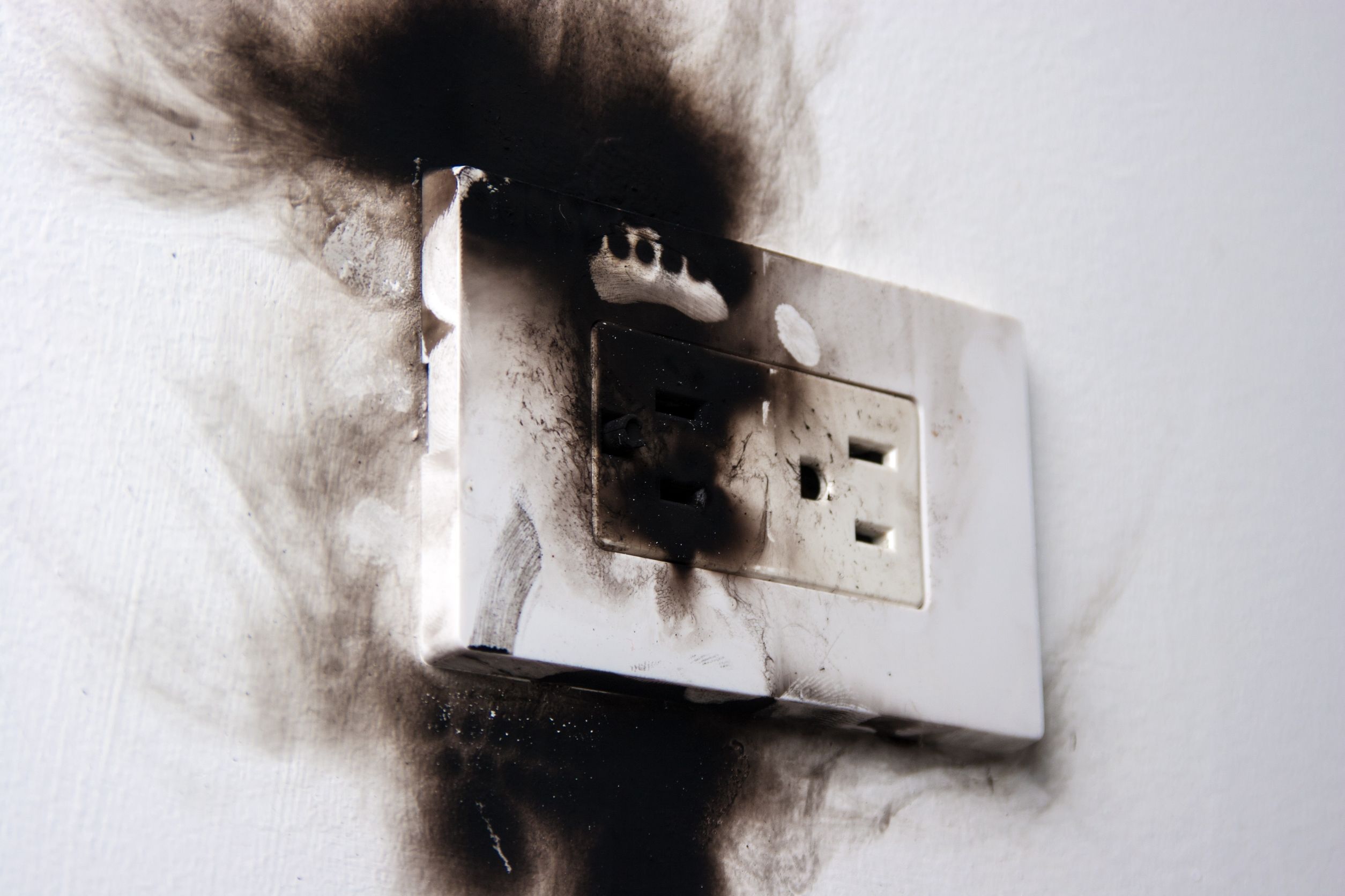
- Burn marks, discoloration, melted plastic, or a smoky smell
- Sparks that continue after the plug is fully inserted
- Visible arcing at the receptacle when nothing is being plugged in or unplugged
- Breaker trips when you plug in a small, ordinary load (like a lamp or phone charger)
In those cases, unplug the device (if it is safe to do so), turn that circuit breaker off, and leave it off until the receptacle is inspected and usually replaced. If you see active smoke, glowing, or flame, treat it like an emergency and call emergency services.
Tiny spark vs. arcing
Quick definition, because this word gets thrown around: arcing is when electricity jumps through air because a connection is poor or separating. That “jump” can create serious heat.
Small flash can be normal
When you plug something in, the prongs are making contact while power is present. If the device is switched on or has a capacitive power supply (many electronics do), there can be a brief inrush of current right as contact is made. That can create a single, instant flicker, usually blue or white, that stops the moment the plug is seated.
More likely to see a harmless plug-in spark when:
- You plug in something with a motor (vacuum, shop vac, blender)
- The device switch is already set to ON
- You plug into a power strip that is already feeding other devices
You can also see a small spark when unplugging a device that is running or under load. The key is the same: a brief snap right at separation can happen, but sustained arcing, noise, heat, or damage is not normal.
Repeated arcing is not normal
Dangerous arcing looks like snapping sparks, may continue with the plug fully inserted, and is often paired with noise, heat, or burn marks. That is usually a sign of poor contact inside the outlet, damaged wiring, or a failing device plug.
Common causes
1) Worn outlet contacts
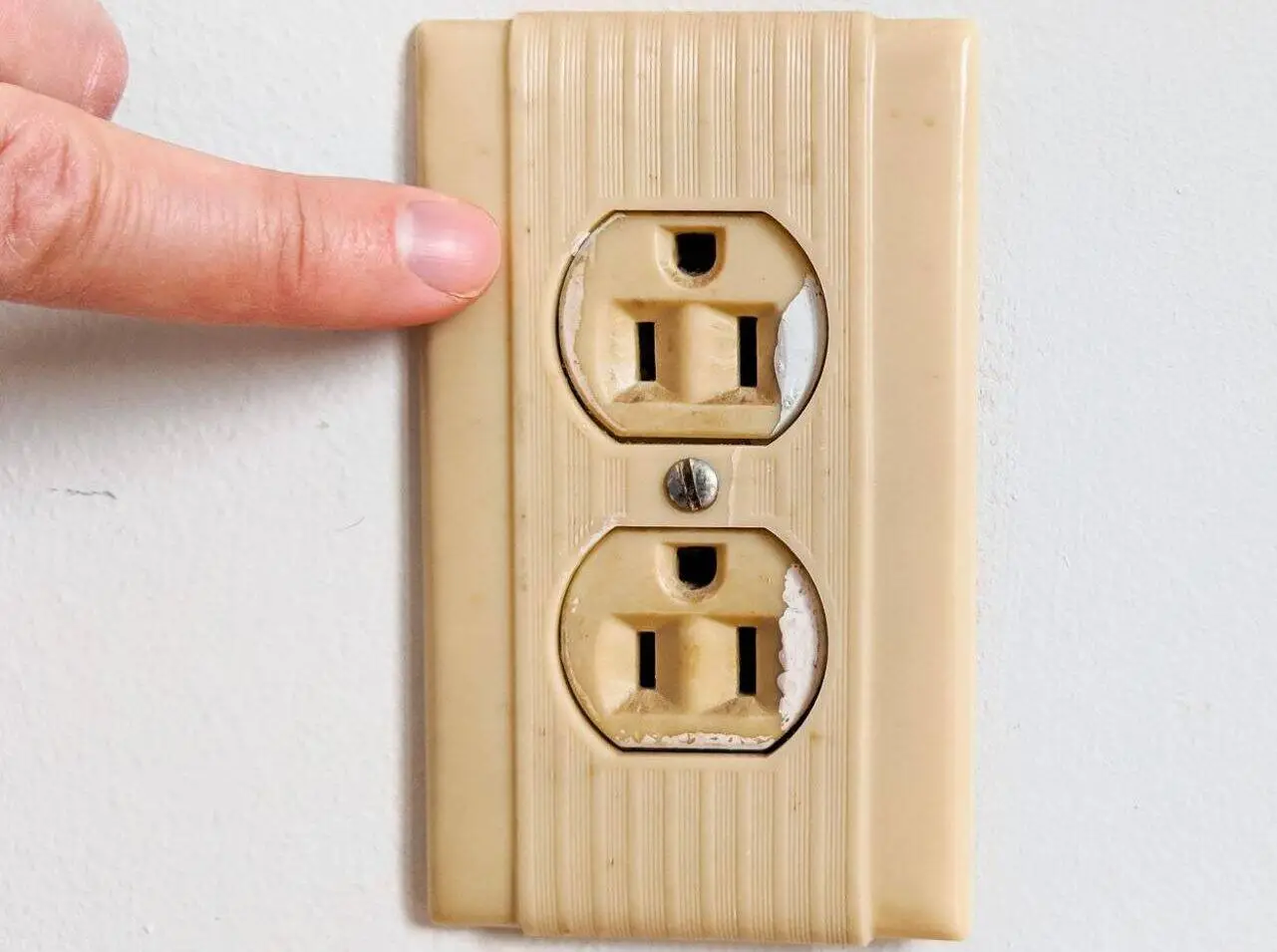
Outlets wear out. The spring tension inside the receptacle weakens over years of plugging and unplugging. When the plug prongs fit loosely, electricity can jump tiny gaps, which creates arcing and heat.
Clues:
- Plug feels loose or droops
- Sparks happen with multiple different devices
- Outlet face looks old, cracked, or discolored
What to do: Plan to replace the receptacle. A worn receptacle is not something you “live with.”
2) Loose wire connections
Electricity wants a tight, solid connection. If a hot wire, neutral wire, or ground is loose under a terminal screw, it can arc under load and create heat fast. This is one of the reasons a sparking outlet is taken seriously.
Clues:
- Buzzing or crackling, especially when a device runs
- Outlet works sometimes, then acts up
- Heat at the cover plate
What to do: Turn the breaker off and have the outlet pulled and re-terminated properly. If you are not comfortable working inside electrical boxes, call an electrician. Loose connections are a common cause of outlet damage and can lead to fire.
3) Backstabbed wiring
Some outlets allow “backstabbing,” where the wire is pushed into a hole in the back instead of wrapped under a side screw. Backstabs can meet code in many areas, but in the real world they can be more failure-prone than screw or clamp terminations, especially on circuits that see higher loads or lots of heat cycling.
Clues:
- Intermittent power issues on the same outlet
- Sparking under load even with a decent-looking receptacle
- House has lots of builder-grade devices from the same era
What to do: When replacing the receptacle, use the side screws or the newer style clamp terminals (if your receptacle has them), not backstabs. A good electrician will typically re-terminate these connections the sturdier way.
4) Failing plug or appliance cord
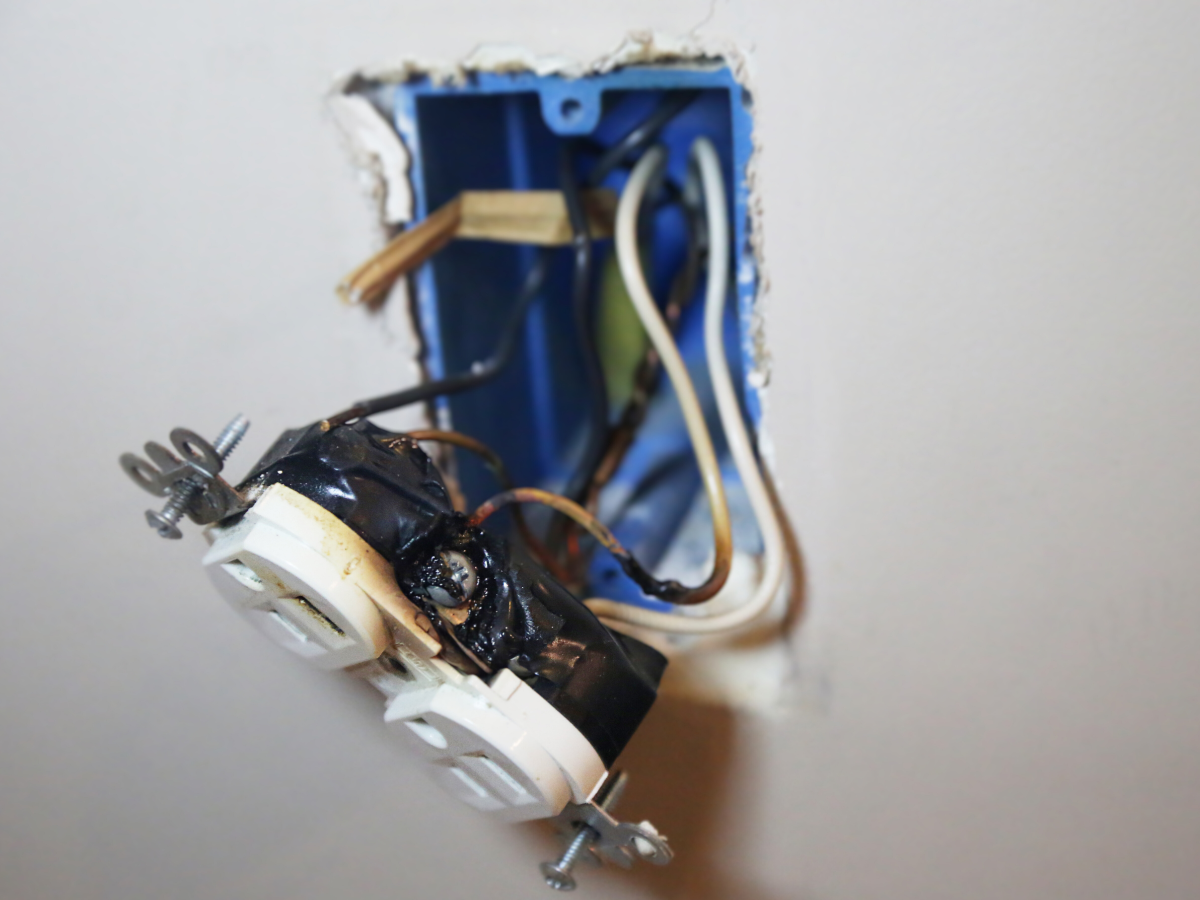
Sometimes the outlet is fine and the problem is the plug. A loose blade, scorched prong, cracked plug body, or damaged cord can arc when inserted.
Clues:
- Sparks only happen with one specific device
- You see pitting or dark marks on the plug prongs
- Cord feels warm near the plug
What to do: Stop using that device until the cord end is repaired or the device is replaced. Do not “wiggle it until it works.”
What you can do now
These checks keep you on the safe side of the line. No cover plate removal while energized. No working on live wiring.
Step 1: Swap the device and the outlet
- If only one device causes sparks, suspect the device plug or cord.
- If multiple devices cause sparks at the same outlet, suspect the receptacle or wiring.
Step 2: Check for a loose grip
With the device unplugged, insert a plug you do not mind using as a “test plug” and feel whether it is snug. If the plug feels sloppy, droops, or can work its way out easily, stop using that outlet. A loose-gripping receptacle is a common arcing setup.
Step 3: Look and sniff
This sounds silly until you have experienced it. A burnt outlet often smells like hot plastic or a faint electrical burn. Look for browning around the slots or on the faceplate.
Step 4: Reduce spark risk while you wait
If the outlet is not showing danger signs but you still notice a small flash, you can reduce the chance of seeing it by:
- Turning the device switch OFF before plugging in
- Plugging in firmly and straight, not slowly dragging the prongs across the contacts
- Avoiding high-draw devices (space heaters, window AC, hair dryers) on that outlet until it is evaluated
What an electrician checks
If you call a pro, this is typically what they do (and what you are paying for beyond “swap the outlet”):
- Inspect the receptacle for heat damage and loss of tension
- Check the terminations, including whether it is backstabbed, and re-terminate to screws or clamps as needed
- Verify grounding and polarity
- Check for signs of overheating in the box and on the conductors
- Confirm the circuit protection and whether an upstream issue is contributing
When to stop using it
If you take nothing else from this article, take this rule:
If the outlet shows heat, noise, burn marks, melting, or repeated sparking with normal use, stop using it and have the receptacle replaced.
In my own house, the “it still works” mentality has cost me time and money. Outlets are inexpensive compared to what a loose, arcing connection can do inside a wall.
Do not mix up issues
Sparking outlet is usually live
This article is about arcing at a powered receptacle when you insert or remove a plug. That is a different situation than an outlet that suddenly has no power.
Dead outlet is different
A dead outlet often points to a tripped breaker, a tripped GFCI upstream, or a loose connection that opened the circuit. That can still be serious, but the steps and risks are different than active arcing while plugging in.
Sparking switch is a switch problem
A mechanical light switch can make a tiny internal spark as contacts open and close under load, and you typically do not see it. A visible spark at the toggle, crackling sounds, or heat at the switch plate is abnormal and should be handled as a switch issue, not an outlet issue.
FAQ
Is it normal for an outlet to spark?
A single small spark right at insertion can be normal, especially with motors or devices that are switched on. Any repeated arcing, buzzing, heat, or burn marks is not normal.
Can a sparking outlet cause a fire?
Yes. Arcing and loose connections create heat. Heat inside an electrical box or wall cavity is a real fire risk. If you have warning signs, stop using the outlet and have it repaired.
Do AFCI or GFCI breakers help?
GFCI protection helps reduce shock risk, but it does not guarantee the outlet has tight, healthy connections. AFCI protection is designed to detect certain types of arcing faults and may trip if arcing is occurring, which is a clue something needs attention.
Should I replace the outlet myself?
If you are experienced, follow local code, and can shut off power and verify it is off with a proper tester, replacing a receptacle is a common DIY task. If any of that feels uncertain, hire an electrician. Sparking is not the time to learn electrical work by guessing.
Does a GFCI outlet change anything?
A GFCI provides shock protection, not a guarantee against poor connections or worn contacts. A GFCI that is hot, buzzing, or scorched should be replaced by a pro.
The 30-Second Cheat Sheet
Essential takeaways for: Outlet Sparks When You Plug Something In?
Know the difference
- Tiny, one-time flash as you plug in: can be normal, especially with motors or devices that are switched ON.
- Repeated sparking or arcing, especially after the plug is fully seated: not normal.
Stop using the outlet if you notice
- Buzzing, crackling, sizzling
- Warm or hot cover plate or plug
- Burn marks, melting, smoky smell
- Breaker tripping
Action: Unplug what you can safely, turn the breaker OFF, and leave it off until the receptacle is inspected and usually replaced.
Most likely causes
- Worn contacts inside an old outlet (plug feels loose)
- Loose connections on the outlet terminals
- Backstabbed wires that can loosen over time
- Damaged device plug or cord (sparks only with one appliance)
Safe checks you can do now
- Test a different device in the same outlet and the device in a different outlet.
- Look and sniff for discoloration or burnt plastic odor.
- Turn devices OFF before plugging in and plug in firmly, straight.
Important: do not mix up problems
- Sparking outlet: usually a live, arcing connection.
- Dead outlet: different troubleshooting path (breaker, GFCI, open connection).
- Sparking switch: treat as a switch issue, not an outlet issue.
💡 Tip: Scroll up to read the full article for detailed, step-by-step instructions.
⬆️ Back to top
About Marcus Vance
Content Creator @ Grit & Home
Marcus Vance is a lifelong DIY enthusiast and self-taught home renovator who has spent the last decade transforming a dilapidated 1970s ranch into his family's dream home. He specializes in budget-friendly carpentry, room-by-room renovations, and demystifying power tools for beginners. Through his writing, Marcus shares practical tutorials and hard-learned lessons to help homeowners tackle their own projects with confidence.