
🚨 In a DIY emergency or rush?
Skip the details and jump straight to our 30-second cheat sheet for the most crucial info.
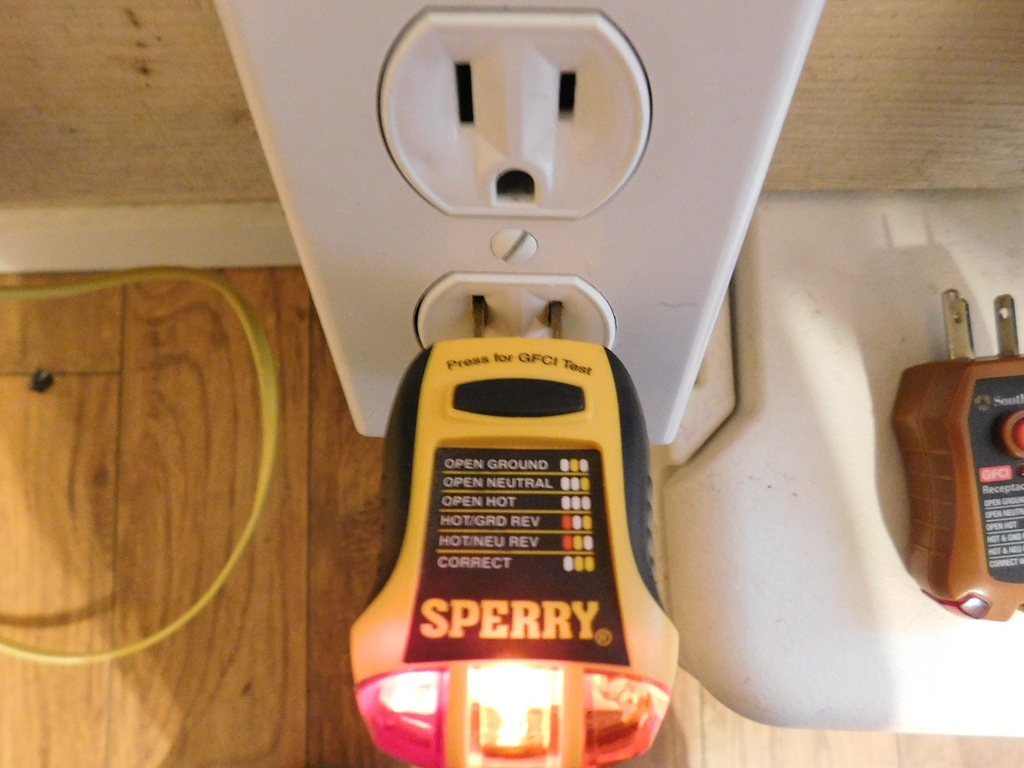
Why an outlet can work and still show “open ground”
If your plug-in outlet tester says open ground, but the outlet still runs a lamp, that can feel backwards. I remember the first time I saw it in our 1970s ranch, I assumed the tester was wrong because the light turned on just fine. It was not wrong.
Here is the simple version: the outlet has a hot and a neutral that complete the circuit, so your lamp runs. But the outlet is missing a reliable equipment grounding path. When the grounding path is present and low-impedance, it gives fault current a better way back to the source so a breaker is more likely to trip quickly on certain line-to-ground faults. If the grounding path is missing or poor, the breaker might not trip the way you would expect.
An open ground is common in older homes, especially where:
- There are older 2-wire cables with no ground conductor.
- Metal boxes and metal raceways were used, but the grounding continuity is broken somewhere.
- A 3-prong receptacle was installed on an ungrounded circuit without adding a real ground.
- Someone installed a bootleg ground, which is unsafe.
What “open ground” means on a plug-in tester
Most 3-light receptacle testers check a few basic wiring conditions by sensing voltage between hot, neutral, and ground. When you see “open ground,” it usually means the tester is not seeing a connection back to the panel ground on the ground slot (the round hole) of the receptacle.
Two important realities:
- These testers are helpful, not magical. They cannot detect every miswire, and some multi-fault situations can produce confusing results. For a true diagnosis, an electrician may use a meter, a two-pole tester, or additional tests to verify the grounding path.
- “Open ground” is not the same as “no power.” You still have an energized outlet. Treat it with the same respect you would any live receptacle.
First: quick safety and sanity checks
1) Confirm your tester is not the problem
Before you open anything up, do two quick checks:
- Plug the tester into a known grounded outlet in a newer part of the home (or one you know is grounded). Confirm it reads “correct.”
- If you have a second tester, compare results. They are cheap enough that I keep two in my electrical drawer after getting a flaky one years ago.
2) Identify where the problem shows up
Test a few outlets in the same room and nearby rooms. Patterns help:
- Only one outlet shows open ground: often a loose or missing ground connection at that box, or an upstream break where the grounding path depends on box-to-box continuity or a splice.
- A whole group shows open ground: often an older ungrounded branch circuit (2-wire cable) or a missing or broken grounding path for that circuit.
3) Know when to stop and call for help
Call a licensed electrician promptly if you see any of these while investigating: brittle cloth wiring, scorched insulation, aluminum branch-circuit wiring you are not familiar with, crowded boxes with multiple mystery splices, or you are unsure what you are looking at. An open ground is common, but the fixes need to be correct.
Common causes of an open ground
Cause A: Old 2-wire cable
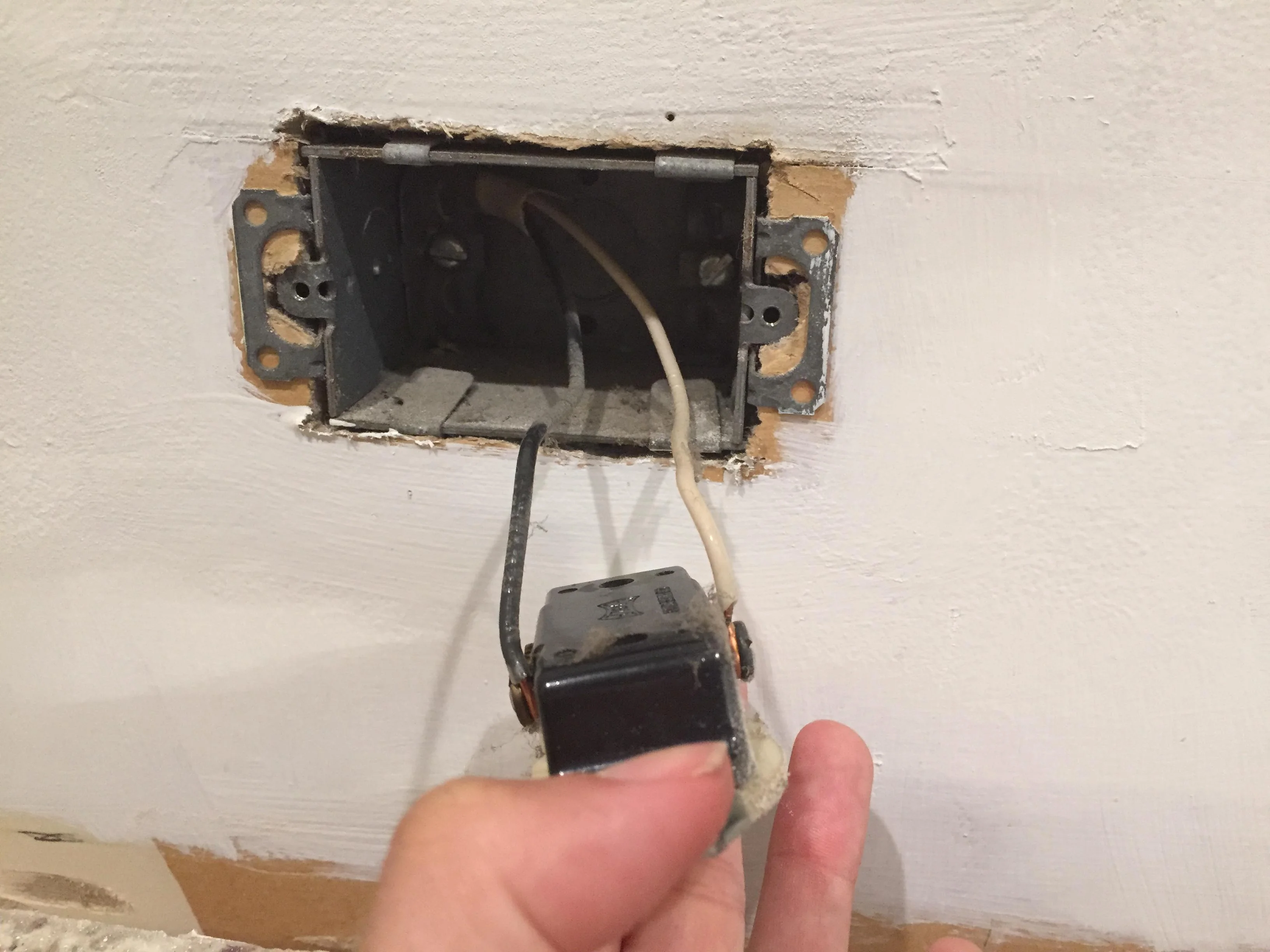
Many older circuits were run with only two conductors: hot and neutral. If that is what you have, there may be no grounding conductor present to connect.
Clues this is likely:
- Other outlets on that circuit also test open ground.
- Older wiring methods show up elsewhere in the house.
- You see a cable entering the box with only two insulated conductors and no bare or green grounding conductor.
Cause B: Ground wire present but not connected
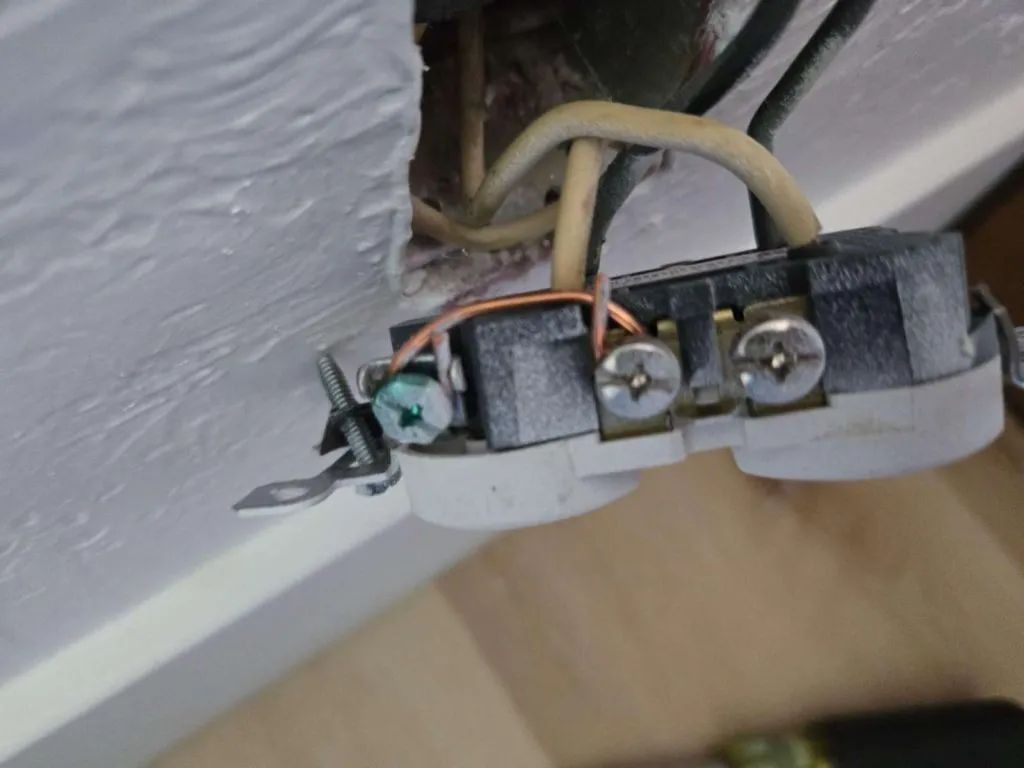
This one is surprisingly common in DIY-heavy houses. The cable may include a bare copper (or green) grounding conductor, but it is not actually bonded to the receptacle and the box correctly.
Typical mistakes:
- The bare ground is shoved in the back of the box and never attached.
- The ground is attached to the metal box but not to the receptacle (or vice versa).
- Multiple grounds are present but not tied together with a proper splice and pigtail.
Cause C: Metal box or raceway system with broken continuity
In some homes, the metal box and metal raceway system can serve as the equipment grounding path, but only when the system is designed and installed to do that and all the fittings stay bonded. If a tester shows open ground, you might have a break somewhere, like a loose fitting, corrosion, paint build-up, or a box that is not actually bonded the way you think.
Also worth knowing: not every older “metal cable” setup provides a reliable ground. Some older armored cable can look like it should ground the box, but still fail a continuity test if the bonding method is missing or compromised.
Cause D: Bootleg ground
A bootleg ground is when someone connects the receptacle ground screw to the neutral terminal, or ties ground to neutral in the receptacle box to trick a tester into reading “correct.”
This is unsafe and not an acceptable fix. It can put neutral current onto grounding paths and can energize metal parts under certain fault conditions. It can also create confusing or dangerous behavior with protection devices, including GFCIs, depending on how and where it is tied.
What to do next
Once you know whether there is an actual grounding conductor or a legitimate grounding path in play, the right fix usually becomes obvious. In general, you have three responsible paths forward.
Option 1: Repair an existing ground
If the cable has a grounding conductor and it is simply loose or not bonded, the fix is usually straightforward for an experienced DIYer: restore a continuous ground path by bonding the metal box (if present) and adding a proper ground pigtail to the receptacle.
Key points I follow every time:
- Turn off the breaker and verify power is off with a non-contact tester first, then confirm with a meter or approved two-pole tester.
- If multiple ground wires exist, splice them together with an approved connector and add a pigtail to the device.
- If it is a metal box, bond the grounds to the box with a proper grounding screw or listed clip, then pigtail to the receptacle.
If you are not comfortable making up splices in a tight box, this is a good call-an-electrician moment. A correct ground is worth doing right.
Option 2: Add GFCI protection
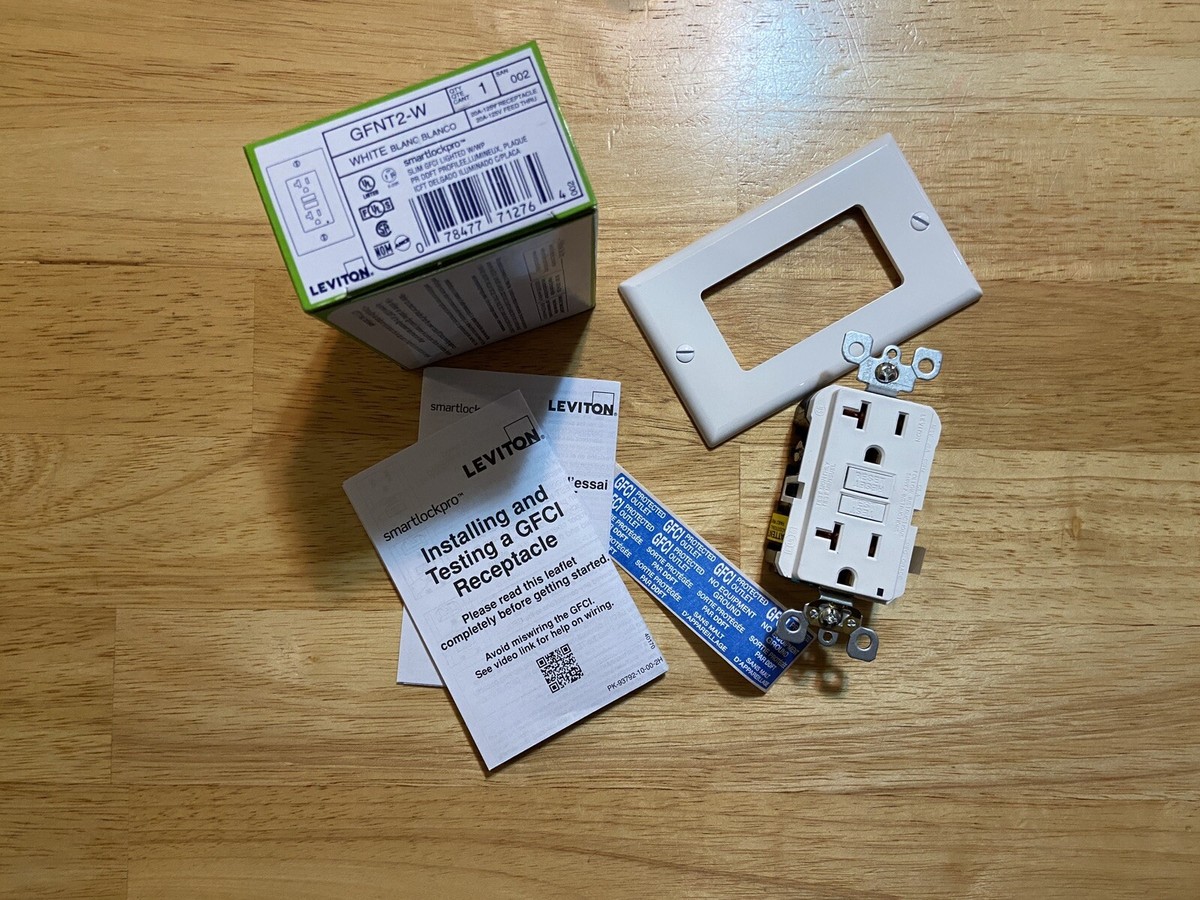
If you truly have no equipment ground available at that location, many jurisdictions allow you to replace the receptacle with a GFCI receptacle or protect it with a GFCI device upstream. This does not create a ground, but it does provide shock protection by tripping when it detects a ground-fault imbalance.
Important details homeowners miss:
- A GFCI on an ungrounded circuit will often still test as open ground on a simple 3-light tester. That is normal.
- The receptacle should be marked No Equipment Ground and, if applicable, GFCI Protected according to your local rules and the device instructions.
- Surge protectors and some equipment that expects a true ground may not behave as intended, even though the outlet is safer from a shock standpoint.
Option 3: Upgrade the grounding the right way
If the outlet serves sensitive electronics, a workshop, a freezer, or anywhere you want modern grounding reliability, the gold standard is running a new properly grounded circuit back to the panel.
In some situations, it may also be possible to run a properly sized equipment grounding conductor back to an approved grounding point, but the rules on where it can go and how it must be routed depend on your local code and the wiring method in your home. This is one of those areas where a licensed electrician can keep you out of trouble fast.
What not to do
- Do not bootleg the ground by tying neutral to ground at the receptacle.
- Do not connect a ground wire to random metal like a gas pipe or an unknown water pipe. “It is metal” is not a plan.
- Do not assume a metal box is grounded just because it is metal.
- Do not rely on a plug-in tester alone to prove correct grounding on older wiring.
- Do not ignore the outlet if it feeds important appliances or your workshop tools. An ungrounded circuit is a safety and equipment-risk conversation, not just a tester annoyance.
Basic troubleshooting flow
Here is the sequence I use to keep things organized and avoid chasing my tail:
- Verify the tester on a known good grounded receptacle.
- Map the pattern by testing nearby receptacles.
- Turn off power at the breaker to the affected circuit.
- Confirm it is off with a non-contact tester, then a meter or two-pole tester.
- Open the receptacle box and check whether a ground conductor exists and is attached.
- If a ground exists, correct the bonding and pigtails.
- If no ground exists, decide between a GFCI solution (with proper marking) or upgrading the wiring.
FAQ
Is an open ground immediately dangerous?
It can be. Many devices will still operate normally, but you are missing an important safety path for certain fault conditions. For anything with a metal body, three-prong plug, or used in a damp area, take it seriously.
Why does my surge protector show “not grounded”?
Most surge protectors need a real equipment ground to shunt surges properly. If the outlet is ungrounded, the surge protector may still power devices but offer reduced protection, and its indicator light may warn you.
Can I just swap in a 3-prong outlet on a 2-wire circuit?
Not as a fix by itself. A 3-prong receptacle implies an equipment ground exists. If there is no ground, you need an approved solution such as GFCI protection with proper marking, or you need to add a grounding path using approved methods.
Will a GFCI fix the open ground reading?
No. A GFCI improves shock protection, but it does not create an equipment ground. Many plug-in testers will still read open ground even when the outlet is GFCI-protected. Use the GFCI test button and follow device instructions for verification.
The 30-Second Cheat Sheet
Essential takeaways for: Outlet Tester Shows Open Ground: What to Do
What “open ground” means
- Your outlet has hot and neutral, so a lamp can still work.
- The tester is saying the equipment grounding path is missing or broken.
Do this first
- Test your outlet tester on a known grounded receptacle.
- Check a few nearby outlets to see if it is one outlet or a whole circuit.
Most common causes
- Old 2-wire circuit with no ground conductor.
- Loose or missing ground connection in the box.
- Broken grounding continuity in a metal box or raceway system designed to be the ground path.
- Bootleg ground (neutral tied to ground), which is unsafe.
Safe, acceptable fixes
- Best: Restore a real ground by properly bonding the box and receptacle if a grounding conductor exists.
- Often allowed: Install GFCI protection on an ungrounded circuit (does not add a ground). Mark it as No Equipment Ground per device instructions and local rules.
- Most complete: Run a new grounded circuit back to the panel or a properly grounded point.
Do not do this
- Do not create a bootleg ground by tying neutral to ground at the receptacle.
- Do not connect a “new ground” to random metal like gas pipe or an unknown water pipe.
- Do not assume a metal box is grounded just because it is metal.
💡 Tip: Scroll up to read the full article for detailed, step-by-step instructions.
⬆️ Back to top
About Grit
Content Creator @ Grit & Home
Grit is Grit & Home’s little blue clay courier, delivering big questions about the place you call home. Expect practical ideas, a raised eyebrow, and a satchel full of curiosity.