
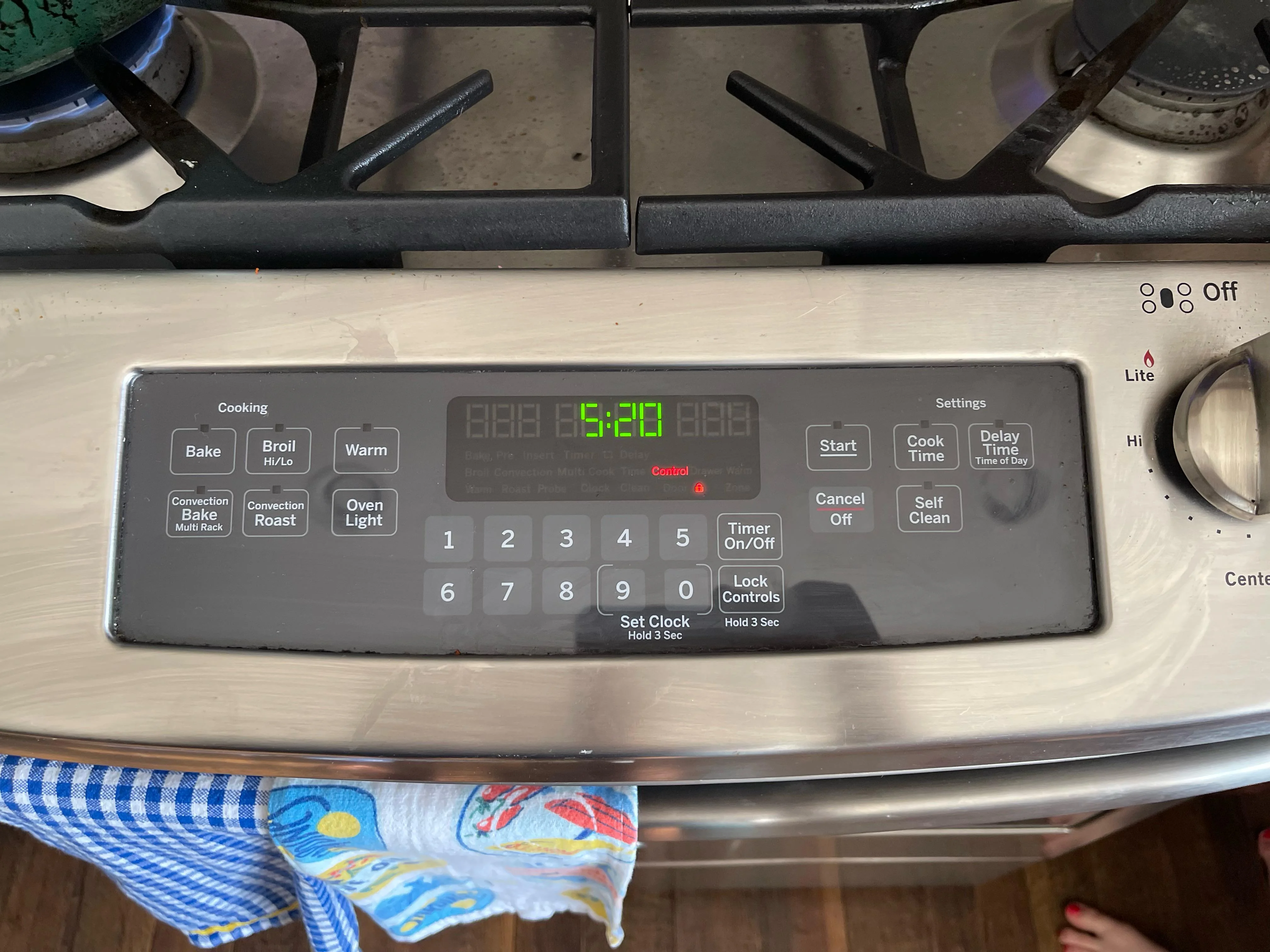
If an oven will not turn off, treat it like a small emergency. I know that sounds dramatic, but uncontrolled heat can damage wiring, warp components, and in the worst case create a fire risk. The good news is that many runaway-oven situations follow a predictable pattern, and there are a few safe checks you can do before you spend money on a service call.
This page focuses on ovens that keep heating or will not stop. If your problem is the opposite, an oven that will not heat, that is a different troubleshooting path.
Do this first: shut it down safely
Your first job is to stop the heat source. Do not rely on the Off button alone if the oven is clearly still heating.
Electric oven or electric range
- Turn the oven off at the control (dial or keypad), then confirm the heating actually stops. If it does not stop, move to the next step.
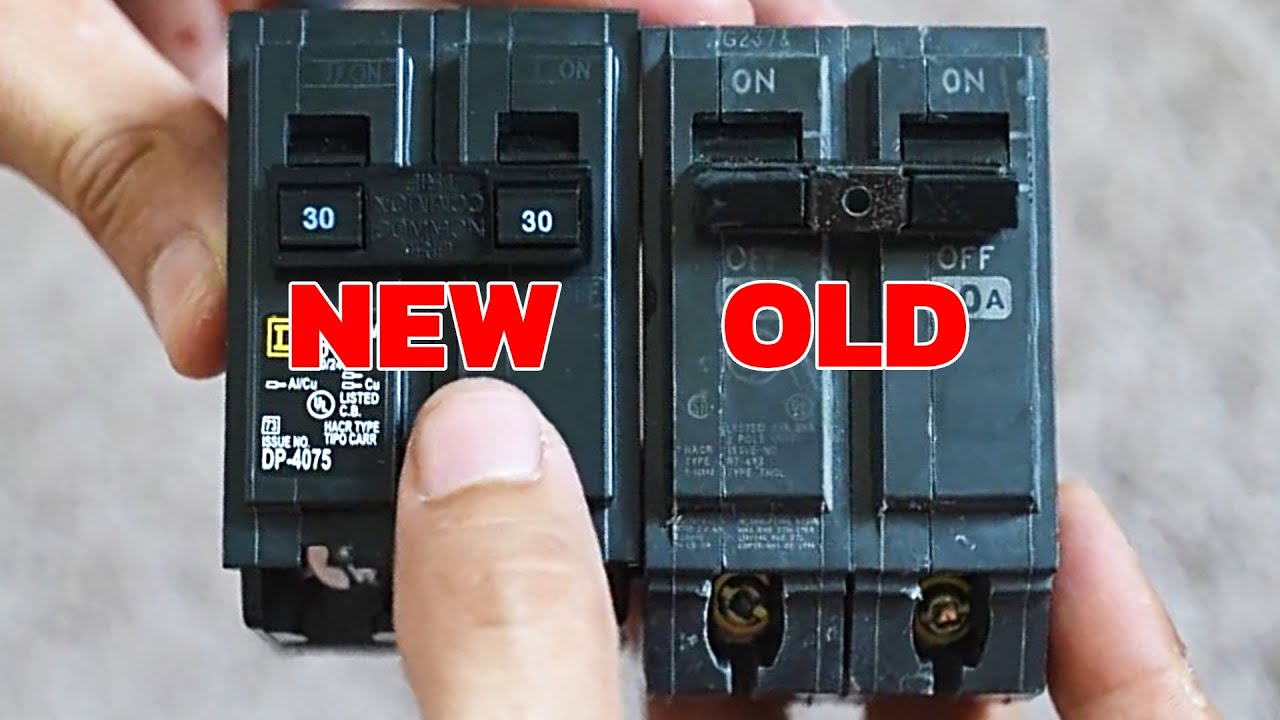
- Flip the breaker off for the range at your electrical panel. Many ranges are on a 240V double-pole breaker.
- Leave the door closed if you see smoke or smell burning. Cutting power is the priority. If there is active fire, use an extinguisher and call emergency services.
Gas oven (with gas burners and a gas oven)
- Turn the oven control to Off. If the oven keeps heating or you smell gas, do not keep experimenting.
- Unplug the range from the 120V wall outlet if you can do it safely. This kills power to the electronic controls and igniter system and is often the fastest way to stop a control-related heat call without pulling a hot stove out.
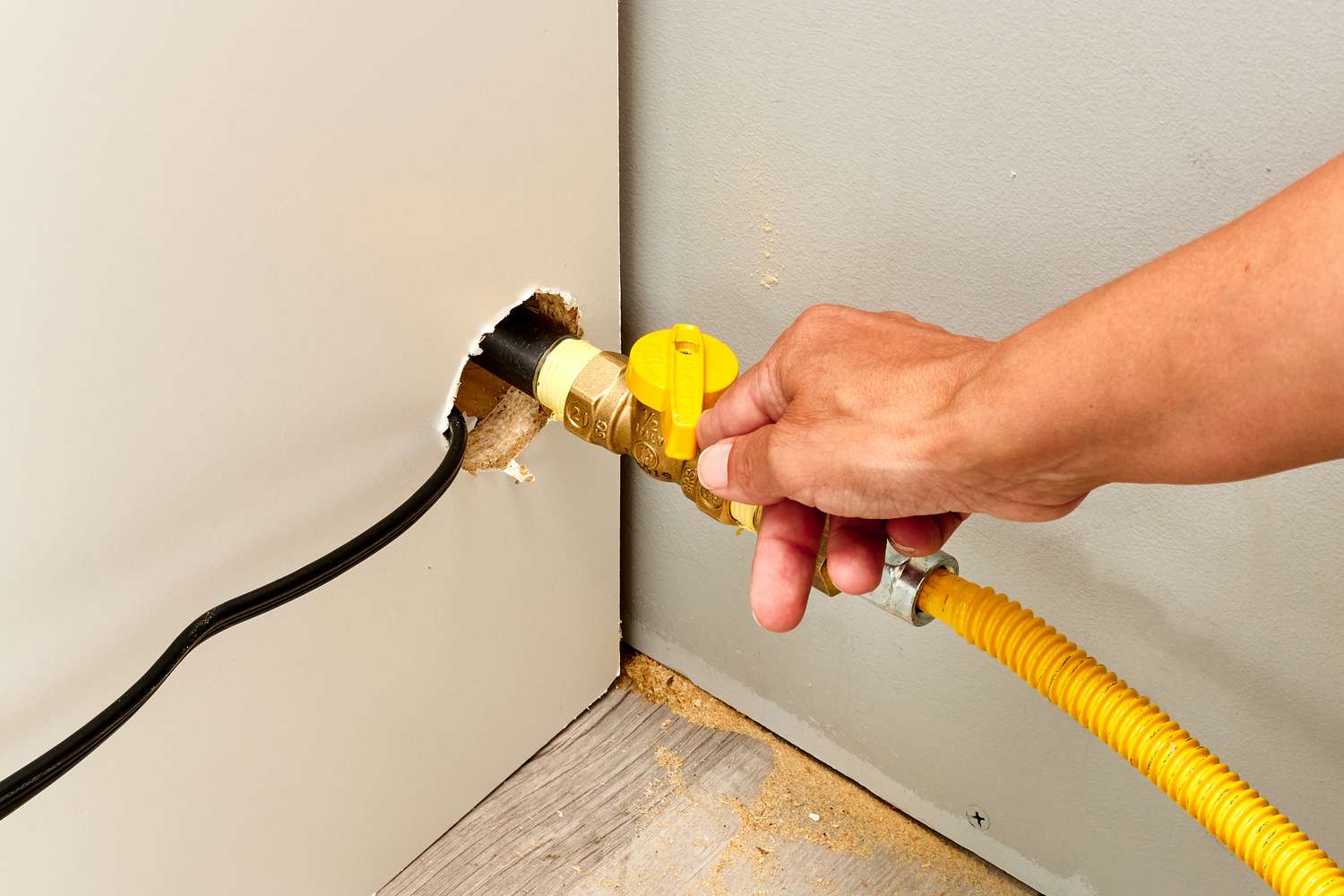
- Shut off the gas supply valve to the range. It is usually a lever valve behind the unit. Turn the lever a quarter turn until it is perpendicular to the pipe.
- Ventilate if you smell gas: open windows, avoid switching electrical devices on or off, and leave the home if the odor is strong.
Safety line in the sand: If you smell gas, see soot, hear a loud whoosh, see sparking, or notice melted knobs or wiring, stop here and call a pro.
Quick triage: what does “won’t turn off” mean?
Pinning down the symptom helps you avoid chasing the wrong part.
- The oven keeps heating with the control set to Off: often a stuck relay on an electronic control board (electric), a grounded heating element (electric), or a mechanical thermostat issue on older units.
- The display is off but the oven is still heating: strong sign of a welded relay feeding the heating element, or a grounded element that is finding a path to chassis ground.
- The oven turns off eventually, but wildly overshoots temperature: often a bad temperature sensor probe (common), poor sensor connection, or control calibration issue.
- Only the broil element stays on: can be a stuck broil relay, a shorted element, or a control board problem.
- Gas oven flame stays on continuously: do not keep testing. Shut off gas and get service. A faulty gas valve or control issue is not a casual DIY repair.
Common cause #1: stuck relay or control board (electric)
On many modern electric ovens, the bake and broil elements are switched by relays on an electronic control board. If a relay “welds” closed, it can keep sending power to the heating element even when the oven is off.
Clues that point to a stuck relay
- The oven keeps heating after you press Off.
- It may heat even with the display blank or “off.”
- You might smell hot metal or notice the oven getting hotter than the setpoint.
- In some cases you can hear a faint clicking from the control area, but silence does not rule it out.
What you can do safely: keep the breaker off, let the oven cool, then gather model information for service or parts lookup. Control boards and relays are not impossible for experienced DIYers, but if you are new to appliance work, this is usually a “call it in” moment because it involves live 240V circuits and correct wiring placement.
Common cause #2: grounded or shorted heating element (electric)
This is a big one, and it can look like “the oven has a mind of its own.” In many US electric ranges, one leg of 120V power can be present at the heating element even when the oven is Off. If the outer sheath of the bake or broil element cracks and the inner coil shorts to the metal chassis (ground), it can complete a 120V circuit and heat continuously, even if the control board and relays are doing their job.
Clues that point to a grounded element
- The oven heats with the controls Off, and it may not respond normally to settings.
- You see a bright red glow from an element that should not be on.
- You notice blistering, cracks, pits, or a burn mark on the element, sometimes where it passes through the back wall.
- The issue may come and go as the element heats and shifts.
Safe checks you can do
- Kill power at the breaker and let the oven cool fully.
- Visually inspect the bake and broil elements for cracks, bubbles, separated spots, or places where the element looks burned through.
- If you see obvious damage, do not use the oven until the element is replaced. This is one of those fixes that can go from “weird” to “dangerous” fast.
DIY-friendly note: Replacing a heating element is often straightforward once the oven is powered down, but if you are not comfortable confirming power is truly off or you cannot access the mounting points cleanly, it is reasonable to hand it to a technician.
Common cause #3: temperature sensor probe problems
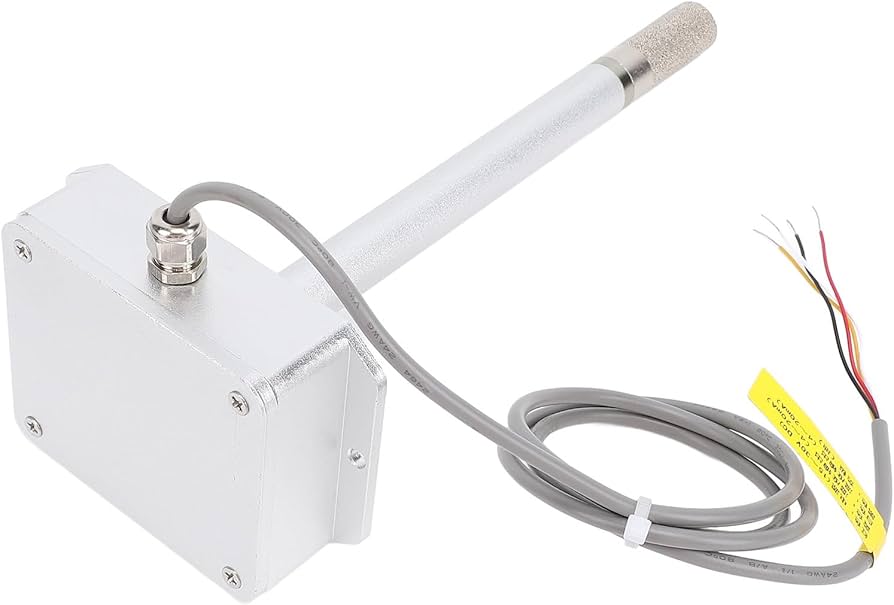
If your oven overshoots the set temperature or behaves like it is confused, the temperature sensor probe is a prime suspect. Many ovens use a thin metal probe inside the oven cavity, usually on the back wall. If the sensor reads wrong, the control can keep calling for heat longer than it should.
Signs of a sensor issue
- The oven runs hotter than the setting by a lot, sometimes 50°F to 100°F or more.
- Temps swing wildly and food burns even on familiar settings.
- You may see an error code on some models (codes vary by brand).
Safe checks you can do
- Inspect the probe for obvious damage, heavy corrosion, or a loose mounting screw.
- Check the connection if accessible: on many ovens, the probe disconnects via a plug behind the probe mounting. With power off, you can gently pull the probe forward a couple inches and confirm the connector is seated.
- Use an oven thermometer to confirm actual temperature versus the set temperature. This does not fix the issue, but it tells you whether you are chasing a control problem or a true sensor reading problem.
DIY-friendly note: Replacing a sensor probe is often one of the more approachable oven repairs, as long as you fully disconnect power first and you can reach the connector without tugging on wires you cannot see.
Common cause #4: knob and mechanical thermostat issues (older)
Older ranges often use a mechanical thermostat behind the temperature knob. If the knob is cracked, installed wrong, or the thermostat shaft is damaged, you can end up in a situation where “Off” is not truly off.
What to look for
- Loose, wobbly, or cracked knob, especially if it has been removed for cleaning.
- The pointer on the knob does not line up with the markings.
- You have to “hunt” for Off by twisting past it.
Safe things to try
- Remove the knob and inspect it for cracks or stripped plastic.
- Re-seat the knob firmly, aligned correctly, and test again after restoring power or gas.
- If the oven still will not shut off, the internal thermostat or valve may be failing. At that point, shut it down and schedule service.
Gas-specific cautions
Gas ovens are safe when they are working correctly, but a runaway or non-stopping gas oven is not a “keep poking at it” situation.
- If you smell gas, shut off the gas valve, ventilate, and call your gas company or a licensed technician.
- Unplugging the range is a smart first move for many electronic ignition models because it removes power to the controls and ignition system. Then shut off the gas valve.
- Do not attempt to disassemble a gas valve or adjust internal regulators. Those are precision parts.
- Watch for soot around the oven burner area or unusual flame behavior. Soot can indicate incomplete combustion and needs professional attention.
- Electronic ignition models still have electrical components. If the oven will not stop heating, you may be dealing with a control fault that is commanding the gas valve.
When to stop and call
I love DIY, but I love safe DIY more. Call a pro if any of these are true:
- You cannot confidently identify the correct breaker, or the breaker does not shut the unit down.
- The oven heats with the controls off, especially if the display is off.
- You see sparking, melted wiring, or smell electrical burning.
- You suspect a cracked, shorted, or grounded heating element.
- You smell gas, see soot, or suspect a gas valve issue.
- Your range is under warranty. Opening panels can complicate coverage.
What to tell the technician
This is the thrifty homeowner move that saves time and sometimes a second trip fee.
- Brand and model number (photo the sticker, often inside the door frame or storage drawer area).
- Fuel type: electric, gas, or dual-fuel.
- Exact symptom: “heats with control set to Off,” “broil stuck on,” “overshoots by 100°F,” “element glows red when oven is Off,” etc.
- Any error codes and when they appear.
- What you already tried: breaker off, unplugged range, gas valve off, re-seated knob, inspected element, checked sensor connection.
My rule for runaway heat
On my own 1970s ranch renovation, I have learned to separate “annoying” from “unsafe.” An oven that will not turn off lands in the unsafe bucket. Shut it down at the source, let everything cool, and then troubleshoot with a clear head. If the likely fix points to relays, boards, damaged elements, or gas controls, it is usually money well spent to bring in a qualified tech.

About Marcus Vance
Content Creator @ Grit & Home
Marcus Vance is a lifelong DIY enthusiast and self-taught home renovator who has spent the last decade transforming a dilapidated 1970s ranch into his family's dream home. He specializes in budget-friendly carpentry, room-by-room renovations, and demystifying power tools for beginners. Through his writing, Marcus shares practical tutorials and hard-learned lessons to help homeowners tackle their own projects with confidence.