
🚨 In a DIY emergency or rush?
Skip the details and jump straight to our 30-second cheat sheet for the most crucial info.
Pill bugs and sow bugs are the kind of “bug problem” that feels worse than it is. You spot a few little armored critters in the basement, garage, or by the back door, and your brain immediately jumps to “infestation.” The good news is this: these guys are usually accidental indoor guests. They are not looking for your pantry, your clothes, or your bed, and they do not bite.
They want moisture and decaying plant material. So the fix is less about spraying and more about changing the conditions around your home so they cannot thrive inside and cannot easily wander in.
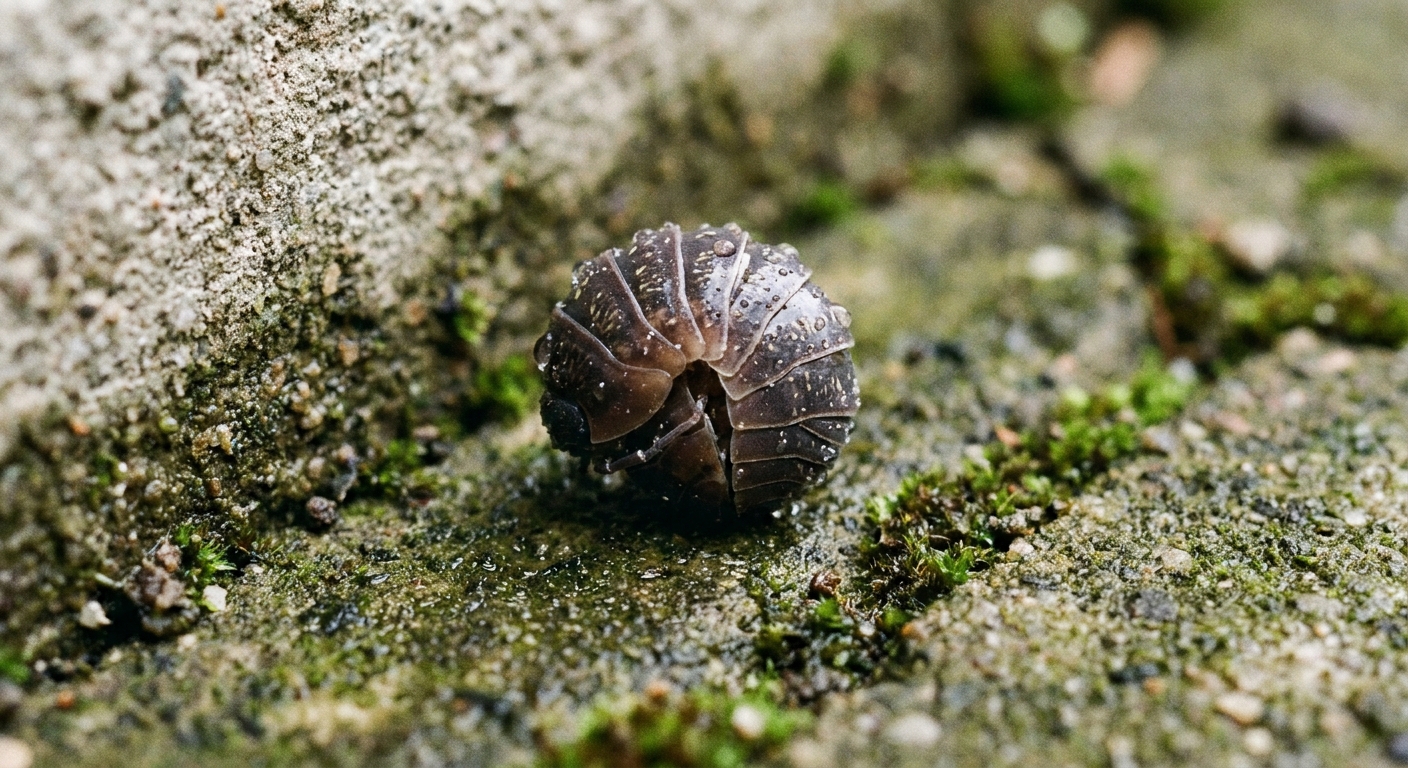
Pill bug vs. sow bug: quick ID
These two get lumped together because they look similar and they show up for the same reason. They are both isopods (more closely related to shrimp than to insects). They breathe using gill-like structures that need to stay moist, which is why dry indoor air is rough on them.
Pill bugs (roly-polies)
- Can roll into a tight ball when disturbed.
- Often slightly more dome-shaped.
- Common around mulch beds, stones, and damp edges near the house.
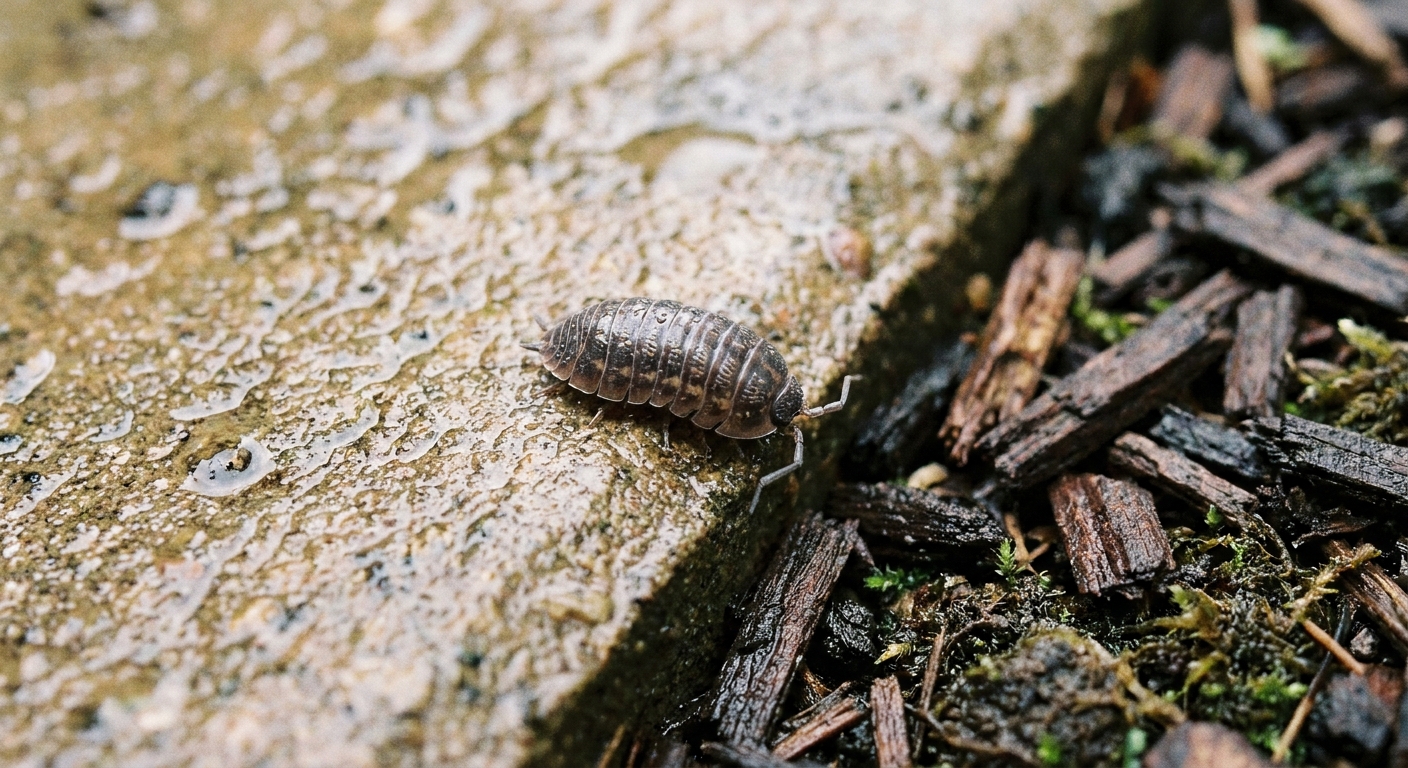
Sow bugs
- Cannot roll into a ball. They stay more flat and may scurry away.
- Often have more obvious rear “tail” appendages (two little points at the back).
- Also common under leaf litter, boards, and pots.
If you are not sure which you have, treat them the same. The control plan is nearly identical.
Why they show up inside
Here is the part most homeowners miss: pill bugs and sow bugs rarely establish breeding populations indoors unless conditions are very damp and there is consistent food (like wet cardboard, organic debris, or chronic moisture). When you find them inside, it is usually because outdoor habitat is perfect and your home has easy access plus damp hiding spots.
Common reasons I see in real homes
- Mulch or soil touching the wall, especially thick mulch piled high.
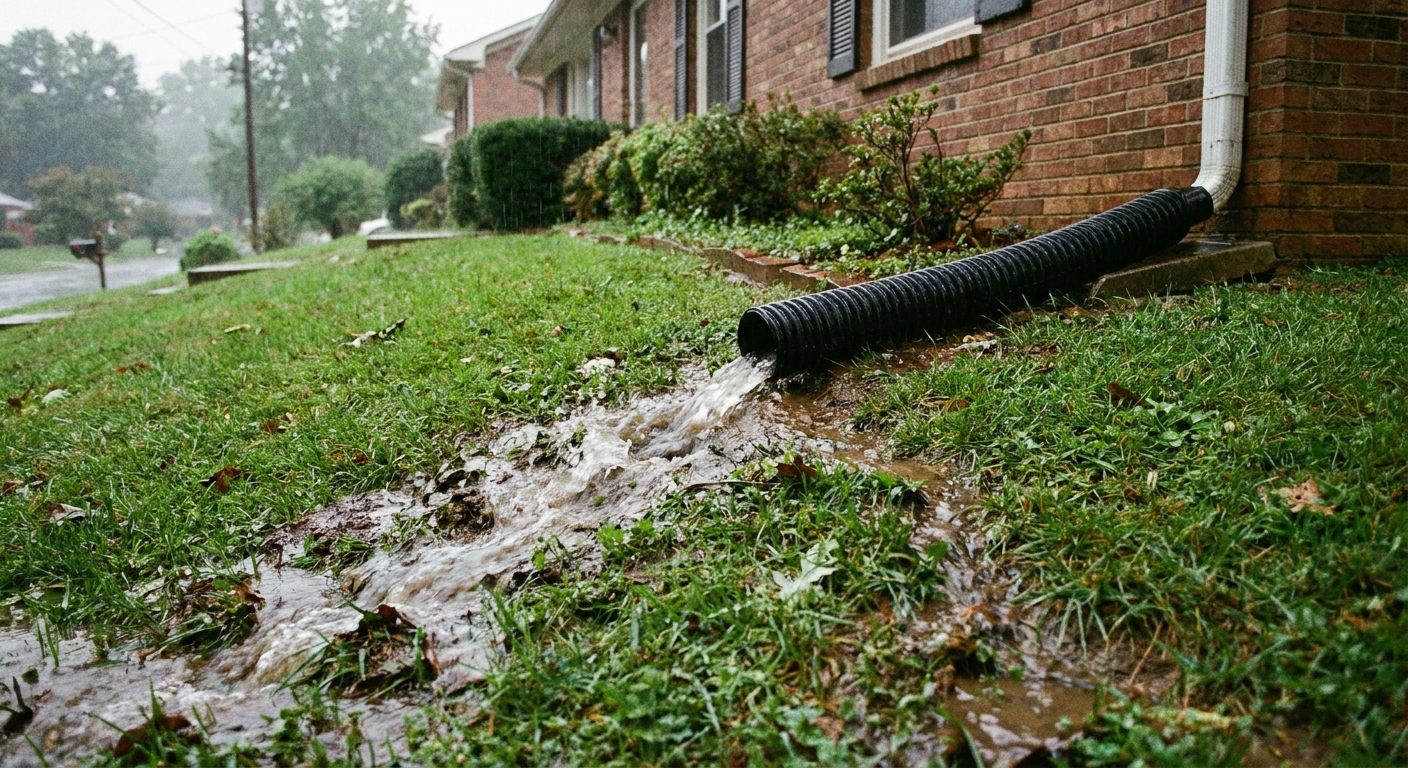
- Constantly wet zones near the house: leaky spigots, downspouts dumping at the base of the wall, clogged gutters.
- Landscape beds shaded and overwatered, keeping the perimeter damp.
- Gaps at doors, garage thresholds, weep holes, utility penetrations, or cracked/broken weatherstripping.
- Indoor moisture in basements and crawl spaces: condensation, poor ventilation, minor seepage.
One important reality check: if you see a bunch of them after heavy rain, that is often a “forced migration” moment. Their outdoor hiding spots flood, and they go exploring for higher and drier ground.
Start here: dry it out
If you do nothing else, do these moisture steps. In my experience renovating an older ranch, moisture control is what turns this from a recurring annoyance into a long-lasting fix.
1) Fix roof runoff
- Clean gutters so they do not overflow along the base of the house.
- Make sure downspouts discharge at least 4 to 6 feet away from the house. Go farther if you have flat grades, heavy clay soil, or water that still pools.
- Correct any downspouts that dump right into mulch beds against the wall.
2) Fix the “always damp” plumbing spots
- Hose bibs/spigots: repair drips and replace worn washers.
- AC condensate lines: ensure they drain away from the house, not into the same corner over and over.
- Irrigation overspray: aim sprinklers away from siding and the base of the wall.
3) Check grading
- If possible, make sure soil slopes away from the house. A common target is about 6 inches of drop over the first 10 feet, but local conditions vary.
- Low spots next to the wall that hold water are basically isopod resorts. Fill and re-slope as needed.
4) Dehumidify indoor spaces
- Basements: run a dehumidifier and aim for 40% to 50% RH.
- Crawl spaces: fix standing water, then consider a ground vapor barrier and improved venting or encapsulation (bigger topic, but moisture control matters here).
- Vent bathrooms and laundry properly, especially if you see condensation on windows or pipes.
Fix outdoor habitat: mulch contact
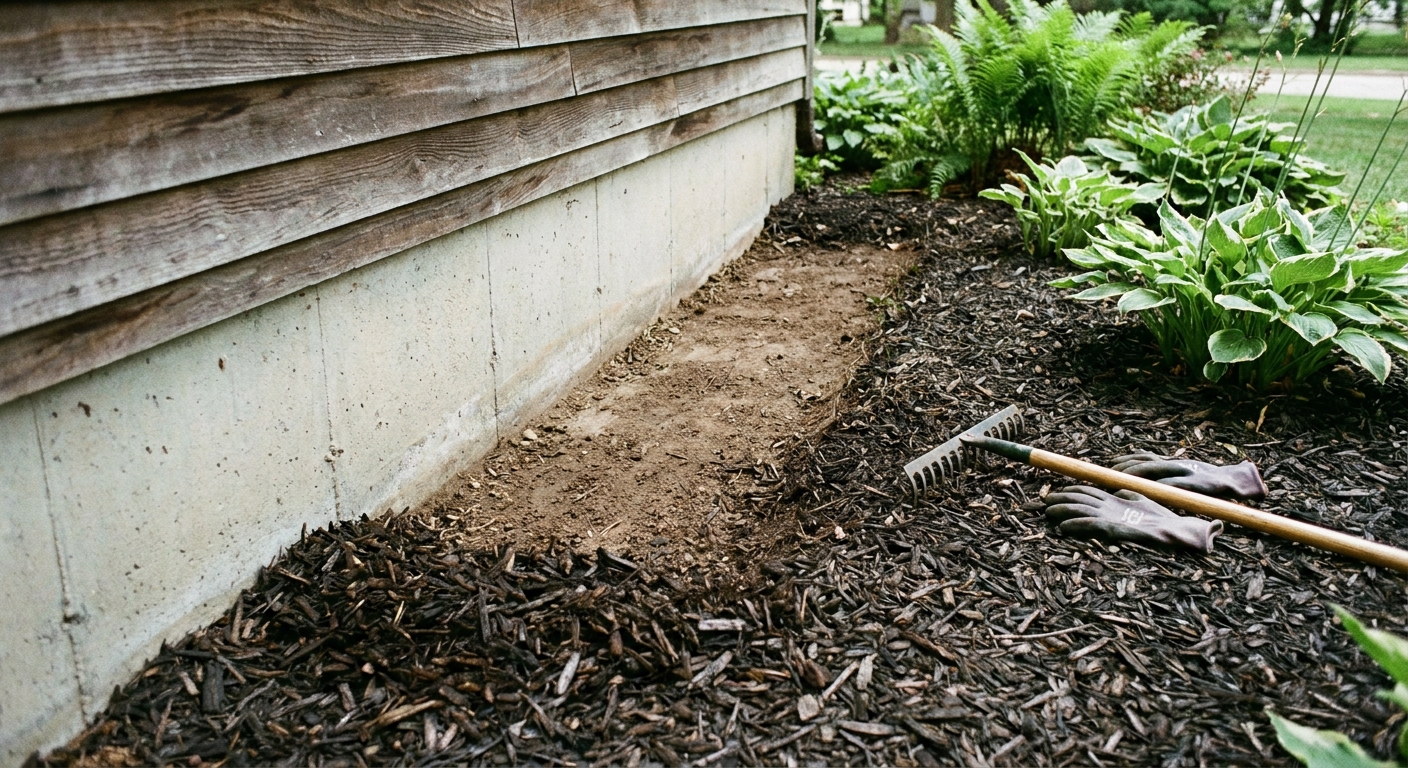
This is the most underrated step. Pill bugs and sow bugs love the cool, damp zone created when mulch is piled right up to the wall. You are basically building them a shaded, moist apartment complex with a front door into your house.
What to do
- Pull mulch back 6 to 12 inches from the wall and keep that strip clear.
- Keep mulch depth reasonable: 2 to 3 inches is plenty for most beds.
- Rake out wet leaf litter and decaying debris near the wall.
- Store firewood and lumber off the ground and away from the house (at least several feet).
My budget-friendly “dry border” trick
After pulling mulch back, I like a narrow strip of gravel or stone along the edge. It drains better than mulch, dries faster, and makes the area less inviting. It also gives you a clean inspection line where you can quickly spot gaps or termite tubes.
Seal entry points (without trapping moisture)
You do not need to turn your home into a submarine, but you do want to block the obvious highways. Think like a bug that hugs edges and hides in cracks.
High-impact places to check
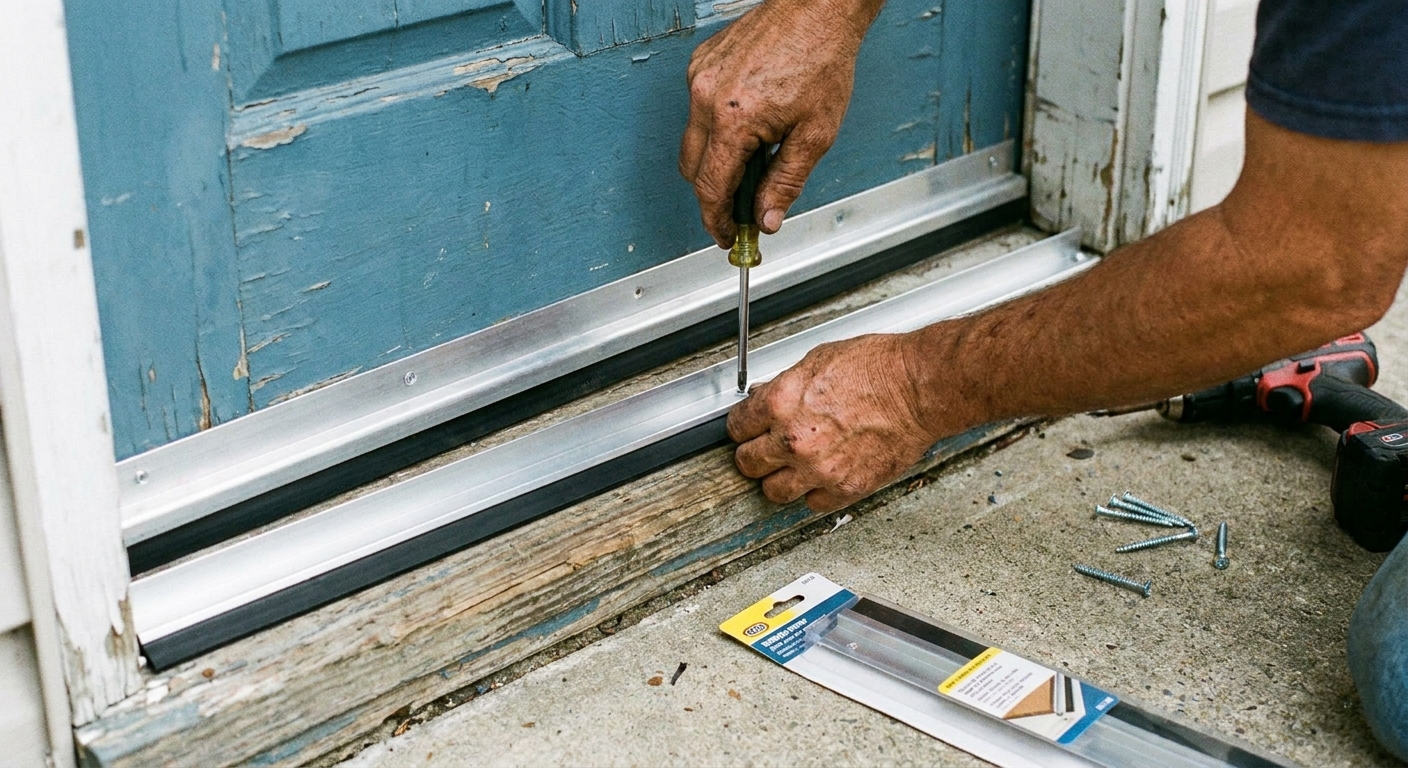
- Door sweeps and weatherstripping, especially at exterior doors and the garage service door.
- Garage threshold gaps and the bottom corners of the door opening.
- Utility penetrations: around hose bib lines, AC line sets, cable, and conduit.
- Cracks in foundation walls and gaps where siding meets masonry.
- Window wells: leaf buildup and gaps around frames.
Materials that work well
- Exterior-grade silicone or polyurethane caulk for small gaps.
- Backer rod first, then caulk, for wider cracks.
- Expanding foam for larger utility gaps (use it neatly and trim flush).
- Door sweep replacement if you can see daylight at the bottom of the door.
Note: If you have a brick home with weep holes, do not seal them shut. Those holes are there for drainage. If pest entry is a concern, look for weep hole covers or inserts designed to allow airflow and drainage while discouraging insects. Then focus on reducing moisture and sealing other gaps.
Get rid of the ones you see
Once the moisture and entry issues are being corrected, indoor sightings usually drop off fast. For the ones you are already seeing:
- Vacuum them up (quickest and cleanest). Empty the canister or bag right away.
- Reduce hiding spots: cardboard on basement floors, piles of damp rags, and clutter near walls.
- Dry the area: run a fan for a day or two if a corner is staying damp.
Traps that can help
Traps are not the long-term solution, but they are useful for knocking down numbers while you fix the real cause.
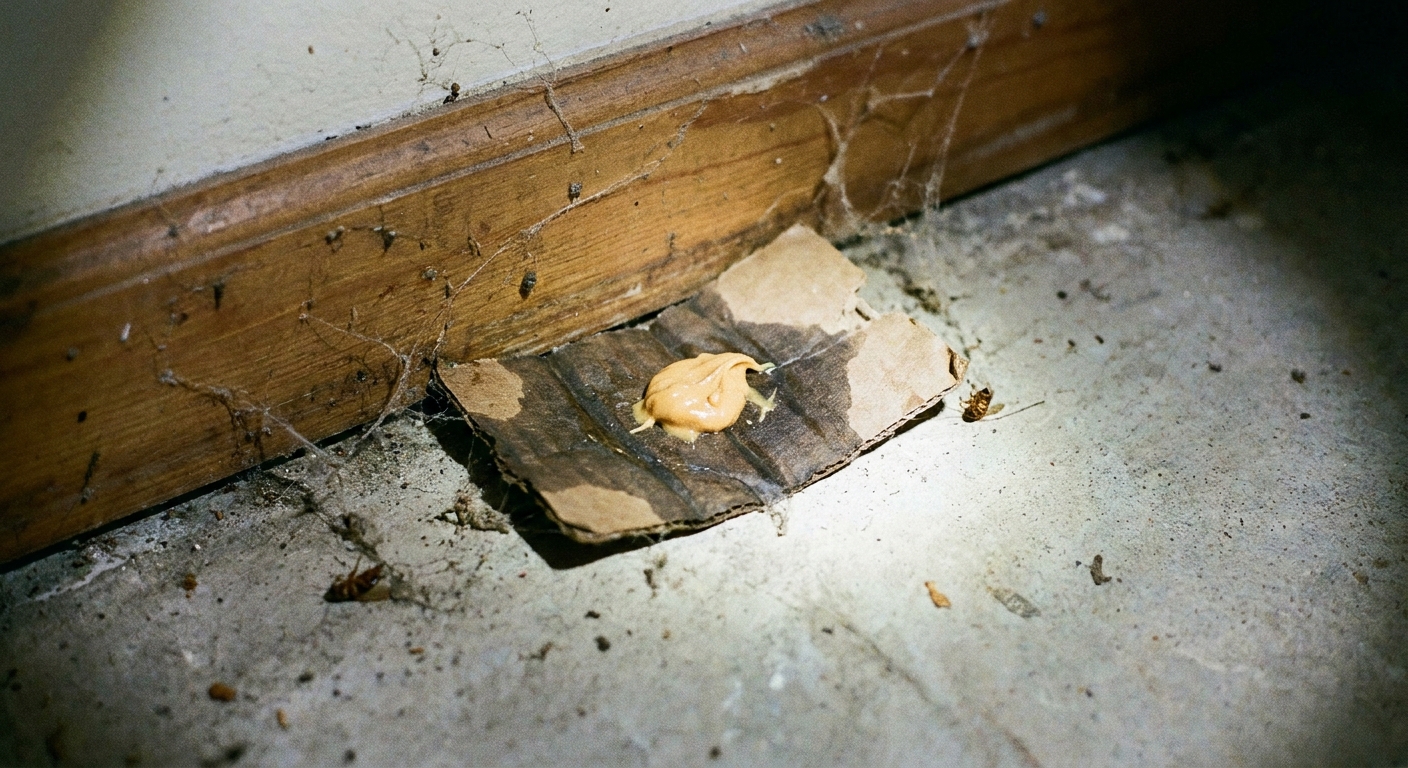
DIY cardboard or newspaper trap
- Dampen a piece of cardboard or roll up a few sheets of newspaper.
- Place it near where you see activity: along a basement wall, near the garage door, or beside a patio door.
- Leave overnight.
- In the morning, take it outside and dump the bugs into the yard away from the house, then let the trap dry or discard it.
Veggie bait upgrade
- If you want a little more pull, add a small piece of potato or carrot under the damp cardboard.
- Replace daily so you do not create a new moisture buffet indoors.
Shallow dish trap (results vary)
- A shallow container with a bit of beer or yeast water may catch some, but it is less consistent than the damp cardboard method.
- Use it as an optional add-on, not your main plan.
These are low-stakes methods, but they can make a noticeable difference if you have a sudden wave after rain.
Diatomaceous earth (DE): how to use it
DE can work well on pill bugs and sow bugs because it desiccates them by abrading and absorbing protective oils on their outer surface. But it only works when it is dry, and you need to apply it in a way that is safe for you, your kids, and your pets.
DE checklist
- Use food-grade diatomaceous earth.
- Apply a thin dusting, not piles. If you can clearly see white drifts, it is too much.
- Wear a dust mask and avoid creating airborne dust.
- Keep it out of reach of kids and pets, and do not apply where it can be kicked up.
- Reapply after it gets wet or after heavy cleaning.
Where to apply DE
- Along the interior perimeter of an unfinished basement or utility room, especially at the wall to floor joint.
- Behind appliances where it stays undisturbed and dry.
- At exterior crack lines and entry points that stay dry (DE is not great in wet mulch beds).
My honest note: If your problem area is damp, DE will disappoint you. Fix the moisture first, then DE becomes a helpful finishing move.
Should you use insecticide?
Most of the time, you can solve pill bugs and sow bugs without a full chemical approach. If you want a product option, think in terms of exterior perimeter treatments, not foggers or indoor broadcast spraying.
- Focus on the outside perimeter, especially near doors and cracks, and follow the label exactly.
- Avoid spraying wet mulch or soil expecting instant results. Habitat changes usually beat chemicals here.
- If you are seeing heavy numbers indoors repeatedly, that is often a sign moisture is still unresolved.
If you have pets, small kids, or you are working in a tight indoor space, read labels carefully and consider sticking with traps, caulk, and dehumidification first.
What not to do
- Do not rely on indoor foggers or bug bombs. They miss the real issue and are often a waste.
- Do not over-mulch or pile mulch against the wall.
- Do not expect DE to work in wet spots.
- Do not seal brick weep holes shut. Use covers designed for weep holes if needed.
Quick FAQ
Do they bite?
Generally, no. They are not aggressive and are not known for biting people.
Are they harmful?
Mostly a nuisance. The bigger issue is what they can signal: damp conditions that can also support mold, mildew, and wood rot.
Do they damage homes?
They feed on decaying organic matter, not sound structural wood like termites. If you are seeing lots of them, the moisture that attracts them can still contribute to decay over time, so it is worth fixing.
Could it be something else?
If you are unsure, especially if you suspect cockroach nymphs or another pest, snap a clear photo and compare before you treat. The moisture-first approach still helps, but correct ID matters.
Prevention checklist
Once you have things under control, prevention is mostly seasonal maintenance.
- Each spring and fall, pull debris away from the wall.
- Keep mulch 2 to 3 inches deep and never piled against the wall.
- Make sure downspouts still drain away and extensions have not popped loose.
- Replace worn door sweeps before winter rains and snowmelt.
- Run a dehumidifier during humid months if your basement tends to creep above 55% RH.
When to worry
Usually not a big deal
- You see a few after heavy rain.
- They are mostly in the garage, basement, or by a patio door.
- They look sluggish or die quickly indoors.
Time to dig deeper
- You see them daily for weeks even in dry weather.
- You have a musty smell, visible condensation, or damp drywall/baseboards.
- Outdoor beds stay wet and shaded, or you suspect water is pooling along the wall.
If moisture is persistent and you cannot identify the source, it can be worth bringing in a pro to evaluate drainage, grading, or crawl space conditions. If you suspect mold or chronic water intrusion, that is also a good time to get help. You will get better long-term results than you would from repeated spraying.
Weekend plan
- Friday night: Vacuum the ones you see. Set two cardboard traps near activity.
- Saturday morning: Pull mulch back from the wall and rake out wet debris. Check gutters and downspouts.
- Saturday afternoon: Replace the worst door sweep, then caulk the obvious gaps around utility penetrations.
- Sunday: Start a dehumidifier in the basement and aim for 40% to 50% RH. Add a light DE dusting only in dry, low-traffic areas if needed.
Do that, and in most homes the “roly-poly parade” slows down fast and usually stops once the damp conditions are gone.
The 30-Second Cheat Sheet
Essential takeaways for: Pill Bugs and Sow Bugs in Your House? How to Get Rid of Them
How to tell what you have
- Pill bugs (roly-polies): roll into a ball.
- Sow bugs: do not roll into a ball.
- Both are moisture-loving isopods and are usually accidental indoor visitors.
The fix that works (in order)
- Dry it out: dehumidifier to 40% to 50% RH, fix leaks, stop sprinkler overspray, extend downspouts 4 to 6 feet minimum (more if drainage is poor).
- Stop mulch contact: pull mulch back 6 to 12 inches from the foundation, keep mulch 2 to 3 inches deep.
- Seal entry points: replace door sweeps, add weatherstripping, caulk cracks and utility penetrations (do not seal brick weep holes).
- Knock down numbers: vacuum indoors, remove damp cardboard clutter, use damp cardboard traps overnight.
- Optional: food-grade DE in a thin dusting in dry, low-traffic areas. Wear a mask and keep dust down.
What not to do
- Do not rely on indoor foggers or heavy indoor spraying. These pests are a moisture and habitat problem first.
- Do not pile fresh mulch against the house. That is basically an invitation.
- Do not expect DE to work in wet areas. It needs to stay dry.
- Do not seal brick weep holes shut. Use weep hole covers if pest entry is a concern.
When to worry
- If you see them daily for weeks, or you also have musty smells and damp walls, you likely have an ongoing moisture issue that needs attention (grading, drainage, crawl space moisture).
💡 Tip: Scroll up to read the full article for detailed, step-by-step instructions.
⬆️ Back to top
About Marcus Vance
Content Creator @ Grit & Home
Marcus Vance is a lifelong DIY enthusiast and self-taught home renovator who has spent the last decade transforming a dilapidated 1970s ranch into his family's dream home. He specializes in budget-friendly carpentry, room-by-room renovations, and demystifying power tools for beginners. Through his writing, Marcus shares practical tutorials and hard-learned lessons to help homeowners tackle their own projects with confidence.