
🚨 In a DIY emergency or rush?
Skip the details and jump straight to our 30-second cheat sheet for the most crucial info.
Small courier. Big home questions.
If your pipes bang exactly when your water heater turns on, your house is basically doing that thing where it takes a deep breath and pops its knuckles. The key is timing. A bang after a faucet shuts off is one story. A bang right when the burner lights or the electric elements energize is usually a different one.
Let’s sort the suspects: thermal expansion (a very common cause with this timing), water hammer (valves snapping shut), and sediment noise (coming from inside the tank). There is also a fourth, sneakier one: pipes shifting as they warm up because they are rubbing on wood, metal plates, or tight holes.
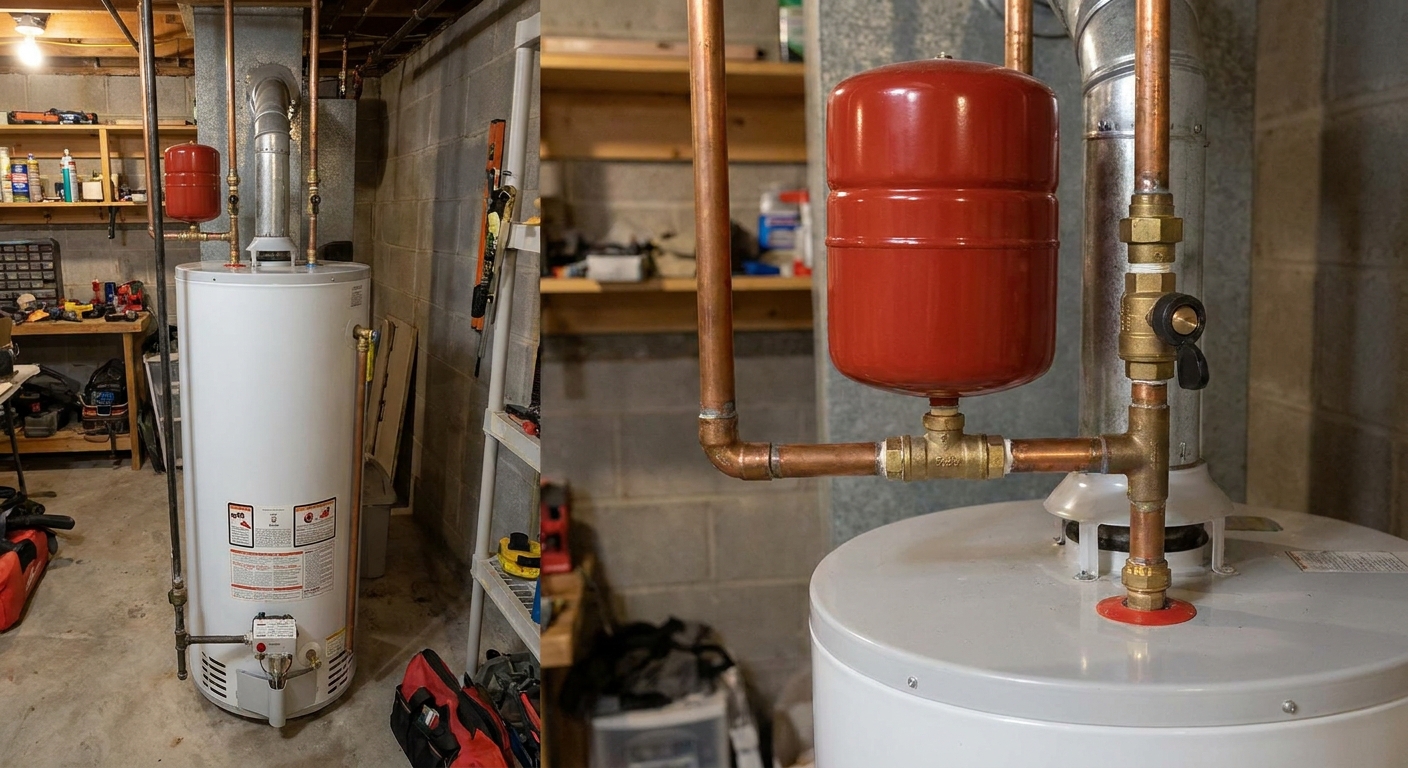
First: match the bang to the moment
Do a quick, low-effort timing test. You are not measuring anything yet, just listening.
- Bang happens right as the heater starts heating (burner ignites, or electric elements click on): often thermal expansion or a pressure-control part reacting to a sudden change.
- Bang happens when you turn water off (sink, shower, washing machine, dishwasher): classic water hammer.
- Rumbling, popping, crackling from the tank itself while it heats: often sediment or scale in the tank, not your pipes.
- Ticking or light knocking while hot water is running: pipe expansion rubbing or sliding through framing, straps, or penetrations.
If your noise is a single sharp thud and you can feel it in the piping near the heater, keep reading. We are going expansion hunting.
Why thermal expansion can bang
When water heats, it expands. In a truly open system, that expansion can sometimes push back toward the supply without much drama.
But plenty of homes are not truly open. Many are effectively closed plumbing systems because a device blocks backflow toward the street. When that happens, heated water has nowhere to go, pressure rises quickly, and something gives.
That give can sound like a bang as:
- pipes shift against framing members, clamps, or metal hangers
- a check valve or backflow device snaps shut
- a PRV or other valve chatters under changing pressure
The bang is not your pipes being dramatic for fun. It is the system reacting to a fast pressure jump.
How to tell if your system is closed
Closed systems are common and often required by code. You might have one if you have any of the following:
- Pressure reducing valve (PRV) on the main water line, often near where water enters the house
- Check valve or backflow preventer (sometimes built into a PRV, sometimes separate)
- Water meter with a check valve (common in some areas, varies by utility)
- Backflow device for irrigation systems
If one of those devices prevents water from expanding back toward the supply, your water heater needs a safe place for expanding water to go. That is usually an expansion tank.
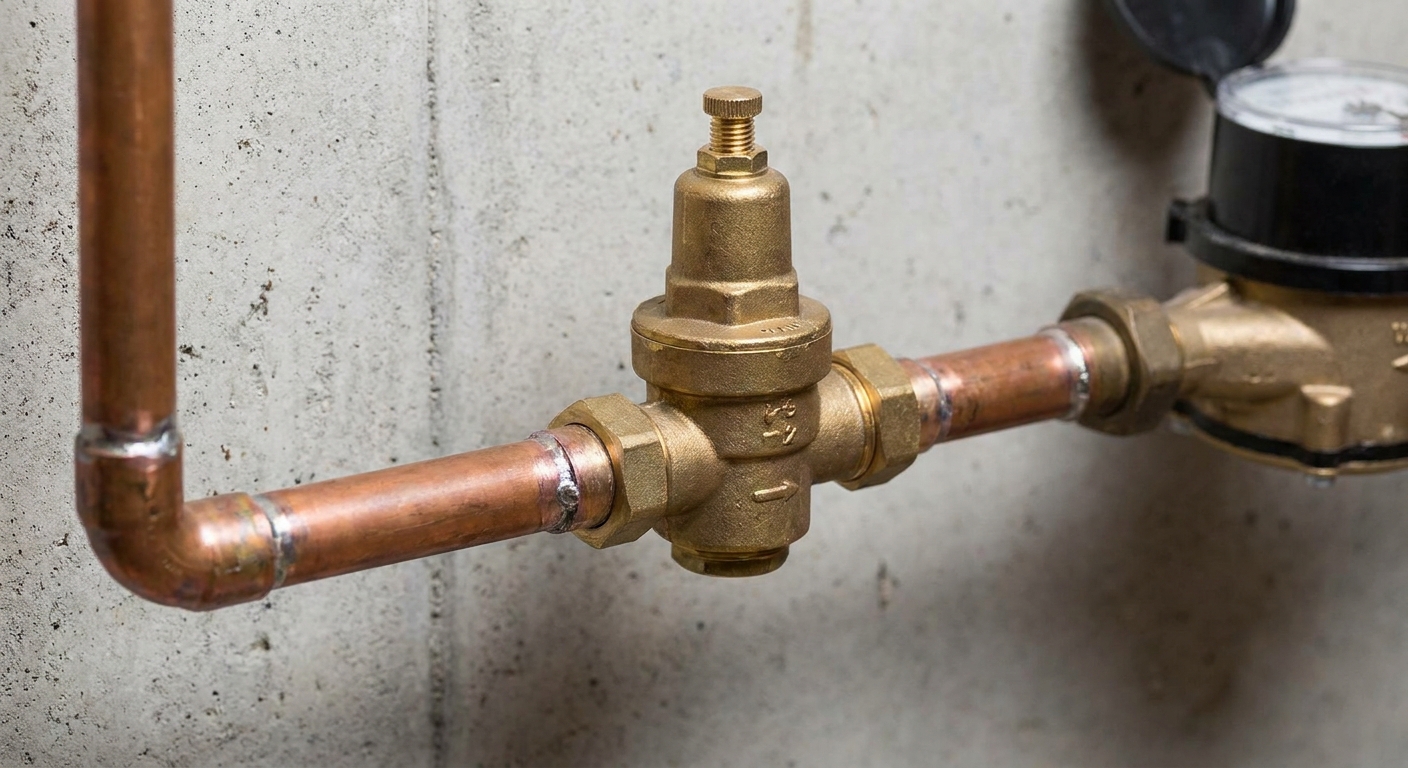
Expansion tank: common fix for a heat-up bang
An expansion tank is a small tank with an internal rubber bladder and an air charge. It acts like a cushion. Hot water expands, pressure rises, and the tank compresses that air pocket instead of slamming your piping.
Quick checks without tools
- Do you have an expansion tank? Look above the water heater on the cold water line. No tank in a closed system can mean pressure spikes.
- Is the tank waterlogged? A failed bladder can fill the tank with water so it cannot cushion anything. A plumber can confirm quickly. Some homeowners tap for hollow versus solid sound, but tapping is not a definitive test.
- Is the tank supported? A heavy expansion tank should not be hanging off a fitting. Support requirements vary by manufacturer and local code, but if it looks like it is using the pipe as a coat hook, it needs attention.
If you do not have an expansion tank
In a closed system, adding a properly sized and properly charged expansion tank is often the correct repair. It is also a job where almost right can still be wrong, especially if the tank is mis-sized or the air charge is not set to match your home’s measured static water pressure. If you are not comfortable with that setup, this is a clean handoff to a plumber.
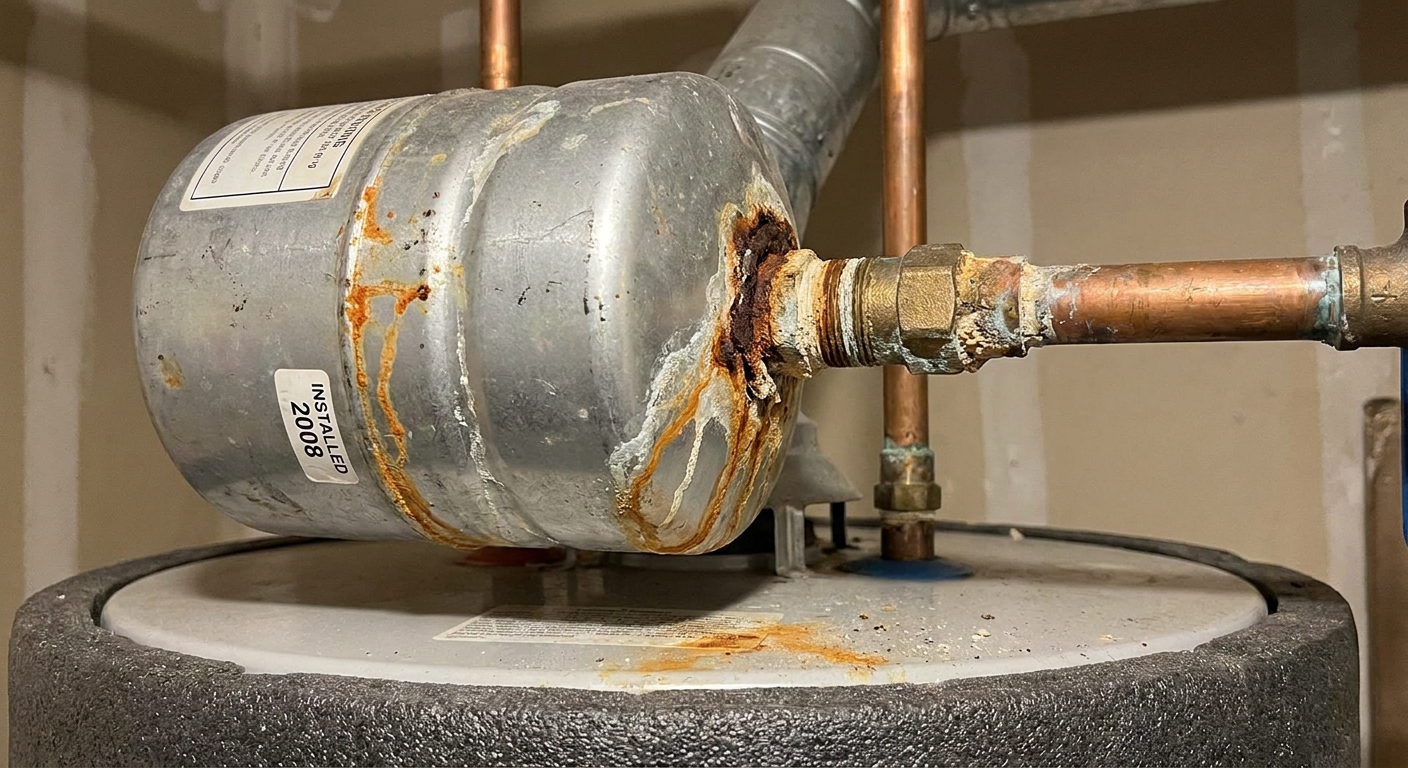
Water pressure matters
If your home’s pressure is already high, thermal expansion has less room to squish into normal plumbing flexibility. The result can be louder movement and harder knocks.
Typical residential pressure targets are often around 50 to 70 psi for many homes, with many fixtures and appliances rated for a maximum of 80 psi. Local guidance varies, but if a gauge shows you are routinely above about 80 psi, that is a fix-sooner-not-later situation.
What to do
- If you have a PRV, it might need adjustment or replacement if it is failing or letting pressure creep.
- If you do not have a PRV and your pressure is high, adding one can protect appliances and reduce noise.
- Even with a PRV, you still typically need an expansion tank if the system is closed.
A plumber can measure static pressure and also check whether pressure creeps upward while the heater runs, which is a strong thermal expansion clue.
Do not mix this up with water hammer
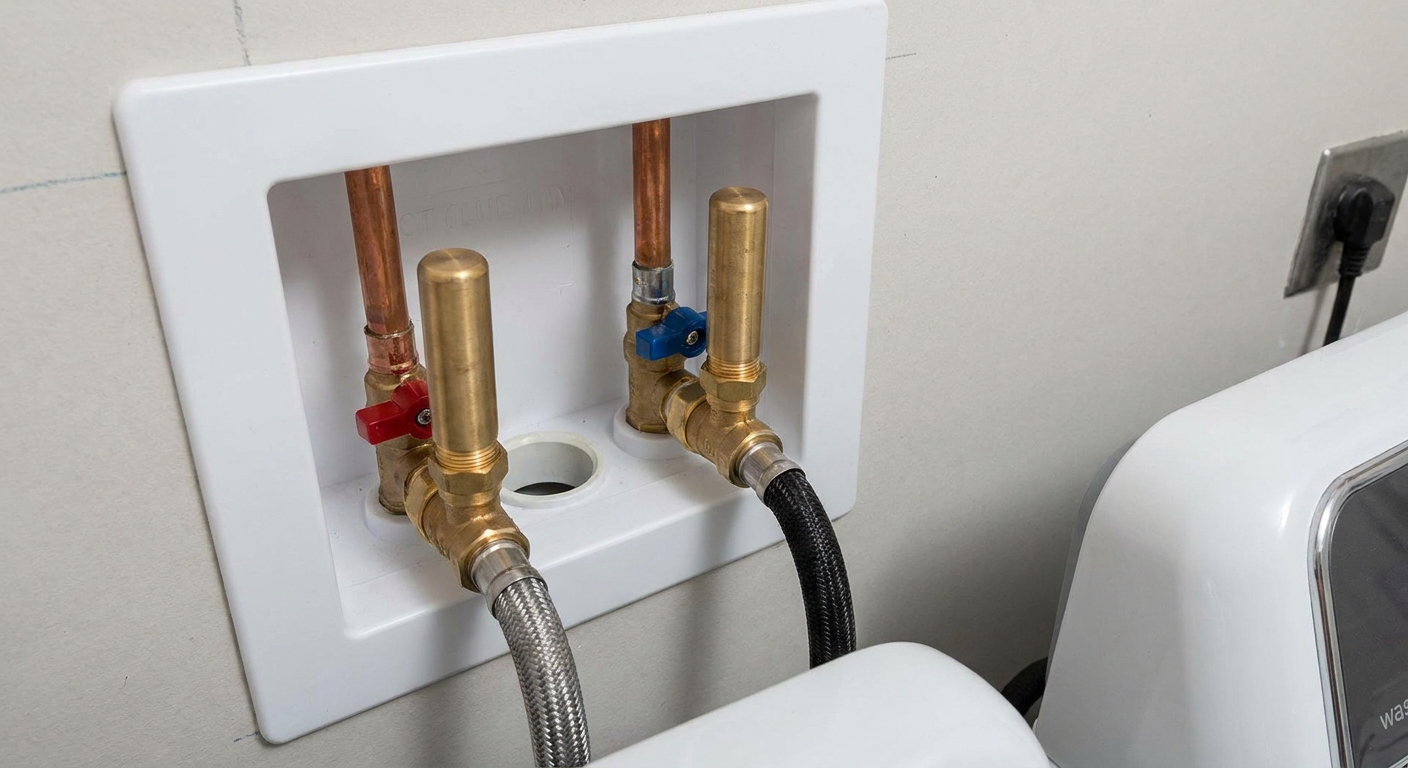
Water hammer is the bang you get when flowing water is stopped abruptly. Fast-closing valves are famous for it: washing machine solenoids, dishwasher valves, some single-handle faucets, ice makers.
It can still show up near the water heater, but the trigger is different.
Clues it is water hammer
- The bang happens when a fixture shuts off, not when the heater starts heating.
- The bang happens during appliance cycles (washer fills, dishwasher fills, ice maker fills).
- You get multiple bangs or a shuddering vibration in the lines.
Common hammer fixes
- Add water hammer arrestors at problem appliances.
- Secure loose piping with appropriate clamps and isolation, so it cannot slam into framing.
- Address high pressure, which makes hammer worse.
Thermal expansion and water hammer can both exist in the same house. Lucky us.
Sometimes it is pipe movement, not pressure
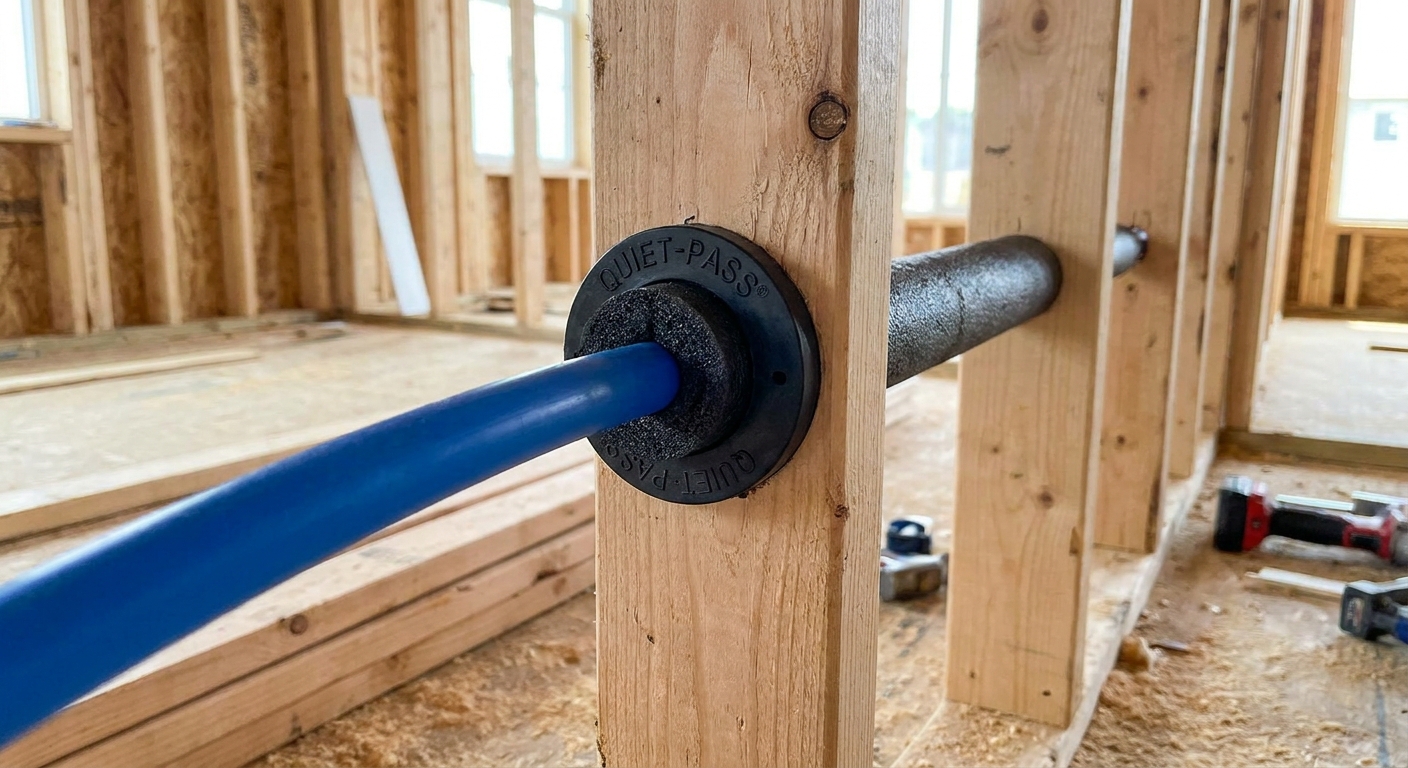
Not every knock is a big pressure event. When hot water starts moving through cooler pipes, the pipe material expands slightly. If the line is tight in a hole through a stud, rubbing a metal plate, or strapped too hard, that expansion can make a tick, creak, or occasional knock.
- Movement noise often happens while hot water is running and can travel as the heat front moves through the line.
- Expansion pressure noise is more likely to be a single thud tied to the heater starting a heating cycle, sometimes followed by a brief settling sound.
Fixes here are usually about clearances and isolation: adding proper pipe clamps, using isolators where lines pass through framing, and stopping pipe-to-wood contact points.
Or it might be the tank: sediment noise
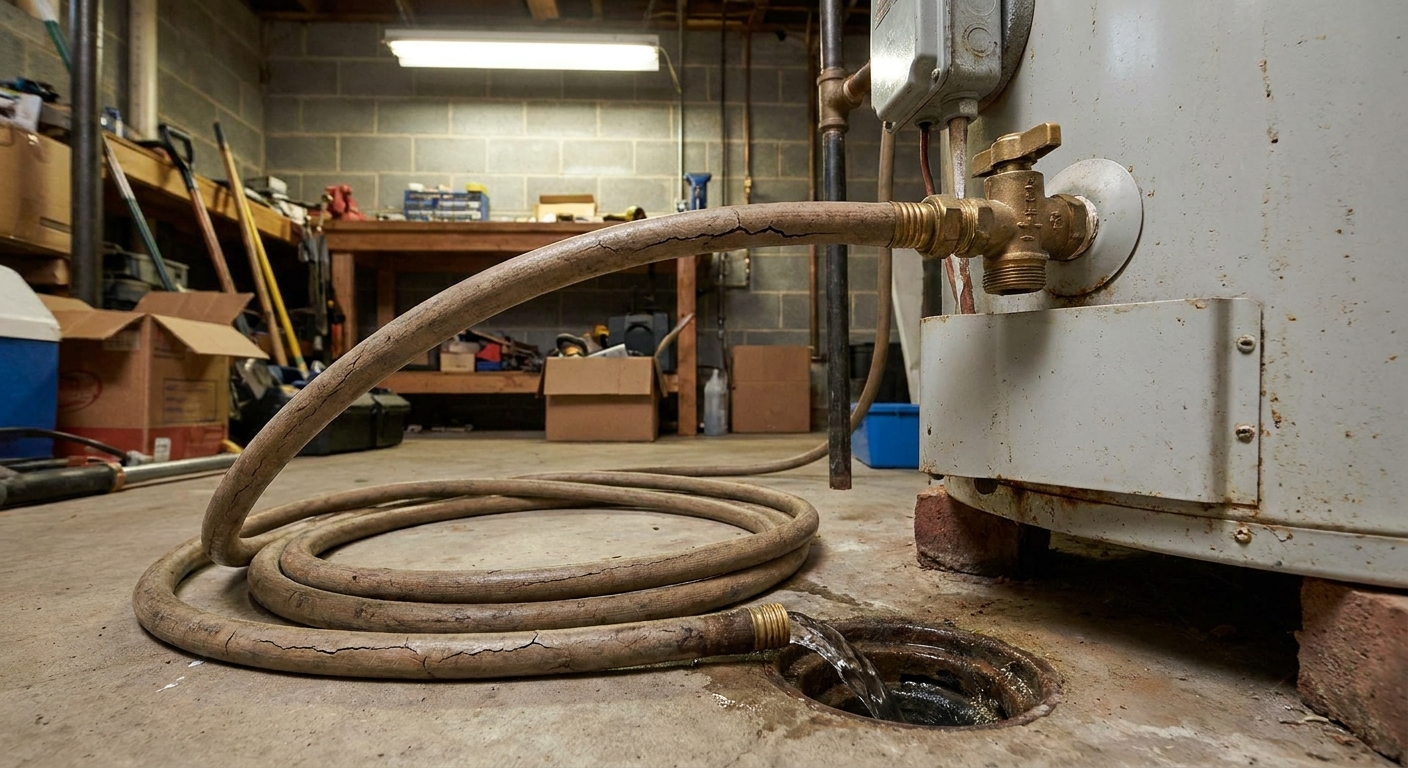
If the sound is more like popping, crackling, or rumbling that comes from the water heater body, it may be mineral scale or sediment insulating the bottom of the tank. Water trapped under or within that layer can form and collapse bubbles as the heater runs, which can sound dramatic.
What helps
- Flushing the tank periodically can reduce sediment, depending on water conditions and tank age.
- Heavily scaled tanks sometimes need professional descaling or replacement planning.
Important: sediment noises are usually not one single bang right at ignition. They tend to continue while the unit heats.
Step-by-step: what to do next
1) Confirm the trigger
- Stand near the heater when it is cold and about to run.
- Listen for the exact moment: ignition or element-on, versus a faucet shutting.
- If it is a gas heater, note whether you are hearing burner ignition in the unit versus a knock transmitted through pipes.
2) Look for an expansion tank
- Check the cold water line above the heater for a small tank.
- If you see one, note whether it looks supported and not hanging off a fitting.
3) Look for pressure clues
- Notice if the bang is worse after long heat cycles, like after showers or laundry.
- Notice if you get drips at the temperature and pressure relief valve discharge pipe. That can hint at pressure issues and is worth immediate attention.
- If you have a pressure gauge and you are seeing readings above about 80 psi, address it promptly.
4) Quiet the contact points you can see
If you can access the piping near the heater (unfinished basement, utility room), look for spots where copper or PEX is hard against wood or metal. Adding the right clamp or isolator can reduce the sound of movement. If your system is experiencing real pressure spikes, securing pipes helps the noise but does not fix the cause.
5) Tag in a pro if sizing and setup are not your lane
Expansion tank selection and precharge depend on your water heater capacity and your home’s static pressure. If you do not already own a pressure gauge and you are not comfortable working on pressurized plumbing, this is a smart place to call a plumber.
When it is still a plumber job
I love a good DIY victory, but some knocks are your house telling you to stop experimenting.
- The T&P relief valve is leaking or discharging. That is a safety device, not a quirk.
- Pressure is unknown and you suspect it is high. High pressure can damage appliances and fixtures.
- No expansion tank in a closed system. Especially if the noise is new after a PRV, backflow device, or new water heater install.
- Banging is violent, frequent, or getting worse. Movement can fatigue joints and fittings.
- You see corrosion, moisture, or staining at fittings near the heater.
- You suspect a chattering PRV or check valve. Those parts can knock on pressure changes and need proper diagnosis.
If the bang is paired with gas smell, scorching, or electrical issues, stop and contact the appropriate professional right away.
FAQ
Why do my pipes bang only when the water heater turns on?
Because that is when water is heated and expands. In a closed plumbing system, that expansion can spike pressure quickly and make pipes shift or valves react with a thud.
Is it dangerous?
The noise itself is not always dangerous, but the underlying condition can be. Repeated pressure spikes stress plumbing and can cause leaks over time. A leaking or discharging T&P relief valve is an urgent sign to address.
Will an expansion tank always fix it?
It often fixes knocks tied to heating cycles, but only if it is properly sized, correctly precharged, and installed on a system that actually needs it. Loose pipes, high static pressure, or failing valves can still create noise.
Can I just lower the water heater temperature?
Lowering temperature can reduce expansion slightly and may reduce noise, but it does not solve a closed-system pressure problem. Also be mindful of safe hot water temperature guidance, especially in homes with kids or older adults.
The 30-Second Cheat Sheet
Essential takeaways for: Pipes Bang When the Water Heater Turns On?
What that bang usually means
If your pipes bang right when the water heater starts heating, a common cause is thermal expansion pressure in a closed plumbing system, not classic water hammer.
Fast ways to tell what noise you have
- Bang at heater start-up: thermal expansion or a pressure-control part reacting (often needs an expansion tank, PRV check, or valve check).
- Bang when you shut off a faucet or an appliance stops filling: water hammer (arrestors, securing pipes, pressure check).
- Rumbling or popping from inside the tank while heating: sediment or scale in the tank.
- Ticking as hot water runs: pipe expansion rubbing through holes, plates, or straps (movement noise, not necessarily a pressure spike).
Top 3 checks
- Look for an expansion tank on the cold water line near the heater.
- Watch for T&P relief valve dripping or discharge. Treat this as urgent.
- Consider high pressure. Many fixtures are rated for a max of 80 psi. If a gauge shows you are above that, address it promptly.
What to do next
- If you have a closed system and no expansion tank, plan to add one (often best done by a plumber unless you can measure static pressure and set the tank precharge correctly).
- If the bang is tied to appliances shutting off, add water hammer arrestors and secure loose piping.
- If the sound is from the tank, consider flushing and sediment management.
Call a plumber if
- The T&P relief valve is leaking or discharging
- The bang is violent, frequent, or worsening
- You suspect high water pressure or a failing PRV
- You see corrosion or moisture around fittings near the heater
💡 Tip: Scroll up to read the full article for detailed, step-by-step instructions.
⬆️ Back to top
About Grit
Content Creator @ Grit & Home
Grit is Grit & Home’s little blue clay courier, delivering big questions about the place you call home. Expect practical ideas, a raised eyebrow, and a satchel full of curiosity.