
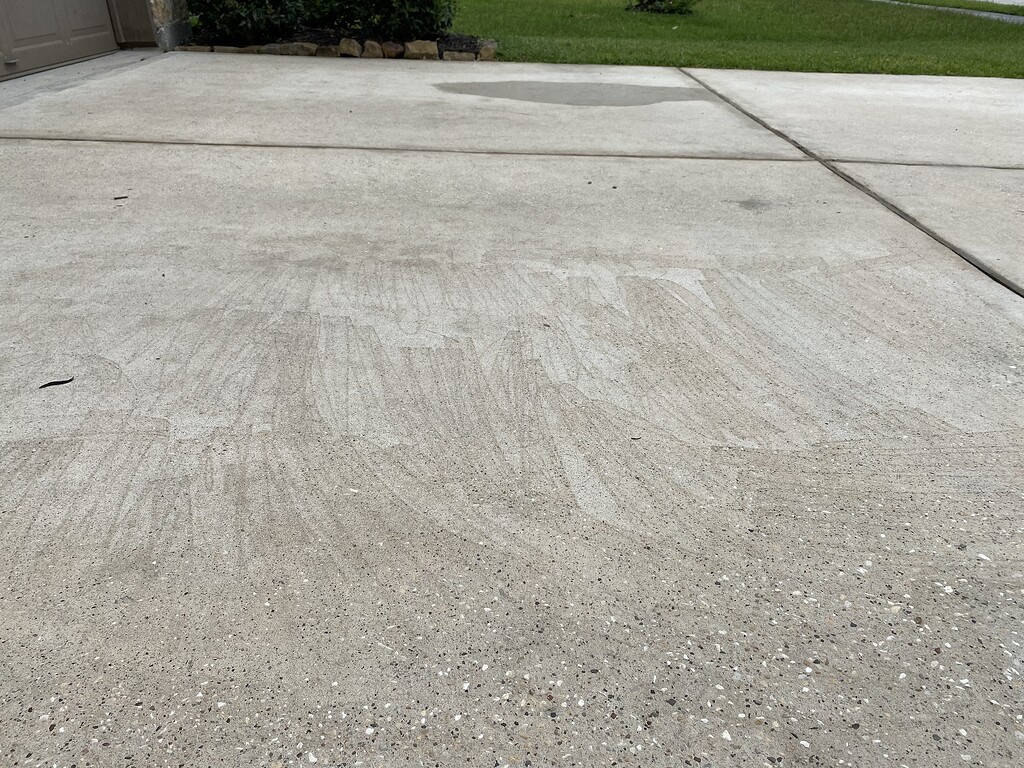
When a pressure washer runs but the spray is weak, or the pressure surges and pulses, it is tempting to blame the pump and start shopping. I have been there. More often than not, the fix is a clogged nozzle, an inlet restriction, a tiny air leak, or an unloader valve that is sticking.
This guide walks you through the pump checks that actually move the needle, in the same order I troubleshoot my own machine. We will also separate engine problems from pump and water-flow problems, because they can feel similar at the wand.
Safety first (quick, but important)
- Shut off the engine or unplug the unit before touching the nozzle, unloader, or fittings.
- Relieve pressure: squeeze the trigger with the machine off until water flow stops.
- Never run the pump dry. Dry running can damage seals and valves fast.
- If you suspect the unloader is stuck and the machine is building excessive pressure, stop and investigate. Do not “test it” by holding the trigger closed.
Step 1: Is it an engine issue or a pump issue?
Before you take anything apart, do this simple split test. It saves a lot of time.
Signs it is likely the engine (or power) side
- Engine bogs hard when you pull the trigger, then recovers when you release it.
- Engine hunts or surges even with the trigger not pulled.
- Unit cannot reach steady RPM, sounds uneven, or smokes under load.
- Electric unit: motor sounds like it is struggling, stops and starts, or trips a breaker.
If these fit, address fuel, air filter, spark plug, governor linkage, extension cord gauge, and voltage issues first. A weak engine will make a healthy pump feel weak.
Signs it is likely the pump or water supply
- Engine sounds steady but pressure at the wand pulses, fades, or never gets strong.
- Pressure changes when you wiggle the garden hose connection or high-pressure hose.
- Water supply looks weak, or you see air bubbles in the inlet hose (if you have a clear section).
- Soap works but high-pressure spray will not hold.
Step 2: Confirm the water supply is not the real problem
A pump can only build pressure from the water it is fed. If the inlet flow is restricted, you get surging, cavitation, and weak spray.
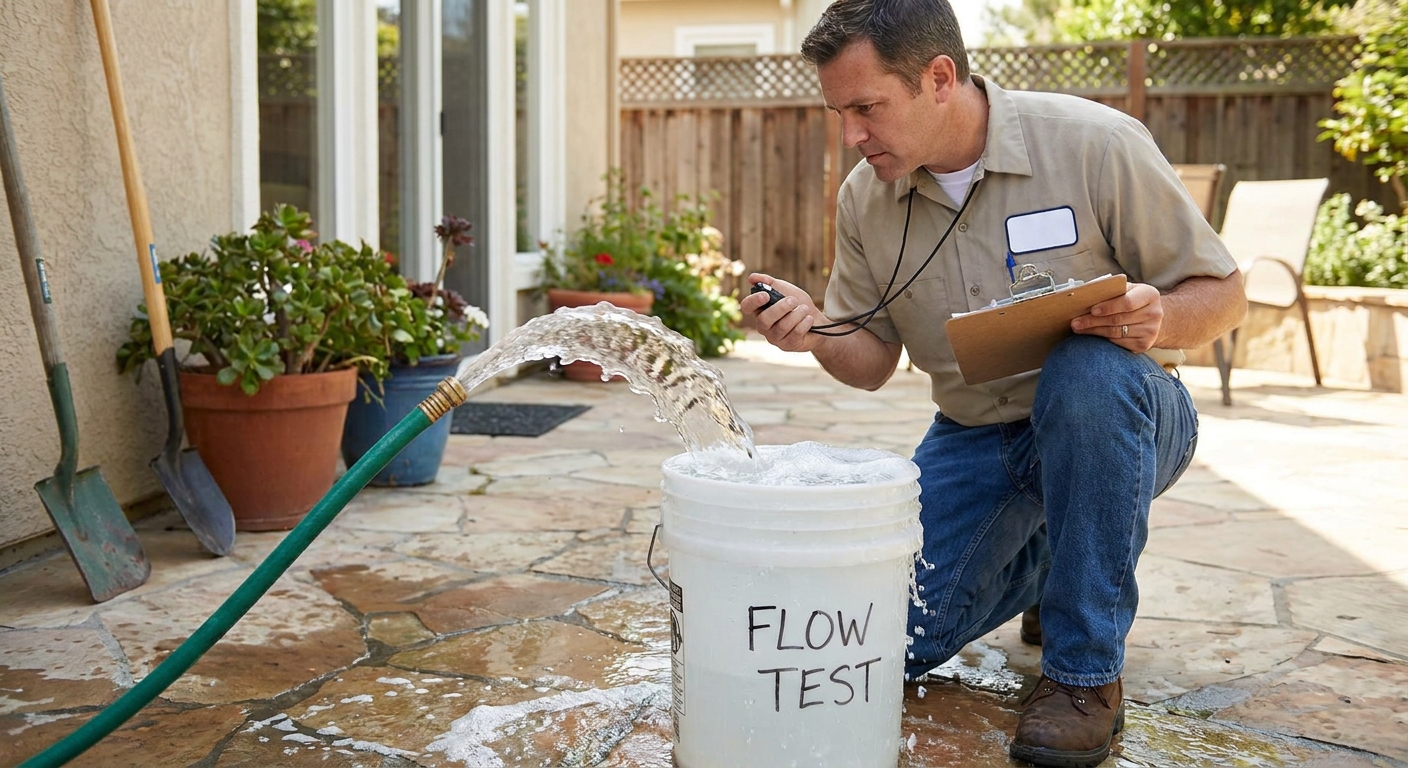
Do the bucket test (fast reality check)
Disconnect the garden hose from the pressure washer. Run the hose into a 5-gallon bucket with the spigot fully open. Time how long it takes to fill.
- Good target: about 5 gallons in 1 to 2 minutes (roughly 2.5 to 5 GPM).
- If it takes much longer, fix the water supply first: kinked hose, clogged spigot screen, partially closed valve, failing well pump, or too-long skinny hose.
Use the right garden hose setup
- Use a 3/4-inch garden hose if you can, especially on 3000 PSI class machines.
- Keep it as short as practical. Long runs reduce flow.
- Avoid quick-connects on the inlet if they are restrictive or leaky.
- Make sure the spigot is fully open. Half-open valves cause turbulence and air ingestion.
Step 3: Purge air from the system (this fixes a lot of surging)
Air in the pump is a classic cause of pulsing pressure. It often happens after storing the unit, changing hoses, or using a leaky inlet connection.
How to purge correctly
- Connect the garden hose to the washer and turn the water on fully.
- Leave the engine off.
- Squeeze the trigger and hold it for 30 to 60 seconds until flow is smooth with no sputtering.
- Now start the engine or power up the unit with the trigger still held, then release and test.
If the machine smooths out after purging but later starts surging again, that points to an air leak on the inlet side or a water supply issue.
Step 4: Nozzle and wand checks (the simplest fixes)
Most “my pump is dying” stories end up being a partially clogged nozzle. Tiny grit can make the stream weak or cause pulsing as the unloader reacts.
Clean the nozzle the right way
- Remove the quick-connect tip.
- Use a nozzle cleaning tool or a small wire to gently clear the orifice.
- Flush backward with clean water.
- Inspect the tip opening. If it looks egg-shaped or worn, replace it. A worn nozzle can lower pressure dramatically.
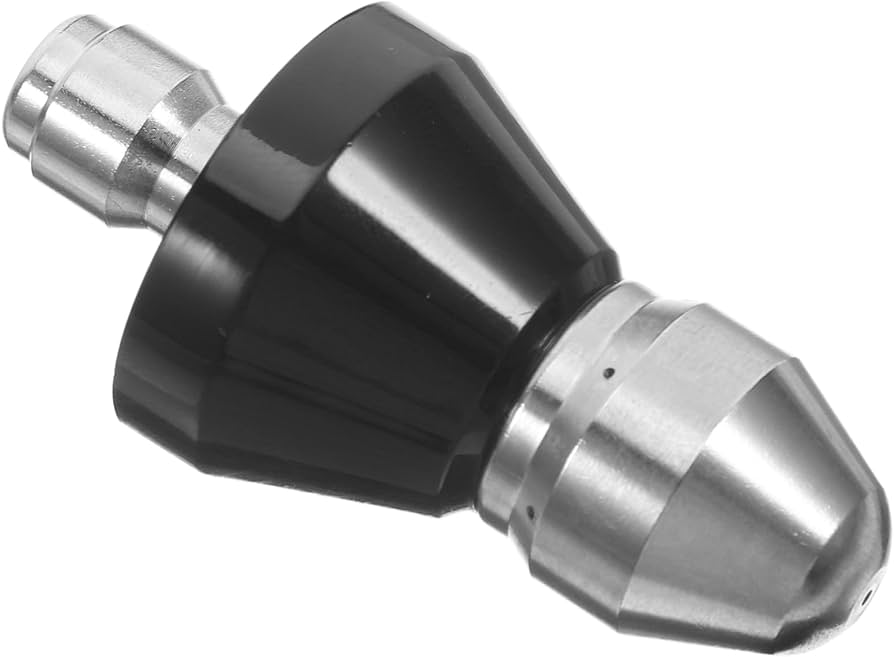
Confirm you are using the correct tip
- A black tip is usually soap, low pressure.
- A white 40 degree tip is gentle and may feel weak on heavy grime.
- A yellow 15 degree tip feels much stronger but is easier to damage surfaces with.
- If you have a turbo nozzle and it suddenly feels weak, it may be clogged or worn inside.
Wand and gun restrictions
If tips are clean, disconnect the wand from the gun (if your setup allows) and look for debris in the wand inlet screen or the gun’s outlet port. I have pulled out surprising little bits of rubber, tape, and grit that caused pulsing.
Step 5: Inlet filter restriction (small part, big impact)
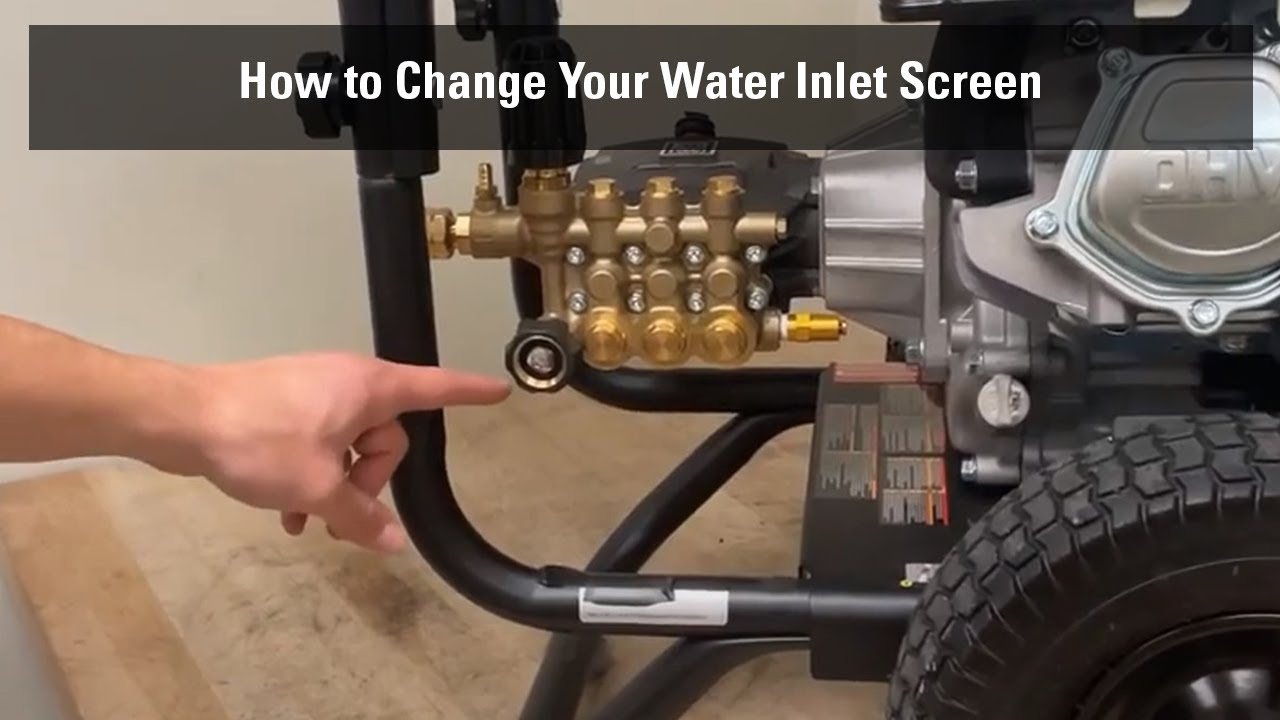
Most pressure washers have a tiny screen filter at the pump inlet. When it clogs, the pump gets starved, pressure surges, and seals run hotter than they should.
What to do
- Shut water off and relieve pressure.
- Remove the garden hose.
- Pull the inlet screen filter and rinse it clean.
- If the mesh is torn or packed with mineral scale you cannot rinse out, replace it.
Thrifty tip: If you pull muddy water from a rain barrel or older spigot, add an inline garden hose filter before the machine. It is cheaper than pump parts.
Step 6: Hunt down inlet air leaks and hose leaks
Air leaks on the inlet side do not always drip water, which is why they drive people nuts. The pump can suck air through a loose connection and the pressure will pulse.
Check these common leak points
- Garden hose washer missing, cracked, or flattened.
- Loose garden hose fitting at the pump inlet.
- Quick-connect coupler not fully seated or O-ring nicked.
- Inline filter housing loose.
- High-pressure hose pinhole leak or blister. These can cause pressure loss and are not safe to ignore.
Simple test
With water flowing and engine off, watch the inlet connection closely while you hold the trigger. If you see foamy water, sputtering, or the hose jerking with air pockets, fix the inlet seal first. Replace the hose washer and any suspect O-rings.
Step 7: Unloader valve behavior (the most common pump-side cause of surging)
The unloader valve routes water when you release the trigger. If it sticks, is dirty, or is misadjusted, you can get a repeating surge as the system hunts for a stable pressure point.
Surging patterns that point to the unloader
- Strong pressure for a second, then drops, then returns in a steady cycle.
- Pressure changes a lot when you barely feather the trigger.
- Machine runs smoother with a different nozzle size, but still does not feel “right.”
Quick checks before disassembly
- Make sure the nozzle is not clogged or undersized.
- Make sure your water supply is strong and the inlet filter is clean.
- Do not crank the unloader adjustment randomly. If you change it, mark the original position so you can return to baseline.
Cleaning a serviceable unloader (general process)
Designs vary by pump, so use your model’s manual when possible. This is the safe, general approach:
- Turn off the unit, shut water off, and relieve pressure.
- Remove the unloader assembly carefully. Watch for springs and small parts.
- Inspect O-rings for nicks, flattening, or swelling. Replace if questionable.
- Clean mineral deposits and grit with pump-safe cleaner and a soft cloth. Do not sand precision surfaces.
- Lightly lubricate O-rings with silicone grease (not petroleum grease unless the manufacturer allows it).
- Reassemble and test.
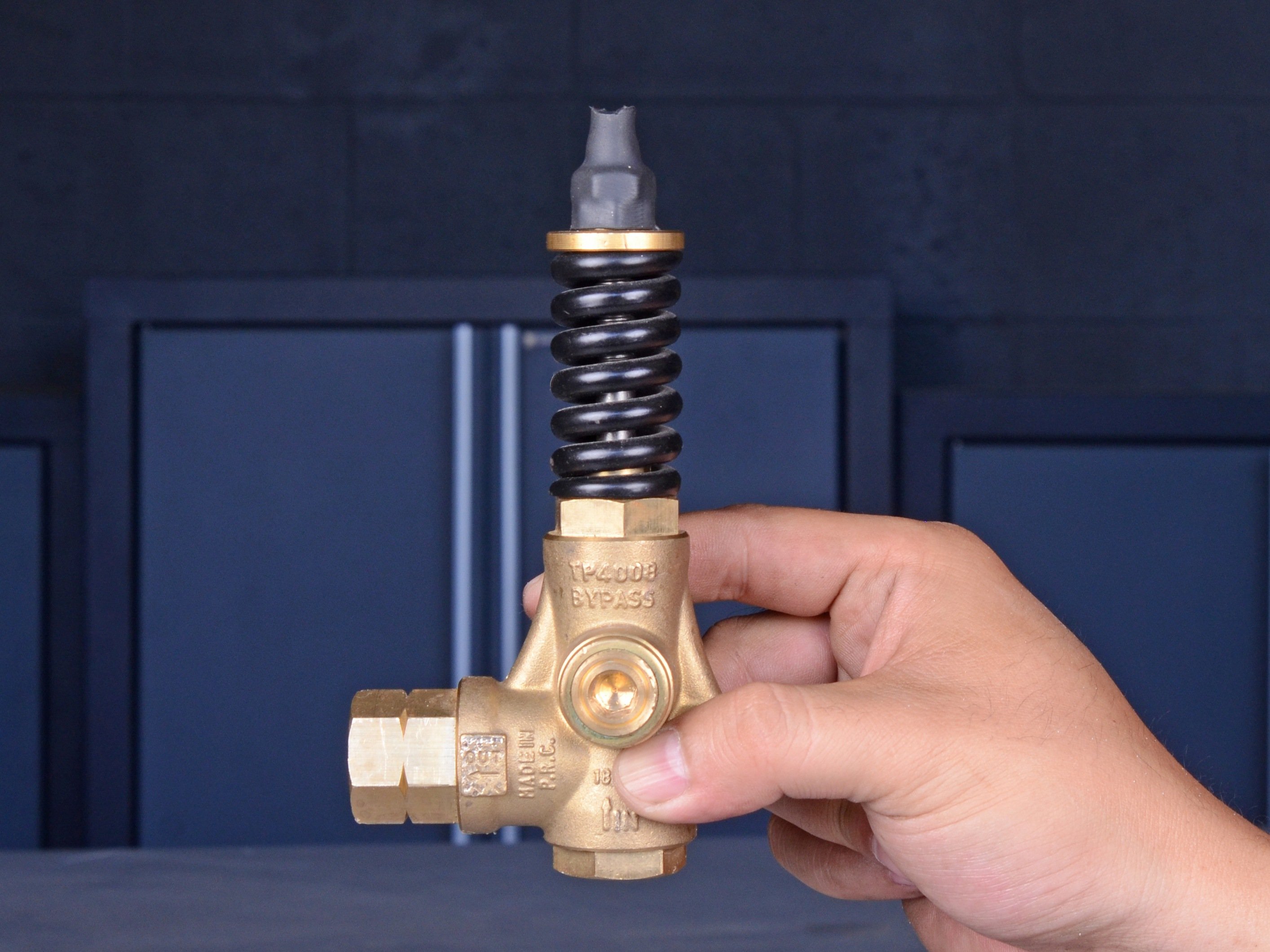
If your unloader is sealed or the bore is scored, replacement is usually the realistic DIY fix. It is often less expensive than a new pump, and it can bring a “surging” washer back to life immediately.
Step 8: Pump valve and seal symptoms (when the pump really is the issue)
If you have clean tips, good water supply, no air leaks, and a healthy unloader but you still cannot hold pressure, the pump internals may be worn or damaged.
Signs of inlet or outlet valve problems
- Pressure is consistently low across all nozzles and settings.
- Pulsing improves slightly with more water flow but never fully stabilizes.
- After winter storage, the pump will not build normal pressure even though it primes.
Signs of seal wear
- Water leaking from the pump body or weep holes (varies by pump).
- Milky pump oil (on pumps with oil) indicating water contamination.
- Pressure fades as the pump warms up.
Some pumps have replaceable valve kits and seal kits. If your pump model supports it and the crankcase is not damaged, rebuilding can be a good budget move. If it is a small axial cam pump with no practical rebuild parts, replacement is usually the economical route.
Maintenance that restores steady pressure (and keeps it that way)
The best pressure washer “repair” I have ever done is boring maintenance done on schedule. It prevents most surging problems.
After each use
- Run clean water through the system if you used detergent.
- Disconnect and drain hoses. Store them without kinks.
- Clean and dry quick-connect tips. A gritty tip is a future clog.
Monthly or every few uses (depending on water quality)
- Check and rinse the inlet screen filter.
- Inspect O-rings in quick-connects and replace any that are nicked.
- Look over the high-pressure hose for blisters, cuts, or corrosion at fittings.
Seasonal storage
- Use a pump saver or antifreeze method recommended by the manufacturer if freezing temps are possible.
- Store with the pump dry and protected. Freeze damage can crack pump manifolds and wreck seals.
- For oil-lube pumps, check oil level and condition and change it at the interval in your manual.
Quick troubleshooting map (most common fixes first)
- Weak pressure, engine steady: clean or replace nozzle tip, purge air, check inlet filter, check water supply.
- Pressure surges rhythmically: purge air, fix inlet air leaks, clean inlet filter, then inspect unloader valve.
- Pressure drops when you move hoses: replace hose washers and O-rings, tighten fittings, inspect high-pressure hose for leaks.
- Consistently low pressure after all basics: suspect unloader wear, pump valves, seals, or a worn nozzle sized wrong for your machine.
When to stop and call for service
I am all for DIY, but a few situations deserve a hard pause:
- High-pressure hose has a blister, cut, or visible wire braid.
- Water is leaking from the pump head under pressure and tightening fittings does not help.
- The unloader adjustment is unknown and the unit is spiking pressure or stalling the engine.
- Electric unit shows overheating, burning smell, or repeated breaker trips.
In those cases, the safest “budget” choice is getting the right part or a qualified diagnosis before something fails violently.
My neighbor-fence advice
If your pressure washer is surging, do not start with the pump. Start with water flow, air leaks, and the nozzle. I once spent half a Saturday convinced my pump was toast, only to find a flattened garden hose washer that was sucking air. A fifty-cent fix felt like winning the lottery.
Work the checklist in order, change only one thing at a time, and you will usually get your steady pressure back without guesswork.

About Marcus Vance
Content Creator @ Grit & Home
Marcus Vance is a lifelong DIY enthusiast and self-taught home renovator who has spent the last decade transforming a dilapidated 1970s ranch into his family's dream home. He specializes in budget-friendly carpentry, room-by-room renovations, and demystifying power tools for beginners. Through his writing, Marcus shares practical tutorials and hard-learned lessons to help homeowners tackle their own projects with confidence.