
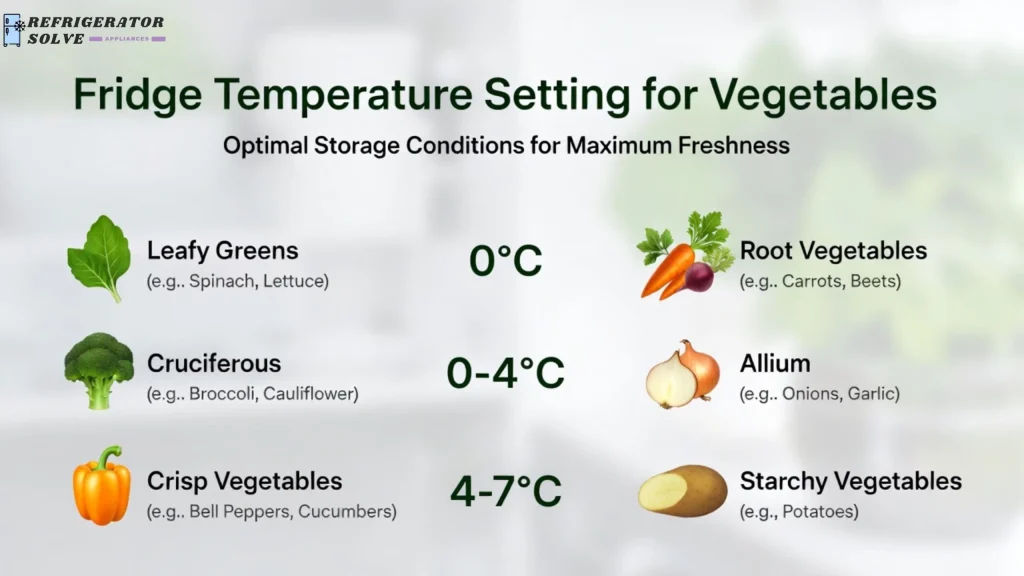
When the fresh food section starts acting like a second freezer, it is most often one of two things: too much cold air getting in or the fridge thinks it is warmer than it really is, so it keeps cooling. Either way, you can troubleshoot this in a clean, step-by-step way by checking airflow and controls in a smart order.
I have been there. Years ago, I kept “fixing” our fridge by turning the temp up, only to discover the real problem was a blocked vent and a damper door that was sticking. Once we handled the airflow, the freezing stopped and our food lasted longer.
First, confirm it is actually freezing
Before chasing parts, verify temperatures with a cheap fridge thermometer or an instant-read thermometer.
- Target fresh food temperature: 37°F to 40°F (3°C to 4°C)
- Target freezer temperature: 0°F (-18°C)
- Red flag: Anything in the fresh food section consistently at 32°F (0°C) or lower will freeze watery foods fast
Put the thermometer in a glass of water on the middle shelf for at least 4 to 6 hours. Air temp swings more than food temp, so the water test gives a steadier, more useful reading.
Food-safety note: While you troubleshoot, also check for the opposite problem: some fridges can have cold spots that freeze while other areas creep above 40°F. Keep the most perishable foods (meat, seafood, milk) in the coldest stable zone and avoid long door-open sessions.
Quick triage: what symptoms suggest
Food freezes near the back wall or top shelf
This is classic airflow trouble: a vent blowing directly onto food, a stuck-open damper or diffuser, or items packed too tightly.
Food freezes everywhere in the fresh food section
More likely a control issue like a bad thermistor (temperature sensor), thermostat, user interface logic, or electronic control board that is not “reading” temperature correctly.
Freezer is cold but the fresh food section is also freezing
Often a damper or diffuser problem, or a fan or air channel issue pushing too much cold air into the fresh food section.
Freezer is cold but the fresh food section is warm
That is usually a damper stuck closed, iced air return, failed evaporator fan, or defrost issue. Different symptom, different path.
Note: dual evaporator models
Some newer refrigerators use dual evaporators (often marketed as Twin Cooling, Dual Cool, or similar). These have a dedicated evaporator for the fresh food section, so the fridge is not mainly cooled by borrowing freezer air through a damper.
What that means: If you have a dual-evaporator design and the fresh food section is freezing, it points more toward sensors, fans, ice-blocked air paths, or control boards rather than a stuck-open damper feeding freezer air. Some models still use dampers or diffusers for airflow management, but the diagnosis is not “freezer air leak” in the same way.
Common cause: damper stuck open
On many single-evaporator refrigerators, the fresh food section is cooled by borrowing cold air from the freezer. The “damper” is a small door that opens and closes to control how much cold air enters the fresh food section. If it sticks open, the fridge gets blasted with freezer air and your produce turns to popsicles.
How to spot a damper issue
- Freezing is worst near the air inlet (often top left or top center of the fresh food section)
- You can feel a strong stream of very cold air coming from a vent even when the fresh food section is already cold
- Freezing improves temporarily after unplugging the fridge for a few minutes, then returns (the control may re-home the damper, or behavior may briefly change)
DIY steps to try
- Clear the vent area: Move food a few inches away from the vent so air can mix instead of freezing one spot.
- Inspect for ice: If the vent area is frosty, you may have a defrost, door seal, or humidity issue creating ice that holds the damper open. Gently thaw with the doors open for an hour or two, then see if the problem returns.
- Check the damper cover: On many models, you can remove a plastic cover with a couple screws. Look for broken foam seals, ice, or a door that is visibly stuck.
Safety note: Unplug the fridge before removing covers. Skip heat guns. Use towels for meltwater and let ice soften naturally.
When replacement is likely: If the damper motor is stripped, the door is broken, or the foam seal is missing, it often needs a damper assembly replacement. This is usually a moderate DIY job if you can match the part number and handle a screwdriver.
Also common: blocked vents or overpacking
This one gets people because it feels backward. You would think a packed fridge would be warmer, but when vents are blocked, the fresh food section can develop cold pockets where air gets forced into a small area and freezes what is nearby.
What to do
- Find the supply vent and return vent: The supply vent blows cold air in, and the return vent lets air flow back.
- Give vents breathing room: Keep at least 2 to 3 inches of space around vents and the back wall.
- Avoid wall-to-wall containers: Leave a little gap so air can circulate around the whole shelf.
- Move high-water foods away from vents: Lettuce, berries, cucumbers, and eggs freeze easily.
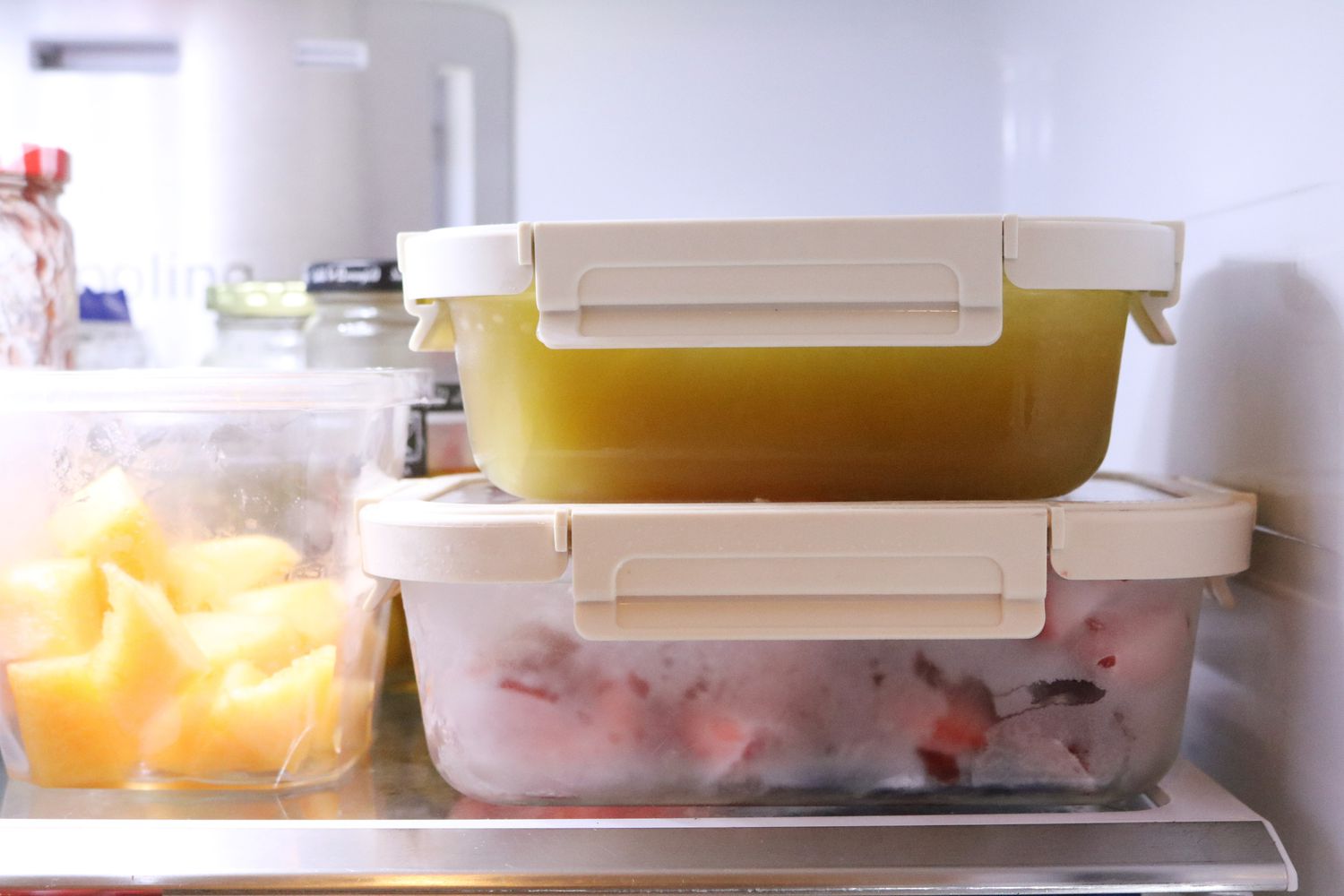
Quick test: Rearrange the fresh food section and keep it moderately stocked for 24 hours. If freezing improves, airflow was a major part of the problem.
Check any air control settings
Some refrigerators (especially older or more basic models) have a manual airflow balance control, sometimes labeled “Freezer” and “Fridge,” or “Cold air.” If this is set too far toward “Fridge” or “Colder,” it can send too much cold air into the fresh food section.
- Set the control to the middle as a starting point
- Make only one small change at a time
- Wait 24 hours before judging results
Thermostat or thermistor issues
If your controls are telling the fridge “it is warm in here” when it is not, the compressor and fans can run too long, driving temps below freezing.
Signs of a sensor or control issue
- Freezing happens across multiple shelves and drawers, not just near one vent
- Temperature swings are big, like 28°F one day and 42°F the next
- The setting you choose does not seem to matter
- The display says one temperature, but a thermometer shows something very different
DIY checks
- Power reset: Unplug for 5 minutes, plug back in. Not a fix, but it can reveal a flaky control or sensor if behavior changes.
- Find the tech sheet: Many fridges have a model-specific service or tech sheet hidden behind the bottom front kick plate or inside the top hinge cover. That sheet often shows thermistor locations and expected resistance values.
- Look for a loose sensor cover: Some thermistors sit behind a small cover on the back wall. If it is dangling or exposed, readings can be off.
- Check door seals: A leaking gasket can cause long run times and moisture patterns that lead to ice and bad airflow. Close a dollar bill in the door. If it slides out easily, the seal may not be sealing well.
Replacement note: Thermistors are usually inexpensive, but diagnosing them properly often requires a model-specific service sheet and a multimeter to measure resistance at a known temperature. If you are comfortable with that, it is a doable DIY. If not, this is a reasonable point to bring in an appliance tech.
Fans, diffusers, and door switches
Many refrigerators use an evaporator fan (in or near the freezer, or in the fresh food section on dual-evap models) to circulate cold air. If a fan is running when it should not, or a diffuser is directing air poorly, you can get freezing in the fresh food section.
Clues
- A stronger-than-normal airflow sound or a constant fan sound
- Freezing gets worse right after the door closes (fan ramps up)
- Frost buildup in air channels or near vents
Simple check: Make sure the door switch is not stuck. If the fridge thinks the door is closed when it is open, fan behavior can get weird. Also check that bins and tall containers are not pressing on the switch area.
Drawers and produce freezing
Crisper drawers are supposed to protect produce, but location matters most. If a drawer sits in the path of a cold air stream, it can freeze leafy greens fast.
Try this
- Keep high-water produce lower and farther from vents
- Set leafy greens and herbs to higher humidity (more closed). This can reduce airflow through the drawer and help a bit.
- Do not wash produce until you are ready to use it. Extra surface moisture freezes faster and turns soggy when it thaws.
Defrost ice blocking returns
A sneaky cause of freezing is ice buildup that blocks a return path. When air cannot circulate normally, the fresh food section can develop cold pockets near the supply vent while other areas drift warmer.
- If you see recurring frost near vents or the back panel, airflow may be getting pinched by ice
- If thawing fixes it for a short time and it comes back, a defrost component or door seal issue may be feeding the problem
Is it low refrigerant?
Low refrigerant is a popular internet guess, but it is not a common cause of a fridge freezing food while otherwise running “fine.” Low refrigerant typically shows up as poor cooling, long run times, and uneven frost patterns on the evaporator coil.
More consistent with sealed system trouble
- Freezer struggles to reach 0°F even after 24 hours
- Fresh food temperature is inconsistent and often too warm overall
- You see a small patch of frost on only one section of the freezer back panel (not an even frost pattern)
- Compressor seems to run constantly, yet performance is weak
If the fridge is strong enough to freeze the fresh food section and the freezer is behaving, sealed-system issues are less likely than airflow or controls. Sealed-system repairs require specialized tools and are generally a pro call.
Safe settings and what not to do
Use settings as a fine-tune, not a band-aid.
- Set the fresh food section for 37°F to 38°F if you can.
- Keep the freezer at 0°F.
- If your fridge uses a 1 to 5 or 1 to 9 dial, start in the middle and adjust one step at a time, waiting 24 hours between changes.
- Do not crank it “warmer” to stop freezing without checking vents and airflow first. You can end up with unsafe temps in some areas and frozen food in others.
Checklist
- Measure temps with a thermometer in a cup of water (4 to 6 hours).
- Inspect and clear vents, especially the back wall and top vent area.
- Repack the fresh food section so air can circulate. Keep delicate produce away from vents.
- Check air controls (if your model has a manual fridge-freezer balance slider or dial).
- Check the damper or diffuser for sticking, ice, broken seals, or a door stuck open (single-evap models especially).
- Check door seals with the dollar-bill test and look for gaps or warping.
- Power reset for 5 minutes and monitor for 24 hours.
- If freezing persists across the whole fresh food section, suspect a thermistor, thermostat, fan logic, or control board and consider model-specific testing.
When to call a pro
There is no shame in tagging in a tech when troubleshooting crosses into electrical testing or sealed-system work. I call for help when the risk of breaking plastic liners or misdiagnosing a control issue outweighs the savings.
- You have verified freezing temps with a thermometer and airflow fixes did not help
- The damper or diffuser looks intact, but behavior suggests it is not responding
- You suspect a control board, thermistor wiring issue, or sealed-system problem
- You see heavy frost or recurring ice blockage behind panels
FAQ
Why does food freeze in the back of my refrigerator?
Because the back wall is often where cold air enters or where air returns. Items placed against that wall can sit in a direct cold stream or a cold pocket.
Should I set my fridge to 34°F to keep food fresher?
Not usually. 34°F is close to freezing, and many fridges have cold spots that dip below the setpoint. Aim for 37°F to 40°F, then organize food so delicate items are not in the coldest areas.
Can a dirty condenser coil cause freezing in the fresh food section?
A dirty coil more often causes weak cooling or long run times, not targeted freezing. Still, cleaning coils is good maintenance and can stabilize performance, especially on older units.

About Marcus Vance
Content Creator @ Grit & Home
Marcus Vance is a lifelong DIY enthusiast and self-taught home renovator who has spent the last decade transforming a dilapidated 1970s ranch into his family's dream home. He specializes in budget-friendly carpentry, room-by-room renovations, and demystifying power tools for beginners. Through his writing, Marcus shares practical tutorials and hard-learned lessons to help homeowners tackle their own projects with confidence.