
If your refrigerator water dispenser suddenly slows to a sad trickle, or your ice maker stops entirely right when the weather turns nasty, there is a good chance the culprit is not the fridge at all. It is that thin water supply line feeding the fridge or ice maker, usually running through a cold garage, a drafty cabinet base, or an exterior wall bay.
I have lived this one. Our garage fridge worked great nine months out of the year, then one January morning it acted like we ran out of water. Spoiler: the water was there. It was just frozen solid in the line.
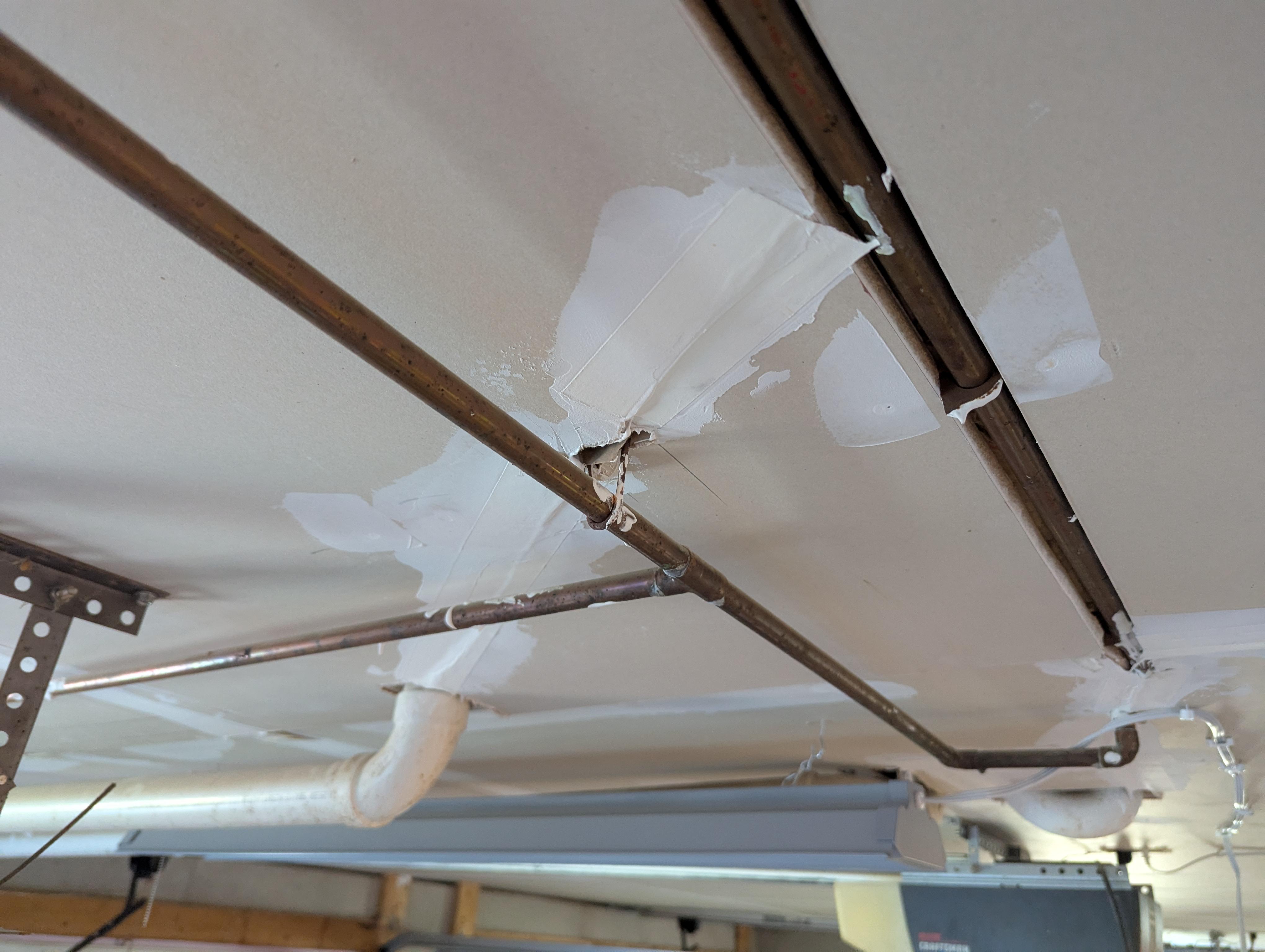
Quick signs the water line is frozen
- Dispenser stopped or slowed even though your household water is working normally.
- Ice maker stopped making ice, or cubes are tiny and hollow.
- No obvious leak behind the fridge, and the shutoff valve is open.
- Problem started during freezing temps, especially with a garage fridge or an exterior wall run.
Good to know: This is different from an ice bin jam or a freezer that is too warm. A frozen supply line is upstream. The fridge is fine, but it cannot get water.
Before you thaw: confirm where the freeze is
Step 1: Check the basics
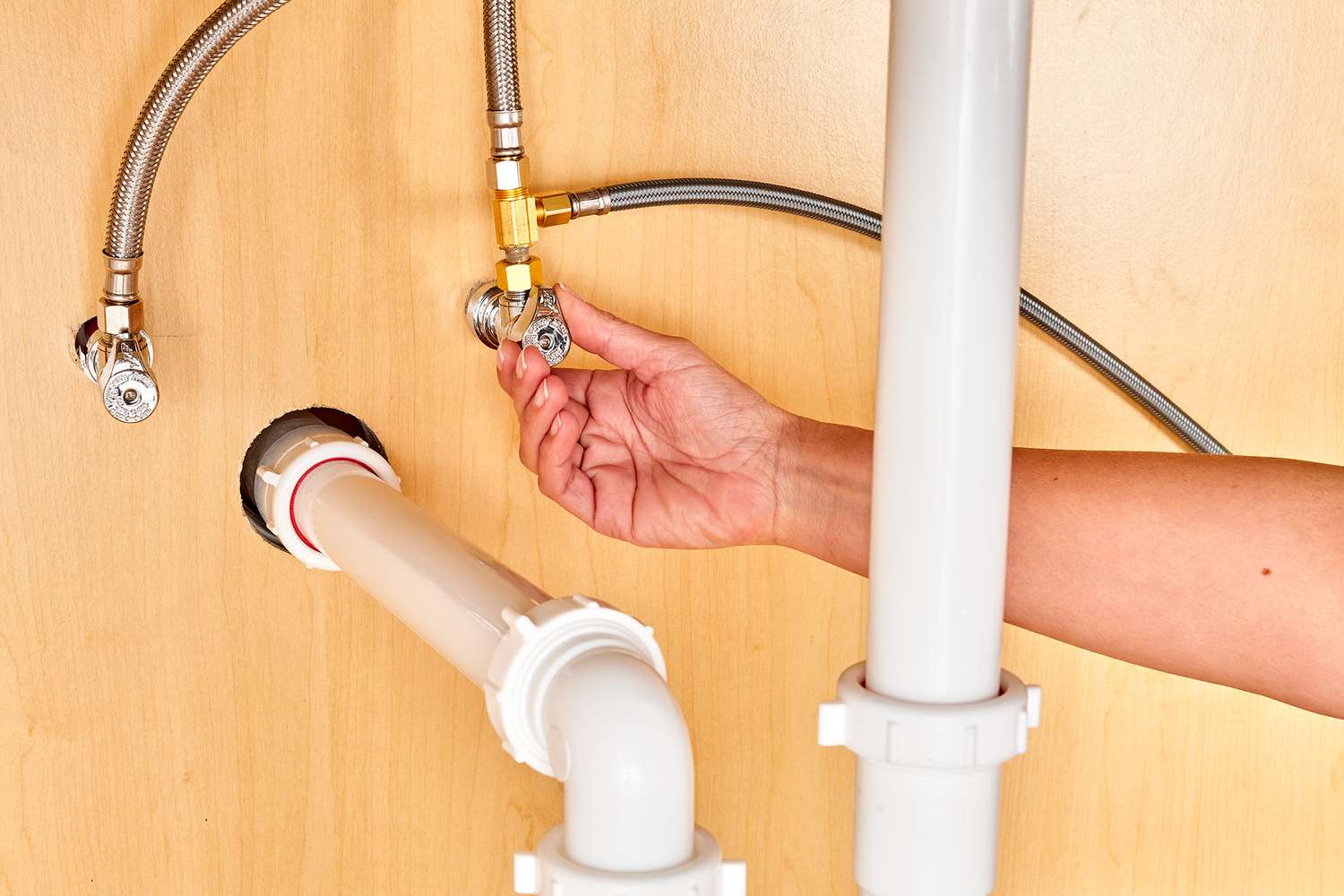
- Make sure the shutoff valve feeding the fridge is fully open (under the sink, in the basement, behind the fridge, or at the wall box).
- If you have a water filter in the fridge, note when it was last changed. A clogged filter can mimic a freeze. If it is overdue, replace it.
- Check the display for water or filter alerts. Some models reduce flow if a filter is not seated correctly or not recognized.
Step 2: Check common external freeze spots
Frozen spots usually happen where cold air hits the line and the line is exposed, uninsulated, or near a draft. Check these areas:
- Behind the fridge, especially where the tubing loops or kinks.
- Where the line passes through the wall into a cold garage or crawl space.
- Under a sink cabinet that sits on an exterior wall with poor insulation.
- At the shutoff valve box in an unheated garage.
If the outside line is fine, it may be frozen inside the fridge
This is the gap that gets a lot of people. Many refrigerators have an internal water reservoir (a coiled tube) or a water line routed through the refrigerator door. If the freezer is set too cold, or cold air is leaking into the wrong place, that internal section can freeze even when the external supply line is flowing normally.
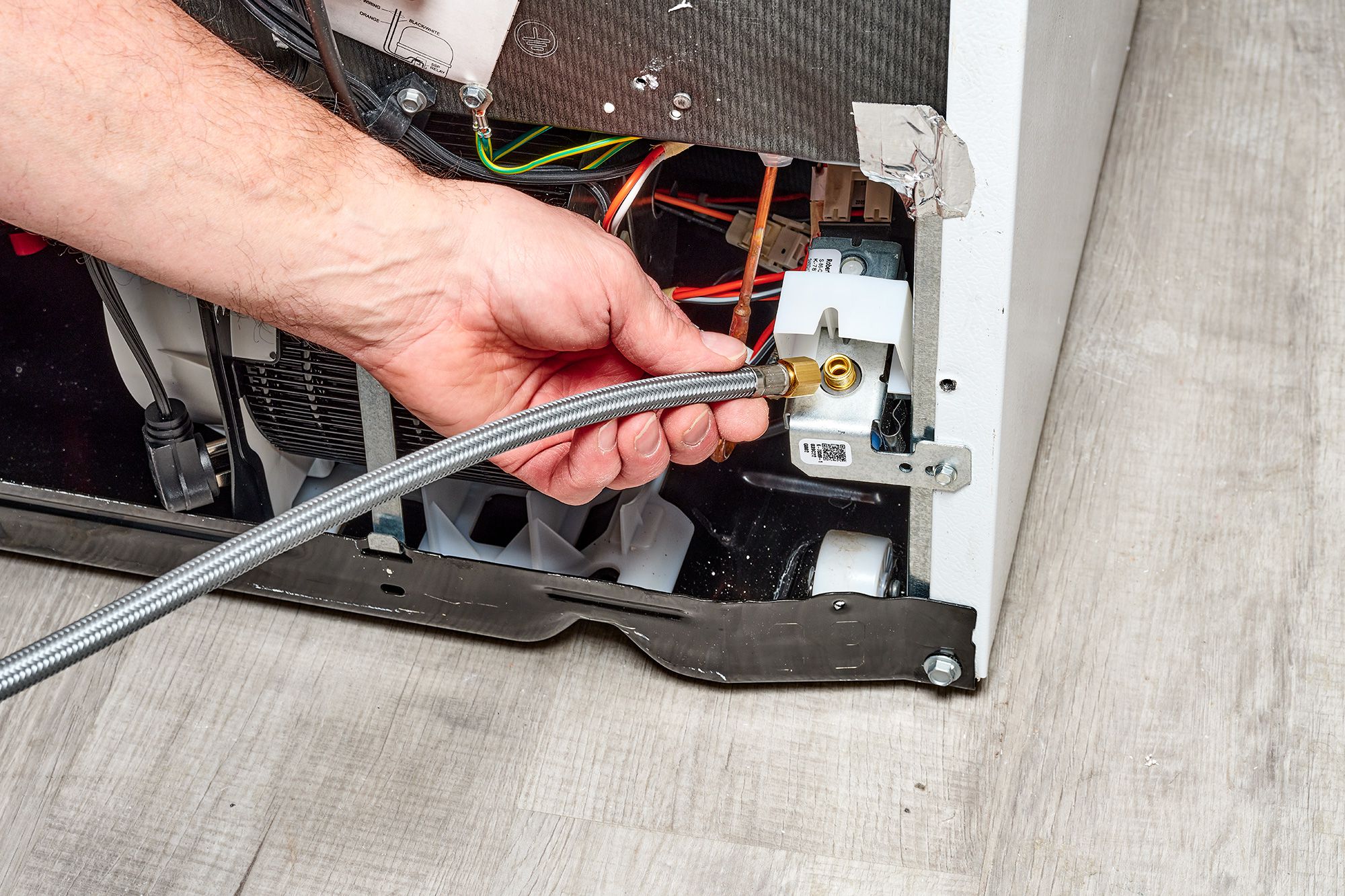
Clue: If you disconnect the water line at the fridge inlet and you get a strong, steady stream into a bucket, the freeze is likely inside the refrigerator (door line or internal reservoir), not in the wall or garage.
What to do: Raise the freezer temperature 1 to 2 degrees, make sure vents are not blocked by food, and let the unit thaw. If it happens repeatedly, check door seals and consider a service call, since some models have known “freezing-in-door” issues.
Safety first (and how not to create a leak)
- Turn off the water at the shutoff valve before disconnecting any line or fitting.
- Unplug the refrigerator before using any heat source near it.
- Do not use an open flame (propane torch, lighter, etc.). Plastic tubing, insulation, and dust ignite easier than you think.
- Skip harsh heat: no heat gun on high and no pouring boiling water directly on plastic tubing.
- Have towels and a shallow pan ready. When the ice plug releases, it can surge.
- Know your line type: Plastic (common) melts if overheated. Copper can be heated gently but fittings still have plastic parts.
If you see a bulge, split, or crack in plastic tubing, stop. Thawing will likely turn that into a spray. Replace the damaged section instead.
Also do not do this: Do not pierce the line to “relieve” the ice plug. It will not end well.
How to thaw a frozen refrigerator water line
Method A: Warm the area (best first move)
If the line is freezing in a garage or near an exterior wall, sometimes the best fix is simply raising the temperature around it.
- If you need to reposition the fridge, do it quickly, then keep the garage closed while you warm the space.
- Run a safe space heater several feet away to warm the area (never aimed at plastic tubing or the fridge back).
- Open cabinet doors under the sink if the valve or line is in there.
- Increase airflow with a small fan aimed at the cold spot.
This method is slow but low risk, which is my favorite combination.
Method B: Hair dryer on low (targeted and effective)
Use a hair dryer to warm the line gradually, moving back and forth like you are drying paint.
- Start at the area you suspect is frozen, often near the wall penetration or a drafty corner.
- Keep the dryer 6 to 12 inches away from plastic tubing.
- Heat for 2 to 3 minutes, then pause and check progress.
Better testing tip (no plug-unplug cycle): Turn off the shutoff valve, disconnect the supply line at the fridge inlet, point it into a bucket, then open the valve briefly. If you have strong flow there, your house line is fine and the restriction is likely inside the fridge (or at the inlet valve). Close the valve again before reconnecting.
Dispenser tip: If you do test at the dispenser, do short bursts. Holding it down continuously is not necessary and can be hard on some components.
Method C: Warm towels (great for plastic tubing)
Soak a towel in hot tap water, wring it out, then wrap it around the line where it is frozen.
- Refresh the towel every few minutes as it cools.
- This is slower than a hair dryer, but it is very gentle on plastic.
Method D: Heat tape or heat cable (for repeat freeze zones)
If your line freezes every winter, you can install UL-listed heat tape designed for pipes, but read this twice before you buy anything.
- Follow the heat tape instructions exactly. Do not overlap unless the manufacturer allows it.
- Use it only on the section that is actually freezing, usually in the garage or at the wall.
- Plug it into a GFCI outlet and keep cords off wet floors.
Important: Some heat tapes are not recommended for small plastic tubing, and some refrigerator manufacturers may not want heat applied to their supply lines (warranty and safety vary). Check both the fridge manual and the heat tape label. If there is any doubt, rerouting the line to a warmer path is often the cleaner fix.
How to find the frozen spot
When the line disappears into a wall or ceiling, you have to play detective.
- Feel the line (if accessible). A frozen section often feels extra cold and may have a frosty look.
- Look for the coldest choke point: exterior wall penetrations, uninsulated holes, garage door side walls, rim joists, crawl space entry points.
- Check for kinks behind the fridge. A kink can trap a little water that freezes first.
If your supply line runs through a finished wall and you cannot access it, you may be better off rerouting a new line through a warmer path, like inside the house or through a cabinet run, instead of fighting the same freeze every year.
After it thaws: flush and check for leaks
Flush the line
- Flush per your manual (commonly a few gallons) until flow is steady and sputtering stops.
- Dump the first couple batches of ice after a full thaw, especially if the line was stagnant.
Inspect every connection you touched
- Check the shutoff valve compression nut.
- Check the connection at the fridge inlet.
- If you have an inline filter, check both sides.
My rule: Dry it with a paper towel, then come back 20 minutes later and wipe again. Slow leaks love to hide.
Stop it from freezing again
1) Move the line away from cold air
- Keep the tubing off the garage floor and away from the garage door edges.
- Avoid routing directly against exterior sheathing or metal surfaces.
- Add a gentle loop behind the fridge so it does not pull tight and kink.
2) Seal drafts at wall penetrations
The little hole where the tubing enters the wall is a freezer nozzle in winter.
- If the penetration is between an attached garage and the house, it may need to be fireblocked in many jurisdictions. Use an approved fireblocking sealant or foam per local code.
- Otherwise, use minimal-expanding foam or silicone caulk, depending on the material.
Seal first, then insulate. Insulation without air sealing is like wearing a sweater in a windstorm.
3) Insulate the supply line
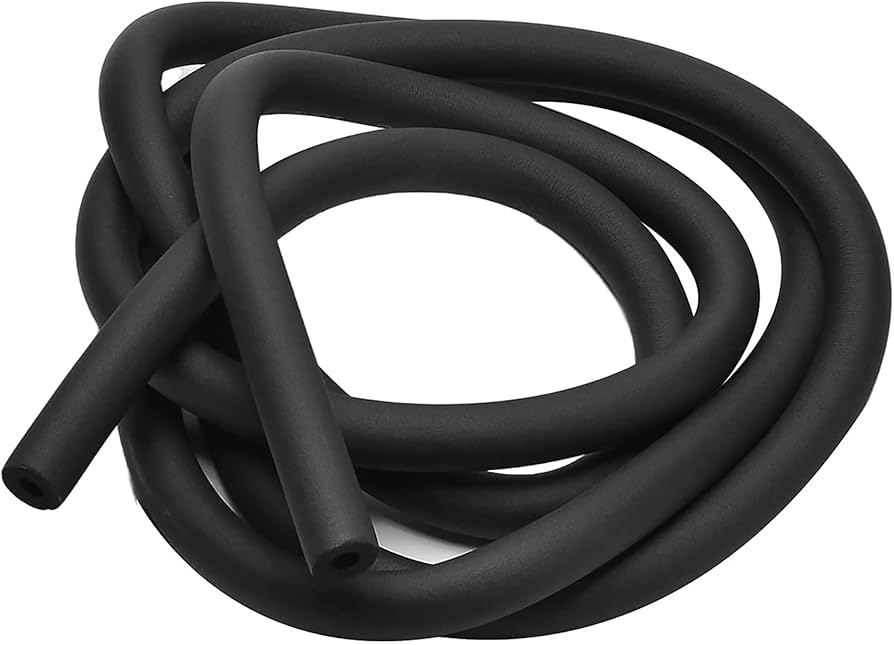
- Use foam pipe insulation sized for the line, or wrap insulation tape around it.
- Insulate the coldest sections only, especially in unheated garages.
- Do not bury compression fittings in insulation so tightly that you cannot inspect them later.
Garage fridge tips
- Keep the garage above freezing if possible. Even a small temperature bump helps.
- Reposition the fridge away from exterior walls or the big garage door if you have room.
- Consider a heated line section only where needed, instead of heating the whole garage.
- If your garage regularly hits the teens, a garage-rated refrigerator or moving the fridge indoors may be the long-term win.
When to call a pro
- You suspect the line is frozen inside a finished wall and you cannot access it.
- The tubing looks cracked, split, or swollen.
- You confirmed strong flow to the fridge inlet but still have no water, which can point to a failed inlet valve, a frozen internal reservoir, or a blockage inside the fridge.
- You are not comfortable working with water connections near electrical outlets.
A plumber can reroute the line or relocate the shutoff to a warmer spot, and that can permanently end the winter freeze cycle.
Fast checklist
- Confirm house water is on and fridge valve is open.
- Check for water or filter alerts; reseat or replace an overdue filter.
- Inspect the line behind the fridge for kinks and cold exposure.
- Test flow at the fridge inlet into a bucket (shutoff valve off first, towels ready).
- Thaw with warm air, hair dryer on low, or hot towels.
- Flush until flow is steady, then check every fitting for leaks.
- Seal drafts at wall penetrations, then insulate.
- Add heat tape only if needed and only if approved for your line type and your setup.
If you fix it once but it freezes again next cold snap, do not feel bad. That just means you treated the symptom. Air sealing, better routing, and targeted heat are what cure it.

About Marcus Vance
Content Creator @ Grit & Home
Marcus Vance is a lifelong DIY enthusiast and self-taught home renovator who has spent the last decade transforming a dilapidated 1970s ranch into his family's dream home. He specializes in budget-friendly carpentry, room-by-room renovations, and demystifying power tools for beginners. Through his writing, Marcus shares practical tutorials and hard-learned lessons to help homeowners tackle their own projects with confidence.