

If your refrigerator water suddenly tastes like plastic, chlorine, metal, or just plain “old fridge,” you're not alone. I've chased this exact problem more than once while renovating our 1970s ranch, and it's often something simple: a new filter that wasn't flushed, a funky ice bin, or water sitting too long in a line.
This page is a taste and odor checklist. We'll separate dispenser water problems from ice-only problems, then work from the cheapest fixes to the more involved ones. By the end, you'll know whether you're dealing with a filter or supply-water issue, or something inside the fridge that needs attention.
First, figure out what's weird
Do this quick 2-minute test so you don't clean the wrong thing.
- Dispenser water tastes bad (in a clean glass): likely filter, new filter flush, tubing, or supply line.
- Ice tastes bad but water tastes fine: usually the ice bin, freezer odors, old ice absorbing smells, or the ice maker area.
- Both ice and water taste bad: start with filter flush and supply-water checks.
- Only the first glass tastes bad: water sitting in the internal line, a common “stale water” issue.
Tip: Compare your fridge water to cold tap water from a nearby faucet. If the faucet has the same taste, the fridge isn't the villain. Your home water supply is.
If dispenser water tastes off
1) Flush a new or recent filter
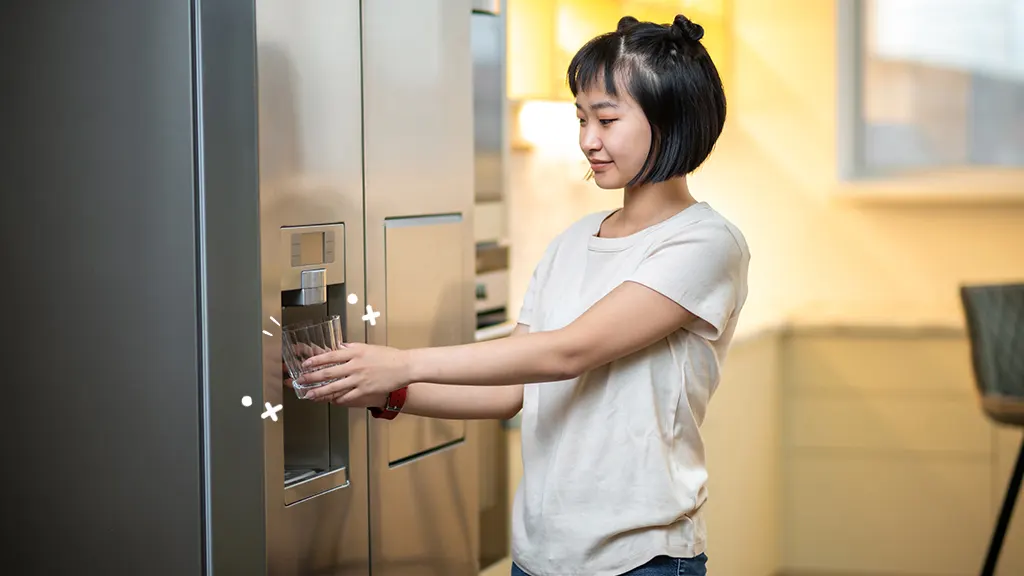
New filters commonly cause a plastic taste, a “flat” flavor, or black carbon specks. That's normal at first. The fix is flushing, but the amount varies a lot by manufacturer.
- Follow your filter label or owner’s manual first. Many specify flushing by volume (often 1 to 4 gallons, depending on the filter).
- If you can't find the spec, start by running water for several minutes, then re-taste. I like doing it in 30 to 60 second bursts so you're not stressing the dispenser on some models.
- Discard the first full bin of ice after a filter change. That ice was made with unflushed filter water.
- If you see black flecks, keep flushing until they stop. They're usually harmless carbon fines. If particles are heavy, slimy, rusty-looking, or they don't taper off, stop and re-check the filter seating and water source.
If the taste improves after flushing but returns later, that points to water sitting in the line or a supply-water issue.
2) Confirm the right filter and a full seat
This one's boring, but it gets people every week. A mismatched filter, a missing bypass plug, or one that isn't locked in can cause odd tastes and slow flow.
- Match the filter model number to your fridge manual or the old filter.
- Remove and reinstall it firmly. Many filters need a final quarter turn or push until it clicks.
- If you're running without a filter, confirm your model requires a bypass plug and that it's the correct one.
- Avoid sketchy knockoffs. Some work fine, some absolutely don't. If taste is the main issue, trying one OEM filter can be a quick sanity check.
3) Fix stale line water
If the first glass tastes funky but the second glass is fine, the water sitting in the fridge line is the problem. It can pick up tastes from plastics, fittings, or just sitting too long.
- Dump the first 8 to 16 ounces each morning for a week and see if it improves.
- Use the dispenser more often, or fill a bottle daily. Moving water helps.
- If your fridge has a long coil of tubing behind the kick plate, look for kinks and heat exposure from nearby appliances.
- If you recently had plumbing work done or added new PEX lines, a temporary “new plastic” taste can happen and often fades with regular flushing.
4) Sanitize the tank and tubing
Some refrigerators have a small reservoir tank for cold water. If water sits for long periods, the tank and tubing can develop a stale taste or biofilm. This is more common in homes where the dispenser is rarely used or after a long vacation.
Before you start: Check your owner’s manual for manufacturer-approved cleaning and sanitizing steps. Not every brand recommends the same method, and some materials can hold onto odors if you use the wrong product. Never mix cleaners or chemicals.
What you'll want on hand: gloves, a towel, a bucket, and whatever sanitizer your manual recommends.
- Turn off the water supply to the fridge.
- Unplug the refrigerator.
- Locate the reservoir (often behind the crisper drawers or lower rear interior panel).
- Use a food-safe sanitizing approach per your manual, then flush thoroughly with clean water until no odor remains.
- Replace the filter afterward and flush again.
My mistake to save you time: If you sanitize and don't flush enough afterward, you trade one bad taste for another. Plan to flush generously.
Extra caution: If infants, elderly, or immunocompromised people will be drinking the water and you suspect biofilm, consider testing the water and/or scheduling service instead of guessing.
5) Check the supply connection
If your fridge was tapped into the water line years ago with a saddle valve (a little clamp-on valve), it can cause trouble. They can restrict flow, collect debris, and create stagnant spots that complicate taste troubleshooting. Plumbers and local codes often dislike them for a reason.
- Metallic taste: can come from old copper, brass fittings, or a corroded valve.
- Musty taste: can come from stagnant water in a rarely used line, or buildup in a valve or section of tubing.
- Chlorine taste: often just city water, but a fresh carbon filter should reduce it if the filter is seated and working.
Better setup: A dedicated shutoff valve and a modern braided stainless or certified plastic supply line is more reliable than a saddle valve. If you find a saddle valve and you're already chasing taste issues, replacing that connection is often money well spent.
Also check: If you have an external inline fridge filter, an under-sink filter, a whole-house carbon system, or a water softener, those can be the real cause of a sudden taste change. A spent whole-house carbon filter or a softener issue can show up everywhere, including the fridge.
6) Filter and supply issue vs fridge issue
- More likely filter or supply water: taste started right after a filter change, taste matches faucet water, or taste improves after flushing.
- More likely fridge-side: only the refrigerator has the taste, it's worse after sitting, or you see slime, discoloration, or persistent odor inside the reservoir or tubing.
- Rare but real: A failing water inlet valve can cause poor flow, noise, or leaking, but it's not a common root cause of taste by itself. Usually, you'll have performance symptoms too.
If ice tastes off
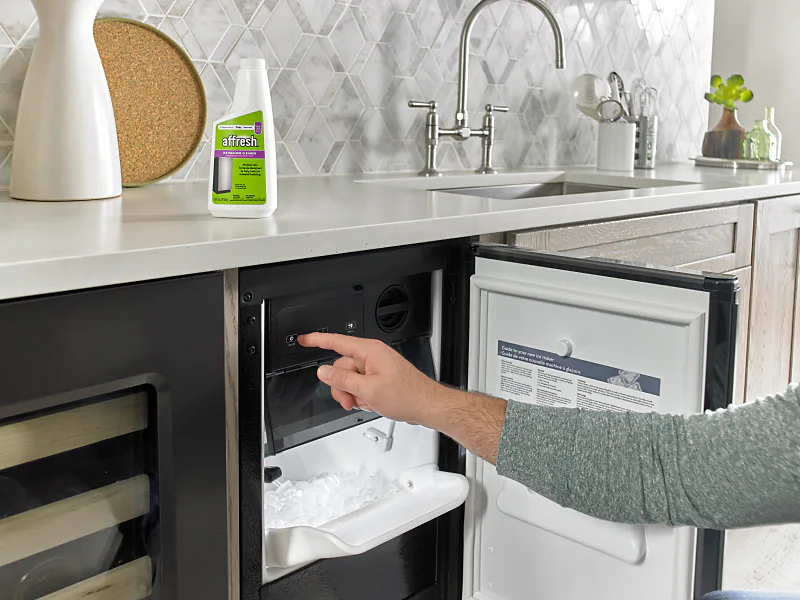
1) Clean the ice bin and scoop
Ice is basically a flavor sponge. If the bin smells like freezer, your ice will taste like freezer.
- Dump all ice.
- Wash the bin with warm water and mild dish soap.
- Rinse well and dry completely. Wet bins can freeze into a clumpy mess.
- Wash the scoop too. I've seen more “mystery flavors” traced back to a dirty scoop than I care to admit.
2) Purge old ice
If your ice maker is slow or you don't use much ice, cubes can sit long enough to absorb odors and taste stale.
- After cleaning, discard the first 1 to 2 batches of new ice.
- Use ice regularly for a week and see if the issue disappears.
3) Kill freezer odors
Open baking soda, cut onions, leftover pizza, and unwrapped frozen foods all share the same superpower: they perfume your ice.
- Throw away expired freezer items and wipe spills.
- Keep strong-smelling foods sealed tight.
- Replace the fridge deodorizer or baking soda box if you use one.
- Check door gaskets. Warm air leaks can cause frost and funky odors.
4) Check the ice maker area
If you can safely access it on your model, take a quick look where the ice actually forms and drops.
- Inspect the ice maker compartment for spills, old crumbs, or anything that could be stinking up the area.
- Check the water fill tube area for slime or buildup. If you see obvious gunk you can't clean safely, that's a good time to call for service.
5) Don't ignore the water filter
Some people never drink dispenser water but use plenty of ice. If the filter is old, your ice can taste off even if you're not noticing it in water.
- Replace the filter on schedule (commonly every 6 months, depending on model and usage).
- Flush the new filter and discard the first bin of ice.
Common tastes and causes
Taste is subjective, but these patterns show up a lot.
- Chlorine or pool taste: city water chlorination, filter not seated, or filter exhausted.
- Plastic or “new” taste: new filter not flushed, new tubing, new plumbing, or new fridge components.
- Metallic taste: old plumbing, saddle valve, brass fittings, or mineral-heavy water.
- Musty or earthy taste: stagnant line, dirty reservoir, contaminated ice bin, or changes in source water. Municipal algae blooms can create earthy compounds, so check local water notices if it started suddenly.
- Salty taste: sometimes tied to a water softener (settings, regeneration issues, or high sodium or potassium levels). If you notice it, confirm with a water test and check softener settings.
If you suspect your home water supply has changed, a basic water test kit can be enlightening. For well water especially, periodic testing is a smart homeowner habit.
Quick safety notes
- If water is discolored, has particles beyond occasional carbon flecks, or smells strongly like sewage or chemicals, stop using it and investigate the supply line.
- If you use any sanitizing solution, flush until there's no odor or taste left.
- When in doubt, check the manual for your refrigerator model. Filter types, bypass plugs, and flushing steps vary.
When to call for service
I'm all for DIY, but some situations are worth a professional.
- You see leaks at the inlet valve, filter head, or inside the fridge.
- Water tastes bad only from the fridge after you've flushed, replaced the filter with a known-good one, and cleaned the ice system.
- Your dispenser flow is extremely slow and you've already confirmed the shutoff valve is fully open and the filter is correct.
- You suspect mold or heavy biofilm inside internal lines you can't access safely.
My go-to checklist
- Compare fridge water to faucet water.
- Flush per the manual or filter label, then discard the first ice bin.
- Clean and dry the ice bin and scoop.
- Address freezer odors and food storage.
- Inspect the supply line, and ditch saddle valves if present.
- Check external filters and whole-house systems if taste changed everywhere.
- If needed, sanitize reservoir and tubing using manufacturer-approved steps, then flush thoroughly.
If you tell me whether the weird taste is in water, ice, or both, and whether you recently changed the filter, I can usually help you narrow it down to the next best step.

About Marcus Vance
Content Creator @ Grit & Home
Marcus Vance is a lifelong DIY enthusiast and self-taught home renovator who has spent the last decade transforming a dilapidated 1970s ranch into his family's dream home. He specializes in budget-friendly carpentry, room-by-room renovations, and demystifying power tools for beginners. Through his writing, Marcus shares practical tutorials and hard-learned lessons to help homeowners tackle their own projects with confidence.