
🚨 In a DIY emergency or rush?
Skip the details and jump straight to our 30-second cheat sheet for the most crucial info.
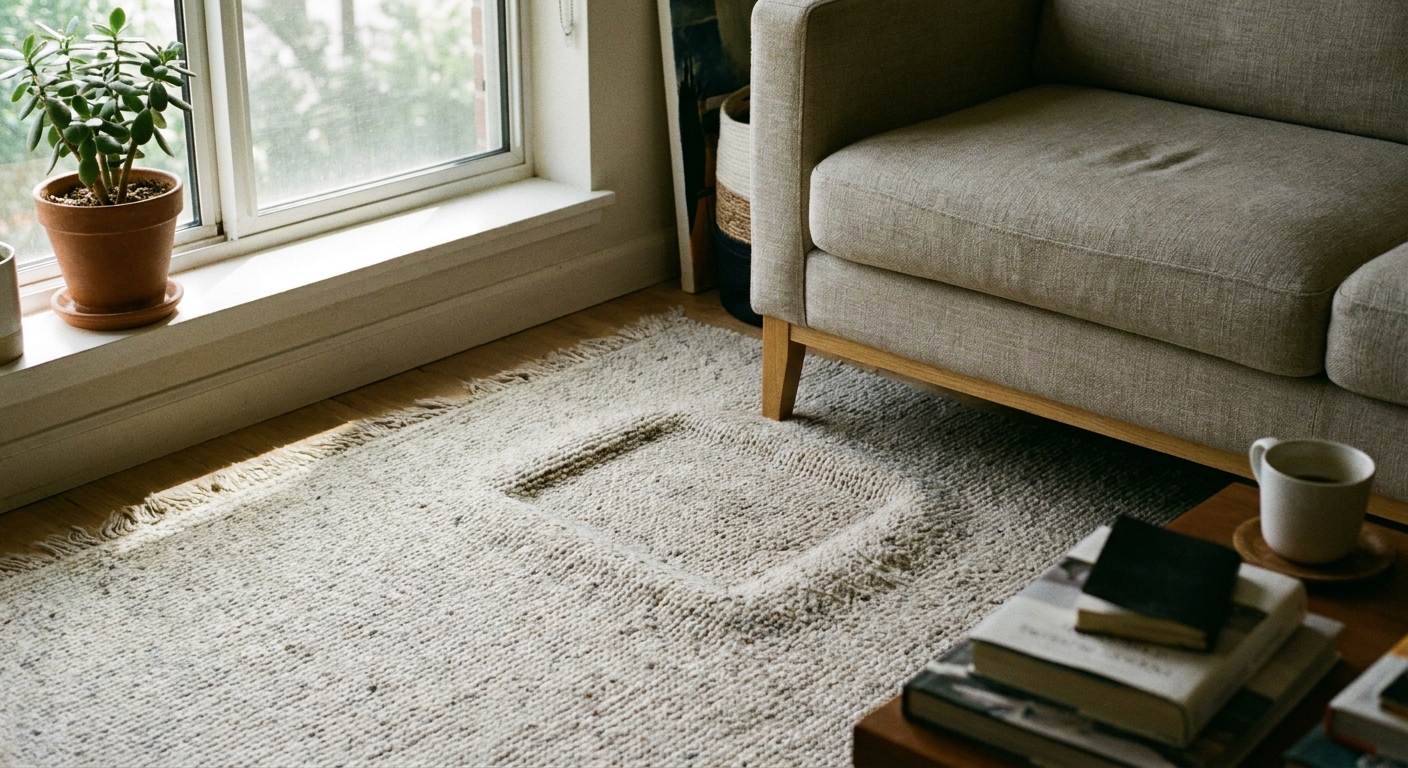
Furniture dents in carpet are one of those annoyingly visible “everything’s clean but it still looks messy” problems. The good news is many dents are temporary. But if a heavy piece sits for a long time, the fibers and even the pad underneath can get compressed enough that the mark becomes semi-permanent.
I have made every rookie mistake here, including trying to fix a dent fast with too much heat and ending up with a shiny, flattened patch that looked worse than the original dent. The trick is to start with the lowest-risk option (moisture and gentle lifting), then step up to careful heat only if you need it.
Jump to the fix
Before you start
A quick check now saves you from making the spot look worse.
Confirm it is a dent
- Dent only: fibers are flattened, color looks normal, no crusty residue.
- Stain or soil: darker edges, sticky feel, or a visible ring. Clean first , then fluff.
- Carpet backing issue: ripples, bubbles, loose feel, or a seam that looks stressed. That is a different fix (often stretching or repair).
Know your pile type
- Cut pile (plush, saxony, frieze): individual yarn tips. Usually responds well to ice or careful steam.
- Loop pile (Berber, level loop): loops can snag. Go gentler and avoid aggressive scraping.
Grab basic supplies
- Ice cubes or a few tablespoons of water
- White towel or microfiber cloth
- Spoon, coin, plastic fork, or your fingers
- Vacuum (if your vacuum has a brush roll, use the manufacturer’s “brush off” or gentler setting for loop pile)
- Optional: fan, hair dryer, garment steamer, or steam iron with a steam setting
Method 1: The ice cube trick
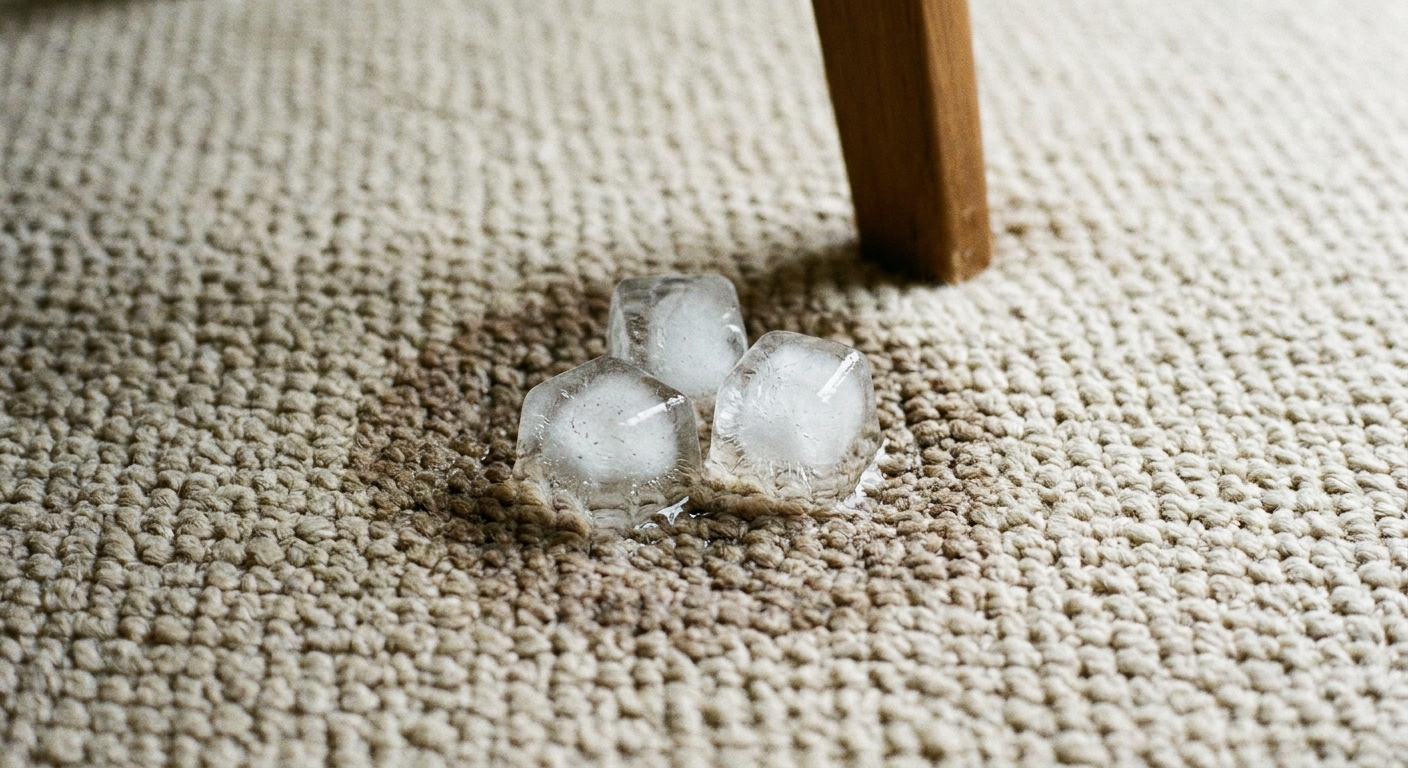
This is my go-to because it is cheap, low-risk, and works on a lot of dents from chairs, couches, nightstands, and bed frames.
Time: 1 to 3 hours (plus drying) | Effort: low
Step-by-step
Place ice cubes in the dent. Use enough to cover the compressed area. For small dents, one cube might do it.
Let them melt completely. Expect 1 to 3 hours depending on room temperature and carpet thickness.
Blot, do not rub. Use a white towel to absorb extra water.
Check the dampness. You want it lightly damp, like a wrung-out sponge, not wet enough to soak through to the pad.
Fluff the fibers. Use your fingers, a plastic fork, or the edge of a spoon to gently lift the pile upright.
Let it dry fully. Once dry, vacuum to blend the area into the surrounding carpet.
My small-but-important tips
- If you are in a hurry, aim a fan at the spot after fluffing.
- Do not over-soak. Too much water can seep down and take forever to dry, and lingering moisture can cause odor in thicker carpet and pad.
- For deep dents, repeat the ice method once more before moving on to heat.
Method 2: Steam and towel
Heat plus moisture relaxes carpet fibers, which can help them rebound. The key is to keep the heat indirect so you do not deform synthetic fibers or leave a shiny, crushed look.
Time: 10 to 30 minutes (plus drying) | Effort: medium
Before you steam
- Test a hidden spot first. Especially if your carpet is polyester, olefin/polypropylene, or a low-pile style that can “glaze” or flatten.
- Use short bursts. More time and more pressure is usually the opposite of what you want.
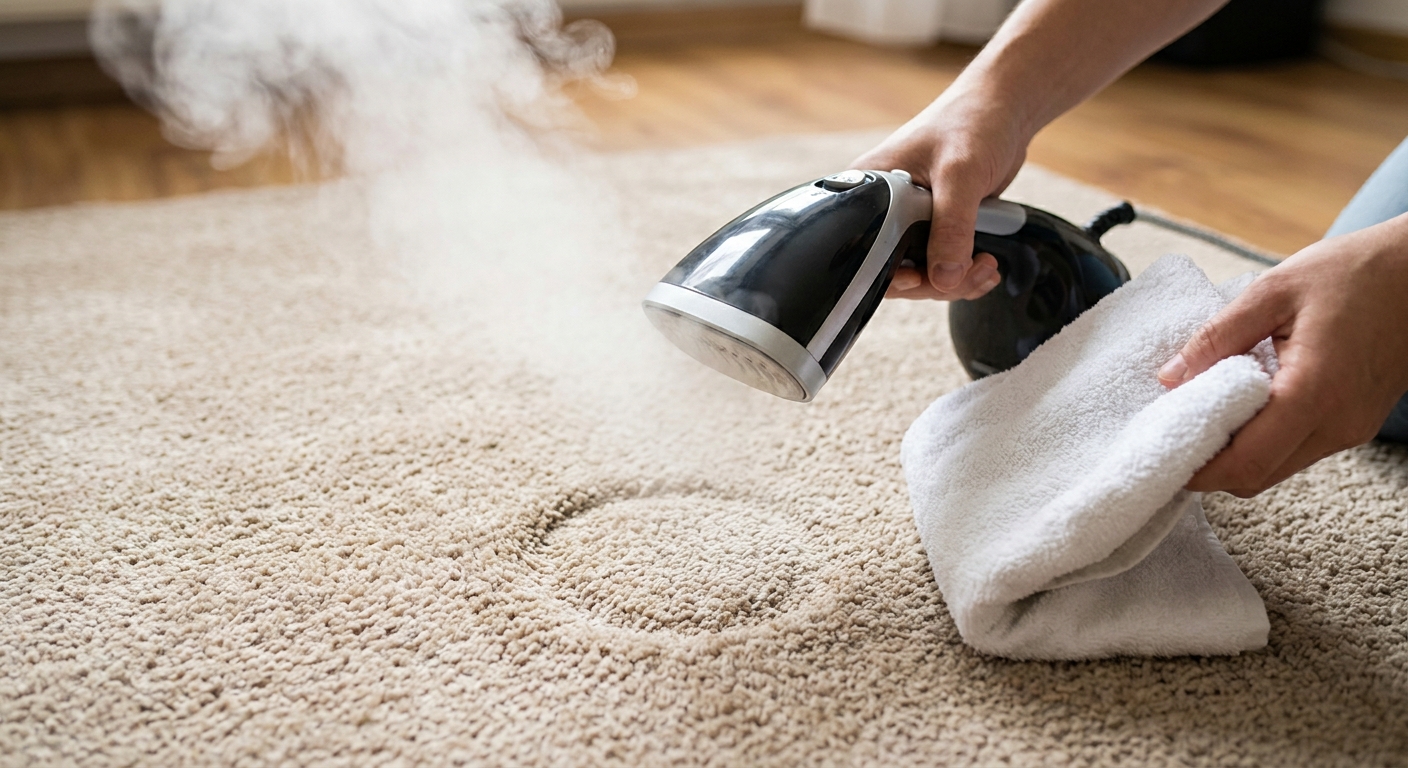
Option A: Garment steamer (my favorite)
Hover the steamer above the dent. Do not touch the carpet with the nozzle. Hover 2 to 4 inches above the fibers.
Steam for 10 to 20 seconds. Pause and check.
Blot with a towel. Press lightly to pick up moisture.
Lift the pile. Use a spoon edge, plastic fork, or your fingers to stand fibers up.
Let dry, then vacuum.
Option B: Steam iron (only with a towel barrier)
If you only have an iron, you can still do this safely, but you must use a towel as a buffer and keep contact brief.
Lay a damp white towel over the dent. Wring it out so it is not dripping.
Tap steam through the towel. Set the iron to steam. Briefly press for 1 to 2 seconds, then lift. Never park the iron there.
Remove towel and fluff. Lift fibers with your fingers or spoon, then let dry.
What not to do
- Do not press hard. Pressure re-compresses the fibers.
- Do not use high heat directly on carpet. Many carpets are nylon, polyester, or olefin and can deform.
- Do not over-wet. If water gets into the pad and cannot dry, it can smell musty.
Method 3: Spoon fluffing
If the dent is light, sometimes all you need is mechanical lifting.
Time: 2 to 10 minutes | Effort: low
How to do it
Lightly dampen the area. A few drops of water or a light mist is enough.
Lift, do not scrape. Use the edge of a spoon or a plastic fork to gently rake the fibers up from multiple directions. Think “teasing the pile,” not sanding it down.
Finish with fingers. Pinch and lift the fibers to help them stand up.
Vacuum once dry. This blends it in.
Good tools if you have them
- A clean upholstery brush
- A wide-tooth comb (used very gently)
- A carpet rake for thicker cut pile
Avoid: stiff wire brushes and anything that can snag loops.
Quick fiber notes
If you know your carpet fiber, you can avoid the most common “oops” moments.
- Wool: Usually tolerates gentle steam well, but still avoid over-wetting and make sure it dries fully.
- Nylon: Typically resilient, but can still flatten if you use too much heat or press down.
- Polyester: Can be more prone to heat flattening and a shiny look. Keep steam indirect and brief.
- Olefin/polypropylene: Often the most likely to “glaze” or permanently flatten with heat. If you steam at all, test a hidden spot first and keep it minimal.
Loop pile and Berber care
Loop pile carpets, including many Berber styles, do not always “spring back” like plush carpet does. They can also snag and pull if you get aggressive.
If you have Berber or loop pile
- Start with the ice method. It is the safest.
- Use steam sparingly. Short bursts, indirect heat, and minimal tool work.
- Use the right vacuum setting. If your vacuum has a brush roll, use the manufacturer’s recommended setting for loop pile (often brush off) to reduce snag risk.
- Fluff with fingers first. If you use a spoon or plastic fork, keep pressure light and strokes short.
Quick note: manage expectations
Cut pile dents often disappear faster because the tips re-fluff. Berber and loop pile can hold a “memory” longer, especially under heavy furniture. That is normal. You are aiming for improvement and blending, not always perfection in one pass.
When it will not bounce back
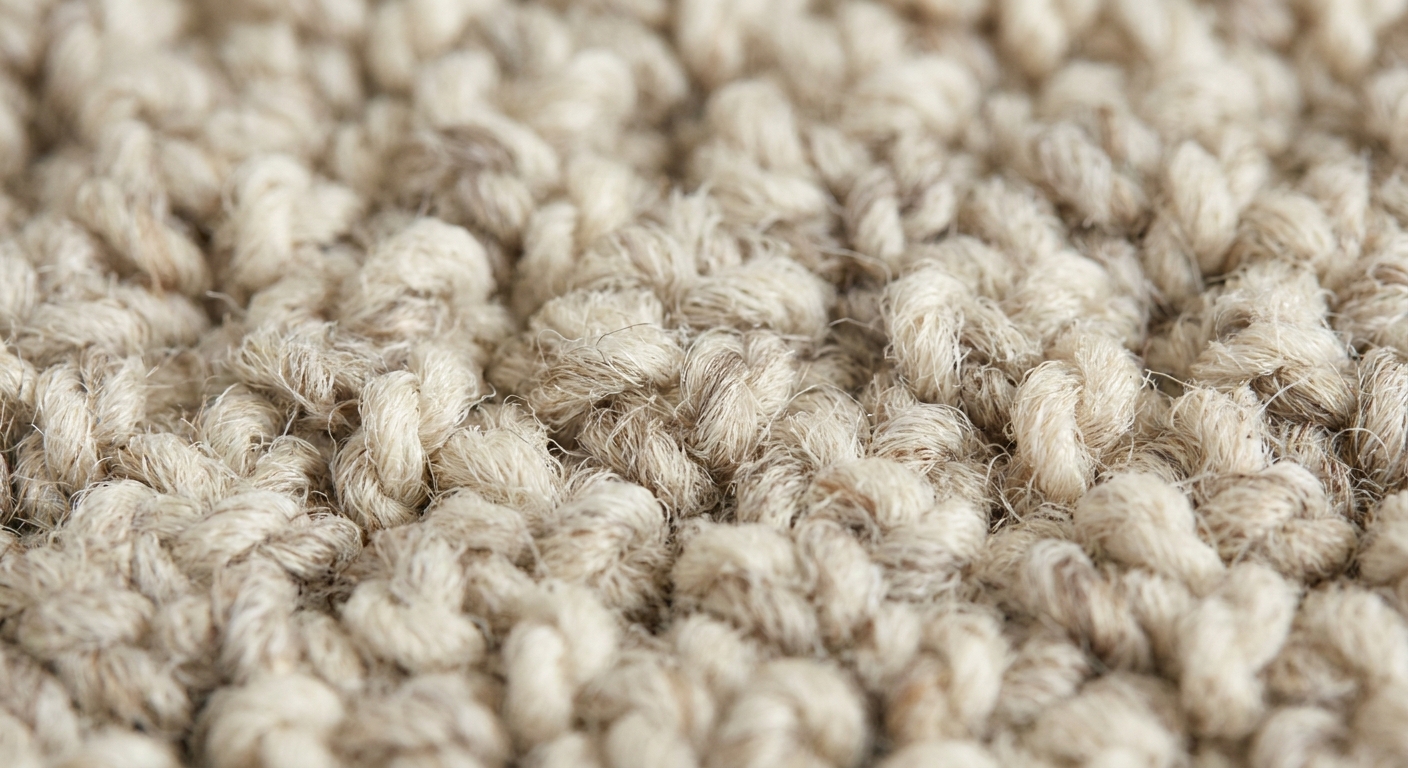
Sometimes dents stick around because the carpet has been compressed for years, or because the pad underneath is crushed.
Try this order
- Repeat the ice method once more and give it a full dry cycle.
- Move to gentle steam and fluff while warm and slightly damp (after testing a hidden spot).
- Vacuum in multiple directions after it dries to help blend the nap.
Signs you are dealing with pad compression
- The dent feels like a shallow bowl even after the fibers look better.
- The area feels flatter and firmer than the surrounding floor.
- The furniture was extremely heavy (piano, safe, loaded bookcase).
If it is pad compression, you can still improve the look, but it may never fully match without replacing the pad or doing a larger carpet repair. If the dent is in a spot that really bothers you, shifting the room layout by a few inches sometimes hides it better than any “fix.”
When to call a pro
- Ripples, buckling, or loose areas (often needs stretching)
- Seam issues, fraying, or visible backing problems
- Large areas that feel crushed or uneven underfoot
Prevent dents next time
Once you get the carpet looking good again, prevention is the real win. This is where you save yourself future weekend “carpet dent therapy.”
Use the right supports
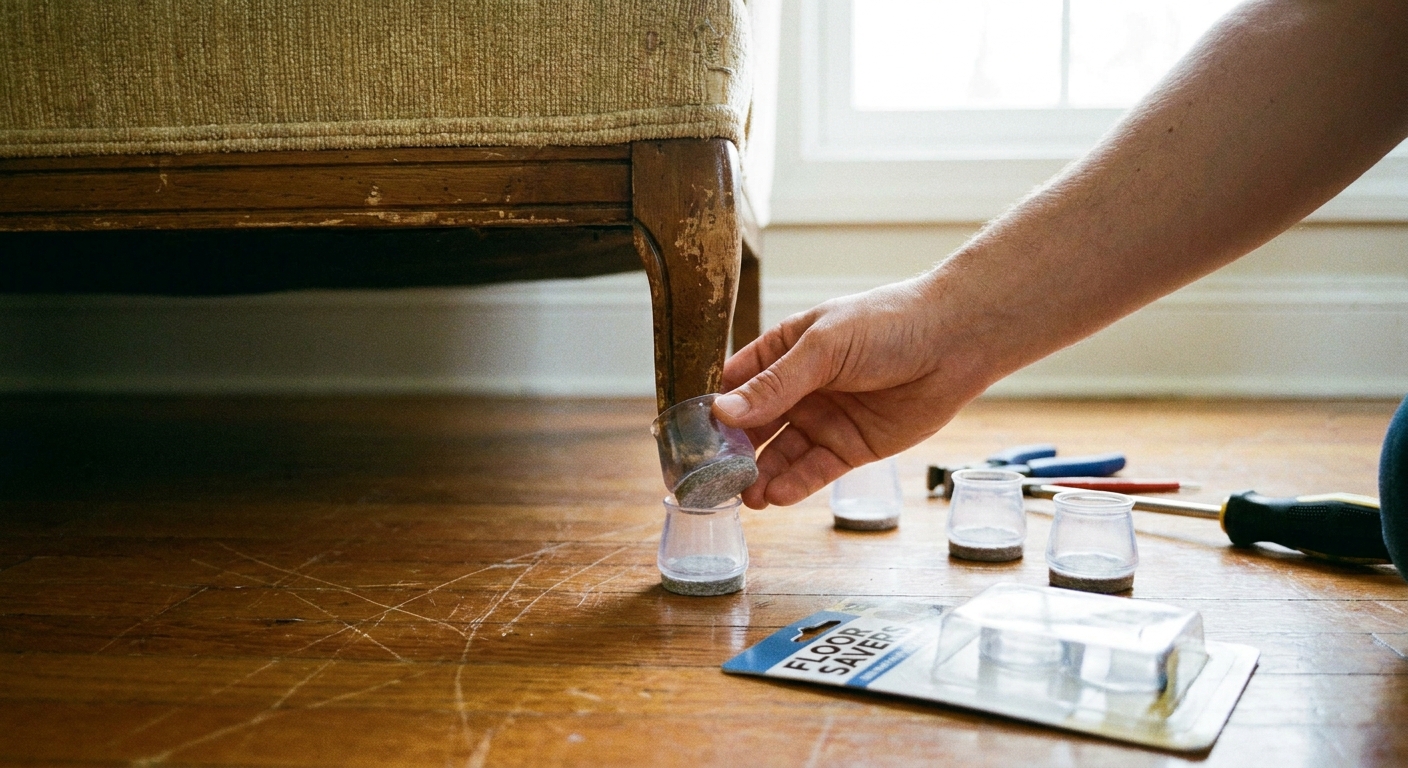
- Carpet furniture cups or spiked carpet coasters for heavy pieces like recliners, beds, and loaded bookcases. They spread weight without grinding down the top fibers.
- Smooth plastic glides for furniture legs that sit on carpet (felt pads are generally better for hard floors, where they slide more easily).
- Carpet-rated sliders for moving furniture without dragging and snagging.
If you have carpet and a heavy piece, think “bigger footprint.” A 1-inch chair leg is basically a heel on your carpet.
Moving tips that avoid dents and snags
- Do not drag on carpet. Lift when you can, or use a furniture slider designed for carpet.
- For loop pile, use extra care. Dragging can snag loops and create pulls.
- Shift heavy furniture slightly now and then. Even a small move helps prevent deep set-in dents over time.
FAQ
How long does it take for carpet dents to disappear?
Light dents can lift in minutes with spoon fluffing, or a few hours with the ice method. Deep dents from long-term furniture placement may take a couple rounds over 24 hours, and some may never fully disappear if the pad is crushed.
Can I use a hair dryer?
Yes, but use it like gentle encouragement, not a heat gun. Lightly dampen the dent, set the dryer to warm (not hottest), keep it moving, then fluff with fingers and let it cool in the lifted position.
Will steam damage carpet?
It can if you press heat directly onto synthetic fibers or overdo it. Keep steam indirect, work in short bursts, test a hidden spot first, and always use a towel barrier if using an iron.
The 30-Second Cheat Sheet
Essential takeaways for: Remove Furniture Dents From Carpet
Fastest way to remove furniture dents from carpet
- Start with ice. Put ice cubes in the dent, let them melt (expect 1 to 3 hours), blot excess water, then lift fibers with fingers or the edge of a spoon.
- Let it dry fully, then vacuum to blend the pile.
If the dent is stubborn
- Try gentle steam. Hover a garment steamer 2 to 4 inches above the spot for 10 to 20 seconds, blot, then fluff.
- Iron method: only through a damp towel, only brief taps of steam, and test a hidden spot first. Never park the iron on carpet.
Loop pile and Berber rules
- Go gentle. Start with ice.
- Avoid aggressive brushing and avoid brush rolls or beater bars unless your carpet maker says it is safe.
- Fluff mostly with fingers to prevent snags.
Prevention
- Use carpet furniture cups or spiked carpet coasters under heavy legs to spread weight without crushing the pile.
- For pieces you move often, use smooth plastic glides or carpet sliders (felt pads are best on hard floors, not carpet).
- Shift heavy furniture slightly now and then to avoid long-term compression.
💡 Tip: Scroll up to read the full article for detailed, step-by-step instructions.
⬆️ Back to top
About Marcus Vance
Content Creator @ Grit & Home
Marcus Vance is a lifelong DIY enthusiast and self-taught home renovator who has spent the last decade transforming a dilapidated 1970s ranch into his family's dream home. He specializes in budget-friendly carpentry, room-by-room renovations, and demystifying power tools for beginners. Through his writing, Marcus shares practical tutorials and hard-learned lessons to help homeowners tackle their own projects with confidence.