
🚨 In a DIY emergency or rush?
Skip the details and jump straight to our 30-second cheat sheet for the most crucial info.
The first time I saw orange streaks on my “clean” plates, I did what a lot of us do. I blamed the dishwasher detergent, ran another cycle, and hoped it would magically go away. It did not. Rust stains are a different category of problem, and you fix them by figuring out where the iron is coming from.
This guide is focused on rusting rack coating and other in-dishwasher metal sources versus iron in the water (including a water heater shedding rust). We are also going to keep two common red herrings out of the diagnosis: food grit and white hard-water film.
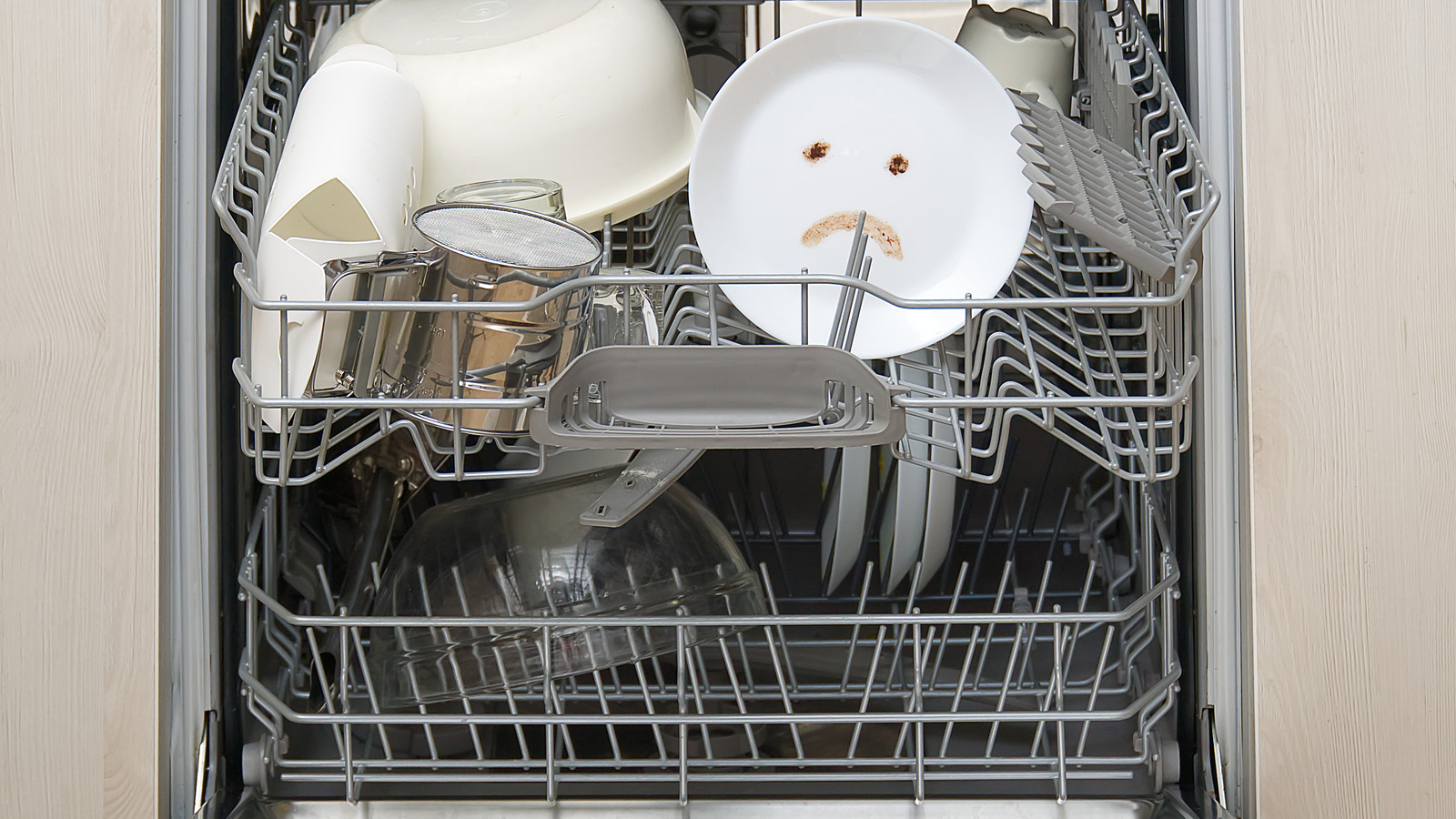
Quick check: Is it really rust?
Rust staining usually looks like orange, reddish-brown, or tea-colored marks. It can show up as:
- Thin drips or streaks (often from a rack wire or metal part above)
- Speckles or smudges on light-colored dishes
- Rust-colored haze on plastic or inside mugs
If what you see is chalky white film or cloudy glassware, that is a different issue (minerals). If you see gritty crumbs stuck on items, that is wash performance and filtration. For this article, we are staying with orange and brown rust staining that appears after the cycle.
Step 1: Check the dishwasher itself
When rust seems to appear only after a dishwasher cycle, it often comes from a rusting rack or another exposed metal part inside the machine, especially if the stains are localized under a particular spot.
What to look for (5-minute inspection)
- Peeling or missing vinyl coating on the racks
- Brown crust around exposed metal on rack wires
- Rust trails directly under a damaged spot
- Rust at the bottom lip of the door or around a tub seam (less common, more serious)
Pull both racks all the way out and inspect them in bright light. A small bare spot on a wire can stain a surprising number of dishes.
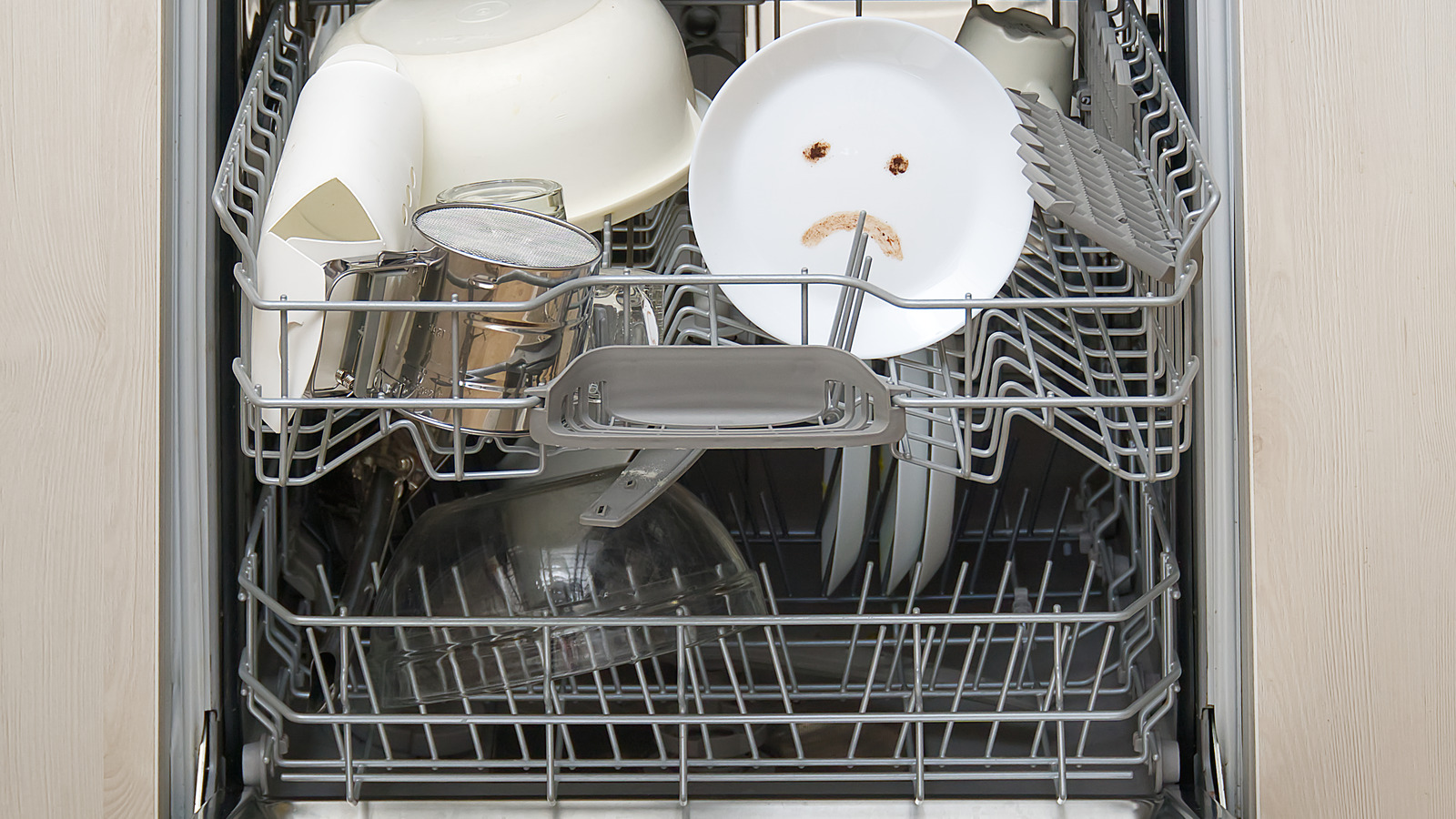
Other metal sources inside the dishwasher
If the racks look good, do not stop there. A few other “in the box” rust sources can mimic rack rust and still create those drip-like stains.
- Utensil basket: Some have metal reinforcement under plastic. Look for cracks, exposed metal, or rusty staples.
- Rack wheels and hardware: Check fasteners, end caps, and any exposed screws.
- Spray arm screws or retainers: Rare, but worth a glance if you see staining patterns that do not line up with the rack.
- Accidental cast iron or carbon steel item: Even one wash can shed rust that redeposits on dishes.
Fix A: Repair a rusting rack
If the tub itself is not rusting and the problem is isolated to rack wires, you can usually stop the stains without buying a whole dishwasher.
Supplies
- Nylon scrub pad or old toothbrush
- Paper towels or a rag
- Rubbing alcohol (for final wipe-down)
- Dishwasher rack repair coating (the common rubbery paint made for racks) or rack tip caps for small end damage
Steps
- Unplug or switch off power if you plan to remove the rack and work near wiring. For basic rack touch-ups, I still prefer the safety habit.
- Scrub the rust with a nylon pad. Knock off loose rust and flaky coating. Do not use steel wool. Steel wool can leave behind tiny bits that rust later.
- Dry completely. Moisture under the coating is a recipe for rust returning.
- Wipe with rubbing alcohol so the coating sticks.
- Apply the rack coating in thin layers. Let it cure the full time listed on the product.
- Run an empty rinse cycle after cure time before trusting it with your best dishes.
My honest note: The first time I patched a rack, I got impatient and put it back in service too soon. The coating softened and peeled. Give it the full cure time. It is cheaper than doing it twice.
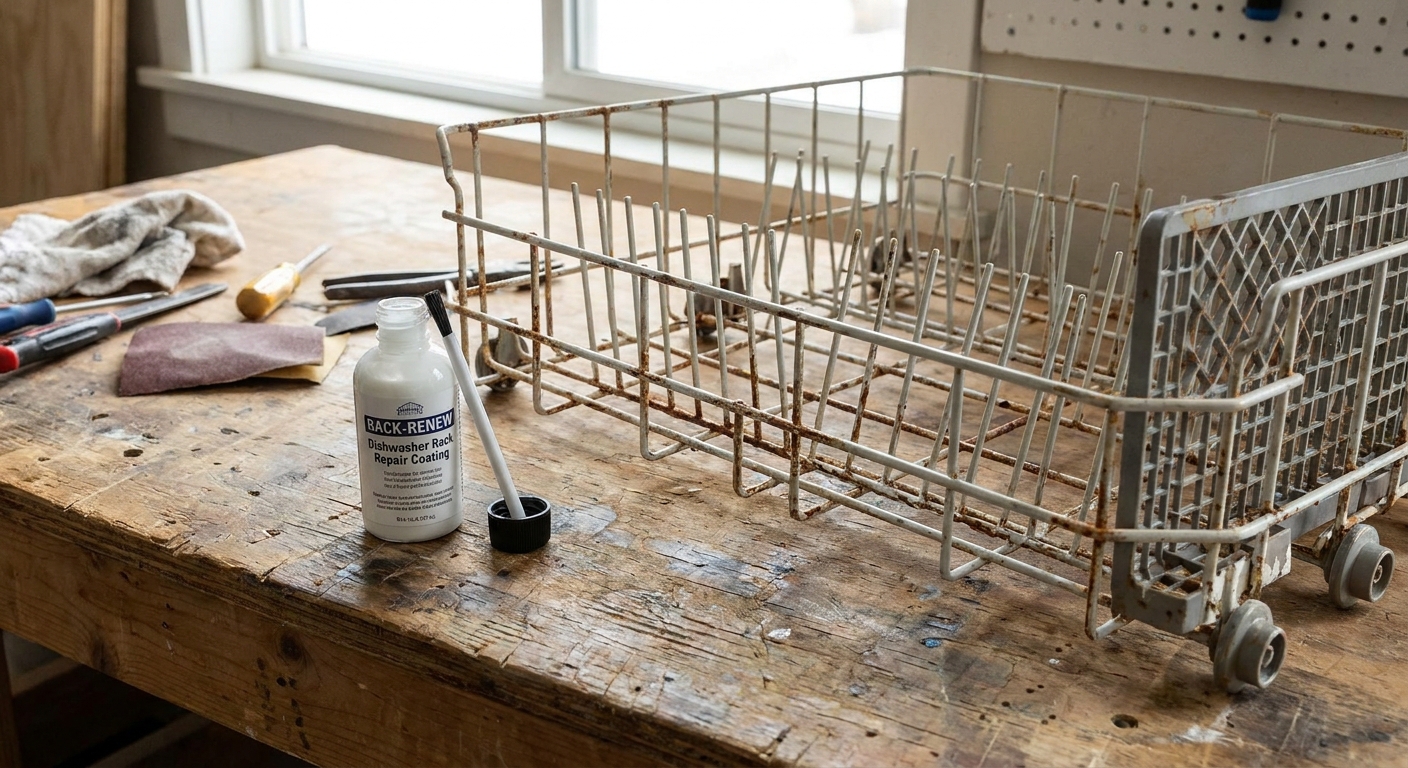
Fix B: Replace the rack
If the rack has multiple rust spots, broken tines, or wide areas of missing coating, replacement is often the better long-term fix. A heavily rusted rack can keep shedding iron even after you patch a few spots.
Before you order:
- Get the dishwasher model number from the inside door frame.
- Confirm whether the upper, lower, or both racks are involved.
- Inspect the rack wheels and adjusters. If they are brittle or broken, you may want to replace those at the same time.
Step 2: Test for iron in the water
If your racks look intact and there are no obvious rust spots in the tub area, shift your suspicion to iron in your water. A dishwasher uses a lot of hot water, detergent, and heat, which makes even small amounts of iron more likely to show up as staining.
Two simple clues
- Do stains show up on glass and plastic too? Rack rust often leaves streaks in specific areas. Iron in water can leave more generalized staining.
- Do you ever see yellow or brown tint at faucets? Even if it is occasional, it is a hint.
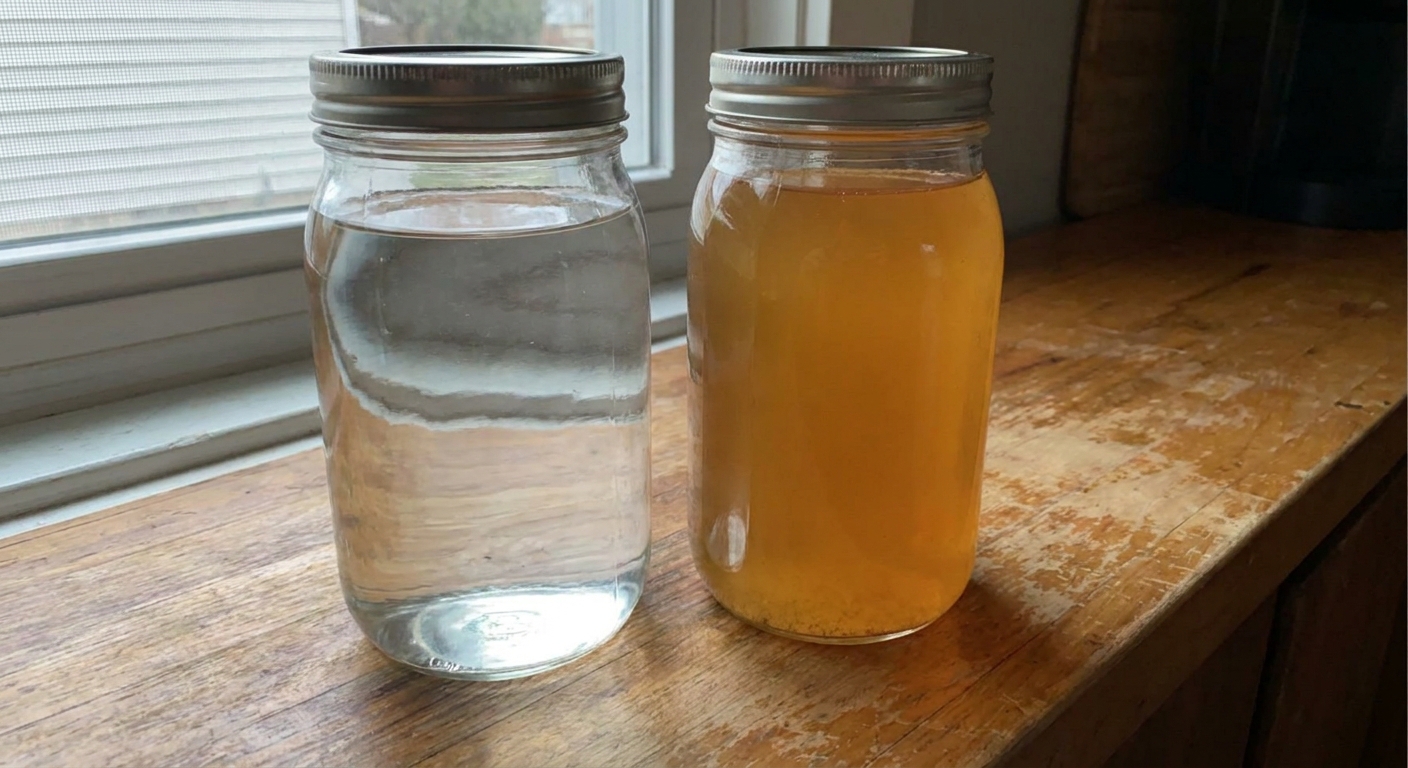
Quick jar test (cold vs hot)
- Fill a clear glass or jar with cold water. Set it on the counter for 30 to 60 minutes.
- Fill another with hot water from the kitchen faucet. Set it next to the cold jar.
- Compare color and any sediment at the bottom.
If the hot jar looks worse than the cold jar, your water heater is a prime suspect, but it is not the only one. Rust tint that shows up mainly on hot can also come from hot-side plumbing, especially older galvanized pipes or disturbed sediment in the hot line.
Fix C: Iron in incoming water
When iron is in the incoming water, the dishwasher is not the source. It is just where you notice it first because heat and detergent make staining obvious.
What actually works
- Whole-house iron treatment (best long-term fix). Options include oxidation and filtration systems, catalytic media, or specialty softeners, depending on iron type and level.
- Water softeners can help with small amounts of dissolved (ferrous) iron, but they are not a universal fix. Higher iron levels, iron bacteria, or tannins typically need different equipment.
- Under-sink filtration can help for drinking water, but it does not feed the dishwasher unless the dishwasher is connected downstream of that filter (rare).
If you are on a well, a basic water test for iron is worth the money. Not because you need to become a water chemist, but because the right fix depends on whether you have ferrous iron, ferric iron, iron bacteria, or tannins in play.
If you need a stopgap
If filtration is not happening this month, treat any in-machine cleaning as temporary. Some dishwasher-safe cleaners are marketed to target iron staining, but they are maintenance, not a cure. The real fix is stopping iron at the source or fixing the rusting part.
Fix D: Water heater shedding rust
If rust is worse with hot water, the water heater may be contributing. Common causes include:
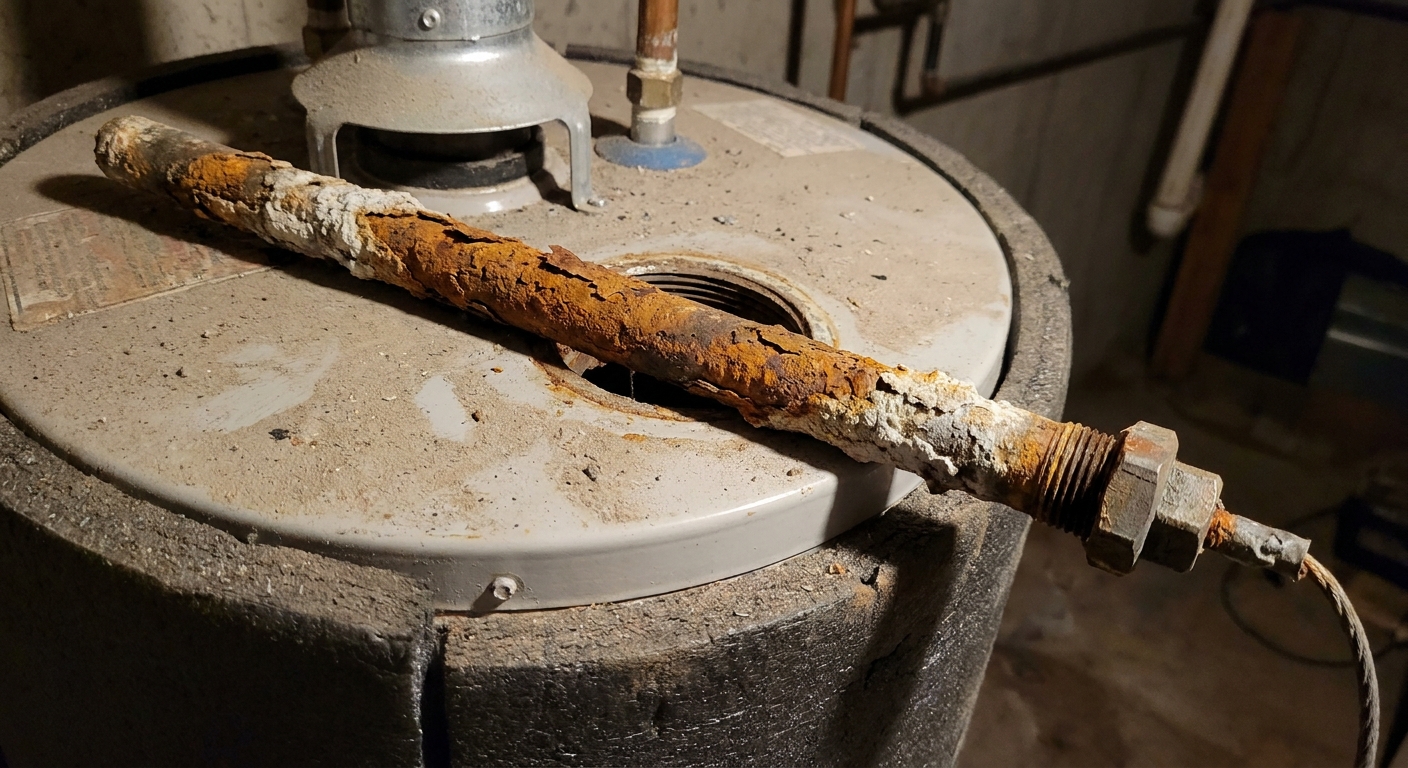
- A failing anode rod (sacrificial rod that protects the tank)
- Heavy sediment and corrosion inside the tank
- An older steel tank nearing end-of-life
What you can do (in order)
- Flush the water heater to remove sediment. This can reduce rust-colored water if the problem is mainly buildup.
- Check or replace the anode rod if you are comfortable doing so. A depleted anode can accelerate tank corrosion.
- Plan for replacement if you are seeing ongoing rust and the heater is older, especially if you also notice popping noises, leaks, or inconsistent hot water.
Safety note: Water heaters involve scalding water, gas or high voltage electricity, and potentially stuck fittings. If you are not confident, this is a good one to hand to a plumber. If you suspect unsafe venting on a gas unit, call a pro promptly.
Remove rust stains from dishes
Once you stop the source, you can tackle the stains you already have.
Ceramic, porcelain, and glass
- Make a paste of baking soda and water, rub gently with a soft cloth, rinse.
- If stains persist, use a cleaner that contains oxalic acid (commonly sold for rust removal). Follow label directions and rinse thoroughly.
Plastic
- Soak in warm water with a small amount of oxalic-acid based cleaner per label directions, then wash normally.
- Avoid abrasive pads. They rough up plastic and make future stains cling.
Two important cautions: Do not mix cleaners, especially anything containing bleach with acids. Also, bleach is not a great rust remover in the first place and can discolor some materials, so it is not my go-to for this problem.
Do not confuse these with rust
I have watched friends chase rust stains by adding rinse aid, switching detergents, and running dishwasher cleaner tablets. Those steps can be great for other problems, but they do not solve iron.
White film
White haze or chalky residue is typically hard-water minerals. That points to water hardness, detergent dosing, rinse aid, and water temperature, not rusting metal.
Food grit
Sand-like grit or food particles left behind point to filters, drain issues, spray arm clogs, loading problems, or weak wash action. Again, separate issue.
When to call a pro
- You see rusting inside the tub (not just the rack), especially around seams or the door. That can lead to leaks and is often not cost-effective to repair.
- Your water is consistently brown or you find sediment in multiple fixtures.
- The water heater shows leaking, heavy corrosion, or unsafe venting.
FAQ
Why do my dishes have rust stains but my sink water looks fine?
The dishwasher uses lots of hot water, heat, and detergent, which can make small amounts of iron show up as staining. Also, rack rust or another exposed metal part inside the dishwasher can stain dishes even when your tap water looks clear.
Can a stainless steel dishwasher cause rust stains?
Stainless tubs rarely rust through, but they can discolor, tea-stain, or even pit in harsh conditions (for example, high chlorides). More commonly, what looks like “rust” is transferred iron from a rusting rack wire, another metal component, or iron in the water.
Will running vinegar remove rust stains?
Vinegar can help with mineral buildup, but it is not a reliable rust solution and it does not fix the source. For stains on dishes, a rust remover that targets iron (often oxalic-acid based) is usually more effective. For the machine, focus on the rack or the water source first.
Why do the stains look like drips?
Drip-shaped marks are a classic sign of rust bleeding from a rack wire or metal part above during the wash and dry portions of the cycle.
The 30-Second Cheat Sheet
Essential takeaways for: Rust Stains on Dishes After the Dishwasher? Causes and Fixes
Diagnose it in 2 minutes
- Orange or brown marks after a cycle usually mean iron, not detergent failure.
- Drip streaks under a specific spot often point to a rusting rack wire or another exposed metal part above.
- Widespread staining on glass and plastic can point to iron in the water or hot-water side plumbing shedding sediment.
Fastest checks
- Inspect racks and metal parts for peeling vinyl coating and exposed rust.
- Do a jar test: compare cold vs hot tap water in clear glasses after 30 to 60 minutes. Hot worse than cold suggests the water heater or hot-side plumbing.
Fixes that actually stop the stains
- Rack rust: scrub, dry, wipe with alcohol, apply dishwasher rack repair coating, let it fully cure. Replace the rack if damage is widespread.
- Iron in supply water: consider whole-house iron treatment matched to your iron type and level (best long-term solution).
- Water heater shedding rust: flush the tank, consider replacing the anode rod, replace heater if corrosion is ongoing.
Clean existing stains (after you stop the source)
- Use baking soda paste for mild staining.
- For stubborn stains, use a cleaner that targets iron (often oxalic-acid based) and rinse well.
- Skip bleach for rust. It does not remove iron stains and can discolor some materials.
Avoid these wrong turns
- White film is minerals, not rust.
- Food grit is filtration or wash performance, not rust.
💡 Tip: Scroll up to read the full article for detailed, step-by-step instructions.
⬆️ Back to top
About Grit
Content Creator @ Grit & Home
Grit is Grit & Home’s little blue clay courier, delivering big questions about the place you call home. Expect practical ideas, a raised eyebrow, and a satchel full of curiosity.