

First, don’t panic. Do act quickly.
A septic alarm is your system waving a big flag that something is not keeping up. On newer septic setups (especially ones with a pump tank), alarms are designed to warn you before sewage backs up into the house. That is good news, if you respond quickly.
Think of this as a short, urgent checklist: reduce water, identify which alarm you have, check a few safe basics, then decide whether you can monitor it or you need service today.
What a septic alarm can mean
Many homeowner alarms fall into two common buckets on pump-based systems:
- High-water (high level) alarm: The liquid level in the pump tank is higher than it should be. This is the most common alarm on systems with pumps.
- Pump or effluent alarm: The system detects a problem with the pump circuit, floats, or power. Some panels show separate lights, some only buzz.
Important: In a high-water alarm, the key issue is a rising level. With a pump or effluent alarm, the level often rises because wastewater is not leaving the tank as expected, but some panels alarm for electrical faults before you can confirm a level change.
Also, not every septic alarm is about a pump tank level. Some systems (like aerobic treatment units) can alarm for aerator failure, low air pressure, UV or disinfection faults, high pressure, or even telemetry issues. If your panel has labels you do not recognize, write them down and treat it as urgent.

Immediate steps
1) Reduce water use right now
This is the fastest way to keep a minor problem from turning into a messy emergency.
- Stop laundry and dishwasher cycles.
- Keep showers short, or pause them if possible.
- Avoid baths.
- Limit toilet flushing. Use the “if it’s yellow, let it mellow” rule until the alarm is resolved.
- Do not run multiple faucets at once.
Why this matters: If the tank is already high, every gallon you send down a drain pushes it closer to a backup.
2) Silence the buzzer, not the problem
Most control panels have a Silence button. It is fine to silence the noise so you can think, but treat the alarm light like a check-engine light. Silencing does not fix anything.
3) Do not use HAND or MANUAL
Many septic control panels have a three-position switch such as Auto, Off, and Hand (or Manual). Unless a technician instructs you, do not switch it to Hand or Manual. You can accidentally force-run a failing pump, run it dry, or hide symptoms that help diagnose the problem.
4) Check the basics safely
Before you start opening lids or grabbing tools, check the easy stuff that causes a surprising number of alarms:
- Power: Is the septic control panel powered? Any tripped breaker or GFCI? Reset once if tripped. If it trips again, stop and call a pro.
- Recent heavy rain: Saturated soil can slow or stop a drainfield from accepting effluent, which can raise tank levels. Rain can also sometimes get into the system through leaky risers, lids, or other infiltration paths.
- Any obvious plumbing symptoms: gurgling drains, slow drains, slow flushing, sewage smell, wet spots outside near the tank or drainfield.
Safety note: Septic tanks produce hazardous gases, and falls into tanks can be fatal. If you do not already know exactly what you are doing, do not climb into, lean over, or breathe near an open tank. Keep kids and pets away.
High-water vs pump alarm
Every manufacturer labels panels a little differently, but here is the practical homeowner-level breakdown.
High-water (high level) alarm
What it means: The pump tank liquid is above the normal “on” and “off” range. Either the pump is not running, or it is running but cannot move water out fast enough.
Common causes:
- Tripped breaker, blown fuse, or failed control panel component
- Pump failure
- Float stuck, tangled, or failed
- Blocked effluent line between tank and drainfield
- Drainfield not accepting water (saturated soil, biomat buildup, compaction)
Pump or effluent alarm
What it means: The system is detecting a fault in the pump circuit, controls, or float switches. Some systems call it an “effluent” alarm because the pump is responsible for moving effluent out.
Common causes:
- Pump motor failure or seized impeller
- Wiring issue, bad connection, or corrosion in the panel
- Float switch failure (on, off, or alarm float)
- Control relay or capacitor issue
Reality check: From a homeowner standpoint, both alarms deserve the same first response: cut water use and confirm power. After that, it usually becomes a service call.
Safe checks you can do
I love DIY, but I also know when a system is outside the “weekend project” category. Here are checks that are typically safe and useful without exposing yourself to septic gases or contaminated water.
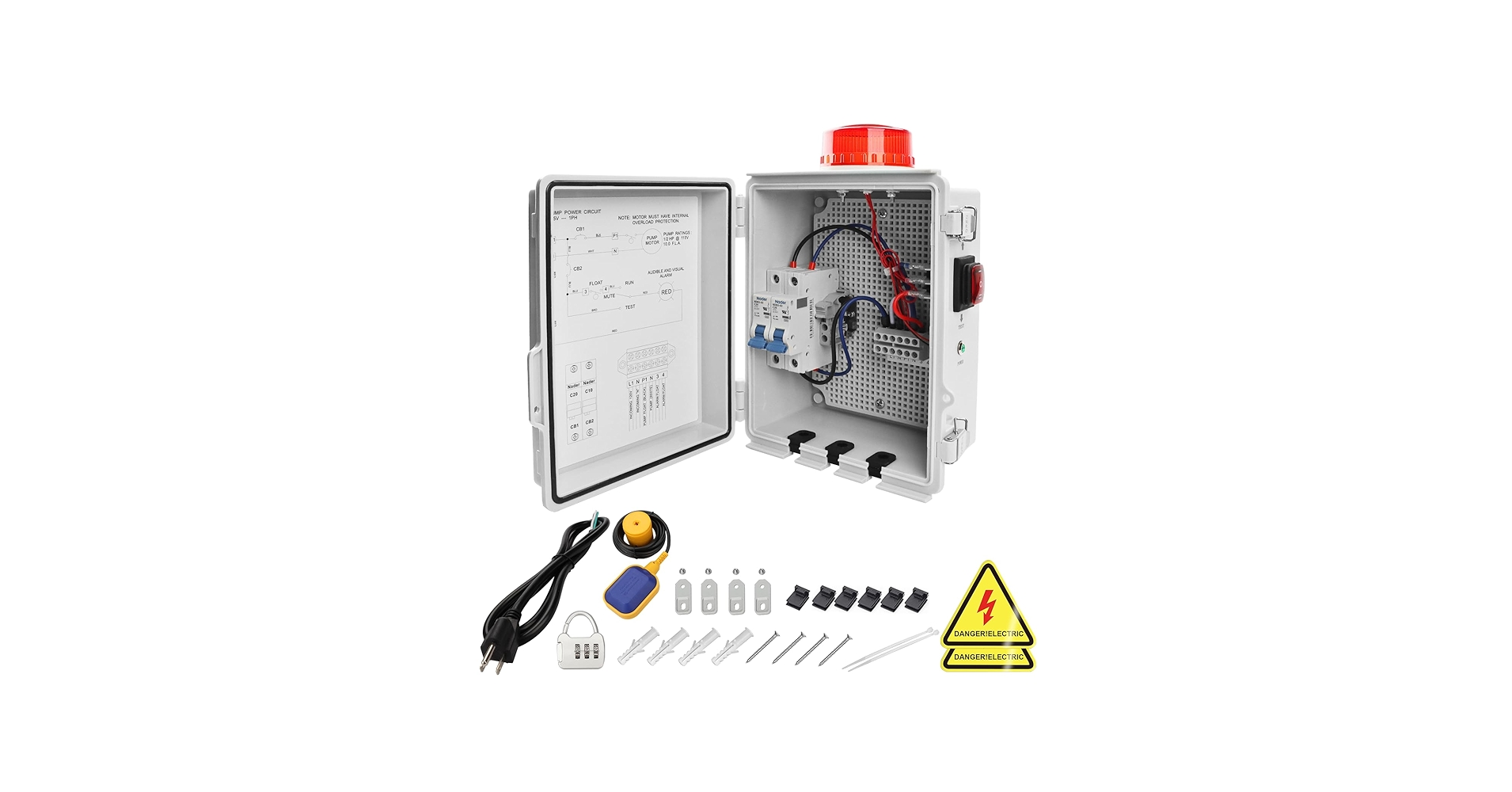
Check the breaker and any GFCI
- Look for a labeled septic breaker at the main panel.
- Some pump systems are fed through a GFCI outlet near the control box. If it is tripped, reset once.
- If it trips again, leave it off and call for service. Repeated trips often mean a failing pump, moisture intrusion, or a short.
Listen for the pump (only if you know where it is)
If your pump tank is accessible and you can stand at a safe distance, you may hear the pump running when the system calls for it. No sound does not prove it is dead, but it is a clue you can share with a tech.
Look for outdoor red flags
- Pooling water or spongy ground over the tank or drainfield
- Strong sewage odor outside
- Unusually green stripes of grass over lines (when it has not been watered)
Resetting the alarm
In general, silence is fine, but a full reset is only smart after you verify the basics.
- OK to silence: anytime, as long as you keep water use low and keep investigating.
- OK to reset once: if you found a clear cause like a tripped breaker and it stays on.
- Do not keep resetting: repeated resets can mask an intermittent fault, and they may lead to repeated hard-start attempts that are tough on a failing pump or control components.
If the alarm comes right back within minutes, treat it as an active fault, not a fluke.
Next few hours
Keep water use on a strict diet
If the system is high, the goal is to stop adding water faster than it can leave. Pick one bathroom for quick use, pause laundry entirely, and hold off on showers until you know the problem is resolved or a pro tells you it is safe.
Document what you’re seeing
If you end up calling a septic company, these details speed up diagnosis and sometimes save you money:
- Which light is on (high water, pump, audible only)
- Any error codes shown on the panel
- When it started
- Recent weather (heavy rain, snowmelt)
- Recent unusual water use (guests, lots of laundry)
- Any drain symptoms inside
Protect the drainfield
- Keep vehicles off it.
- Keep heavy equipment off it.
- Do not dig or aerate it while the system is in alarm.
Call a pro today if
Call a septic professional the same day if any of these are true:
- The alarm returns right after you silence it and water use is low.
- The breaker or GFCI will not stay set.
- You notice sewage backing up, gurgling, or multiple slow drains at once.
- You see standing water or smell strong sewage outdoors near the tank or drainfield.
- It is a pump-based system and you do not know the last time it was serviced.
If there is sewage in the home: stop using water and call for emergency service. Avoid contact with contaminated water.
If you must leave home
If you need to leave for work or travel and the alarm is active, keep water use as close to zero as possible. If you know how and it is practical, shut off water at the main and call for service. Do not leave the system in alarm for days while continuing normal water use.
Other alarm types
If you have an aerobic treatment unit (ATU) or an advanced system, alarms may point to something besides tank level. Common examples include:
- Aerator or air pump alarm: low air pressure, failed aerator, or a tripped breaker feeding the aerator.
- UV or disinfection alarm: lamp failure, dirty sleeve, or a power issue in the disinfection unit.
- High pressure alarm: a pressurized line issue or dosing problem.
- Telemetry or communication alarm: the system cannot report status (not always a wastewater emergency, but still needs attention).
The safe homeowner response is the same: reduce water use, check power, record the light label or code, and call the service provider listed on the panel if you have one.
Common fixes
Homeowners often ask, “Is this going to be a pump replacement?” Sometimes, yes. Often, it is something smaller. Here are the usual suspects:
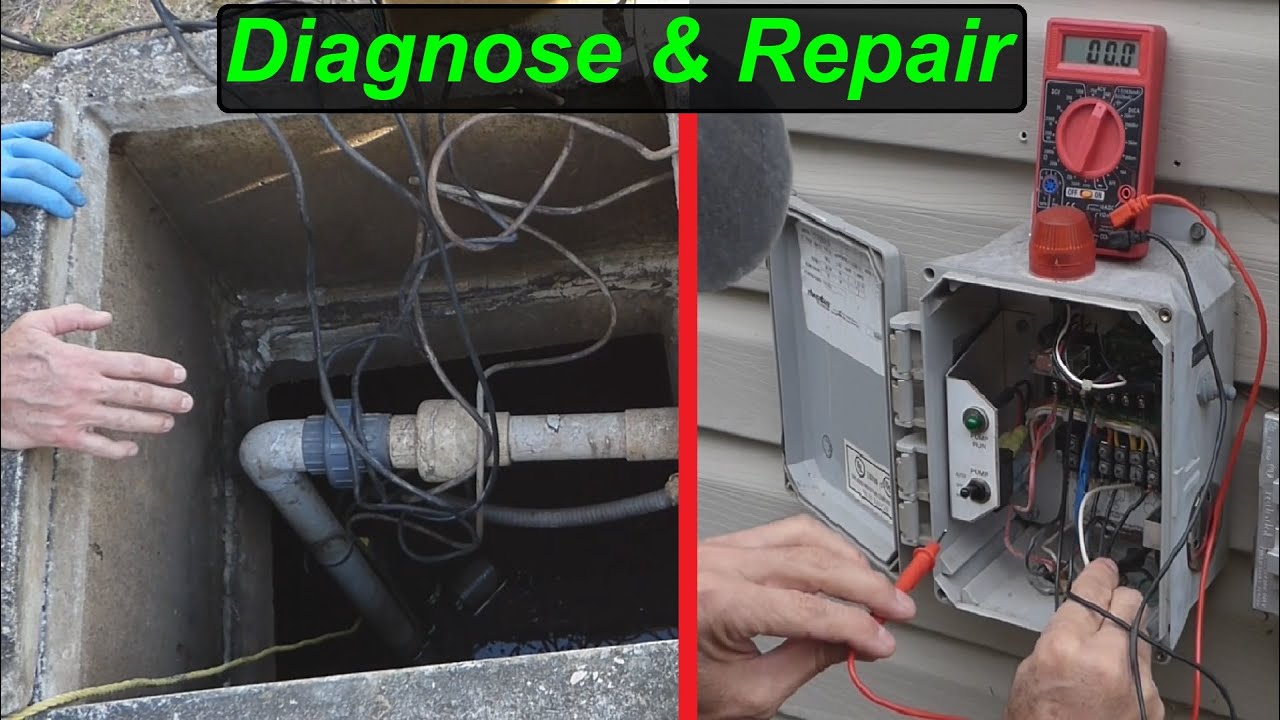
- Replace or adjust a float: Floats can fail, get waterlogged, or snag on the pump cord.
- Repair wiring or control components: Corroded connections, failed relays, or a bad capacitor can stop a pump from starting.
- Clear a blockage: Effluent line clogs and clogged filters can slow flow enough to trigger alarms.
- Pump the tank: Not a permanent fix for mechanical failures, but sometimes necessary to prevent backup while repairs are made.
- Evaluate drainfield performance: If the pump works but the level still rises, the drainfield may be saturated or failing.
Prevent the next alarm
Once you are back to normal, a few habits keep alarms from becoming a repeat visitor:
- Know your system type: If you have a pump tank or ATU, treat it like a mechanical appliance that needs periodic service.
- Schedule regular inspections: Especially for pump and float operation.
- Effluent filter care: Clean or replace effluent filters on schedule, but only DIY this if you have been shown exactly how to do it safely. Otherwise, have your septic pro handle it.
- Spread out water use: Avoid marathon laundry days. Septic systems love steady, moderate flow.
- Keep grease, wipes, and harsh chemicals out: Even “flushable” wipes can foul pumps and floats.
Quick FAQs
Can I keep using water if the alarm is going off?
Use as little as possible until you know why the alarm triggered. If the tank level is truly high, normal use can push you into a backup.
Is a septic alarm always an emergency?
It is always urgent. It is an emergency if you have indoor backup, the alarm returns immediately, or the breaker will not stay on.
Could heavy rain trigger the alarm?
Yes. Saturated soil can prevent the drainfield from accepting effluent, causing levels to rise in the pump tank. In some cases, rainwater can also infiltrate through leaky risers or lids and add extra volume.
Should I open the septic tank lid to check?
Not unless you are trained and equipped. Septic gases and confined-space hazards are serious. Start with power and symptoms, then call a pro if the alarm persists.

About Marcus Vance
Content Creator @ Grit & Home
Marcus Vance is a lifelong DIY enthusiast and self-taught home renovator who has spent the last decade transforming a dilapidated 1970s ranch into his family's dream home. He specializes in budget-friendly carpentry, room-by-room renovations, and demystifying power tools for beginners. Through his writing, Marcus shares practical tutorials and hard-learned lessons to help homeowners tackle their own projects with confidence.