
If your home has a septic system, a backup rarely shows up out of nowhere. It usually starts as a few small, easy-to-ignore hints that your tank, outlet baffle, pump chamber, or drain field is getting overwhelmed. The good news is you can often limit the mess and the repair bill if you act early.
One important note up front: many of these symptoms can also come from a clogged building sewer (the main line leaving the house) or, in some homes, a municipal sewer issue. This page will help you spot the most common warning signs, what you can safely do right away, and when it’s time to stop troubleshooting and call a licensed septic professional.
First: treat it like a health hazard
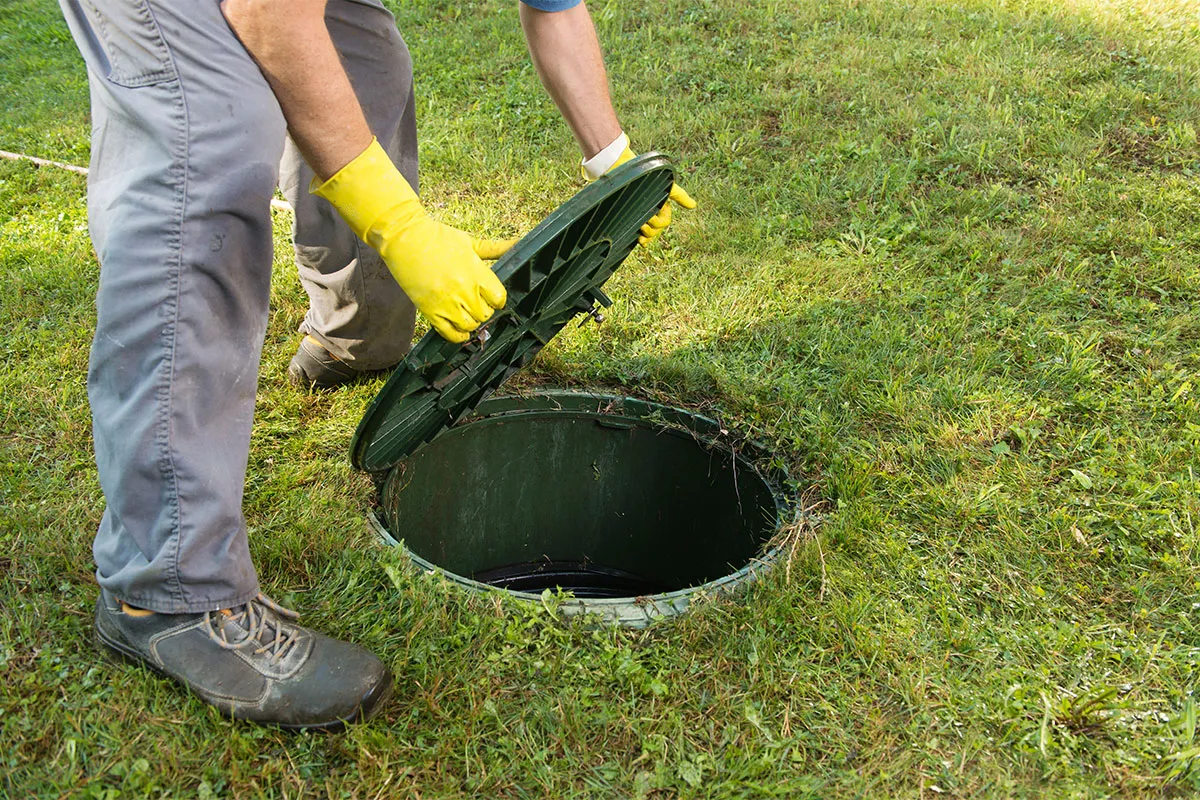
When drains back up, you’re dealing with wastewater. That means bacteria and viruses, plus the possibility of sewage gases. Keep this simple and safe.
- Keep kids and pets away from any wet areas, especially around floor drains, toilets, or the yard over the drain field.
- Ventilate by opening windows if you smell sewage. Avoid lingering in the area.
- Wear gloves if you must clean up small spills, and wash hands thoroughly.
- Don’t enter a septic tank or lean over an open tank. Septic gases can be deadly, especially in and around an open tank.
Indoor warning signs you shouldn’t ignore
These are classic clues that point to a bigger issue than a single clogged fixture.
Multiple drains acting up at once
If the toilet gurgles when the shower runs, or several sinks drain slowly at the same time, that’s a big hint the restriction is past one fixture. Septic or main-line problems often show up as a whole-house slowdown.
Sewage smell inside the house
A persistent sewer odor near drains, in a basement, or around a utility room can mean wastewater isn’t moving out like it should, or that a floor drain trap is getting disturbed by pressure changes in the plumbing.
Water backing up in the lowest drain
The lowest point in the house usually complains first. Common examples:
- Basement shower or floor drain backing up
- First-floor tub filling when you flush
- Toilet water rising higher than normal and draining slowly
Gurgling or bubbling
Gurgling in toilets and drains can be a sign of restricted flow or poor venting. On septic, it often shows up when the line to the tank is struggling to move water fast enough.
Tip from my own mistakes: I once chased a “mystery clog” with every safe DIY trick I knew, only to learn the tank had simply gone too long without pumping. If more than one fixture is complaining, don’t assume it’s just hair in the shower.
Outdoor warning signs near the tank or field
Your yard can tell you a lot, especially after heavy rain or a stretch of high water use.
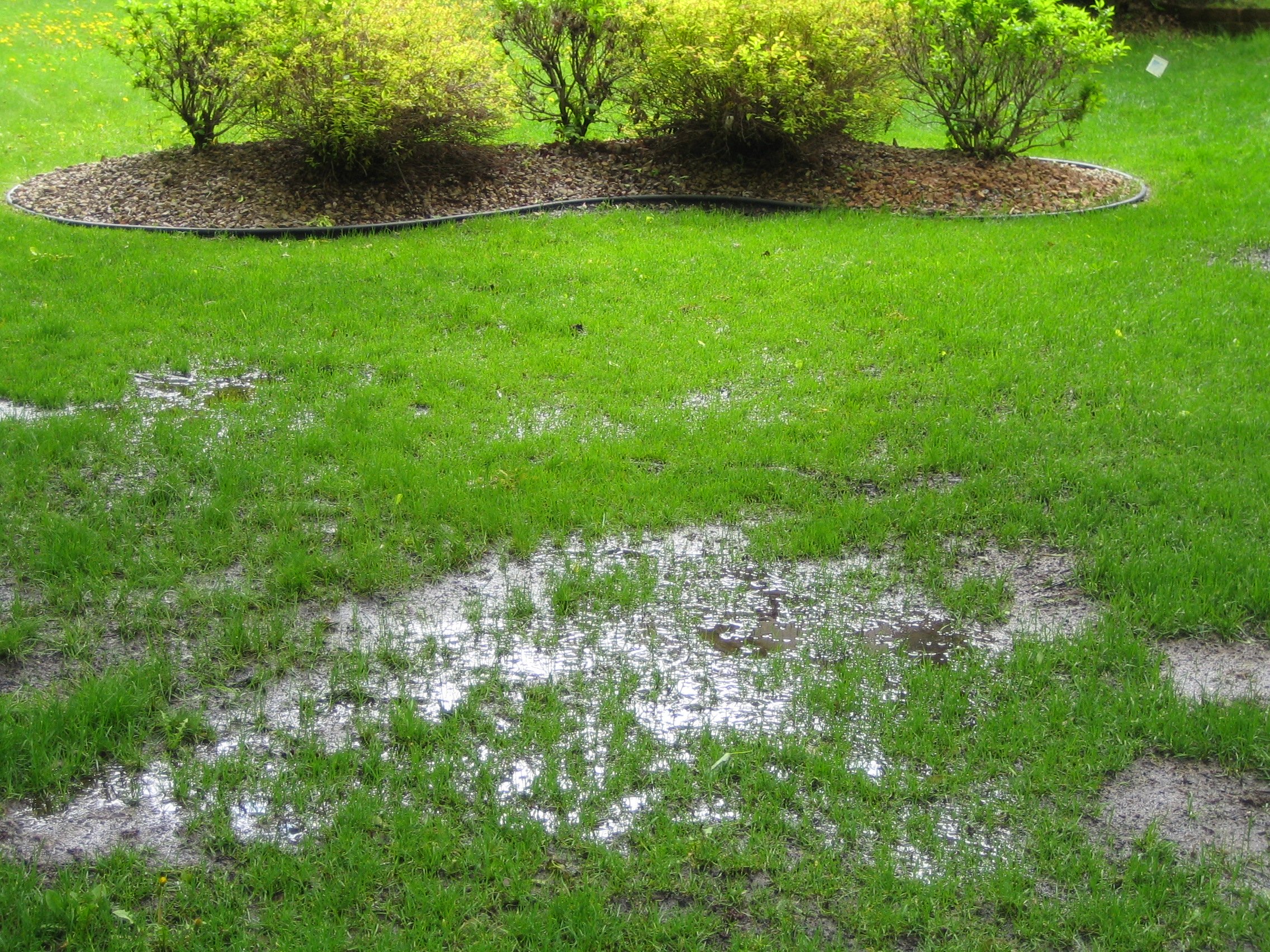
Spongy ground or standing water
If the area over the drain field or near the septic tank is wet when the rest of the yard is dry, the system may be surfacing effluent. This can happen when the field is saturated, the tank is too full, or a line is blocked.
Unusually green, fast-growing grass
A greener strip of grass over the drain field can indicate extra moisture and nutrients where they should be filtering underground, not feeding your lawn.
Sewage odor outside
A strong sewage smell near the tank lid, cleanout, or drain field is a red flag. Even if you don’t see water, odor can mean the system is overloaded or not venting normally.
Tank vs drain field: what it can mean
It helps to think of the system in two stages.
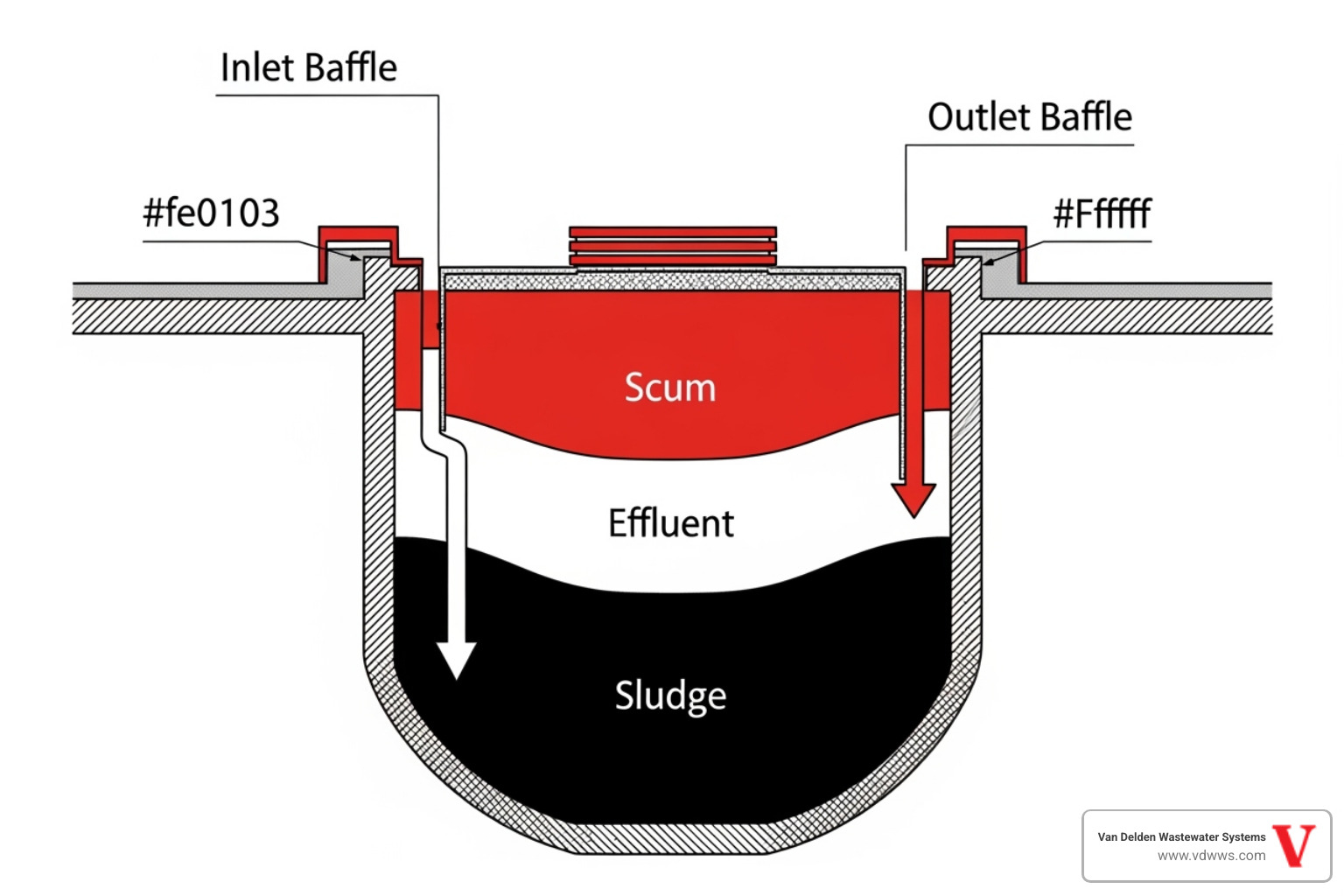
- The septic tank holds solids and separates scum and sludge from liquid effluent. It relies on baffles (or tees) to keep solids from leaving the tank.
- The drain field disperses liquid effluent into the soil for final treatment. It relies on open soil pores, good drainage, and time to recover between doses.
A backup can happen because the tank is full, because solids escaped the tank and are clogging the outlet or field, because the field can’t accept more water, or because the house-to-tank line is blocked.
First steps you can take now
Here’s my “stop the bleeding” checklist. None of these involve opening a septic tank or using harsh chemicals.
1) Cut water use immediately
This is the single biggest thing you can do to prevent a small problem from becoming an indoor flood.
- Stop laundry and dishwashing.
- Take short showers, or pause showers entirely if water is actively backing up.
- Don’t run the garbage disposal.
- Limit toilet flushing. If it’s already slow to clear, stop using it.
2) Check if it’s one fixture or the whole house
If only one sink drains slowly and everything else is normal, you may have a local clog. If multiple fixtures are slow or backing up, assume it’s the main line leaving the house or the septic system and move toward professional help quickly.
3) If you have a pump system, check the alarm and breaker
Some septic systems include a pump chamber (lift station) and a high-water alarm. If you have an alarm panel beeping or flashing, check it. Also check for a tripped breaker or GFCI that feeds the pump. A tripped breaker is a common, fixable cause of backups in these systems.
- If the alarm is on, cut water use to almost nothing and call for service.
- If you reset a breaker and it trips again, stop resetting and call a pro. Repeated trips can point to a failing pump or electrical issue.
4) Look for a house cleanout (don’t force it)
Many homes have a main cleanout outside. Be careful here: a backed-up line can be under pressure. Wear gloves and eye protection, and don’t stand directly in front of the cap as you loosen it.
If you open the cleanout and sewage is standing right there, that confirms a main line restriction. At that point, it’s usually time to stop DIY work and call a pro. Snaking might not solve a septic-side restriction (like a tank outlet or filter issue), and it can turn into a messy blowback if the line is full. A professional can diagnose whether the blockage is in the building sewer, the tank outlet, or the field.
5) Skip “miracle” drain chemicals
Drain openers and septic additives aren’t a fix for a full tank, a clogged effluent filter, or a saturated field. Chemical drain products can also create hazards for the technician who has to service the system.
How often should a septic tank be pumped?
Pumping isn’t optional maintenance. It’s how you keep sludge and scum from leaving the tank and clogging the outlet or drain field.
Many households land in the every 3 to 5 years range, but the right schedule depends on:
- Household size (more people equals more solids and water)
- Tank size (common sizes are 1,000 to 1,500 gallons, but not universal)
- Garbage disposal use (often increases solids)
- High-water fixtures (older toilets, long showers, frequent laundry)
- Whether you have a pump chamber (some systems have additional components that need inspection)
As a reality check, some homes need pumping more often (often every 1 to 3 years for large families, smaller tanks, or heavy disposal use). Others can go longer, especially if sludge and scum measurements support it. If you can’t remember the last pump date, that’s meaningful data. A septic professional can measure sludge and scum levels and recommend a cadence based on your system.
Baffles and outlet issues
A lot of septic headaches come down to the tank outlet area. The outlet baffle (or outlet tee) is there to keep floating scum and settled sludge from leaving the tank.
What can go wrong
- Broken or missing baffle can let solids exit the tank and head toward the drain field.
- Clogged effluent filter (if your system has one) can restrict flow and cause indoor slow drains or backups.
- Outlet pipe blockage can create a bottleneck right after the tank.
Why it matters
A clogged filter or damaged baffle can mimic a “full tank” symptom. The risk is that if solids move downstream, they can shorten the life of your drain field, which is one of the most expensive parts of the system to replace.
Homeowner-safe move: schedule service and mention possible outlet restriction. A licensed septic professional can inspect the baffle area and filter without turning your yard into a guessing game.
Drain field saturation
If your tank is pumped and the problem returns quickly, or if backups get worse after rain, the drain field may be saturated or failing.
Common causes
- Heavy rain or snowmelt raising groundwater around the field
- Excess household water use sending too much effluent too fast
- Soil compaction from driving or parking on the drain field
- Roots invading lines and disturbing distribution
- Solids carryover from infrequent pumping, leading to clogged soil pores
What to do while you wait
- Keep water use extremely low so the field has a chance to recover.
- Keep vehicles off the field and avoid heavy equipment in the area.
- Redirect surface water if downspouts or driveway runoff are dumping water onto the drain field.
Be wary of quick-fix promises. In general, there’s limited evidence that additives can restore a failing drain field, and they can’t replace proper maintenance and repairs.
Water-use plan while you wait
Until a professional can inspect your system, assume every gallon you send down a drain increases the odds of an indoor backup. Here’s the short-term plan I’d follow:
Stop or postpone
- Laundry
- Dishwasher
- Long showers or baths
- Back-to-back toilet flushing
- Running water while shaving, brushing teeth, or cleaning
Do the bare minimum
- Quick hand washing with the faucet barely open
- Paper plates for a day or two
- One short shower per day for the household if drains are still functional
If you have active sewage backup
Stop using water completely if you can. Move family members to a second bathroom only if you know it drains to a different system, which is uncommon. If you’ve got just one septic system, all fixtures eventually meet at the same point.
When to call a licensed septic pro
Some plumbing problems are reasonable DIY. A suspected septic backup is usually not one of them, mostly because the consequences of guessing wrong are expensive and messy.
Call a licensed septic professional if you notice any of the following:
- Sewage backing up into tubs, showers, toilets, or floor drains
- Multiple fixtures draining slowly at the same time
- Wet, smelly areas over the tank or drain field
- Recent heavy rain combined with gurgling drains or slow flushing
- You can’t confirm the last pump date or it’s been longer than your typical schedule
- A high-water alarm is sounding on a pump system
Call for emergency service sooner if
- Sewage is spilling onto floors
- You smell strong gas odors that don’t clear with ventilation
- There’s standing wastewater in the yard where people or animals could contact it
If wastewater is surfacing and running off toward a ditch, drain, or neighboring property, treat it as a public health issue. Restrict access and consider calling your county health department or local environmental services office. They can also point you to licensed providers.
What to tell the technician
When you call, having a few details ready can speed up diagnosis and prevent repeat visits.
- When the symptoms started and whether they’re getting worse
- Which fixtures are affected and whether the lowest drain is backing up
- Recent heavy rain, flooding, or unusually high water use (guests, lots of laundry)
- Last known pump date and tank size if you have records
- Whether you have a pump chamber and if an alarm is sounding
- Whether you’ve had past issues with the drain field, roots, or outlet filter
If you have an as-built drawing or septic permit paperwork from the home purchase, keep it handy. Knowing where the tank and field are saves labor time.
Common don’ts
- Don’t drive or park on the drain field. Compaction and crushed pipes are real, costly problems.
- Don’t dig blindly looking for lids or lines. Besides being risky, you can break pipes or compromise the cover.
- Don’t pump and immediately resume normal water use if the drain field is saturated. If the field can’t accept water, the backup can return fast.
- Don’t flush “flushable” wipes, grease, or feminine products. They’re frequent contributors to clogs and solids buildup.
Quick recap
- Multiple slow drains, gurgling, or backups in the lowest drain often point to septic trouble or a blocked main line.
- Wet, smelly patches in the yard can indicate drain field saturation or surfacing effluent.
- Cut water use immediately to prevent a small problem from turning into a cleanup project.
- Pumping cadence matters, often every 3 to 5 years, but some homes need 1 to 3 years based on measured sludge and scum.
- Baffle, outlet, effluent filter, and pump issues are common and need the right inspection.
If you take one thing from this page, let it be this: when septic starts talking, listen early. The fastest way to protect your house and your drain field is to cut water use and get a licensed septic pro involved before solids move where they shouldn’t.

About Marcus Vance
Content Creator @ Grit & Home
Marcus Vance is a lifelong DIY enthusiast and self-taught home renovator who has spent the last decade transforming a dilapidated 1970s ranch into his family's dream home. He specializes in budget-friendly carpentry, room-by-room renovations, and demystifying power tools for beginners. Through his writing, Marcus shares practical tutorials and hard-learned lessons to help homeowners tackle their own projects with confidence.