
If you get a sewer gas smell in the basement, it can feel different from the occasional whiff in a bathroom. Basements have floor drains, cleanouts, sump and ejector systems, and long vent runs. That means the cause is often basement specific, and the first few checks are usually simple if you take them in order.
I am going to walk you through how to tell sewer gas apart from other odors, the most common basement causes, and the safest first steps you can take before you bring in a pro.
Quick safety first
- Do not ignore strong sewer gas. Sewer gas can contain methane (flammable) and hydrogen sulfide (toxic at higher concentrations). Even at low levels, the odor can be irritating and may trigger headaches or nausea for some people.
- Open windows and ventilate. If you can safely do so, crack basement windows and run a fan exhausting to the outside.
- Avoid flames and sparks. Do not smoke. Avoid using tools that spark near the suspected source until the smell is under control.
- Leave the area if symptoms start. If anyone feels dizzy, nauseated, gets a headache, or you smell a very strong rotten egg odor, get everyone out and call for help.
When to leave or call immediately
- The smell is overwhelming or rapidly getting worse.
- You suspect a broken sewer line or see sewage on the floor.
- Your home has a sewage ejector pit and the lid is loose, damaged, or the pit is overflowing.
- Anyone has health symptoms.
- You also smell natural gas (a different odorant smell) or hear a hiss. Leave and contact the gas utility.
Worth repeating: If you suspect sewer gas but you are not sure whether it could be a combustible fuel gas issue, treat it like a utility emergency. Get out, then call the gas utility or emergency services.
Is it really sewer gas?
Home odors can overlap. Before you start messing with plumbing access points, it helps to narrow the category.
- Sewer gas: rotten egg or sulfur, sometimes musty, sometimes a sharp “waste” smell that seems to come and go.
- Mold and mildew: earthy, damp, “old basement” smell that lingers even when drains are addressed.
- Wet cardboard or wet wood: often from stored boxes, sill plates, or framing that stayed damp.
- Dead animal: typically stronger, sweeter, and persistent, often near a wall or ceiling void.
If the odor is strongest right around a drain, a pit cover, a cleanout cap, or a capped pipe, you are in sewer gas territory.
Top basement causes
1) Dry P-trap in a floor drain
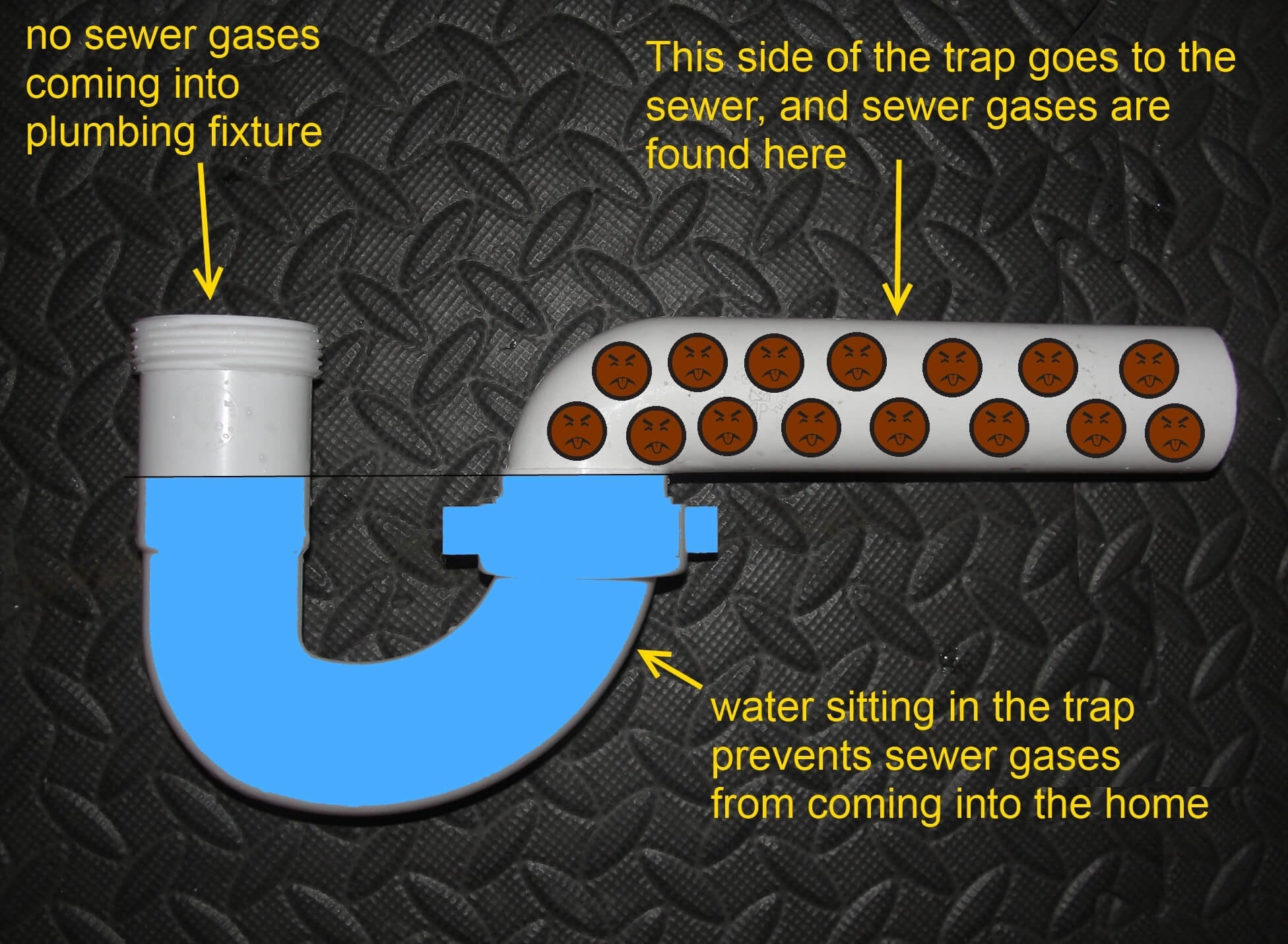
This is the number one culprit I see in basements that have a floor drain, laundry drain, or a rarely used basement shower. Most modern fixtures and floor drains are designed to have a water-filled trap that blocks sewer gas. But older homes sometimes have unusual setups, including trapless floor drains, a house trap, or a floor drain that relies on a trap primer to keep it wet.
Clues: Smell is strongest right at the floor drain. You may notice it more in winter (dry air) or during long stretches without using that drain.
First step fix: Pour water into the drain slowly, about 1 to 2 quarts. Wait 10 to 15 minutes and check the odor again. If it improves noticeably, you likely found the source.
Make it stick: If evaporation is a repeat problem, some homeowners add a few tablespoons of mineral oil after the water. The oil floats and slows evaporation. This is not universally recommended everywhere and it can collect debris over time, so treat it as optional and check local guidance. Do not use motor oil.
Also check for a trap primer: Some floor drains are supposed to be kept wet by a trap primer, a small line or device that periodically adds water to the trap. If the primer is missing, clogged, or failed, the trap can dry out repeatedly even if the drain itself looks fine.
2) Laundry standpipe trap is dry or siphoned
If your basement laundry gets used irregularly, the standpipe trap can dry out. In other cases, venting defects or pressure changes can contribute to trap siphonage when other fixtures drain.
Clues: Smell near the washer box or standpipe, especially after other fixtures run or after the washer drains.
First step fix: Run a short rinse cycle or pour water into the standpipe to refill the trap.
3) Sewage ejector pit problems
Many homes with basement bathrooms or basement laundry rely on a sewage ejector pump. The pit should be sealed with a gasketed lid, and the vent should be intact. If the lid is cracked, missing bolts, or the gasket failed, odors escape.
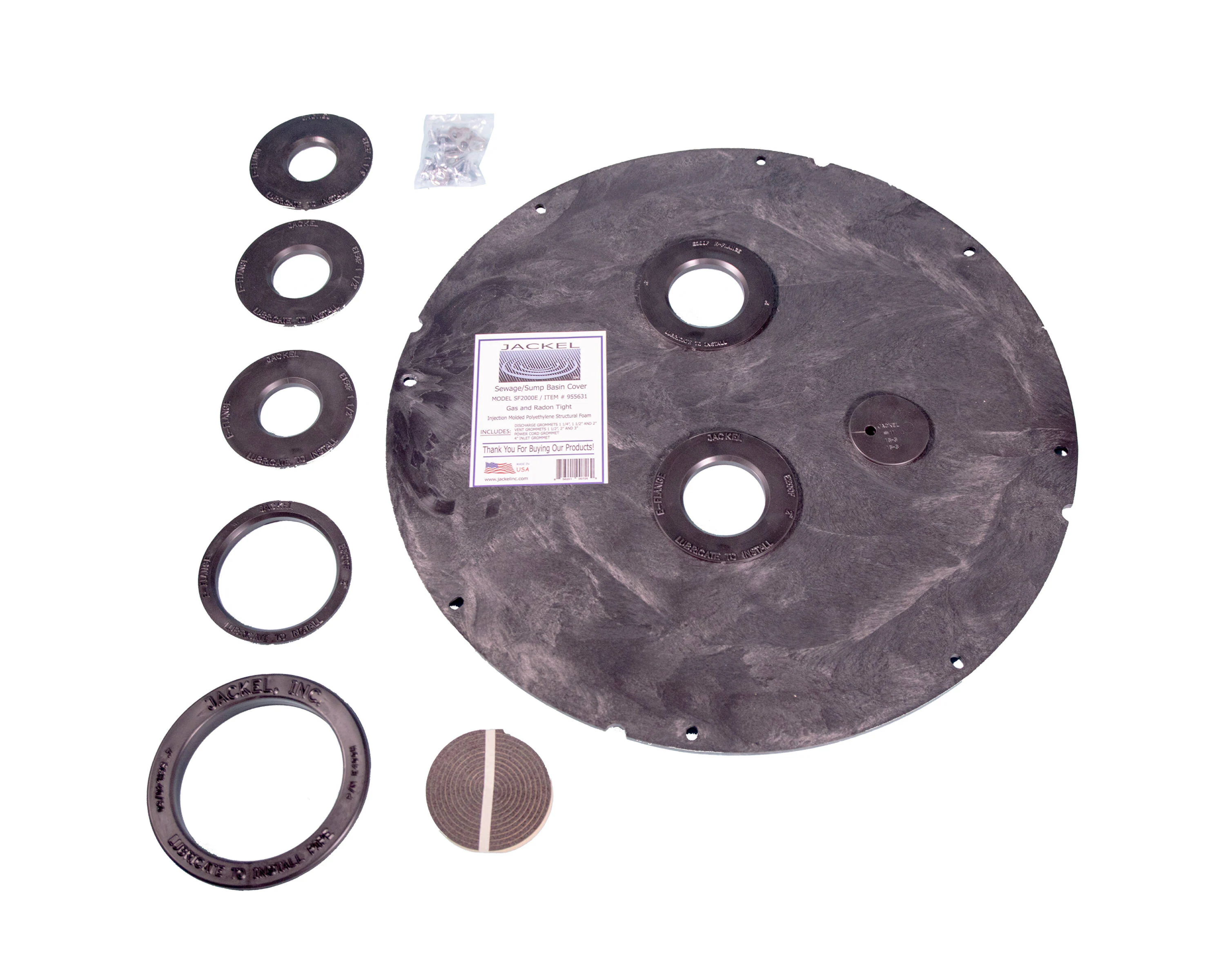
Clues: Odor is strongest right at the pit cover. You may hear the pump cycle and notice odor spikes right after it runs.
- Check that the lid is fully seated and bolted down.
- Look for a torn or missing gasket.
- Confirm the vent pipe is connected and not broken or loose.
- Check that the pipe penetrations through the lid are sealed.
Important: If the pit cover is loose and you have kids or pets, treat it like an urgent safety repair. A plumber can reseal the lid, verify venting, and check the discharge, check valve, and connections.
4) Sump pit confusion (and why it matters)
A sump pit is for groundwater, not sewage. In a correctly installed system, a sump pit should not smell like sewer gas. If you are getting a sewer smell near what you think is a sump pit, it can point to a misidentified pit, an incorrect connection, or another plumbing leak nearby that is using the pit area as the easiest exit path for odor.
Clue: The smell is strongest at an open or loosely covered pit, and the pit is not gasket-sealed like an ejector basin usually is.
5) Loose, cracked, or weeping cleanout cap
A cleanout is a capped access point on the main drain line. In basements it is often on a wall, near the floor, or sticking up out of the slab. If the cap is cross-threaded, missing an O-ring, or the threads are damaged, sewer gas leaks out. Sometimes you will also see dampness or mineral staining.
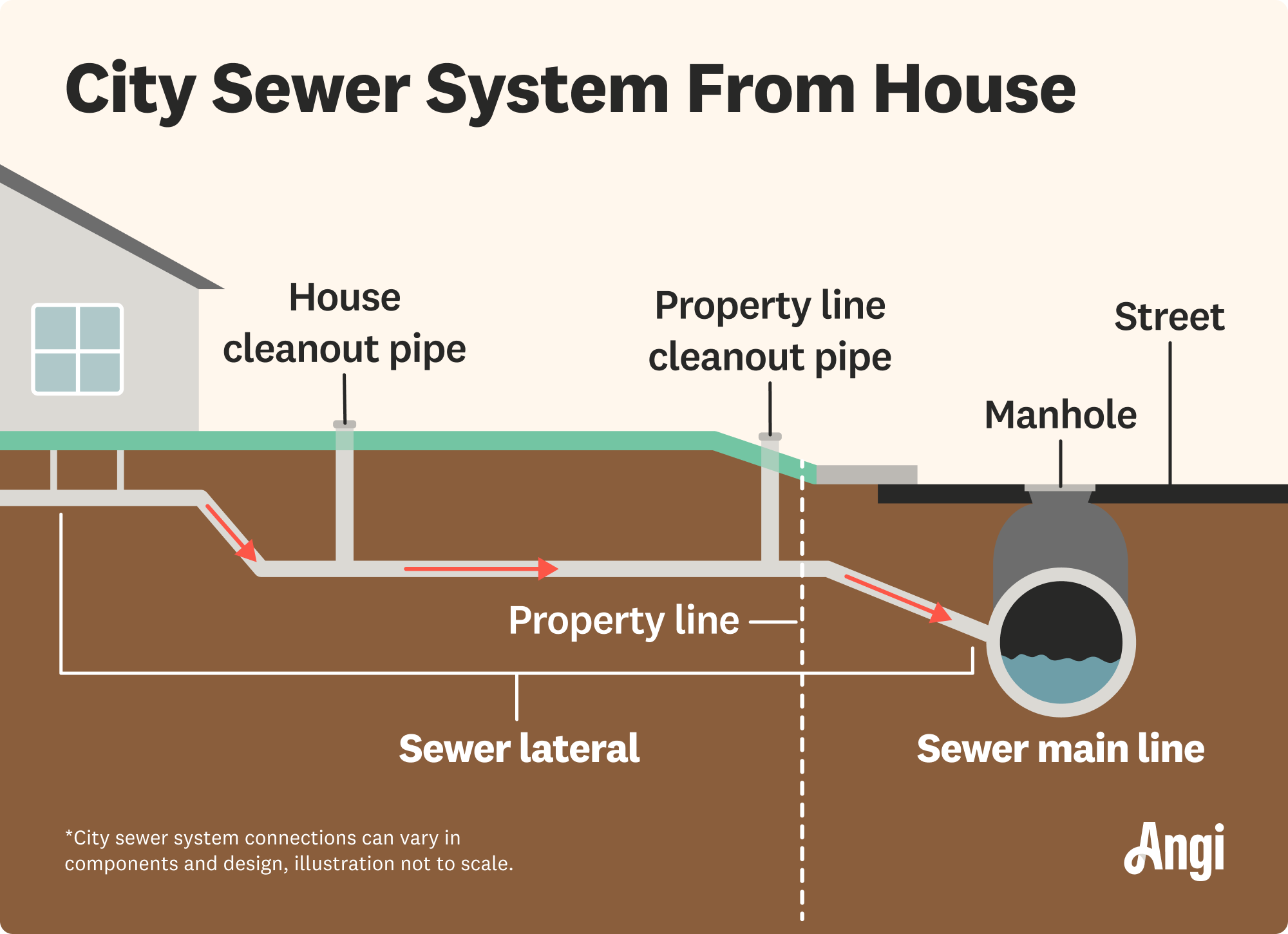
Clues: Odor is concentrated near a single capped fitting or pipe.
First step check: With gloves on, visually inspect for cracks, residue, or moisture. If it is obviously loose, snugging it can help, but do not force it. A damaged cleanout fitting is a plumber job because overtightening can crack old pipe.
Caution: Avoid opening a cleanout indoors unless you know exactly what you are doing and you are prepared for sewage backup. If a cleanout cap has been removed for inspection, ventilate, reseal promptly, and call a plumber if you see standing wastewater or heavy odor.
6) Vent stack leaks or open vent piping
Your plumbing vent system carries sewer gases up and out through the roof. In some basements, especially around renovations, you can end up with an abandoned vent or an open pipe that was never properly capped. Cracked cast iron stacks and failed joints can also leak odor into the basement.
Clues: Smell near a vertical pipe chase, utility area, or where a stack passes through the basement ceiling. You may see rust streaking on cast iron or evidence of past moisture.
First step check: Look for any open pipe ends or temporary caps. Do not permanently cap anything unless you are sure it is not a needed vent. When in doubt, bring in a plumber.
7) Basement toilet wax ring failure
If you have a basement bathroom, a failed wax ring can leak sewer gas without obvious water on the floor, especially if the leak is small or the toilet rocks slightly.
Clues: Odor seems strongest around the toilet base. The toilet feels loose, or you see staining around the base.
Next step: If the toilet rocks or you suspect the seal, plan on a reset with a new seal. This is a common plumber call and a very common odor fix.
8) Negative air pressure pulling odor through weak seals
This one surprises people. Basements can go negative pressure when a dryer, bathroom fan, range hood, or even a radon fan is running. If you have a weak trap seal, a marginal venting setup, or a vent defect, negative pressure can make the problem show up more often and more intensely.
Clues: Odor happens when the dryer runs, when HVAC turns on, or on windy days. It may improve when windows are open.
First step test: Note when the smell appears. Try turning off fans and the dryer for 30 minutes and see if the odor drops. If it does, you likely still have a trap or venting issue, and the pressure is just revealing it.
First steps checklist
If you want a clean, non-overwhelming path, this is the order I recommend. You are looking for the most likely fixes with the least effort first.
- Map the odor source. Walk slowly and note the strongest spot: floor drain, pit lid, cleanout, laundry standpipe, toilet base, or wall chase.
- Refill traps. Pour water into the floor drain and any rarely used basement shower or sink. Run the laundry briefly if needed.
- Recheck after 10 to 15 minutes. If the smell is dramatically better, a dry trap was likely the main issue.
- Check the ejector pit cover. Make sure it is sealed and secure. Look for cracks, missing bolts, or gaps around piping penetrations.
- Inspect cleanouts. Look for dampness, staining, or a cap that is not seated. Do not open cleanouts indoors as a casual test.
- Look for obvious open pipes. Especially after a remodel, you might find an abandoned line that is not properly capped.
- Track pressure triggers. Note if the smell lines up with the dryer, fans, radon system, or HVAC operation.
If you do steps 1 through 3 and the smell improves quickly, you likely had a dry trap. That is the best case scenario.
Why basements get hit harder
Bathrooms are used daily, so their traps usually stay wet. Basements often have forgotten drains that never see water, plus special systems like ejector pits. Add in long stack runs and pressure changes, and the basement becomes the place where small plumbing weaknesses show up first.
DIY fixes that are usually safe
Keep floor drain traps from drying out
- Pour a quart of water into the floor drain monthly.
- If evaporation is frequent, ask a plumber about a trap primer (or whether your existing primer is working).
- If you choose the mineral oil trick, keep it minimal and treat it as optional. Revisit if the drain starts collecting debris or draining slowly, and follow any local guidance.
- If you have a dehumidifier draining to the floor drain, that can keep the trap wet, but confirm the hose cannot siphon the trap dry.
Replace a missing floor drain cover
A missing or loose grate will not cause sewer gas by itself if the trap is full, but it can let odors spread more freely and it is a trip hazard. Use a properly sized cover.
Clean the drain, gently
Sometimes the smell is a biofilm problem near the top of a drain. You can scrub the inside of the drain opening with a stiff brush and flush with hot water. Skip harsh chemical drain cleaners, especially in older plumbing. They can damage piping and do not solve venting or trap issues.
When to call a plumber
- The smell returns quickly after you refill traps.
- You see moisture, staining, or leaking around a cleanout or along the main line.
- Your ejector pit lid is not sealed, the vent looks wrong, or the pit smells strongly even when closed.
- You suspect a cracked cast iron stack or a failed joint.
- Multiple fixtures gurgle, drains run slow, or toilets bubble. Those can point to a vent blockage or main line issue.
- You are not sure whether a pit is a sump or an ejector system, and the area smells like sewage.
A good plumber can smoke test the system, pressure test questionable lines, verify venting, and check common basement odor points like toilet seals, cleanouts, traps, and pit lids.
If you are on septic
If your home uses a septic system, sewer smells after heavy rain can happen when the soil around the drain field is saturated or the system is stressed. In that situation, it is even more important to avoid guessing. Reduce water use, ventilate, and call your septic professional or plumber if odors persist.
Carbon monoxide detectors
Carbon monoxide detectors are essential, but they do not detect sewer gas. If you are chasing a basement odor, ventilation and professional diagnosis matter more than waiting for an alarm that may never sound.
Most common fix
In a typical basement with a floor drain, the fastest win is refilling the trap and then keeping it wet, because a dry trap can turn your basement into an open path for sewer odors.
Basement sewer smell FAQ
Can sewer gas in the basement be dangerous?
Yes. Sewer gas can contain methane and hydrogen sulfide. Treat strong odors seriously, ventilate, and call a pro if it is intense or persistent, or if anyone has symptoms.
Why does it smell worse after it rains?
It can. Heavy rain can contribute to sewer line surcharge in some municipal systems, saturate soil around septic drain fields, and change how gases move through plumbing vents. It can also reveal weak seals around cleanouts, old joints, or pit lids.
What if I pour water in the floor drain and it still smells?
Then you likely have another leak point, such as a loose cleanout cap, an ejector pit seal issue, a vent leak, a toilet seal problem, or a cracked pipe. That is the point where a plumber’s diagnostic tools save a lot of guessing.

About Marcus Vance
Content Creator @ Grit & Home
Marcus Vance is a lifelong DIY enthusiast and self-taught home renovator who has spent the last decade transforming a dilapidated 1970s ranch into his family's dream home. He specializes in budget-friendly carpentry, room-by-room renovations, and demystifying power tools for beginners. Through his writing, Marcus shares practical tutorials and hard-learned lessons to help homeowners tackle their own projects with confidence.