
🚨 In a DIY emergency or rush?
Skip the details and jump straight to our 30-second cheat sheet for the most crucial info.
Mildew on a shower curtain or liner has a special talent for making a clean bathroom feel… not clean. The good news is you can usually fix it with a regular wash and a couple of small habit changes.
This article stays focused on shower curtains and shower liners: the fabric curtain, the plastic or vinyl liner, the rings, and the bar. If you are dealing with pink slime on tile or black spots on drywall, that is a different problem with a different playbook.
First, figure out what you are cleaning
Cleaning goes smoother if you know what material you are dealing with.
- Fabric shower curtain: Usually polyester or cotton blend. Often machine washable. Some have water-repellent coatings, so follow the care tag and avoid harsh add-ons if the tag warns against them.
- Plastic liner: Often PEVA or EVA (more common now) or PVC vinyl (older, can be heavier and smell stronger).
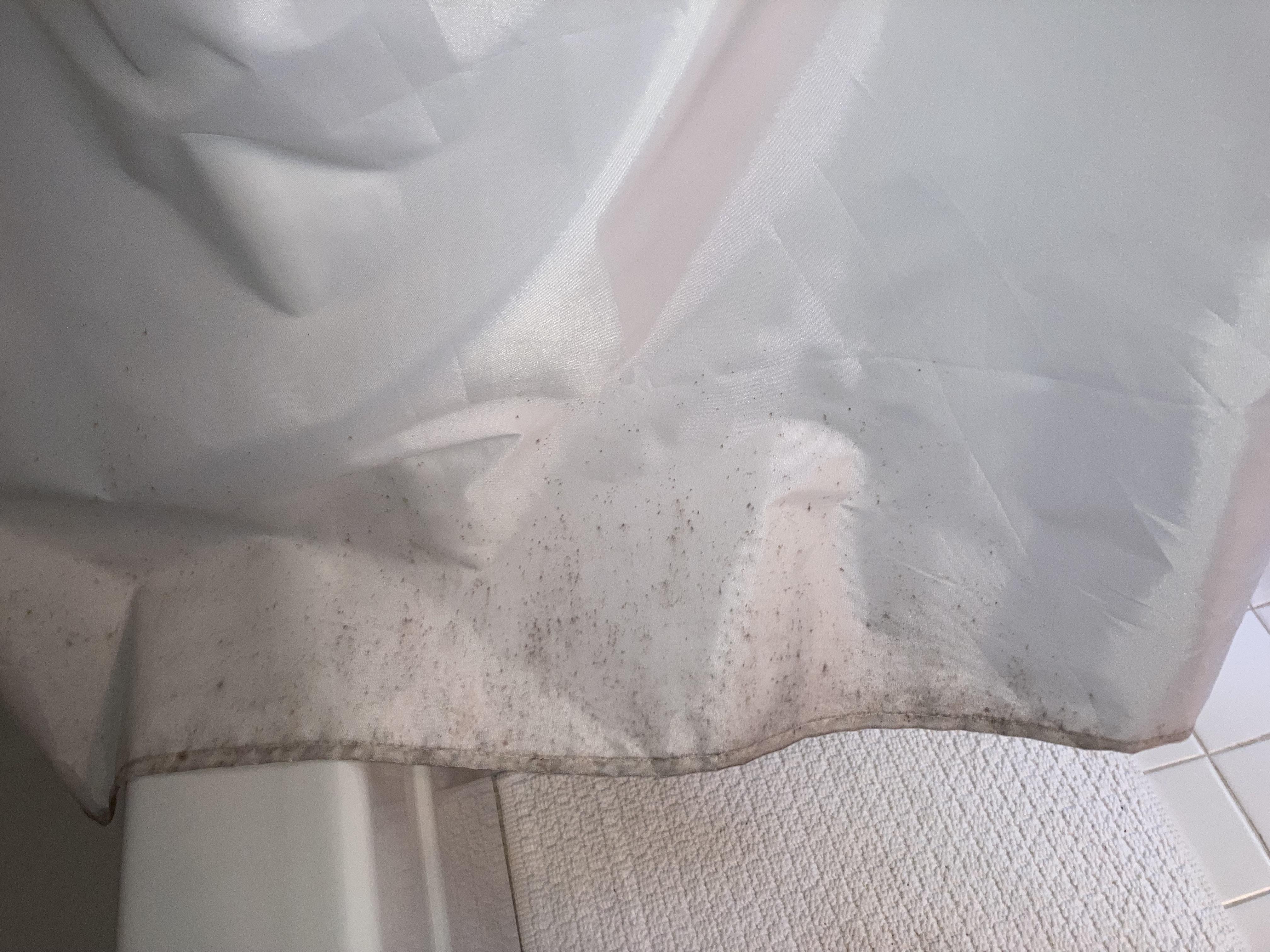
- Where the mildew is: Most often along the bottom edge where water pools and soap film hangs out.
If the liner is brittle, cracking, or permanently stained, jump to the “When to replace” section. Sometimes the cheapest move is to stop fighting a losing battle.
Quick safety notes (worth 20 seconds)
- Never mix bleach and vinegar or bleach and ammonia. That combo can create dangerous fumes.
- Run the bathroom fan and crack a door or window while you clean.
- Wear gloves if you have sensitive skin. Mildew and cleaners are both irritating.
- If you use powders like borax or oxygen bleach, avoid breathing the dust and keep products away from kids and pets.
Bleach or no bleach?
You will notice I lean on borax (or oxygen bleach) plus a vinegar rinse instead of leading with chlorine bleach. That is on purpose. Bleach can discolor fabric and, over time, it can be rough on some liners and finishes. Also, bleach does not remove soap scum well, and soap scum is what mildew loves to cling to.
If you have heavy staining and you want a bleach option, I included one below. Just keep it simple, keep it ventilated, and never combine bleach with vinegar or other cleaners.
How to clean a plastic shower liner (PEVA, EVA, or vinyl)
For most liners, the easiest method is the washing machine. You are not trying to sanitize a hospital here. You are trying to remove the mildew and the soap scum it clings to.
Machine wash method (my go-to)
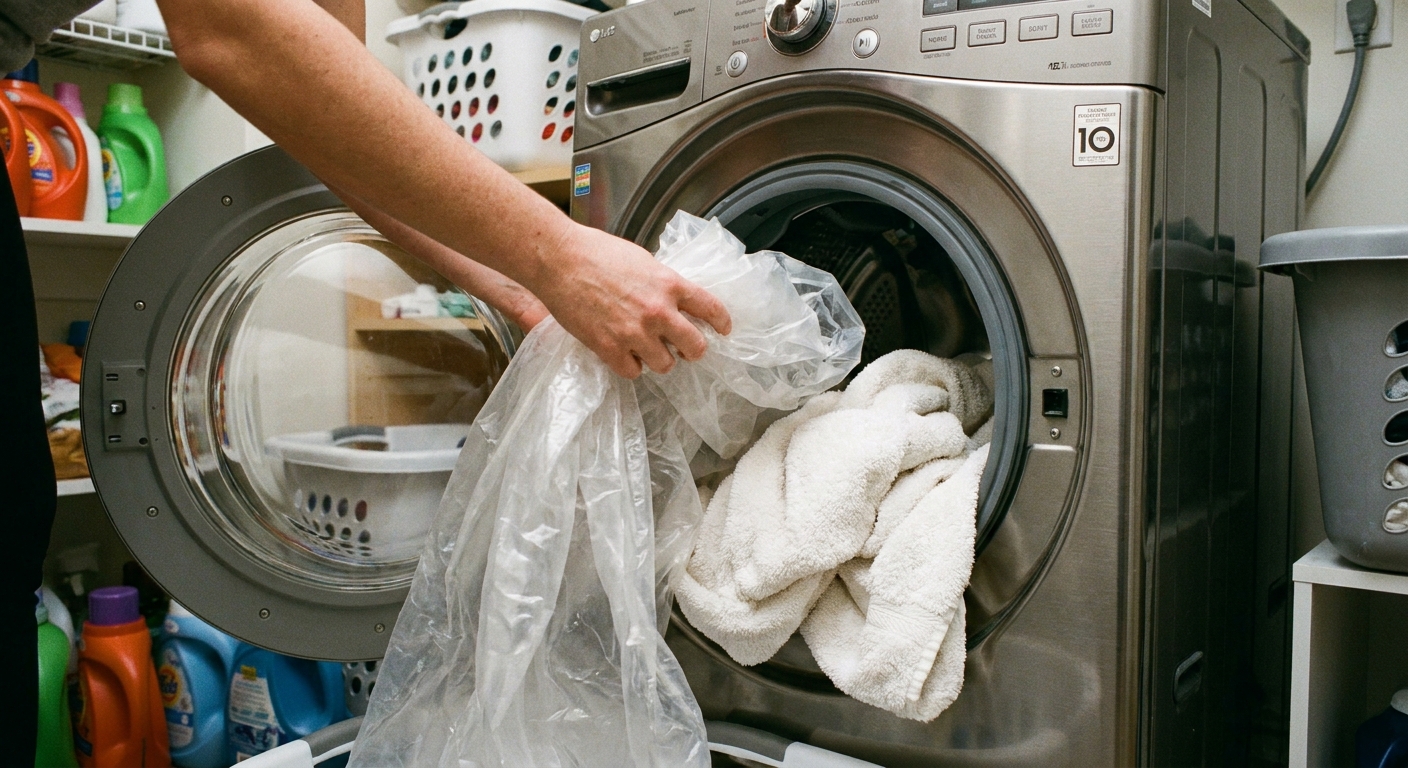
- Take the liner down. If you want it to stay spread out, use a large mesh laundry bag (ideal) or leave it loosely folded.
- Remove metal rings. They can rust and can bang up your washer drum. If you leave any rings on, only use washer-safe plastic rings and still consider the mesh bag.
- Toss the liner in the washer with 2 old towels. The towels act like gentle scrubbers.
- Add regular detergent.
- Add 1/2 cup borax to boost cleaning.
- Wash on gentle with cold or warm water, depending on the care tag. Warm is often fine, but some liners wrinkle or warp in warm water.
- If your machine has it, an extra rinse helps reduce leftover residue.
- Do not put it in the dryer. Hang it back up to air dry.
Vinegar boost option (for smell and film)
If the liner smells musty even after washing, run a second cycle or add this to the rinse:
- Add 1 cup white vinegar to the rinse cycle (or use the fabric softener dispenser).
Vinegar helps cut mineral and soap film that mildew sticks to. It is helpful, but it is not the same thing as an EPA-registered disinfectant.
If you cannot get borax
Borax is not available everywhere. A solid alternative is oxygen bleach (sodium percarbonate) as a laundry booster. Follow the package directions and keep the cycle gentle.
No-washer method (bathtub soak)
- Lay the liner flat in the tub.
- Fill the tub with a few inches of cold or warm water (follow the care tag if you have one).
- Add 1/2 cup borax and swish to dissolve.
- Soak 30 to 60 minutes.
- Scrub the bottom edge with a soft brush or sponge.
- Rinse well and hang to dry.
Bleach option (only if you want it)
If the liner is badly mildewed and you want a stronger punch, you can use bleach carefully.
- Ventilate the bathroom well.
- In the tub, add cool water and a small amount of bleach following the product label.
- Soak briefly, scrub lightly, then rinse very thoroughly.
- Do not follow bleach with vinegar. Rinse, rinse, rinse, then air-dry.
How to clean a fabric shower curtain
Most fabric curtains clean up surprisingly well with a normal wash, especially if you catch mildew early.
Machine wash routine
- Check the care tag first (especially for coated or “water-repellent” fabric).
- Wash on gentle with cold or warm water, depending on the tag.
- Add regular detergent.
- Add 1/2 cup borax for mildew and odor help (or oxygen bleach as a substitute, per label directions).
- Add 1 cup white vinegar in the rinse cycle to cut soap film and musty smells.
- Dry based on the tag. If you can, air-dry or tumble low to reduce shrinkage and wrinkles.
Spot treatment for stubborn bottom-edge mildew
If the bottom hem still has speckles, treat that strip before the next wash:
- Make a paste of borax and a little warm water.
- Rub it into the mildew area with a soft brush.
- Let it sit 15 minutes.
- Wash again.
Bleach note for fabric
Some white curtains can tolerate bleach, but many colored or coated fabrics will fade or get patchy. If you go that route, follow the care tag and the bleach label, and never combine bleach with vinegar.
My honest mistake: I used to throw fabric curtains straight in the wash and call it done. If the bottom hem is folded over, it can trap a nasty little mildew sandwich. Flipping that hem open and pre-treating the fold makes a big difference.
Clean the rings and the bar (they matter)
If the curtain is clean but the musty smell comes back fast, check your hardware. Rings and tension rods collect soap residue and humidity and can contribute to odor and faster regrowth.
Fast cleaning method
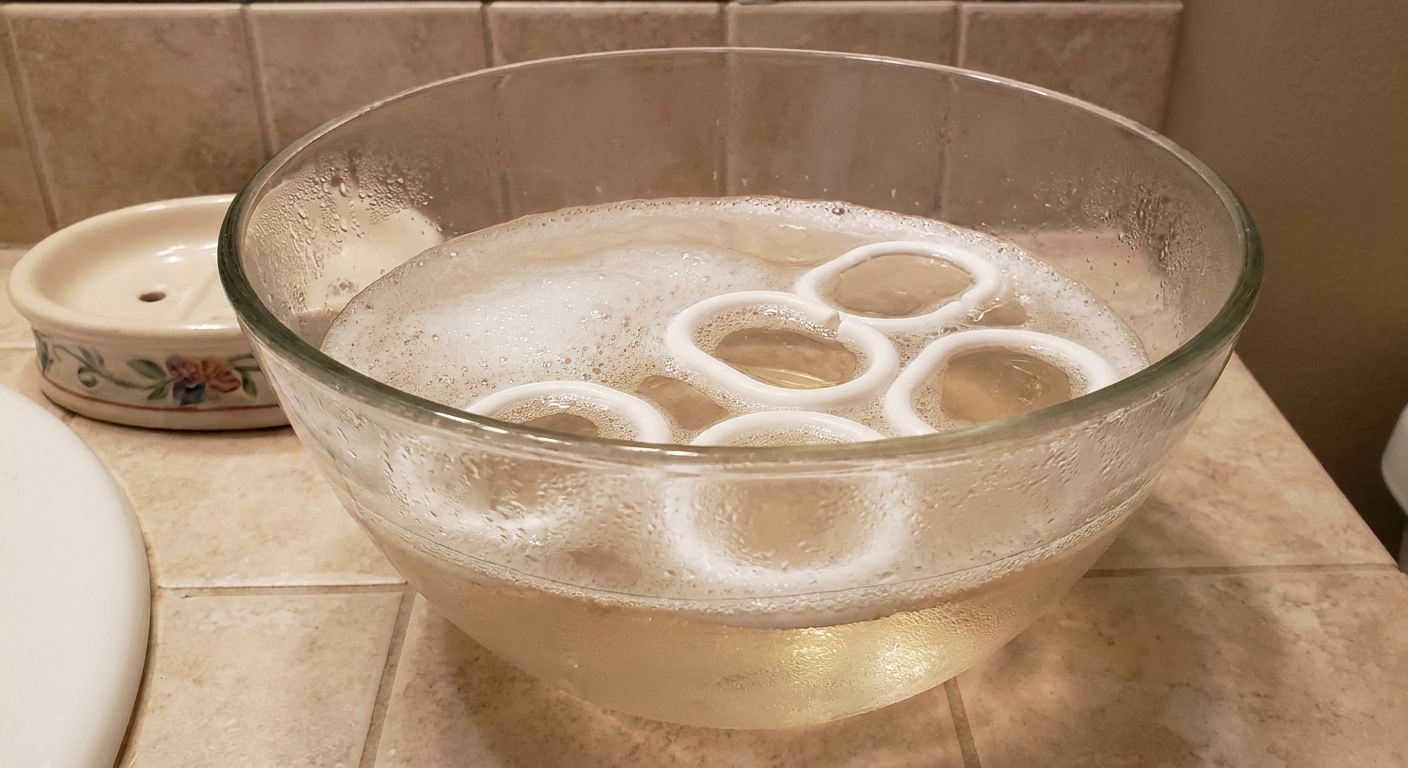
- Soak rings in a bowl of warm water with a squirt of dish soap.
- For stubborn film, add a splash of white vinegar.
- Scrub with an old toothbrush, rinse, and dry.
- Wipe the rod with soapy water, then dry it fully.
Lazy hack (washer safe)
- If you have plastic rings, you can toss them into the washer inside a mesh laundry bag with the curtain.
- Skip this for metal rings or anything that is chipped, sharp, or likely to crack.
Stop mildew from coming back
Mildew comes back when moisture hangs around. Your goal is to dry the liner out quickly and consistently.
1) Spread the liner out after every shower
This one is boring, but it is the biggest win. When the liner is bunched up, water sits in folds and the bottom edge stays wet for hours.
- Before you step out, pull the liner closed so it hangs flat.
- Make sure the bottom edge is not folded inward on itself.
- If you use a fabric curtain plus a liner, do not leave them pressed together. Separating them a bit helps both dry faster.
2) Ventilate for 30 to 60 minutes
- Run the bath fan during the shower and keep it on at least 30 minutes after.
- If your fan is weak, crack the door or a window to help it move air.
If your mirror stays fogged forever, that is a clue your ventilation is not keeping up.
3) Raise the liner off the tub floor
If your liner puddles on the tub floor, it stays wet longer and mildews faster. A simple adjustment helps:
- Raise the tension rod so the liner hangs just above the tub floor, not dragging.
- Use a liner that is the right length for your setup. Extra-long liners are great for tall showers, but they can be mildew magnets in standard tubs if they bunch at the bottom.
4) Reduce soap scum buildup
Mildew loves the sticky film left by soap and body wash. Keeping the liner slick and clean makes it harder for mildew to grab on.
- Once a week, wipe the bottom 12 inches of the liner with a sponge and a few drops of dish soap.
- Rinse with the handheld shower head or a cup of clean water.
Simple wash schedule
You do not need a complicated routine. You just need a repeatable one.
- Weekly: After your last shower of the week, wipe the bottom edge of the liner and make sure it dries spread out.
- Monthly: Wash the liner (and fabric curtain if you have one).
- Seasonally: Clean the rings and wipe the bar. Check the liner for brittleness or staining.
When to replace the shower liner
I am as thrifty as the next DIYer, but liners are cheap for a reason. Once the plastic is degrading, it holds onto odor and grime like a sponge.
Replace the liner if:
- The liner is brittle, cracked, or stiff.
- Mildew spots are embedded and do not fade after a thorough wash and borax (or oxygen bleach) treatment.
- The liner still smells musty immediately after drying.
- The bottom magnets (if yours has them) are rusting or staining the plastic.
Rule of thumb: If you have already washed it twice and it still looks and smells rough, replacing it is usually cheaper than the time and products you will keep throwing at it.
Common mistakes that make mildew worse
- Leaving the liner bunched to one side: water sits in folds and never dries.
- Turning off the fan right after showering: moisture stays trapped in the room.
- Using too much cleaner and not rinsing: residue can attract more grime.
- Ignoring the bottom hem: that is ground zero for mildew.
- Putting a plastic liner in the dryer: it can warp, melt, or turn into a wrinkled mess that holds water.
FAQ
Is vinegar enough to kill mildew on a shower liner?
Vinegar helps a lot with the soap film and odor that mildew rides on. For visible mildew spotting, I have better results using borax (or oxygen bleach) in the wash or soak, then vinegar in the rinse cycle. Vinegar is helpful, but it is not the same as a dedicated disinfectant.
Can I wash a liner and curtain together?
Yes, as long as the fabric curtain care tag allows it. Add two towels to help scrub. Consider a mesh laundry bag if your liner tends to twist up. Skip the dryer for the liner.
Why does mildew keep coming back at the bottom?
The bottom edge stays wet longest and collects the most residue. Fix that with three moves: spread it out to dry, raise the rod so it does not drag, and ventilate longer.
The 30-Second Cheat Sheet
Essential takeaways for: Shower Curtain or Liner Mildew? Clean It and Stop It Coming Back
Fast fix (plastic liner)
- Washer: liner + 2 old towels + detergent + 1/2 cup borax, gentle cycle, cold or warm (follow the care tag).
- Add 1 cup white vinegar in the rinse cycle for odor and soap film.
- Air-dry only. Do not use the dryer.
Fast fix (fabric curtain)
- Warm or cold wash (per care tag) with detergent + 1/2 cup borax.
- 1 cup vinegar in rinse.
- Air-dry or tumble low if the tag allows.
If you do not have borax
- Use oxygen bleach (sodium percarbonate) as a laundry booster, following the label.
- Avoid breathing any powder dust. Keep products away from kids and pets.
Stop it from coming back
- After every shower: pull the liner closed so it hangs flat and dries fast.
- Run the fan during the shower and 30 to 60 minutes after.
- Raise the rod so the liner hangs just above the tub floor, not dragging.
- Weekly: wipe the bottom 12 inches of the liner with a little dish soap.
Replace the liner if
- It is brittle, cracking, permanently stained, or still musty after two deep cleans.
Never do this
- Do not mix bleach and vinegar.
- Do not put a plastic liner in the dryer.
💡 Tip: Scroll up to read the full article for detailed, step-by-step instructions.
⬆️ Back to top
About Marcus Vance
Content Creator @ Grit & Home
Marcus Vance is a lifelong DIY enthusiast and self-taught home renovator who has spent the last decade transforming a dilapidated 1970s ranch into his family's dream home. He specializes in budget-friendly carpentry, room-by-room renovations, and demystifying power tools for beginners. Through his writing, Marcus shares practical tutorials and hard-learned lessons to help homeowners tackle their own projects with confidence.