
What a slab leak is (and why it gets expensive fast)
A slab leak is a leak in a water line that runs under a concrete slab foundation. In many homes, especially ranches and mid-century builds, supply lines were routed under the slab because it was fast and protected from freezing. The downside is obvious once something goes wrong: the leak is hidden, and water can travel under flooring, into walls, and even wash out soil that supports the slab.
The reason slab leaks snowball is simple. A small pinhole leak can run 24/7 without you noticing until one of the warning signs finally shows up. Catching it early can mean the difference between a targeted repair and replacing flooring, baseboards, drywall, and in the worst cases, addressing foundation movement.
The most common slab leak warning signs
Think of slab leak symptoms like a detective story. One clue might be nothing. Two or three clues at the same time deserve your attention.
1) Hot spots or cold spots on the floor
This is one of the classic tells, and it depends on whether the leaking line is hot or cold.
- Hot spot symptoms: A section of tile, laminate, or concrete feels noticeably warm when the rest of the room is normal. You might also notice your water heater cycling more often.
- Cold spot symptoms: Less common, but possible. A cold supply leak can make an area feel cooler, especially on hard surfaces, and may contribute to persistent dampness.
Quick reality check: Sunlight on a slab, a nearby HVAC duct, or radiant floor heat can mimic these symptoms. What makes it suspicious is when the temperature difference shows up consistently, even at night or with the HVAC off.
2) Unexplained jump in your water bill
If your usage habits did not change but your bill did, a hidden leak is always on the list. Slab leaks often create a steady, continuous draw that adds up fast.
- A sudden increase month-to-month
- A steady upward trend over multiple bills
- Usage spikes during weeks you were out of town
My thrifty homeowner tip: Many utilities show daily usage online now. A slab leak often shows up as consistent water use every day, including times when you are asleep.
3) The sound of running water when nothing is on
If you hear water movement in walls or floors when every faucet, toilet, and appliance is off, take it seriously. Slab leak sound is often described as a faint hiss, whoosh, or steady rushing.
- Listen near bathrooms, the water heater, and along exterior walls
- Check at night when the house is quiet
- Pay attention to sound that seems to come from the floor
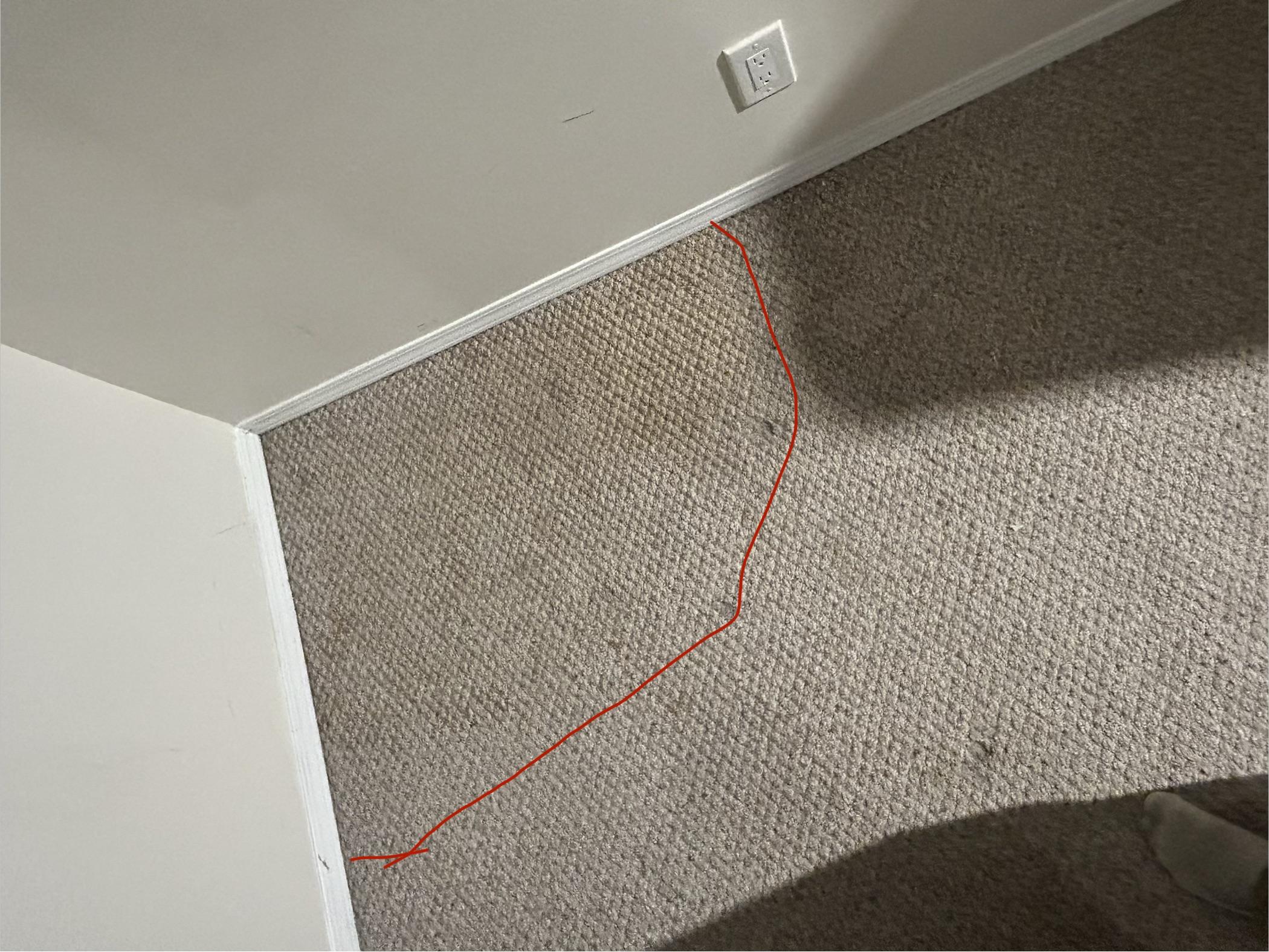
4) Damp carpet, warped flooring, or wet baseboards at slab edges
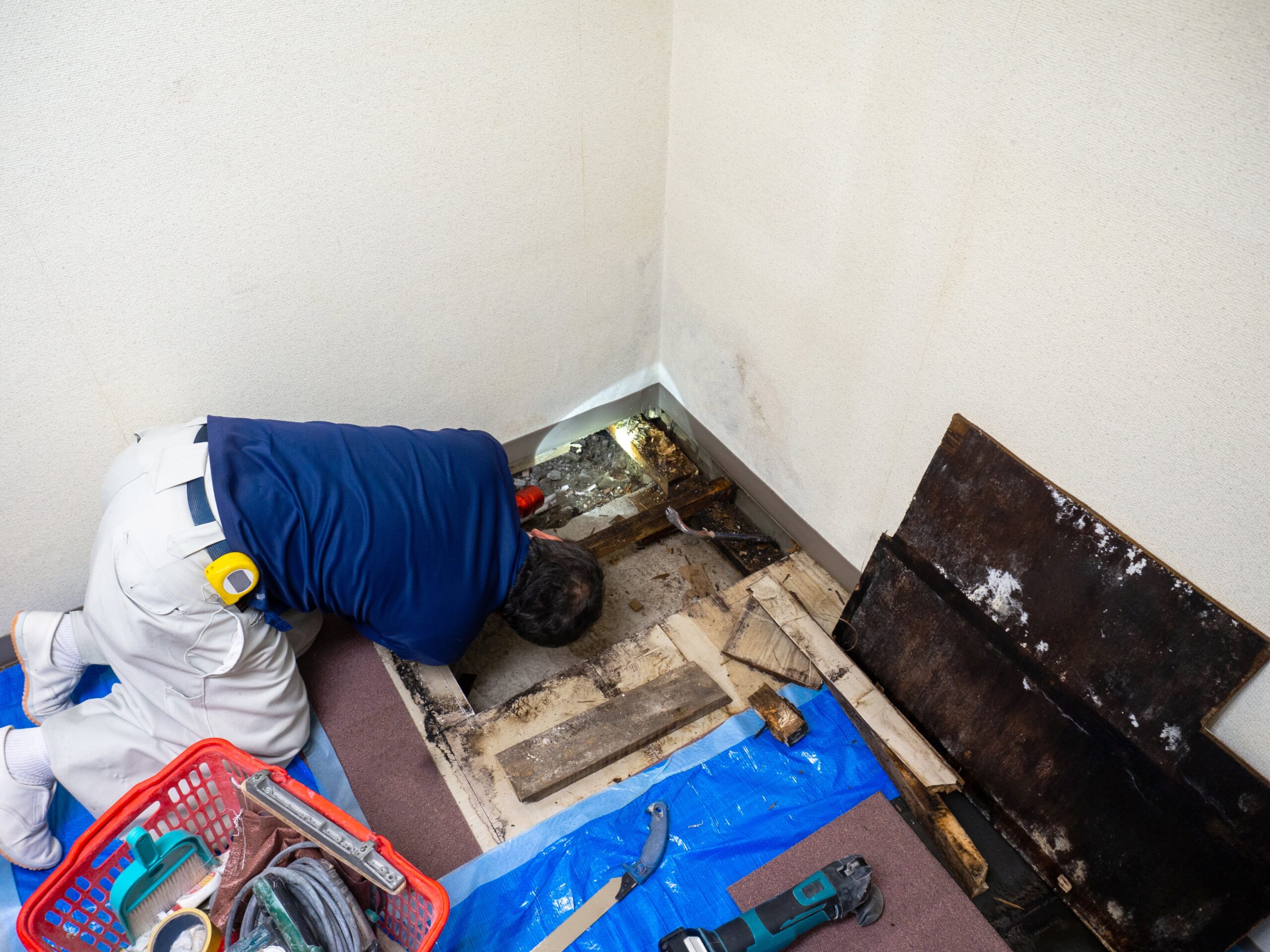
Water under a slab tends to migrate until it finds a path up. The easiest path is often at the perimeter where the slab meets exterior walls, especially if the leak is closer to that side of the home.
- Carpet that feels damp near baseboards
- Laminate that swells, cups, or separates
- Wood flooring that crowns or buckles
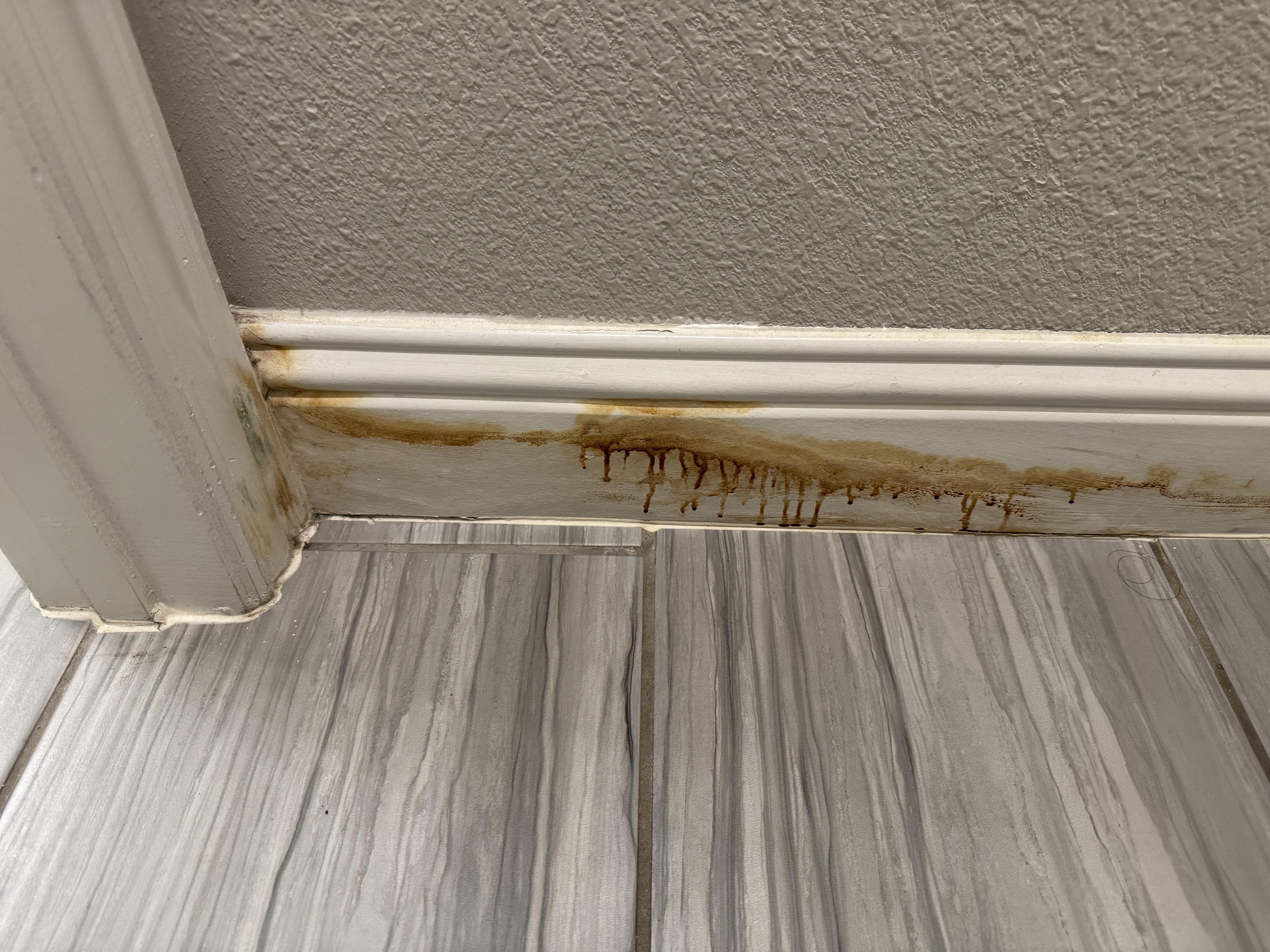
- Baseboards that stain, soften, or pull away from the wall
5) Cracks in walls, tile, or the foundation
Not every crack means a slab leak, and not every slab leak causes cracks. But leaks under a slab can erode or soften soil, which can lead to settlement or movement. That movement may show up as:
- New or widening drywall cracks, especially near door frames
- Hairline cracks running through floor tile or grout
- Doors that start sticking or swinging open
- Visible foundation cracks at the exterior
Important: Many homes get minor cracks from normal settling. The red flag is new cracks that appear along with moisture signs or a water bill jump.
6) Musty smells or mold that keeps coming back
Persistent moisture under flooring or behind baseboards can create a musty odor. If you clean an area and it returns, or you see recurring mildew near the same wall, it is worth investigating. A slab leak can keep feeding moisture into materials that never fully dry.
A safe homeowner checklist (no fancy tools needed)
You can do a few checks yourself before calling in a plumber. The goal is not to “confirm” a slab leak. The goal is to gather strong evidence and rule out common look-alikes (toilets, irrigation, appliances).
Step 1: Do a quick indoor leak sweep
- Put a few drops of food coloring in the toilet tank. Do not flush. If color appears in the bowl within 10 to 15 minutes, the flapper is leaking.
- Check under sinks for dampness, especially around shutoff valves.
- Look behind the washing machine and around the water heater pan.
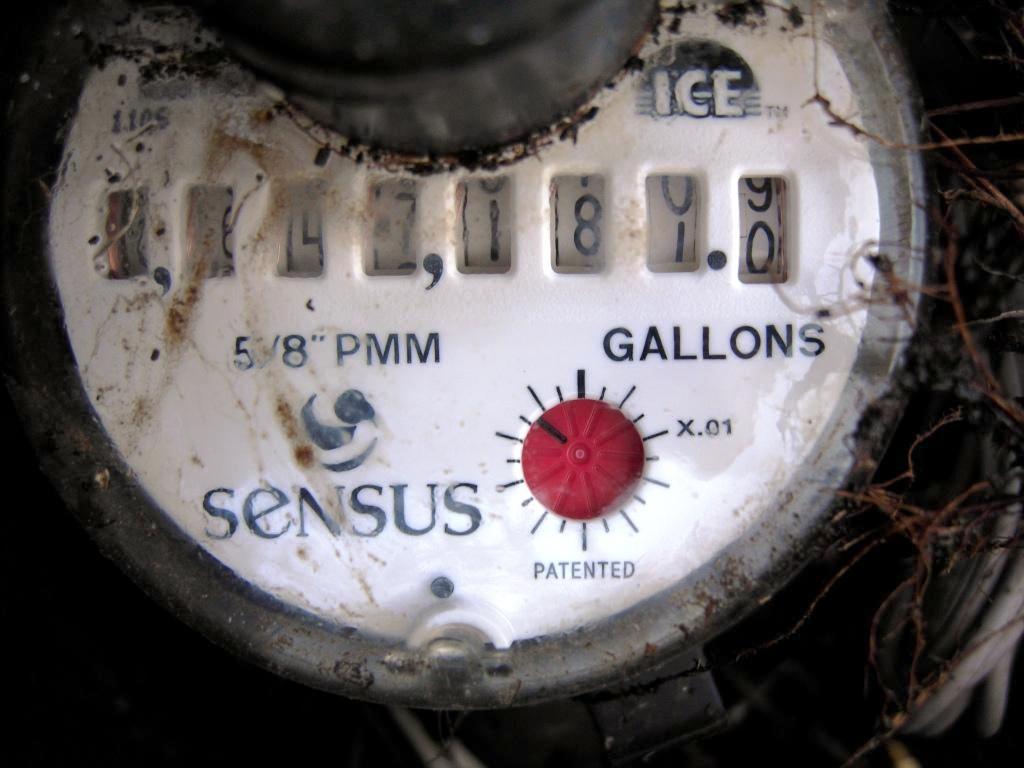
Step 2: Check your water meter for continuous flow
This is one of the most helpful tests you can do safely.
- Turn off all water inside the house. Make sure no appliances are running, and do not use water during the test.
- Find your water meter and locate the small flow indicator (often a tiny triangle or star wheel).
- Watch it for 2 to 5 minutes.
- If the indicator moves, water is flowing somewhere.
- If it is spinning steadily, that is a strong sign of a significant leak.
Step 3: Isolate the house from the yard
If you have irrigation, it can muddy the picture. To separate indoor plumbing from outdoor lines:
- Shut off the irrigation system at its dedicated valve if you have one.
- If you have a whole-house shutoff valve near where the main enters the home, close it.
- Recheck the meter. If the meter still moves with the house valve closed, the leak may be between the meter and the house, or in an outdoor line.
Step 4: Note where symptoms show up
Write down:
- Which rooms feel warm, cool, or damp
- Whether it is worse morning vs evening
- Any visible cracks or sticking doors
- Your last 2 to 3 water bills
This saves time and money when you call a pro because you are giving them a map, not a mystery.
What not to do (even if you are handy)
I love DIY, but slab leak work is one of those times when “I can probably figure it out” can turn into “why is there a trench in my living room.” Avoid these moves:
- Do not start jackhammering a slab based on a hunch. You can hit electrical, damage other plumbing, or make a small repair much bigger.
- Do not ignore the water heater as a suspect. A hot spot can be a hot line leak, but it can also be a failing heater or recirculation issue.
- Do not keep running a suspected hot leak for days. It can drive up the bill and increase the chance of flooring and baseboard damage.
How plumbers and leak detection pros verify a slab leak
Professionals verify leaks by combining tests. The goal is to confirm there is a leak, determine whether it is hot or cold, and pinpoint it closely enough to repair without unnecessary demolition.
Acoustic listening equipment
Specialized ground microphones and amplifiers help pros “hear” water turbulence under the slab. This can be surprisingly accurate in quiet conditions.
Thermal imaging
Infrared cameras can detect temperature differences on floors and walls. This is especially useful for hot water line leaks where the temperature contrast is clearer.
Pressure testing and isolation
A plumber may isolate hot and cold lines and perform a pressure test. If pressure drops with all fixtures off, it supports the presence of a leak in that circuit.
Tracer gas testing
In some cases, pros introduce a safe tracer gas into the line and use sensors to detect where it escapes through concrete or soil. This can be effective when acoustic results are inconclusive.
Video inspection (in certain situations)
If the suspected problem is related to drain lines rather than supply lines, a camera inspection of the drain system may be used. Drain issues under slabs can also cause moisture, but the diagnostic approach is different.
What you can expect: A good leak detection service will provide a clear report of where they believe the leak is located, what methods they used, and how confident they are before anyone breaks concrete.
When to call a plumber right away
Call a licensed plumber or leak detection service promptly if you have any of the following:
- Water meter shows continuous flow and you cannot find an indoor fixture leak
- A persistent warm floor spot, especially paired with higher bills
- Damp flooring or wet baseboards with no spill or obvious source
- New cracks plus moisture symptoms
- You hear running water and it does not stop
If you suspect a major leak and your meter is spinning quickly, it is reasonable to shut off the main water while you wait for help, as long as everyone in the home understands the water is off.
What repairs might look like (so you are not blindsided)
Once verified, repair options depend on location, pipe material, and accessibility. A plumber may recommend:
- Spot repair: Open the slab at the leak location and repair that section. Best when the rest of the plumbing is in good shape.
- Reroute or re-pipe: Abandon the leaking under-slab run and route new piping through walls or attic. Often chosen when there are multiple leaks or aging pipe.
- Epoxy lining: In some situations, interior pipe lining may be offered, but it is not a universal fix and depends on pipe type and condition.
Budget note: The repair is only one line item. Drying, mold prevention, and flooring replacement can cost as much or more. That is why catching a slab leak early is such a big deal.
My neighbor-to-neighbor bottom line
If you notice a warm or cold floor spot, a climbing water bill, damp carpet at the slab edge, new cracks, or the sound of water when everything is off, do not wait for it to get dramatic. Do the meter test, document what you see, and bring in a pro to verify the leak with the right tools. You will spend less, tear up less, and sleep better.

About Marcus Vance
Content Creator @ Grit & Home
Marcus Vance is a lifelong DIY enthusiast and self-taught home renovator who has spent the last decade transforming a dilapidated 1970s ranch into his family's dream home. He specializes in budget-friendly carpentry, room-by-room renovations, and demystifying power tools for beginners. Through his writing, Marcus shares practical tutorials and hard-learned lessons to help homeowners tackle their own projects with confidence.