
🚨 In a DIY emergency or rush?
Skip the details and jump straight to our 30-second cheat sheet for the most crucial info.
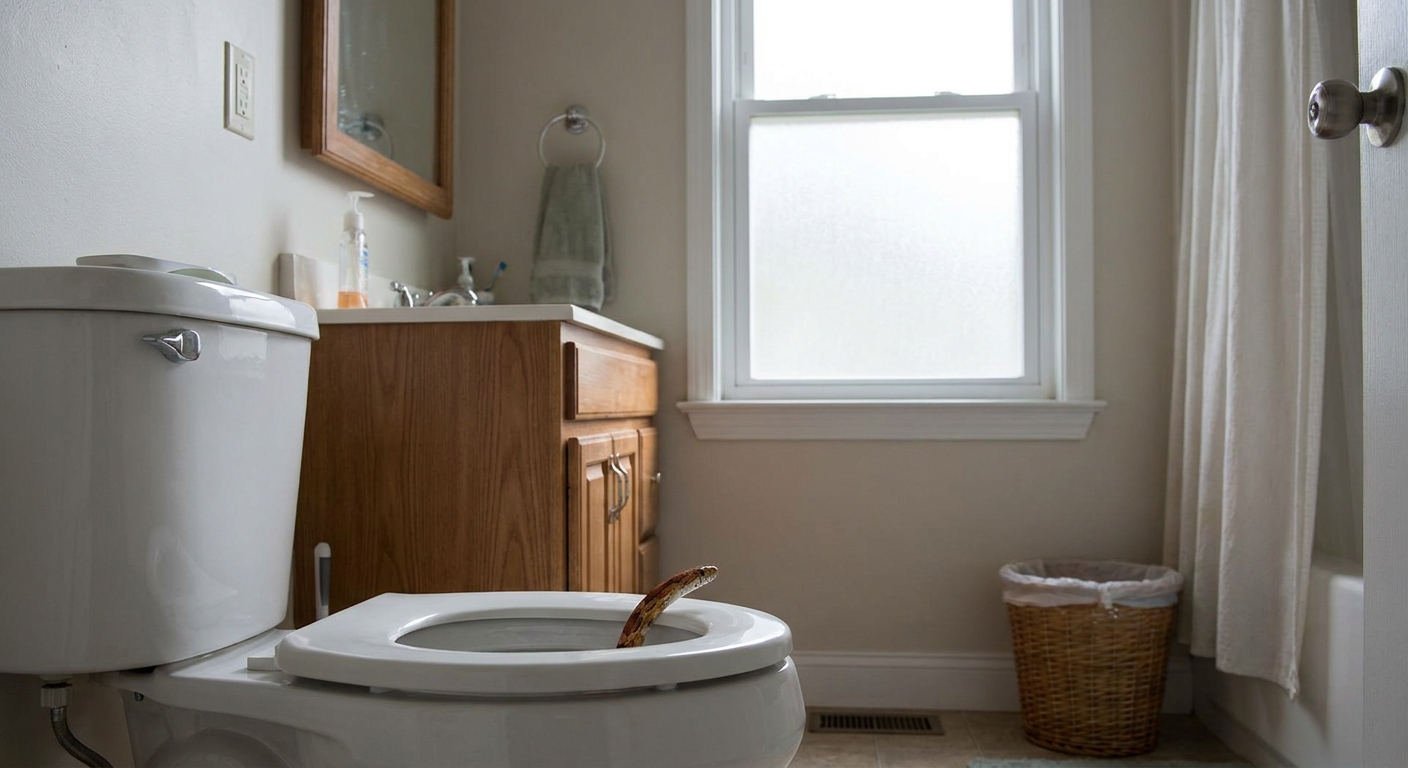
If you just walked into the bathroom and saw a snake in the toilet bowl, tub, or on the floor, your brain is going to sprint straight into panic mode. Mine would too. The good news is that most “bathroom snakes” are not out to fight you. They are usually trying to find shelter, regulate temperature (depending on season), or follow a food source like frogs or rodents.
This is a safety situation first and a “how did this happen?” mystery second. Let’s handle it in that order.
Do this first (the safe, calm checklist)
1) Keep your distance and keep kids and pets out
Snakes strike when they feel trapped. Your job is to keep the bathroom from becoming a tiny showdown.
- Back away slowly.
- Get children and pets out of the room and close the door behind you.
- If you have to move past the snake to exit, stop and call for help from another adult instead.
2) Close the toilet lid if you can do it safely
If the snake is in the bowl and you can close the lid without getting close enough to startle it, do it. A closed lid turns the toilet into a temporary holding pen.
- Do not reach into the bowl.
- Do not try to “flush it away.”
- If the lid is already down, keep it down.
3) If it is in the tub or on the floor
The goal is the same: create space, contain the situation, and avoid a surprise encounter.
- Do not try to step over it. Back out the way you came.
- Do not try to herd it with a broom. That is how people get bitten.
- If it is safe, close the bathroom door and block the gap with a towel.
- If it disappears behind the toilet, vanity, or into a vent or wall gap, treat it as “not contained” and call a professional.
4) Isolate the room
Your goal is to prevent a bathroom snake from becoming a whole-house snake.
- Shut the bathroom door.
- Stuff a towel at the bottom of the door if there is a gap.
- Close nearby closet doors so the snake has fewer hiding spots if it moves.
5) Decide: DIY removal or call a pro
In my house, the “DIY line” is simple: if I cannot identify it, cannot control the room, or I feel even slightly outmatched, I call a professional. This is not the time to prove bravery.
- Call wildlife control or animal control if you cannot confidently identify it as non-venomous, if it is large, or if it has moved out of sight.
- Call 911 if someone has been bitten, especially if you suspect a venomous snake. Keep the person calm and still and seek emergency care.
- Call a plumber if you suspect a damaged sewer line, a missing cleanout cap, recurring snakes coming through the plumbing, or ongoing venting issues.
What NOT to do (common mistakes)
- Do not try to grab it. Even non-venomous snakes can bite, and a startled snake is a fast snake.
- Do not corner it with a broom. Pinning or poking is how people get hurt.
- Do not pour chemicals into the toilet or drain. Bleach and drain cleaners will not “solve” a snake problem and can create toxic fumes in a small room.
- Do not flush repeatedly. Flushing adds chaos, not control, and can injure the animal.
- Do not use glue traps. They are inhumane, can injure pets, and they still put you in the position of having to handle a trapped snake.
- Do not assume it is harmless because it is small. Juvenile venomous snakes can still be dangerous.
I learned the hard way on a different critter situation years ago that “quick fixes” usually turn a 10-minute problem into a Saturday-long mess. Snakes are no exception.
If it is in the toilet bowl
Most viral “snake in the toilet” cases fall into one of two buckets:
- It entered the bathroom another way and ended up in the toilet because it is dark, cool, and feels like a hiding place.
- It entered through plumbing-connected pathways tied to a sewer or septic system (more likely in certain setups, climates, and older infrastructure).
Option A: Pro-first (recommended)
If the snake is still in the bowl, lid closed, and the room is isolated, you are in a good holding pattern. Call wildlife control. Tell them:
- Approximate snake length and thickness
- Exact location (in bowl, behind toilet, in tub)
- Whether the snake is visible and contained
- Your city and neighborhood (helps them anticipate common local species)
Option B: If you are certain it is non-venomous and you must handle it
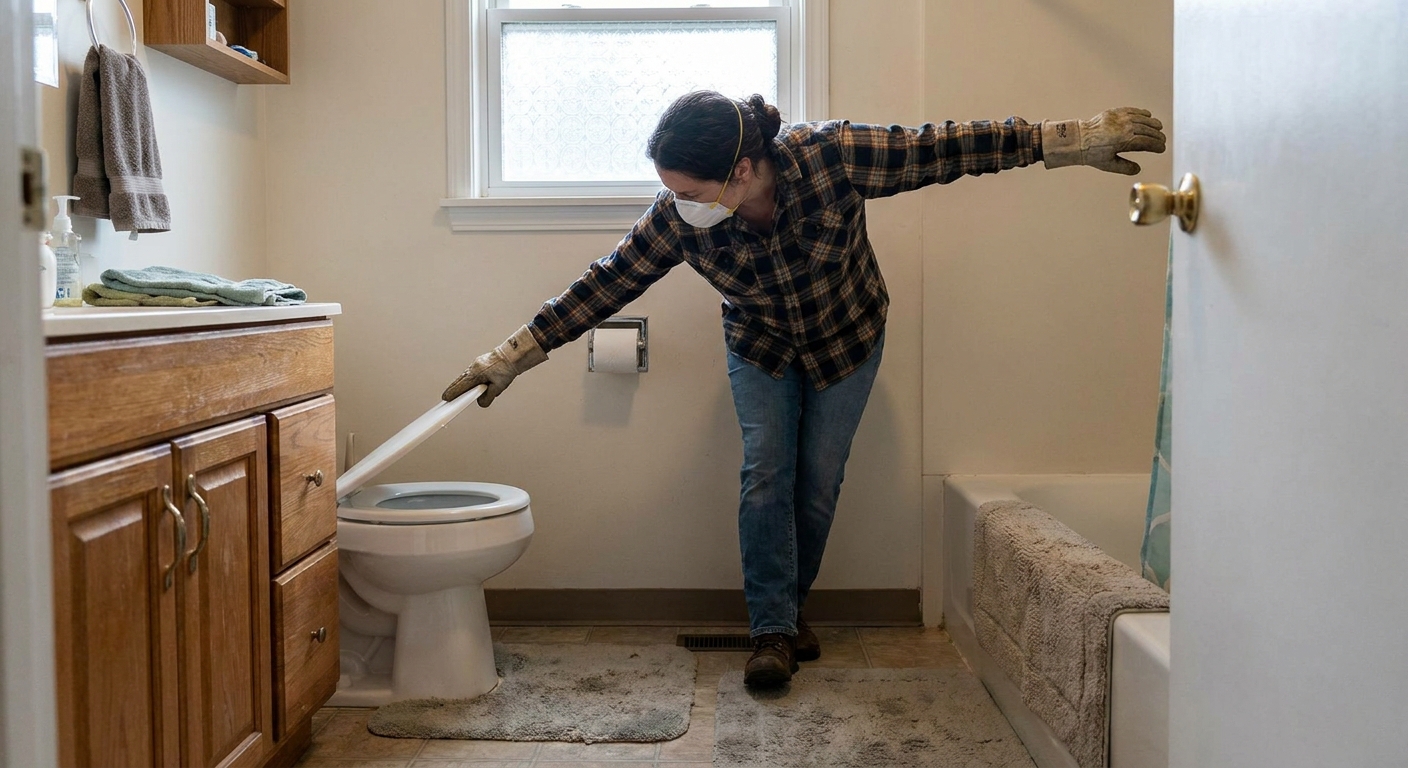
I am going to be blunt: I do not recommend DIY capture unless you are experienced, have proper tools, and can positively identify the snake as non-venomous. Still, homeowners sometimes have no choice in the moment.
If you are in that situation, keep it as low-risk as possible:
- Wear long pants, closed-toe shoes, and thick gloves.
- Use a long-handled tool to gently guide, not jab. A snake hook is ideal.
- Place a large trash can or sturdy lidded bin near the toilet.
- If the snake rises above the rim, guide it into the bin and close the lid.
- Know the rules before you relocate. Some jurisdictions restrict handling or relocation of wildlife, and some species are protected. When in doubt, keep it contained and let a pro handle release.
Again, if there is any doubt at all, stop and call a pro. “Any doubt” is the correct standard here.
Is it venomous? A quick reality check
Online snake ID can get people hurt because photos and fear do not mix well. If you cannot identify it in seconds from a safe distance, treat it as potentially venomous and call wildlife control.
In the United States: where venom is more likely by region
- Southeast and parts of the East: copperheads, cottonmouths, and several rattlesnakes. Also coral snakes in parts of the Southeast.
- Southwest and West: rattlesnakes are the primary concern in many areas.
- Midwest and Northeast: venomous species exist in some states (for example, timber rattlesnakes and copperheads in certain areas), but many household encounters are with non-venomous species like garter snakes, water snakes, rat snakes, and kingsnakes.
Do not rely on myths
- “If the head is triangular, it is venomous.” Many harmless snakes flatten their heads when scared.
- “Round pupils mean safe.” Pupil shape is not a reliable field test.
- “Bright colors mean venom.” Some harmless snakes mimic venomous coloration.
If your area has venomous snakes and you are unsure what you are looking at, the smartest move is to assume risk and call for help.
If someone is bitten
If you suspect a snakebite, especially from a venomous species, treat it as an emergency.
Do
- Call 911 (or your local emergency number) right away.
- Keep the person still and calm. Limit movement.
- Remove rings, watches, or tight clothing near the bite area before swelling starts.
- Note the time of the bite and watch for swelling progression.
Do not
- Do not apply a tourniquet.
- Do not cut the wound or try to suck out venom.
- Do not apply ice.
- Do not give alcohol.
- Do not try to catch or kill the snake. If you can take a photo from a safe distance, that can help, but do not risk a second bite.
How it got into the bathroom
This part feels like a horror movie, but the pathways are usually pretty practical.
1) Through a sewer line or septic system
Snakes can enter sewer systems via manholes, broken cleanout caps, or open drains, then follow the path of least resistance. Many species can swim and move through water, which makes this possible in the right conditions.
2) Through drains (possible, but varies)
Toilets have a built-in trap that holds water, which blocks sewer gas. That trap also makes it difficult, but not impossible, for small snakes to navigate. In some homes, snakes can also show up in floor drains, showers, or tubs depending on the plumbing layout and any entry points into the system.
3) Through roof vents (usually not straight into the bowl)
Your plumbing system uses roof vents to balance pressure and release sewer gases. If a vent is damaged or not properly screened, it can become a wildlife entry point. When that happens, the more common outcomes are a snake ending up in a wall cavity, attic space, or becoming stuck, not neatly traveling into the toilet bowl. Still, vent issues are worth checking if you have repeat incidents.
4) Through gaps in the bathroom itself
Bathrooms often have easy entry points:
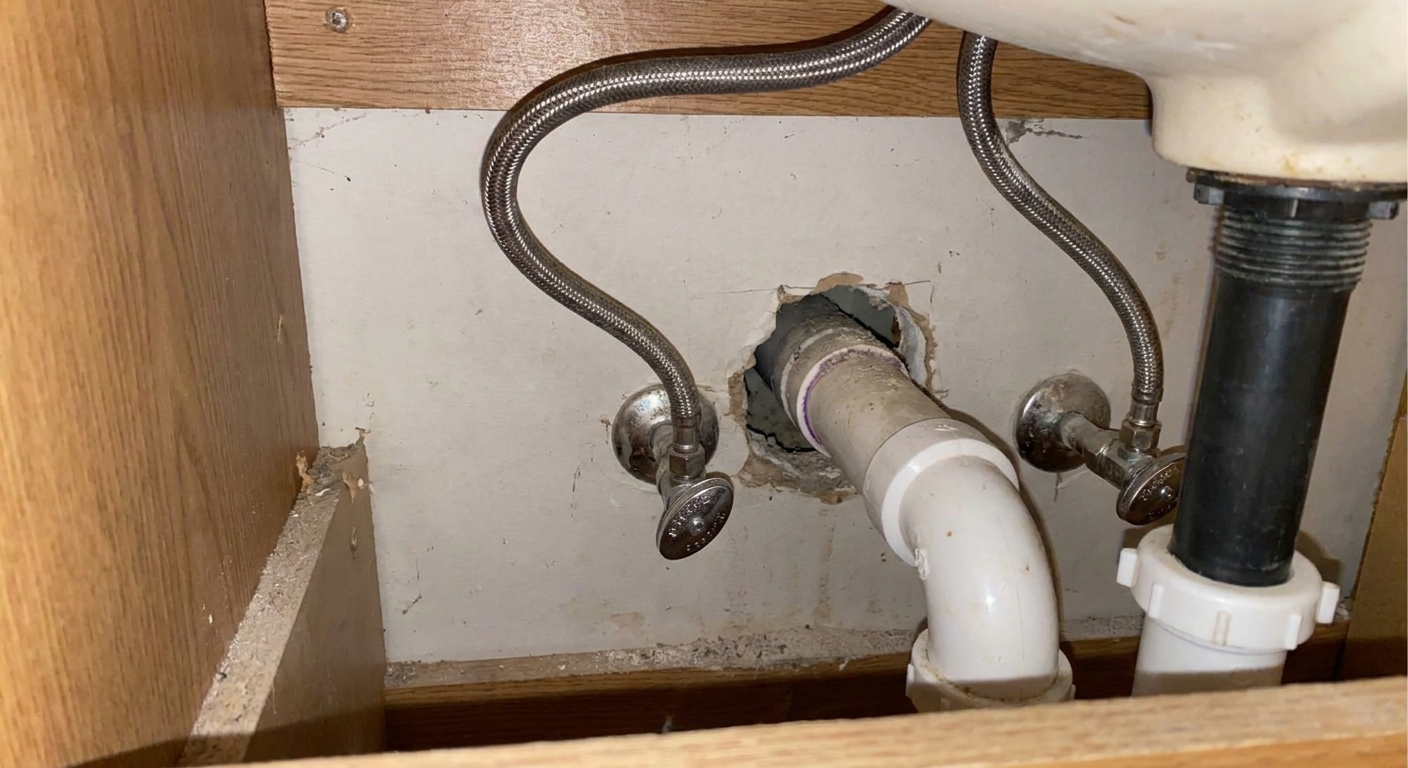
- Gaps around plumbing penetrations under the sink
- Unsealed openings behind the toilet where the supply line enters
- Loose or damaged door sweeps
- Cracks in slab edges or crawlspace access points
- Open windows or torn screens
Who to call (wildlife vs plumber)
Call wildlife control (or animal control) if:
- You cannot identify the snake with confidence.
- The snake is large, defensive, or repeatedly striking.
- It disappears behind the toilet, vanity, or into a wall cavity.
- Someone in the home is high-risk (kids, elderly, mobility limitations).
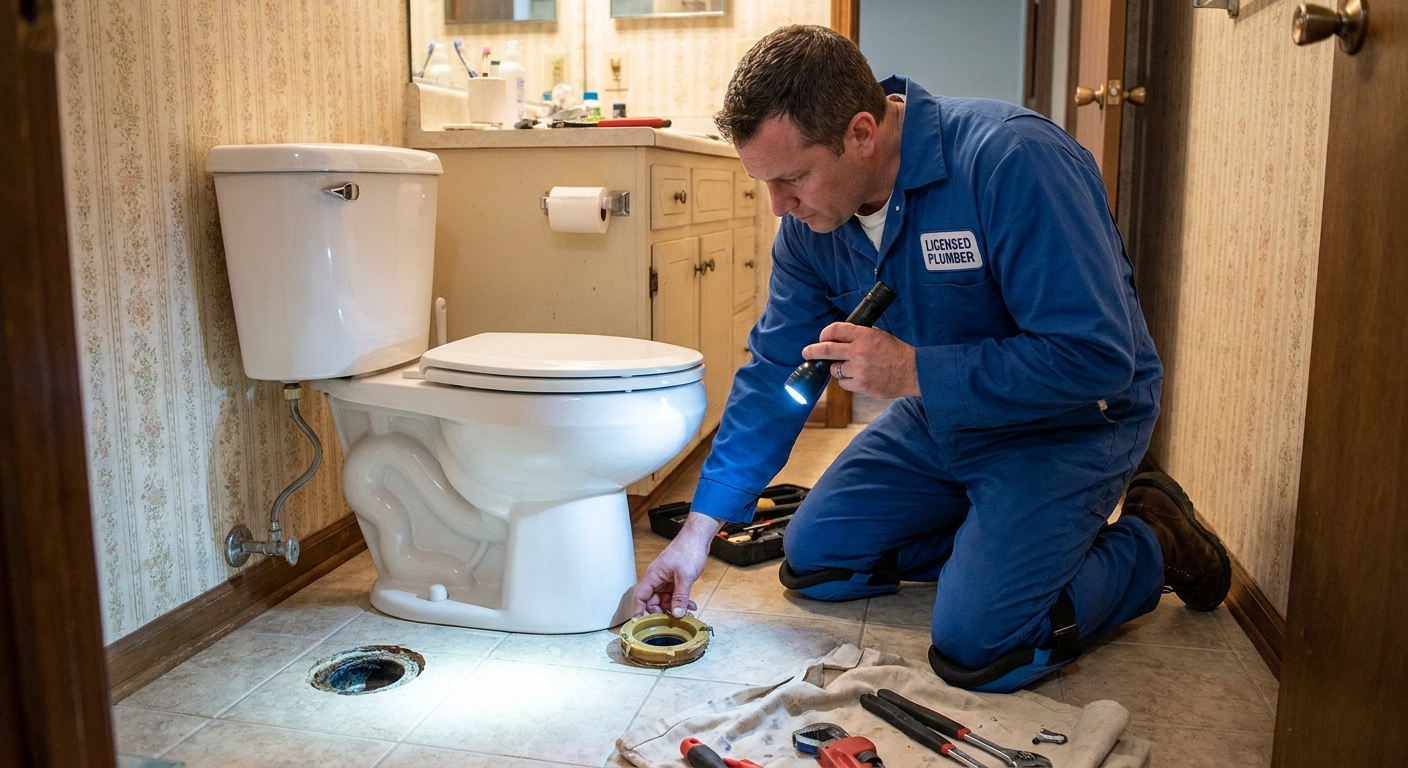
Call a plumber if:
- You have recurring snake incidents or repeated evidence of critters in drains.
- You smell strong sewer gas (could indicate trap or vent issues).
- You have slow drains plus gurgling, which can point to venting or sewer problems.
- You suspect a damaged sewer line (soggy yard spots, sudden drain backups, rodent activity).
Sometimes you need both
If a wildlife pro removes a snake and says, “It likely came from the line,” that is your cue to schedule a plumbing inspection. A camera inspection often costs in the low hundreds, depending on your area and the scope of the work, and it can be cheaper than repeated emergencies or a major sewer failure later.
After it is gone: clean up
Once the snake has been removed and you are sure the room is clear:
- Ventilate the bathroom.
- Wear gloves.
- Disinfect surfaces the snake contacted with a standard bathroom disinfectant.
- Wash hands thoroughly.
If the snake was in the toilet, clean the rim, seat, lid, and surrounding floor. If there was any feces or urine, disinfect and bag paper towels for disposal.
Prevention
You do not need to turn your house into a fortress. You just need to remove the easy routes and the reasons snakes come close.
Seal the simple gaps
- Caulk or use expanding foam around plumbing penetrations under sinks and behind toilets.
- Replace missing escutcheon plates where pipes enter walls.
- Add or replace a door sweep on the bathroom door if it has a large gap.
- Repair torn window screens and keep windows closed at night if you are in a high-snake area.
Address plumbing and venting
- Have a plumber confirm your traps are functioning and vents are clear.
- Consider a screened cap for roof vent stacks (installed correctly so it does not restrict airflow or clog with frost and debris).
- If you have floor drains, ensure they have water in the trap or a proper trap primer, especially in rarely used bathrooms.
Make your yard less inviting
- Keep grass trimmed and remove brush piles.
- Store firewood off the ground and away from the house.
- Reduce rodent activity by sealing food sources and using secure trash cans.
- Fix outdoor water leaks and avoid leaving pet food outside.
If you live in a high-snake area
If you are in a region with venomous snakes or you have had repeat sightings, a few habits go a long way:
- Turn on the bathroom light before walking in at night.
- Teach kids to never reach behind a toilet or under a vanity without an adult.
- Keep the toilet lid down, especially in a rarely used bathroom.
- If you have a cabin, lake house, or vacant property, flush and run water periodically to keep traps full and discourage critters.
It sounds basic, but the basics are what keep you from being surprised.
FAQ
Can a snake really come up through the toilet?
Yes, it is possible, especially for smaller snakes. It is more likely in certain climates and in homes with nearby vegetation, older sewer lines, or access points that let wildlife enter the system.
Should I flush the toilet to get rid of it?
No. Flushing can injure the snake, cause it to thrash and potentially exit the bowl, and it does not fix the reason it got there. Close the lid if you can and call a professional.
What if I cannot find it anymore?
Close the bathroom door, block the gap with a towel, and call wildlife control. Do not start moving towels, mats, or storage items around with bare hands.
Will a toilet lid really contain a snake?
Often, yes, especially for smaller snakes, and it buys you time. It is not a guaranteed lockbox, but it is a quick, low-risk way to reduce the chance of the snake entering the room.
The 30-Second Cheat Sheet
Essential takeaways for: Snake in Your Toilet or Bathroom? What to Do Safely
Right now, do this
- Back away calmly. Keep kids and pets out.
- Close the bathroom door and stuff a towel at the bottom if there is a gap.
- If the snake is in the toilet and you can do it safely, close the lid. Do not flush.
- If the snake is in the tub or on the floor, do not try to step over it. Leave the room and contain the area.
- If you cannot 100% identify it as non-venomous, call wildlife control or animal control.
- If anyone is bitten, call 911 and seek emergency care.
Do not do these things
- Do not grab the snake or pin it with a broom.
- Do not pour bleach or drain cleaner into the toilet or drain.
- Do not flush repeatedly.
- Do not use glue traps.
Who to call
- Wildlife control: unknown snake, venom risk, snake not contained, snake moved out of sight.
- Plumber: repeat incidents, sewer smells, gurgling drains, suspected sewer line or vent issues.
Prevention in one pass
- Seal pipe gaps under sinks and behind toilets.
- Repair screens and add door sweeps.
- Have vents and drain traps checked if problems repeat.
- Keep yard tidy and reduce rodents.
💡 Tip: Scroll up to read the full article for detailed, step-by-step instructions.
⬆️ Back to top
About Marcus Vance
Content Creator @ Grit & Home
Marcus Vance is a lifelong DIY enthusiast and self-taught home renovator who has spent the last decade transforming a dilapidated 1970s ranch into his family's dream home. He specializes in budget-friendly carpentry, room-by-room renovations, and demystifying power tools for beginners. Through his writing, Marcus shares practical tutorials and hard-learned lessons to help homeowners tackle their own projects with confidence.