
🚨 In a DIY emergency or rush?
Skip the details and jump straight to our 30-second cheat sheet for the most crucial info.
When I first heard the words spotted lanternfly, I assumed it was just another “new bug” folks were panicking about online. Then I watched one ornamental tree in a neighbor’s yard get absolutely coated in them, and the sticky mess underneath (called honeydew) turned their patio into a fly magnet. That was my wake-up call.
This guide is for regular homeowners. No lab coat required. I will show you how to ID spotted lanternfly at every life stage, knock out egg masses, band trees the right way, reduce their favorite host tree (Tree of Heaven), and use sprays responsibly if you need them. We will also talk about protecting grapes, fruit trees, and nearby properties, because lanternflies do not respect fence lines.
Quick reassurance: spotted lanternflies do not bite or sting people or pets. They are still worth dealing with, but you do not need to fear them.
Why spotted lanternfly is a big deal
Spotted lanternfly (often shortened to SLF) is an invasive planthopper that feeds on plant sap. A few bugs are not usually the end of the world. The problem is that SLF can build into huge numbers, stress plants over time, and create a sticky honeydew layer that leads to sooty mold.
Where this matters right now
SLF range changes over time. If you are not sure whether it is established where you live, check a current map from your state department of agriculture or extension office. That is the most reliable, up-to-date source.
Plants most at risk around a typical home
- Grapes (often among the most impacted crops where SLF is established)
- Fruit trees (pressure varies by site, but they can get hit hard and the honeydew mess is real)
- Hardwoods and ornamentals (maple, walnut, birch, willow, sycamore, and many others can be hosts)
- Tree of Heaven (their favorite, and a major driver of local buildup)
If you have grapes, fruit trees, or a lot of mature shade trees, early action is worth it.
How to identify spotted lanternfly
If you want to control SLF, you have to be able to spot it in the stages that matter most. Timing varies by region and weather, so think in terms of “typically” and “often,” not calendar dates carved in stone.
Egg masses (typically late fall through spring)
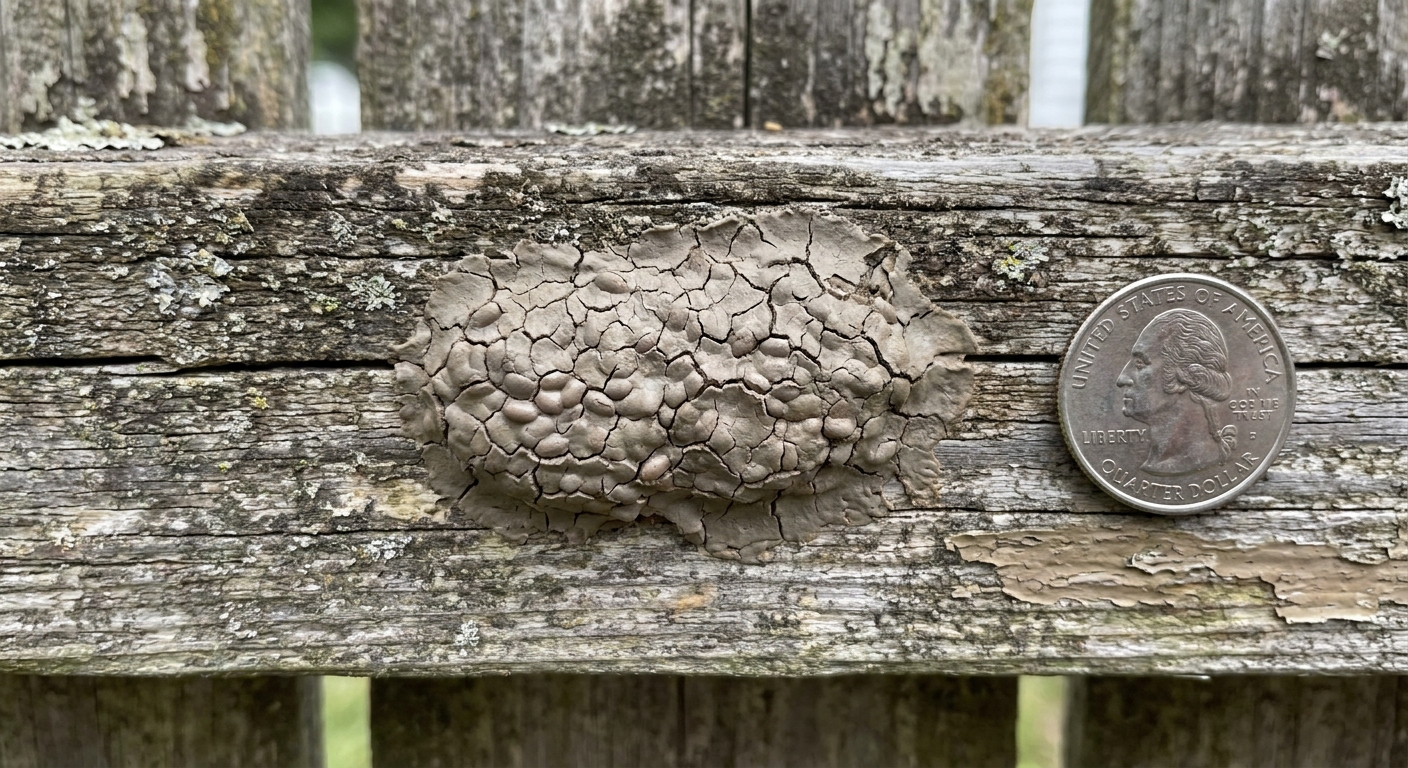
Egg masses look like a muddy smear or a patch of dried putty, usually about 1 to 1.5 inches long. Under that smear are usually about 30 to 50 eggs. Fresh masses can look wet and gray, then dry and crack a bit with age.
- Common locations: tree trunks, underside of branches, fence posts, firewood stacks, patio furniture, stone walls, outdoor toys, trailers, and anything that sits outside
- They are easy to miss because they blend in like old mud
Nymphs (typically spring through summer)
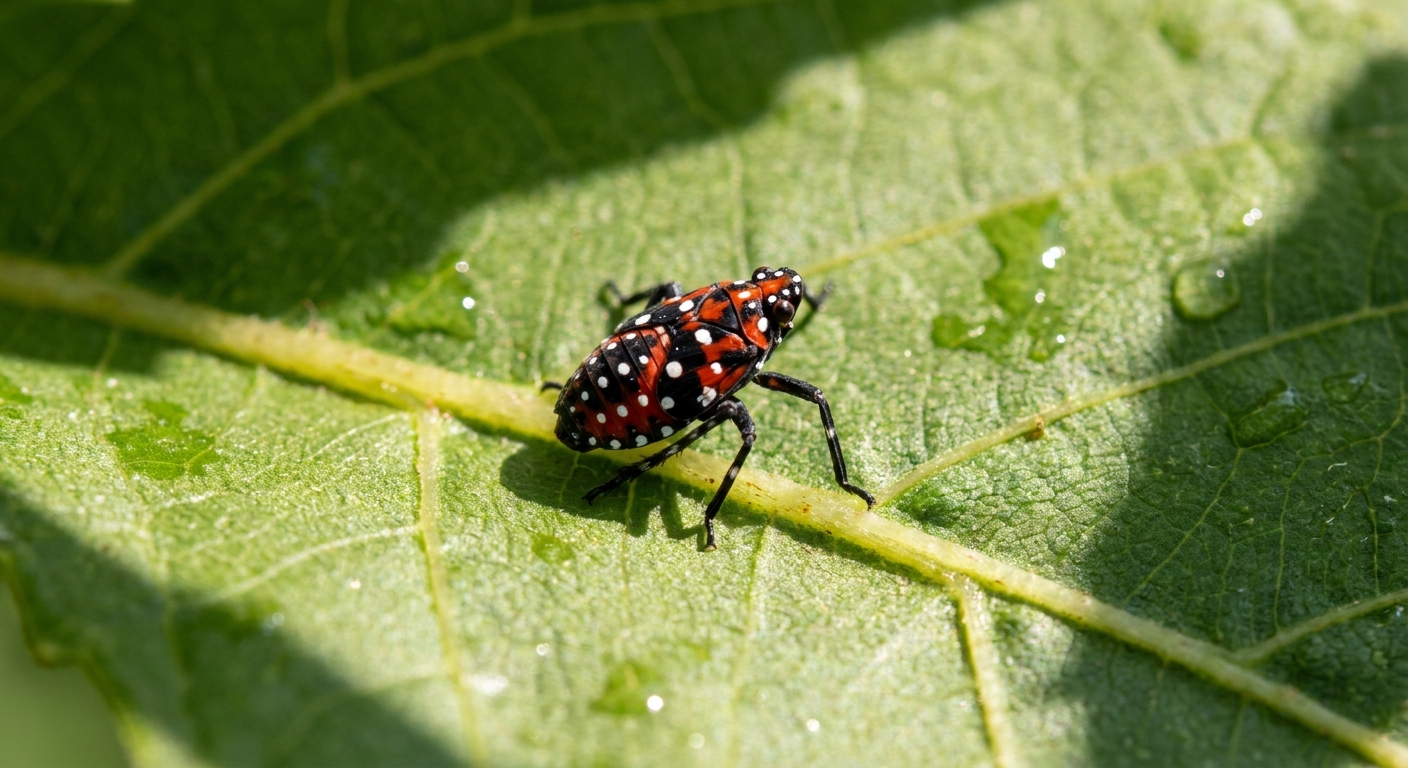
Nymphs go through multiple stages. Early stages are black with white spots. Later stages become bright red with white spots plus black legs and body sections.
- Early nymphs: tiny, fast, black with white dots
- Late nymphs: larger, red and black with white spots
Adults (often mid-summer through fall)
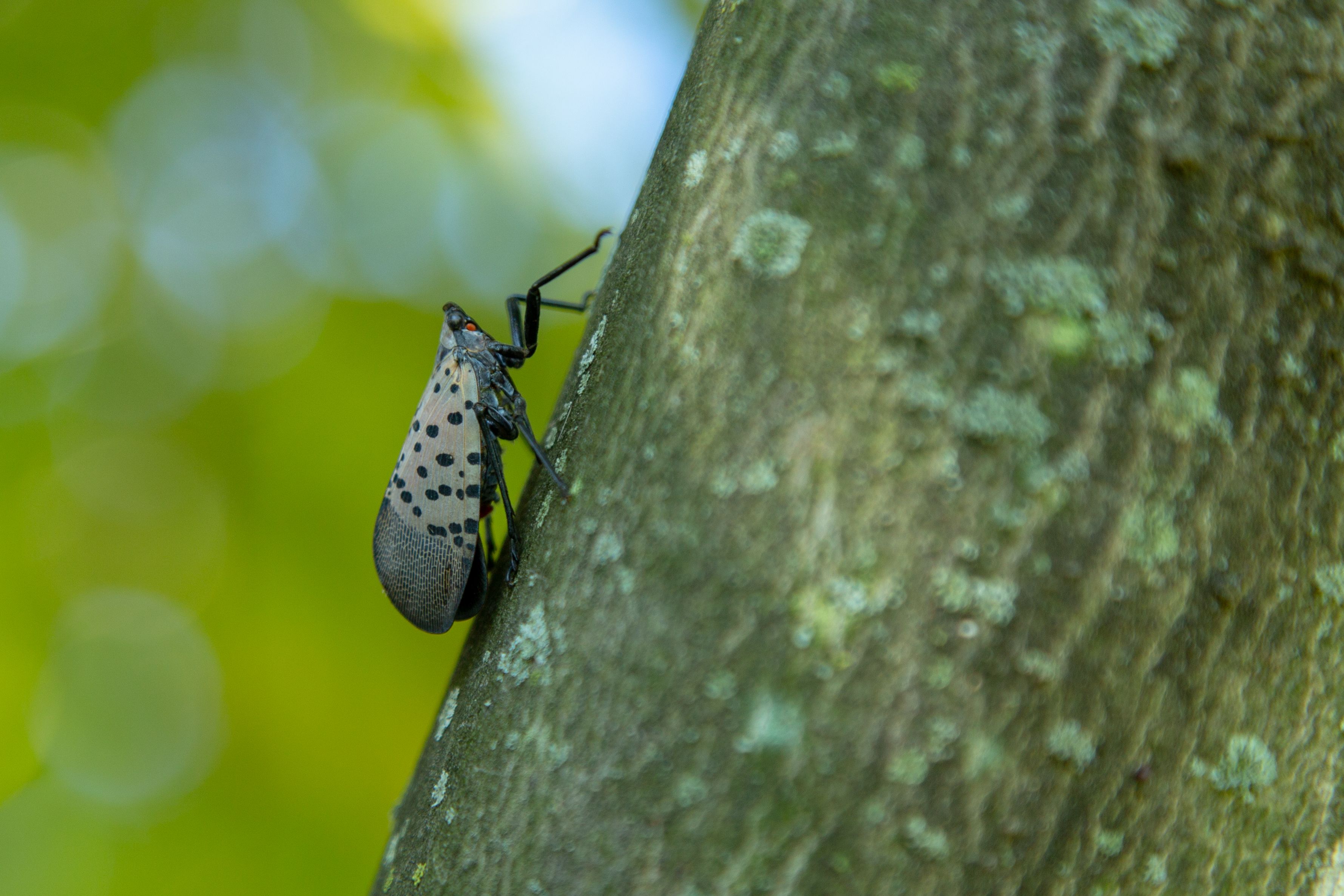
Adults are about 1 inch long. At rest, you mainly see gray forewings with black spots. When they hop or fly, you can catch flashes of bright red underwings with black and white patterning.
Adults love to gather in groups on trunks and larger stems, especially near Tree of Heaven.
Common lookalikes (quick note)
People sometimes confuse SLF with other spotted insects. The red-and-white spotted nymph stage is a big tell. If you are unsure, snap a clear photo and compare it to your state extension ID page before you go scorched-earth on the wrong bug.
What to do right now if you find one
If you spot a spotted lanternfly in your yard, do these in order:
- Confirm ID using the life-stage descriptions above.
- Take a clear photo (helps with reporting and prevents mis-ID).
- Kill the insect you found (stomp, smash, or capture and dispose).
- Search for more on nearby trunks, fence lines, and outdoor items.
- Check your state guidance for reporting requirements and local quarantine rules.
Even if you are not in a regulated area, reporting can help your local extension office track spread.
Step 1: Scrape egg masses
If you do only one thing, do this. Egg mass removal is low-cost, non-chemical, and it cuts down the next generation.
What you need
- A plastic card or putty knife
- A container or zip bag with rubbing alcohol or hand sanitizer
- Disposable gloves
How to scrape egg masses without spreading them
- Hold your container underneath the egg mass.
- Scrape downward firmly so the eggs fall into alcohol or sanitizer.
- Seal and dispose once the eggs are destroyed.
- Re-check the area for additional smears nearby.
Do not scrape egg masses onto the ground and walk away. Eggs can survive if they are not destroyed.
Disposal detail (so you are not guessing): leave the scraped eggs soaking in alcohol or sanitizer for at least a few minutes, then seal the bag or jar and toss it. Crushing them inside the sealed bag is also a solid extra step.
Thrifty tip: I keep a dedicated “bug kit” in the garage with a plastic scraper and a small jar. If you have to hunt for supplies every time, you will put it off.
Step 2: Band trees
Bands can help you catch nymphs as they crawl up trunks. The key is doing it in a way that does not harm birds, bats, squirrels, or beneficial insects.
Reality check: banding works best on nymphs. Adults can fly and often bypass traps, so do not expect bands alone to solve a heavy infestation.
Avoid open sticky tape bands
Plain sticky tape wrapped around a trunk can trap songbirds and other wildlife. If your area sells sticky bands, look for products that include a wildlife guard or use a different method.
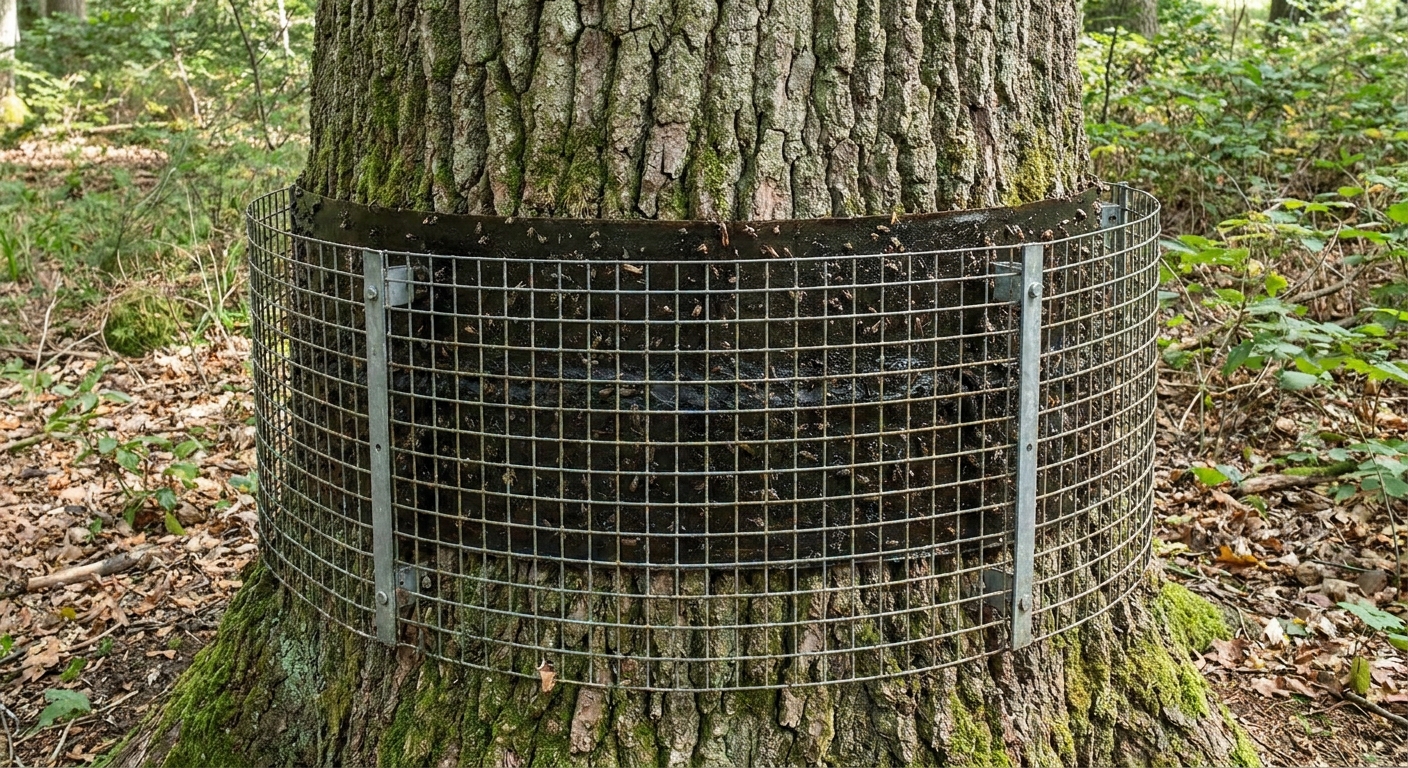
Better option: a guarded sticky band
- Wrap the band at chest height on a smooth section of trunk.
- Add or install the mesh or screen guard so animals cannot contact the adhesive.
- Check the band every few days and replace when covered in debris or insects.
Alternative: circle traps
Circle traps funnel lanternflies into a collection bag. They can work well, but they must be installed snugly and checked often.
Step 3: Reduce Tree of Heaven
If you have Tree of Heaven (Ailanthus altissima) on or near your property, it is worth addressing. SLF strongly prefers it, and big stands can act like a lanternfly factory.
How to recognize Tree of Heaven
- Fast-growing tree with long compound leaves (many leaflets)
- Leaflets often have small “thumb” lobes near the base
- When crushed, leaves can smell like rancid peanut butter or burnt rubber
Tree of Heaven lookalikes
- Staghorn sumac has serrated leaflets. Tree of Heaven leaflets are mostly smooth-edged (aside from those little basal lobes).
- Black walnut leaflets are more uniformly toothed and the tree makes walnuts. Tree of Heaven does not.
Important: If you are not sure, take photos of leaves, bark, and any seed clusters and confirm with your local extension office.
Do not just cut it down and call it done
Tree of Heaven is notorious for sending up root suckers. Straight cutting often creates a bigger thicket.
For many homeowners, the most effective approach includes targeted herbicide applied at the right time of year (often late summer into fall) using methods commonly recommended by extension programs, such as hack-and-squirt or basal bark treatments with appropriate active ingredients. Specific method and timing matter a lot with Ailanthus, so this is one spot where I strongly recommend following your state extension guidance and the product label exactly, or hiring a licensed pro if the tree is large or near desirable plants.
Neighbor factor
If Tree of Heaven is on the fence line or in a shared area, talk with neighbors early. Coordinated removal beats a tug-of-war where one yard keeps re-seeding the problem.
Step 4: Use targeted sprays
I am not anti-spray. I am anti “spray first, ask questions later.” With SLF, smart timing and targeted application matter more than brute force.
Start with the least disruptive option
- Soapy water (spot treating clusters on surfaces)
- Insecticidal soap (contact kill, needs direct hit)
- Horticultural oils (only if the product is labeled for your use case, and used exactly per label; egg mass results can be variable)
Contact vs systemic options
When people talk about “stronger” products, they are usually talking about two categories:
- Contact insecticides that kill when you hit the insect (timing and coverage matter).
- Systemic insecticides that the plant takes up (often applied as trunk applications or soil/root drenches). These can be an option when you are trying to protect a large, high-value tree that is hard to treat effectively with a sprayer.
Because systemics can affect more than the target pest depending on the product, site, and timing, this is where local extension guidance is especially important.
Safety note
- Read the label, then read it again. The label is the law.
- Wear the recommended PPE.
- Keep kids and pets away from treated areas until sprays are dry, and follow any re-entry guidance on the label.
- Avoid spraying blooms and do not spray when pollinators are active.
- Be extra cautious near waterways, vegetable gardens, and neighbors’ yards (drift is real).
If you have grapes or a small orchard, your local extension office may have crop-specific recommendations that are safer and more effective than general advice.
Protect grapes, fruit trees, and the mess
Lanternfly damage is not always dramatic at first. Sometimes the bigger headache is what they leave behind.
Honeydew cleanup
Honeydew can coat patios, outdoor furniture, kids’ play sets, cars, and decks. Then sooty mold grows on top, and wasps and flies show up for the sugar.
- Rinse hard surfaces with a hose and a mild cleaner
- Wash outdoor cushions according to manufacturer guidance
- For deck boards, a gentle scrub beats blasting with a pressure washer that can fur up the wood
Practical steps for backyard vines and fruit trees
- Inspect trunks and main stems weekly during peak season
- Use banding or traps on nearby trees that nymphs crawl up
- Keep plants healthy with correct watering and mulching, stressed plants suffer more
- Coordinate with neighbors if your yards share trees or fence lines
Reporting and moving outdoor items
In some states, SLF is a regulated pest and you may be asked to report sightings. Rules can change as the insect spreads, so use your state’s department of agriculture or extension office as your source of truth.
Good times to report
- First time you have seen SLF in your area
- Large clusters on a new host plant
- Egg masses found on vehicles, trailers, firewood, or outdoor equipment
Before you travel with outdoor gear
SLF egg masses hitchhike. If you are hauling:
- Firewood
- Trailers and campers
- Lawn equipment
- Patio furniture
- Kids’ toys that lived outside all season
Do a quick “walk-around” inspection. Scrape any egg masses you find. This is one of those small habits that makes a big difference.
A simple seasonal plan
Fall and winter
- Scrape egg masses on trees and outdoor items
- Identify Tree of Heaven and make a removal plan using extension guidance
Spring
- Watch for early nymphs
- Install guarded bands or traps before populations spike
Summer
- Keep band checks consistent
- Spot treat where needed, protect pollinators
- Pay close attention to grapes and fruit trees
Late summer and fall
- Adult activity rises and egg laying begins
- Do another property sweep for egg masses, including non-tree surfaces
Common mistakes I see
- Only looking at trees and missing egg masses on outdoor gear and furniture
- Using sticky tape without a guard and accidentally trapping wildlife
- Cutting Tree of Heaven and creating a thicket of suckers
- Spraying everything instead of targeting the right stage and location
- Going it alone when neighbors have the same issue across the fence
If you take nothing else from this article, remember this: egg masses plus Tree of Heaven equals next year’s problem. Break that cycle and you are doing real control, not just swatting adults in frustration.
The 30-Second Cheat Sheet
Essential takeaways for: Spotted Lanternfly in Your Yard: ID, Control, and What to Do
Fast ID
- Egg masses: gray-brown “mud smear” patches (typically about 1 to 1.5 inches) on trees, fences, firewood, outdoor furniture. Often 30 to 50 eggs under the smear.
- Nymphs: early = black with white spots; later = red with white spots.
- Adults: gray wings with black spots; flashes of red underwings when moving.
Good to know
- They do not bite or sting people or pets. They are a nuisance pest, not a medical threat.
Do this first (highest impact)
- Scrape egg masses into a bag or jar with rubbing alcohol or hand sanitizer.
- Check non-tree surfaces like trailers, toys, patio furniture, and firewood.
Traps and bands
- Use guarded sticky bands or circle traps (best on nymphs).
- Avoid unguarded sticky tape that can trap birds and small mammals.
Tree of Heaven
- Identify it carefully, then reduce it with a proper plan.
- Do not just cut it down without guidance. It often resprouts aggressively.
Sprays (only if needed)
- Start with least disruptive options (soapy water, insecticidal soap) and follow labels.
- Systemic options exist for high-value, larger trees, but follow extension guidance and label directions.
- Avoid spraying blooms and times when pollinators are active.
Protect high-value plants
- Pay extra attention to grapes and fruit trees.
- Coordinate with neighbors to reduce reinfestation across fence lines.
Report when required
- Take a photo and report through your state agriculture department or extension office, especially if it is new to your area.
💡 Tip: Scroll up to read the full article for detailed, step-by-step instructions.
⬆️ Back to top
About Marcus Vance
Content Creator @ Grit & Home
Marcus Vance is a lifelong DIY enthusiast and self-taught home renovator who has spent the last decade transforming a dilapidated 1970s ranch into his family's dream home. He specializes in budget-friendly carpentry, room-by-room renovations, and demystifying power tools for beginners. Through his writing, Marcus shares practical tutorials and hard-learned lessons to help homeowners tackle their own projects with confidence.