
🚨 In a DIY emergency or rush?
Skip the details and jump straight to our 30-second cheat sheet for the most crucial info.
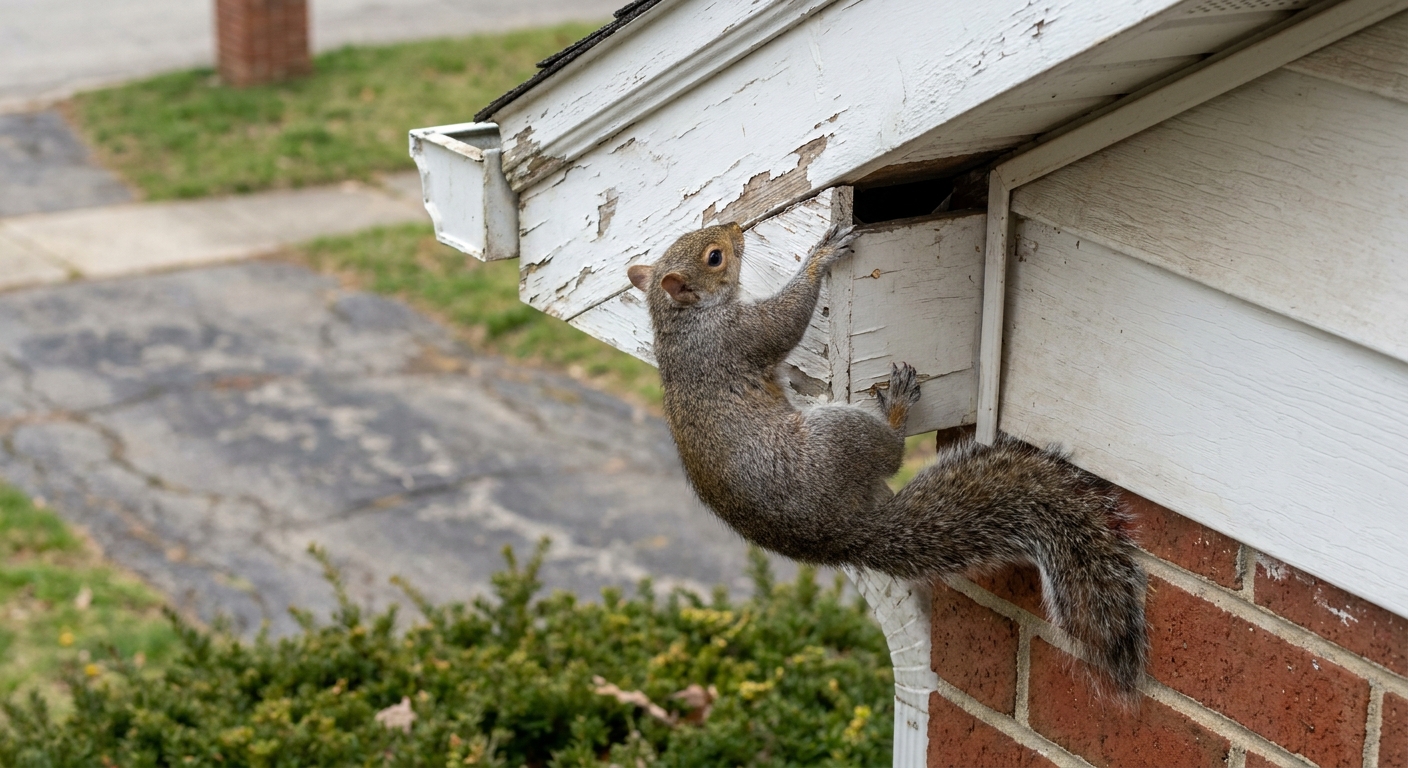
That noise is real and it has patterns
If you are hearing scratchy movement, little thumps, or what sounds like someone crinkling a bag inside the wall, you are not imagining it. Wall cavities act like a drum. A small animal can sound huge, especially in quiet hours.
The trick is to pay attention to when you hear it, where you hear it, and what kind of sound it is. Those three clues can separate squirrels from mice, birds, or plumbing noises in a hurry.
Common sounds
What squirrels usually sound like
- Heavier daytime movement: Many tree squirrels are most active in early morning and late afternoon, but you can also hear them mid-day. If the wall party is mostly daylight hours, squirrels jump to the top of the suspect list.
- Distinct thumps and bounding: Squirrels move like athletes. In a wall void you often hear a short burst of quick steps followed by a thud as they change direction or land on framing.
- Gnawing: A steady, rhythmic scraping or chewing sound can mean they are enlarging an entry hole or chewing wood.
- Chirps or soft squeaks: Less common, but you may hear vocalizing, especially if there are babies.
Clues it might be something else
- Mice: Lighter, faster, more constant tapping and rustling, often at night.
- Rats: Heavy like squirrels but generally more active at night. Odor and droppings may show up where they travel, often along edges and lower areas, but not always.
- Birds: Flapping, tapping, and repeated pecking, usually close to a specific spot near a vent, chimney, or siding gap.
- Plumbing or HVAC: Ticking, popping, or knocking that matches hot water use, furnace cycles, or temperature changes.
- Flying squirrels: A quick callout because it fools people. Flying squirrels are nocturnal, and they can sound like a lot of activity at night in attics and walls.
DIY note from my own house: I once tore open a small access panel convinced I had a critter. Turned out to be a loose HVAC duct oil canning (popping or booming as the duct flexes) when the blower kicked on. Before you start cutting drywall, do two days of listening and note-taking.
Where the noise shows up
Squirrels in wall voids usually relate to an entry point up high. Think roofline, gables, and anything that connects attic space to an exterior gap. Inside, the sound often telegraphs down framing bays.
Hot spots to check
- Top corners of rooms on the highest floor
- Walls that back up to the garage where framing transitions create openings
- Chase walls that hide plumbing stacks or ductwork
- Fireplace and chimney chases (these are basically wildlife highways if not sealed well)
If the sound is strongest in one stud bay, you can sometimes confirm activity by holding a cardboard tube (like a paper towel core) to your ear and scanning along the wall. It's low-tech, but it works.
How they get in
Squirrels rarely decide, “Today I will move into a wall.” They usually get into the attic or roofline first, then drop into a wall void through an opening around framing or a chase. The goal is almost always shelter, nesting, or raising young.
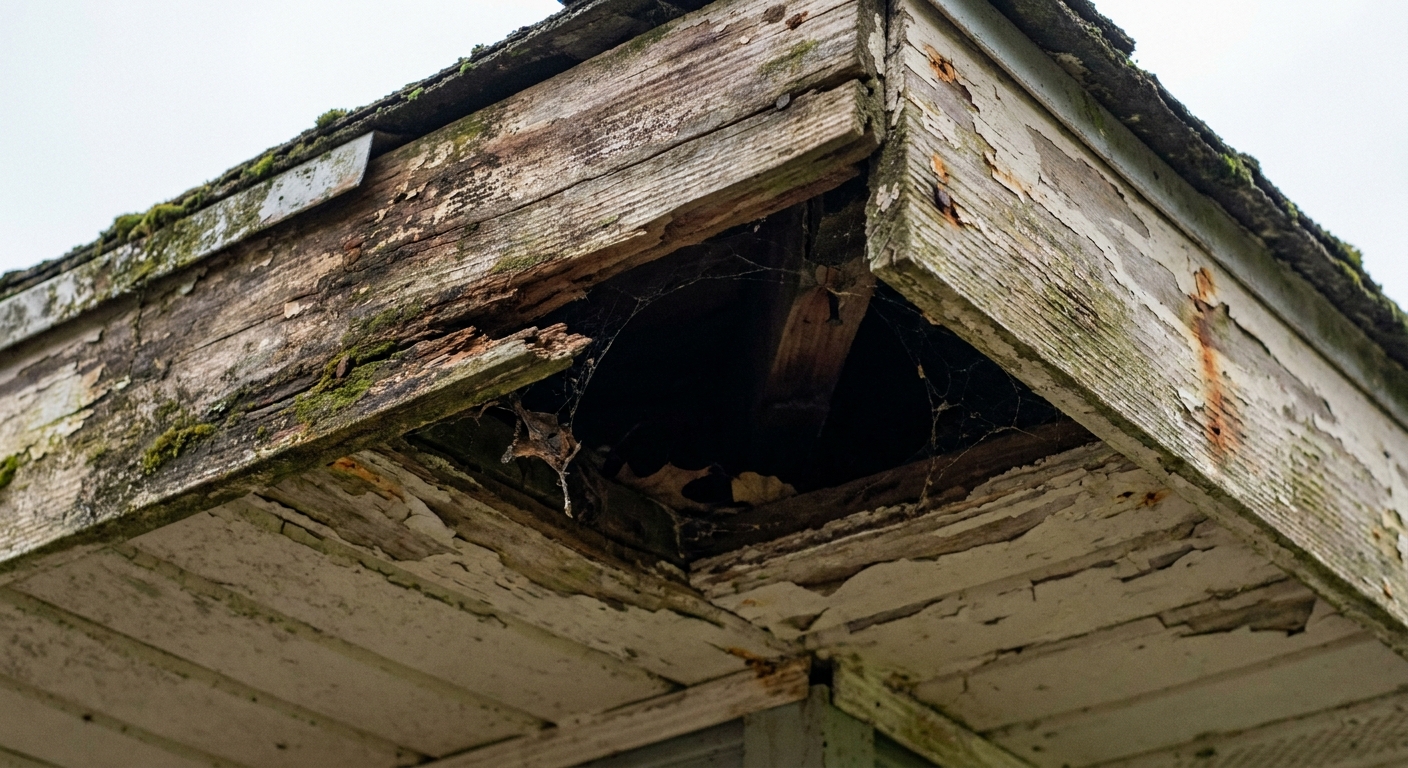
Common entry points
- Soffit and eave gaps: Loose, rotted, or poorly fastened soffit panels and corners are prime targets.
- Fascia board corners: Corners take weather, and squirrels love corners because they can brace and chew.
- Roof vents: Damaged screens on gable vents or roof vents can become a welcome mat.
- Pipe and wire penetrations: Around plumbing stacks, HVAC linesets, and cable bundles. A small gap can be enlarged fast by a motivated rodent.
- Chimney caps and flashing gaps: Especially if the cap is missing or the mesh is oversized.
- Construction gaps at additions: Where new meets old, you often have a weird void that never got properly blocked.
Signs beyond sound
- Chew marks and fresh wood splinters below a corner or vent
- Greasy rub marks around a hole from repeated entry
- Nesting material (shredded insulation, leaves) if you can see into a soffit or attic edge safely
- Droppings near an attic access or along a travel path (size and shape vary, so treat this as a clue, not proof)
Reality check: If you fix the interior wall but do not address the exterior entry, you are basically renovating a squirrel apartment and leaving the key under the mat.
Why it matters
1) Wiring can be a fire risk
Squirrels gnaw. It is what they do to keep their teeth in check. Unfortunately, your wall cavity can contain electrical cables, junction boxes, and sometimes older wiring that is already brittle.
- Chewing can damage cable jackets and can expose conductors, increasing the risk of a short or arcing.
- Nesting material near warm components can become a problem.
- Rodent activity can disturb insulation and occasionally damage or tug wiring near junctions.
If you smell burning plastic, see flickering lights, or lose power on a circuit: treat it as an electrical issue first. Turn off the affected breaker and call a licensed electrician.
2) Staining, odor, and bugs
Urine and droppings can soak insulation or drywall. Parasites like fleas and ticks can be present, especially in nesting areas. Do not handle nesting material with bare hands, and if you suddenly notice bites or bugs after the animals are gone, consider a targeted pest control plan.
3) Noise, stress, and insulation damage
Even if nothing dramatic happens, squirrels can shred insulation and compress it, which hurts energy efficiency. And losing sleep to wall noises is no small thing. Address it promptly, but you do not need to panic.
First steps
Step 1: Confirm the pattern
For two days, jot down when you hear activity and which room it is loudest in. Daylight activity plus heavier thumps is a strong squirrel clue, although species and region can shift the schedule.
Step 2: Walk the exterior and find the front door
Grab binoculars if you have them and do a slow lap around the house. Focus on the roofline and any penetrations.
- Look for fresh wood splinters on the ground below soffits.
- Check for dark rub marks around a hole from repeated entry.
- Watch for a squirrel making the same trip repeatedly.
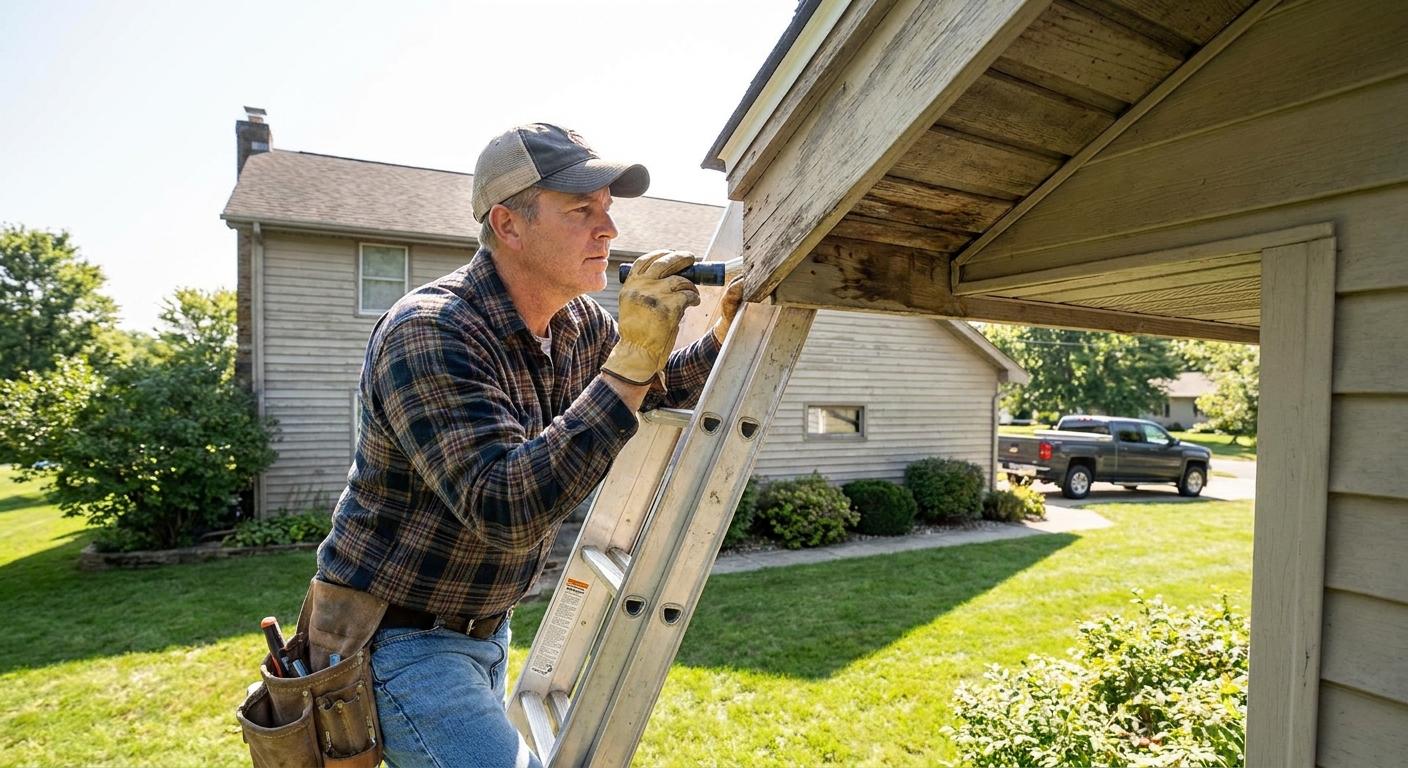
Step 3: Do not seal the hole yet
This is the mistake I see most often. If you block the primary entry while squirrels are inside, they can:
- Find another way out by chewing through wood, siding, or even drywall.
- Get trapped and die inside the wall, creating a much bigger problem.
- Leave babies behind during nesting season.
Step 4: Skip poisons and quick-fix chemicals
- Avoid rodenticides: They are a bad fit for squirrels and commonly lead to dead animals in inaccessible spaces and secondary poisoning risks. They may also be illegal or restricted depending on where you live.
- Be skeptical of repellents: Mothballs, peppermint oil, predator urine, and similar home remedies are popular because they feel easy. In real homes they are usually inconsistent, temporary, or ignored once the animal is motivated. Exclusion and repair beat smell wars.
Step 5: Keep people and pets safe
- Keep pets away from the suspected wall area and exterior entry point.
- Do not poke holes or try to smoke them out. That can backfire fast.
- If you plan to enter an attic, wear gloves, eye protection, and a respirator rated for particulates.
Removal options
There are two common paths: exclusion (letting them leave and preventing re-entry) and trapping (capturing the animal). What is best depends on your local regulations, season, and the layout of your home.
Option A: One-way exclusion doors
A one-way door is installed over the entry point. The squirrel can exit, but cannot get back in. After a waiting period with no activity, you remove the device and permanently seal the opening.
- Pros: Often the most humane option when done correctly. No need to handle a live animal. Encourages the squirrel to relocate on its own.
- Cons: Must be timed carefully during baby season. If babies are inside, the mother may be locked out, which is not acceptable ethically and can create a dead-animal scenario.
My rule: If you suspect a nest with young, get professional guidance. In many areas, pros use reunification techniques or schedule exclusion when it is safe.
Option B: Trapping
Trapping can be effective, but it carries responsibility.
- Legal reality: Wildlife rules vary by state and even by county. Some places require a licensed wildlife control operator for certain methods. Many locations restrict or prohibit relocating squirrels because it spreads disease and often results in the animal dying anyway.
- Ethical reality: A trap is not a set it and forget it tool. It must be checked frequently, animals must be handled humanely, and release or disposition must follow local law.
If you are not 100 percent sure what your local rules require, call your state wildlife agency or a reputable wildlife control company and ask specifically about squirrel removal and relocation rules in your area.
The correct order
The winning sequence is: remove or exclude first, then seal, then repair and clean. If you mix up that order, you can turn one problem into three.
1) Identify the primary entry and nearby weak spots
While you are outside, look for other weak spots within about 6 to 10 feet of the main opening. Squirrels will test nearby areas once you disrupt their routine.
2) Install the one-way door on the primary entry (or trap as allowed)
For exclusion, you need the device solidly mounted so the squirrel cannot push around it. This is where a pro is worth it if you are unsure, because ladder work at the roofline is no joke.
Important: Do not permanently seal the main entry until you are confident the animal is out. Depending on the setup, a pro may temporarily address obvious secondary gaps so the one-way door remains the easiest exit. The goal is controlled exit, not a surprise detour into a different part of the house.
3) Monitor for a quiet window
Most protocols include a short monitoring period. Often that is several days, but it varies with weather, season, and whether more than one animal is involved. Listen for activity at the usual times. If it suddenly gets quiet and stays quiet, that is a good sign. If the noise shifts to a different wall, you may have a second entry.
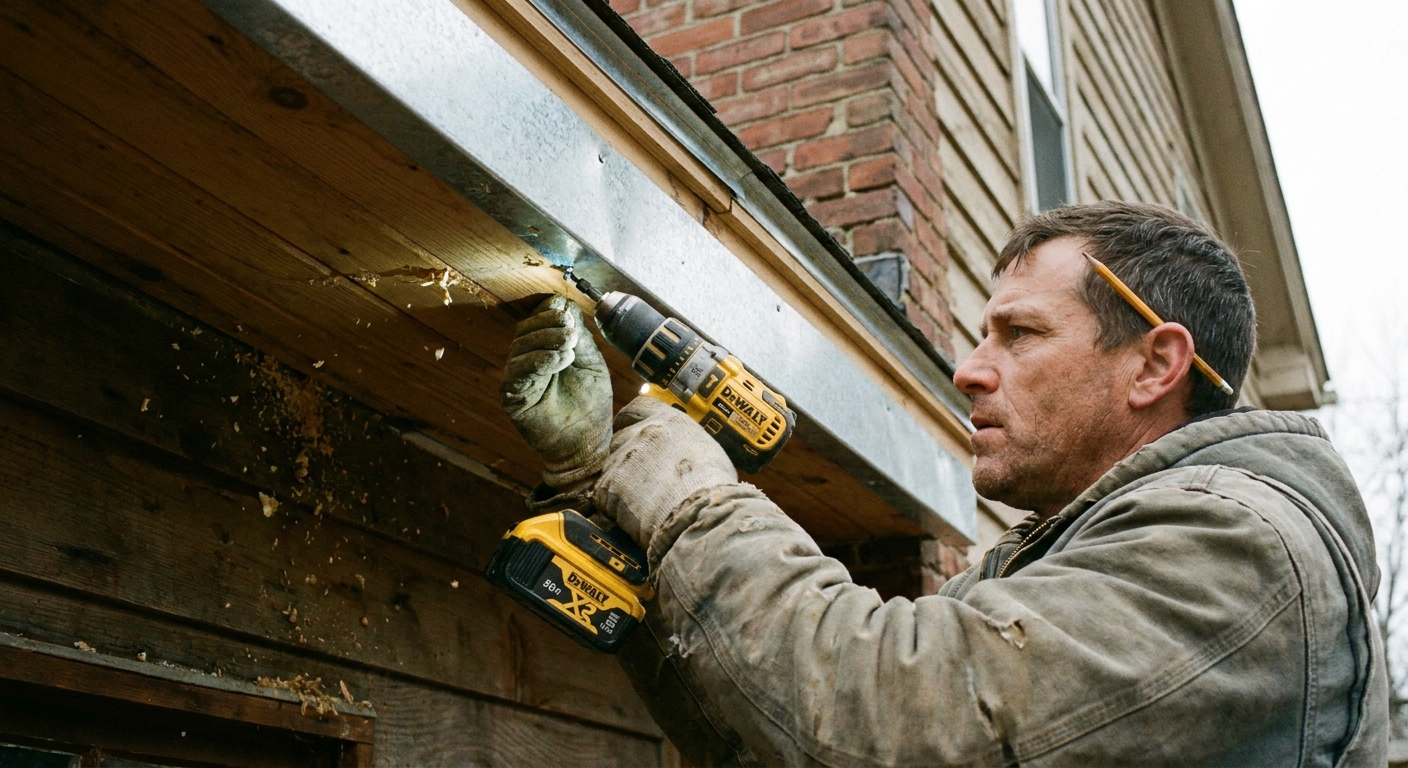
4) Seal permanently with squirrel-proof materials
Think like a squirrel with tiny bolt cutters in its mouth. Caulk alone is not enough for a known entry point.
- Metal flashing at corners and fascia edges
- Hardware cloth (metal mesh) for vent protection
- Proper soffit repair with solid fasteners, not just adhesive
- Metal collars around certain pipe penetrations when appropriate
5) Inspect for electrical damage
If squirrels were active in a wall cavity near outlets, switches, or known wiring runs, consider having an electrician inspect. At minimum, watch for tripped breakers, warm outlets, or buzzing sounds.
6) Clean and restore
In wall voids, cleanup can be limited without opening drywall, but you can still:
- Address odor sources if accessible (attic access, chase access).
- Replace contaminated insulation where you can safely reach it.
- Seal interior gaps around pipe chases and top plates to reduce airflow and future access.
When to call a pro
I am all for DIY, but wall-void wildlife is one of those areas where the stakes can jump quickly.
Call a wildlife control pro if:
- You cannot safely reach the roofline entry point.
- You suspect babies are present.
- The noise is widespread and you cannot identify the main entry.
- You have tried exclusion and activity continues.
Call an electrician as well if:
- Breakers trip after the noises started.
- You smell hot plastic or see flickering lights.
- You find chewed cable sheathing in the attic or near a chase.
Prevention checklist
Once the immediate problem is solved, the best money you can spend is on not repeating the problem next season.
- Repair loose or rotted soffit and fascia promptly.
- Screen and reinforce vents with proper metal mesh.
- Seal exterior penetrations with durable materials rated for outdoors.
- Trim tree branches back from the roofline where possible.
- Do a quick roofline walk-around twice a year, especially after storms.
It is not glamorous work. But it is the kind of home maintenance that keeps your insulation, wiring, and sanity intact.
FAQ
Can squirrels chew through drywall from inside the wall?
Yes. It is not their first choice, but if they are trapped or panicked, they can chew through softer materials. That is why sealing an entry before you confirm they are out is a risky move.
Do repellents like mothballs or peppermint oil work?
Sometimes they change behavior briefly, but they are unreliable in real homes, and some products are unpleasant or unsafe to use in enclosed spaces. The durable solution is exclusion and sealing the entry points.
Will loud music or bright lights drive them out?
Sometimes it changes behavior temporarily, but it is unreliable. The durable solution is exclusion and sealing the entry points.
How long will squirrels stay in a wall?
It varies. If they are nesting, it can be weeks. If they are using it as a travel path between attic and exterior, you might hear them for a shorter window. Either way, treat it as something to handle promptly because the longer they are inside, the greater the chance of damage.
The 30-Second Cheat Sheet
Essential takeaways for: Squirrels in Your Walls
How to tell it is squirrels (fast)
- Timing: Mostly daylight noise (often early morning and late afternoon, sometimes mid-day too) points to squirrels more than rats or mice. Region and species matter.
- Sound: Heavier thumps, bounding, and occasional gnawing.
- Location: Often loudest on upper walls, near corners, roofline transitions, chimney chases, or plumbing chases.
Do this first
- Do not seal the hole yet. You can trap squirrels inside and force them to chew out somewhere worse.
- Walk the exterior and look for roofline gaps: soffit and eave corners, fascia edges, damaged vent screens, pipe and wire penetrations, chimney cap or flashing gaps.
- Listen for 48 hours and note times and rooms to pinpoint the likely entry area.
Removal options
- One-way exclusion door: Often the most humane when installed correctly. Let them exit, then seal permanently after a quiet monitoring period.
- Trapping: Can be effective, but laws vary and relocation is often restricted or discouraged. Only trap if you can do it legally and humanely.
Why you should not ignore it
- Chewed wiring can be a fire risk. If you smell burning plastic, see flickering lights, or breakers trip, shut off the affected breaker and call an electrician.
- Insulation damage and contamination can follow, plus parasites can be present.
The correct order (so you do not create a bigger mess)
- Remove or exclude the squirrels.
- Verify quiet for a short monitoring period.
- Seal permanently using squirrel-proof materials (metal flashing, hardware cloth, proper repairs).
- Inspect for damage, especially electrical, then clean and restore.
When to call a pro
- If the entry is at the roofline and you cannot reach it safely.
- If you suspect babies are present.
- If you see or suspect electrical damage.
💡 Tip: Scroll up to read the full article for detailed, step-by-step instructions.
⬆️ Back to top
About Marcus Vance
Content Creator @ Grit & Home
Marcus Vance is a lifelong DIY enthusiast and self-taught home renovator who has spent the last decade transforming a dilapidated 1970s ranch into his family's dream home. He specializes in budget-friendly carpentry, room-by-room renovations, and demystifying power tools for beginners. Through his writing, Marcus shares practical tutorials and hard-learned lessons to help homeowners tackle their own projects with confidence.