
🚨 In a DIY emergency or rush?
Skip the details and jump straight to our 30-second cheat sheet for the most crucial info.
Sewer gas smell coming from the sump pit is one of those basement problems that feels scarier than it often is. I have been there. First time it happened in our 1970s ranch, I assumed I had a cracked sewer line under the slab and started pricing out nightmares.
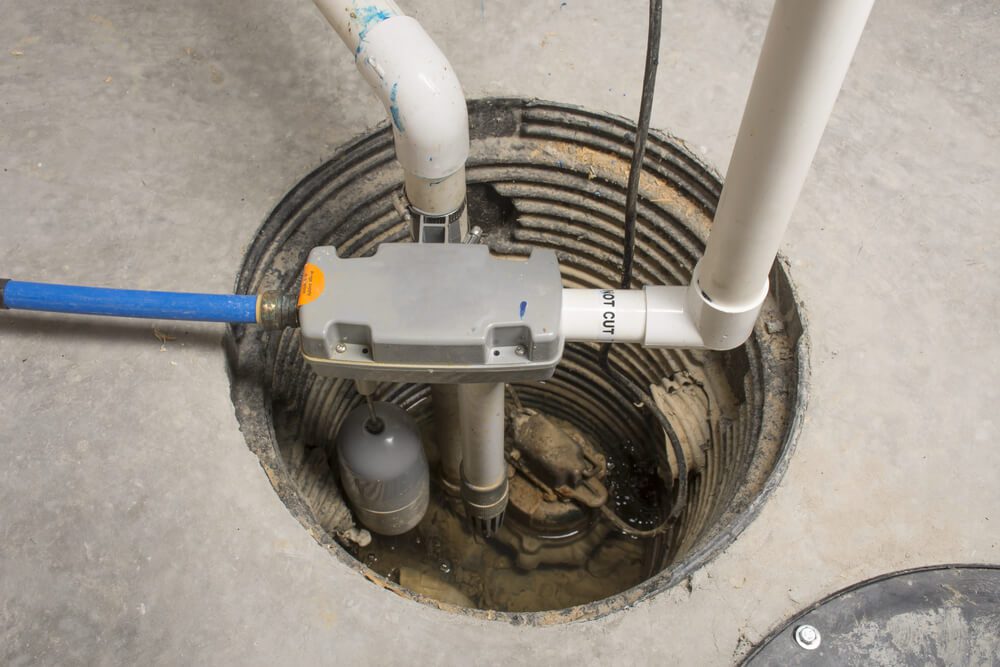
In reality, a sump pit can smell sewer-like for a few different reasons, and several of them are simple. The trick is figuring out whether you are smelling stagnant water and bacteria, naturally smelly groundwater, or whether your basement has a path to the sanitary sewer system through a dry trap, poor venting, or an incorrect connection.
First: what sewer gas smell usually means
Sewer gas is a mix of gases that can include methane and hydrogen sulfide. That classic rotten egg odor is often hydrogen sulfide. A whiff now and then is common around drains, but a strong or persistent smell is your cue to troubleshoot.
Safety notes
- Do not climb into a sump pit. Confined spaces can be dangerous.
- If you smell gas throughout the house or have headaches or nausea, leave the area and call a pro.
- If you suspect natural gas (different smell, often “mercaptan” skunk-like), contact your utility immediately.
Dry trap issues
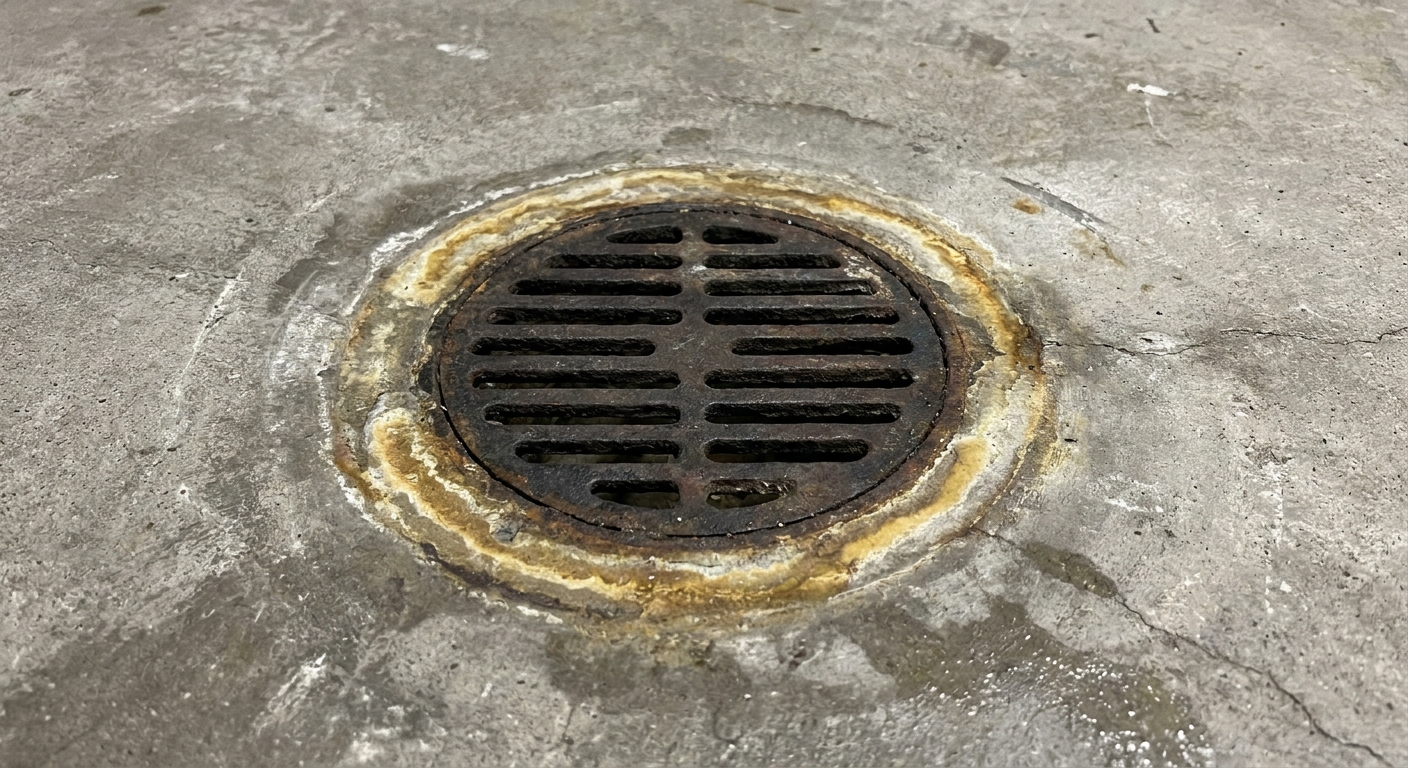
In a lot of basements, the smell seems like it is coming from the sump lid, but the actual source is a nearby drain with a dry P-trap. Traps are designed to hold a little water, which blocks sewer gas. If that water evaporates, the “plug” disappears.
Common dry-trap culprits
- Floor drain that rarely gets water
- Utility sink in the basement that is not used much
- Standpipe for a washing machine or condensate that is rarely used
- Old shower rough-in hidden under a plastic cap
Easy test
Pour a bucket of water into the floor drain and run water in the utility sink for 30 seconds. Then ventilate the room during the 10 to 15 minute wait (open a window, run a fan, or both). Otherwise, lingering sewer gas in the air can make it seem like the test did not work even if the trap is now full.
If the smell improves a lot after that short wait, you found your culprit.
Fixes that stick
- Refill the trap: Pour 1 to 2 quarts of water into the drain.
- Slow evaporation: Add 1 to 2 tablespoons of mineral oil after the water. It sits on top and slows evaporation. I would skip this if the drain gets frequent flow.
- Make it automatic: If you have an HVAC condensate line nearby, a plumber can route it to a trap primer or a floor drain primer (where code allows). If you already have a trap primer, do not defeat it.
If refilling the trap helps only briefly and it dries out again fast, your basement air might simply be very dry. If you also have gurgling or slow drains, that points more toward a venting issue.
If the sump pit smells
Sumps collect groundwater. Groundwater plus warm basement air can create a musty, sulfur-like odor even when there is no connection to the sewer line. If your pit lid is loose or missing, you are basically venting that smell into the room.
One more twist that surprises people: some areas have groundwater or well water with naturally higher sulfur (hydrogen sulfide) or iron bacteria. That can create a rotten egg or swampy smell even when the pit is not especially dirty.
What to look for
- Sludge at the bottom of the basin
- Biofilm or greasy residue on the liner walls
- A missing gasket or a lid with big gaps around pipes
- A pit that rarely cycles, so water sits for long periods
Quick clean
- Unplug the pump and confirm it is off.
- Ventilate the space. Open a window if you can.
- Scoop out debris with a small plastic cup or a wet-dry vac.
- Scrub the liner with warm water and dish soap. Rinse into the pit.
- Disinfect only if needed: If you choose bleach, use a small amount of diluted solution and make sure no other cleaners were used recently. Bleach can be hard on some metals and rubber, so do not overdo it. An enzyme or bacteria-based cleaner is a good alternative for odor control.
- Seal the lid with a proper sump cover and rubber grommets around pipes. This is often the biggest odor improvement.
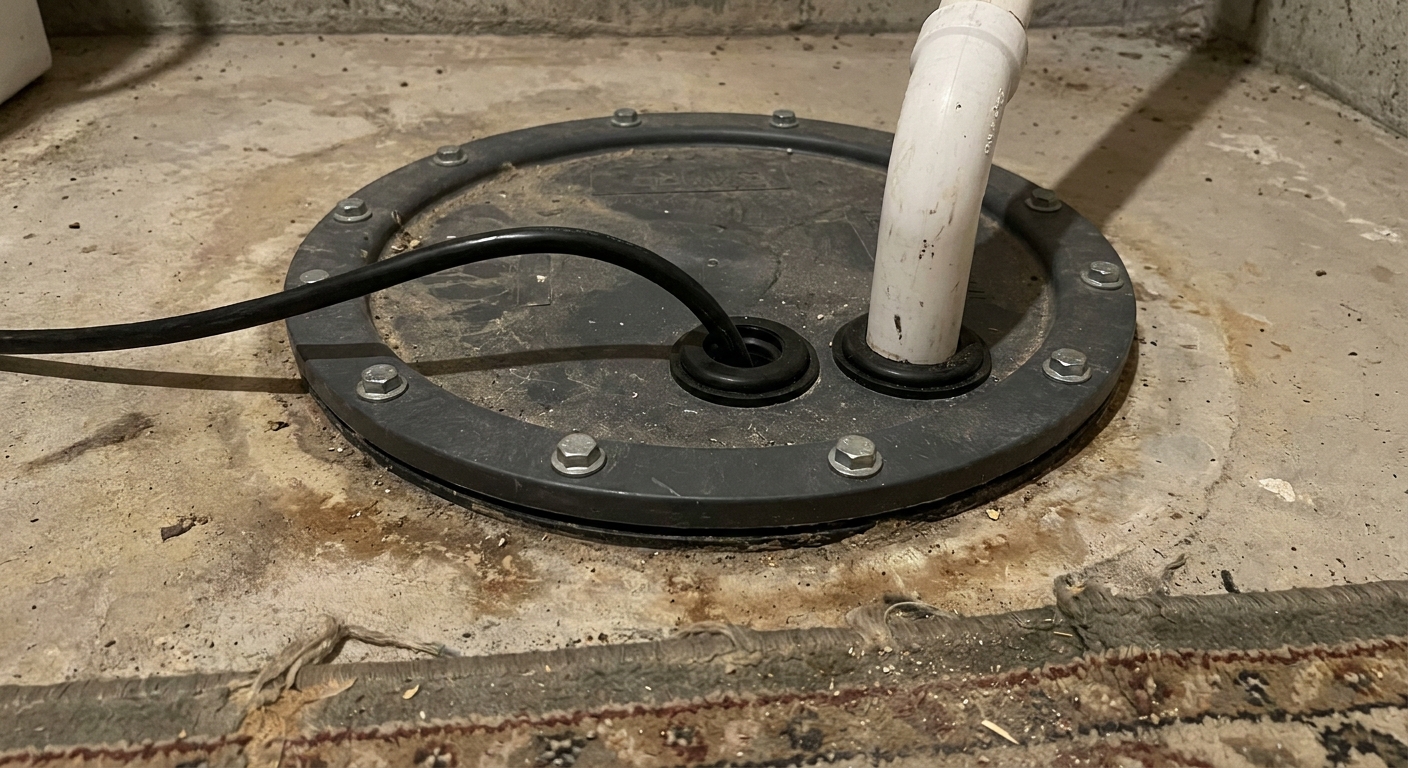
If you have radon in your area and a radon mitigation system tied into the sump, you want the lid sealed anyway. That is one of those upgrades that pays you back in comfort immediately.
Odd connections and older-home quirks
Here is where things get confusing: some older homes, and some past “creative” remodels, end up with plumbing and drainage systems tied together in ways they should not be.
What should happen
- Sump pit: collects perimeter drain tile and groundwater, then pumps it outside.
- Sanitary sewer or septic: carries waste from toilets, sinks, showers to the city sewer or septic tank.
- These are separate systems in most modern setups.
Setups that cause trouble
- Perimeter drain tied into sanitary: In some older areas this was done decades ago. During heavy rain, sewer odors can travel back.
- Sump discharging to a floor drain: This is a red flag. In many jurisdictions it is not allowed, and it can create odor and backup risks. Have a plumber confirm your setup is compliant and safe.
- Basement bathroom rough-in near the pit: If that rough-in trap is dry, it can smell like the sump is the source.
DIY check: Look for a pipe entering the sump pit that seems like it could be a drain line from a sink or toilet, not just corrugated perimeter drain. If you see a 3 to 4 inch solid pipe, that warrants a closer look by a plumber.
Ejector pit issues
Some basements have two pits:
- Sump pump pit: groundwater only
- Sewage ejector pit: pumps wastewater from a basement bathroom or laundry up to the main sewer line
If you have an ejector pit, it is supposed to be sealed and vented properly. If it is not, you will absolutely smell it.
Signs it is the ejector
- Odor is strongest after using a basement toilet, sink, or shower
- You hear the pump run after plumbing use (not just rain)
- The lid is not bolted down or has gaps around the pipes
- Gurgling from nearby drains when the pump runs
Bottom line: If the pit is connected to sewage, treat persistent odor as a fix-it-now problem. A plumber can confirm venting, reseal the lid, and check the check valve and discharge piping.
Vent problems
Plumbing vents are what keep traps from siphoning and what lets sewer gases exit above the roofline instead of into your basement. When venting is blocked or poorly designed, you can get:
- Traps that get siphoned (the water gets pulled out after a big drain event)
- Gurgling drains
- Odors that come and go with weather or heavy water use
Evaporation is different. Dry basement air can slowly evaporate traps even if venting is perfect. Vents can be blocked by leaves, nests, snow, or a collapsed section in older piping. This is usually a pro call, but your clue is the pattern: odor plus gurgling plus slow drains .
Troubleshooting flow
- Rule out a dry trap. Add water, ventilate, then sniff-test again.
- Isolate the source if needed. Temporarily cover the floor drain with plastic and tape, then re-check. You can also temporarily tape around the sump lid seam. Do not block a drain you need for emergency water, and do not leave anything sealed long-term.
- Check the sump lid. If it is loose, seal it. This can dramatically reduce odors.
- Clean the basin. Remove sludge and debris.
- Look for connections that should not be there. Any sanitary-looking pipe into the pit is suspicious.
- Rule out ejector pit confusion. Make sure you are working on the groundwater sump, not a sewage ejector.
- Watch the timing. Rain-only smells point toward drain tile and sump issues. Smells after toilet use point toward sanitary, septic, or ejector issues.
When to call a pro
Most sump odors are solvable. But a few scenarios are not DIY territory because they can lead to sewage in the basement.
Call a plumber or drain specialist if:
- You see water rising in the pit that looks cloudy or has debris after using plumbing fixtures
- You have backups in a basement floor drain or gurgling toilets
- The sump seems connected to the sewer or the sump discharges into a drain
- The smell is strong and persistent even with a sealed lid and full traps
- You suspect a failed check valve on an ejector or pump discharge line
If you are in a municipal sewer area and you have repeated basement drain backups, ask about a backwater valve. If you are on a septic system and you have persistent odors, slow drains, or gurgling, bring in a pro sooner rather than later. Septic and venting issues can show up in similar ways, and it is not worth guessing.
And if you discover your sump or drain tile is tied into the sanitary system, the long-term fix is usually to separate and reroute it properly. What is allowed varies by location, so this is one of those times when local rules matter.
My “keep it from coming back” checklist
- Pour water into the basement floor drain monthly, or add mineral oil after filling for rarely used drains.
- Upgrade to a sealed sump lid with gaskets and grommets.
- Keep the pit clean and make sure the pump cycles occasionally in wet seasons.
- If you have an ejector pit, confirm the lid is bolted and the vent is connected properly.
- Write the date on the underside of the lid the day you cleaned it. Future you will appreciate that.
The 30-Second Cheat Sheet
Essential takeaways for: Sump Pump Pit Smells Like Sewer Gas
Fast diagnosis
- Most common cause: a dry P-trap in a basement floor drain, utility sink, or unused standpipe. It can smell like the sump.
- Also common: a sump pit that is dirty or has an unsealed lid, letting musty or sulfur-like groundwater odors into the room.
- More serious: an ejector pit (sewage) with a loose lid or vent issue, or an incorrect connection between drain tile and sanitary plumbing.
Do this first (5 minutes)
- Pour 1 to 2 quarts of water into the floor drain and run the utility sink for 30 seconds.
- Ventilate the room while you wait 10 to 15 minutes (open a window, run a fan) so old air clears out.
- Re-check the smell. If improved, add 1 to 2 tablespoons of mineral oil to the drain to slow trap evaporation.
If the smell is truly from the sump
- Seal the lid: Use a proper sump cover with grommets around pipes and cords.
- Clean the basin: Unplug pump, scoop sludge, scrub liner with soap and water.
Red flags (call a pro)
- Odor gets worse after using toilets or basement plumbing.
- Gurgling drains, slow drains, or traps that keep losing water, which can signal a vent problem.
- Cloudy or dirty water in the pit after plumbing use, or any sign the sump is tied to sanitary sewer.
- Any basement backup at a floor drain or shower.
💡 Tip: Scroll up to read the full article for detailed, step-by-step instructions.
⬆️ Back to top
About Marcus Vance
Content Creator @ Grit & Home
Marcus Vance is a lifelong DIY enthusiast and self-taught home renovator who has spent the last decade transforming a dilapidated 1970s ranch into his family's dream home. He specializes in budget-friendly carpentry, room-by-room renovations, and demystifying power tools for beginners. Through his writing, Marcus shares practical tutorials and hard-learned lessons to help homeowners tackle their own projects with confidence.