
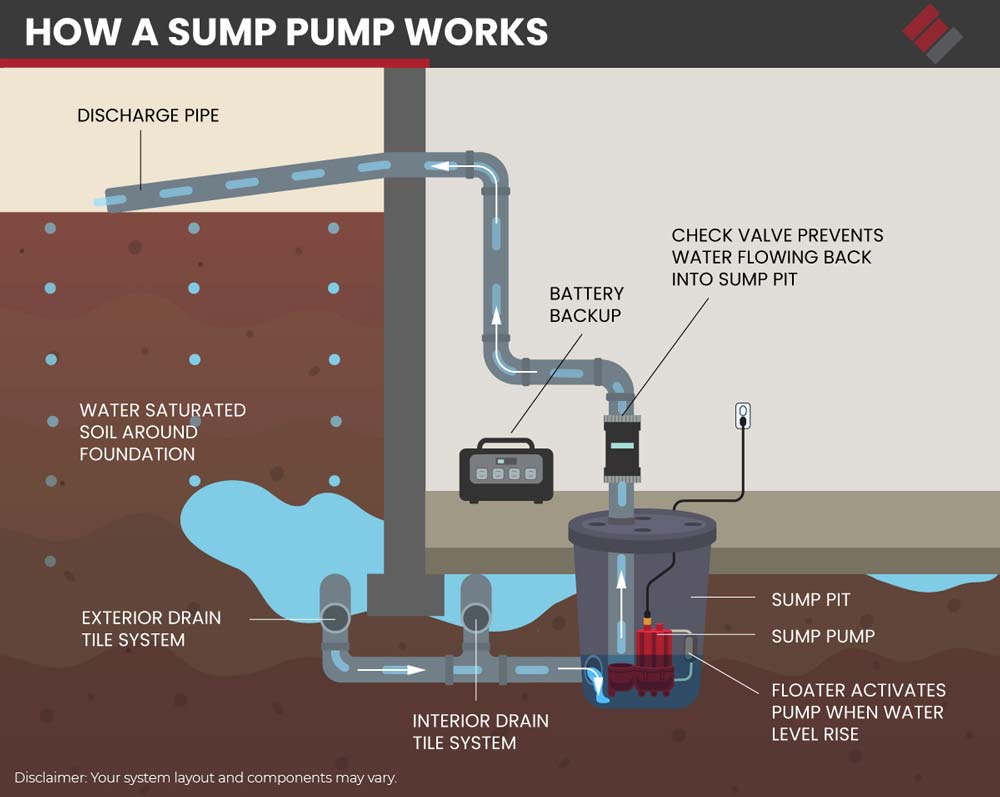
When a sump pump turns on and you can hear it running, it feels like the hard part is over. But if the pit stays full, you are dealing with a hydraulic problem: water is not moving out of the pit fast enough, or it is moving out and coming right back.
In my own 1970s ranch, I learned this the messy way after a big spring storm. The pump sounded normal, but the water line barely budged. The fix was not electrical. It was a simple flow issue that I had overlooked.
Quick term check: the sump pit is also called the basin (and many people call it a “crock”). Same thing.
Below are the most common causes to check, in the order I would troubleshoot them on a weekend without wasting time.
Safety first (quick)
- Unplug the pump before touching anything in the pit.
- Avoid standing water if you suspect any wiring issues or you see damaged cords.
- Wear gloves and eye protection. Sump pits are not clean water.
- If you smell burning, see smoke, or the breaker trips repeatedly, stop and call a pro.
First check: Is it actually pumping water?
Before you chase valves and pipe runs, confirm whether any water is leaving the pit.
Two fast tests
- Feel the discharge pipe (above the pit, not in the water). When the pump runs, the pipe should vibrate slightly and feel like water is moving through it.
- Go outside to the discharge point. During a run cycle, you should see a steady stream, not a weak dribble.
If there is little to no flow outside, skip to the blockage, frozen line, valve, or impeller sections below.
If there is good flow outside but the pit stays full, jump to the check valve and undersized pump sections. Also keep an eye out for hidden leaks where the discharge line runs through a wall or crawl space.
Check valve problems (water coming back)
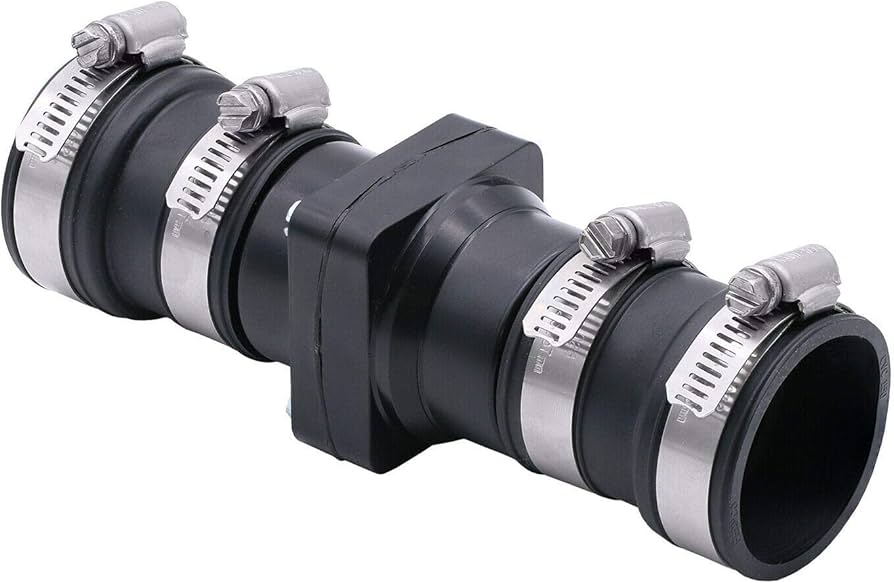
A check valve is the one-way valve on the discharge pipe. It is often installed right above the pump, but it can also be higher up the vertical run or built into certain setups. Its job is simple: when the pump shuts off, it prevents all that water in the vertical pipe from dumping right back into the pit.
When the check valve sticks open, cracks, is installed backward, or is jammed with debris, the pump can be working while the water level seems to barely change because a chunk of what you pumped out falls right back in.
Signs the check valve is the issue
- You hear a big rush or splash back into the pit right after the pump shuts off.
- The pump runs and runs, but the water line drops only slightly.
- The discharge outside looks decent, but the pit refills immediately.
What to do
- Locate the arrow on the check valve body. It must point away from the pump, toward the discharge.
- If it is a clear check valve, look for sediment or a stuck flapper.
- Replace it if it is questionable. Check valves are relatively inexpensive and are a common failure point.
My note: I have tried to “clean and reuse” a suspect check valve before. It bought me a few weeks. Replacing it was the real fix.
Blocked or frozen discharge line
If the pump runs but cannot push water out, the discharge line is one of the first places to look. A partial blockage can still let a trickle out, which makes the pump sound normal, but it cannot move enough volume to lower the pit.
Common discharge problems
- Frozen section near the exterior wall or where the pipe exits the house
- Clogged termination (mud, mulch, leaves, ice, critters)
- Crushed or sagging hose if you have flexible corrugated discharge line
- Underground line blocked by roots or sediment
- Partially closed valve (gate valve or ball valve) left from past service work
How to check it
- Watch the discharge point outside during a run. If it is weak, turn off the pump and inspect the outlet.
- If you have a union or a rubber coupler in the basement, you can disconnect and briefly test into a bucket or tote to confirm the pump can move water when not pushing through the full run. Be ready: the flow can be fast. Have a plan for where that water goes (floor drain, utility sink, or outside) so you do not create a new problem.
- In winter, feel the pipe near the rim joist. A frozen section often feels extra cold and may have a bulge or frost.
Fix options include clearing the outlet, correcting low spots where water sits and freezes, shortening an outdoor extension, opening any shutoff valve fully, or replacing crushed flexible line with rigid PVC pitched to drain.
Impeller jam or partial clog
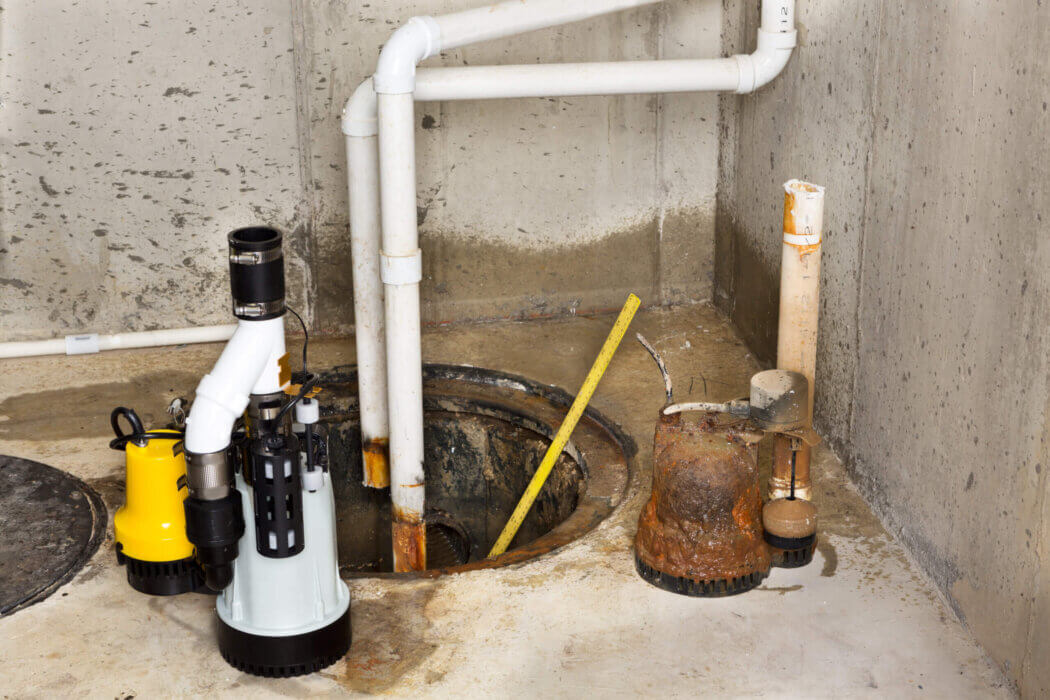
Inside the pump, the impeller is the little fan that actually moves water. If it is jammed with gravel, sludge, wipes, or that mystery basement grit, the motor can still run while output drops dramatically.
Clog clues
- The pump sounds like it is running, but the discharge is weak or pulsing.
- You see muddy, gritty water and sediment collecting fast in the pit.
- The pit is an older installation with a dirt or gravel bottom or a broken cover that lets debris in.
What to do
- Unplug the pump, pull it out, and inspect the intake screen and impeller area (follow your model’s instructions).
- Clean out sludge and grit. If the impeller area is damaged or the shaft feels rough, replacement is usually the practical move.
- If you are dealing with a dirt bottom or a broken, shallow pit, consider upgrading to a proper sump basin (a solid basin set into the floor, ideally with a lid) so the pump is not eating rocks for breakfast.
- Make sure the pump is sitting upright on a solid base. If it is tilted or buried in sludge, performance can drop fast.
Airlock or weep hole issues
Some setups can trap air in the discharge line, which reduces pumping ability. Many installers drill a small anti-airlock hole (also called a weep hole) in the discharge pipe just above the pump, below the check valve, so trapped air can escape.
When to suspect this
- The pump is new or was recently re-plumbed.
- It runs, but water movement is inconsistent, sometimes improving after you disturb the pipe.
Important: some manufacturers do not want a weep hole on certain designs, or they specify a certain hole size and location. Check your manual for your exact model before drilling anything.
Also, that hole can spray water back into the pit area each cycle. If your setup uses one, it should be positioned so the spray goes back into the basin and not onto an outlet, a finished wall, or the floor.
Undersized or underpowered pump
This is the sneaky one, and it is easy to miss because nothing looks “broken.” During heavy rains, a high water table, or a strong perimeter drain inflow, the pump may be moving water but not fast enough to lower the pit.
How to spot an undersized situation
- The discharge stream outside is steady, but the pit level holds instead of dropping.
- The pump only gains ground after rain slows down.
- You have a smaller pump in a home that needs more capacity (common when a previous owner installed the cheapest unit that fit).
What to check before replacing
- Vertical lift and run length: long runs and lots of elbows reduce flow.
- Pipe size: some pumps want 1-1/2 inch discharge. Choking it down can hurt performance.
- Actual head rating: a pump may be rated for high GPH at 0 feet, but much lower at your real lift height.
- Hidden restrictions: a half-closed valve or a clogged fitting can mimic an undersized pump.
If you confirm the pump is moving water but cannot lower the pit during peak inflow, you may need a higher-capacity pump, a better switch setup, or a second pump as backup in high-risk basements. If you are frequently close to overflow, it is worth discussing options with a waterproofing pro.
High water table reality check
Some basements sit in areas where the water table stays high for weeks in spring or after prolonged rain. In those conditions, the sump pit can look “always full” because water is continuously entering from the drain tile or through the soil.
What is normal vs. not
- More normal: the pump runs, water discharges strongly, and the pit level hovers near the switch on point without overflowing.
- Not normal: the pump runs, but discharge is weak, the pit rises above the on level, or you get seepage on the floor.
In other words: a sump system is designed to manage water, not eliminate groundwater. Your goal is to keep the level controlled and the basement dry.
Other quick checks
- Float or switch issue: if the float is rubbing the basin wall, tangled in cords, or set too low, it can turn the pump off too soon and leave the pit high. Make sure it moves freely and is not pinched.
- Leaking or broken discharge line: water can dump back into the basement, crawl space, or inside a wall and you may not see obvious spray. Look for unexplained damp spots, running water sounds in a wall, or soggy soil near the foundation where the line exits.
- Wrong discharge routing: discharging too close to the foundation can send water right back to the drain tile and keep the pit full.
- Pump position: if the pump is sitting on mud or tipped sideways, it can short-cycle, ingest sludge, or lose efficiency.
Troubleshooting order (fast checklist)
If you want the shortest path to an answer, here is the order I use:
- Check outside discharge flow during a run cycle.
- If flow is weak: inspect the outlet, check for a frozen or blocked line, and confirm any valve is fully open.
- If flow is good: listen for backflow and inspect the check valve direction and condition.
- Check for hidden discharge leaks along the run (including inside walls or crawl spaces).
- Pull and clean the pump if you suspect grit, sludge, or an impeller jam.
- Evaluate whether the pump is undersized for your lift and inflow.
When to call a professional
Call for help if any of the following are true:
- The pit is close to overflowing and you cannot restore normal pumping quickly.
- You suspect an underground discharge line is clogged and you do not have a cleanout.
- The pump is hot, noisy, tripping breakers, or you see signs of electrical damage.
- You want to redesign capacity with a second pump, battery backup, or a new discharge route.
My parting advice
If the motor runs, you are not starting from zero. Most “runs but stays full” situations come down to one of two things: the water is being blocked, or it is being recycled back into the pit. Work outward from the basin, confirm real flow, and you will usually find the culprit without replacing parts you do not need.

About Marcus Vance
Content Creator @ Grit & Home
Marcus Vance is a lifelong DIY enthusiast and self-taught home renovator who has spent the last decade transforming a dilapidated 1970s ranch into his family's dream home. He specializes in budget-friendly carpentry, room-by-room renovations, and demystifying power tools for beginners. Through his writing, Marcus shares practical tutorials and hard-learned lessons to help homeowners tackle their own projects with confidence.