
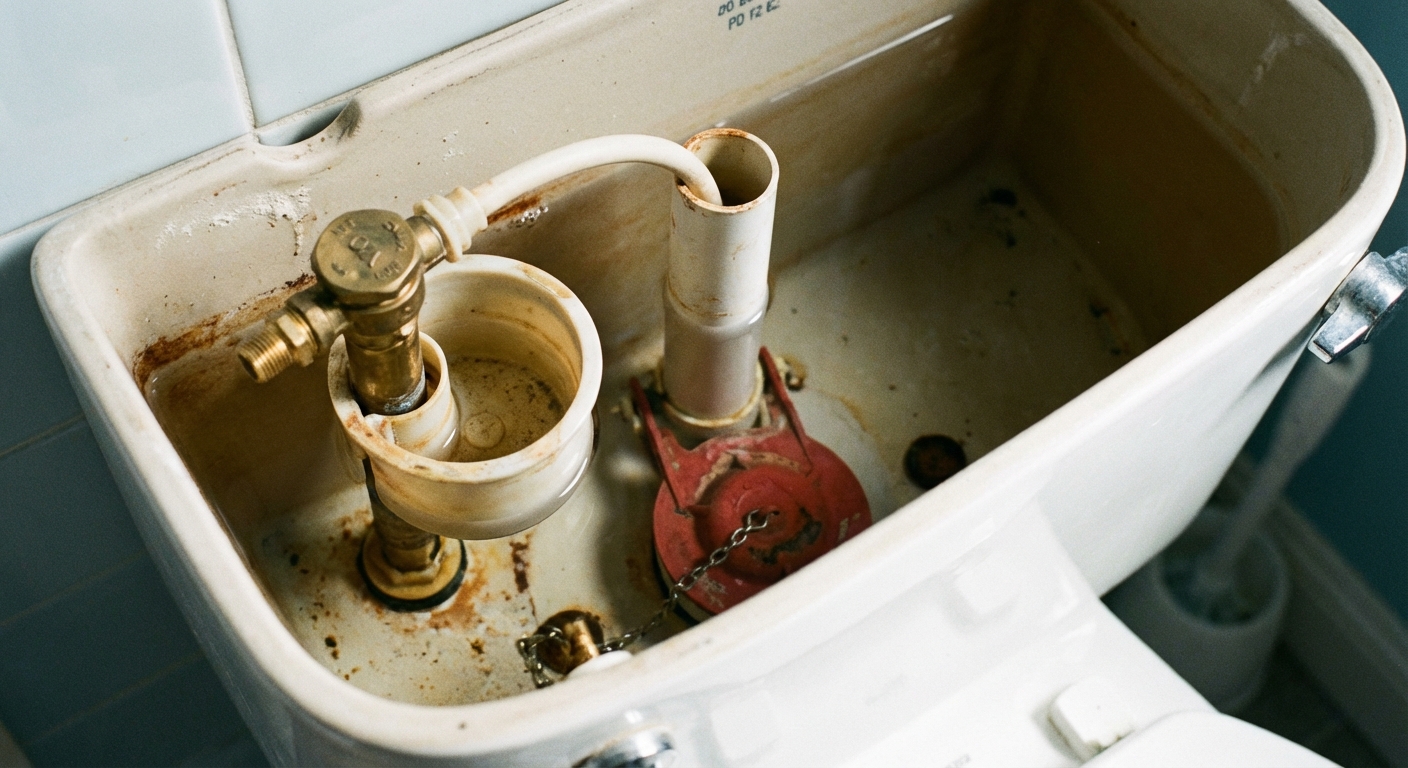
If your toilet makes a steady hiss or a tea-kettle whistle, you are usually hearing water squeezing through a valve that is worn, restricted, or being pushed by high pressure. The good news is this is usually a tank-side fix, not a sewer or drain problem. (Rare exceptions include whole-house pressure issues or a failing pressure-reducing valve.)
I still remember the first time mine started whistling. I assumed the bowl was “leaking” somehow. Nope. It was a tired fill valve singing under pressure. Let’s walk through this in a calm, methodical way so you can fix it without guesswork.
Safety and tools
- Turn off the water at the shutoff valve behind the toilet before swapping parts.
- Have an old towel or small pan handy. Tank work is clean, but drips happen.
- Most fixes need only: adjustable wrench or channel-lock pliers, a sponge, and possibly a replacement fill valve.
Quick diagnosis: when does it happen?
Answer this first. It points you to the right cause in about 20 seconds.
- Only while the tank is refilling after a flush: fill valve or supply restriction is most likely.
- Randomly when nobody flushed: the toilet is refilling due to a slow loss of water in the tank, often from an internal leak, and the fill valve makes noise during those short refills.
- Constant hiss that never stops: the fill valve may not be shutting off, the float is misadjusted, or the water level is too high and spilling into the overflow.
Fast check: Pop the tank lid. If you see water trickling into the overflow tube, the water level is set too high or the valve is not closing fully.
Cause #1: Worn or dirty fill valve
The fill valve is the part that refills your tank after you flush. Inside it are small passages and rubber seals. Over time, sediment and wear make the opening uneven, and that is when you get the hiss or high-pitched whine.
How to confirm
- The sound is loudest near the fill valve (usually left side of the tank).
- You hear it mostly while the tank is filling.
- Gently nudging the float or float cup changes the pitch or stops it briefly.
Fix A: Rinse the fill valve
This quick rinse clears grit that can make the valve sing. The exact cap style varies by brand, so follow the manufacturer instructions if they differ.
- Turn the shutoff valve behind the toilet clockwise until it stops.
- Flush and hold the handle down to drain most of the tank. It will not go bone-dry, and that is fine.
- Unclip the small refill tube from the overflow tube (or aim it into the tank) so it does not spray outside the tank.
- Remove the fill valve cap (many twist off or pop off).
- Put a cup over the top of the valve and hold it firmly. Briefly turn the water on for 2 to 3 seconds to blast debris out. Expect some splash, so keep the cup tight.
- Turn water back off, reinstall the cap, reattach the refill tube, then turn water on and test.
If the noise is improved but not gone, the valve is probably worn and ready for replacement.
Fix B: Replace the fill valve
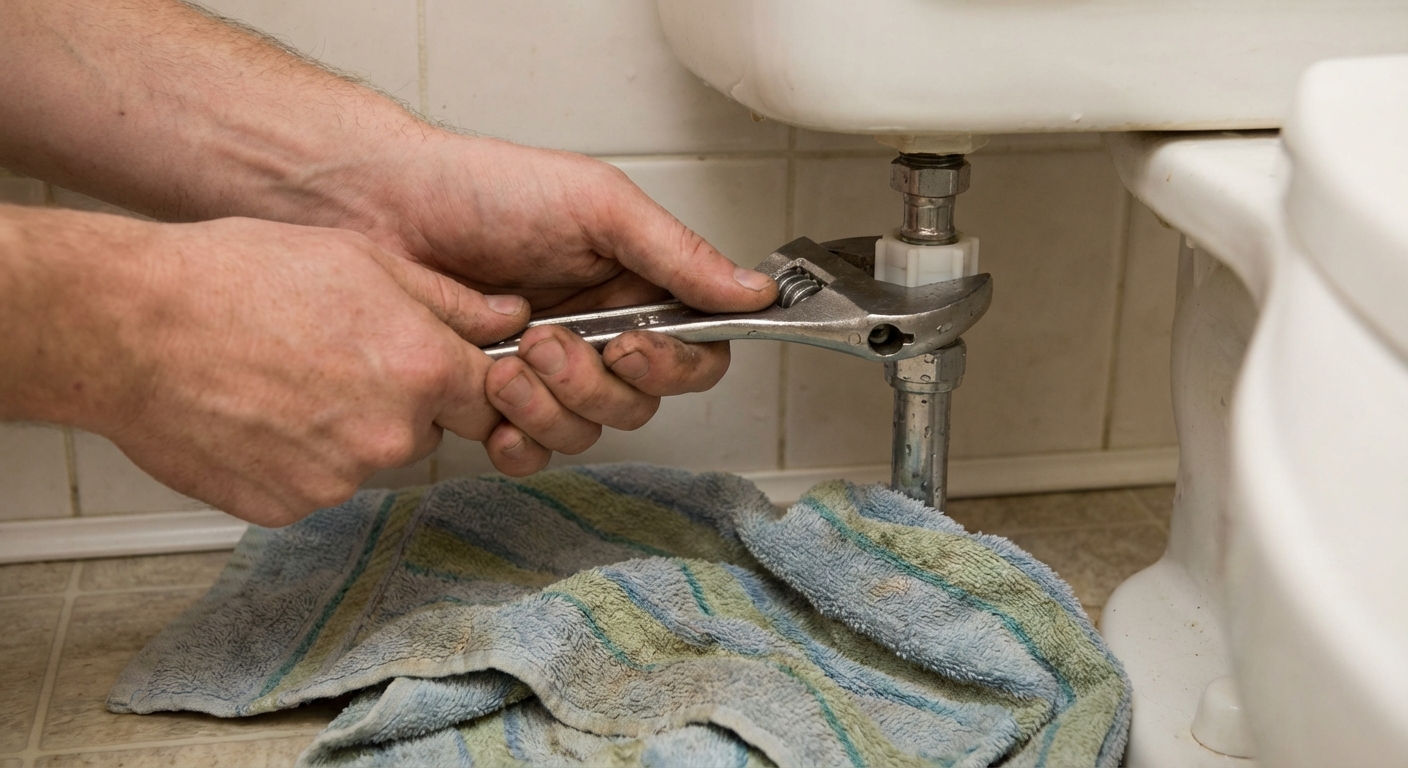
- Shut off the water and flush to empty the tank as much as possible.
- Disconnect the supply line from the bottom of the tank (have a towel ready).
- Unscrew the lock nut holding the fill valve to the tank.
- Lift out the old fill valve.
- Quick pro check: Look for a small inlet screen or debris at the fill valve inlet (where the supply connects). Clean it if present.
- Install the new fill valve with the rubber washer inside the tank, and tighten the lock nut snug. Do not overtighten.
- Reconnect the supply line.
- Turn water on and adjust the fill level so it stops about 1 inch below the top of the overflow tube (most valves have a simple clip or screw adjustment).
My thrifty tip: bring the old valve to the hardware store if you are unsure what you have. But in most modern toilets, a universal fill valve fits just fine.
Cause #2: Water pressure is too high
High house pressure can turn a normal fill valve into a whistle. The smaller the opening, the more likely it is to sing when pushed by high pressure.
How to confirm
- Other fixtures may “snap” or bang when shutting off (water hammer).
- The toilet fill is aggressive and loud.
- Multiple toilets or faucets make similar high-pitched noise.
Fix
- Short-term: if you have an older multi-turn shutoff valve, slightly closing it can reduce flow and quiet the whistle. If you have a quarter-turn ball valve, avoid throttling it (details below).
- Best long-term: check home water pressure with a simple pressure gauge on an outdoor spigot. Typical residential pressure is roughly 40 to 80 psi (many homes target around 50 to 60). If you are consistently above 80 psi, that is a common threshold where a pressure-reducing valve (PRV) is required or needs adjustment or replacement.
If you rent or you are not sure where your PRV is, call maintenance or a plumber. Excessively high pressure can shorten the life of valves and appliances, so this is worth addressing.
Cause #3: Supply shutoff valve issues
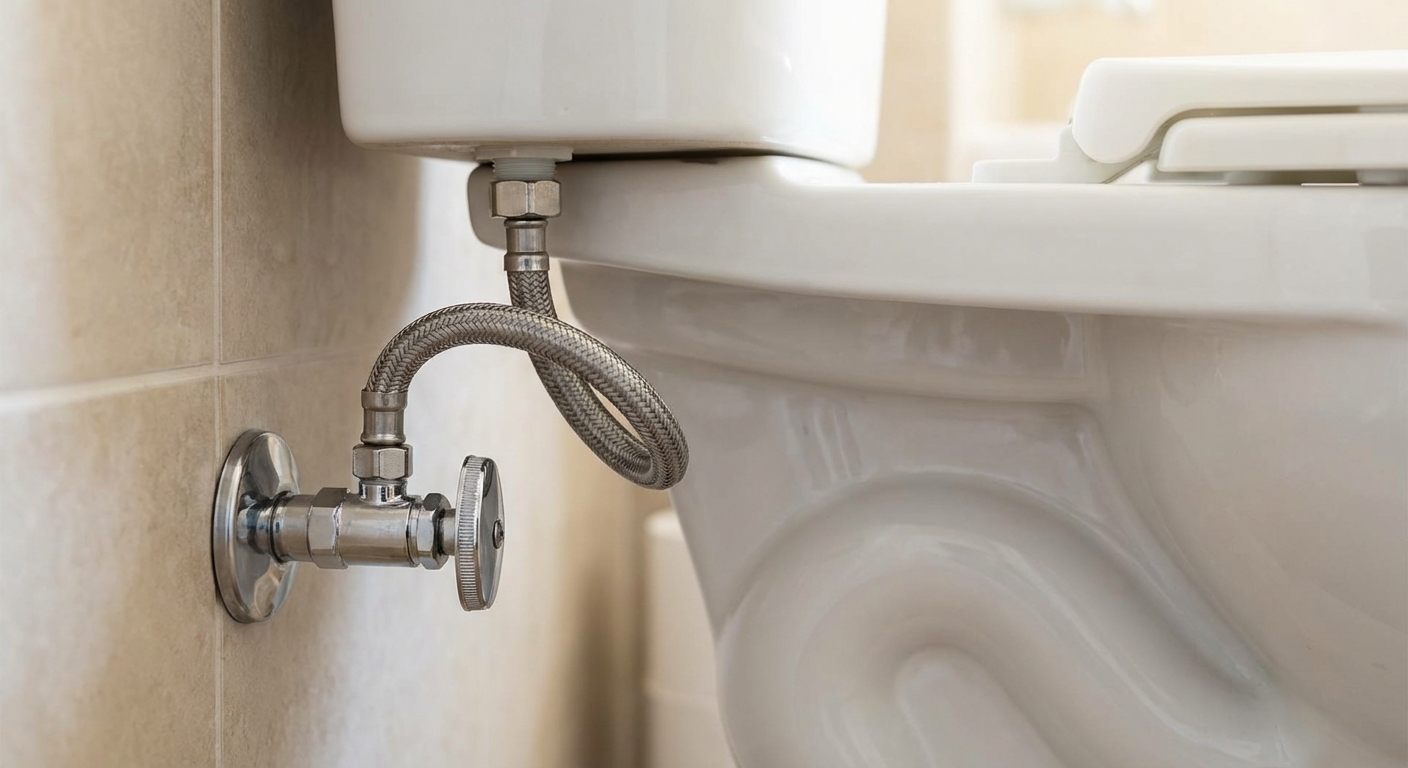
The shutoff valve behind the toilet works best fully open or fully closed. When it is partially closed, water can squeal as it squeezes through. A worn washer or internal seal can also create noise and inconsistent flow.
How to confirm
- The whistling seems to come from the wall area, not the tank.
- The toilet fills slowly, and the sound is sharper than a normal hiss.
- Turning the shutoff handle changes the pitch.
Fix: Set the shutoff correctly
- Turn the shutoff valve all the way counterclockwise until it stops (fully open).
- Flush and listen. If the whistle disappears, you were likely partway closed.
- If you are troubleshooting and need to quiet it temporarily, a tiny clockwise turn can sometimes help on older multi-turn compression valves.
Important caveat: If your shutoff is a quarter-turn ball valve (it turns 90 degrees), do not leave it half-open to “tune” the noise. Ball valves are meant to be fully open or fully closed, and throttling can damage the internal seals over time.
When to replace the shutoff valve
Replace it if it will not fully open, it drips around the stem, or it only “behaves” in one finicky position. A failing shutoff is not just noisy, it is a risk during emergencies when you need to shut water off fast.
Cause #4: Older ballcock assembly
If you have an older toilet with a big float ball on a rod, you have a ballcock style fill valve. These can whistle when internal rubber parts harden or when the valve seat wears out.
How to confirm
- You see a float ball attached to a metal arm.
- The noise is strongest right at that older valve body.
- Adjusting the arm changes when it shuts off, but the noise persists.
Fix options
- Rebuild kit: Some ballcock valves have rebuild kits with new seals and diaphragms. This is cheaper, but only worthwhile if parts are easy to find.
- Upgrade to a modern fill valve: This is what I do most of the time. Modern valves are quieter, easier to adjust, and parts are everywhere.
If your toilet is older and you are already inside the tank, upgrading the fill valve is usually the best value move you can make.
If it hisses when nobody flushed
This page is about hissing and whistling, but here is a key connection: a toilet that refills on its own will make noise because the fill valve is turning on repeatedly. The noise may be the symptom, but the trigger is often water leaving the tank.
Two quick checks
- Dye test: Put a few drops of food coloring in the tank and wait 10 to 15 minutes without flushing. If color appears in the bowl, the flapper or flush valve seal is leaking.
- Water level: If the tank water is above the top of the overflow tube, it will silently spill into it and the fill valve will keep topping off.
One easy siphon mistake
Make sure the small refill tube is clipped to the overflow tube and that it does not get shoved down into the overflow. If it sits below the water line, it can siphon water out of the tank and cause mystery refills (and more noise).
Fixing the underlying refill issue often reduces how often you hear the hiss, even if you still need a quieter fill valve.
When to call a plumber
- You cannot shut the water off at the toilet valve.
- You suspect pressure above 80 psi, your PRV is missing, or your PRV seems to be failing.
- There is corrosion, a leaking supply connection, or you see water damage around the baseboard or floor.
Fast recap
- Most hissing or whistling toilets: rinse or replace the fill valve.
- High-pitched squeal near the wall: check the shutoff valve position or condition.
- Noise across multiple fixtures: investigate high water pressure (aim for roughly 40 to 80 psi; over 80 is a red flag).
- Old float-ball setup: rebuild or upgrade the ballcock assembly to a modern fill valve.
If you want the most “set it and forget it” solution, a new modern fill valve plus correct tank water level fixes the majority of noisy toilets I run into.

About Marcus Vance
Content Creator @ Grit & Home
Marcus Vance is a lifelong DIY enthusiast and self-taught home renovator who has spent the last decade transforming a dilapidated 1970s ranch into his family's dream home. He specializes in budget-friendly carpentry, room-by-room renovations, and demystifying power tools for beginners. Through his writing, Marcus shares practical tutorials and hard-learned lessons to help homeowners tackle their own projects with confidence.