
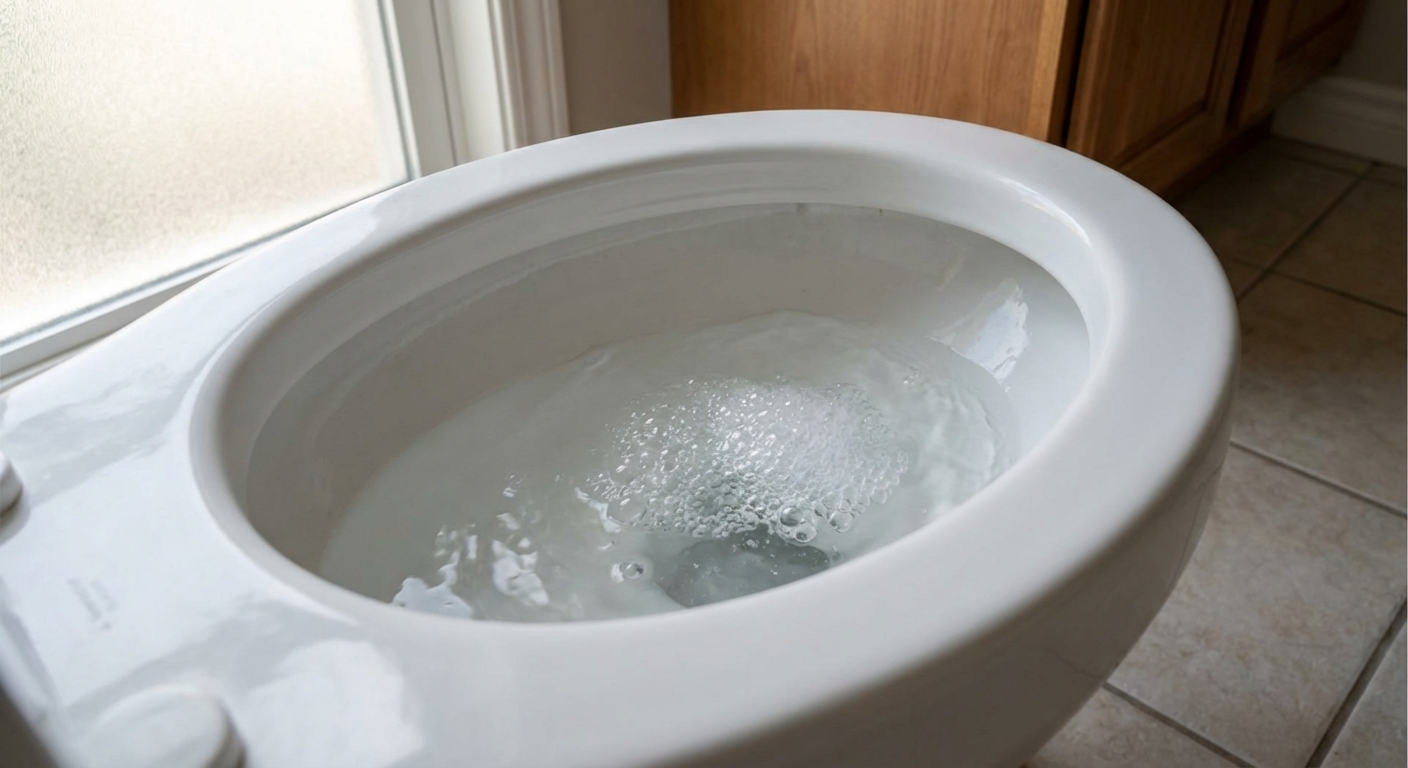
A toilet that gurgles, bubbles, or makes a weird glug-glug sound is your plumbing telling you something about air and flow. Most of the time, it is not the toilet itself. It is the drain and vent system behind it.
I learned this the hard way in our 1970s ranch. I chased a “noisy toilet” for two weekends and replaced parts I did not need, when the real culprit was a venting issue that was preventing proper air intake for the drain. This guide will help you avoid that rabbit hole.
Below are the most common causes, quick diagnostics you can do at home, and fixes that make sense for a normal homeowner budget.
What the noises mean
- Gurgling after flushing: air is being pulled through water in a trap because the drain is not getting enough air, or it is partially blocked.
- Bubbling in the bowl: air pressure is moving through the toilet trap, often from a partial clog, vent issue, or main line restriction.
- Hissing from the tank: usually a fill valve issue, or water pressure related.
- Gurgling from nearby drains when the toilet flushes: often a sign of a venting problem or a developing main line restriction.
Safety note: If you smell sewer gas strongly, get headaches or nausea, or the toilet backs up repeatedly, stop and escalate to a plumber. Sewer gas is not something to “power through.”
Fast 3-question triage
- Noise in the tank? Start with the fill valve and flapper.
- Bowl bubbles or glugs? Start with a partial clog check.
- Other drains gurgle too? Think venting or main line (or septic, if you have it).
Quick checklist (5 minutes)
- Does it happen only when you flush? Think partial clog or venting.
- Do other fixtures gurgle too (sink, shower, tub)? Think vent stack or main line.
- Does the toilet bowl water level change on its own? Could be siphoning from pressure or venting, but also check for a flapper leak or a tiny bowl crack.
- Is the sound coming from the tank, not the bowl? Think fill valve or flapper.
- Are neighbors reporting backups or street work? Think municipal sewer issue.
Cause 1: Blocked vent stack
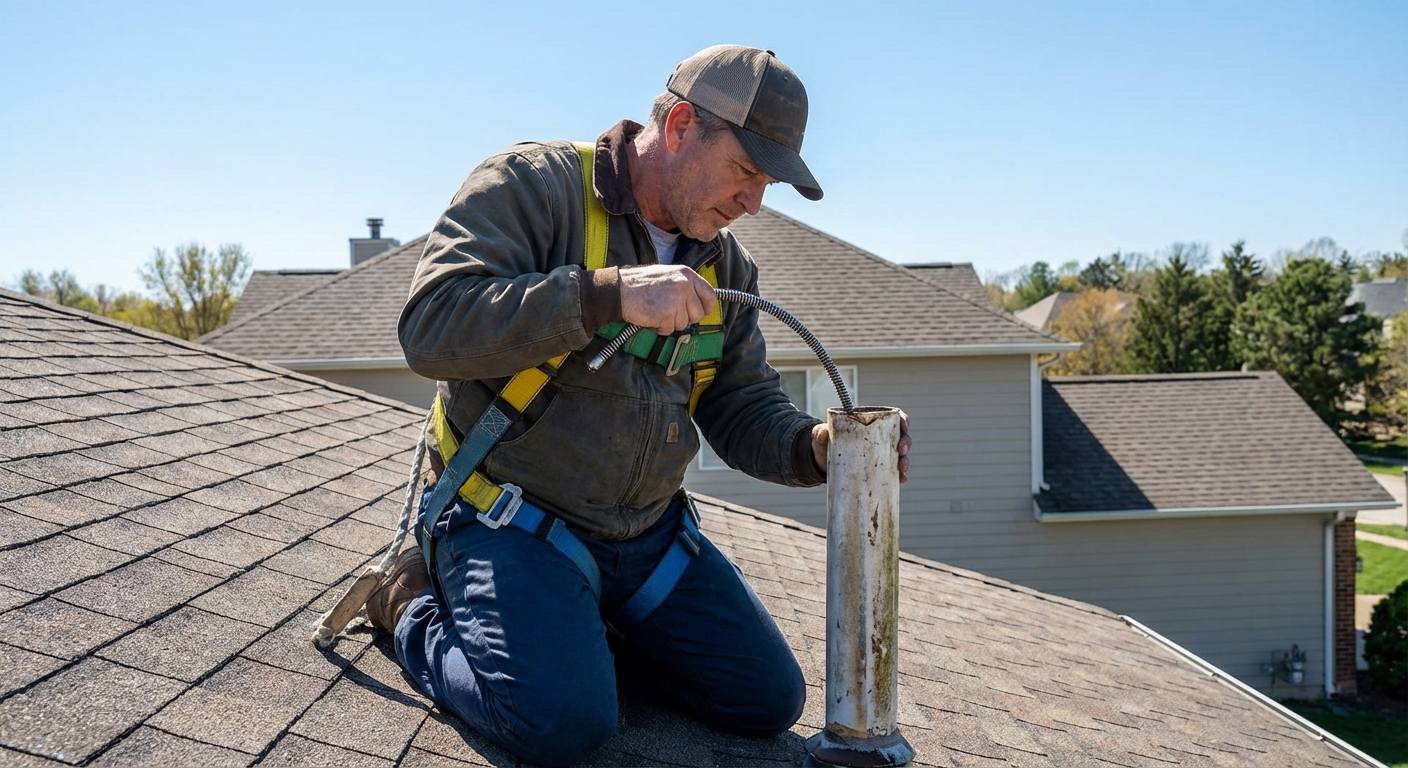
Your plumbing vent stack is the pipe that runs up through your roof and lets air into the drain system. When it is blocked, the drain tries to pull air from wherever it can, including through toilet bowls and sink traps. That is where the gurgling comes from.
Signs it is the vent
- Toilet gurgles and nearby sinks or tubs gurgle too.
- Slow draining across multiple fixtures, but not necessarily a full backup.
- You may notice occasional sewer smell because traps can get disturbed.
- It may be worse on windy days or after heavy rain (downdrafts and debris shifts can make symptoms more noticeable), but do not use this as your only clue.
DIY checks
- Listen: Flush the toilet and stand by the nearest sink or tub. If you hear gurgling there, the system is searching for air.
- Look for simple causes: After storms, vent openings can collect leaves, pine needles, or even an odd object that found its way up there.
Fix options
- Clear the vent from the roof (only if you are comfortable): Use a sturdy ladder, proper footwear, and a spotter. Avoid wet, icy, or steep roofs. Remove visible debris by hand.
- Rinse with a garden hose (lightly): This can help with loose leaves and small debris. Caution: If the vent is fully blocked, water can back up into the system. If you hear aggressive bubbling, see water rising in a fixture, or anything threatens to overflow, stop.
- Snake the vent: A drain snake can sometimes break up clogs deeper in the vent, like a bird nest. Feed gently. Do not force it like you are augering a main line.
- Call a plumber for a camera or vent service: If you have a steep roof, a two-story roofline, or a stubborn blockage, this is money well spent.
My thrifty tip: If you have multiple bathrooms and only one is gurgling, a vent blockage is still possible, but a localized partial clog becomes more likely. Use the next section to confirm.
Cause 2: Partial drain clog
A toilet can still flush while a partial clog sits downstream. Water squeezes past, but it drags air with it and burps it back through the trap. This is especially common when the clog is soft buildup or something like “flushable” wipes.
Signs it is a partial clog
- Toilet flushes, but you hear a gurgle and the bowl may “breathe” bubbles.
- Water rises a little higher than normal before it drains away.
- You need a second flush more often than you used to.
- The problem is mostly isolated to one toilet.
DIY diagnostics
- Plunge test: Use a flange plunger (the kind with the extra rubber collar). If gurgling improves after solid plunging, you likely had a partial blockage.
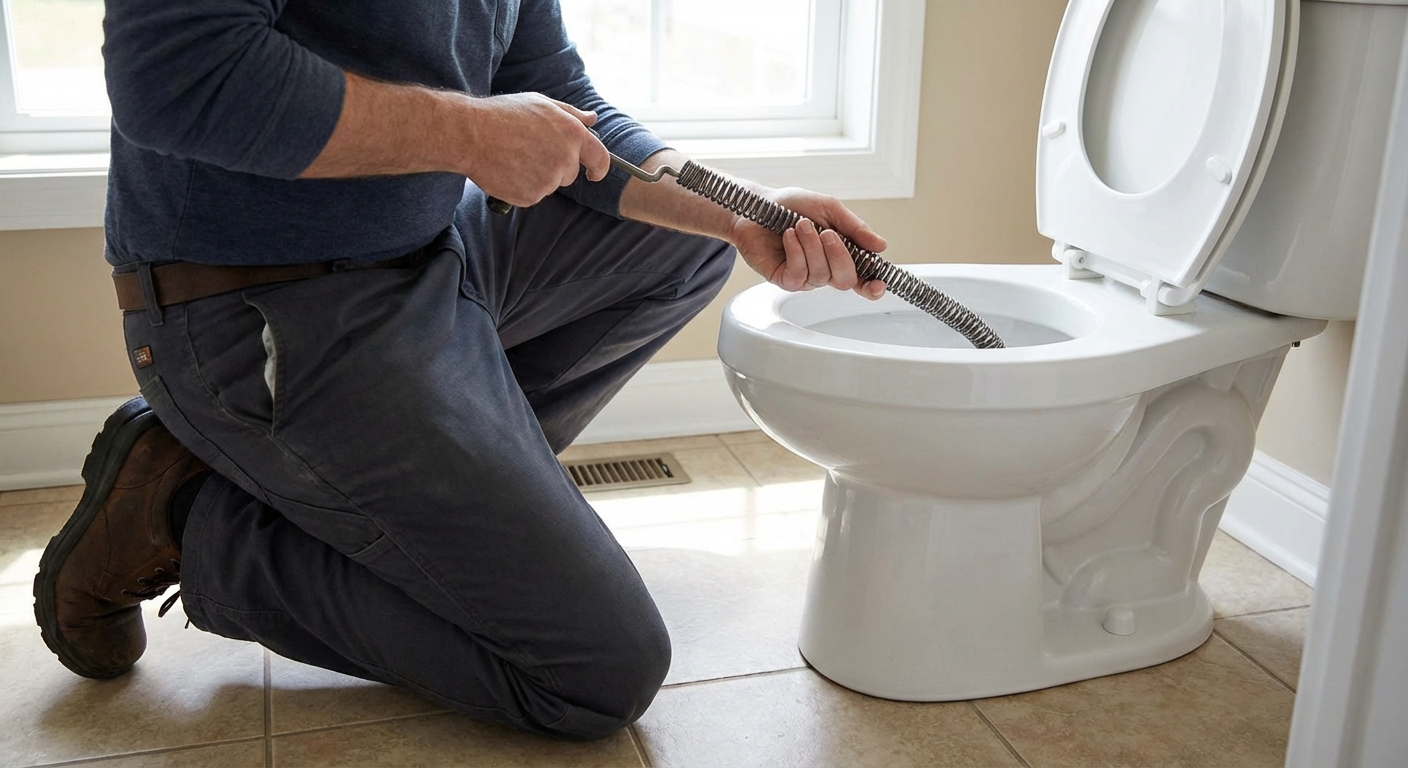
- Toilet auger test: If plunging is not changing anything, run a closet auger 3 to 6 feet into the toilet drain. If you snag wipes or feel resistance that suddenly releases, that was your issue.
Fix (step by step)
- Step 1: Shut off the water valve behind the toilet if you are worried about overflow.
- Step 2: Plunge with a firm seal, 15 to 25 pushes, keeping the cup underwater.
- Step 3: If needed, use a toilet auger. Keep the protective sleeve against the porcelain to avoid scratches.
- Step 4: Flush once. If it drains cleanly and the gurgle is gone, you are done.
Avoid this: Chemical drain cleaners are often caustic, can be hard on some pipes, plastics, and seals (especially with repeated use), and they can make snaking dangerous for the next person. Mechanical clearing is safer and usually faster.
Stop rule: If plunging and augering do not change the symptoms and multiple fixtures are affected, stop fighting the toilet and move to vent or main line assessment (or call a plumber). Over-plunging does not fix a main line.
Cause 3: Main line or city sewer
Sometimes the gurgle is not your toilet at all. If the city sewer is surcharged, or if your private main line is partially blocked, pressure and flow changes can cause gurgling in the lowest fixtures, often the basement toilet or first-floor tub.
Signs it is bigger than one toilet
- Multiple drains act up around the same time.
- Water backs up in a tub or shower when you flush a toilet.
- Gurgling is accompanied by slow drains throughout the house.
- Neighbors mention sewer backups, or there is road work near your line.
DIY diagnostics
- Check the lowest drain: Look at basement floor drains or the lowest shower. If you see standing water or hear gurgling there when fixtures run, suspect the main.
- Run one fixture at a time: Run a sink for 60 seconds, then stop. Flush once. If a different fixture gurgles or rises, that points to the main line.
Fix options
- Call the city first (free): Many municipalities will confirm if there is an area issue and sometimes will check the main connection at the street.
- Get a main line snake or camera: For repeated symptoms, a camera inspection is the cleanest way to avoid guessing. Tree roots, belly in the line, and grease buildup all behave differently.
- If you have a cleanout: A plumber can often clear the line efficiently from the cleanout instead of pulling a toilet.
Important: If you have sewage backing up, minimize water use immediately. Every flush and load of laundry makes the problem worse.
Cause 4: Fill valve or flapper
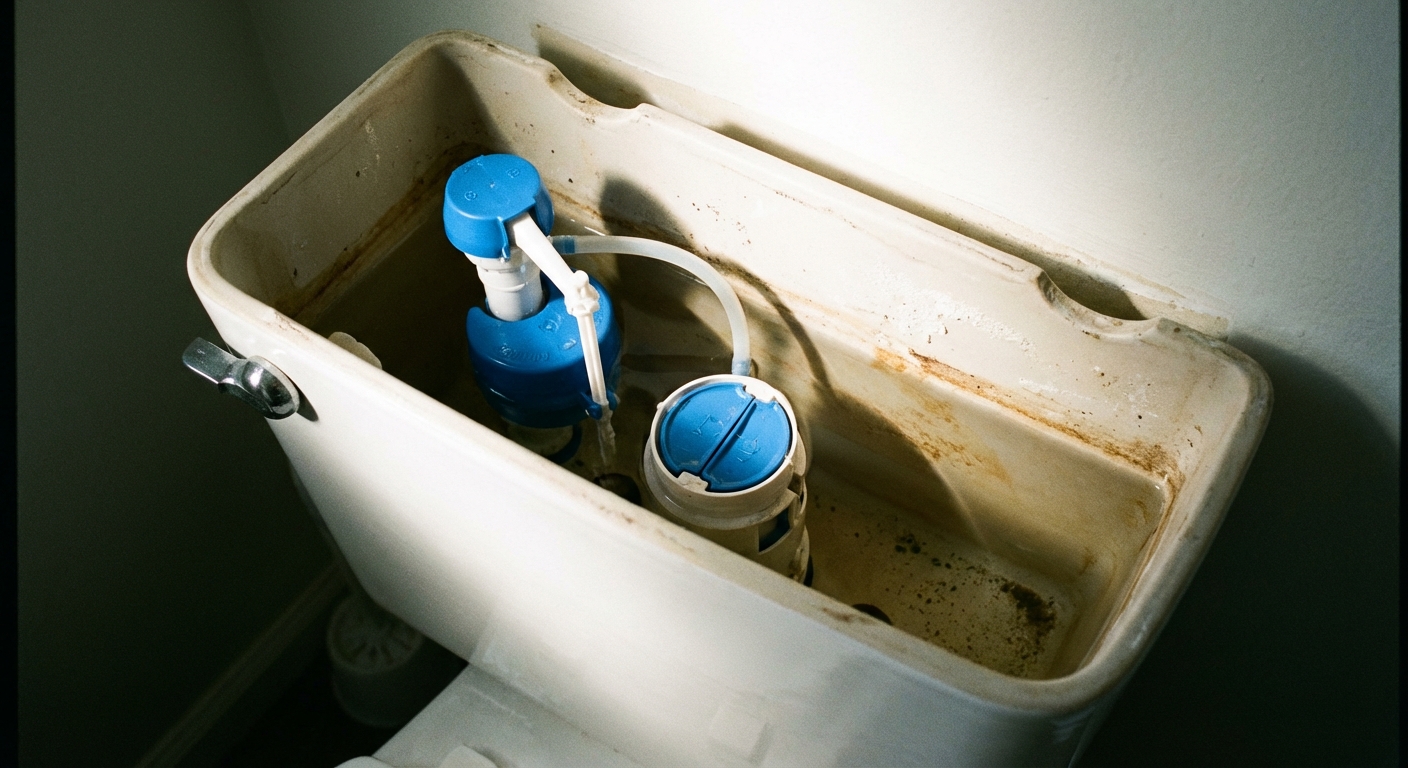
If your “gurgle” is really a steady hiss or a shhhhhh sound coming from the tank after a flush, the fill valve is the first suspect. Also, if your toilet randomly refills when nobody used it, that is often a flapper leak sending water from the tank into the bowl.
Signs it is the tank hardware
- The noise comes from the tank area, not the bowl or nearby drains.
- The hiss happens while the tank is refilling, then stops.
- You hear intermittent refills hours later (often a flapper or overflow tube issue).
- You may see water turbulence at the refill tube or hear a faint whistle.
DIY diagnostics
- Pop the lid: Flush with the tank lid off. If the noise is loudest right at the fill valve, you found it.
- Gentle touch test: Lightly place a hand on the valve body to feel vibration. Avoid touching moving parts and do not put fingers near pinch points.
- Dye test for flapper leaks: Put a few drops of food coloring in the tank and wait 10 to 15 minutes without flushing. If color shows up in the bowl, the flapper is leaking.
Fix
- Quick try: Shut off the toilet supply valve, flush to empty the tank, then turn the supply back on. Sometimes debris clears temporarily.
- Best fix: Replace the fill valve (and the flapper if it fails the dye test). These are inexpensive, beginner-friendly, and usually a 20 to 40 minute job.
Beginner note: If you can swap a showerhead, you can swap a fill valve. The biggest “gotcha” is overtightening the plastic nut under the tank. Snug is enough.
Cause 5: Negative pressure
Homes can develop negative pressure that tugs on plumbing traps, especially if the venting is marginal and you run a powerful exhaust source. Think bathroom fan, kitchen range hood, dryer, or even a tightly sealed house on a windy day.
Signs pressure is involved
- Gurgling happens when a fan, dryer, or range hood is running.
- You occasionally smell sewer gas, especially after fans run.
- Toilet bowl water level seems lower than it used to.
Before you blame pressure
- If the tank randomly refills: check the flapper (see Cause 4).
- If the bowl level drops slowly over days: it can also be evaporation in a dry bathroom, or in rare cases a hairline crack in the bowl or trapway.
DIY diagnostics
- Fan test: Run the bathroom fan or range hood, then flush. Repeat with the fan off. If the sound changes noticeably, pressure is part of the story.
- Trap check: Look at seldom-used fixtures. Dry traps can mimic vent issues because they let air move freely.
Fix options
- Restore dry traps: Pour water into rarely used floor drains, tubs, or sinks. If a floor drain dries out often, add a trap primer solution or ask a plumber about a long-term fix.
- Improve makeup air: Crack a window slightly when running a big range hood or multiple exhaust fans, especially in a tight home.
- Address venting: If negative pressure is triggering gurgling, the underlying venting may be undersized or partially blocked. Circle back to vent diagnostics.
- Consider a licensed solution: In some cases, an air admittance valve might be an option, but local code varies. This is a “call and confirm” item.
Also common: weak flush jets
If the toilet is not really gurgling but the flush feels weak, sounds odd, or leaves more behind than it used to, hard-water mineral buildup can clog rim jets or the siphon jet. This is especially common in older toilets.
Signs
- Swirl is lazy, not a strong bowl wash.
- Bowl clears inconsistently even with no obvious clog.
- You have hard water and visible mineral scale.
What to do
- Clean rim jets gently with a brush or a wooden skewer (avoid metal that chips porcelain).
- If buildup is heavy, a targeted descaling approach can help. Follow the toilet manufacturer guidance when possible.
If you have a septic system
On septic, gurgling plus slow drains can also mean the tank is full, the outlet filter is clogged, or the drain field is struggling. If multiple fixtures are slow and plunging does nothing, it is time to stop guessing and call your septic provider.
Trap seal loss vs vent issue
- Trap seal loss: usually shows up as sewer smell at a specific drain that is rarely used. Adding water fixes it fast (until it dries out again).
- Vent or main issue: tends to show up as gurgling across multiple fixtures, bubbling when you flush, or water levels moving in other traps.
Fastest fix
- If the noise is in the tank: inspect the fill valve and do a quick flapper dye test.
- If the bowl bubbles after flush: plunge, then use a toilet auger.
- If other drains gurgle too: suspect venting or the main line.
- If water backs up anywhere: stop using water and investigate the main line (or call for help).
When to call a plumber
I am all for DIY, but plumbing is one place where you can go from “annoying sound” to “water damage” in a hurry. Call a pro if:
- You have repeated backups or sewage coming up in a tub, shower, or floor drain.
- You suspect a roof vent blockage but the roof is steep, high, wet, icy, or unsafe.
- Multiple fixtures are gurgling and snaking the toilet does nothing.
- You smell sewer gas consistently, even after adding water to traps.
Tools that help
- Flange plunger: better seal for toilets than a flat-bottom sink plunger.
- Toilet auger: safer than a standard drain snake for porcelain.
- Bucket and towels: always. Plumbing has a sense of humor.
- Adjustable wrench: for fill valve replacement and supply line work.
FAQ
Is a gurgling toilet always a clog?
No. A clog is common, but a blocked vent or main line restriction can cause the exact same “glug” noise. The giveaway is usually whether other drains gurgle too.
Why does my toilet gurgle when my shower drains?
That points to shared venting or a developing blockage in the branch line or main. One fixture draining is pulling air through another fixture’s trap because the system is not getting air through the vent like it should.
Can I ignore it if everything still drains?
I would not. Gurgling is often an early warning that a partial clog or vent issue is getting worse. It is usually cheaper and cleaner to address it now than after a backup.

About Marcus Vance
Content Creator @ Grit & Home
Marcus Vance is a lifelong DIY enthusiast and self-taught home renovator who has spent the last decade transforming a dilapidated 1970s ranch into his family's dream home. He specializes in budget-friendly carpentry, room-by-room renovations, and demystifying power tools for beginners. Through his writing, Marcus shares practical tutorials and hard-learned lessons to help homeowners tackle their own projects with confidence.