
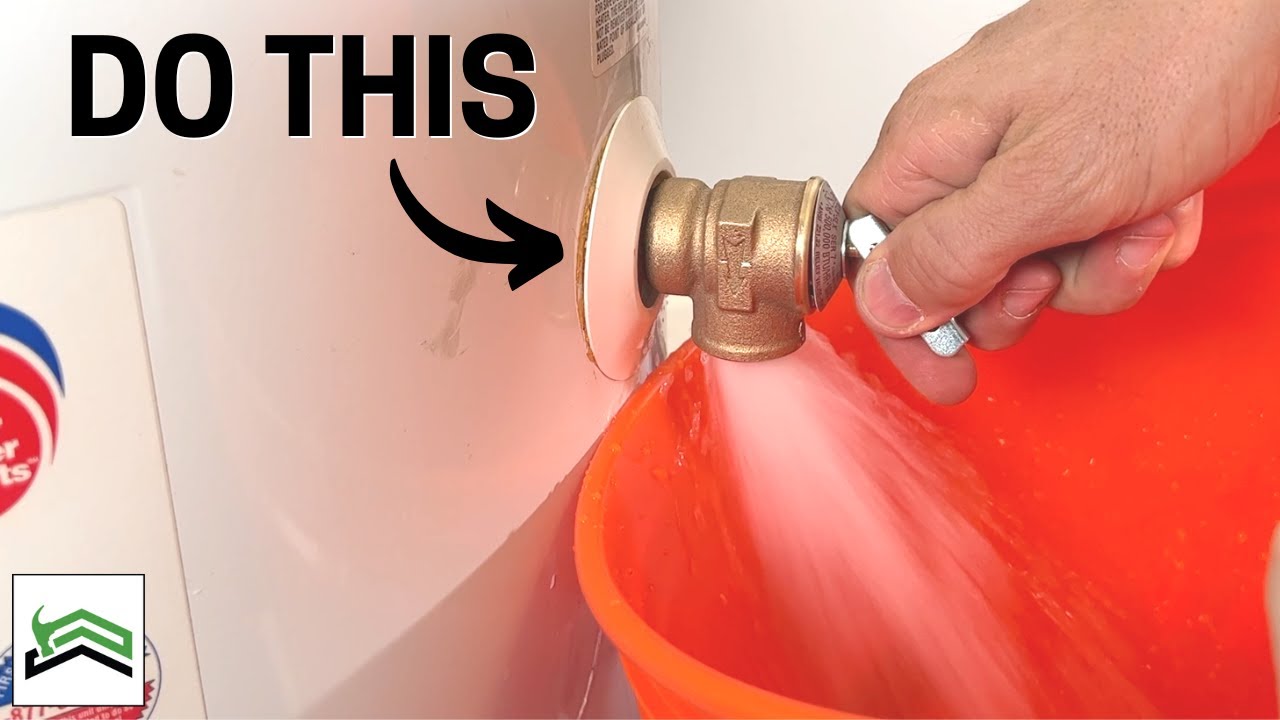
If you have water coming from the temperature and pressure relief valve (often called the T&P valve) on your water heater, your instincts are right to take it seriously. That valve is not a random fitting. It is a critical safety device designed to open if the tank gets too hot or the pressure gets too high.
Sometimes a little drip can happen. Other times it is your water heater waving a red flag. Here is how I approach it in a calm, step-by-step way, without guessing.
What the T&P valve does (and why leaks matter)
The T&P valve is a spring-loaded valve mounted on the water heater tank, usually near the top. It opens automatically if:
- Pressure gets too high (commonly rated around 150 psi, confirm the rating on your valve’s tag), or
- Water temperature gets too high (commonly rated around 210°F, confirm the rating on your valve’s tag).
When it opens, water exits through the discharge pipe that points down toward the floor. That discharge pipe is there to reduce scald risk and direct water safely down.
Important: A T&P valve that is discharging water is doing its job, but it is also telling you something is off. The goal is not to silence it. The goal is to fix the cause.
Drip or leak? What is “normal”
Occasional dripping can happen
A few drops now and then, especially right after a long hot shower or a dishwasher cycle, can happen when water heats and expands. If your plumbing system is “closed” (more on that below), pressure can spike briefly and burp a little water out of the T&P valve.
Even if it is brief, treat it as a prompt to check pressure and expansion control, not as something to ignore.
- Drips are infrequent
- They happen around heavy hot water use
- The drip stops on its own
Continuous dripping or a steady stream is not normal
If it is dripping for hours, leaving a puddle every day, or running in a steady stream, treat it as a problem that needs attention.
- Continuous drip means the valve is not sealing, or pressure is staying high.
- A strong flow can indicate dangerous overpressure or overheating.
Safety first: what to do now
If you see heavy leaking, steam, or hear violent hissing, do not troubleshoot with your face next to the valve. Hot water can scald fast.
Step 1: Turn off the heat source
- Electric water heater: Switch OFF the breaker labeled “water heater.”
- Gas water heater: Turn the gas control to OFF (or at least PILOT if you are following manufacturer guidance for your model).
Step 2: Stop feeding the tank
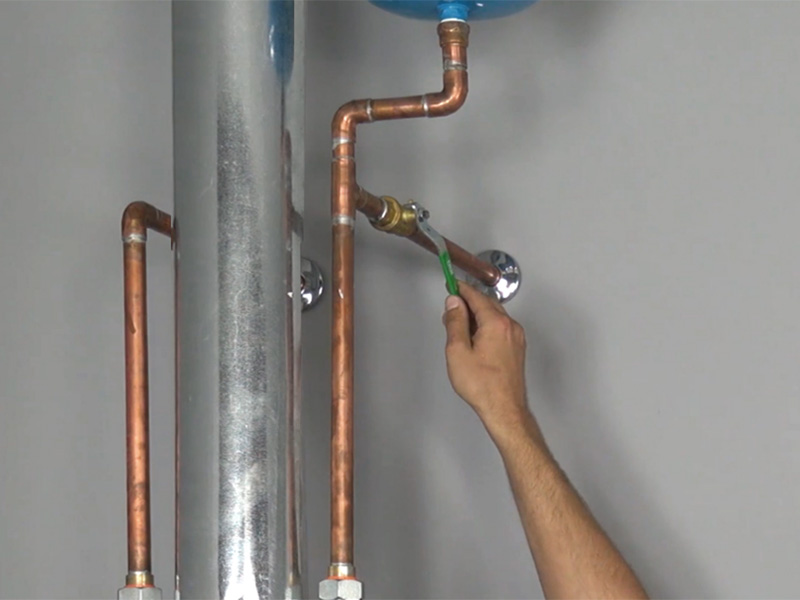
Close the cold water shutoff valve above the heater (handle perpendicular to the pipe for a ball valve, or turned fully clockwise for a gate valve).
Step 3: Relieve pressure safely if needed
If you need to reduce pressure in the tank, open a hot water faucet at a sink or tub. Leave it open long enough to let pressure bleed off and let the system vent. If the cold supply is shut off, flow may slow down quickly. That is normal. The point is to give pressure and heat somewhere to go while you are stabilizing the situation.
Step 4: If water is actively flooding
Shut off the home’s main water and call a plumber. If the discharge is forceful or you suspect overheating, do not delay.
Common causes of a leaking T&P valve
1) Thermal expansion in a closed plumbing system
When water heats up, it expands. In an older “open” system, that pressure can sometimes push back toward the city main. In many modern setups, it cannot.
You likely have a closed system if you have any of these:
- A check valve or backflow preventer (common on city water connections)
- A pressure reducing valve (PRV)
- A water meter with an integral check valve (in some municipalities)
In a closed system, heated water has nowhere to expand, so pressure rises and the T&P valve can drip.
Typical fix: Install or replace a properly sized thermal expansion tank on the cold water line serving the water heater, and charge it to match your home’s water pressure.
One important note: An expansion tank can also cause trouble if it is waterlogged or the air charge is wrong. If you are comfortable, the right way to check precharge is with the cold supply off and pressure relieved (so you are not reading house pressure). If that sentence already feels like a lot, it is a good “call a plumber” moment.
2) The T&P valve is failing or has debris on the seat
T&P valves can wear out, and mineral buildup can prevent a tight seal. Sometimes the valve was “exercised” and did not reseat cleanly. Sometimes it is just old.
Typical fix: Replace the T&P valve. They are not expensive, and in most cases replacement is the correct move over trying to coax an old one back to life.
3) Water pressure is actually too high
Normal house water pressure is commonly in the neighborhood of 40 to 60 psi. Many systems run fine up to 80 psi, but if you are consistently above that, it is time to investigate. At higher levels the T&P valve may start to discharge.
High pressure can come from:
- A failed or misadjusted pressure reducing valve (PRV)
- Municipal pressure that is simply too high for your house
- A thermal expansion problem that looks like “high pressure” during heating cycles
Typical fix: Test pressure and address the PRV and/or expansion tank setup.
4) Water heater temperature is set too high (or a control issue)
If the heater is overheating, the T&P valve may open because temperature is approaching unsafe levels. This is more urgent than a simple pressure issue.
- On gas units, a faulty gas control valve can contribute.
- On electric units, common causes include a stuck thermostat, a wiring issue, or a tripped (or failed) high-limit safety (ECO).
Typical fix: Lower the temperature setting and have the controls evaluated. If you suspect overheating, this is a good time to call a pro.
5) It is not the outlet, it is the threads or tank area
Not every “T&P leak” is the valve opening. Sometimes water is leaking at the valve’s threaded connection, the valve body, or even the tank fitting near it.
- If water is coming out of the discharge pipe: think pressure, temperature, or a valve that is not sealing.
- If water is seeping around the valve threads/body: think installation, corrosion, or tank issues, and get it checked.
About testing the T&P valve
You will see advice to lift the little test lever on the T&P valve. In theory, that flushes debris and confirms it can open.
In the real world, here is my honest take: testing can create a leak that does not stop, especially on older valves with mineral buildup. I have seen homeowners turn a small drip into a steady leak because the valve would not reseat.
If you choose to test it:
- Make sure the discharge pipe is installed and terminates safely near the floor.
- Keep your face and hands away from the outlet.
- Lift the lever briefly, then let it snap back.
- If it continues to drip afterward, plan on replacement.
If your valve is already leaking continuously, testing is usually not necessary. You are already past the “verify” stage.
Checklist: diagnose without guesswork
1) Confirm the source
Water can run along pipes and fool you. Dry the area and watch with a flashlight:
- Is water coming from the end of the discharge pipe?
- Or is it leaking from a fitting above and simply dripping onto the valve?
- Is it seeping around the valve threads/body instead of the outlet?
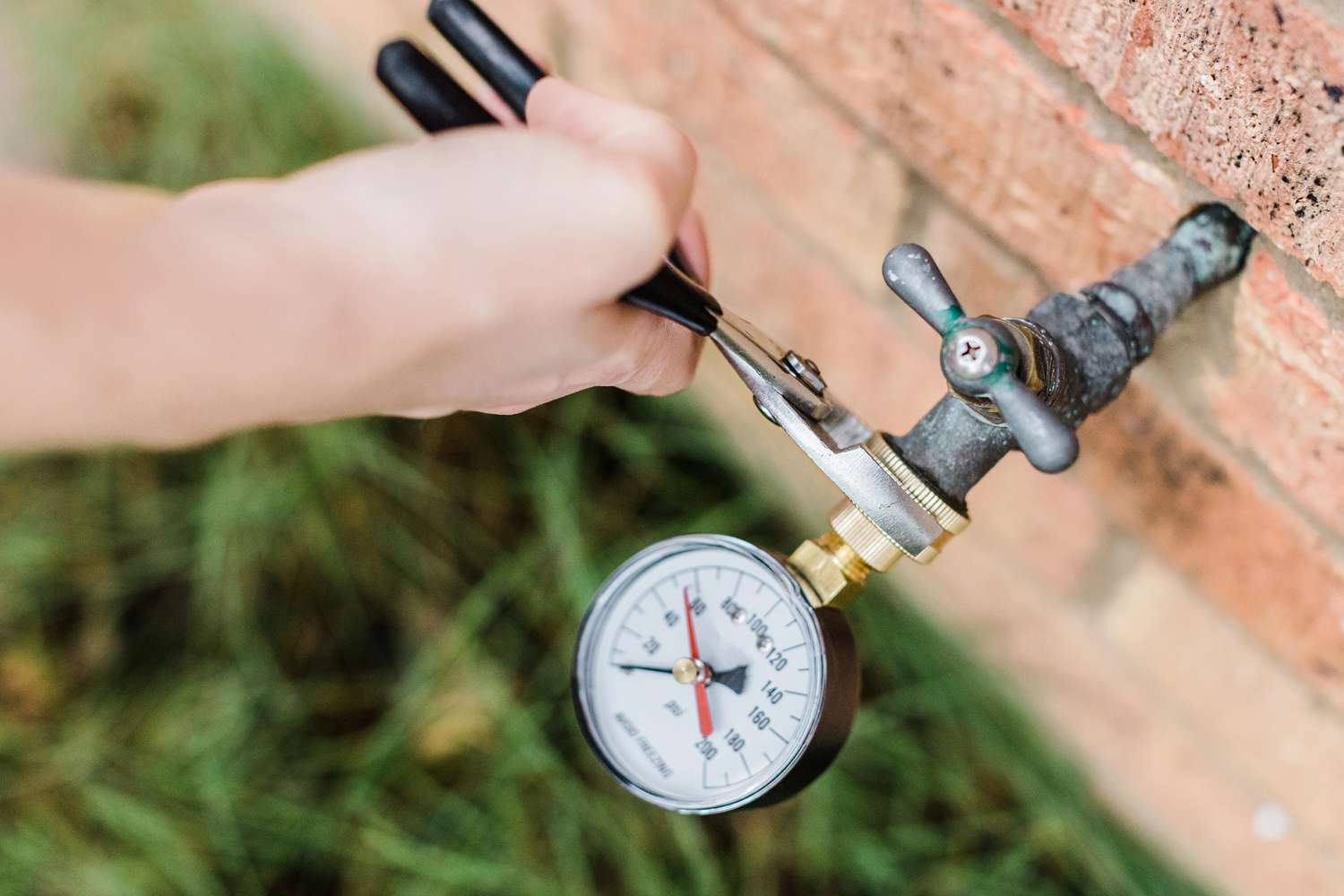
2) Measure water pressure
Screw a simple water pressure gauge onto an exterior hose bib or laundry faucet. These are inexpensive and worth owning.
- If pressure is consistently high (especially above about 80 psi), address the PRV or call a plumber.
- If pressure spikes mainly when the heater runs, suspect thermal expansion and an expansion tank issue (size, waterlogging, or air charge).
3) Check the temperature setting
A common target is around 120°F for many households. If yours is set higher, lower it and see if the situation improves. If you have scald risk in the home, consider a mixing valve and professional guidance.
4) Consider age and condition
If the water heater is older and you are seeing corrosion, chronic leaking, or repeated T&P discharge, it is worth looking at the heater as a whole. Sometimes the valve is the messenger, not the problem.
When to replace the T&P valve
Replace the T&P valve if:
- It will not stop dripping after normal pressure is confirmed.
- It leaked after a test and will not reseat.
- It is visibly corroded, crusted with mineral deposits, or very old.
Call a plumber (or your utility emergency line) if:
- The valve is discharging a steady stream or you suspect overheating.
- Your home pressure is very high and you do not have a working PRV.
- The discharge pipe is missing, improperly routed, or you see signs of scalding risk.
- You are not comfortable shutting off gas, power, or water and working around hot plumbing.
A quick note from one DIYer to another: if you replace the valve, use the correct rated replacement and follow local code. This is a safety device, not a place to improvise.
Discharge pipe basics
This varies by area, so check local code, but a few common requirements show up again and again:
- Pipe diameter matches the valve outlet (often 3/4 inch), with no reductions.
- It terminates in a safe, visible location near the floor, pointing down.
- No shutoff valve on the line.
- No threads on the end in many jurisdictions (to discourage capping).
- Material is approved for hot water (many areas allow copper, CPVC, or other approved materials, and restrict some plastics).
Do not do these “quick fixes”
- Do not cap or plug the discharge pipe. That removes the safety relief path and can create a dangerous situation.
- Do not install any valve that can shut off the T&P discharge line.
- Do not ignore it. Water damage adds up fast, and the underlying pressure or temperature issue can be serious.
My practical game plan
- Confirm the source: discharge pipe, not a fitting above or a seep at the threads.
- If heavy leak: turn off power or gas, shut off cold water supply, open a hot faucet, and call a pro.
- If light but continuous drip: check house pressure with a gauge.
- If pressure spikes during heating: investigate expansion tank sizing and air charge, or have one installed.
- If pressure is normal: replace the T&P valve with a properly rated one.
- If overheating is suspected: stop using the heater and call a plumber.
FAQ
Is a dripping T&P valve an emergency?
Not always. A few drops occasionally can happen, especially with thermal expansion. A steady drip, a stream of water, or any sign of overheating should be treated as urgent.
Can I just replace the T&P valve and be done?
Sometimes, yes. But if the real issue is excessive pressure or thermal expansion, a new valve may start dripping again. It is worth checking pressure so the fix sticks.
Why does it drip more after I use a lot of hot water?
That points strongly toward thermal expansion. The heater runs longer, water expands more, pressure rises, and the valve releases a bit of water.

About Marcus Vance
Content Creator @ Grit & Home
Marcus Vance is a lifelong DIY enthusiast and self-taught home renovator who has spent the last decade transforming a dilapidated 1970s ranch into his family's dream home. He specializes in budget-friendly carpentry, room-by-room renovations, and demystifying power tools for beginners. Through his writing, Marcus shares practical tutorials and hard-learned lessons to help homeowners tackle their own projects with confidence.