
🚨 In a DIY emergency or rush?
Skip the details and jump straight to our 30-second cheat sheet for the most crucial info.
I have had this happen more than once in our house: the washer clearly spun, the cycle beeped like everything was fine, and I opened the lid to a basket of clothes that felt like they had just been dunked in a bathtub. The good news is this symptom is often not a dramatic “no-spin” failure. Most commonly, it is a drain problem, a low final spin speed, a suds lock, or an unbalanced load that makes the machine play it safe. Other issues can look similar, so I will point out the key clues as you go.
This guide walks you through a simple check order that starts with what you can fix in five minutes and only works toward parts after you have proven drain flow and load behavior are not the culprit. It applies to most top-load and front-load washers, with a few steps that differ slightly by design.
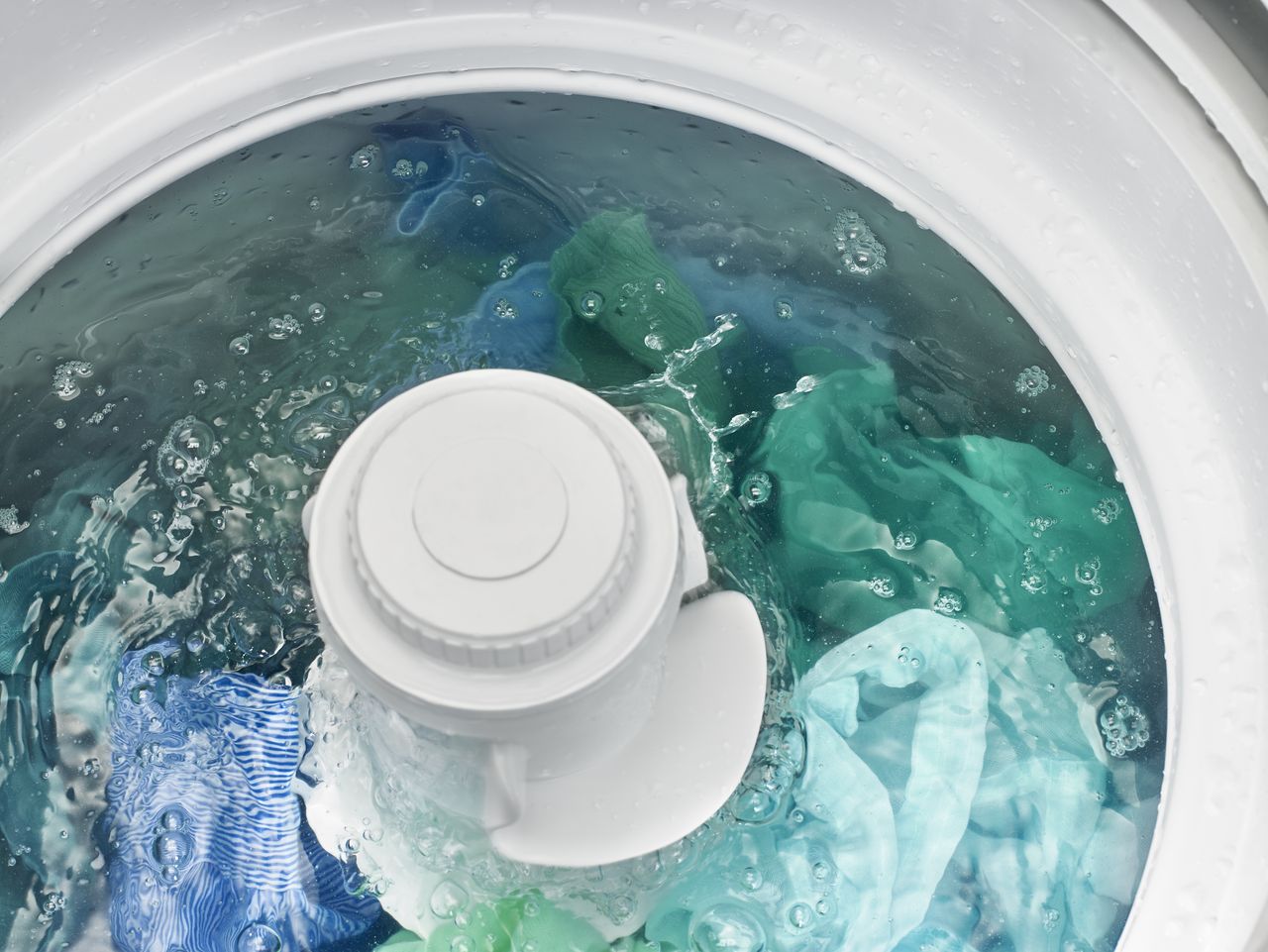
First: confirm what you are seeing
Before you tear into anything, do these quick reality checks. They keep you from chasing the wrong problem.
- If the drum never spins at all, that is a different issue than this article covers. This article is for it spins, but not enough to extract water.
- If there is standing water above the bottom of the tub at the end, you are closer to a drain failure than a spin-speed problem. You can still follow the drain checks below, but focus hard on blockages and pump performance.
- If only heavy items are wet (jeans, hoodies, towels) but light items feel normal, suspect unbalanced load or a reduced final spin.
Stop and get help if you see this
I am all for DIY, but there are a few symptoms that deserve a hard pause.
- Burning smell, hot rubber smell, or smoke
- Loud grinding, metal-on-metal noise, or repeated banging you cannot correct by redistributing the load
- Breaker tripping or the washer losing power mid-cycle
- Active leaking or water pooling fast
Unplug the washer and shut off the water supply valves. At that point, service is usually the smarter move.
Your fix-first checklist
Work straight down this list. After each step, run a quick Rinse and Spin or Drain and Spin cycle with a small test load so you know what change actually helped.
- Load size and distribution (fastest, most common)
- Too many suds (suds lock)
- Drain hose and standpipe flow (kinks, height, clogs)
- Washer filter, coin trap, or pump intake (front load and many HE top loads)
- Spin speed settings and cycle choice
- Leveling and suspension behavior (unbalanced protection)
- Water sneaking back in (rare, but real)
- Drive or control parts (lock, pump, belt, clutch, hub, sensors)
1) Fix the load
This is the one I mess up when I am rushing. If the load is too small, too bulky, or made of one type of heavy fabric, a washer can spin but never reach a stable high speed. Modern machines will repeatedly try to rebalance, then settle for a lower speed to prevent walking across your laundry room.
What to do
- For bulky items (comforter, thick blankets): wash alone and use the Bedding or Bulky cycle if you have it.
- For towels: avoid washing only towels that are all the same size. Toss in one or two smaller items to help them redistribute.
- For mixed loads: aim for a mix of large and small pieces, not a drum packed with only hoodies or only jeans.
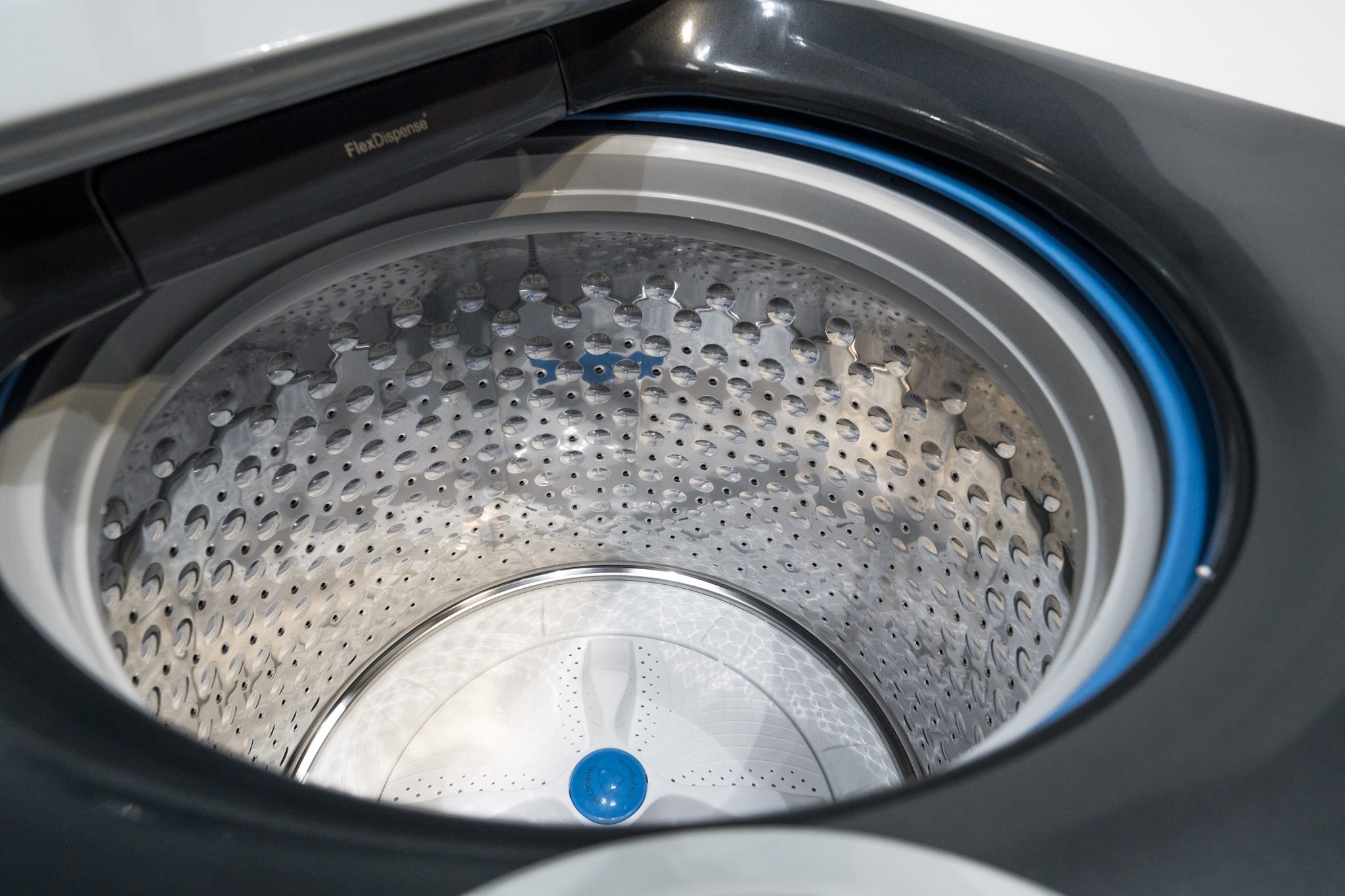
- For top loads with an impeller: do not mound clothes above the basket holes. Load loosely in a ring around the impeller so water and fabric can move.
Quick test: Run a Drain and Spin with 4 to 6 items. If that small load comes out properly damp, your washer is capable of extracting water. The issue is likely load balance, suds, or drain flow under heavier loads.
2) Check for suds lock
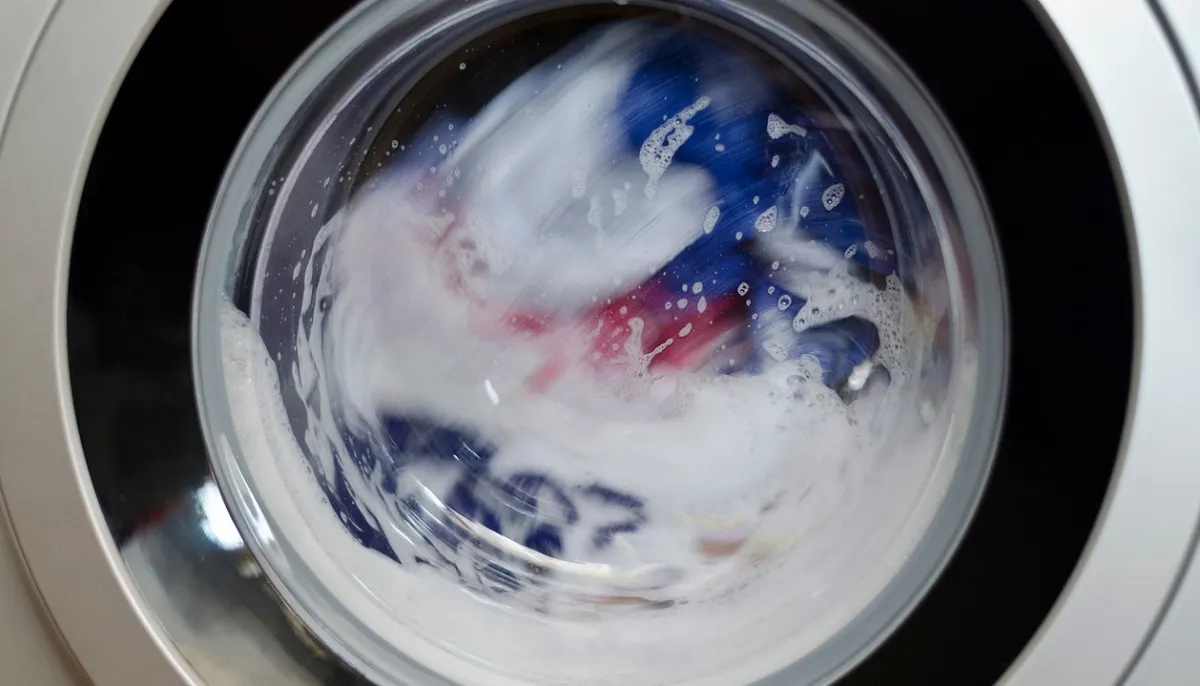
Too much detergent, the wrong detergent, or certain “extra sudsy” loads can trap the clothes in a cushion of foam. The machine may spin, but suds keep water suspended in the fabric and can also interfere with how the washer senses water level and load balance.
Signs you have a suds problem
- You see foam in the tub at the end of the cycle.
- Clothes feel slimy or overly soapy.
- The washer runs a long time, pauses, or seems to repeat parts of the cycle.
- You use more than the label amount, or you are using non-HE detergent in an HE machine.
What to do right now
- Do not add more detergent.
- Run a Rinse and Spin with no detergent. If suds are heavy, you may need to run it twice.
- If the tub is packed with foam, start with a cold rinse to help reduce foaming, and follow your washer manual if it has specific “suds” guidance.
How to prevent it next load
- Use HE detergent in HE machines.
- Start small, often about 1 to 2 tablespoons for HE detergents, then adjust for soil level, load size, and water hardness. Always follow your detergent label and washer manual.
- If you have soft water, use less detergent than the bottle suggests.
3) Confirm drain flow
A washer can spin and still leave clothes soaked if it is trying to spin with water still in the tub, or if it drained slowly and never hit the final high-speed extraction. Think of it like trying to wring out a towel while it is still underwater.
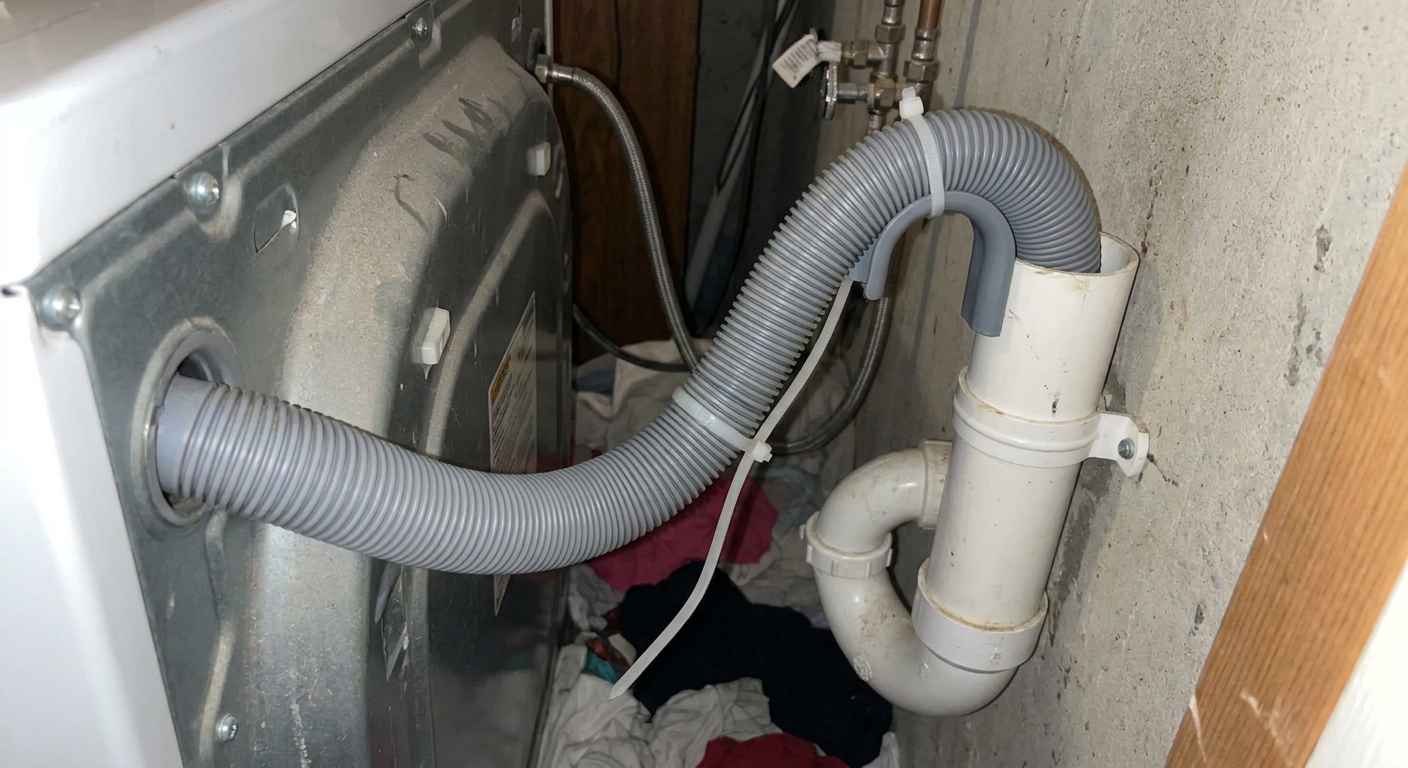
Start with the drain hose and standpipe
- Look for kinks behind the machine. A slight pinch can cut flow a lot.
- Check hose height. Standpipe height requirements vary by model. The safest move is to check your manual (many machines specify a minimum and maximum height). Too low can contribute to siphoning or poor drain behavior. Too high can make the pump struggle.
- Make sure it is not shoved airtight into the standpipe. You need an air gap so it can breathe and avoid siphoning.
Fast DIY drain test (no disassembly)
Safety first: keep a bucket and towels handy. If you are not comfortable moving the washer, skip this and focus on the filter checks.
- Set the washer to Drain and Spin.
- Watch the discharge at the standpipe or laundry sink.
- What you want: steady, strong flow that does not repeatedly surge, slow down, or stop.
- If flow pulses or is weak, suspect a partial clog, lint buildup, or a tired pump.
4) Clean the filter or coin trap
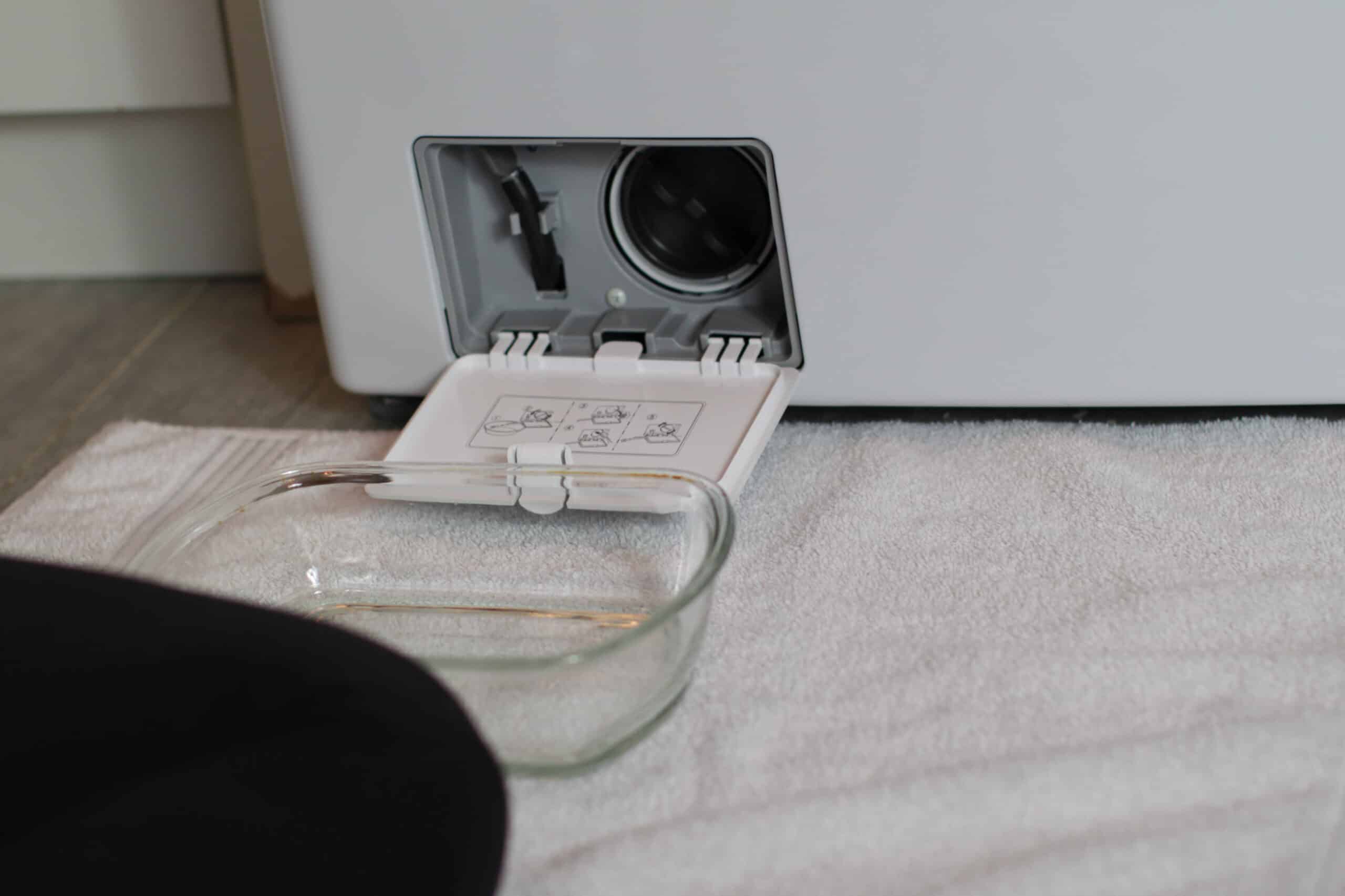
If you have a front-load washer, there is often a small access door at the lower front that hides a drain filter or coin trap. When it clogs with lint, hair, baby socks, or coins, the washer may still drain somewhat but not enough to allow a full-speed final spin. Many HE top loaders have a similar trap or an accessible pump intake, but the access point varies by model.
What you need
- Shallow pan or baking dish
- Old towels
- Gloves
- Flashlight
Steps
- Unplug the washer.
- Open the lower access door.
- If there is a small drain tube, use it to drain into a pan first.
- Slowly unscrew the filter cap. Water will come out.
- Remove debris and rinse the filter.
- Look into the cavity for obstructions around the pump inlet.
- Reinstall the filter snugly, close the door, and run a Rinse and Spin test.
5) Check cycle and spin settings
This sounds basic, but I have seen it bite people after a power outage or after someone else in the house used a gentle cycle. Some cycles intentionally end with a lower spin speed.
- Delicate and hand-wash cycles often use a reduced final spin.
- Speed wash can under-extract heavy fabrics.
- Extra rinse plus a heavy load may reduce final spin if the machine detects imbalance or oversuds.
What to try
- Choose a normal cycle and manually set Spin: High if your washer allows.
- For towels and jeans, use Heavy Duty or Towels and select High spin.
- If your machine has it, run Drain and Spin after the wash cycle as a one-time rescue.
6) Unbalanced protection
If your washer thumps around or shifts during spin, it may be protecting itself by lowering the spin speed. You hear spinning, but it never ramps up to the fast extraction stage.
Quick checks
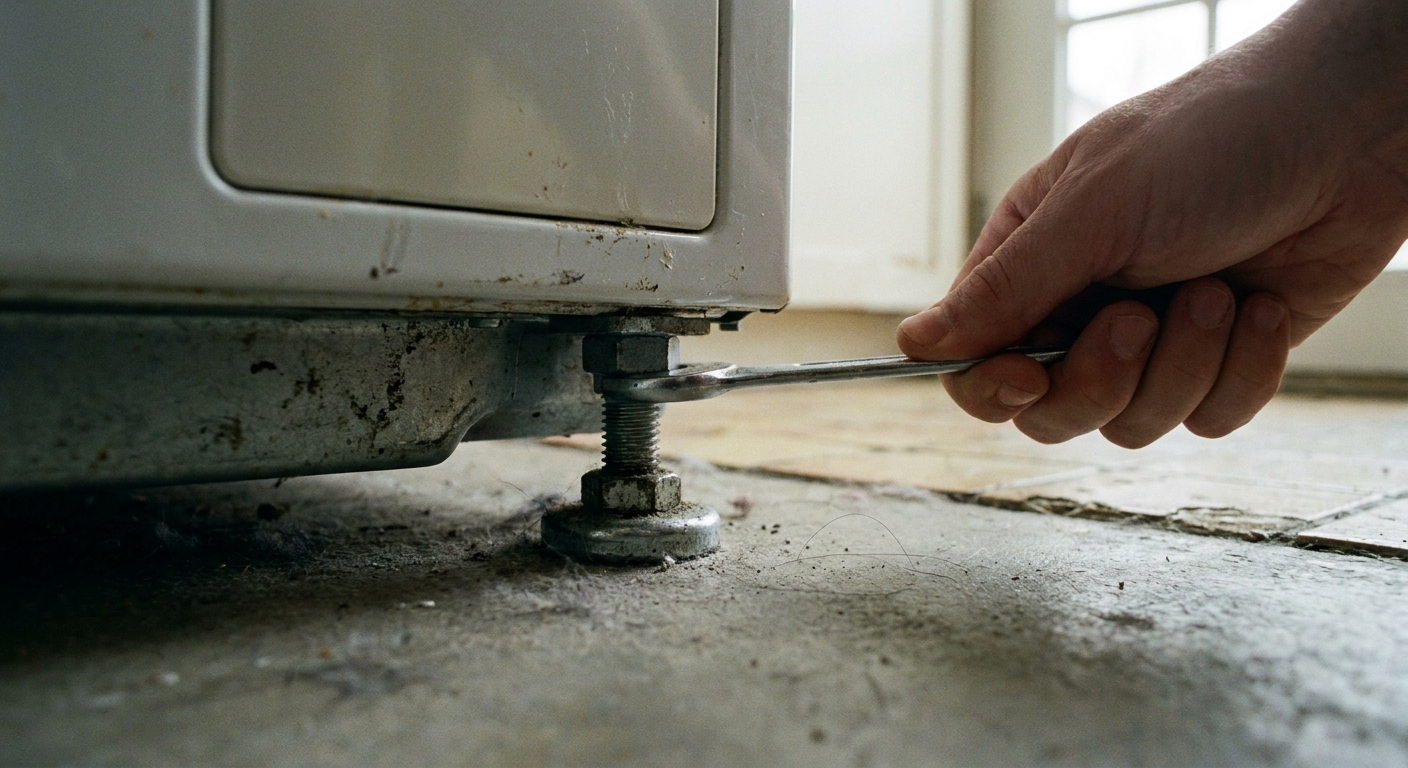
- Is the washer level? Put a small level on the lid or top. Adjust the feet until it is stable.
- Does it rock? If you can push a corner and it teeters, fix that first. A rocking washer rarely reaches full spin.
- Floor flex matters. Old wood floors can bounce. If possible, position the washer so it sits across joists or add a stiffening platform.
If you have a top-load washer
Worn suspension rods can let the tub swing too freely. The machine will keep attempting to correct the imbalance and then settle for a slower spin. If the tub feels unusually loose or you see it leaning, suspension parts are worth investigating.
7) Check for water coming back in
If the clothes are dripping but you are sure the washer hit a strong spin, it is worth checking whether water is re-entering the tub.
- Slow-dripping inlet valve can let water seep in after the spin. You might notice the tub slowly refilling when the washer is off.
- Backflow from the drain can happen if the standpipe or household drain line is partially clogged and water burps back toward the washer.
Simple check
- After the cycle ends, wait 10 to 15 minutes and look inside. If you see fresh water, suspect the inlet valve or drain backflow.
8) Quick spin test
If you keep landing on soaking-wet clothes and the easy fixes are not changing anything, I like to do one more simple test before I start blaming parts.
What to do
- With the tub empty, run Drain and Spin (or Spin Only).
- Listen for a smooth ramp-up. A healthy washer usually builds speed steadily.
What it tells you
- Smooth and strong empty, but poor extraction only with certain loads points back to balance, suds, or load size.
- Struggles to ramp, squeals, or smells hot points toward a slipping drive system, a weak motor start, or another mechanical issue that shows up under speed.
When it is time to consider parts
If you have verified the load is balanced, suds are under control, the drain path is clear, and the machine still will not extract water, then it is reasonable to suspect a component that prevents a full-speed final spin or strong drain.
Common part-related causes
- Weak drain pump: drains, but slowly. The machine may time out of the final extraction stage.
- Lid lock or door lock issues: the washer may spin but refuse the highest speeds if it cannot confirm a secure lock.
- Belt, splutch, clutch, or hub wear (common on many top-load designs): the basket spins, but slips under load and cannot reach full RPM.
- Pressure switch or water level sensor: the washer “thinks” water remains and limits the spin.
- Motor, capacitor, or motor control issues: inconsistent ramp-up to high speed or failure under load.
Symptom clues that help narrow it down
- Squealing, burnt rubber smell, slow start to spin: belt or clutch or splutch slipping (top-loaders especially).
- Humming during drain but little water moving: pump is jammed, the impeller is damaged, or there is a clog at the pump intake.
- Lock light blinking or error codes tied to the door or lid: lock or latch circuit can keep high-speed spin from engaging.
- Basket seems to “freewheel” or never gets firm on some top-loaders: basket hub or drive block wear can reduce real spin speed even if you hear motion.
My thrifty rule: do the drain and suds checks first. Replacing a pump or control board because of a clogged coin trap is an expensive way to learn a lesson.
Safety notes
- Unplug the washer before removing panels or reaching near the pump or motor.
- Turn off the water supply valves if you will move the machine or disconnect hoses.
- Expect water. Keep towels and a shallow pan handy when opening a filter or pump area.
FAQ
Why are my clothes still wet if the washer spun?
Most often, the washer did not drain fast enough or it never reached full spin speed due to an unbalanced load or too many suds. You can hear spinning even when it is a low-speed spin that will not extract much water.
Can too much detergent cause soaking wet clothes?
Yes. Excess suds can cushion the load and interfere with draining and high-speed spin. Run a rinse and spin with no detergent and reduce detergent going forward.
Should I run an extra spin cycle?
As a one-time rescue, yes. Use Drain and Spin or set the spin to high. If you have to do it every load, treat it as a symptom and work through the checklist.
What is the most common DIY fix?
Redistributing the load and cleaning the drain filter or coin trap are the biggest “no parts” wins I see.
The 30-Second Cheat Sheet
Essential takeaways for: Washer Spins but Clothes Are Still Soaking Wet
Most likely causes (in order)
- Unbalanced or bulky load so the washer never reaches high-speed final spin
- Too many suds (wrong detergent or overdosing) causing a suds lock
- Partial drain restriction (kinked hose, clogged standpipe, clogged filter or coin trap)
- Slow drain pump or a lock or sensor issue that limits high-speed spin
30-second check order
- Rebalance the load and rerun Drain and Spin with a small test load.
- If you see foam, run Rinse and Spin with no detergent and cut detergent use next time.
- Inspect the drain hose for kinks and confirm steady flow into the standpipe or sink.
- Clean the front-load drain filter or coin trap if your washer has one.
- Confirm Spin: High is selected on the cycle you are using.
- Level the washer and stop any rocking or walking.
Tools and supplies
- Towels and a shallow pan
- Flashlight
- Gloves
- Small level
When to suspect parts
- Drain flow is weak even with a clear hose and clean filter
- Washer spins but never ramps up to a strong, steady high speed
- Water reappears in the tub after the cycle ends
Safety
- Unplug the washer before opening panels or the drain filter area.
- Expect water when you open a filter or pump access.
💡 Tip: Scroll up to read the full article for detailed, step-by-step instructions.
⬆️ Back to top
About Marcus Vance
Content Creator @ Grit & Home
Marcus Vance is a lifelong DIY enthusiast and self-taught home renovator who has spent the last decade transforming a dilapidated 1970s ranch into his family's dream home. He specializes in budget-friendly carpentry, room-by-room renovations, and demystifying power tools for beginners. Through his writing, Marcus shares practical tutorials and hard-learned lessons to help homeowners tackle their own projects with confidence.