
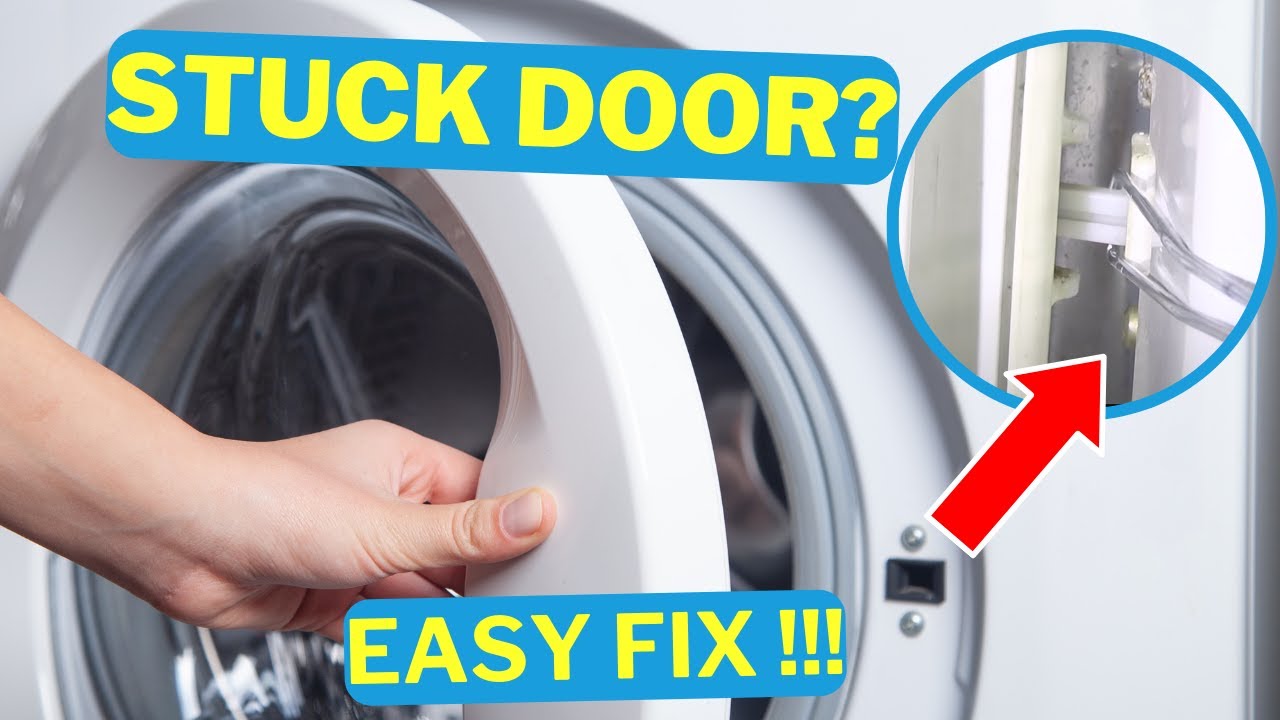
A locked washer door is one of those problems that feels urgent, even when it is usually a simple safety feature doing its job. Front-loaders typically lock the door when the drum is spinning, the cycle is not finished, or the machine thinks there is water in the tub. Sometimes the tub is actually empty, but a water-level sensor or pressure switch issue makes it read as full, so it stays locked anyway.
Below is the safe, do-this-first sequence I use in my own laundry room. We will cover the quick resets, the drain-and-unlock routine, the manual emergency release (when your model has one), and the common failure points like a worn latch or a glitchy control board.
Before you try anything: avoid two big mistakes
- Do not pry the door open. You can crack the door, bend the hinge, snap the latch, and turn a simple fix into a parts order. On many machines, visible force damage to the lock or bezel can also complicate warranty claims and may be grounds for denial.
- Do not force it if there is water inside. If the tub is even partly full, opening the door can dump several gallons onto your floor in seconds.
If you smell burning, see smoke, or the washer is making loud electrical buzzing from the lock area, unplug it and stop here. That is time to call a technician.
One more safety note: If your unit is stacked, on a pedestal, or tucked into a tight closet, make sure it is stable before you kneel, tug on panels, or pull hoses.
Quick checks that unlock a lot of doors
1) Wait out the safety delay
Many washers keep the door locked for about 1 to 5 minutes after the cycle ends. If you just heard the final chime, give it a few minutes before troubleshooting.
2) Cancel the cycle the right way
Try Pause/Cancel or press and hold Start/Pause for about 3 to 5 seconds (varies by brand). Some models need two presses: one to pause and one to cancel and drain.
3) Power reset
- Turn the washer off.
- Unplug it (or flip the breaker) for about 1 to 5 minutes.
- Plug it back in and try a Drain/Spin or Rinse/Spin cycle.
I have had control panels “forget” they finished. A power reset often clears the stuck state.
4) Child lock or control lock
If the buttons will not respond or a lock icon is lit, you may have Control Lock on. Look for a small icon or text like “CL” and hold the labeled buttons (often two buttons) for a few seconds.
5) If the power went out mid-cycle
If you had a power outage or the plug got bumped mid-wash, the door may stay locked until the machine can confirm it is drained and safe. In that case, go straight to the drain steps below.
The safest fix: drain it, then unlock
If the door is locked because the washer thinks there is water in the tub, the fastest path to an unlock is almost always: drain the water, then let the lock release.
What you need
- Old towels
- A shallow pan or baking dish
- Optional: a wet-dry shop vac
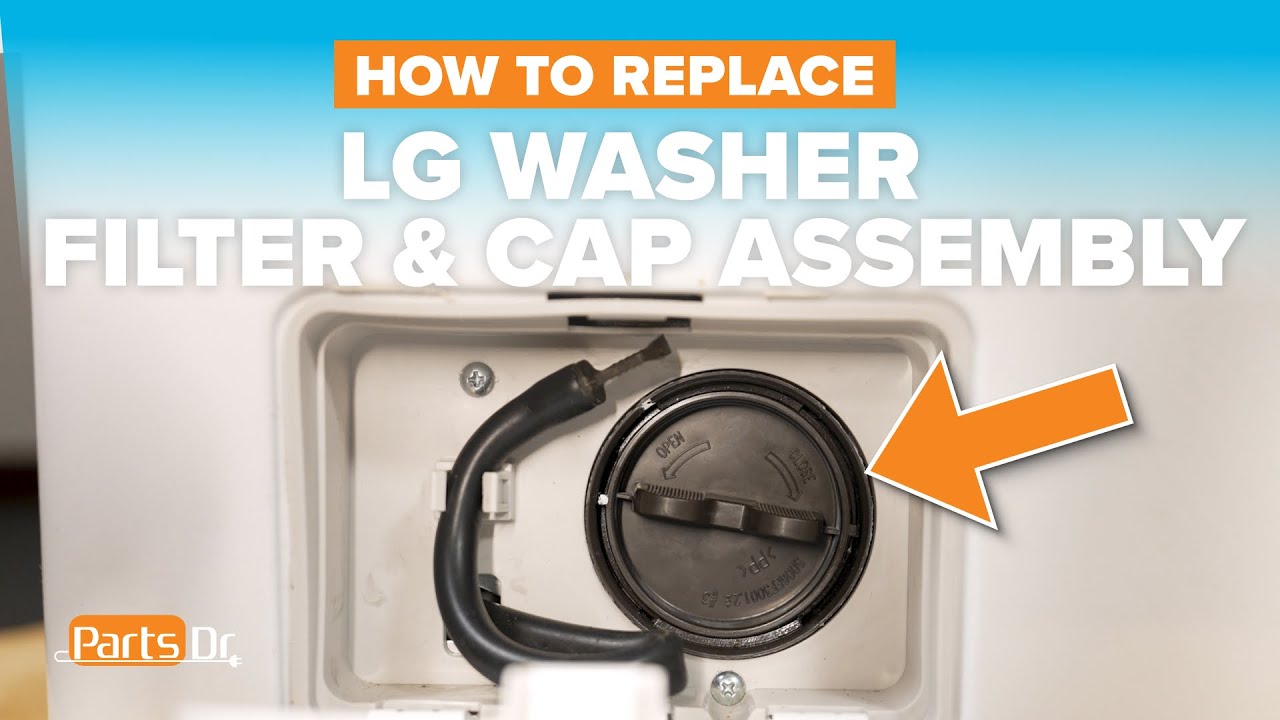
Step-by-step: use the pump filter area
- Unplug the washer. You will be working near water and electrical parts.
- Open the lower front access panel. Some pop off; some use a few screws.
- Find the small drain hose (if your model has one). Pull it out, remove the cap, and drain into a pan. Pinch it shut between pans if needed.
- If there is no little hose, loosen the pump filter slowly. Turn it counterclockwise just a bit and let water trickle out. This is slow, but it prevents a sudden flood.
- Keep a hand on the cap as pressure releases. On some machines, the filter can pop outward as water starts moving, so control it and go a little at a time.
- Once drained, remove and clean the filter. Expect lint, coins, a baby sock, or two. Clean the filter and the cavity it screws into.
- Reinstall the filter snugly. Hand-tight is usually enough. Do not over-tighten.
- Plug the washer back in and try unlocking. If it stays locked, run a Drain/Spin for 1 to 2 minutes, then cancel and wait for the click.
Why this works: the door lock is controlled by a sensor loop. If the machine sees “water present” or “not fully drained,” it keeps the door locked even if the cycle is technically over. A faulty pressure switch, a clogged pressure hose, or a water-level sensor problem can also make it think water is present when it is not.
Manual emergency release: when it will not cooperate
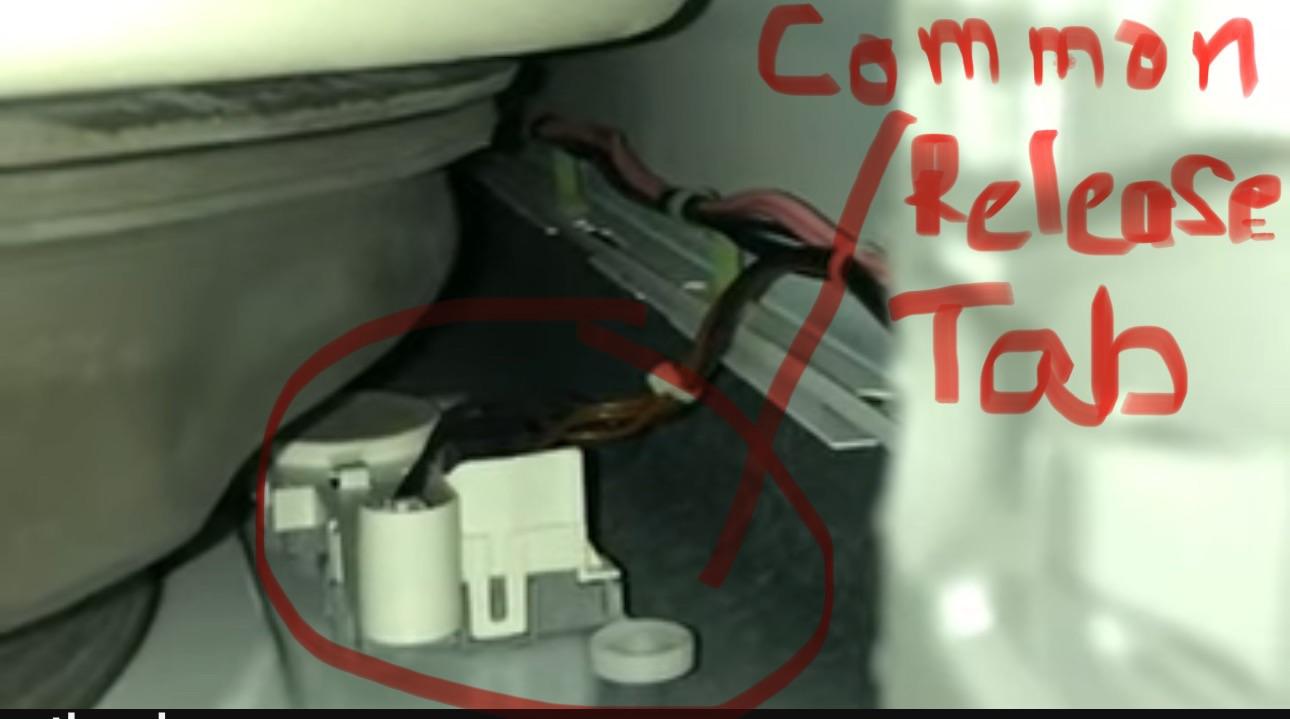
Many front-load washers have a manual door release designed for exactly this problem. It is often behind the lower access panel, near the drain pump and filter. It might be a small pull tab, a loop, or a lever. Some models hide it elsewhere, and a few do not provide an easy-access tab at all.
How to use it safely
- Confirm the tub is drained. If you skip this, you risk a laundry-room flood.
- Unplug the washer. This prevents the lock from re-energizing while you are working.
- Locate the release. Look for a bright-colored tab or a small ring attached near the lock mechanism.
- Pull gently but firmly. You are aiming for a smooth pull, not a yank. You should feel the latch release.
- Open the door slowly. If water starts to spill, close it and drain more from the filter area.
If you cannot find the release, check your owner’s manual for “emergency door release” or search your model number plus that phrase. Some brands place it behind the detergent drawer area or under the top panel.
If it keeps happening: what is failing
Once you get the door open, the next question is whether this was a one-off glitch or a part starting to fail. Here are the common culprits I see.
Door latch is not lining up
- Symptoms: Door has to be lifted or slammed to start. Lock errors come and go. Door feels “droopy.”
- Check: Look at hinge screws and door sag. Confirm the latch hook is not cracked and the strike plate is not loose.
- Fix: Tighten hinge screws. If the plastic latch hook is worn or cracked, replace it.
Bad door lock assembly
- Symptoms: You never hear the normal lock click. Door stays locked even when empty. Error codes related to “door,” “lock,” or “lid” (varies by brand).
- What it is: The lock assembly is a small electronic part that often uses a solenoid, a wax motor, or a similar actuator plus a switch that tells the control the door is locked.
- Fix: Replacement is usually straightforward, but it does require removing the spring clamp around the door boot and working near wiring. If you are not comfortable, this is a reasonable service call.
Drain problem causing “won’t unlock”
- Symptoms: Wet clothes, water left in tub, door stays locked, you may hear the pump hum.
- Check: Clean the pump filter again and inspect for debris in the impeller area. Also check the drain hose for kinks and the standpipe for clogs.
- Fix: Clear the blockage. If the pump hums but does not move water, the pump may be failing.
False “water present” reading
- Symptoms: Tub looks empty, but the door stays locked and the machine acts like it cannot drain or finish.
- Check: This can be a pressure switch, a blocked pressure hose, or a water-level sensor problem. Sometimes soap residue or lint in the air dome system causes weird water-level behavior.
- Fix: If a reset and a drain attempt do not change anything, this is usually a technician diagnosis unless you are comfortable accessing the pressure hose and testing the switch.
Control error after cycle ends
- Symptoms: Cycle shows finished but door remains locked. No water in tub. Buttons may act weird.
- Try: Power reset, then run a short Rinse/Spin and cancel. This often forces the control to complete the unlock routine.
- If it returns: You may be looking at a failing control board, user interface, or lock feedback switch.
When forcing it risks flooding or warranty trouble
Here is my rule of thumb: if you still have water in the tub and you cannot drain it through the filter area without a mess, slow down and protect your floor first.
- Flood risk is high if the water line is above the bottom of the door opening. Even a couple of inches can pour out fast.
- Warranty risk is high if the machine is still under manufacturer coverage and you are considering prying, drilling, or disassembling beyond access panels. Physical damage to the door, latch, or bezel can be used as a denial point.
If the washer is under warranty and the door is locked with clothes trapped, use the filter drain method and the built-in emergency release (if your model has it). If those do not work, call the brand service line and document what you tried.
Troubleshooting: what to do next
Door locked and there is water inside
- Unplug washer
- Drain from the small hose or pump filter
- Clean the filter
- Try unlock or use emergency release
Door locked but the tub is empty
- Wait a few minutes
- Power reset for 1 to 5 minutes
- Run Drain/Spin for 1 to 2 minutes then cancel
- Use emergency release
- If it repeats, suspect lock assembly, pressure switch sensor loop, or control issue
Washer will not start and also will not unlock
- Check Control Lock / Child Lock
- Confirm door is fully closed and not sagging
- Listen for the lock click when starting
- If no click, suspect door lock assembly
Simple prevention that helps
- Clean the drain pump filter every 1 to 3 months. If you wash pet beds, kids clothes, or anything with strings, do it more often.
- Empty pockets. Coins and hairpins love to migrate into the pump filter and cause drain problems that keep the door locked.
- Do not slam the door. Close it firmly, but slamming wears the latch and can knock alignment off over time.
- Level the washer. Excess vibration during spin can loosen hinge hardware and stress the lock.
When to call a pro
Call for service if any of the following are true:
- The door remains locked even after draining and using the emergency release.
- You repeatedly get door lock related error codes.
- The washer will not drain and you suspect a failing pump or an internal blockage.
- You see melting, scorching, or smell hot electrical odor near the lock.
My neighbor-to-neighbor advice: if you have done the drain routine cleanly and the lock still will not behave, replacing the door lock assembly is often the next step. It is not the most expensive part, but it is also not a place where you want to guess with forced entry.

About Marcus Vance
Content Creator @ Grit & Home
Marcus Vance is a lifelong DIY enthusiast and self-taught home renovator who has spent the last decade transforming a dilapidated 1970s ranch into his family's dream home. He specializes in budget-friendly carpentry, room-by-room renovations, and demystifying power tools for beginners. Through his writing, Marcus shares practical tutorials and hard-learned lessons to help homeowners tackle their own projects with confidence.