
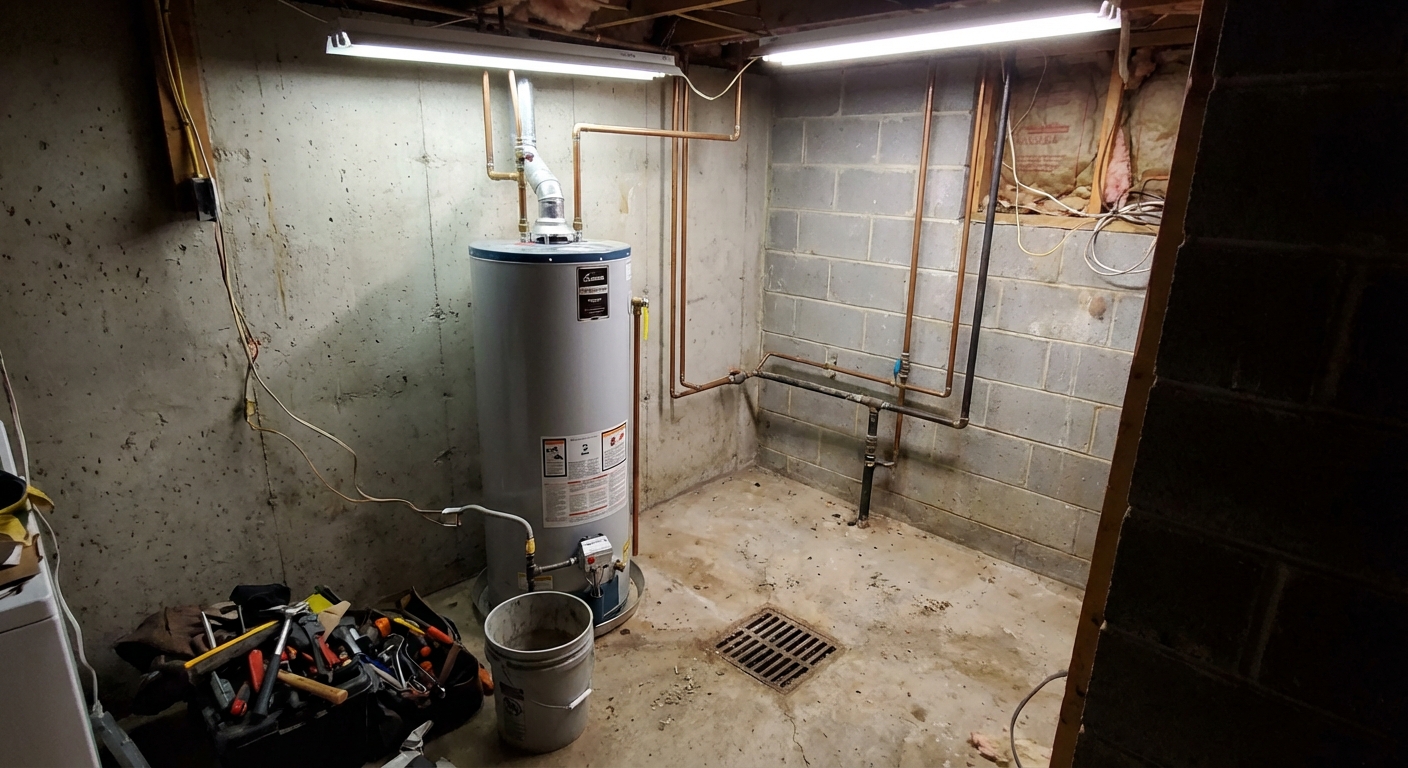
If your hot water suddenly smells like rotten eggs, you are not imagining it. That sulfur smell is a very common water-heater complaint, especially with well water, and it usually has a fix that does not require replacing the whole tank.
In many homes, the culprit is a simple but stinky reaction: sulfur-reducing bacteria interacting with the anode rod inside your water heater. The good news is you can typically solve it with a one-two punch: sanitize the tank and then swap the anode rod if needed.
What causes the rotten egg smell?
That “rotten egg” odor is most often hydrogen sulfide gas. There are a few ways it can show up in a home, but the water heater is a frequent suspect because it is warm, dark, and holds water for long periods.
The most common cause: bacteria + magnesium anode rod
Most tank-style water heaters include a magnesium anode rod. Its job is to sacrifice itself so your steel tank does not rust out. In certain water conditions, sulfur-reducing bacteria can take advantage of that anode reaction and produce hydrogen sulfide gas. You notice it when you run hot water.
Other possibilities to rule out
- It smells in cold water too: The odor may be coming from your water source (well or municipal), not the heater.
- Only one faucet smells: That fixture may need its aerator cleaned, or the drain may be giving off sewer gas that you notice when water runs.
- New anode, still smells: You may have heavier bacterial growth, a well issue, or high sulfate levels that need a different approach.
Quick safety note: At typical household levels this smell is usually more gross than dangerous, but do not brush off an extreme odor. If the smell is intense enough to cause nausea or headaches, or you are seeing blackened fixtures, corrosion, or other water-quality changes, get the water tested and bring in a pro.
Quick check: is it the heater?
Before you buy parts, do this simple sniff test. This step can prevent a wasted trip to the hardware store.
- Use the same faucet for both tests.
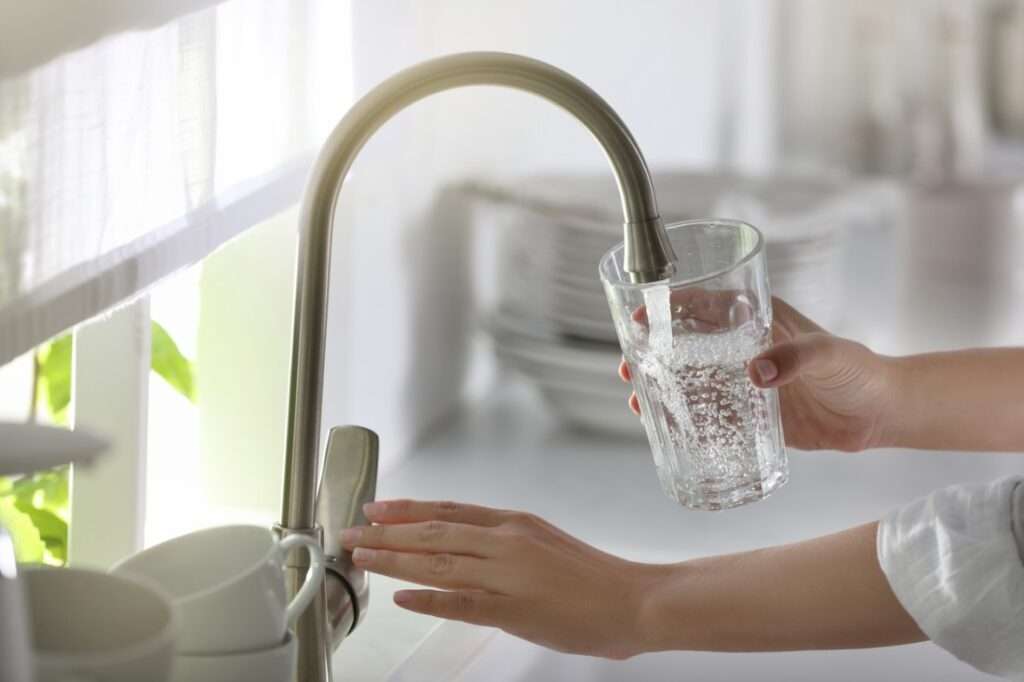
- Run cold water for 30 seconds. Fill a glass, step away from the sink, and smell the water (not the drain).
- Run hot water at the same faucet until it is fully hot. Fill a second glass, step away from the sink, and smell it.
- Compare:
- If only hot smells, your water heater is the likely source.
- If hot and cold both smell, look upstream (well treatment, whole-house filtration, municipal water issue).
Safety first
- Do not ignore a fuel-gas smell near the heater itself. If you smell natural gas or propane (not sulfur), leave the area and contact your gas utility or a plumber immediately.
- Do not crank the temperature up as your main strategy. Higher temps can reduce bacteria, but it also increases scald risk and can stress older plumbing.
- Do turn off power or gas before draining or servicing a tank. Electric elements can burn out if they run dry.
Temperature reality check: Many homes keep delivery temperature around 120°F to reduce scalding. Some public-health guidance recommends higher storage temperatures (often 140°F) to reduce Legionella risk, typically paired with a mixing or tempering valve to deliver safer tap temps. If you plan to change temperature settings, especially long-term, talk to a plumber.
Fix #1: Flush and sanitize with hydrogen peroxide
If the smell is coming from the tank, sanitizing is a solid first step. Hydrogen peroxide is commonly used for this because it is effective and breaks down into water and oxygen.
What you will need
- 3% hydrogen peroxide (typical pharmacy strength)
- Garden hose
- Bucket (optional, for checking sediment)
- Adjustable wrench or screwdriver (depends on your drain valve)
- Socket and breaker bar (optional now, but useful if you add peroxide through the anode port)
- Thread seal tape or pipe dope (recommended for any fittings you disconnect)
How much hydrogen peroxide? Common homeowner guidance is in the range of 1 to 2 quarts of 3% hydrogen peroxide for a typical 40 to 50 gallon tank, but dosing varies by source and situation. If you want a by-the-book approach, check your heater manufacturer guidance or ask a local plumber, especially if you have unusual water chemistry.
Step-by-step (tank water heater)
- Turn off the fuel source.
- Electric: switch off the breaker.
- Gas: set control to “pilot” or “off” (follow your unit’s instructions).
- Turn off the cold water supply to the heater.
- Relieve pressure by opening a hot water faucet somewhere in the house.
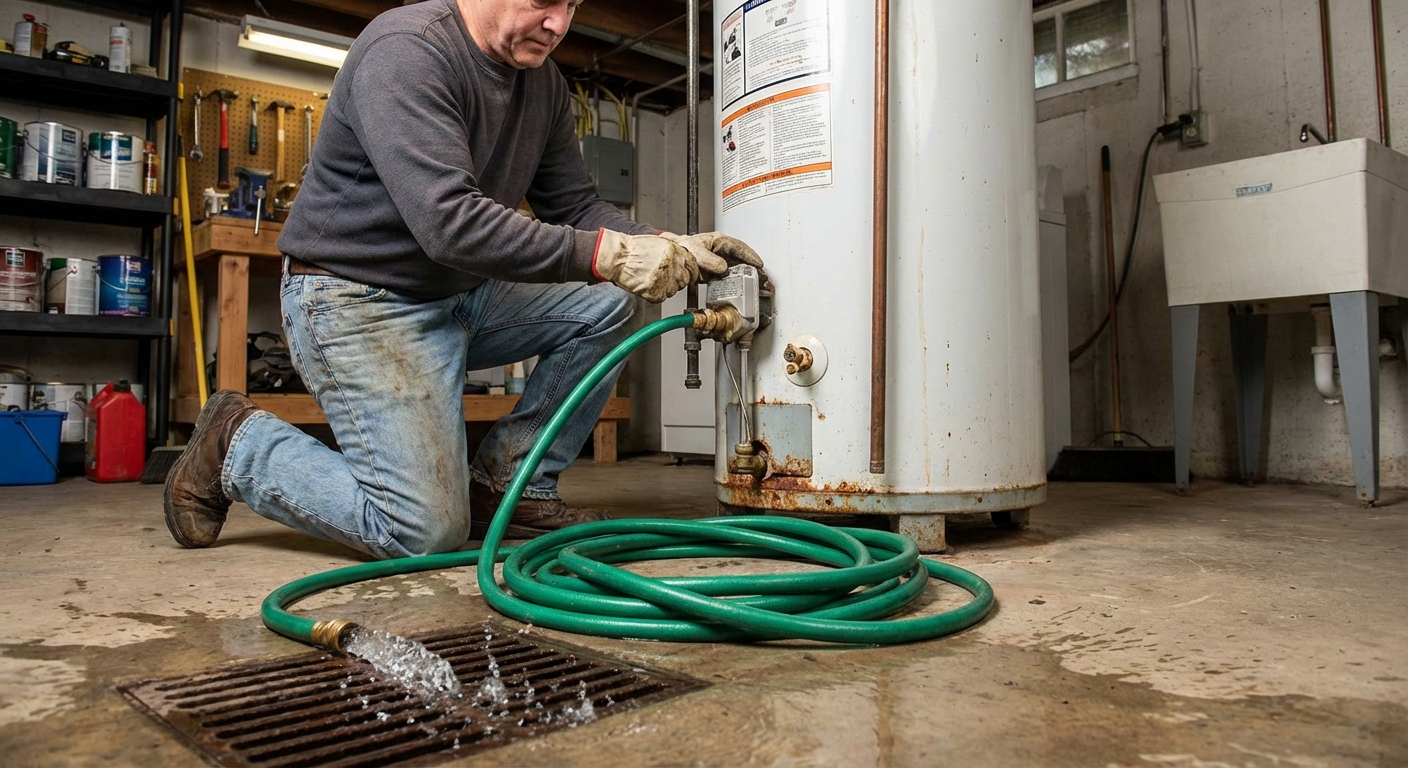
- Drain a few gallons from the tank using the drain valve and a hose to a floor drain or outside. You do not need to empty the entire tank, but you do want room to add peroxide.
- Add hydrogen peroxide to the tank (easiest options).
- Often the easiest method is through the anode rod opening at the top of the tank. This also sets you up nicely for Fix #2 if you decide to replace the anode right after.
- If your setup includes a dedicated access point (rare, but some plumbing configurations do), you can use that instead.
- I generally avoid recommending that beginners disconnect the hot water outlet unless they are comfortable re-sealing threaded fittings. If you do disconnect any threaded connection, reassemble it with thread seal tape or pipe dope as appropriate, and check carefully for leaks after.
- Refill the tank by turning the cold supply back on.
- Let it sit for at least 2 to 3 hours. Overnight is fine if the odor is stubborn and you can go without hot water.
- Flush the system. Run hot water at a tub faucet until the peroxide smell is gone, then drain a few more gallons from the tank until the water runs clear.
- Restore power or gas only after you are sure the tank is full. Turn on a hot faucet until the air sputtering stops first.
My rookie mistake: The first time I flushed a heater, I forgot to open a hot faucet to relieve pressure. The tank drained slowly and I thought the drain valve was clogged. It was just fighting vacuum. Open a hot tap and life gets easier.
Optional tactic (use with care): A documented plumbing method is a temporary “thermal shock,” where you raise the tank to about 160°F for a few hours, then flush. This can help knock back odor-causing bacteria, but it is also a scalding hazard. If you try it, keep kids and older adults away from hot taps, consider shutting off the heater to fixtures during the treatment if possible, and flush carefully. When in doubt, skip this and call a plumber.
Fix #2: Swap the anode rod
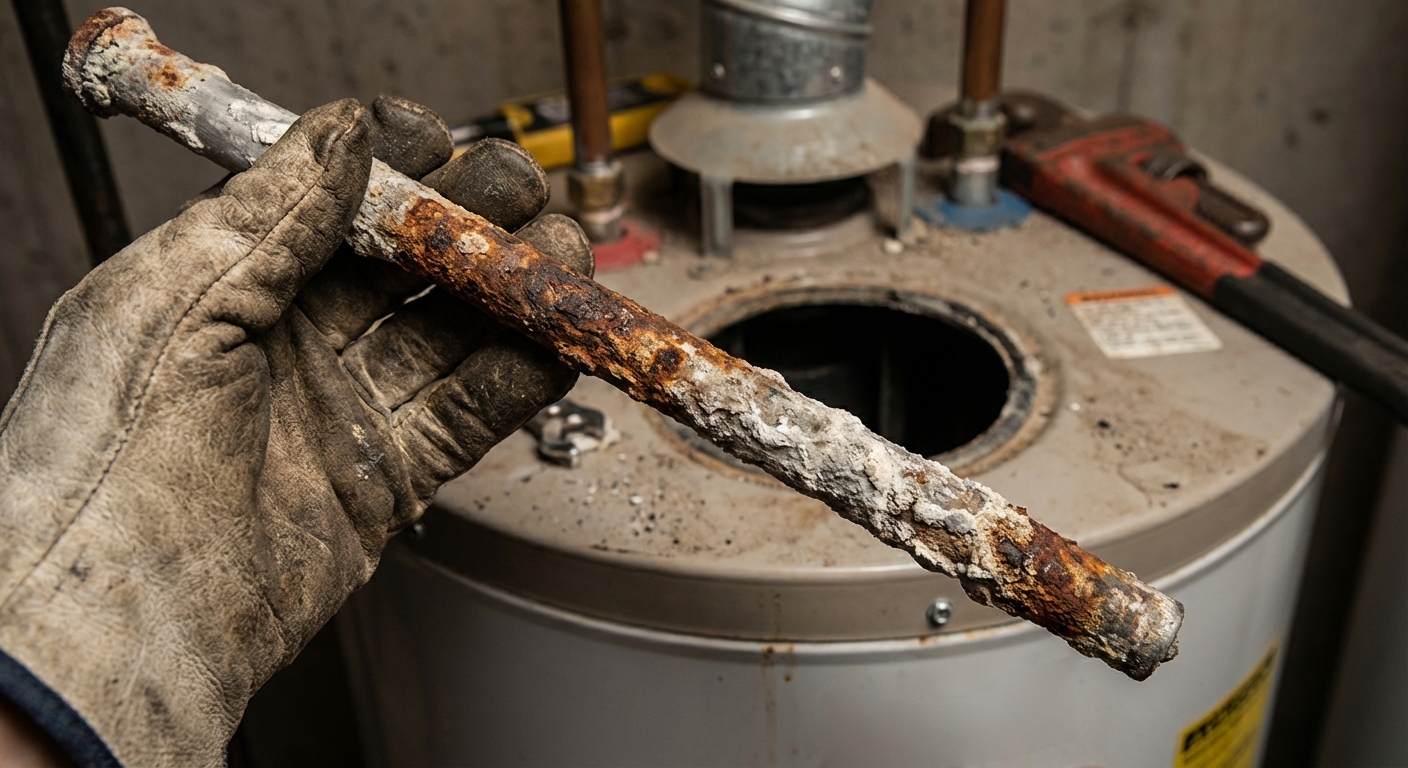
If the smell comes back soon after sanitizing, the anode rod is usually the long-term lever. Magnesium anodes protect tanks very well, but they are more likely to contribute to odor problems in certain water conditions.
What to replace it with
- Aluminum anode: Often reduces odor compared to magnesium, but compatibility depends on your water chemistry and local guidance.
- Aluminum-zinc anode: A common recommendation for sulfur odor control. Zinc can help inhibit bacterial activity.
Note: Anode choice can depend on your water chemistry and manufacturer recommendations. Some areas and some situations discourage aluminum. If your heater is under warranty, check the manual before swapping parts.
How to swap an anode rod (high level)
Reality check: This can be a tough job. Plan for tight threads, limited clearance, and the possibility that you need an impact wrench. If you are not comfortable, it is a very reasonable plumber call.
- Turn off power or gas and the cold water supply.
- Relieve pressure at a hot faucet.
- Drain a few gallons so the water level drops below the anode port (usually on top of the tank).
- Locate the anode (top of tank, sometimes under a plastic cap). It is typically a hex head.
- Loosen and remove using a socket (often 1 1/16 inch) and a breaker bar. These can be very tight.
- Install the new anode with thread seal tape or pipe dope if recommended, then tighten snugly.
- Refill and purge air from hot faucets before restoring power.
If you have low ceiling clearance, ask for a flexible anode rod. It bends as you insert it, which is a lifesaver in basements with ductwork overhead.
Keep it from coming back
- Flush some sediment from the tank a couple times per year. Sediment gives bacteria places to hang out and can worsen odors.
- Keep temperature reasonable and think in terms of both scald safety and bacterial risk. If you need higher storage temps, a mixing or tempering valve can help keep tap water safer.
- Test well water if you are on a well. High sulfates, iron bacteria, and other factors can feed ongoing odor issues.
- Replace the anode on schedule (often every 3 to 5 years depending on water conditions). A spent anode can shorten heater life.
When it is a bigger issue
Most stink issues are fixable DIY. A few situations deserve a faster call to a pro or a deeper look.
Call a plumber or water treatment pro if:
- The smell is in hot and cold water and especially if it is getting worse. That points to a source issue, not just the heater.
- You have well water and the odor is strong even after sanitizing the heater. You may need well shock chlorination or filtration designed for hydrogen sulfide.
- You see rusty water, frequent clogs, heavy black slime, or blackened fixtures. That can indicate iron bacteria, corrosion, or higher hydrogen sulfide levels that need targeted treatment.
- The water has an oily sheen or chemical smell. Treat that as a water-quality concern, not a typical anode problem.
- Your water heater is old and showing other symptoms (leaks, rumbling, inconsistent temperature). At that point, chasing odor might be throwing good money after bad.
If the source is your well
If your cold water also smells, the fix is usually upstream. Common whole-house approaches include aeration, oxidizing filters, catalytic carbon, or chlorination paired with filtration. A water treatment pro can match the solution to your sulfates, iron, and bacteria results.
What about tankless heaters?
Tankless units can still have odor problems, but the causes and fixes can differ (scale, biofilm, and source water issues are more common than an anode reaction, depending on the model). If you have tankless and only hot water smells, check your manual for cleaning and flushing steps, and consider a pro service if the smell persists.
FAQ
Is the sulfur smell dangerous?
In many household cases, the smell is unpleasant but not dangerous at typical concentrations. Still, it can signal water-quality issues, and hydrogen sulfide can be a bigger concern at higher levels. If odor is extreme, causes symptoms, or is accompanied by corrosion or black staining, get your water tested and call a pro.
Why does it smell worse in the morning?
Overnight, water sits in the heater and plumbing. Warm, stagnant conditions give the odor time to build. Running water clears it temporarily, but it will return until you address the cause.
Will replacing the water heater fix it?
Not always. If the smell is coming from your source water, a new heater can develop the same issue. That is why the hot versus cold test is step one.
Can I use bleach instead of hydrogen peroxide?
Some homeowners do, but I prefer pointing beginners to hydrogen peroxide for a water-heater odor treatment because it is simpler to work with and does not leave the same lingering chlorine smell. If you want to use chlorine, follow local guidance and manufacturer recommendations carefully.
The takeaway
If your hot water smells like rotten eggs, the most likely cause is sulfur-reducing bacteria reacting with a magnesium anode rod. Start by confirming the smell is only in hot water, then sanitize the tank with hydrogen peroxide (often easiest through the anode opening). If it returns, swap the anode to an aluminum or aluminum-zinc rod. And if the smell shows up in cold water too, is extreme, or comes with other water-quality red flags, it is time to look upstream and bring in a pro.

About Marcus Vance
Content Creator @ Grit & Home
Marcus Vance is a lifelong DIY enthusiast and self-taught home renovator who has spent the last decade transforming a dilapidated 1970s ranch into his family's dream home. He specializes in budget-friendly carpentry, room-by-room renovations, and demystifying power tools for beginners. Through his writing, Marcus shares practical tutorials and hard-learned lessons to help homeowners tackle their own projects with confidence.