
🚨 In a DIY emergency or rush?
Skip the details and jump straight to our 30-second cheat sheet for the most crucial info.
If you only think about your septic system when something smells weird, you're not alone. Most of us treat the tank like a buried mystery box that magically handles everything we send down the drain. The truth is simpler, and a lot less scary: septic tanks need regular pumping to remove built-up solids. Stay ahead of it, and you avoid the expensive stuff like drainfield damage, sewage backups, and emergency calls on a Sunday.
This article is about planned pumping. If you've already got sewage backing up into tubs or an alarm sounding, that's a different situation. Stop using water and call a septic pro right away.
Quick safety note: Never enter a septic tank (or even lean into an open one). Toxic gases can be deadly, fast. Keep lids secured and keep kids and pets away during service.
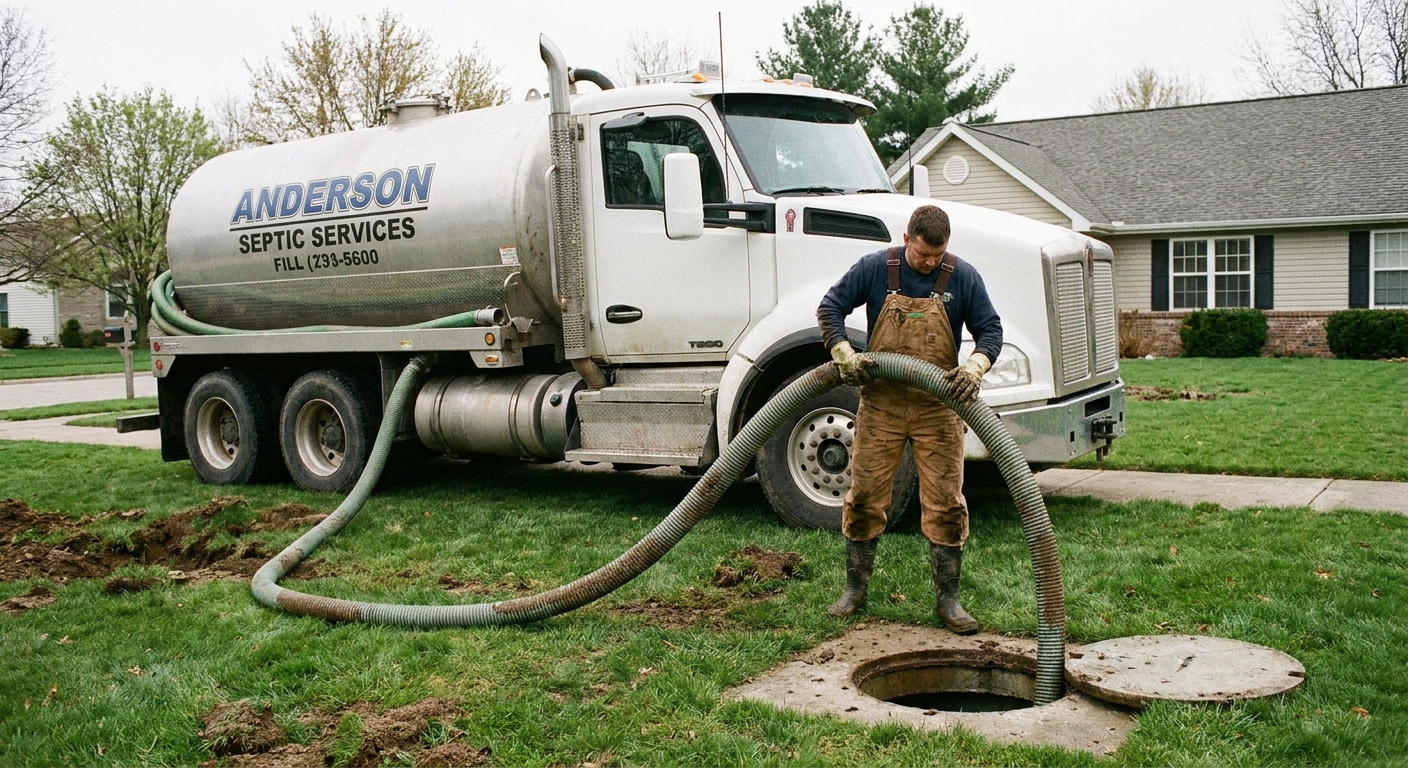
Quick answer: how often should you pump?
Most households land in the about every 3 to 5 years range. That's a widely used rule of thumb you’ll hear from septic pros and in homeowner guidance, but it isn't a promise, and local recommendations can vary.
Also, the best schedule isn't really a calendar schedule. It's a measured sludge and scum schedule. If a pro measures and records your levels, you'll know when you're actually getting close to the danger zone.
Your actual interval depends on four big factors:
- Tank size (gallons)
- Number of people using the system
- What goes down the drain (especially wipes, grease, and heavy disposal use)
- How much water you send through (leaks, long showers, lots of laundry)
One more factor that matters: your system type. Some setups (like aerobic treatment units, pump-to-field systems, mound systems, or systems with a separate pump chamber and alarms) can require routine service beyond just tank pumping. If you have an alarm or control panel, follow the manufacturer and local maintenance requirements.
Why pumping matters
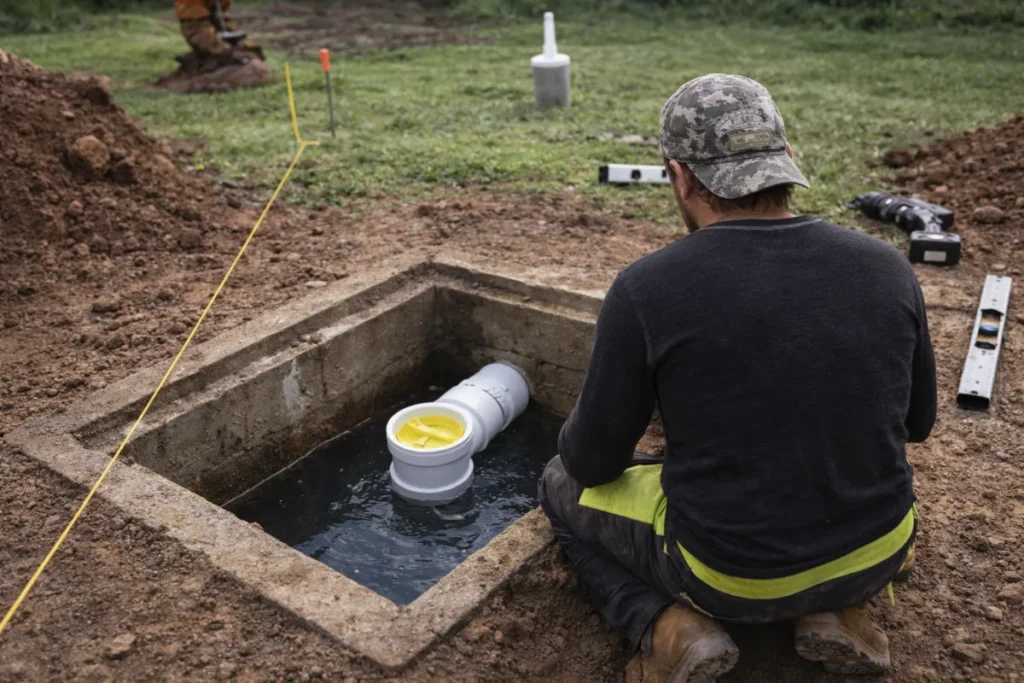
Your tank is basically a settling chamber. Wastewater comes in, solids sink (sludge), lighter stuff floats (scum), and the middle layer flows out to the drainfield (also called a leach field) for final treatment in the soil.
Pumping's primary job is removing sludge and scum so they don't build up to the point where solids start leaving the tank. Once solids get into the drainfield, you can clog the soil and pipes. That's where the big repair bills live.
Tank size and what it means
In general, a larger tank gives you more buffer time before sludge and scum reach the danger zone. A smaller tank fills up sooner, especially with a larger household.
Common residential tank sizes
- 750 gallons: sometimes seen on older or smaller homes, tends to need tighter scheduling
- 1,000 gallons: commonly used for many 3-bedroom homes (local codes vary)
- 1,250 gallons: common on larger homes or where codes require it
- 1,500 gallons+: larger households, higher use, or special site requirements
If you don't know your tank size, try these homeowner-friendly options:
- Check your as-built drawing or permit records with the county or health department.
- Look at paperwork from the last service if the previous owner kept it.
- Ask the pumping company to note the size after they locate and open it.
Usage: the real schedule changer
Two homes can have the same tank size and totally different pumping needs. What matters is how quickly solids accumulate and how much water pushes through the system.
Things that shorten your interval
- More people living in the home, including long-term guests
- Garbage disposal use, especially daily
- Non-flushable wipes, even if the package claims otherwise
- Grease and food scraps down the kitchen drain
- Frequent high-volume laundry days (back-to-back loads)
- Leaking toilets or faucets that keep water moving through the tank
Habits that can extend it
- Fixing leaks quickly and using water efficiently
- Spacing out laundry through the week
- Keeping grease, wipes, feminine products, and paper towels out of the system
- Limiting or avoiding garbage disposal use
My rule of thumb as a thrifty homeowner: if you want to pump less often, do the cheap stuff first. Stop feeding the tank junk and stop flooding it with unnecessary water.
Inspection vs pumping
This is where a lot of homeowners either overspend or accidentally roll the dice.
Septic inspection
An inspection checks the tank condition, measures sludge and scum levels, and looks at key components. It's often paired with pumping, but it doesn't have to be.
Septic pumping
Pumping is the physical removal of tank contents using a vacuum truck. It's routine maintenance, and it also creates a chance to see what's going on inside the tank.
So which do you choose?
- If it's been 3 to 5 years and you don't have records, pumping is usually a smart reset.
- If you pumped within the last couple years and you just want to confirm levels, an inspection may be enough.
- If you're buying a home, requirements vary. It's often recommended (and sometimes required by lenders, contracts, or local rules) to have the tank pumped and inspected so the condition can be evaluated more clearly. Check your local guidance.
Warning signs you're due
Some symptoms are classic “you're overdue” signals. Others can point to different problems, but either way they're worth a call.
1) Slow drains and frequent clogs
If multiple fixtures are draining slowly and the problem isn't just one bathroom sink trap, your tank could be too full. It can also be a main line clog, so don't assume, but do take it seriously.
2) Sewage odors inside or outside
Septic smells around the tank area, in the yard, or coming from drains can indicate the tank is full, the venting is off, or there's a leak. If it smells like sewage, treat it like a real data point, not “maybe it's just outside air.”
3) Standing water or soggy soil
Wet areas when it hasn't rained can mean the drainfield is struggling. Sometimes pumping helps if the tank was sending solids out. Sometimes the drainfield needs further diagnosis.
4) Extra-green grass over the drainfield
If one strip of lawn stays suspiciously lush, it may be getting “fertilized” by wastewater. That's not a win.
5) Gurgling in plumbing
Gurgling can come from partial blockages or venting issues, but in septic homes it's also a common early clue that the system isn't moving water the way it should.
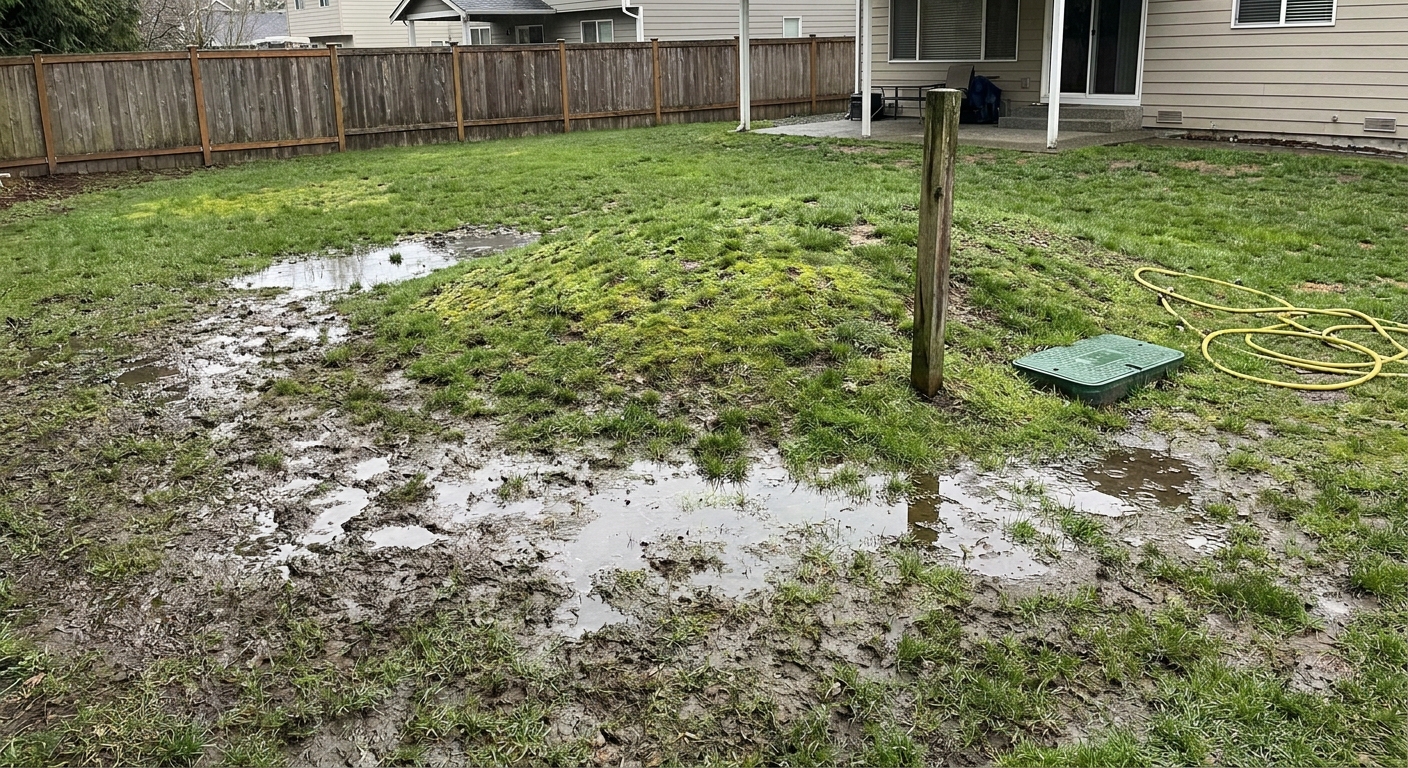
Important: If you're seeing backups into tubs or showers, that's urgent. Stop using water and call a septic professional.
Typical intervals by household
These are broad, real-world ranges, not a promise. The point is to help you pick a reasonable starting schedule if you don't have history yet. The gold standard is still having a pro measure sludge and scum and recording it.
- 1 to 2 people: often 4 to 6 years, depending on tank size and habits
- 3 to 4 people: often 3 to 5 years
- 5+ people: often 1 to 3 years, especially with a 1,000 gallon tank
If you use a garbage disposal daily, bump your plan toward the shorter end of the range.
Before you call
This is the part that saves you time, money, and frustration. A good septic crew can handle the unknowns, but you can make the visit smoother.
Homeowner checklist
- Find your records: last pump date, tank size, location notes, permit drawings.
- Locate the tank area if you can. Even “it's somewhere near that oak tree” helps.
- Clear access: move vehicles, unlock gates, pick up dog toys, clear snow if applicable.
- Know where your cleanout is if you have one, and keep it accessible.
- Keep kids and pets inside during service.
- Pause heavy water use the morning of the appointment if possible.
- Write down symptoms: odors, slow drains, wet spots, recent plumbing work, alarm events.
If your lids are buried deep and you want future service to be easier, ask about installing risers. It's one of those pay-once upgrades that makes every future visit faster and often cheaper.
What happens at a pump-out
If you've never watched a septic pump-out, it's pretty straightforward. A typical visit often looks like this:
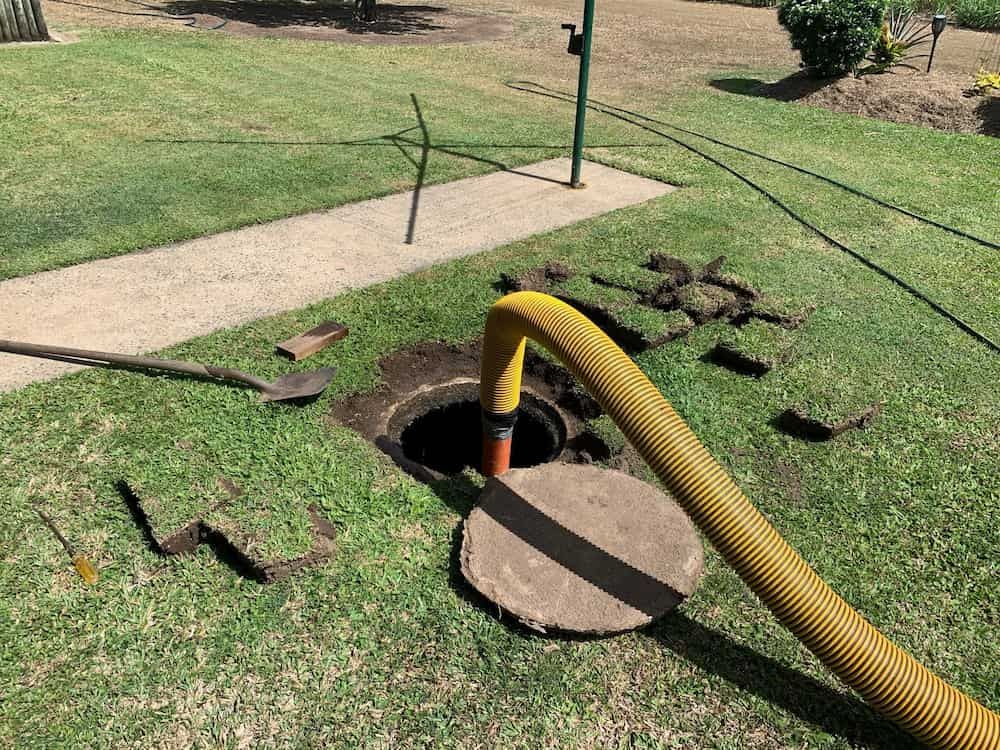
- Locate and uncover the lids (tank and sometimes a second compartment lid).
- Open the tank and do a quick visual check of levels and baffles.
- Pump out the contents using a large vacuum hose into the truck.
- Loosen thick solids if needed. Some crews add water or gently agitate to help remove compacted sludge. The goal is to remove solids, not push them toward the outlet or drainfield.
- Inspect key parts like inlet and outlet baffles or tees, and the tank condition.
- Close it up and note any recommendations.
Don't be surprised if they recommend repairs you can't see from above, like a damaged baffle or a missing effluent filter. Those pieces matter because they keep solids where they belong.
Effluent filters
If your system has an effluent filter at the outlet, it's there to catch small solids before they head to the drainfield. That's good news for your drainfield, but it also means the filter needs periodic cleaning.
- Some filters get cleaned during pumping visits.
- In higher-use homes, it may need cleaning between pump-outs.
- If you have a filter, ask your provider what cleaning interval makes sense for your household and whether it's a separate service.
Questions to ask
- Do you measure and record sludge and scum levels?
- Will you check the inlet and outlet baffles or tees?
- Do I have an effluent filter, and will you clean it during service?
- Can you note the tank size and draw a simple location sketch for my records?
- Do you recommend risers for easier access next time?
Myths that cause trouble
“I use additives so I never need to pump.”
Additives don't remove solids from the tank. Pumping removes solids. If someone tells you an additive makes pumping unnecessary, be skeptical.
“If it's not backing up, I'm fine.”
Backups are a late-stage symptom. The cheapest time to deal with septic maintenance is before the system forces you to.
“Pumping fixes drainfield problems.”
Pumping is maintenance and can relieve a tank that's too full, but it doesn't magically restore a failed drainfield. It can help prevent a drainfield from failing sooner, which is the whole point.
A simple schedule to follow
If you're starting from scratch and want a practical plan:
- Today: Find the tank location and any old records.
- Next service: Pump and request written notes on tank size, measured sludge and scum levels, and overall condition.
- Going forward: Put a reminder on your calendar for 3 years as a check-in point. At that point, decide whether you need an inspection, a pump-out, or just updated measurements based on your notes, household size, and habits.
That's the boring, responsible approach. And boring is exactly what you want from a septic system.
The 30-Second Cheat Sheet
Essential takeaways for: When to Pump Your Septic Tank
Typical pumping interval
- Most homes: about every 3 to 5 years (a common rule of thumb, but check local guidance)
- Smaller tanks, big families, heavy disposal use: often closer to 1 to 3 years
- Small household with a larger tank and good habits: sometimes 4 to 6 years
The best way to know
- Have a pro measure and record sludge and scum.
- A common best practice is to pump when combined sludge + scum is around 1/3 of the tank, or when solids are getting close to the outlet.
Signs you're due soon
- Multiple slow drains or frequent clogs
- Sewage odors inside or near the tank area
- Soggy soil or standing water near the drainfield
- Extra-green grass over the drainfield
- Plumbing gurgling
Inspection vs pumping
- Inspection measures sludge and checks components.
- Pumping removes sludge and scum, helping keep solids out of the drainfield.
- No records and it's been years: pump now and start tracking.
Before you call a pumper
- Find records: last pump date, tank size, permit drawing.
- Clear access for the truck and lids.
- Write down symptoms: odors, slow drains, wet spots.
- Ask them to record: tank size, sludge level, and any issues with baffles or an effluent filter.
When it's an emergency
- Sewage backing up into tubs, showers, or floor drains
- High-water or septic alarm sounding (for systems with alarms)
If that's you: stop using water and call a septic pro right away.
Safety basics
- Never enter a septic tank. Toxic gases can kill you.
- Keep lids secured, and keep kids and pets away during service.
💡 Tip: Scroll up to read the full article for detailed, step-by-step instructions.
⬆️ Back to top
About Marcus Vance
Content Creator @ Grit & Home
Marcus Vance is a lifelong DIY enthusiast and self-taught home renovator who has spent the last decade transforming a dilapidated 1970s ranch into his family's dream home. He specializes in budget-friendly carpentry, room-by-room renovations, and demystifying power tools for beginners. Through his writing, Marcus shares practical tutorials and hard-learned lessons to help homeowners tackle their own projects with confidence.