
What “too humid” means
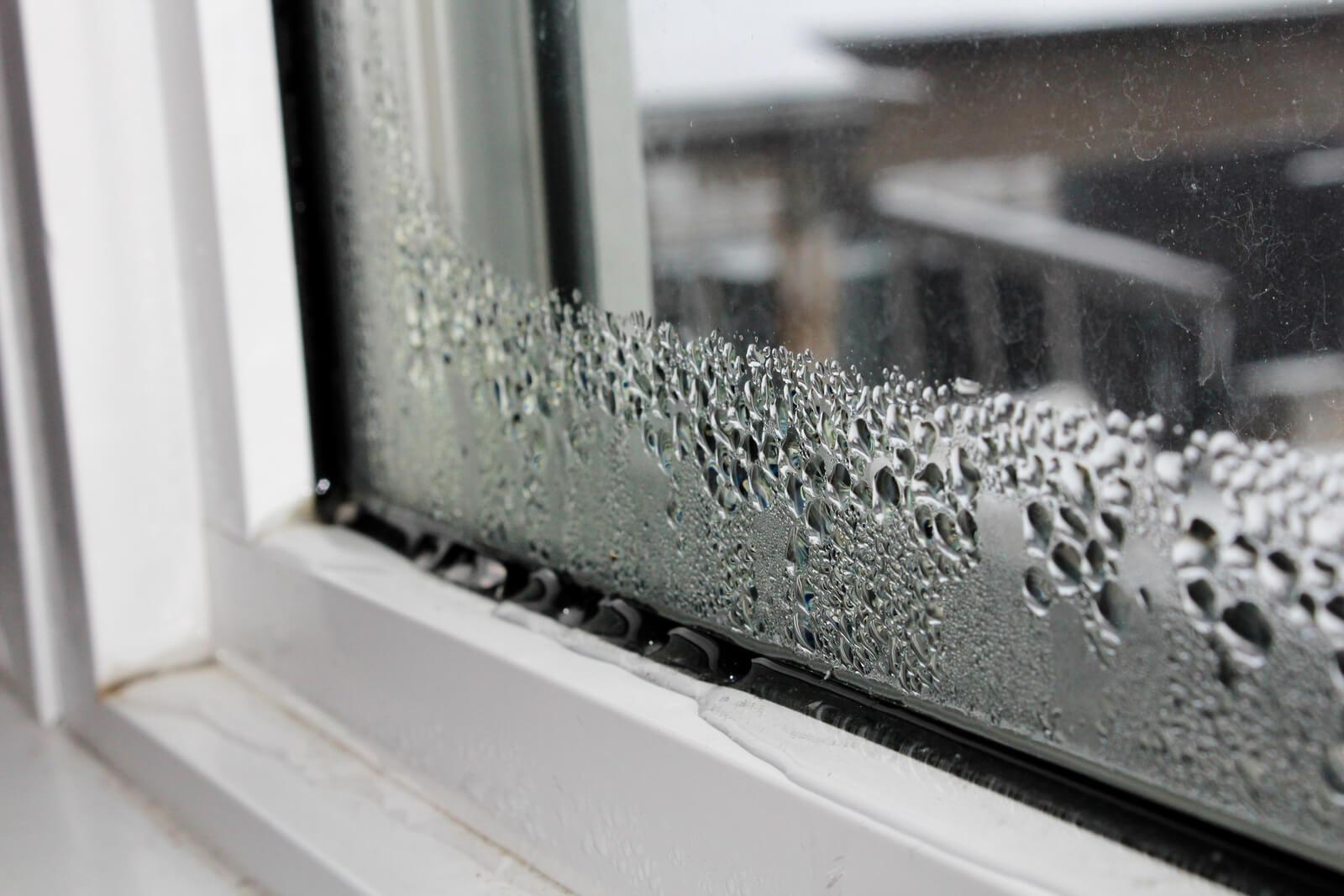
If your house feels clammy, smells musty, or your windows sweat even when it is not freezing outside, you're not imagining it. Indoor humidity is measurable, and once you put a number on it, the next steps get a lot clearer.
A good target for many homes is about 30% to 50% relative humidity (RH). Plenty of people feel best a bit higher, like 40% to 55%, especially in summer. The key is staying below the level where you get condensation or ongoing damp surfaces. If you're consistently above 60% RH, you're in the zone where mold and dust mites have an easier time.
When humidity stays high for long stretches, you start inviting problems like:
- Sticky air and poor sleep
- Window condensation, especially in mornings
- Musty odors in closets, basements, and bathrooms
- Warping wood, peeling paint, and swollen doors
- Mold-friendly conditions on cool surfaces
My best first step: grab an inexpensive hygrometer and put it where you live, not tucked in a damp basement corner. Take readings morning and evening for a few days so you can see the pattern.
Fast symptoms checklist
Humidity problems usually show up in a few predictable ways. Here is what I look for when I walk into a house that “feels wet.”
Signs the air is humid
- That sticky feeling even when the thermostat reads comfortable
- Clothes and towels take forever to dry
- Paper feels limp, cardboard boxes feel soft
Signs moisture is coming from one spot
- Condensation on one set of windows or one exterior wall
- Musty smell concentrated near a closet, crawlspace door, or basement stairwell
- Visible staining or bubbling paint near baseboards
- Condensation on supply vents, duct boots, or nearby ceiling drywall
- Mold on window frames or along the lower corners of exterior walls
If the whole house feels humid, think ventilation, HVAC performance, and occupant moisture. If one area is worse, think crawlspace, groundwater, plumbing, duct leakage, or an air leak pulling damp air from outside.
Common causes of a humid house
Indoor humidity usually comes from one of two buckets: you're making moisture faster than you remove it, or you're bringing moisture in from outside or below the house. Often it's both.
1) Oversized AC that short-cycles
This one surprises homeowners because the house can be cool and still feel damp. Air conditioners remove humidity by running long enough to pull moisture off the evaporator coil. When an AC is oversized, it cools the air too fast and shuts off before it dehumidifies well. That's called short-cycling.
Clues you're short-cycling:
- The system turns on and off frequently, especially on mild but muggy days
- Some rooms feel cold, but the air still feels heavy
- Humidity spikes when the AC is not running much
What helps: make sure the fan is set to AUTO (not ON), keep the filter clean, and talk to an HVAC pro about blower speed, thermostat settings, and whether the system is properly sized. Setting the fan to AUTO often helps because it reduces the chance of re-evaporating water off a wet coil between cycles, although some systems manage this better than others. Sometimes the fix is a tuning adjustment. Sometimes it's adding a dedicated dehumidifier or moving to a variable-speed system down the road.
2) Weak or mis-ducted exhaust fans
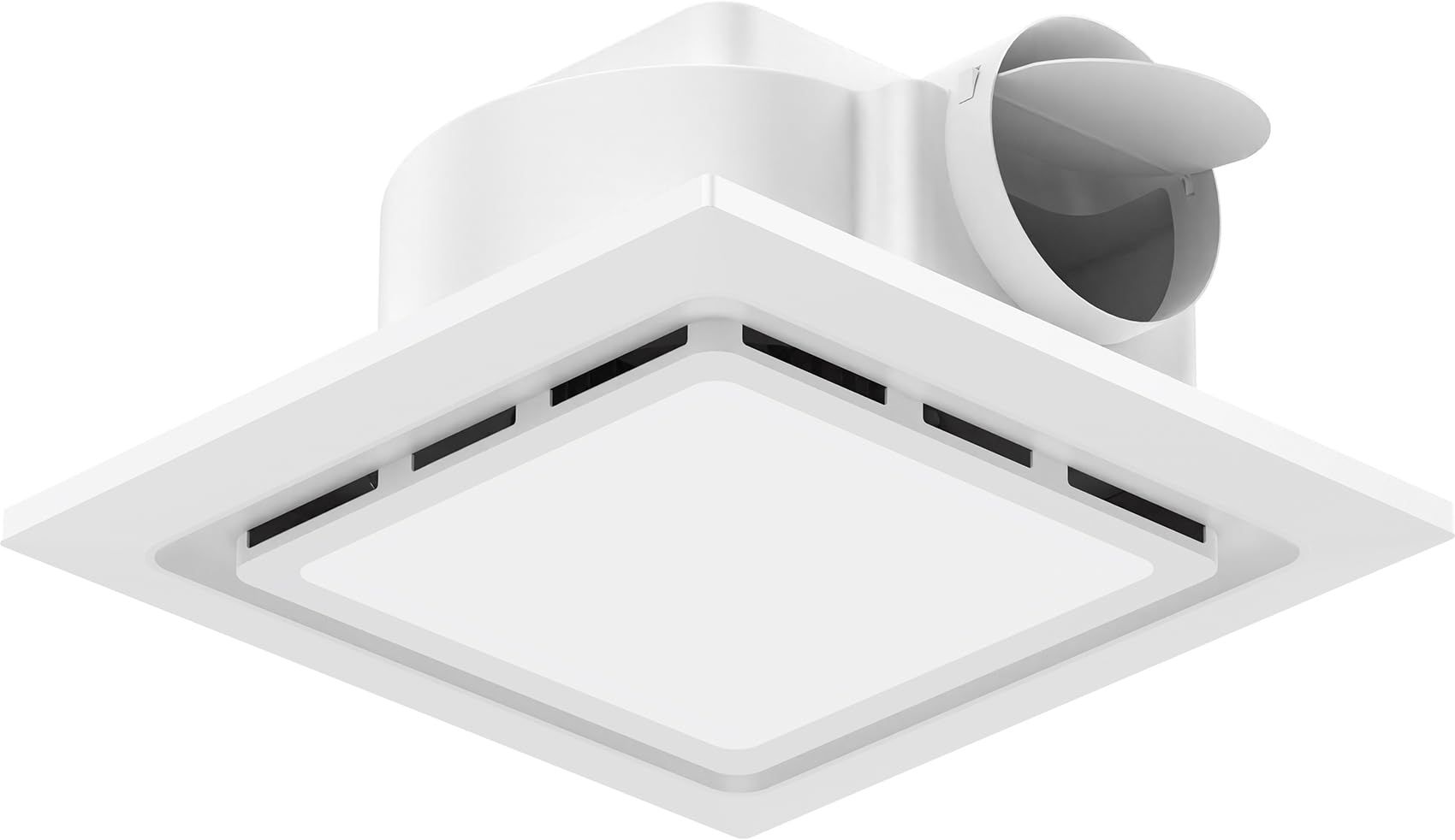
Homes are tighter than they used to be, which is great for energy bills but unforgiving when you do not vent moisture properly. A bathroom fan that is weak, clogged, or not ducted outdoors can add a lot of moisture right back into the house over time.
What helps:
- Run the bath fan during showers and for about 20 minutes after
- Confirm the fan exhausts outdoors, not into an attic
- Clean the fan grille and housing, and verify airflow
- Use the range hood when boiling or frying, ideally vented outside
- Make sure the dryer vent is sealed, short, and clear to the exterior
Why the short dryer duct matters: less length and fewer bends means less restriction, so the dryer actually moves air outside instead of leaking warm, wet air indoors.
3) Showers, cooking, and daily moisture
A family living normally produces a surprising amount of moisture. Long hot showers, simmering pots, dishwashers, and indoor drying racks all add water to the air. Add pets and lots of houseplants and you can push a tight home into the humid zone quickly. (How much moisture? It varies a lot, but one steamy shower can add a meaningful load to indoor air if it is not exhausted.)
What helps without changing your whole life:
- Use lids on pots and run the range hood
- Take slightly cooler, shorter showers when humidity is already high
- Keep the bathroom door mostly closed so the fan can actually pull air; if makeup air is an issue, use an undercut door or transfer grille rather than propping the door wide open
- Ventilate the laundry area and avoid drying large loads indoors
4) Crawlspace moisture and bare soil
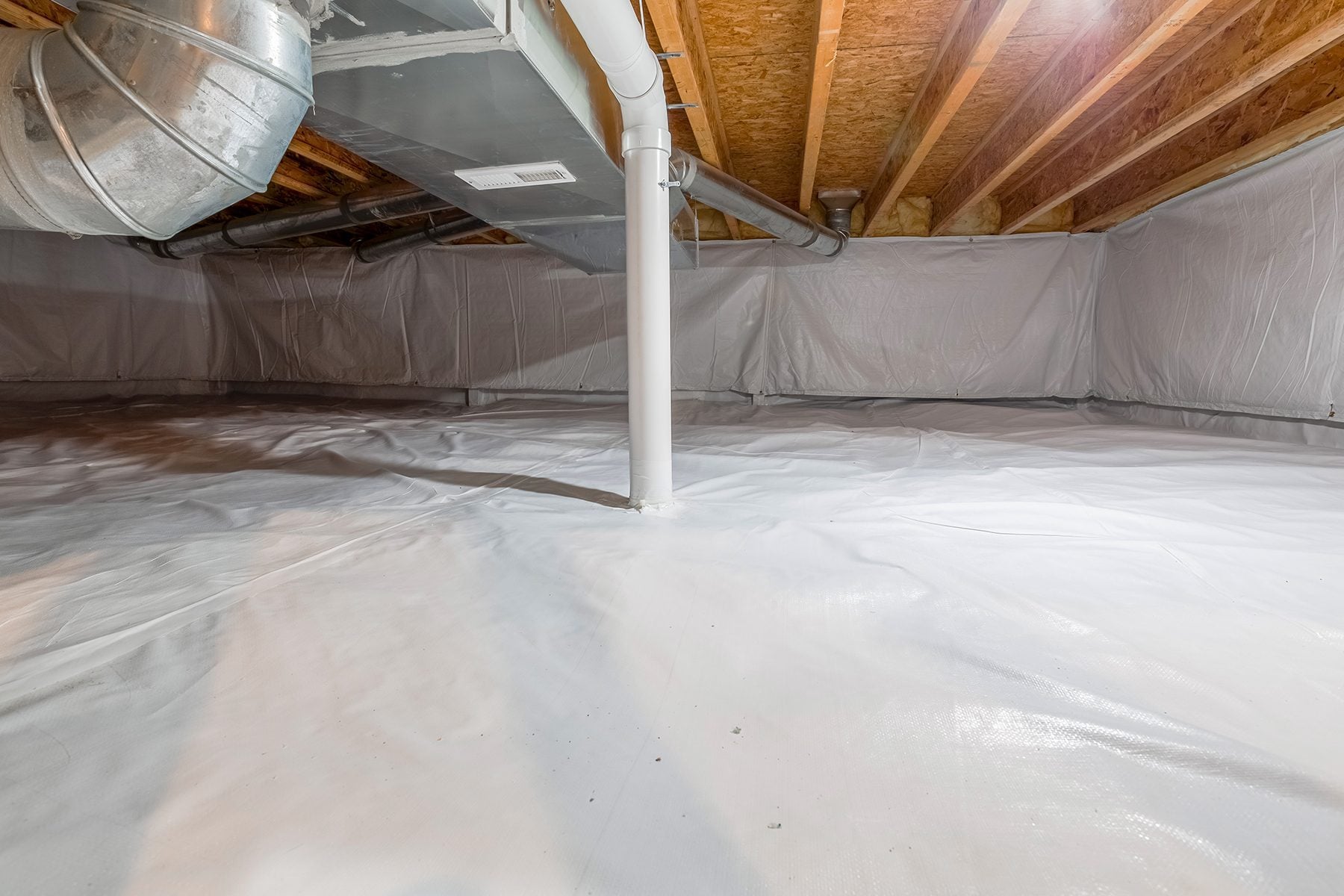
If you have a crawlspace, it is often a moisture source unless it is managed. Bare soil constantly releases moisture upward. That moisture can rise into the framing, the subfloor, and eventually your living space.
Clues the crawlspace is the culprit:
- Floors feel cool and slightly damp in summer
- Musty smells are stronger near floor registers or the first floor
- Visible damp soil, standing water, or damp insulation under the floor
What helps: a sealed ground vapor barrier (thick plastic with taped seams), fixing drainage so water does not enter, and in many climates, crawlspace encapsulation and conditioning. Even a basic vapor barrier done correctly can make a huge difference.
5) Groundwater, grading, and basement dampness
Water that should be moving away from the house often ends up moving into it. If gutters dump near the foundation, downspouts are missing extensions, or the yard slopes toward the house, you can feed moisture right into a basement or crawlspace.

What helps:
- Clean gutters and confirm they are not overflowing at corners
- Add downspout extensions to discharge several feet away (often 6 to 10 feet) where feasible
- Regrade soil so it slopes away from the foundation
- Seal obvious foundation penetrations and consider a sump pump if water is coming up from below
6) Air leaks that pull in humid air
Your house can act like a vacuum. Exhaust fans, dryers, and leaky ductwork can put parts of the home under negative pressure and pull humid outdoor air through cracks, rim joists, and poorly sealed attic access points.
Clues: humidity is worst on windy days, around a specific room, or after running the dryer or a big exhaust fan.
What helps: air sealing and duct sealing, especially at the attic hatch, around plumbing and wiring penetrations, and at rim joists. If you have ducts in an attic or crawlspace, pay special attention to return leaks, because they can pull hot, damp air into the system fast.
7) Fresh-air systems set wrong
If you have an HRV, ERV, or a fresh-air intake tied into your HVAC, check the settings and runtime. These systems are great when they're designed and commissioned correctly, but they can contribute to humidity if they bring in a lot of outdoor air during very muggy weather without enough dehumidification.
What helps: confirm the controls match your climate, verify the dampers and ducts are working as intended, and ask your HVAC contractor whether your setup needs seasonal adjustments.
8) Humidifier settings that are too high
This shows up a lot in winter and shoulder season. A whole-house humidifier left on a high setting can push indoor RH up until windows, corners, and cold spots start sweating. If you're seeing winter condensation, the humidifier deserves a hard look.
What helps: turn the humidifier down, use an outdoor-temperature-based control if you have one, and aim for “no condensation” rather than chasing a specific number.
9) Small habits that add up
I say this with love because I've done a few of these myself. A humid house is often a handful of small habits stacking together.
- Leaving bath fans off to keep the house quiet
- Running the HVAC fan continuously (fan set to ON)
- Storing wet shoes, sports gear, or firewood indoors
- Overwatering plants or using lots of open water (aquariums, fountains)
You do not have to eliminate comfort. You just want to stop adding moisture faster than your home can remove it.
Find the source without guessing
Before you buy equipment, do a little detective work. The goal is to learn whether humidity is coming from inside activities, HVAC performance, or moisture intrusion.
Step 1: Measure in three spots
- Main living area
- Problem area (musty bedroom, basement, or bathroom)
- Near the return air grille (not directly in the airflow)
If one area is much higher, that points to a localized issue. If they're all high, look to ventilation, fresh-air settings, and HVAC runtime.
Step 2: Track when it gets worse
- Worse after showers or cooking: ventilation issue
- Worse during mild rainy weather: short-cycling AC, fresh-air intake bringing in humidity, or outside air infiltration
- Worse in mornings near windows: cool surfaces plus indoor moisture load
- Worse after heavy rain: drainage or groundwater
Step 3: Check for hidden moisture
Check under sinks, behind toilets, around the water heater, and along basement walls. If you see staining, soft drywall, or peeling paint, you may have a leak or seepage problem that a dehumidifier will only mask.
Quick decision guide
- High RH mostly in the basement: drainage first, then a properly sized dehumidifier and air sealing between basement and living space
- High RH throughout the house in summer: verify exhaust, then look hard at AC short-cycling, duct leakage, and fresh-air settings
- Winter window condensation: lower indoor RH, reduce humidifier output, improve air sealing at leaks near windows, and consider window upgrades
How to lower humidity
Think of humidity control like a three-part plan: remove moisture, stop moisture from getting in, and stop making so much of it.
Start with exhaust and airflow
- Use bathroom fans consistently and confirm they vent outdoors
- Use a kitchen range hood when cooking, especially boiling water
- Vent the dryer properly and keep the duct clean and short
Dial in your HVAC
- Set the thermostat fan to AUTO so you are less likely to re-evaporate moisture off the coil between cycles
- Replace or clean filters on schedule to keep airflow correct
- Have the system serviced if you suspect short-cycling, poor drainage at the air handler, or duct leakage
If your home stays humid even when the AC is running, talk to a pro about blower speed, latent capacity, and whether a dedicated whole-house dehumidifier makes sense for your climate and floor plan.
Stop moisture from below
- Add or repair a crawlspace vapor barrier
- Fix standing water issues and improve drainage around the foundation
- Address basement seepage before finishing walls or storing cardboard down there
Use a dehumidifier the right way
A portable dehumidifier can be a great tool for basements, laundry rooms, and muggy first floors. The key is sizing and placement, plus giving it a clear path to drain or a routine for emptying.
Whole-house units can be a better long-term solution when the entire home runs humid, especially in shoulder seasons when the AC does not run long enough to pull moisture out.
Important: if you have an active leak, recurring seepage, or standing water, fix that first. Dehumidifiers are great at cleanup, but they are not a substitute for stopping water intrusion.
Season humidity targets
There is no perfect number for every house, but here is a simple starting point that keeps comfort high and condensation low.
- Summer: about 40% to 55% RH (up to around 60% if surfaces stay dry and you have no musty smells)
- Winter: often 30% to 45% RH, adjusted down as outdoor temperatures drop and windows get colder
If you regularly see condensation on windows in winter, your indoor RH is usually too high for how cold your glass is. Lowering humidity a bit can protect trim, sills, and paint.
When to call a pro
DIY can take you far, but some humidity problems are expensive to ignore. I'd bring in help if:
- You see recurring mold growth or a persistent musty odor you cannot locate
- Your hygrometer is showing sustained RH above about 60% and you cannot bring it down with ventilation and HVAC tweaks
- There is standing water in a crawlspace or basement after rain
- Your AC short-cycles constantly or you suspect it is oversized
- You have sweating ducts, wet insulation, or visible water at the air handler
A good HVAC tech, building performance contractor, or waterproofing specialist can help you solve the root cause, not just treat symptoms. If you discover visible mold, follow proper remediation guidance and consider professional evaluation, especially if anyone in the home has asthma or sensitivities.
My no-panic action plan
If you're feeling overwhelmed, here is the order I'd tackle this in my own house.
- Measure RH in a few locations for a week.
- Run and verify exhaust for bathrooms, kitchen, and dryer.
- Switch HVAC fan to AUTO and replace the filter.
- Check drainage outdoors: gutters, downspouts, grading.
- Inspect crawlspace or basement for bare soil, dampness, seepage, or return duct leaks.
- Check humidifier and fresh-air settings if you have them.
- Add mechanical dehumidification if the house still runs high after the basics.
Humidity control is one of those homeownership wins that pays you back fast. Your house feels more comfortable, your HVAC runs happier, and you stop that slow, sneaky moisture damage before it starts.

About Marcus Vance
Content Creator @ Grit & Home
Marcus Vance is a lifelong DIY enthusiast and self-taught home renovator who has spent the last decade transforming a dilapidated 1970s ranch into his family's dream home. He specializes in budget-friendly carpentry, room-by-room renovations, and demystifying power tools for beginners. Through his writing, Marcus shares practical tutorials and hard-learned lessons to help homeowners tackle their own projects with confidence.