
Few things feel more stubborn than a window that refuses to budge. Before you start yanking on the sash like it owes you money, take a breath. Most stuck windows come down to a handful of usual suspects: paint acting like glue, wood swelling from humidity, debris or gunk in the tracks, a lock or latch binding up, weatherstripping that’s shifted, a frame that’s settled, or a balance system that’s failed.
I’ve fought all of these in my 1970s ranch. The good news is you can usually free the window with basic tools and a careful approach that protects the glass, the trim, and your knuckles.
Quick safety rules before you pry
- Wear eye protection any time you’re cutting paint, prying, or tapping near glass.
- Assume older paint may contain lead if your home is pre-1978. Avoid sanding. Keep dust down. If you suspect lead, use plastic containment and wet-cleaning, and ideally a HEPA vacuum. If the paint is deteriorated or you need aggressive removal, consider a pro or follow EPA lead-safe practices.
- Use wood shims, not screwdrivers, near glass. Metal tools slip and chip panes fast.
- Support the sash once it moves. A sudden release can make a window drop, or snap upward depending on the balance type, and that’s how glass cracks and fingers get pinched.
- Stop if the glass is loose or cracked. That’s a repair-first situation.
Figure out what’s actually stuck
Take 60 seconds to diagnose. It’ll save you 60 minutes of guessing.
Do this quick check
- Look for a paint seam along the sash edges where it meets the interior stop (also called the stop molding) or jamb. If you see a thick paint ridge, it’s likely painted shut.
- Try the lock. If the lock won’t fully rotate or the sash won’t move even with the lock open, the meeting rail may be bound by paint or swelling.
- Press on the sash corners. If one corner moves a hair but the other doesn’t, the sash may be racked from swelling, debris, or a shifted frame.
- On double-hung windows, check if the top sash is painted shut too. Sometimes the bottom sash is free but jammed by a stuck top sash pressing down.
- If it opens but won’t stay up, that’s usually a balance or sash cord problem, not a “stuck shut” problem.
Fix 1: Painted-shut sash
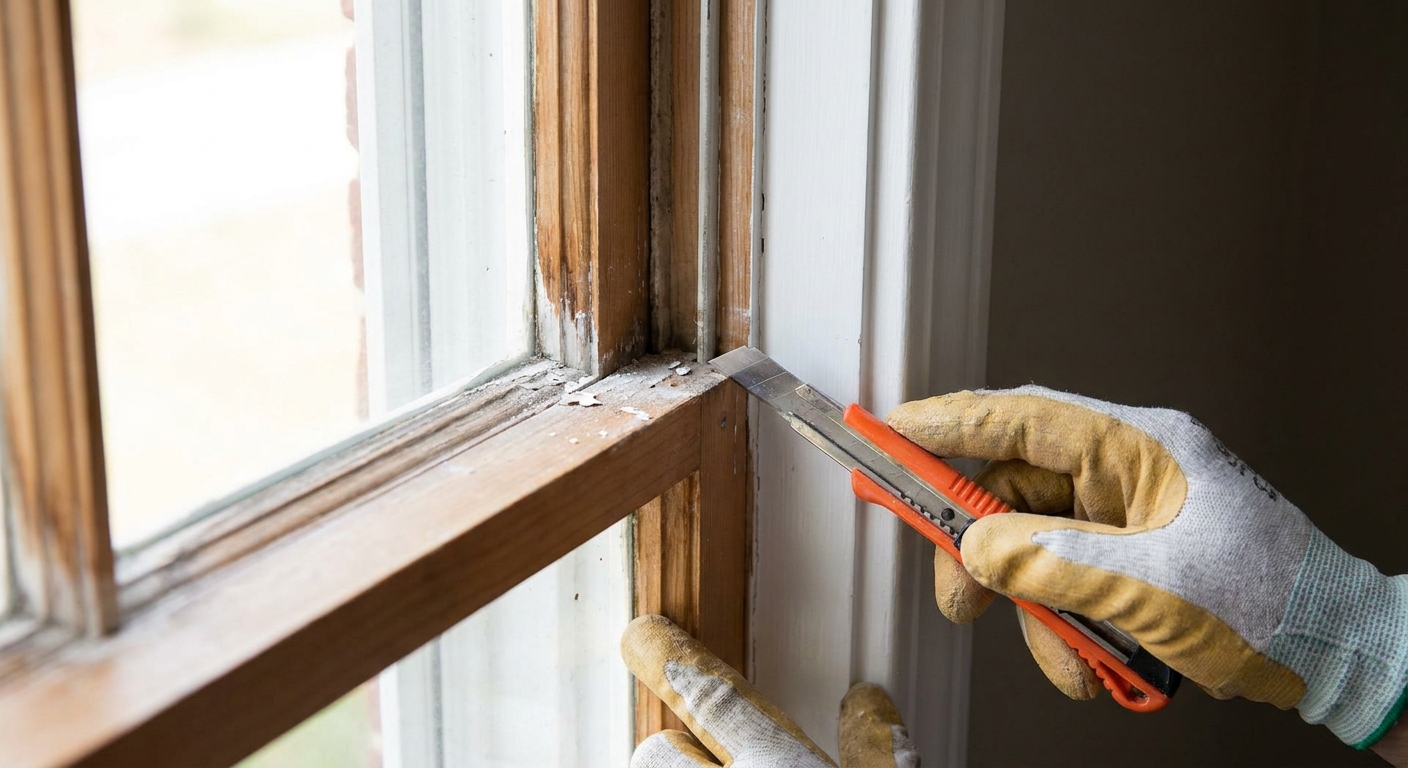
Paint can glue the sash to the interior stop, the parting bead, and even the sill. The goal is to cut the paint film cleanly so the wood can move without tearing trim fibers.
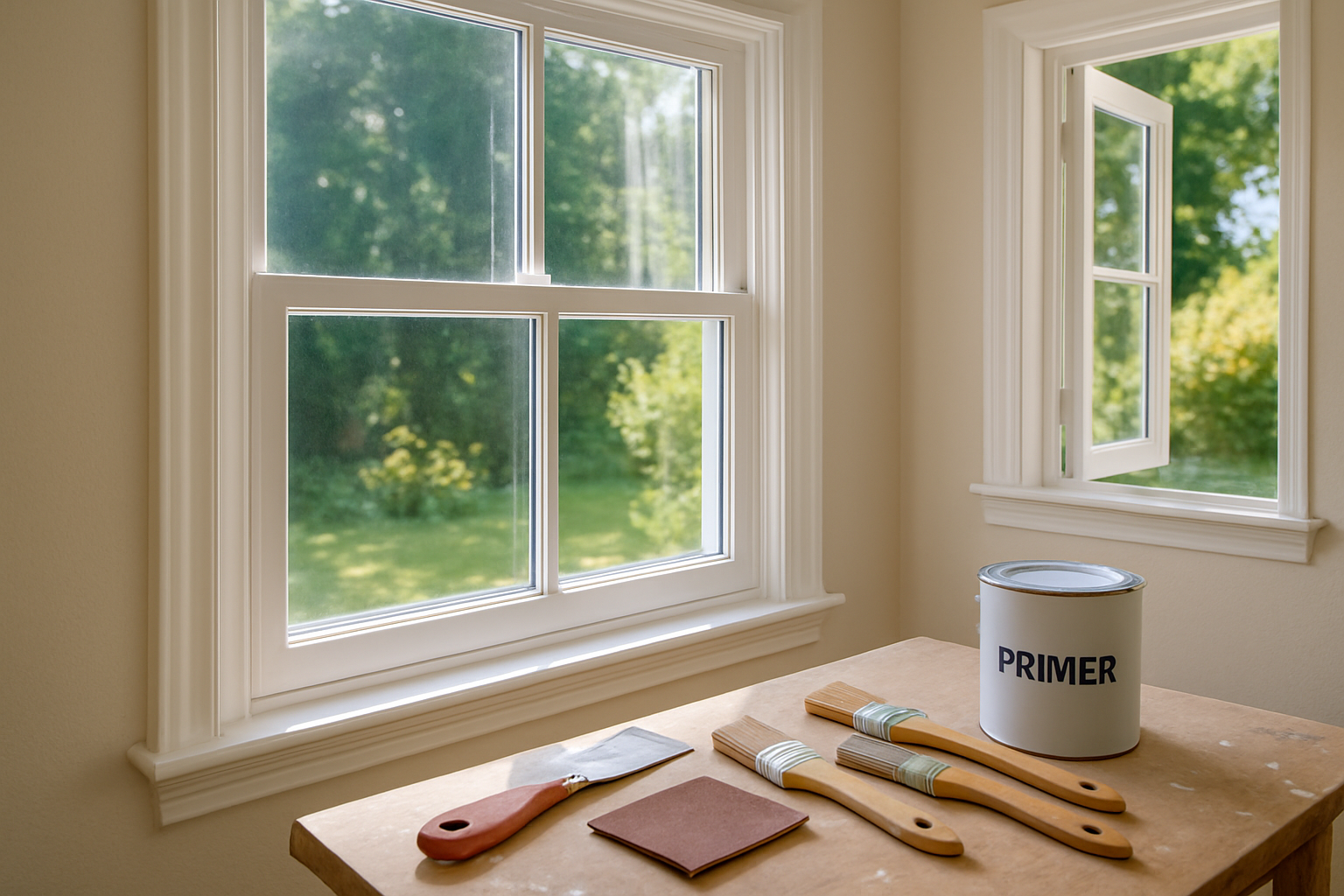
Tools
- Sharp utility knife with a new blade
- 5-in-1 painter’s tool or stiff putty knife
- Thin wood shims
- Small hammer (optional)
- Painter’s tape or a thin scrap of cardboard (optional, for surface protection)
- Flashlight (optional, but helpful)
Step-by-step
- Open the lock and remove any sash stops or security blocks if present. (Security blocks are usually small add-on pieces screwed into the jamb to limit opening.)
- Score the paint line where the sash meets the interior stop on both sides, the top edge, and along the meeting rail if it’s painted over. Use firm pressure and make two passes instead of one brutal pass.
- Score the outside seam too if you can access it safely from the inside or from stable ground. If it involves a ladder or leaning out, skip it and handle the exterior later or call help. Painted-shut windows are not worth a fall.
- Work a putty knife into the seam. Start near a corner, slide the blade in gently, then wiggle to open a tiny gap.
- Insert wood shims into the gap, one on each side, to hold progress and spread pressure evenly.
- Walk the shims around the perimeter. Add a little pressure, move a few inches, add a little pressure again. Patience beats broken glass.
- Tap lightly if needed. A few gentle taps on the putty knife handle with a hammer can help, but keep the blade against wood, not glass.
- Once it moves, cycle the window up and down a few inches. You’re breaking any remaining paint bridges.
Mistake I’ve made: using a dull blade. It tears paint instead of cutting it, which rips chunks off your trim and leaves you with a bigger repaint job than you signed up for.
If the interior stop has to come off
Sometimes the sash is glued so well you can’t get a clean seam without removing the interior stop. If you go this route, score the paint line first, then use a wide putty knife to start a gap and a small pry bar against a wood block to lift the stop slowly. Label the pieces as you remove them. Old trim likes to split if you get impatient.
Fix 2: Swollen wood from humidity or water
If the sash is free of paint but still feels wedged, swelling is a usual suspect. Seasonal humidity can tighten older wood windows, and a past leak can make it worse.
First, check for water issues
- Look for soft wood, peeling paint, black staining, or a musty smell near the sill.
- If the sill or jamb feels spongy, stop and plan for rot repair. Forcing it can split the frame.
Gentle freeing method
- Clean obvious grit. Vacuum the tracks and corners, especially along the sill where dirt packs tight.
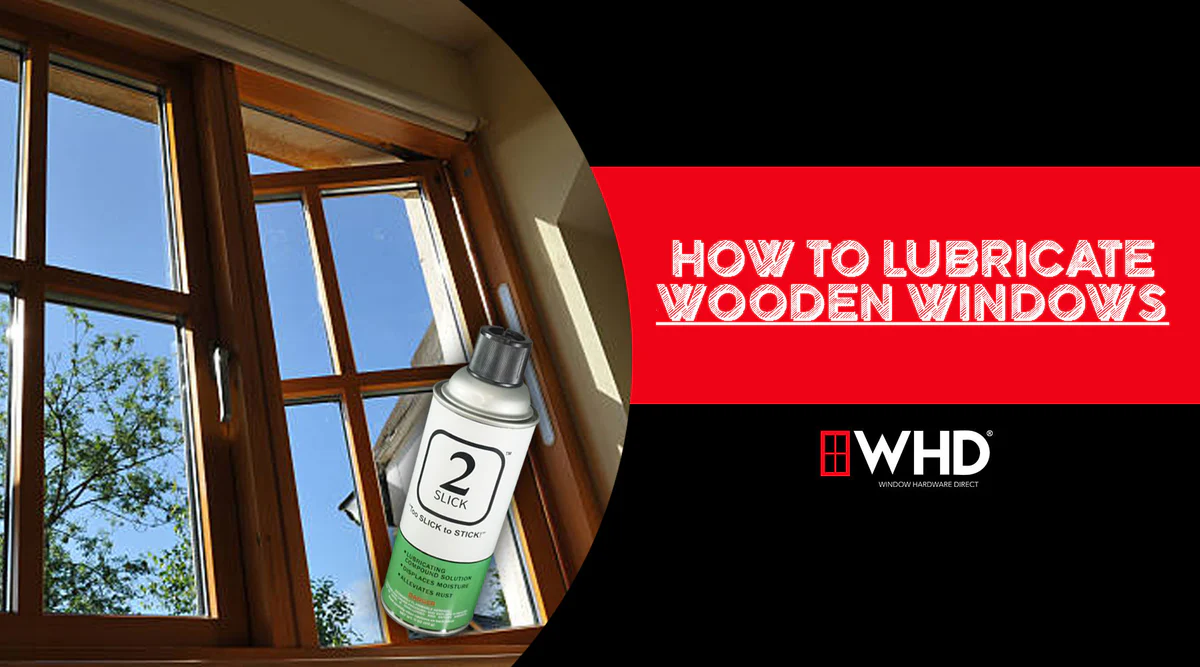
- Try a dry lubricant on the tracks and contact points: silicone spray or a dry PTFE spray. Wipe off overspray so it doesn’t attract dust.
- Use wax on wood tracks. A classic move is rubbing an unlit candle (paraffin) on the sticking edges and track surfaces. In a pinch, plain bar soap can help too, but go light so it doesn’t get gummy.
- Use shims to “massage” it free. Just like the painted-shut method, place shims at the tightest spots to relieve pressure.
- Press, don’t pry. Put both palms on the sash stile and apply steady pressure. Sudden jerks rack the sash and make binding worse.
If it still won’t move
At this point, the correct fix is often minor planing of the tight edge, but that’s a remove-the-sash job. If you’re not comfortable taking a window apart, it’s a good time to call a carpenter or window repair tech. Taking off too much wood creates drafts and rattles you’ll hate in winter.
Fix 3: Lock, latch, or hardware binding
Sometimes the window isn’t stuck. It’s still locked, partially locked, or jammed by hardware. This is common on double-hung and sliding windows, and on crank-out casement windows.
Double-hung windows
- Verify the lock is fully disengaged. Some cam locks feel “open” but still catch.
- Check the meeting rail alignment. (That’s where the two sashes meet.) If the top sash is slightly down, it can bind the lock area. Try pushing the top sash up (even 1/8 inch matters) and then open the bottom sash.
- Clean paint from the lock. If paint is gumming up the cam, carefully scrape it off with a utility knife.
Sliding windows
- Vacuum the track. Grit and pet hair pack into the lower channel and lock things up.
- Check weatherstripping. Folded or shifted fuzz strips can drag hard and feel like a jam.
- Lift and slide. Many sliders need a slight lift to clear the bottom track lip.
- Inspect rollers. If it drags and then stops, worn rollers may be the issue.
- Clear weep holes if your design has them. Clogged weeps can hold water and grime right where the panel needs to glide.
Casement windows (crank-out)
- Don’t force the crank. Stripped gears are expensive.
- Check for a paint seal along the perimeter. Casements get painted shut all the time.
- Look at the operator arm. If the arm is bent or off the track, the window will bind.
Fix 4: Broken balances or sash cords
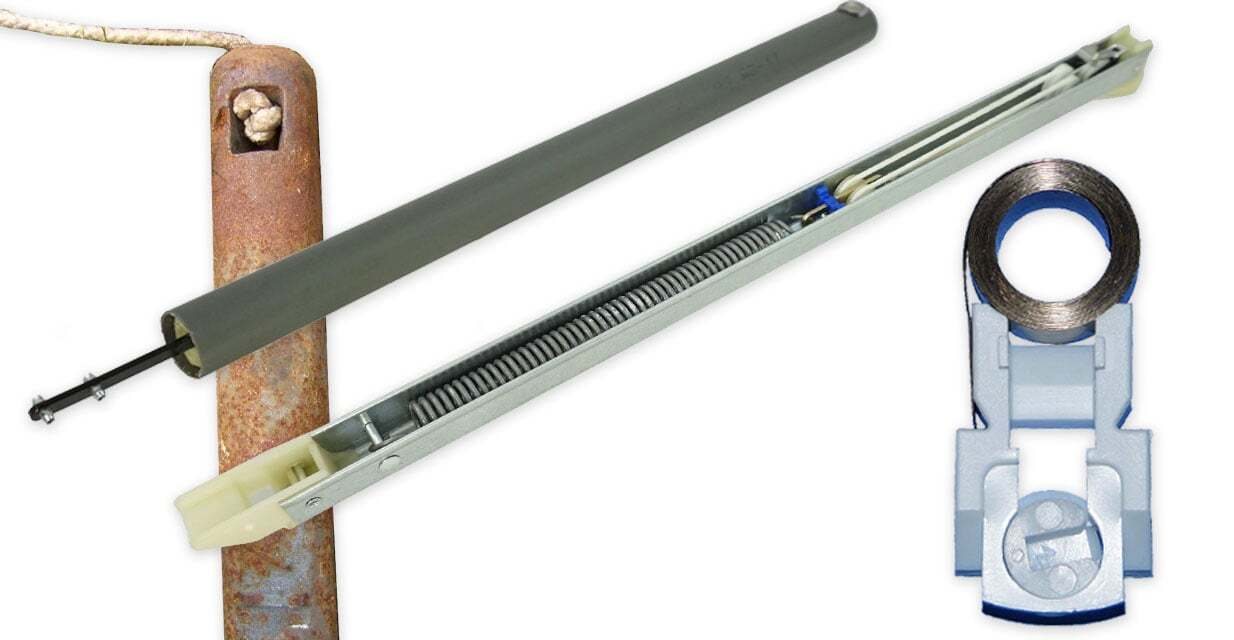
Balance issues usually show up as a window that drops shut, won’t stay up, or feels heavy. But a failed balance can also make a sash feel stuck because it’s cocked in the track or a broken part is wedged.
Signs you have a balance problem
- The sash moves an inch and then binds hard.
- One side lifts but the other side stays down.
- You hear a spring twang or feel something “give” inside the jamb.
- The window won’t stay open without a stick or your hand.
What you can safely do today
- Stop forcing it. If a balance shoe is jammed, forcing the sash can crack vinyl jamb liners or split wood stops.
- Remove the sash only if you know your type. Tilt-in vinyl windows often have release latches. Older wood double-hungs may have stops and parting beads that need careful removal.
- Take photos of the hardware on both sides. If you end up ordering balances, photos save you from guessing.
Thrifty tip: If the window is functional but drops, a temporary sash support (a removable pin, a wedge, or a purpose-made sash stop) can buy you time until you replace the balance. Just don’t rely on a paint stir stick forever, speaking from experience.
Glass protection and smart prying
If you have to apply leverage, do it like you’re trying to keep the trim pretty. Because you are.
- Always pry against wood, never glass. Use a wide putty knife to spread force.
- Protect finished surfaces with painter’s tape or a thin scrap of cardboard under your tool.
- Work in small increments. A window that releases suddenly is when panes crack and fingers get pinched.
- Warm paint gently if needed. A hair dryer on low can soften a paint seal. Keep heat moving and avoid overheating glass, especially in cold weather.
After it opens: keep it from sticking
Once you win the battle, take five more minutes so you don’t have to fight it next season.
- Clean the tracks and wipe the contact surfaces.
- Apply a dry lubricant to jamb liners, metal tracks, or wood tracks (wax works great on wood).
- Knock down paint ridges. If paint buildup is heavy, plan a careful scrape and repaint later with thinner coats around moving parts.
- Check weatherstripping. Bunched or torn weatherstripping can bind the sash and also create drafts.
When to call a pro
I’m all for DIY, but a stuck window can turn into broken glass fast. Consider professional help if:
- The sash frame is cracked, rotted, or visibly warped.
- The glass is loose, cracked, or single-pane and very old and brittle.
- You suspect lead paint and the window needs aggressive paint removal.
- The balance system is broken and the sash must be removed, but you’re not sure what style you have.
- The window is on an upper floor and access is unsafe.
- You suspect the frame has shifted or settled and the sash is pinched by trim, nails, or fasteners.
Fast troubleshooting cheat sheet
- Won’t budge at all: painted shut, lock still engaged, or the sash is pinched. Score paint lines, re-check the lock, and inspect the stops for paint bridges.
- Moves a tiny bit then stops: swelling, debris, weatherstripping drag, or a jammed balance shoe. Clean and lubricate, then inspect both sides.
- Opens but slams shut: broken balance or sash cord. Plan a balance repair.
- Hard to slide, feels gritty: dirty track, clogged weep holes, or worn rollers (sliders). Vacuum, wipe, and inspect rollers.
If you want the simplest next step: score the paint line first. It fixes a surprising percentage of stuck windows, and it’s the least destructive move you can make.

About Marcus Vance
Content Creator @ Grit & Home
Marcus Vance is a lifelong DIY enthusiast and self-taught home renovator who has spent the last decade transforming a dilapidated 1970s ranch into his family's dream home. He specializes in budget-friendly carpentry, room-by-room renovations, and demystifying power tools for beginners. Through his writing, Marcus shares practical tutorials and hard-learned lessons to help homeowners tackle their own projects with confidence.