
🚨 In a DIY emergency or rush?
Skip the details and jump straight to our 30-second cheat sheet for the most crucial info.
If your wood stove won’t draft, it can feel like the whole house turns into a smoke test. I have been there, standing in the living room with watery eyes, wondering why the stove that heated us perfectly last winter suddenly wants to behave like a fog machine.
The good news: most draft problems come from a handful of predictable causes. The key is to troubleshoot in a safe order, starting with the quick checks that solve the majority of smoke-back and back-puffing issues.
Quick note: This is practical troubleshooting, not a replacement for your stove manual, local code, or a pro inspection. When something feels off or unsafe, stop and call a certified sweep. NFPA 211 is a common reference standard in North America for chimneys and vents.
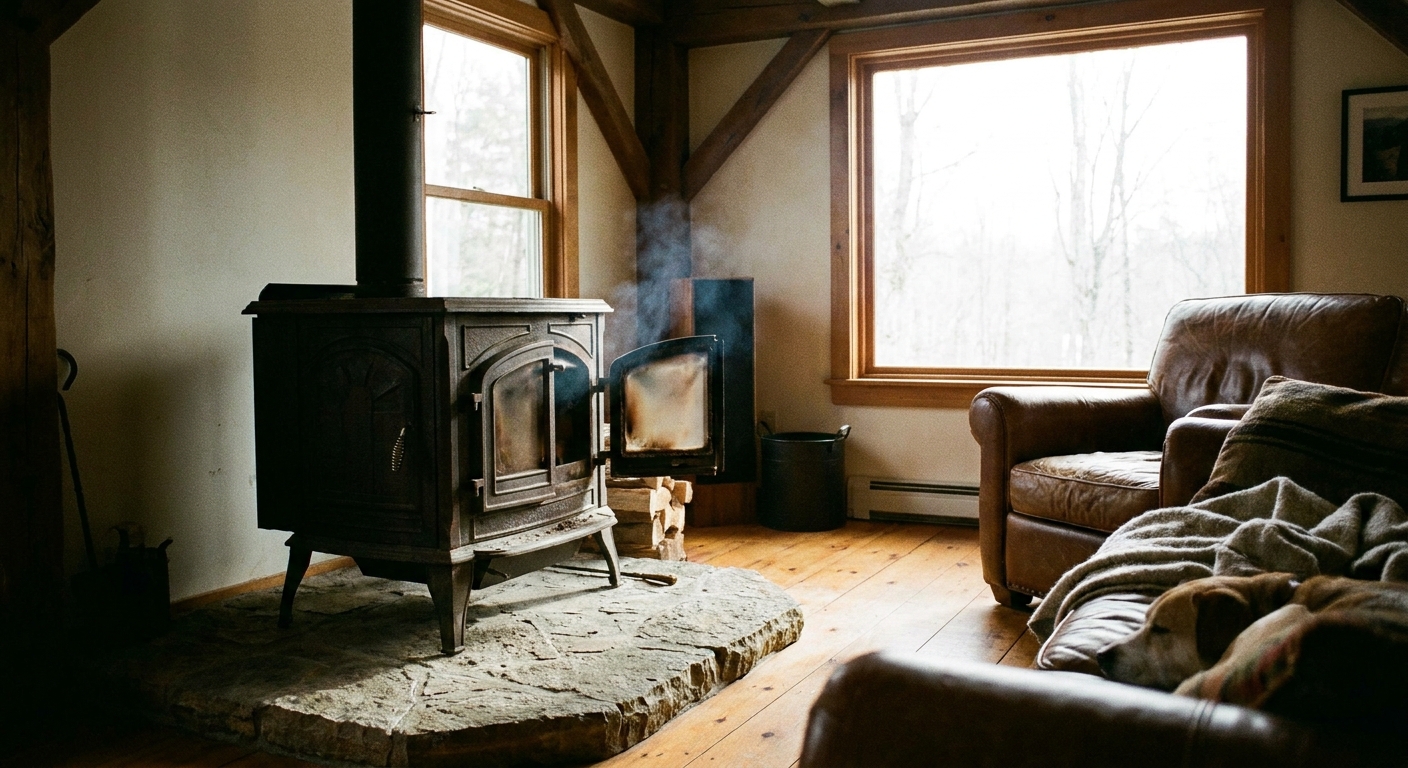
First: Don’t power through smoke
Before you start adjusting things, treat smoke-back like a safety issue, not an annoyance.
- If smoke is actively spilling into the room: close the stove door. Turn the air control down as needed to reduce smoke release. If things worsen or you cannot regain control, let it go out safely (per your manual) or extinguish it safely and call for help.
- Ventilate: open a couple windows to clear smoke.
- Carbon monoxide warning: if your CO alarm is sounding or anyone feels dizzy, nauseous, or unusually tired, get everyone outside and call emergency services.
- Avoid exhaust while troubleshooting: bathroom fans, range hoods, dryers, whole-house ventilation, attic fans, and even other fireplaces can pull air out of the house and make draft worse.
If you do not have working smoke and CO alarms, pause here and fix that before using the stove again.
30-second diagnosis
Smoke spills when you light the stove
This is usually a cold chimney, closed control (bypass or damper), or negative house pressure problem.
Draft starts OK, then you get puffs later
This often points to wet wood, restricted airflow, or a partially blocked flue. Wind and changing outdoor temps can also trigger “back-puffing” in marginal draft setups.
Back-puffing is that annoying, sometimes rhythmic “whomp” where smoke puffs out of the air inlets or around door seams because draft is unstable and the firebox gases ignite in pulses.
Smoke rolls out on reload
Common culprits are weak draft, reloading too soon, or the air control turned down too far. The fix is usually a better reload routine plus a draft check.
Fixes to try first
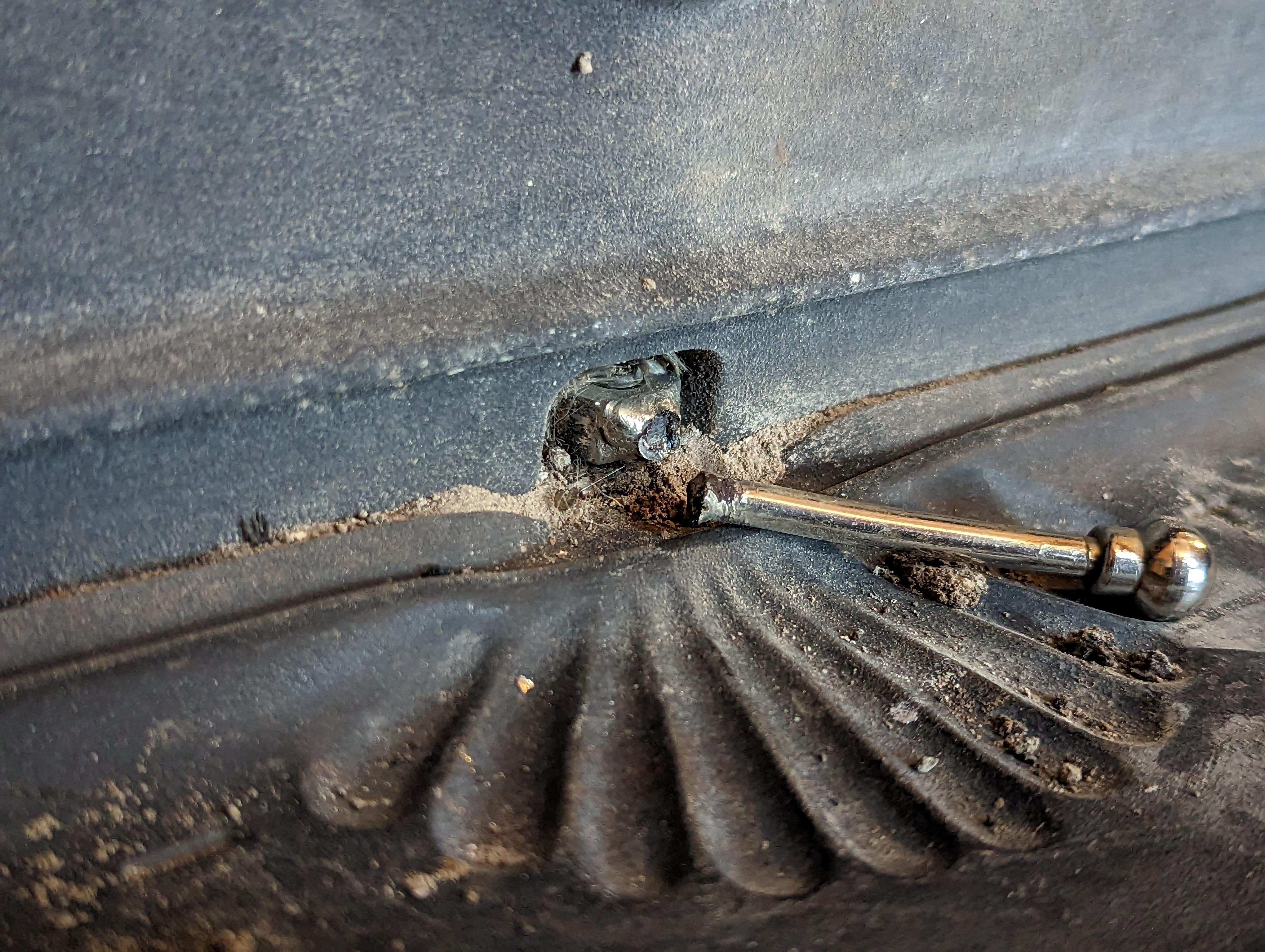
1) Confirm controls are open
This sounds too simple, but it gets people every season. Many stoves have:
- An air control (slider or lever) that regulates combustion air.
- A pipe damper in the connector pipe (a rotating plate) on some installs.
- A bypass on some EPA stoves or catalytic models that needs to be open during startup.
For lighting and reloads, you generally want maximum draft: air control open and any bypass open. If you have a pipe damper, make sure it is not accidentally closed.
2) Window crack test (negative pressure)
Modern homes and renovated homes can be tight. If your house is fighting your stove for air, smoke will spill or the fire will burn lazy and dirty.
Quick test: open a window 1 to 2 inches in the same room as the stove, then try lighting again. If the draft suddenly improves, you likely have a makeup air problem.
- Turn off exhaust fans while burning (range hood, bath fans, dryer, whole-house ventilation).
- If your stove supports it, consider an outside air kit or talk to a pro about dedicated makeup air.
- Basements can be tricky: stack effect and competing appliances (furnace, boiler, water heater) can also influence pressure.
3) Warm the chimney (cold flue fix)
A cold chimney is like trying to drink a milkshake through a straw that is packed with ice. Until the flue warms up, the smoke wants to sink, not rise.
Signs of a cold flue: smoke smell right at startup, smoke spills when the door is cracked, and it is worse on mild days or after the stove has been off for a while. Exterior chimneys are especially prone to this because they stay colder longer.
Safe ways to preheat the flue:
- Top-down fire method: large splits on the bottom, smaller splits above, kindling and a starter on top. It lights fast and gets heat up into the flue early.
- Rolled newspaper torch: with controls open (and following your manual), burn a tightly rolled newspaper as high in the firebox as possible near the baffle for 30 to 60 seconds to get upward flow started. Keep your face and hands back, use minimal paper, and stop if smoke or flame behaves unpredictably.
- Fire starter + very dry splits: prioritize fast heat over big logs at startup.
Avoid using flammable liquids. Also avoid leaving the stove unattended with the door open.
4) Check wood moisture
Wood that is too wet makes a cooler, smokier fire. That extra smoke cools in the flue, draft weakens, and you can get puffing and roll-out. It also accelerates creosote buildup.
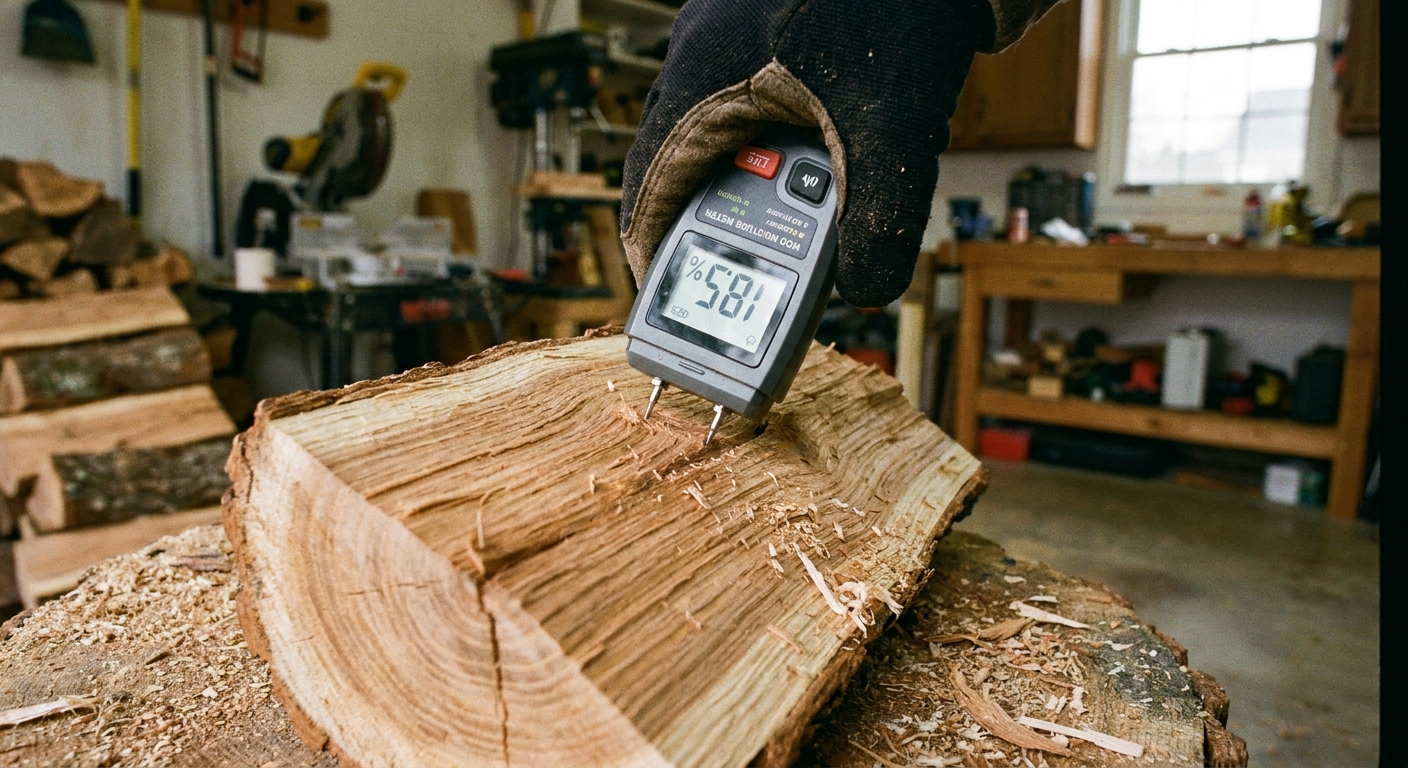
What “dry enough” means: Most stoves run best when split firewood measures around 20% moisture content or less on a moisture meter, measured on a freshly split face.
- “Seasoned” only counts if it was stored with airflow and covered on top, not wrapped up like a sponge.
- If the ends look dry but the middle is damp, the stove will still struggle.
- If you hear hissing, see bubbling at the ends, or the glass soots up fast, suspect wet wood.
5) Check for restriction (including the baffle)
If the stove worked before and suddenly does not draft, assume something is restricting the path until proven otherwise.
- Chimney cap screen plugged: especially common in shoulder season or with wet wood.
- Creosote buildup: can narrow the flue and reduce draft.
- Bird nest or debris: more common if the cap is missing or damaged.
- Baffle board or blanket out of place: on many modern EPA stoves, the baffle can get knocked loose during cleaning or be buried in ash. If it shifts and blocks the flue outlet area, draft can fall off a cliff.
DIY-friendly check: only when the stove is completely cold, inspect the firebox and baffle area per your manual and look for obvious blockage. For the chimney itself, many stoves do not allow a clear view upward without partial disassembly, and accessing the cap or liner may require roof work. If you cannot clearly verify it is open and clean, this is often the moment to call a sweep.
Do not poke around aggressively from below with improvised tools. You can dislodge debris and make the blockage worse, or damage a liner.
6) Inspect the connector pipe
The connector pipe is the steel pipe between the stove and the chimney system. Small mistakes here can act like a speed bump for smoke.
- Too many elbows: each turn adds resistance. Two 45-degree turns are often better than one hard 90-degree, but follow the manual and local code.
- Backwards joints: the crimped male ends should point down toward the stove so creosote stays inside the pipe.
- Sagging horizontal run: horizontal connector should rise slightly toward the chimney (pitch and max horizontal length should follow the manual or NFPA 211 guidance).
- Excessive horizontal length: longer runs cool smoke and weaken draft.
- Loose connections: can leak smoke into the room and reduce draft performance.
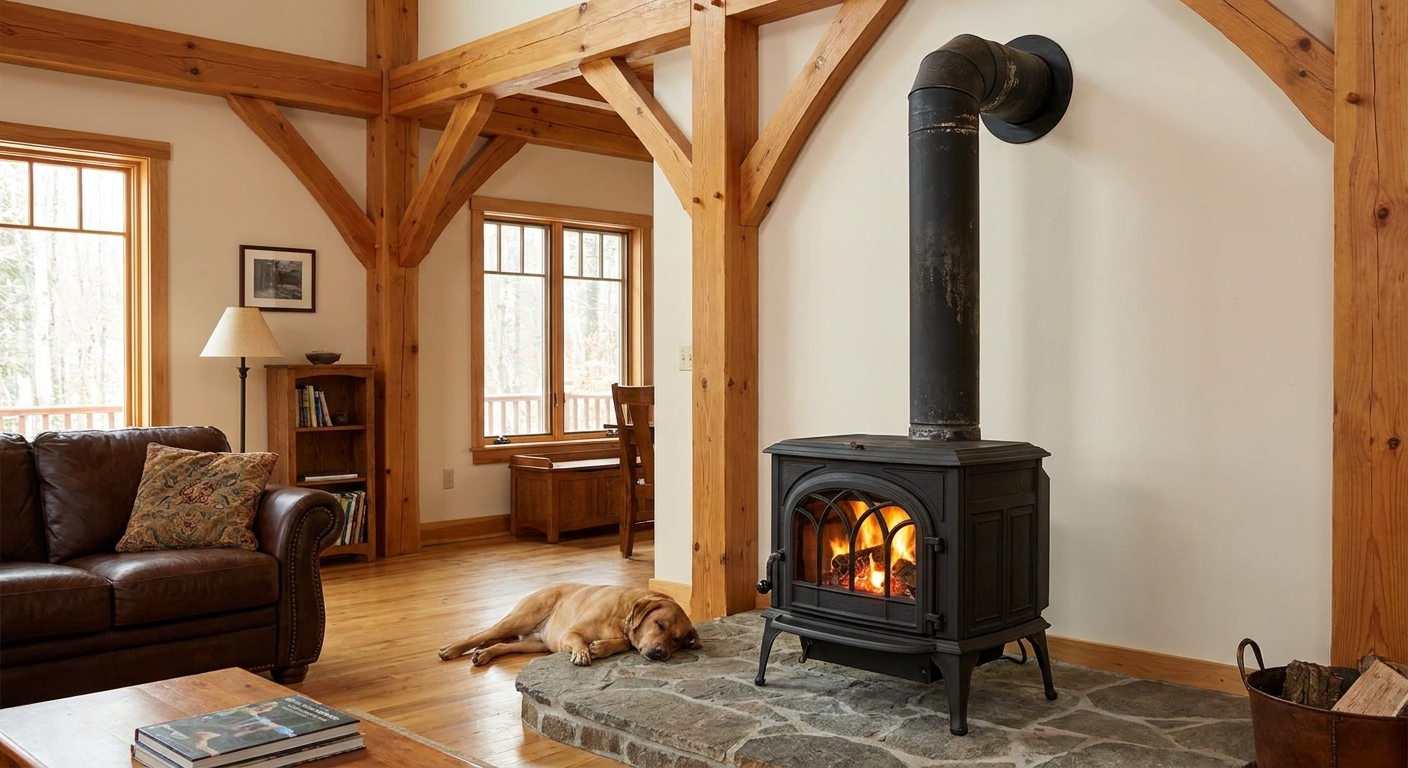
7) Use a smarter reload routine
If smoke hits the room mainly during reloads, your stove may be drafting fine once hot, but you are opening the door at the wrong time or with the air turned down.
- Open the air control fully for 2 to 5 minutes before opening the door.
- Crack the door 1 inch for 10 to 20 seconds first to let the draft grab the smoke.
- Then open slowly, load quickly, and close the door.
Downdrafts and exterior chimneys
Sometimes the stove is fine and the chimney is fine, but the weather and the roofline are not cooperating. Downdraft often shows up as smoke roll-out on startup, a lazy fire that never really takes off, or a smell that seems to hang around even when you did everything “right.”
- Exterior chimney cold plug: an outside chimney can hold a column of cold air that fights your startup. Preheating the flue (step 3) makes a big difference here.
- Wind and roof effects: nearby roof peaks, trees, and turbulence can push air down the chimney. Termination height and cap style matter. This is one area where a sweep earns their money fast.
- Quick check: the window crack test can still help. If opening a window improves things, pressure is part of the problem even if wind started it.
If you suspect downdraft and you cannot get stable draft after careful preheating and pressure checks, stop and book an inspection. Do not keep experimenting with smoky starts.
Other stove-specific draft killers
- Door gasket leaks: a leaking door gasket can make the fire hard to control and draft behavior weird. It can also lead to dirty burns and faster creosote.
- Ash pan door not sealing: if your stove has one, this is a common “mystery problem” that can cause runaway burn or unstable draft.
- Secondary air inlets clogged: ash and debris can restrict airflow on some models.
- Catalytic combustor and bypass: make sure the bypass is open during startup (per the manual). A clogged combustor or misused bypass can contribute to smoke and poor performance.
Safe relight steps
If a startup went sideways and you had smoke in the room, do a controlled reset.
- Pause and ventilate. If anyone feels unwell or a CO alarm sounds, get outside and call for help.
- Turn off exhaust (fans, range hood, dryer, ventilation).
- Open controls: air control fully open and bypass open (if equipped).
- Preheat the flue with a short newspaper torch or starter flame, used carefully and per your manual.
- Build a small, hot kindling fire. Avoid big logs until draft is established.
- Watch for the moment draft locks in: flames get more active and smoke pulls upward strongly.
- Only then add larger splits.
If smoke still spills after two careful attempts, stop using the stove and move to blockage or pressure troubleshooting, or call a professional.
When to call a chimney sweep
I am all for sweat equity, but there is a line where a professional inspection is the cheapest safe move.
Call a sweep or stove pro if:
- You suspect a blocked flue (nest, heavy creosote, cap screen plugged) and cannot confirm it is clear.
- Your stove back-puffs repeatedly even with dry wood and proper startup.
- You see smoke leaking from pipe joints or the chimney connection area.
- Your chimney has not been cleaned in the last season and you burned a lot of low, slow fires.
- You have any chimney fire signs: loud roaring, vibrating pipe, extreme heat, or flakes raining down.
- You cannot keep smoke out of the room consistently. That is your stop-now criteria.
DIY is reasonable if:
- You are addressing a cold flue startup, learning a better reload routine, or confirming dampers and air controls.
- You are using a moisture meter and switching to genuinely dry wood.
- You are correcting an obvious, safe connector-pipe issue that does not involve modifying the chimney system.
Draft basics
Wood stoves draft because hot, light exhaust rises up the chimney and pulls fresh air through the stove. Anything that cools the exhaust, restricts the path, or starves the stove of air will weaken draft.
- Cold chimney = smoke wants to fall back into the room.
- Wet wood = cooler, smokier fire, weaker draft, more creosote.
- Negative house pressure = the house is pulling air down the chimney instead of letting it rise.
- Restriction (cap screen, creosote, nest, misplaced baffle, poor pipe layout) = not enough flow.
Prevention checklist
- Get the chimney inspected and cleaned as needed, especially if I burned a lot of shoulder-season fires.
- Confirm my wood is truly seasoned, stored with airflow and covered on top, or buy kiln-dried for early season.
- Keep a moisture meter with the stove gloves.
- Check that CO and smoke alarms are working and not expired.
- Do a test burn before the first real cold snap so I am not troubleshooting in a panic.
If you want the simplest “start here” rule, it is this: dry wood + hot startup + enough air solves most draft issues. The rest is making sure your chimney path is clean, your baffle is right, and your house is not fighting the stove.
The 30-Second Cheat Sheet
Essential takeaways for: Wood Stove Won’t Draft? Fix Smoke-Back Fast
Safety first
- If smoke is spilling into the room, close the door, turn air down as needed, and ventilate. If it is getting worse, stop and put the fire out safely (per your manual) and call for help.
- If a CO alarm sounds or anyone feels sick or dizzy, get outside and call for help.
- Do not troubleshoot while running bath fans, range hood, dryer, or other exhaust/ventilation.
- Follow your stove manual and local code (NFPA 211 is a common reference). When in doubt, call a certified sweep.
Fast fixes to try (in order)
- Open the right controls: air control open, bypass open (if equipped), pipe damper not closed (if equipped).
- Negative pressure test: crack a window 1 to 2 inches. If draft improves, you need makeup air or fewer exhaust appliances running.
- Warm the chimney: burn a rolled newspaper near the flue outlet area as high in the firebox as possible (near the baffle) for 30 to 60 seconds, then light a small kindling fire.
- Check wood moisture: aim for ~20% or less on a meter, measured on a freshly split face.
- Check common restrictions: cap screen plugged, creosote, nest, debris, or a misplaced baffle board/blanket on modern EPA stoves.
- Connector pipe basics: avoid too many elbows, keep joints oriented correctly, ensure a slight upward rise toward the chimney, minimize long horizontal runs. Do not modify beyond the manual or code.
Smoke on reload? Do this
- Open air control fully for 2 to 5 minutes first.
- Crack the door briefly, then open slowly.
- Load fast and close the door.
When to call a pro
- Any suspected blocked flue or heavy creosote.
- Repeated back-puffing despite dry wood and hot startup.
- Any signs of chimney fire (roaring, extreme heat, shaking pipe).
- If you cannot keep smoke out of the room after careful resets, stop using the stove until it is inspected.
💡 Tip: Scroll up to read the full article for detailed, step-by-step instructions.
⬆️ Back to top
About Marcus Vance
Content Creator @ Grit & Home
Marcus Vance is a lifelong DIY enthusiast and self-taught home renovator who has spent the last decade transforming a dilapidated 1970s ranch into his family's dream home. He specializes in budget-friendly carpentry, room-by-room renovations, and demystifying power tools for beginners. Through his writing, Marcus shares practical tutorials and hard-learned lessons to help homeowners tackle their own projects with confidence.