
🚨 In a DIY emergency or rush?
Skip the details and jump straight to our 30-second cheat sheet for the most crucial info.
I used to treat the thermostat like a volume knob: too hot, crank it. Too cold, crank it. Then I started tracking our utility bills while renovating our old 1970s ranch, and I realized the thermostat is more like a budget lever. Small, consistent choices beat dramatic swings every time.
Below is a season-by-season guide to thermostat settings that balance comfort with energy savings. I also included a quick table you can screenshot, smart scheduling tips, humidity targets, and the big differences between heat pumps and gas furnaces.

Quick reference settings (screenshot this)
These are solid starting points for most homes. Adjust a degree or two for your comfort, your insulation, and how your house handles sun and shade.
| Season | Home and awake | Sleeping | Away (workday) | Vacation (multi-day) |
|---|---|---|---|---|
| Summer (cooling) | 78°F | 78 to 82°F | 82 to 85°F | 85°F (keep humidity in check) |
| Winter (heating) | 68°F | 60 to 65°F | 60 to 65°F | 55 to 60°F (avoid freezing risk) |
Quick vocab: A setback is simply changing the thermostat to use less heating or cooling while you are asleep or away, then returning to your comfort setting later.
Rule of thumb: Savings usually come from running your system less. That typically means setting the thermostat higher in summer and lower in winter when you can do it comfortably. Many homes can handle a modest setback while away or asleep, but health needs, pets, humidity, and how your house is built matter.
Summer settings
Recommended setpoint
Start at 78°F when you are home and awake. If that sounds warm, don’t panic. Comfort in summer is as much about humidity and air movement as the number on the screen.
Day and night strategy
- Sleeping: 78 to 82°F, depending on fans and bedding. Ceiling fans and a bedroom box fan can make 80°F feel surprisingly fine.
- Away: 82 to 85°F for a typical workday. The goal is to reduce run time without letting the house get so hot it takes hours to recover.
Humidity targets
In cooling season, try to keep indoor relative humidity around 40 to 55% . If you are at 60% or higher, 78°F can feel sticky. Fix humidity first before dropping the temperature. This matters even more in humid climates (Gulf Coast) than it does in dry climates (Southwest).
- If it feels clammy: check that your AC is running long enough cycles to dehumidify. Oversized systems and leaky ductwork can cause short cycling and poor humidity control.
- If you have a dehumidifier: set it to 50 to 55% and let it do the heavy lifting so the AC doesn’t have to overcool.
- Use fans correctly: fans cool people, not rooms. Turn them off when you leave so you are not paying to move air around an empty house.
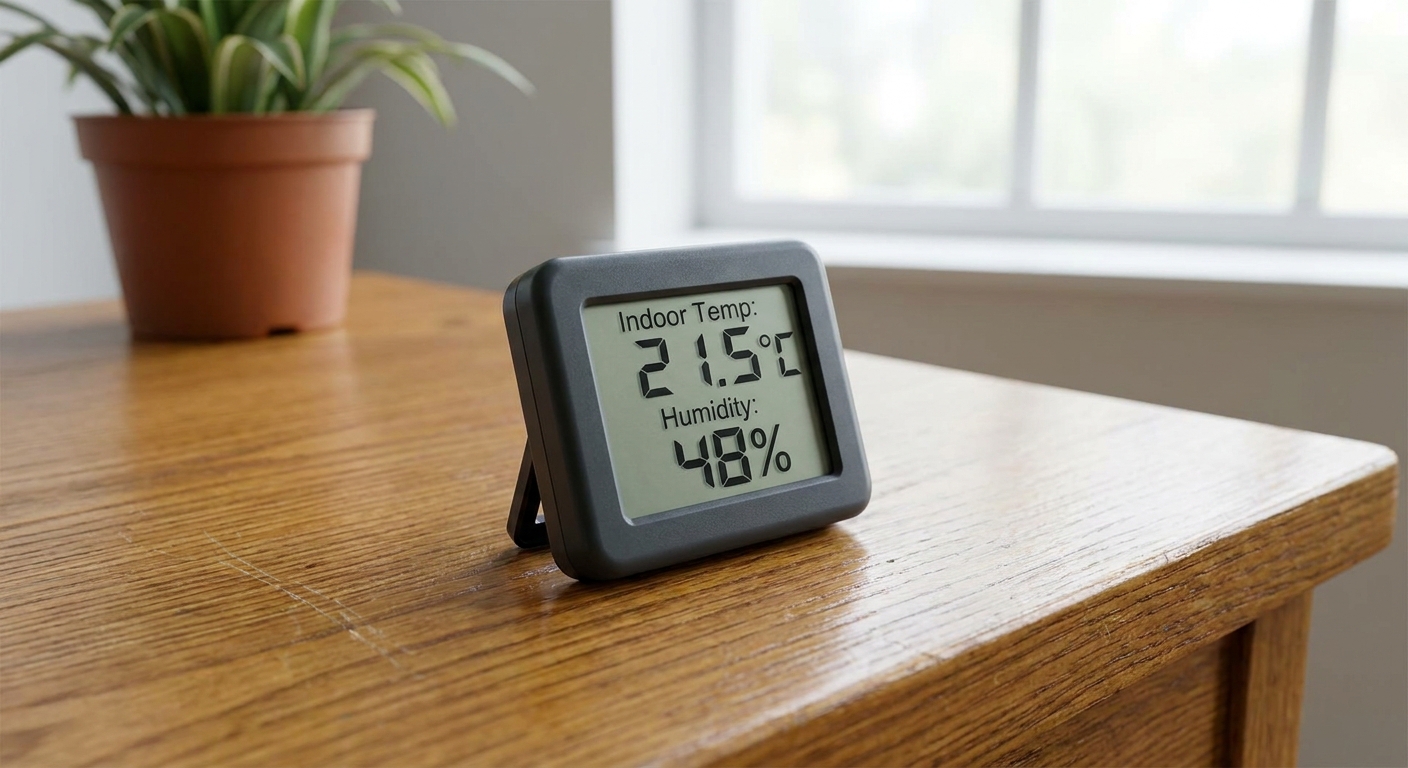
Common summer mistakes
- Dropping the thermostat way down to cool faster. Most conventional single-stage systems cool at about the same rate regardless of the setpoint. You usually just make the system run longer than necessary. Two-stage and variable-speed systems can behave differently, but the practical advice stays the same: pick a reasonable setpoint and let the system do its job.
- Setting big up-and-down swings all day. A simple schedule beats constant manual changes.
- Ignoring sun exposure. South and west windows can make the thermostat reading unrepresentative of other rooms. Use blinds in late afternoon or consider room-by-room fixes like blackout curtains.
Maintenance note: If your AC is running but humidity is climbing, also check the condensate drain line for clogs and confirm the filter is not restricting airflow.
Winter settings
Recommended setpoint
Start at 68°F when you are home and awake. If you like it warmer, bump to 69 or 70°F, but try to keep setbacks in place when you are asleep or away.
Night and away setbacks
- Sleeping: 60 to 65°F. A slightly cooler house often equals better sleep, especially with a decent comforter.
- Away: 60 to 65°F for a normal day out.
How low is too low?
For many homes, 55 to 60°F is a reasonable vacation setting, but your house and plumbing get the final vote. Never go below what your equipment and plumbing manufacturers recommend, and always consider local cold snaps, wind exposure, and any history of frozen pipes.
- Older homes with drafty plumbing runs: stay closer to 60°F.
- If you have rooms over a garage, cantilevers, or poorly insulated exterior walls: those are the first places to freeze. Check them before you leave.
- Open under-sink cabinet doors on exterior walls during extreme cold so warm air can circulate around supply lines.
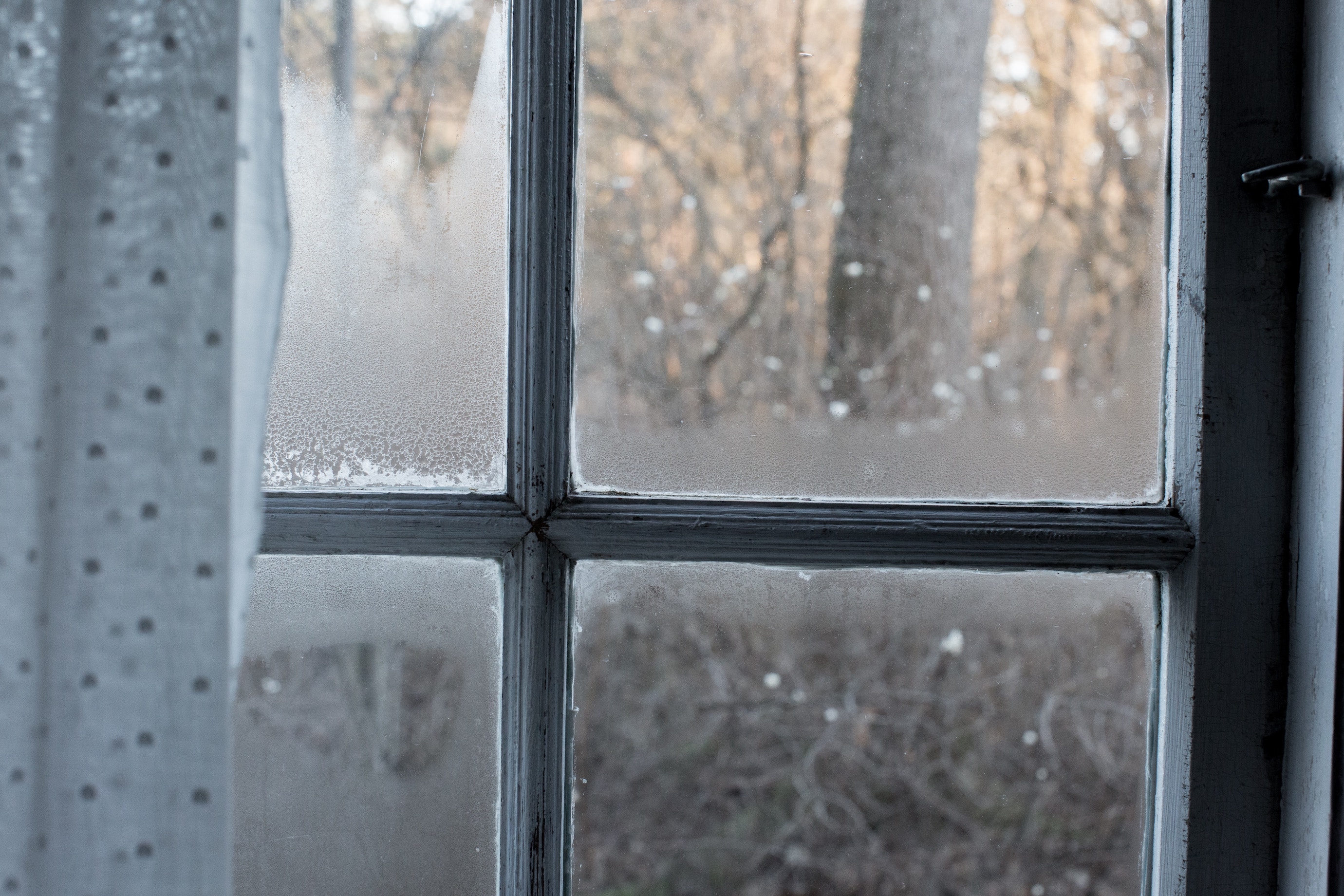
Humidity in winter
Winter air is naturally drier. Many homes feel comfortable at lower temps when humidity is not bottomed out. Aim for 30 to 40% relative humidity in winter, but in very cold weather or with older windows, you may need to run lower to avoid condensation.
- If windows sweat: lower humidity a bit and check air sealing. Condensation is a moisture and temperature problem, not just a humidity problem.
- If you feel static and dry sinuses: consider a portable humidifier in bedrooms, or a whole-house humidifier if your HVAC supports it.
Heat pump vs. gas furnace
This part matters because the “best” thermostat habits change based on how your heat is made.
If you have a heat pump
- Use smaller setbacks (to start). Big temperature drops can trigger auxiliary heat (often electric resistance heat) on many systems. A good starting point is a 2 to 4°F setback at night or while away, then test your comfort and whether AUX comes on. Some modern cold-climate, variable-speed heat pumps can handle larger setbacks without strips if they are sized and configured well, so use your thermostat history as your guide.
- Avoid frequent manual bumps. Cranking the thermostat up 5 to 8°F on a cold morning is a classic way to call AUX.
- Let the schedule do the work. If you want it warmer at 6:30 a.m., program a gradual ramp starting earlier.
- Know your lockout settings. Some systems can be configured so AUX only runs below a certain outdoor temperature, or only after a longer run time.
If you have a gas furnace (or boiler)
- Bigger setbacks are often fine. 5 to 8°F is a common range because you are not risking electric strip heat. It often reduces overall heating demand, especially in tighter homes, but results can vary depending on air leakage, insulation, and how quickly your home cools down.
- Recovery can be faster. A furnace can raise indoor temp more quickly than many heat pumps, which can make setbacks feel easier.
If you have radiators or steam heat
Radiator systems can be slower to respond, and some older controls do not love big swings. If you have steam or hot water radiators, start with smaller setbacks and give the system more time to recover.
If you have dual fuel
Dual fuel can be very efficient when the system is set up correctly, but the “best setting” depends on your fuel prices and the switchover temperature. If you are unsure, start with a modest setback (2 to 4°F) and watch when the system switches to gas. Many thermostats can show this in equipment history.
Away and vacation settings
Workday away mode
If you leave for 8 to 10 hours, an away setting is usually worth it.
- Summer: 82 to 85°F
- Winter: 60 to 65°F (heat pump owners: consider 62 to 66°F to avoid long recoveries and AUX use)
Vacation mode
Vacation is where people either save real money or accidentally create a mess. Here is the safe approach:
- Summer: 85°F, and consider a dehumidifier set to 50 to 55% if your area is humid.
- Winter: 55 to 60°F, unless plumbing is vulnerable. If you have any doubt, choose 60°F.
- Always: keep interior doors open so conditioned air can reach all rooms.
- Smart thermostat bonus: use geofencing carefully. It is great for unpredictable schedules, but I prefer a simple vacation hold for long trips so the system is not guessing.
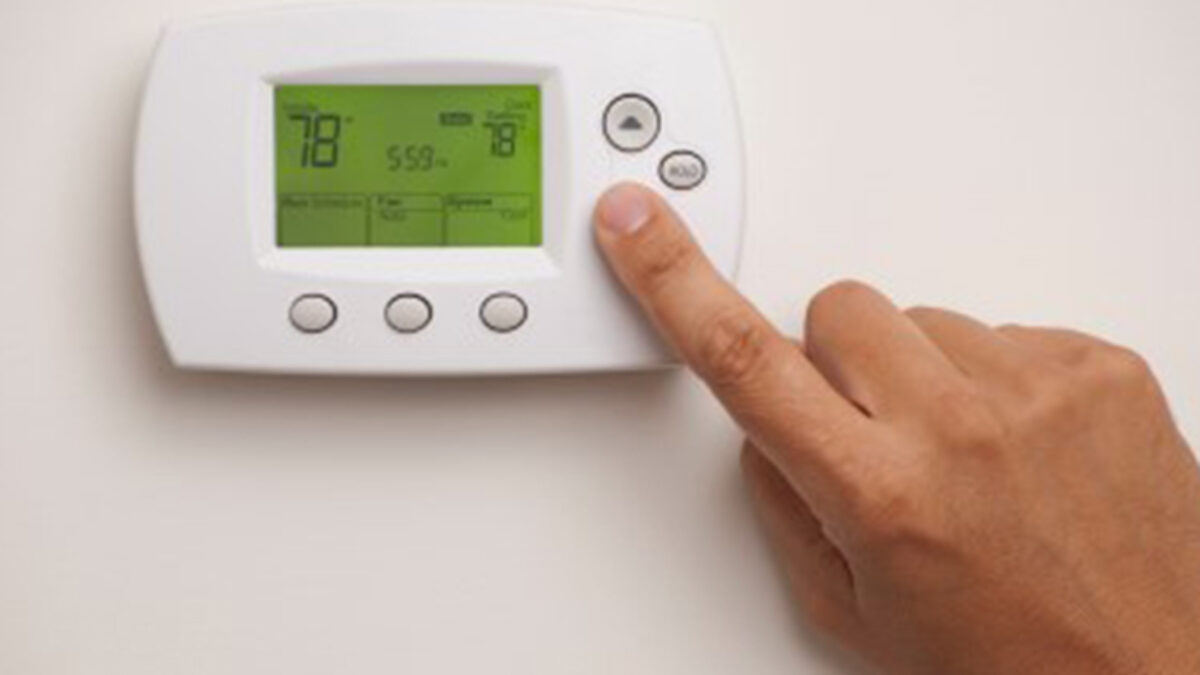
Smart schedule tips
My favorite thermostat schedules are boring. Boring means predictable, and predictable means the system runs efficiently.
A simple weekday schedule
- Wake: set your comfort temp 30 to 60 minutes before you get up (heat pumps may need earlier).
- Leave: switch to away setpoint when the house empties.
- Return: go back to comfort temp 30 to 60 minutes before you get home.
- Sleep: set back a few degrees when you head to bed.
Dial in timing first
- If the house is still uncomfortable at “wake” time: don’t immediately raise the setpoint. First, start the wake period earlier.
- If the system is running hard during peak rates: shift the schedule so recovery happens before peak hours, if your utility uses time-of-use pricing.
- If you work from home: consider a “work block” setpoint that is comfortable in the room you use most, plus fans. You do not have to condition the whole house like it is a weekend.
Use thermostat reports
Most smart thermostats show runtime history. Look for two red flags:
- Very short cycles (on and off constantly): can point to oversizing, airflow issues, a dirty filter, or a control issue.
- Long recoveries after setbacks: may mean setbacks are too aggressive for your system, or your home needs air sealing and insulation help more than thermostat tweaking.
Quick setup note: If your thermostat is in a hallway that runs hotter or colder than the rest of the house, consider using a remote sensor (if your model supports it) so you are controlling to the room you actually live in.
Comfort upgrades
If 78°F in summer or 68°F in winter sounds tough, the answer is often not a different number. It is improving how the house holds and distributes comfort.
- Change filters on schedule. Restricted airflow hurts comfort and efficiency.
- Seal obvious air leaks. Weatherstrip exterior doors, seal attic penetrations, and use outlet gaskets on exterior walls.
- Use curtains like tools. Close sun-facing blinds in summer afternoons and open them on sunny winter mornings.
- Balance airflow. Make sure supply vents are open and returns are not blocked by furniture or rugs.
- Ceiling fan direction: counterclockwise in summer for a cooling breeze, clockwise in winter on low to mix warm air down from the ceiling.
FAQ
Is 72°F the best thermostat setting?
It is a common comfort setting, but it is not automatically the best for your bill. In summer, 72°F usually costs significantly more than 78°F. In winter, 72°F is comfortable but typically costs more than 68°F. If you want 72°F, consider using it only during your most-used hours and keeping setbacks the rest of the day.
Should I turn my HVAC off when I leave?
Usually no. Turning it off can let humidity spike in summer and can create big recovery loads. A better move is an away setpoint: warmer in summer, cooler in winter.
What if my upstairs is always hotter (or colder)?
Start with basics: clean filter, open vents, and make sure returns are not blocked. Use curtains on sun-facing rooms. If it is a persistent problem, you may need duct balancing, added attic insulation, or a zoning solution. Thermostat settings can only do so much when the house is uneven.
How do I know if AUX heat is running too much?
Many thermostats show “AUX” or “Emergency Heat” on the display when it is active, and smart models show it in equipment history. If AUX runs during mild outdoor temperatures, reduce setbacks and avoid big manual temperature jumps.
What about babies, older adults, and pets?
If you have an infant, an older adult, or anyone with health issues, you may need a narrower temperature range than the “thrifty” settings above. Pets also vary. Use the quick picks as a starting point, then prioritize safety and comfort where it counts.
The 30-Second Cheat Sheet
Essential takeaways for: Best Thermostat Settings (Summer, Winter, Away)
Best thermostat settings (quick picks)
- Summer (home): 78°F
- Summer (sleep): 78 to 82°F
- Summer (away): 82 to 85°F
- Summer (vacation): 85°F, watch humidity
- Winter (home): 68°F
- Winter (sleep): 60 to 65°F
- Winter (away): 60 to 65°F
- Winter (vacation): 55 to 60°F (use 60°F if plumbing is vulnerable)
Humidity targets
- Cooling season: 40 to 55% RH (aim near 50%)
- Heating season: 30 to 40% RH (lower if windows get condensation, especially in very cold weather)
Heat pump vs. gas furnace
- Heat pump: keep setbacks small (often 2 to 4°F) to reduce AUX heat.
- Gas furnace: bigger setbacks are often fine (commonly 5 to 8°F).
Smart schedule that works for most homes
- Wake: comfort temp 30 to 60 minutes before you get up (heat pump may need earlier)
- Leave: switch to away temp
- Return: comfort temp 30 to 60 minutes before you get home
- Sleep: set back a few degrees
My thrifty rule: pick a plan you can live with every day. Consistency beats constant manual tweaks.
💡 Tip: Scroll up to read the full article for detailed, step-by-step instructions.
⬆️ Back to top
About Marcus Vance
Content Creator @ Grit & Home
Marcus Vance is a lifelong DIY enthusiast and self-taught home renovator who has spent the last decade transforming a dilapidated 1970s ranch into his family's dream home. He specializes in budget-friendly carpentry, room-by-room renovations, and demystifying power tools for beginners. Through his writing, Marcus shares practical tutorials and hard-learned lessons to help homeowners tackle their own projects with confidence.